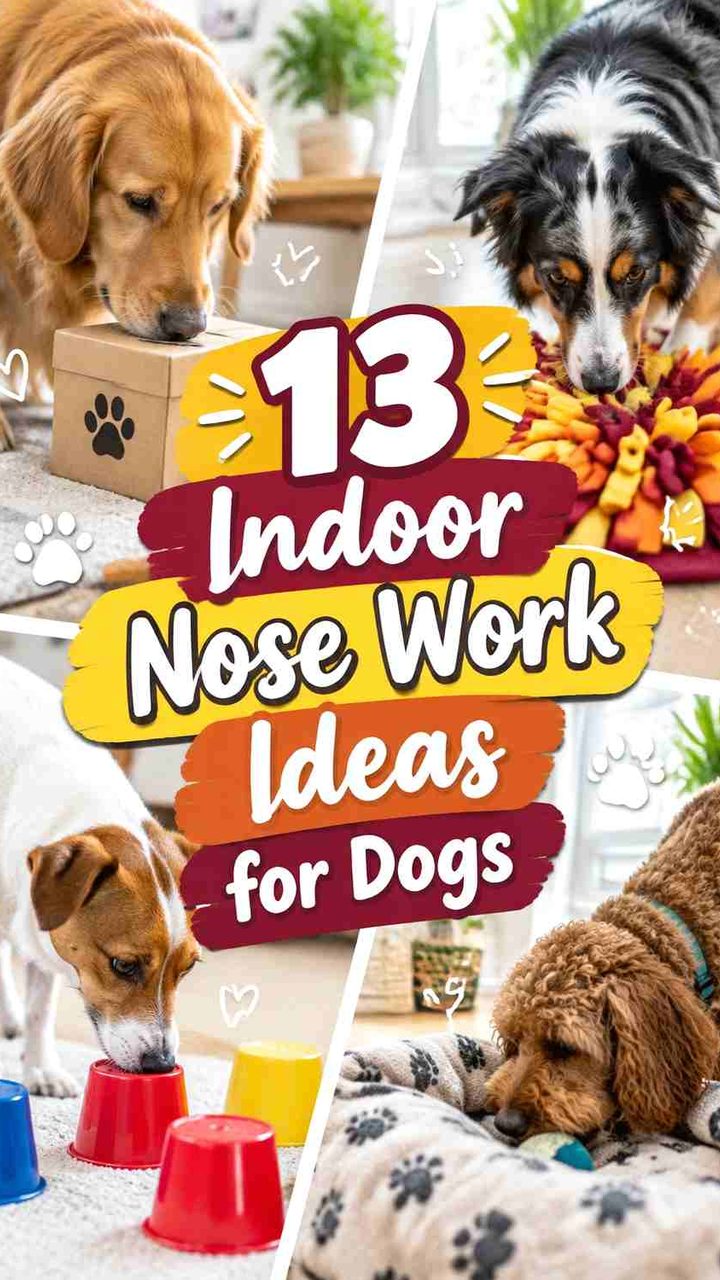
Simple indoor scent games can turn treats, towels, boxes, toys, and everyday rooms into engaging nose work activities for dogs of different experience levels. Indoor nose work gives dogs a chance to sniff, search, make choices, and investigate familiar spaces in a more purposeful way. These 13 ideas range from straightforward treat searches for beginners to longer scent hunts for dogs that already understand the game. You can adjust each activity by changing the number of hiding spots, how visible the reward is, and how much of the room your dog needs to search. Keep early sessions easy, use safe floor-level locations, and supervise setups involving fabric, cardboard, paper, containers, or other movable household items.
Save This Idea on Pinterest
13 Indoor Nose Work Ideas for Dogs
Save to PinterestQuick List
- Hidden Treat Cup Search for Beginner Indoor Dogs
- Cardboard Box Scent Search for Curious Indoor Dogs
- Towel Fold Nose Work for Rainy-Day Dogs
- Room-to-Room Treat Trail for Active Indoor Dogs
- Muffin Tin Scent Puzzle for Food-Motivated Dogs
- Snuffle Mat Search Challenge for Bored Indoor Dogs
- Blanket Scatter Search for Gentle Indoor Nose Work
- Paper Parcel Scent Hunt for Playful Indoor Dogs
- Favorite Toy Find-It Nose Work for Indoor Dogs
- Chair-Leg Treat Trail for Small-Space Indoor Dogs
- Laundry Basket Nose Search for Confident Indoor Dogs
- Hidden Container Scent Choice Game for Clever Dogs
- Multi-Room Scent Hunt for Experienced Indoor Dogs
1. Hidden Treat Cup Search For Beginner Indoor Dogs
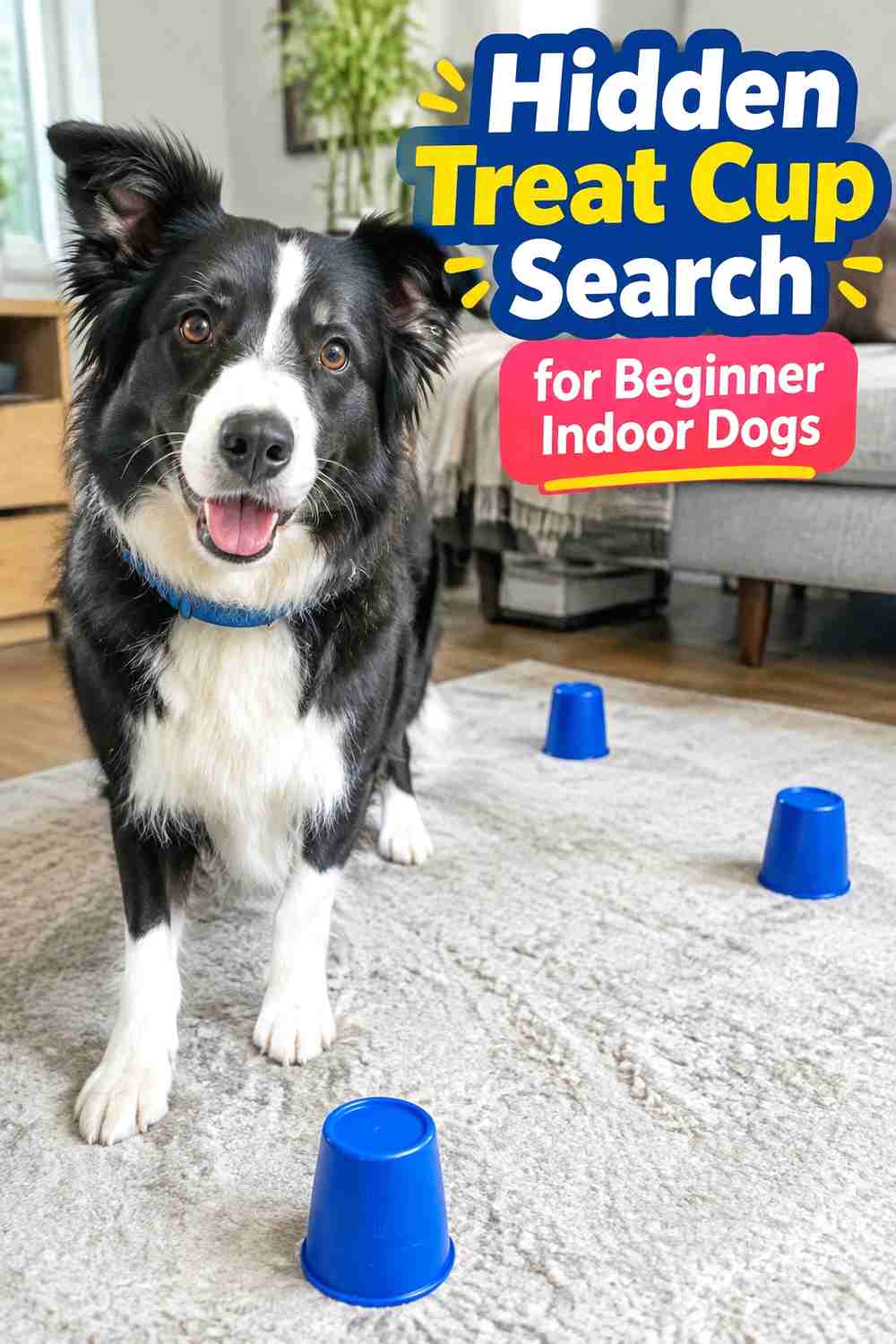
A hidden treat cup search is an easy introduction to indoor nose work because the search area stays small and the reward is simple to locate. Place two or three sturdy, unbreakable cups on the floor and hide a treat beneath one while your dog watches. Let your dog sniff each cup and investigate until the correct one is found. Once the game makes sense, hide the treat while your dog is briefly out of sight or add one more empty cup. Keep the cups spaced apart so each choice is clear. Avoid containers small enough to fit inside your dog’s mouth, and stop if the activity turns into cup chewing rather than scent searching.
Best For
This setup works well for dogs new to nose work because you can make the first successful search obvious before gradually adding choices.
2. Cardboard Box Scent Search For Curious Indoor Dogs
You May Also Like


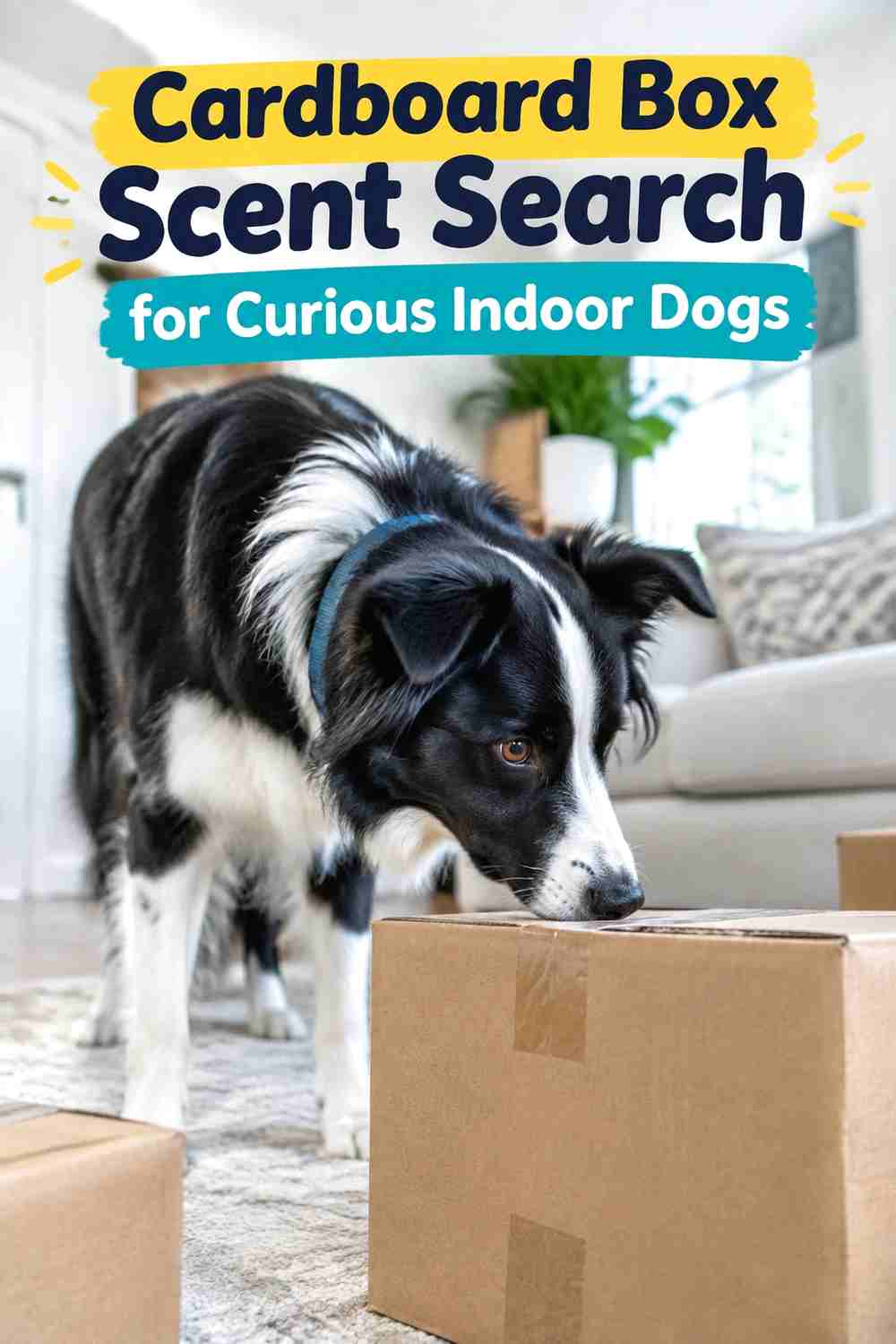
A cardboard box search creates several easy scent zones inside one contained area. Place a few clean open boxes on the floor and hide treats in only some of them, leaving the boxes uncovered so your dog can move from one opening to another. Start with shallow boxes and visible rewards, then place treats deeper inside once your dog confidently checks each container. Changing box sizes can make the search more interesting without making it dramatically harder. Remove tape, staples, plastic packing material, and loose labels before starting. Dogs that immediately shred and swallow cardboard need a different nose work setup, but gentle investigators can enjoy repeated searches before the boxes wear out.
Setup Notes
Spread the boxes far enough apart that your dog can clearly investigate each one rather than pushing several containers together.
3. Towel Fold Nose Work For Rainy Day Dogs
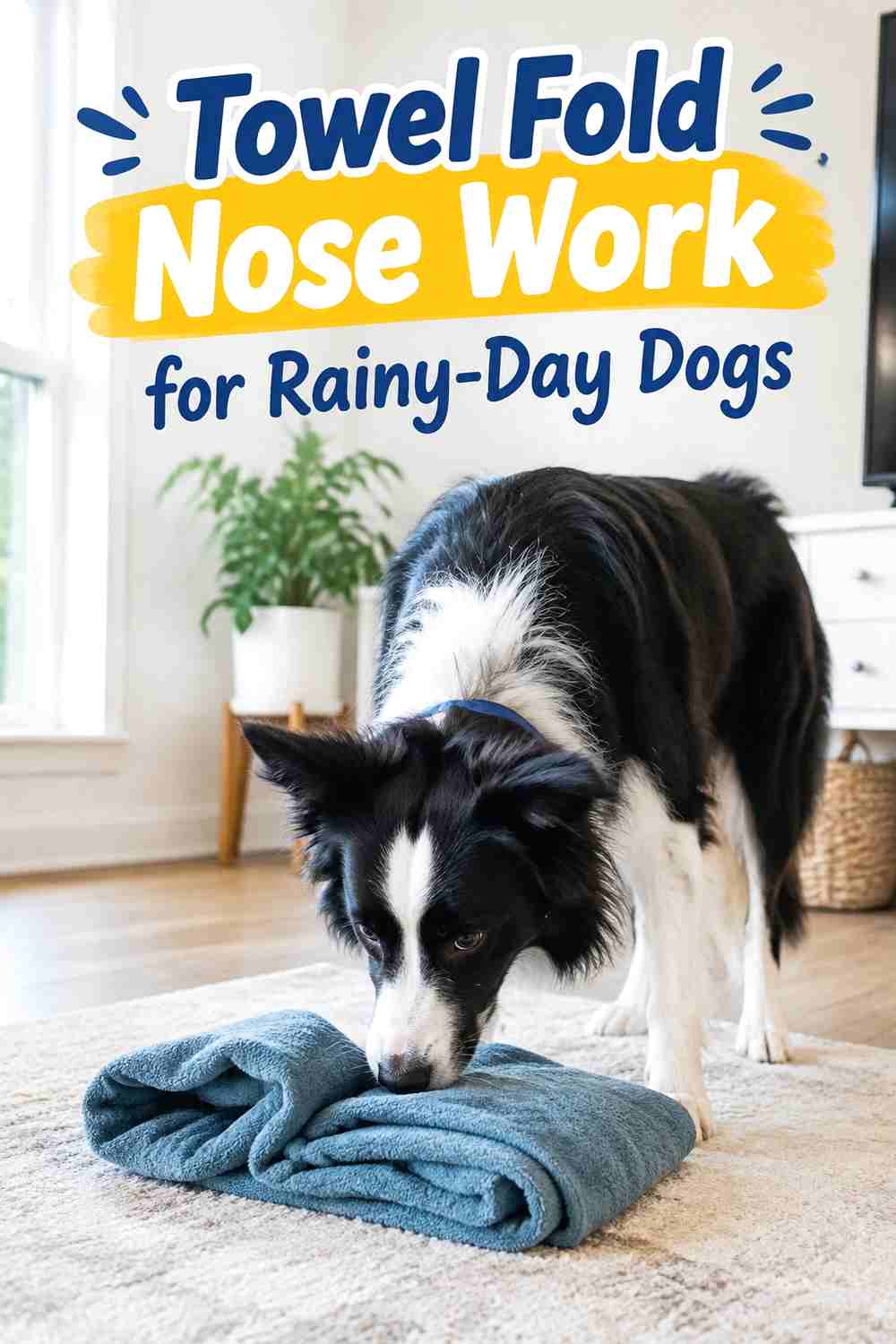
A folded towel turns a rainy indoor day into a compact scent-search activity with almost no special equipment. Lay a clean towel flat, place several treats across the fabric, and create broad loose folds that partially hide each reward. Let your dog follow the scent through the layers and use the nose to separate the fabric. Beginners can start with treats near exposed edges, while experienced dogs can search deeper folds with some empty sections mixed in. Keep the towel on a non-slip surface if enthusiastic pawing makes it move. Avoid tight knots, and remove the towel once the search ends if your dog tends to chew or swallow fabric fibers.
Use & Maintenance
Shake out crumbs after the game and wash the towel regularly so old food smells do not overwhelm the next search.
4. Room To Room Treat Trail For Active Indoor Dogs
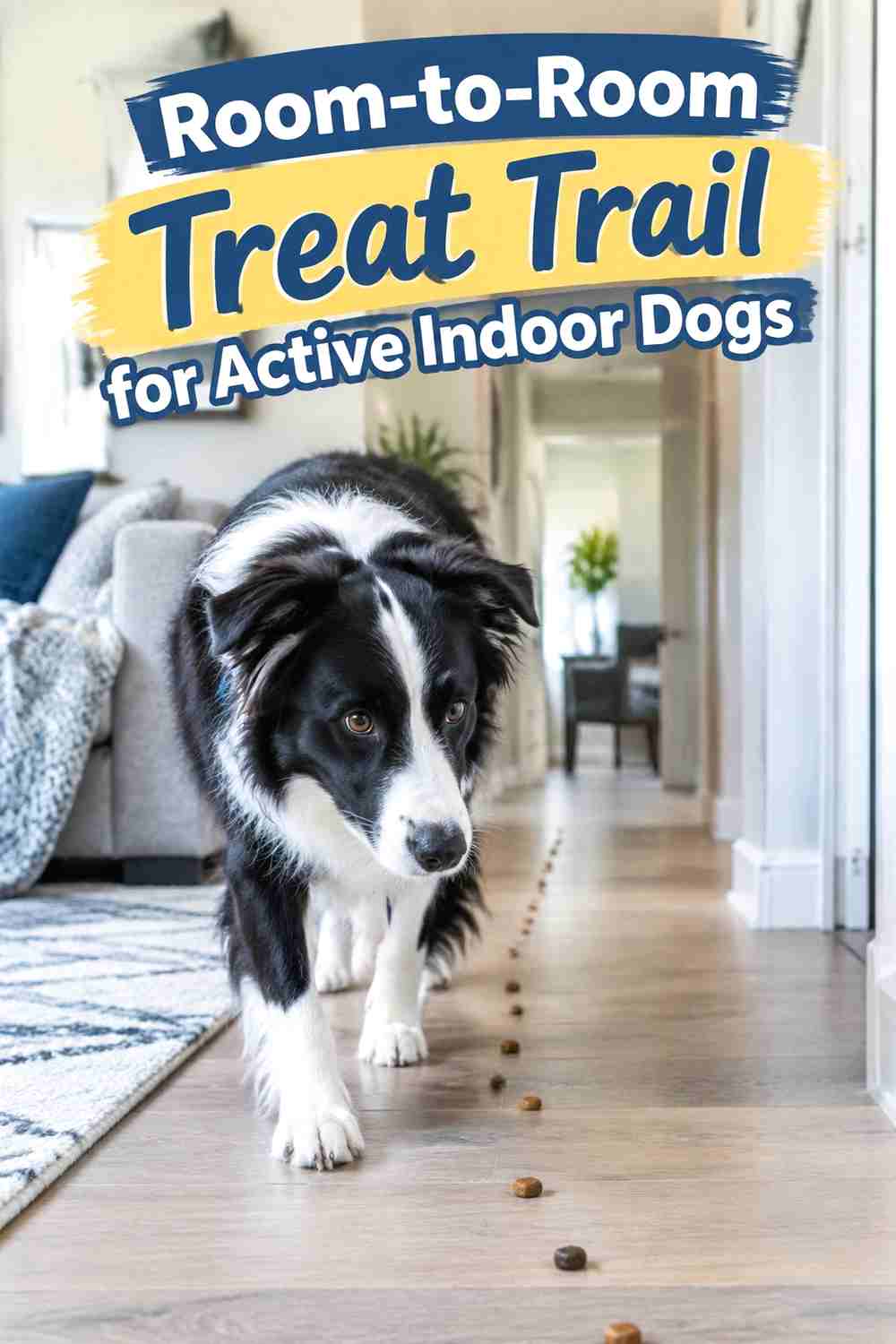
A room-to-room treat trail expands nose work beyond one mat or puzzle and encourages an active indoor search. Place a short line of treats through two safe connected rooms, spacing them so your dog needs to use the nose rather than simply follow a visible row. Begin with an obvious first reward near the starting point, then gradually make later treats less visible. Once your dog understands the trail, skip some sections so sniffing becomes more important. Keep the route away from stairs, slippery clutter, electrical cords, and anything that could be knocked over. This activity works best when the search area is prepared first and household traffic is kept low.
Space & Placement
Choose rooms with clear walking paths and floor-level hiding spots rather than placing food on furniture or difficult-to-reach surfaces.
5. Muffin Tin Scent Puzzle For Food Motivated Dogs

A muffin tin scent puzzle gives food-motivated dogs several small locations to investigate in one stationary setup. Place treats in a few muffin wells and leave the other spaces empty, then let your dog sniff across the tray to locate the rewarding spots. Beginners can search an uncovered tin, while dogs that already understand the game can have selected wells loosely covered with appropriately sized balls or sturdy cups. Set the tray on a rug or non-slip mat so it does not slide across the floor. Keep the difficulty reasonable; the goal is scent discrimination, not forcing your dog to overturn heavy objects. Remove covers that become chew targets.
Why It Works
The repeated wells look similar, so scent becomes more useful than sight when only some spaces contain food.
6. Snuffle Mat Search Challenge For Bored Indoor Dogs
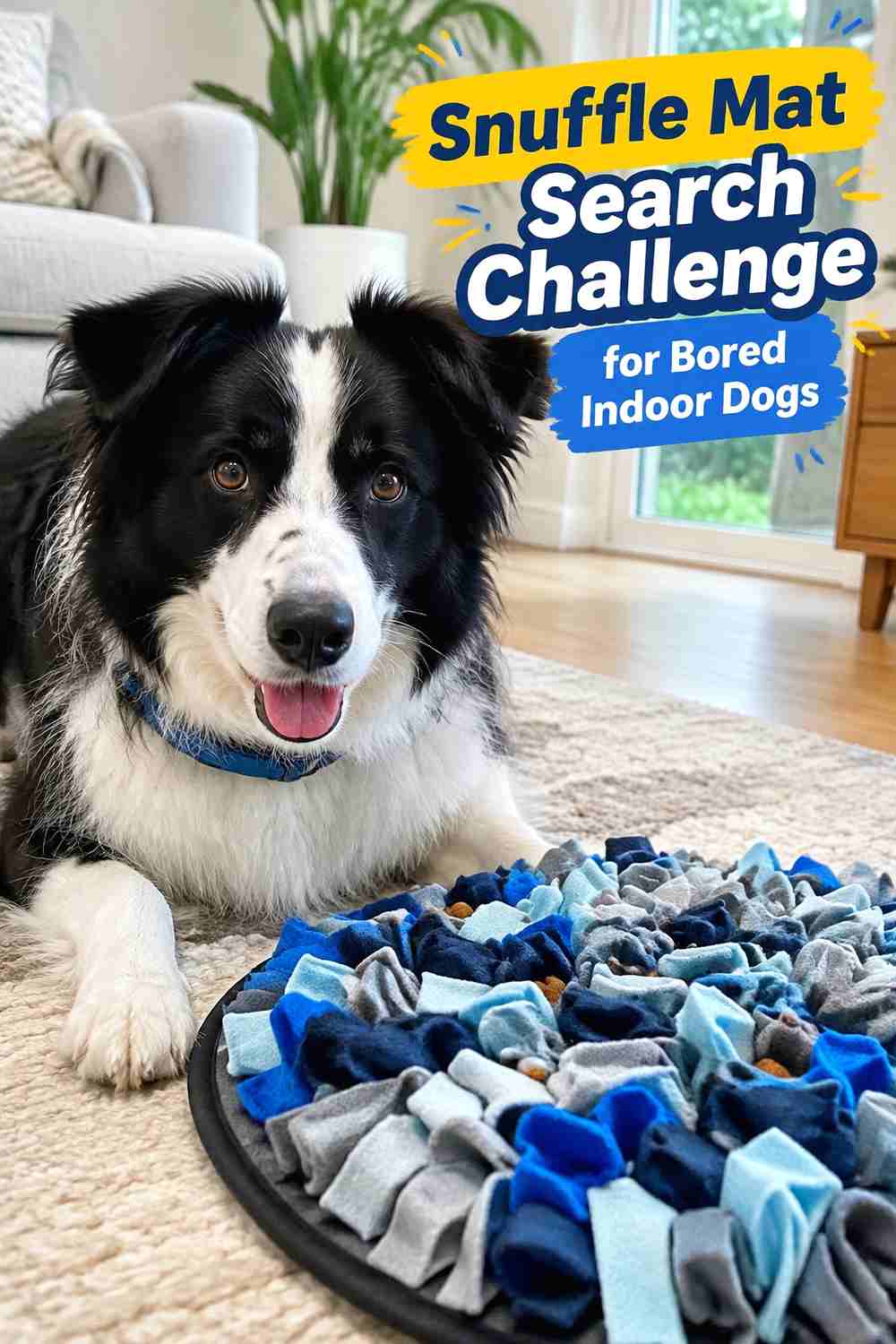
A snuffle mat creates dozens of small fabric hiding places where an indoor dog can search for scattered treats. Start by placing rewards near the top of the fabric strips so your dog quickly understands that sniffing the mat pays off. Later, tuck some pieces deeper while leaving other sections empty. Spread treats across the whole mat rather than concentrating them in one corner to encourage a slower search pattern. Place the mat on a stable floor surface and let your dog work at a comfortable pace. If your dog starts lifting, shaking, or chewing the mat instead of sniffing through it, simplify the setup or switch to a sturdier search game.
Pro Tip
Change the distribution of treats between sessions so your dog cannot rely on checking the same few areas every time.
7. Blanket Scatter Search For Gentle Indoor Nose Work

A blanket scatter search offers gentle indoor nose work with fewer folds and barriers than a rolled towel puzzle. Spread a washable blanket across the floor and scatter treats over the surface, then lightly rumple several sections so a few rewards disappear into shallow fabric valleys. Your dog can move around the blanket, sniffing both open and partially hidden areas. For the first session, keep most treats visible. Later, hide more pieces beneath loose edges or soft folds while still leaving easy finds between them. This setup is simple to enlarge or shrink depending on available space. Keep the blanket flat enough that your dog can walk across it without becoming tangled.
Best For
This may suit cautious dogs, beginners, or dogs that enjoy sniffing but become frustrated by tightly wrapped or complicated food puzzles.
8. Paper Parcel Scent Hunt For Playful Indoor Dogs
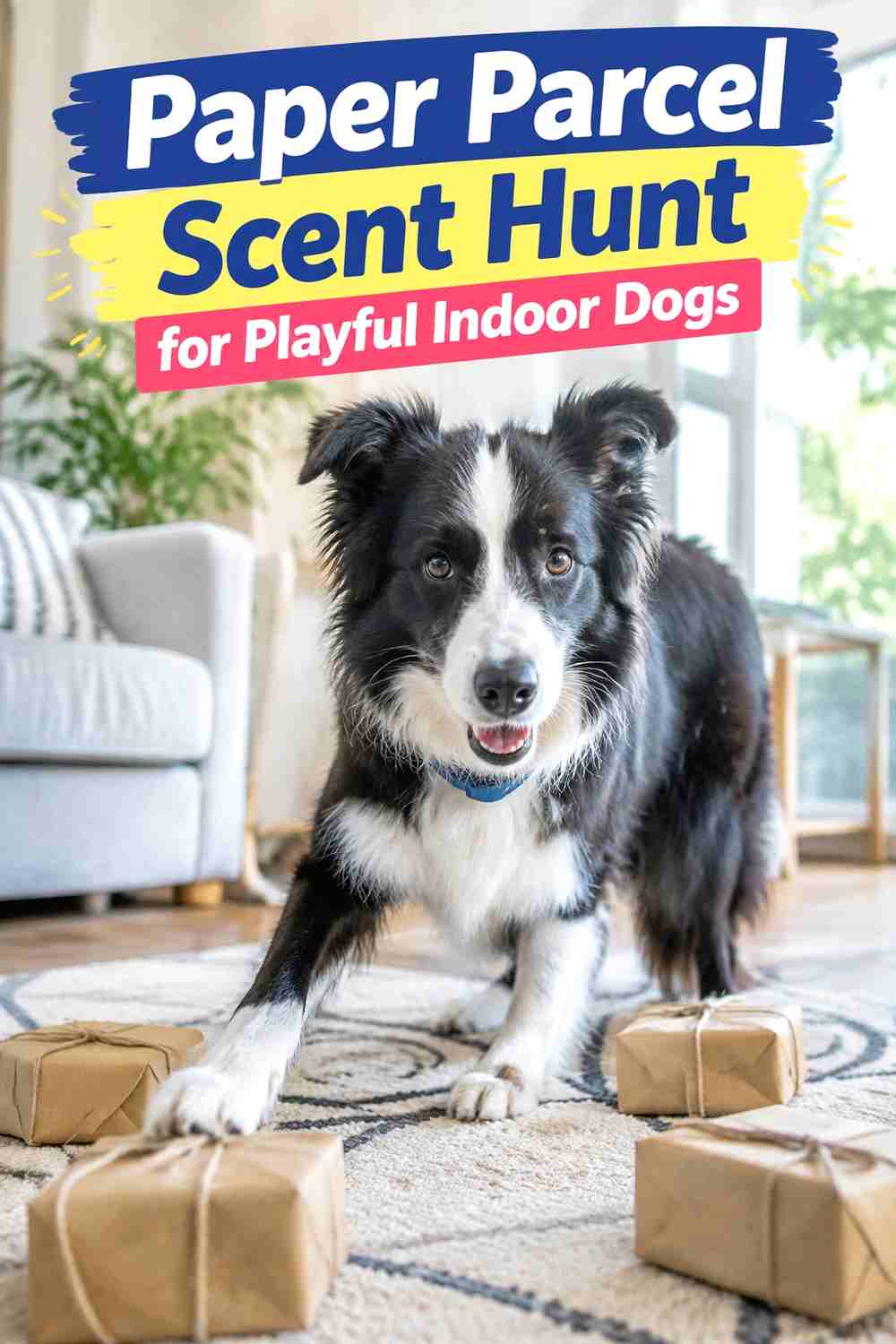
A paper parcel scent hunt combines sniffing with gentle unwrapping for dogs that enjoy moving lightweight materials. Place a treat inside a sheet of plain kraft or packing paper and fold it loosely into a simple parcel without tape, string, ribbons, or staples. Make the first package easy by leaving one edge slightly open so the scent is obvious. Later, prepare two or three parcels and put food in only some of them. Your dog must sniff before deciding which package is worth opening. Use clean paper without glossy coatings or attached plastic. Supervise throughout, especially with dogs that like shredding, and remove torn pieces before they become something your dog tries to swallow.
Comfort & Safety
Keep every fold loose enough to open with gentle nose or paw movement rather than creating a tightly sealed package.
9. Favorite Toy Find It Nose Work For Indoor Dogs

A favorite toy find-it game shifts the reward from scattered food to locating a familiar object by scent. Begin by letting your dog watch you place a well-known toy a short distance away, then encourage a search and reward the find with praise, play, or a familiar treat. Once the idea is clear, place the toy partly behind a chair or beside a box while your dog waits outside the room. Gradually use less obvious floor-level locations, but keep the toy accessible without jumping or climbing. Choose one toy with a familiar smell and avoid introducing several objects at once until your dog understands what is being asked.
Pro Tip
Use the same toy for several early sessions so the scent target stays consistent before you experiment with different objects.
10. Chair Leg Treat Trail For Small Space Indoor Dogs

A chair-leg treat trail creates indoor nose work in a compact space by turning ordinary furniture into a simple search route. Use one sturdy dining chair and place treats near different legs, beneath the seat area on the floor, and just behind the chair where your dog needs to circle and sniff. Begin with several visible pieces, then hide later treats behind individual legs so scent guides the search. Keep all rewards on the floor rather than encouraging climbing onto furniture. Make sure the chair is stable and remove nearby bags, cords, or objects that could become tangled. This setup is especially convenient when you do not have room for a large scent course.
Space & Placement
Leave enough clearance around the chair for your dog to turn comfortably and approach each side without squeezing through narrow gaps.
11. Laundry Basket Nose Search For Confident Indoor Dogs
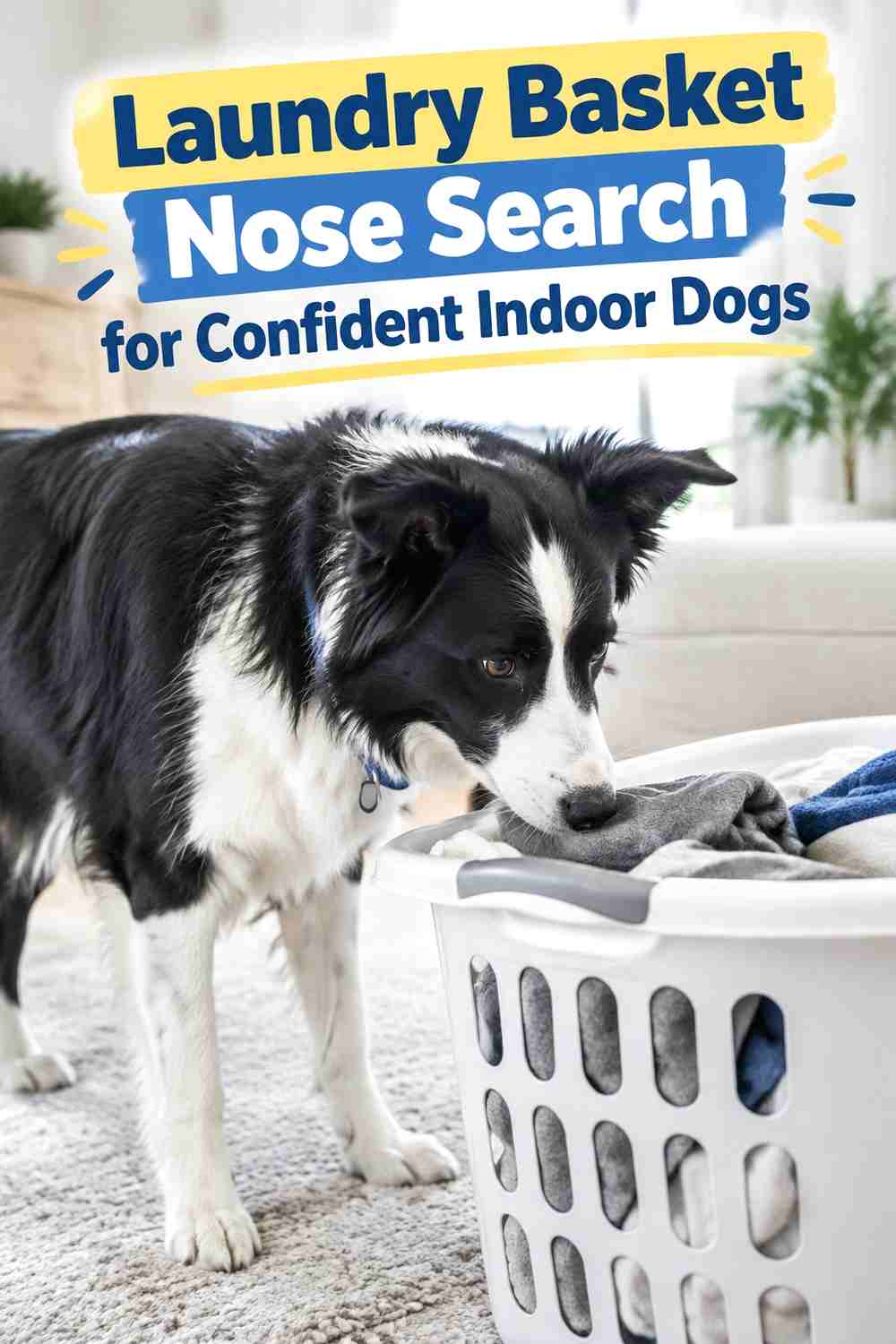
A laundry basket nose search creates a deeper scent challenge using a sturdy open basket and several lightweight fabric layers. Place a few clean towels loosely inside the basket and hide treats between selected folds, keeping the first rewards close to the top. A confident dog can sniff over the basket edge, move fabric with the nose, and investigate which layers contain something interesting. Increase difficulty by adding more empty folds rather than packing the basket tightly. Use a low, stable basket with smooth edges and enough room for your dog’s head to enter comfortably. Remove the basket if your dog starts chewing the rim or trying to climb inside.
Setup Notes
Avoid baskets with broken plastic, sharp edges, loose handles, or narrow openings where a collar, paw, or jaw could become caught.
12. Hidden Container Scent Choice Game For Clever Dogs
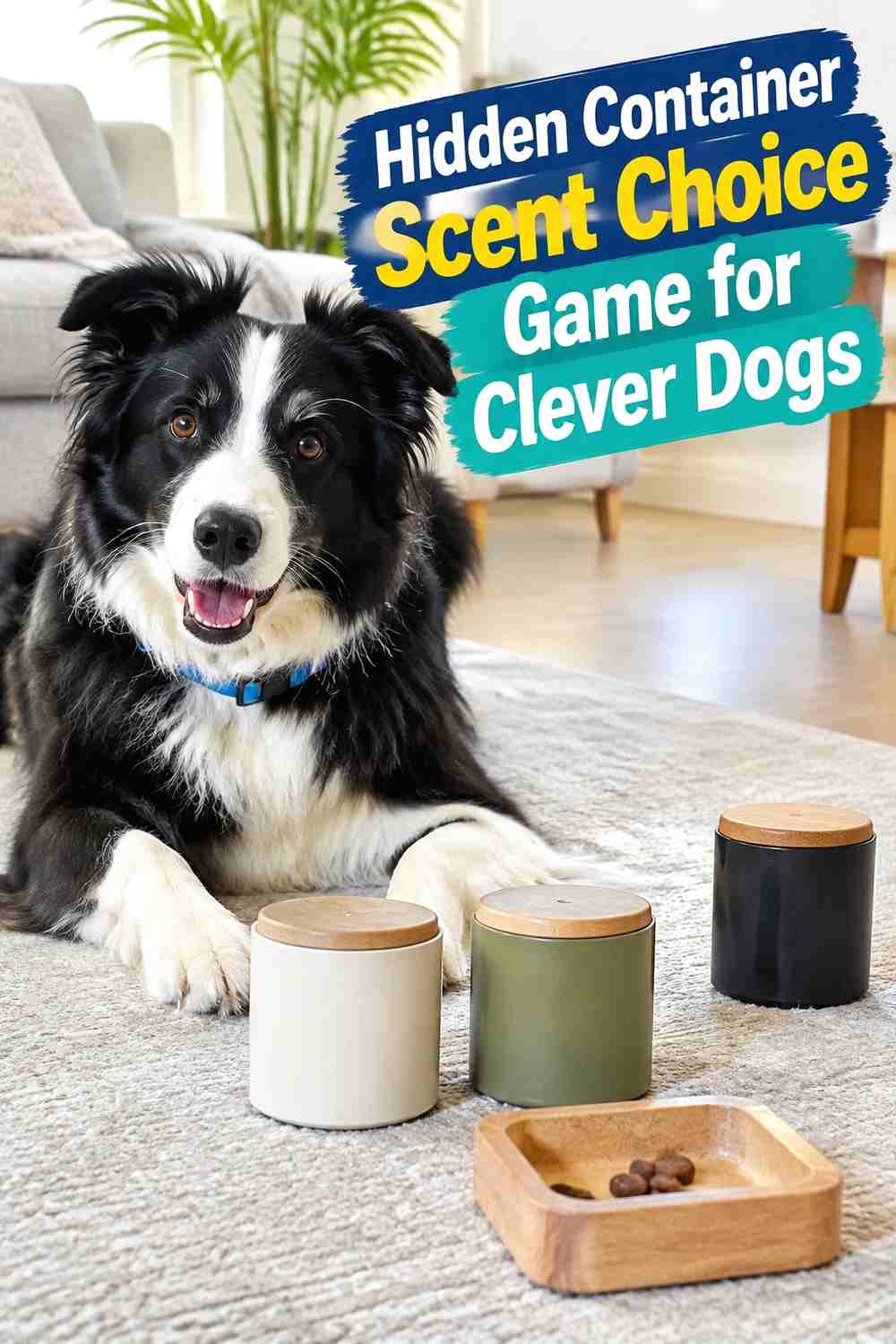
A hidden container scent choice game asks your dog to compare several similar containers and identify which one holds the reward. Place three sturdy containers on the floor with only one containing a treat, leaving small safe openings so scent can escape. Let your dog investigate all three before opening the correct container and delivering the reward. Once your dog becomes reliable, move the containers to new positions between rounds so location does not become the clue. Keep each container easy to inspect and too large to swallow. Do not expect a formal indication such as sitting or pawing; simply noticing where your dog spends extra sniffing time can keep the activity relaxed.
Why It Works
Moving the rewarding container between rounds encourages your dog to search by scent instead of memorizing one position.
13. Multi Room Scent Hunt For Experienced Indoor Dogs
You May Also Like



A multi-room scent hunt creates a longer indoor nose work session by placing several rewards across different safe areas of the home. Start with two connected rooms and hide treats at accessible floor level beside furniture, near door frames, or behind open boxes. Give your dog an easy first find, then allow independent searching rather than pointing out every location. Experienced dogs can eventually search three or more prepared rooms with fewer rewards and larger gaps between hiding spots. Keep doors to unsafe areas closed, remove food that is not part of the game, and avoid stairs or cluttered routes. Change hiding locations between sessions so memory does not replace actual scent searching.
Best For
This version suits dogs that already understand simple searches and can stay engaged while moving calmly through a larger indoor area.
How to Choose the Right Idea
Match the activity to your dog’s current nose work experience, confidence, movement style, and available space. Beginners often do best with visible rewards, open boxes, blanket searches, or two-choice cup games because success comes quickly and the search area is easy to understand. Dogs that already enjoy sniffing games can try covered muffin wells, paper parcels, container choices, toy searches, or longer room trails. For more experienced dogs, increase the search area or add empty locations before making individual hiding spots dramatically harder. Also consider your dog’s habits around household materials. A dog that chews fabric may need container or room-based searches instead of towels and blankets. Dogs that shred cardboard or paper should use sturdier setups. Keep routes uncluttered, adjust difficulty when frustration appears, and prioritize searches that allow comfortable, natural sniffing.
Final Thoughts
Indoor nose work can be simple, inexpensive, and easy to adapt to different homes. Start with one obvious search, notice how your dog investigates, and build difficulty through extra choices, larger areas, or fewer visible clues. Rotating several search styles can add variety without making every session complicated.
FAQs
1. How do I introduce indoor nose work to a beginner dog?
Start with one or two treats in easy-to-see locations and let your dog discover them without much guidance. Once searching becomes familiar, make the hiding spots slightly less obvious.
2. Do indoor nose work games need special scent kits?
No. Many casual enrichment games can use familiar treats, toys, boxes, towels, or household containers. Specialized scent work is a different activity and is not necessary for these simple home searches.
3. What if my dog looks frustrated during a scent game?
Make the next reward easier to find, reduce the number of choices, or return to a smaller search area. Indoor enrichment should remain understandable rather than becoming an increasingly difficult test.
4. Can small homes still work for indoor nose work?
Yes. Cup searches, muffin tins, towel folds, chair-leg trails, and compact container games require very little room. You can create variety by changing locations instead of increasing the search area.
5. How can I stop my dog from using memory instead of scent?
Move hiding spots, containers, boxes, or target objects between sessions. Changing the layout encourages fresh investigation rather than allowing your dog to repeat the same route.
CTA
Save your favorite indoor nose work ideas and rotate a few simple searches whenever your dog’s home routine needs something different.
