Make apartment life more interesting with quiet dog enrichment ideas designed for small rooms, shared walls, limited storage, and easy everyday cleanup.
Save This Idea on Pinterest
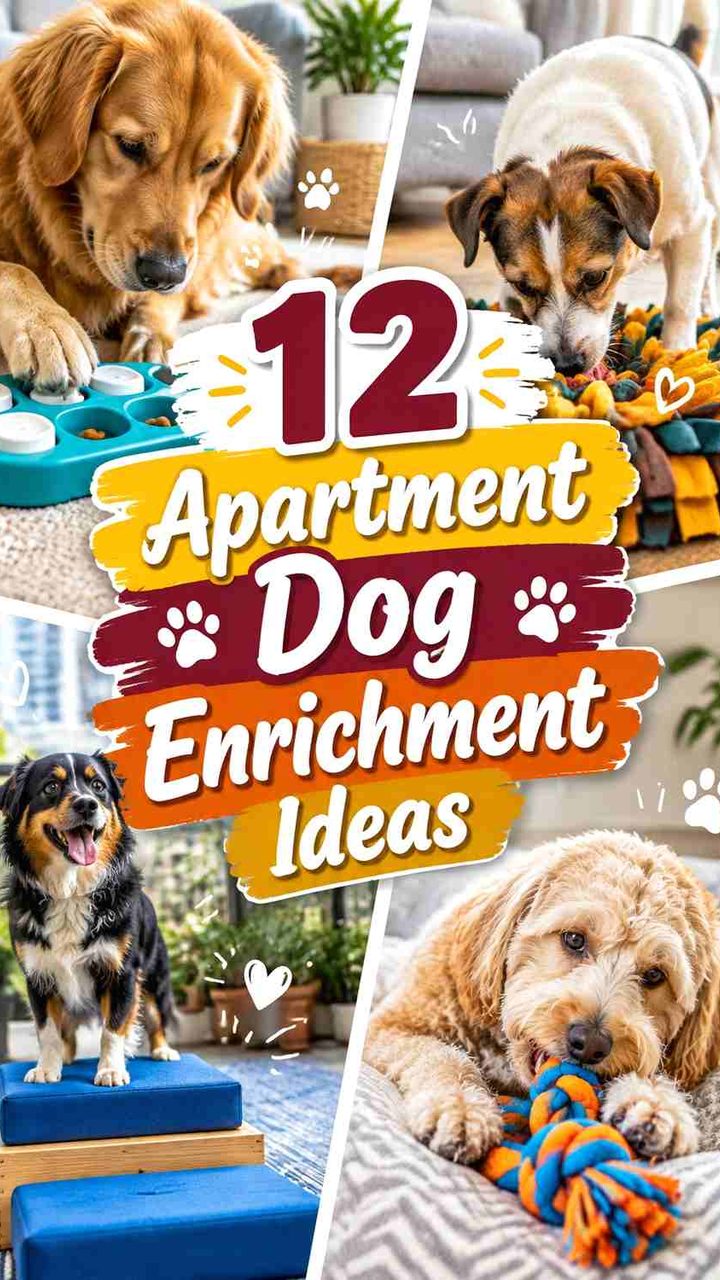
12 Apartment Dog Enrichment Ideas
Save to PinterestApartment dog enrichment works best when an activity provides something interesting to sniff, search, solve, carry, or practice without requiring a backyard or a large open room. Noise and flooring also matter because enthusiastic running, bouncing toys, and sliding equipment can be awkward in homes with neighbors nearby.
These 12 ideas focus on compact setups that are easy to introduce and put away. Some provide nose-led challenges, others encourage calm interaction or gentle movement, and several need almost no dedicated space. Adjust each activity for your dog’s size, age, confidence, chewing habits, energy, and normal household routine.
Quick List
- Compact Snuffle Mat Search for Apartment Dogs
- Rolled Towel Treat Puzzle for Small-Space Dogs
- Hallway Scent Trail for Curious Apartment Dogs
- Find-the-Toy Search Game for Apartment Dogs
- Quiet Hand-Target Training for Indoor Apartment Dogs
- Treat Cup Choice Game for Small Apartment Spaces
- Lick Mat Station for Calm Apartment Dog Enrichment
- Cardboard Box Treasure Hunt for Apartment Dogs
- Gentle Rug Tug Game for Apartment Dog Play
- Rotating Toy Basket for Clutter-Free Apartment Enrichment
- Calm Window Watch Station for Apartment Dogs
- Ground-Level Mini Obstacle Path for Apartment Dogs
1. Compact Snuffle Mat Search For Apartment Dogs
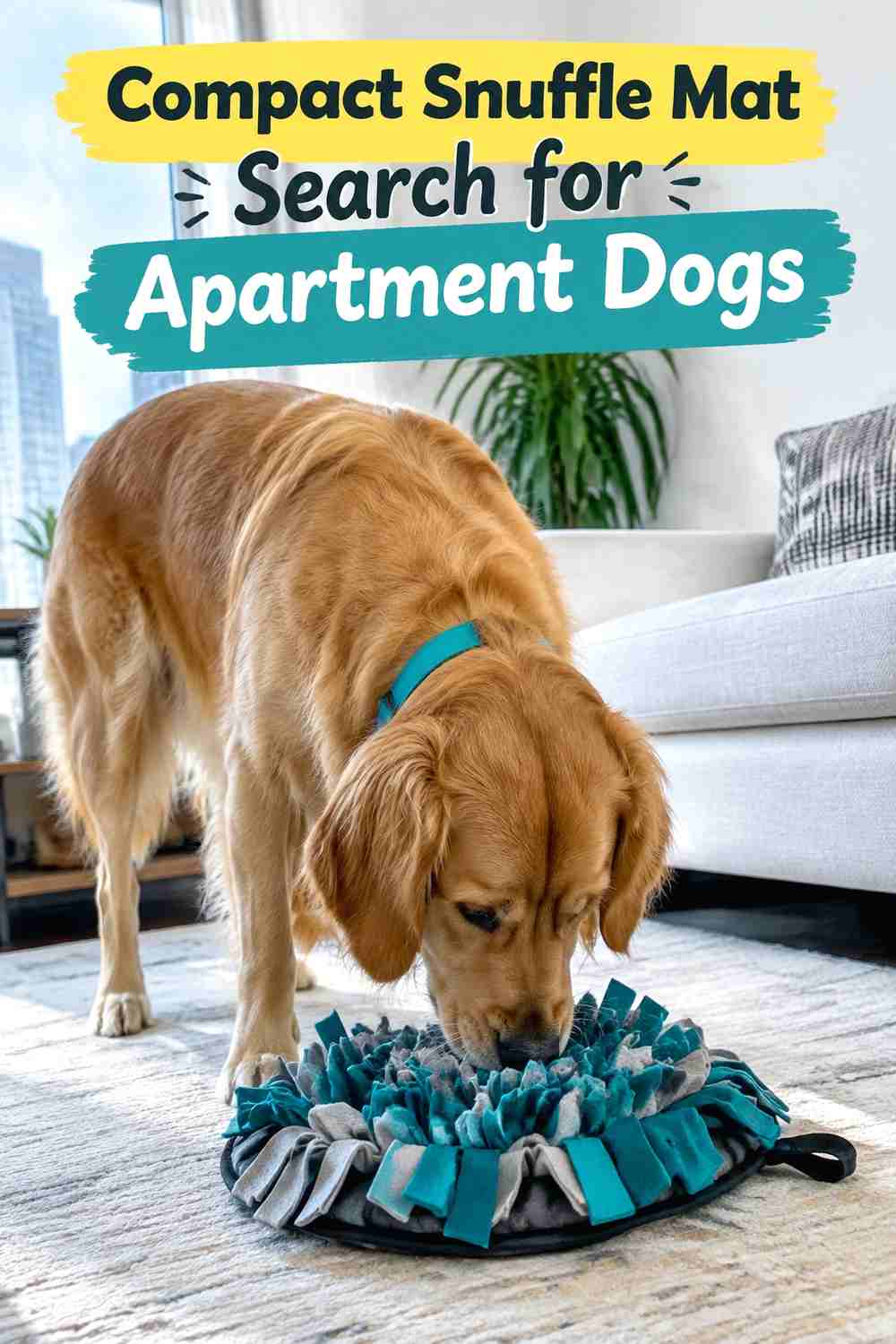
A compact snuffle mat gives apartment dogs a nose-led activity without requiring much floor space or noisy movement. Scatter a few suitable treats or pieces of your dog’s normal food through the fabric folds, keeping several near the surface when introducing the activity. Place the mat on a dry, non-slip section of floor where your dog can comfortably stand and turn.
The whole setup can fit beside a sofa or dining area, then disappear into storage when the search is finished. Shake out crumbs after each use and wash the mat as needed. If your dog starts pulling apart the fabric or chewing the backing instead of searching, end the session and store the mat rather than leaving it accessible.
Space & Placement
Choose a quiet corner away from the main household walkway. A defined spot also makes scattered crumbs easier to find before you put the mat away.
2. Rolled Towel Treat Puzzle For Small Space Dogs
You May Also Like

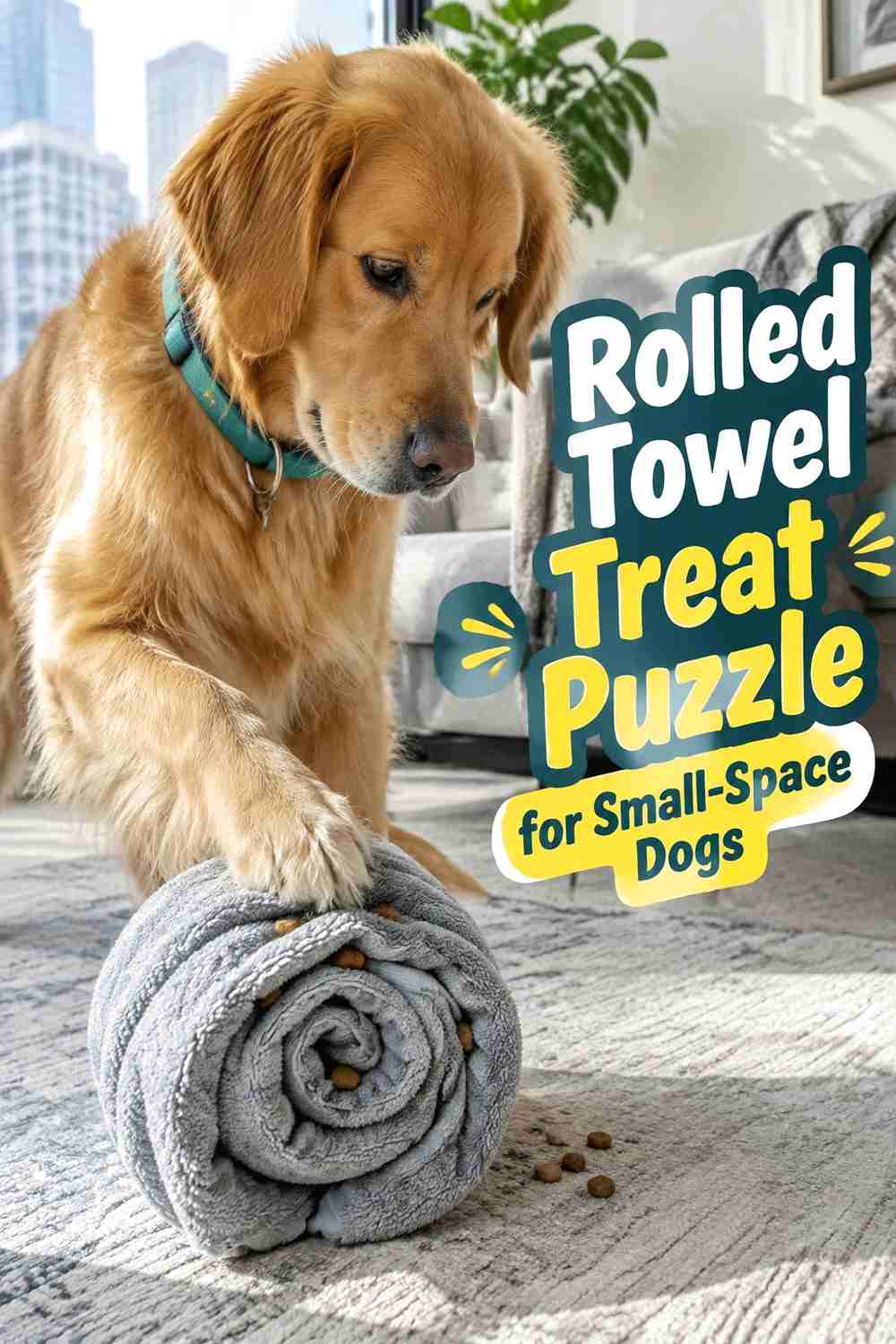
A rolled towel treat puzzle turns an ordinary household item into a compact apartment enrichment activity. Lay a clean towel flat, scatter a few suitable treats or pieces of regular food along the surface, then loosely roll it so your dog has to sniff and unfold the layers. Keep the first version easy enough that food is quickly discovered.
Use the puzzle on carpet or another non-slip area to prevent the towel from sliding across hard flooring. Because it requires almost no permanent equipment, it works well in studios and apartments with limited storage. Shake out leftover crumbs afterward and wash the towel as needed. Supervise dogs that tend to chew fabric, and remove the towel if searching changes into tearing or swallowing material.
Setup Notes
A loose roll is usually enough at first. Increase difficulty by adding a few simple folds rather than tying the towel into a tight knot.
3. Hallway Scent Trail For Curious Apartment Dogs
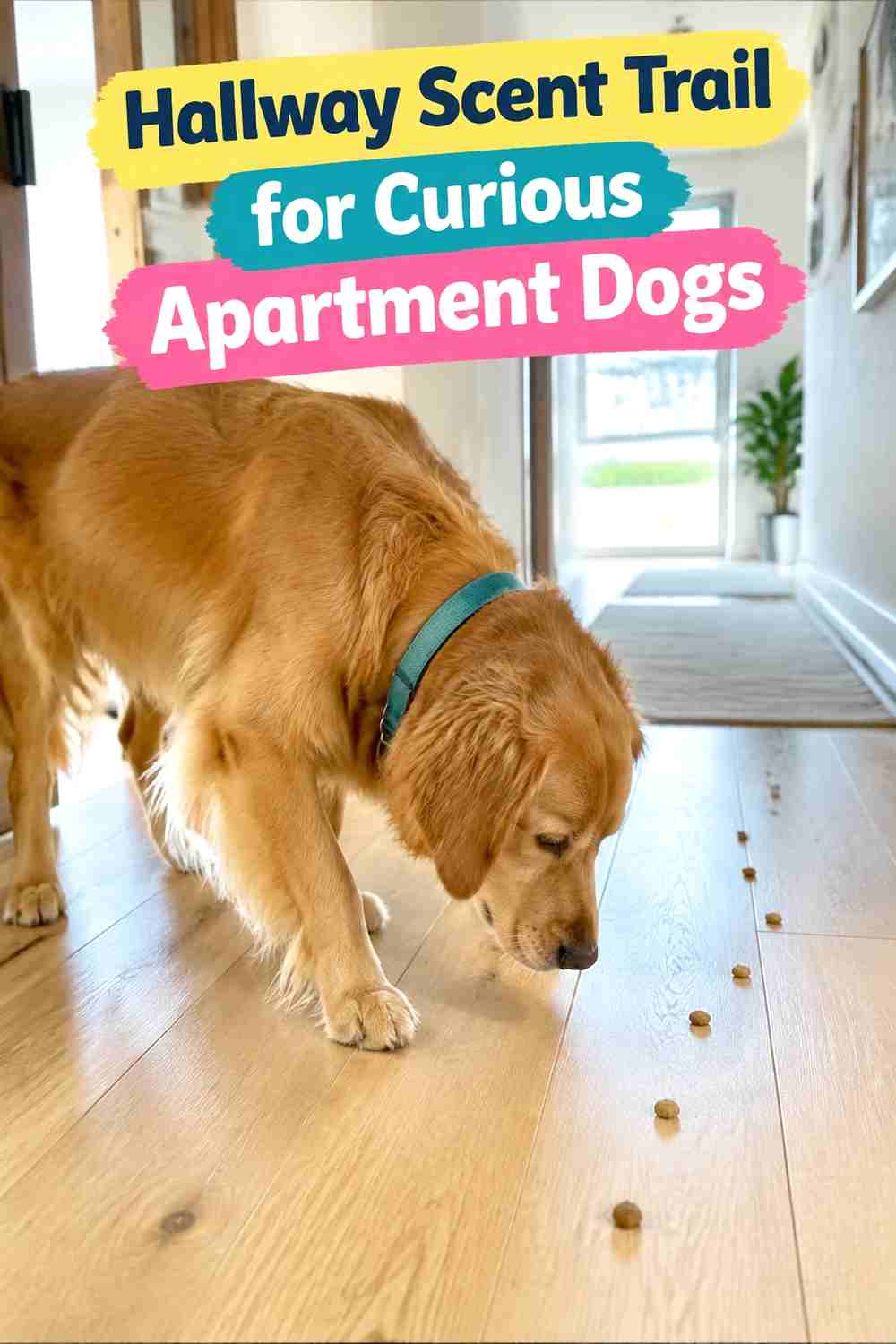
A hallway scent trail uses one of the narrowest spaces in an apartment as a simple nose-led search route. Place several suitable treats or pieces of normal food along a clear path, starting with obvious locations a short distance apart. Once your dog understands the activity, change the spacing or route instead of automatically adding more rewards.
Keep every hiding spot at floor level and away from shoes, electrical cords, cleaning supplies, trash bins, or doors that might suddenly open. Rugs or other secure surfaces can help if the hallway flooring is slick. This activity works especially well when you lack a large play area because the challenge comes from following scent rather than running. Pick up any missed food once the game ends.
Pro Tip
Use one gentle turn into another room after your dog understands the straight trail. That adds variety without requiring a longer apartment or more equipment.
4. Find The Toy Search Game For Apartment Dogs
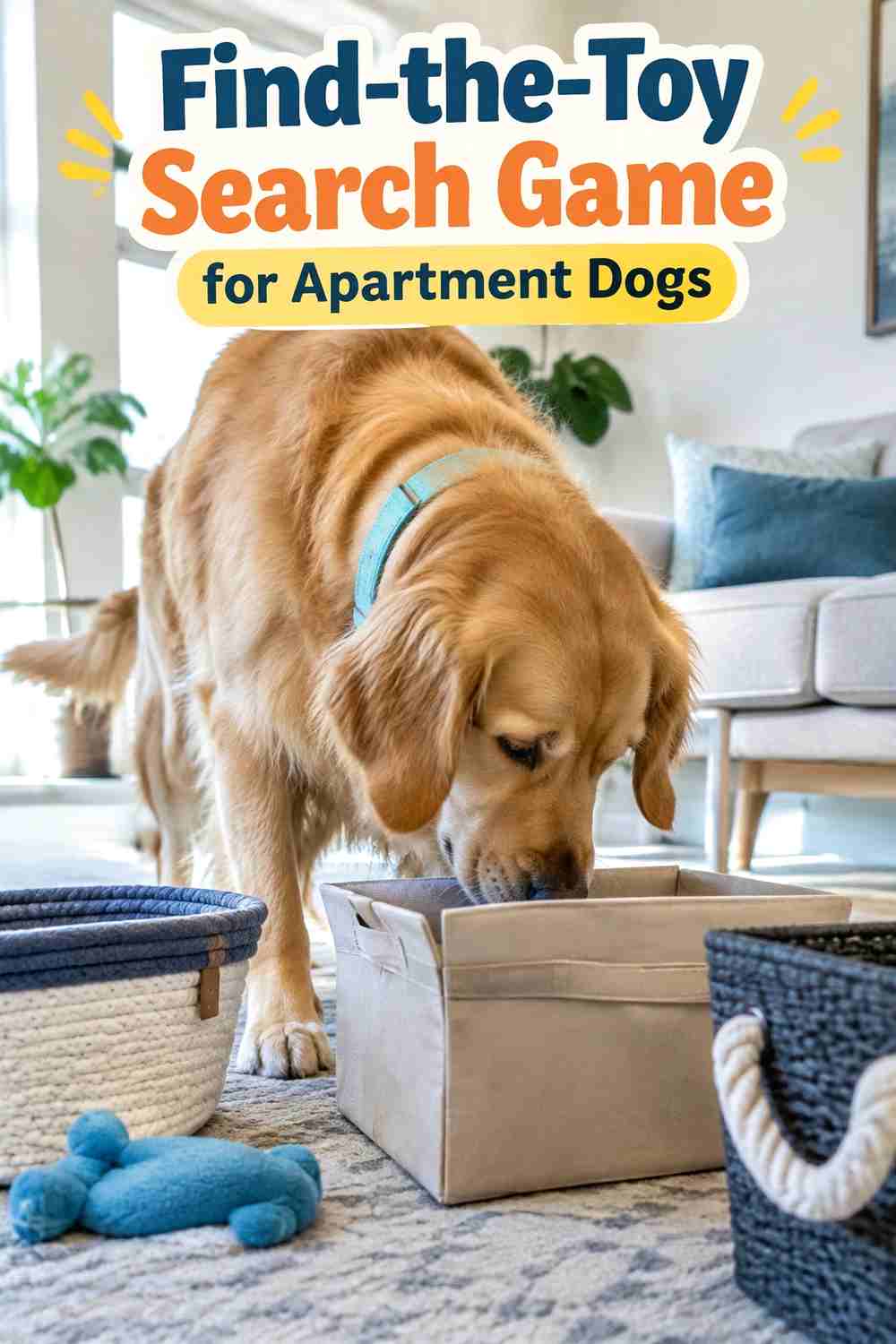
A find-the-toy search turns a familiar favorite into an apartment-friendly game without needing food for every round. Show your dog a known toy, place it somewhere easy at floor level, then encourage them to search. Start with the toy fully visible before progressing to spots beside furniture, behind an open doorway, or partly under a blanket edge.
Keep the search area limited to one room at first so the challenge remains clear. Avoid hiding toys where your dog must climb furniture, squeeze behind heavy objects, or knock items over. If interest fades, make the next search easier rather than continually increasing difficulty. This activity stores itself when finished because the only equipment is a toy your dog already owns.
Best For
This works particularly well for dogs that enjoy carrying or locating favorite toys and for owners who want enrichment without extra food or bulky equipment.
5. Quiet Hand Target Training For Indoor Apartment Dogs
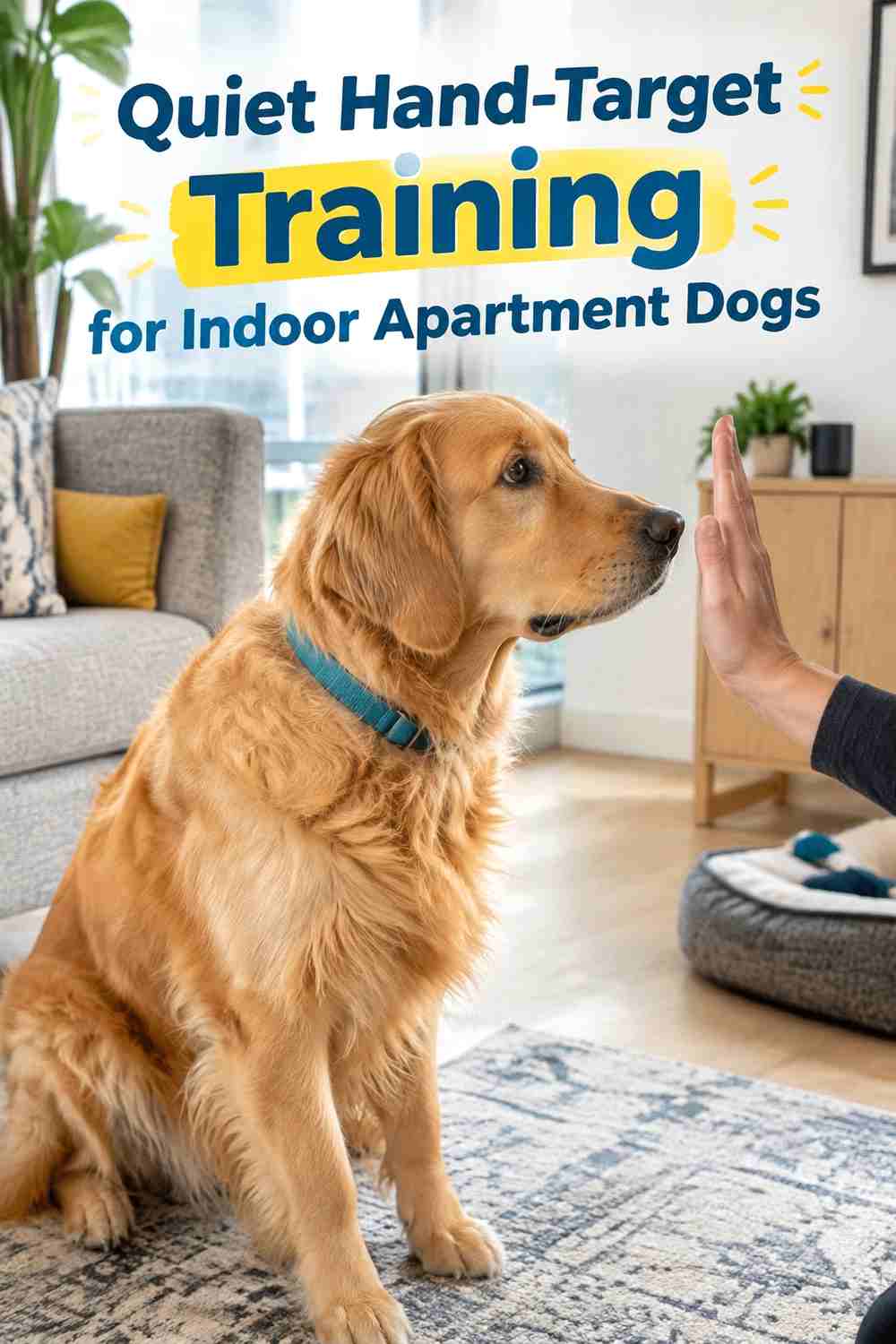
Quiet hand-target training gives apartment dogs an interactive activity that can happen almost anywhere without running, jumping, or noisy equipment. Hold an open palm near your dog and reward a gentle nose touch if they already know or comfortably learn the behavior. Once the basic action is clear, shift your hand slightly to one side or take one small step away.
Work on a secure surface where your dog can move comfortably without slipping. The exercise can be practiced beside a sofa, bed, or kitchen area, making it useful even when floor space is limited. Keep the session short and simple rather than repeating the behavior until attention drops. Stop or modify any movement that seems awkward for the individual dog.
Why It Works
The activity combines attention, choice, interaction, and light movement while letting you control exactly how much space the session uses.
6. Treat Cup Choice Game For Small Apartment Spaces
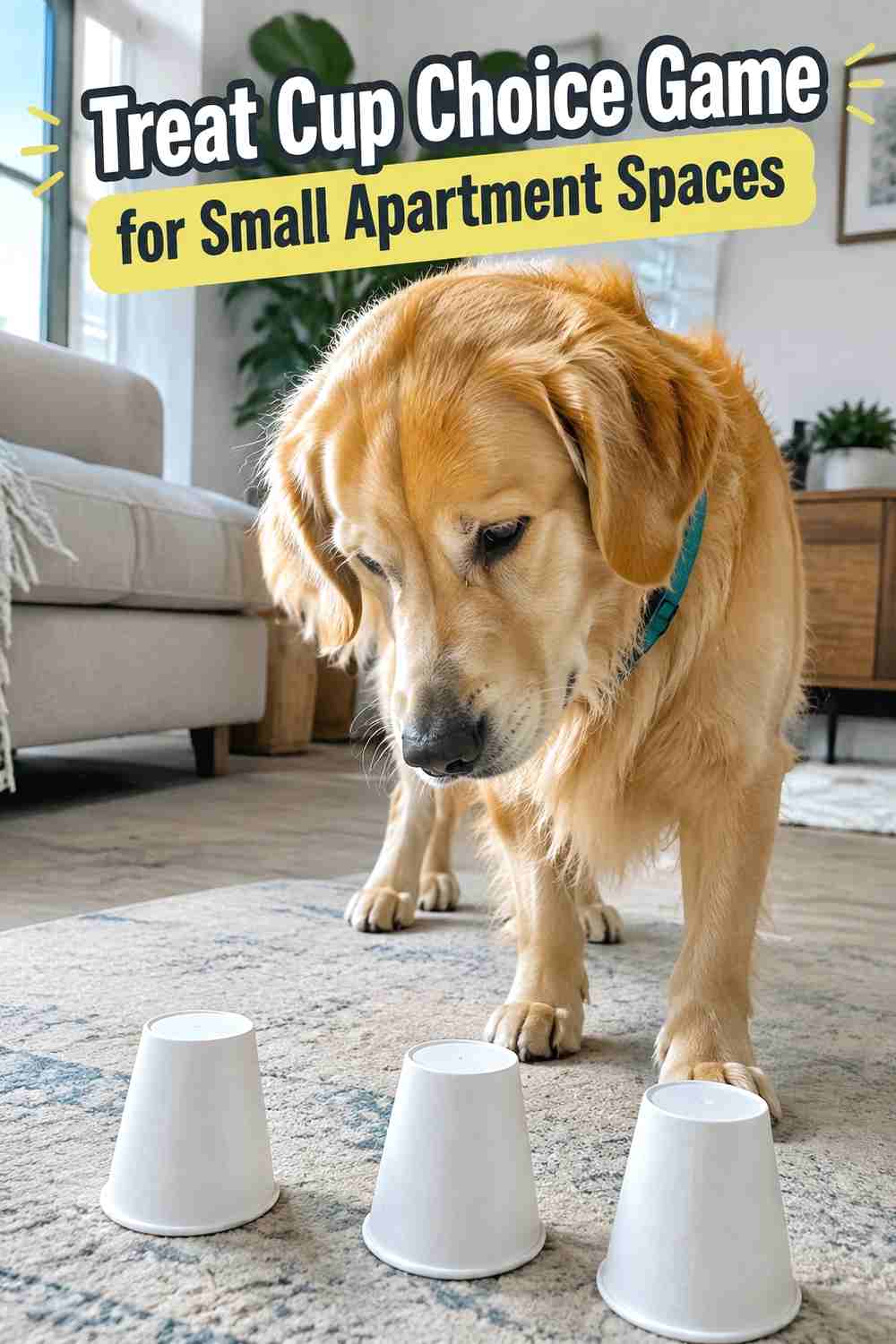
A treat cup choice game creates a simple problem-solving challenge on a very small patch of floor. Place a suitable treat under one of two sturdy cups, let your dog watch at first, then allow them to sniff and choose. Lift the selected cup yourself instead of requiring forceful pawing or knocking containers across the apartment.
Use cups that are large enough not to become swallowable objects and set them on a rug or non-slip mat to reduce sliding and noise. Once your dog understands the basic game, switch which cup contains the reward or gently change their positions. Fast shuffling is unnecessary. Remove the cups when the activity ends if your dog is likely to chew them.
Best For
This setup suits studio apartments, compact living rooms, and rainy days because it requires almost no movement, storage, or cleanup space.
7. Lick Mat Station For Calm Apartment Dog Enrichment
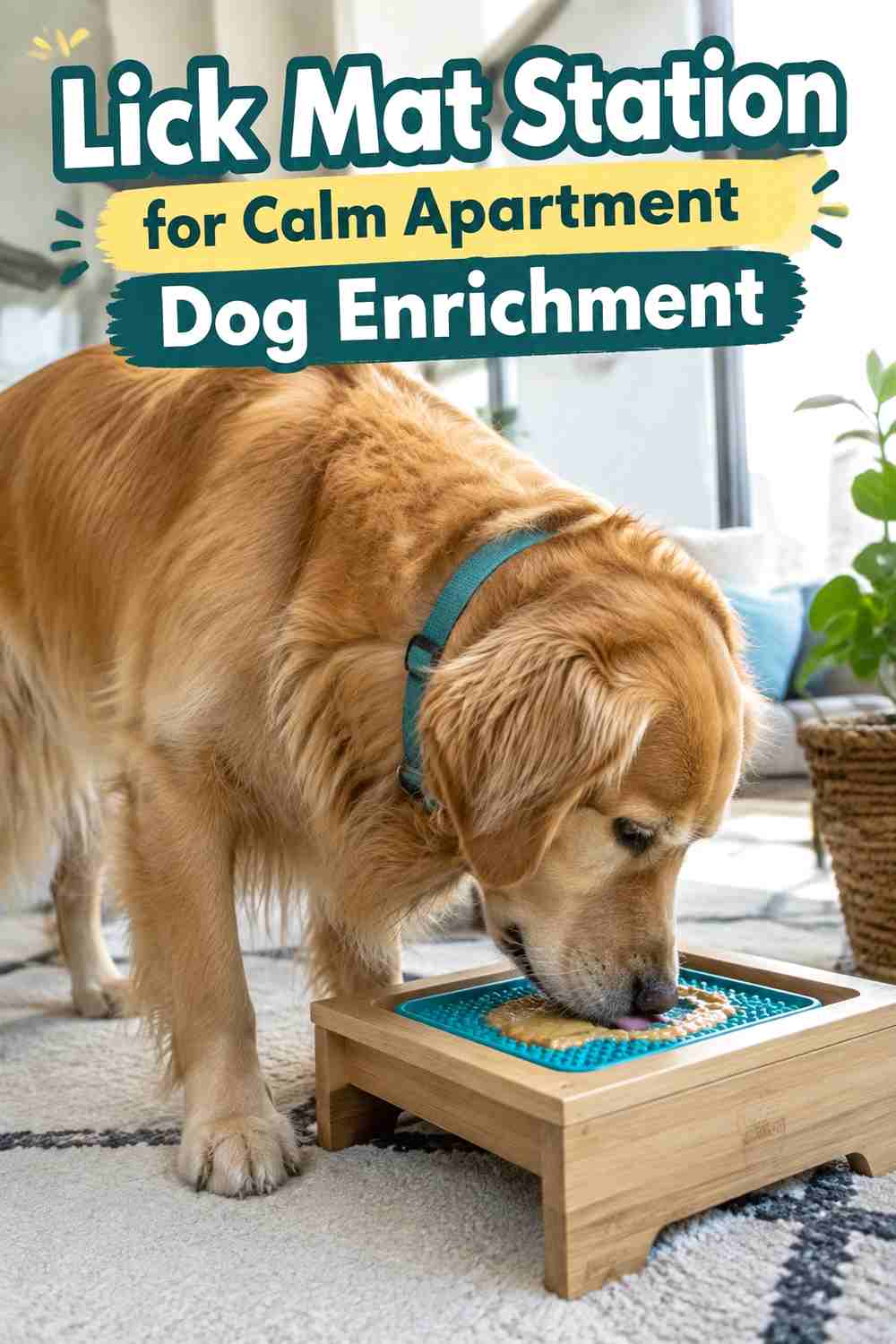
A lick mat station creates a stationary enrichment option that fits neatly into an apartment kitchen or other easy-clean area. Use a dog-appropriate lick mat and add only a suitable food your dog already eats or that fits your normal feeding routine. Spread it thinly across the textured surface rather than turning the activity into an oversized serving.
Place the mat where it will stay stable and where spills can be wiped easily. Supervise the first sessions so you can tell whether your dog licks the surface as intended or tries to chew and tear the mat. Wash it thoroughly after use and let it dry before storage. If food choices or dietary restrictions are a concern, follow veterinary guidance rather than improvising new ingredients.
Cleaning Notes
Keeping one washable tray beneath the mat can contain drips and crumbs while creating a consistent station that is easy to reset after each session.
8. Cardboard Box Treasure Hunt For Apartment Dogs
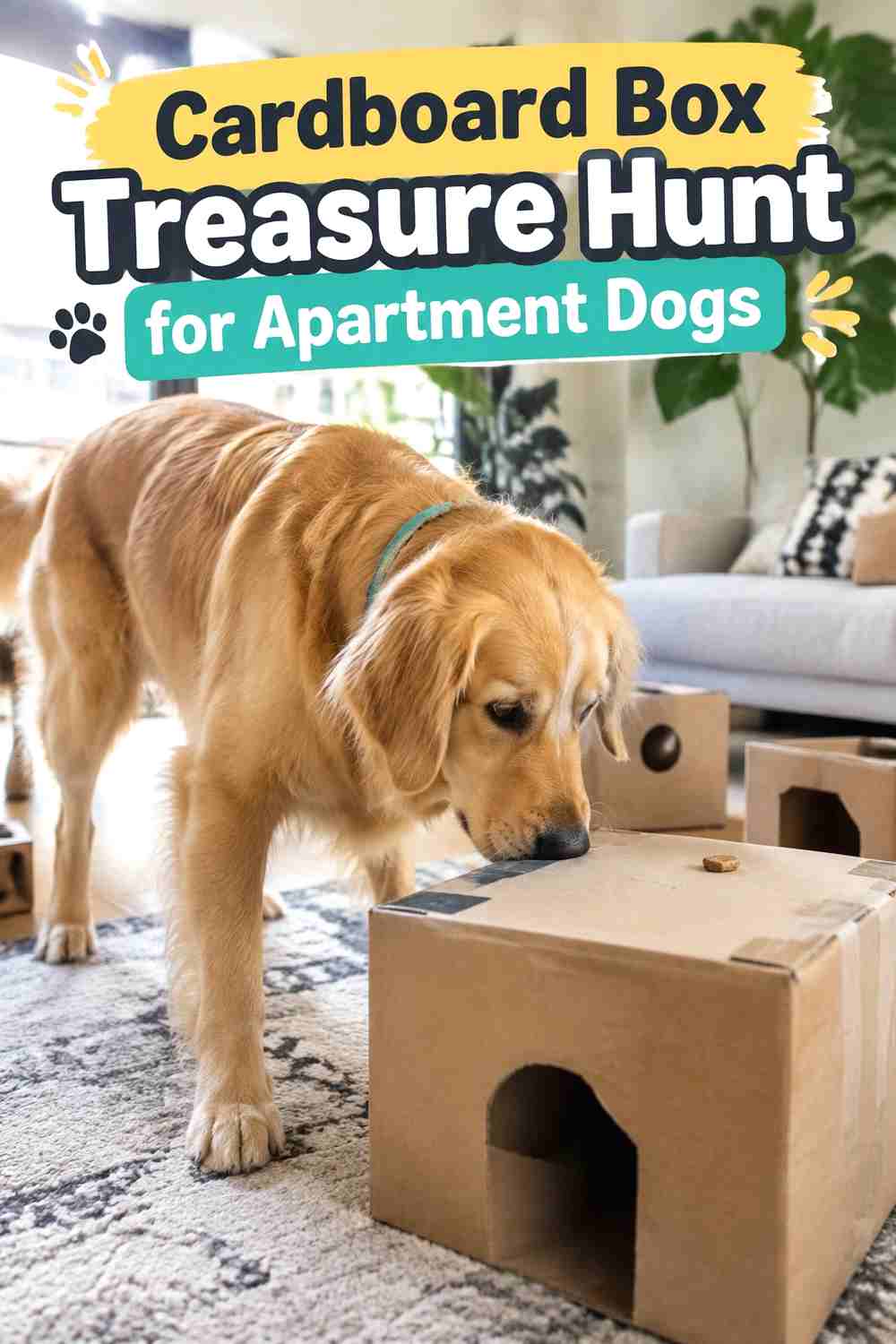
A cardboard box treasure hunt brings sniffing and exploration into an apartment using inexpensive, recyclable materials. Choose a shallow clean box, remove tape, staples, plastic, and loose labels, then add loosely crumpled plain paper or a few smaller open boxes. Hide several suitable treats where your dog can reach them without climbing into an unstable container.
Set the activity on an easy-to-clean section of floor because enthusiastic dogs may scatter paper. A smaller box is usually easier to manage indoors than a large shipping carton. Watch closely to see whether your dog searches and moves cardboard or begins repeatedly swallowing it. End the game if eating the material becomes the focus, then collect all scraps immediately.
Use & Maintenance
Keep one flattened clean box stored for future sessions and recycle it once it becomes damp, heavily torn, or difficult to keep tidy.
9. Gentle Rug Tug Game For Apartment Dog Play

A gentle rug tug game gives an apartment dog interactive play without the bouncing and running that can make indoor games noisy. Choose a sturdy tug toy and use it on a rug or other secure surface with enough clear space for both you and your dog. Keep the toy low and use controlled side-to-side movements rather than sharp upward pulls.
Short pauses can help prevent the game from becoming too frantic in a confined room. Remove coffee tables, floor lamps, or fragile objects from the immediate play zone before starting. Check the tug toy regularly for loose threads or damaged sections and store it when the session ends. Dogs that become difficult to manage with tug may be better suited to a calmer search or training activity indoors.
Comfort & Safety
Keep all four paws on the floor and give your dog enough room to reposition naturally without backing into furniture or slipping on hard flooring.
10. Rotating Toy Basket For Clutter Free Apartment Enrichment

A rotating toy basket gives apartment dogs changing play options while preventing every toy from covering the limited floor space. Keep most toys stored in a cabinet or closed bin, then place two or three different options in one accessible basket. You might include a soft carry toy, a tug toy, and one simple interactive item rather than several nearly identical choices.
Rotate part of the selection periodically instead of buying new toys whenever interest drops. This approach also makes it easier to inspect toys while moving them in and out of storage. Remove damaged pieces and wash suitable items before returning them. Position the basket where your dog can reach it without blocking a hallway, doorway, or the small open area you use for other activities.
Use & Maintenance
Keep the active selection intentionally small. Fewer toys make cleanup faster and help you notice which types your dog actually chooses during quiet apartment time.
11. Calm Window Watch Station For Apartment Dogs
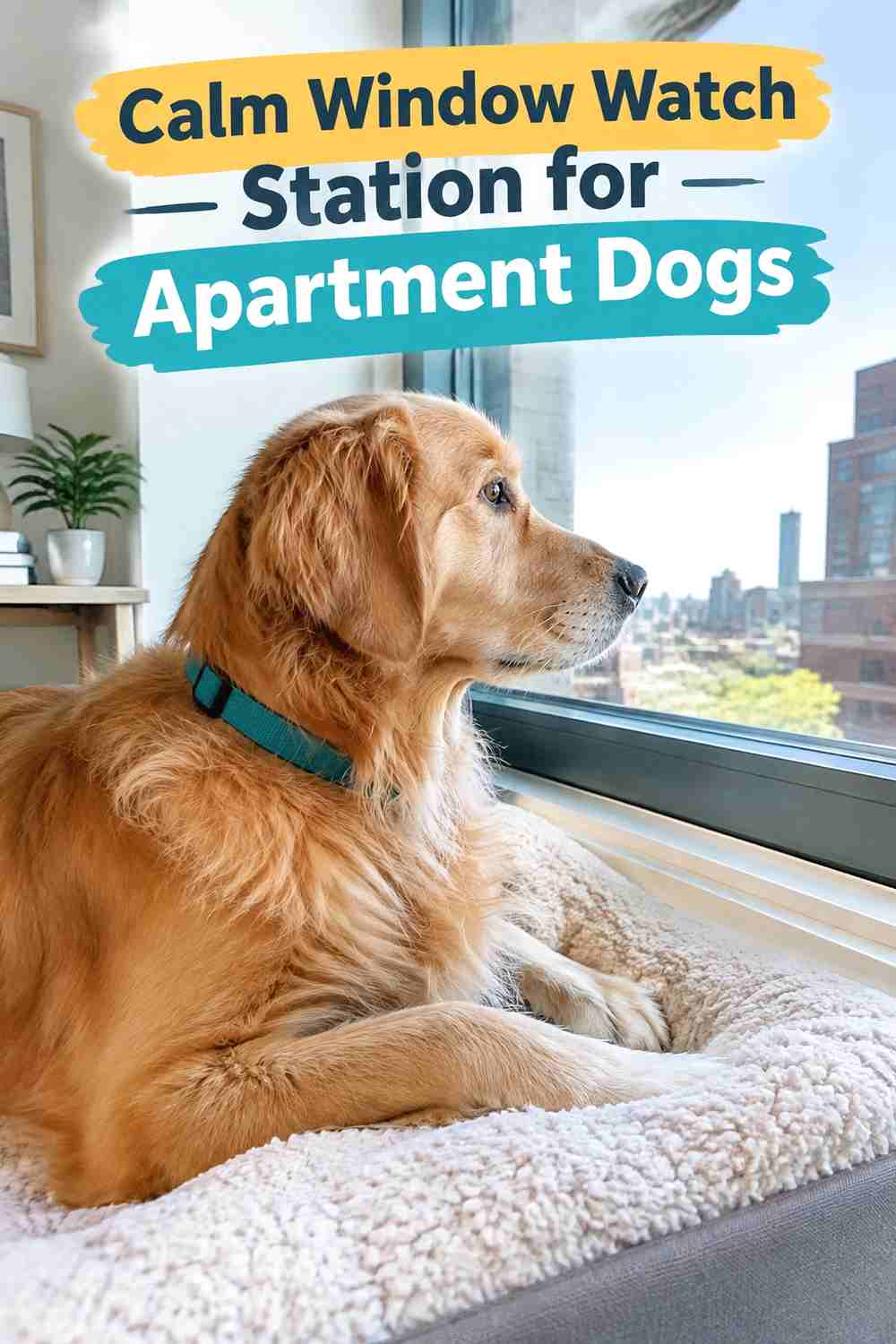
A calm window watch station gives some apartment dogs a place to observe outdoor activity between more active enrichment sessions. Put a stable bed or washable mat near a secure closed window where your dog can see outside without climbing onto unstable furniture. Keep blind cords, curtains, plants, and small decorative objects safely out of reach.
This idea only works when watching outside remains reasonably calm. Dogs that repeatedly bark, pace, scratch the window, or become frustrated by people and animals below may do better with the resting area moved farther back or placed somewhere quieter. Keep the station easy to leave and avoid blocking a narrow walkway. A comfortable observation spot can add variety without requiring extra toys, floor space, or complicated setup.
Best For
This suits dogs that naturally enjoy watching outside and can observe movement without becoming persistently overstimulated by hallway, street, or neighboring activity.
12. Ground Level Mini Obstacle Path For Apartment Dogs
You May Also Like



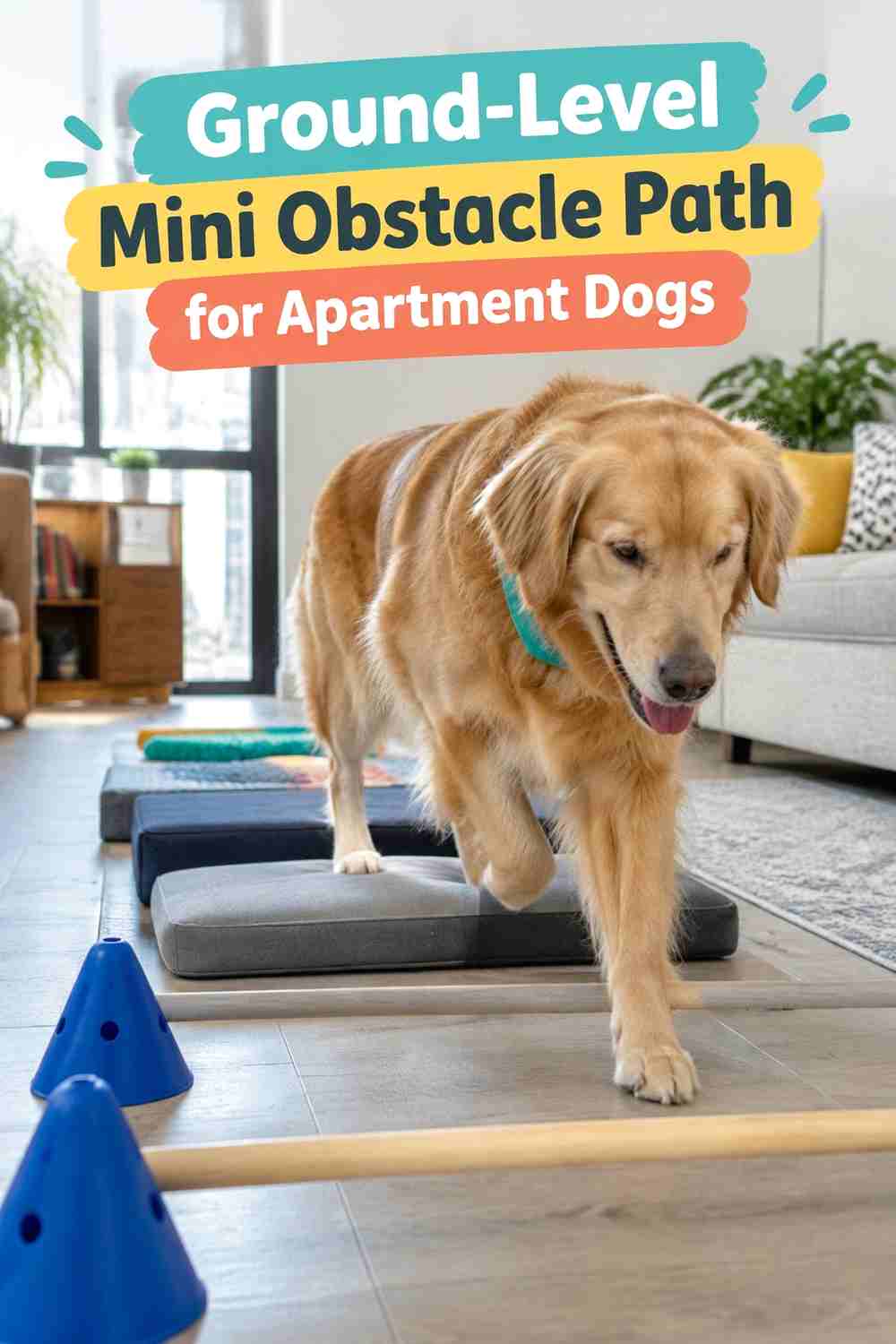
A ground-level mini obstacle path creates gentle indoor movement without turning the apartment into a full agility course. Arrange a stable mat to pause on, two wide objects to walk around, and one very low item to step over if that movement suits your dog. Leave plenty of room between elements so turning feels natural rather than cramped.
Guide your dog through slowly and introduce each piece separately before combining them into a route. Avoid chairs, stacked objects, narrow balance surfaces, or anything that can slide or tip. Soft household traffic cones or other stable low markers can be stored away after use. This idea works best when the goal is controlled exploration and movement, not speed, jumping, or repeated laps across hard apartment flooring.
Space & Placement
Use the room’s existing open path instead of filling it with obstacles. Keep exits, doors, and normal household walking routes clear throughout the activity.
How to Choose the Right Idea
Start with your apartment layout and your dog’s normal preferences. A dog that loves sniffing may enjoy a snuffle mat, towel puzzle, scent trail, or cardboard search. Dogs that prefer interaction may respond better to hand targeting, tug, or find-the-toy games, while calmer observers may appreciate a well-placed window station.
Noise matters in shared buildings. Activities based on sniffing, licking, searching, and quiet training are usually easier to manage than games involving repeated jumping or hard toys bouncing on floors. Rugs and non-slip mats can also make many setups quieter and more comfortable.
Consider storage and cleanup before adding equipment. Compact, foldable, or reusable activities are especially practical in apartments. Supervise fabric, cardboard, food puzzles, and chewable materials where relevant, and adjust any activity that causes frustration, slipping, excessive noise, or destructive chewing.
Final Thoughts
Apartment dog enrichment does not require a large floor plan or a collection of complicated toys. A few quiet activities that use sniffing, searching, problem-solving, interaction, and gentle movement can create plenty of variety.
Start with two ideas that suit your dog and your available space, then rotate them instead of keeping every activity set up at once. The most useful apartment routine is one that is easy enough to repeat and tidy enough to live with.
FAQs
1. What enrichment activities work best in a small apartment?
Snuffle mats, towel puzzles, cup games, simple training, scent trails, toy searches, and lick mats all use relatively little floor space and can be stored easily afterward.
2. How can I enrich my apartment dog without making lots of noise?
Prioritize sniffing games, quiet training, licking activities, treat searches, and toy rotation rather than repeated indoor running, bouncing balls, or jumping exercises.
3. Can apartment dogs get enough enrichment without a backyard?
Indoor enrichment can provide useful variety through sniffing, searching, training, play, and problem-solving. Outdoor walks and appropriate outside routines can still serve different purposes when available.
4. How do I prevent enrichment supplies from cluttering a small home?
Choose foldable or multi-use items, keep only a few toys accessible, use one storage basket or cabinet, and put each activity away immediately after the session.
5. What if my dog loses interest in an apartment enrichment activity?
Make the activity easier, shorten the session, change the setup slightly, or rotate to a different type of activity. Persistent frustration is a sign to try something better matched to the dog.
CTA
Save these apartment dog enrichment ideas and rotate a few quiet favorites to make small-space days more interesting without adding unnecessary clutter.
