Create a backyard your dog can explore, sniff, chase, splash, dig, and relax in with practical play zones designed around real outdoor routines.
Save This Idea on Pinterest

13 Backyard Dog Play Area Ideas
Save to PinterestA backyard dog play area works best when it offers more than one kind of activity. Some dogs want room to chase and fetch, while others prefer sniffing, digging, exploring tunnels, or working through a simple low-impact obstacle. Combining different zones can keep the space useful without filling the entire yard with equipment.
These 13 ideas include active games, nose-led activities, water play, shaded recovery areas, compact layouts, and multi-dog setups. Consider your dog’s size, age, confidence, play style, yard surface, weather, supervision needs, and available space before choosing which features belong in your backyard.
Quick List
- Shaded Backyard Sniffing Garden for Curious Dogs
- Simple Backyard Agility Path for Active Dogs
- Dog-Safe Digging Pit for Backyard Play
- Splash Pad Zone for Hot-Weather Dog Play
- Backyard Fetch Lane for High-Energy Dogs
- Rotating Toy Station for Everyday Backyard Dog Play
- Low Balance Course for Confident Backyard Dogs
- Quiet Shaded Rest Corner Beside Dog Play Areas
- Backyard Treat Search Trail for Nose-Led Dog Games
- Backyard Tunnel Zone for Playful Dogs Who Love Exploring
- Cooling Break Station for Longer Backyard Dog Play
- Small-Yard Mini Play Circuit for Compact Outdoor Spaces
- Multi-Dog Backyard Play Zones with Separate Activity Areas
1. Shaded Backyard Sniffing Garden For Curious Dogs
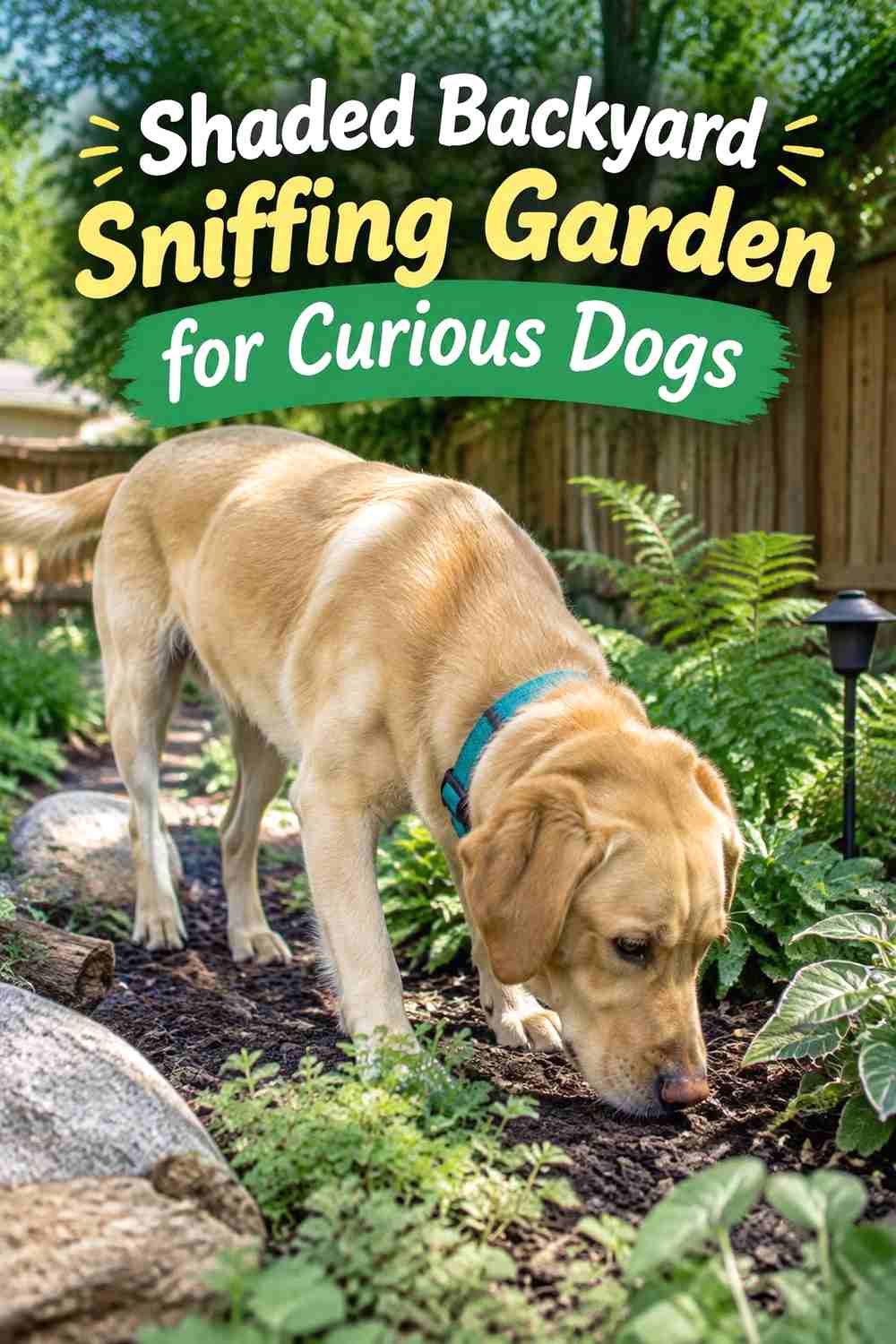
A shaded sniffing garden gives curious dogs a slower backyard activity built around exploration rather than running. Create a small defined zone with dog-safe grasses, sturdy planters, natural textures, and open pathways where your dog can investigate different scents without trampling the entire yard. Keep the layout easy to walk through and avoid thorny plants, toxic species, pesticides, sharp edging, or loose decorative pieces that could be swallowed.
Place the garden where it receives comfortable shade during the times your dog usually goes outside. You can occasionally hide a toy or a few suitable treats in easy-to-find spots to change the experience. Regularly remove weeds, fallen debris, and damaged plant material so the area stays tidy and usable.
Space & Placement
A corner of the yard is usually enough. Leave clear access around planters so your dog can sniff without becoming trapped between objects.
2. Simple Backyard Agility Path For Active Dogs
You May Also Like


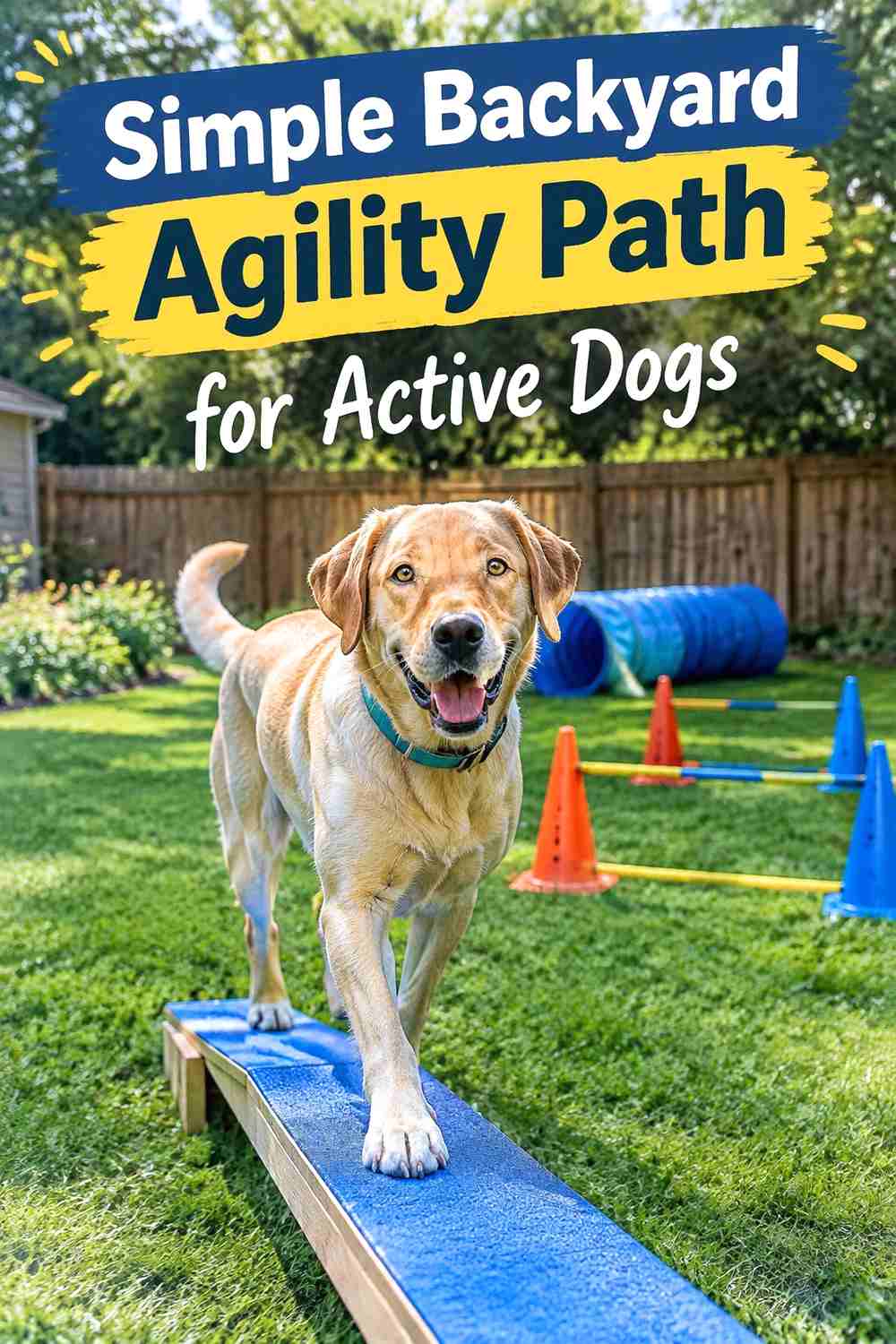
A simple backyard agility path creates a guided route using low, approachable obstacles rather than a complicated competition-style course. Arrange wide cones to weave around, low poles to step over, and a clear turnaround point so your dog can follow you through a short sequence. Keep every element stable, visible, and appropriate for your dog’s size and confidence.
Introduce one obstacle at a time instead of expecting your dog to understand the whole route immediately. Grass or another secure surface is preferable to slick ground, and the course should have plenty of open space between elements. Skip high jumps, unstable equipment, or forced movements. Rearranging a few pieces occasionally can make the same backyard area feel different without adding more equipment.
Setup Notes
Start with walking and following rather than speed. If your dog hesitates at an obstacle, make it easier or remove it instead of pulling them through.
3. Dog Safe Digging Pit For Backyard Play
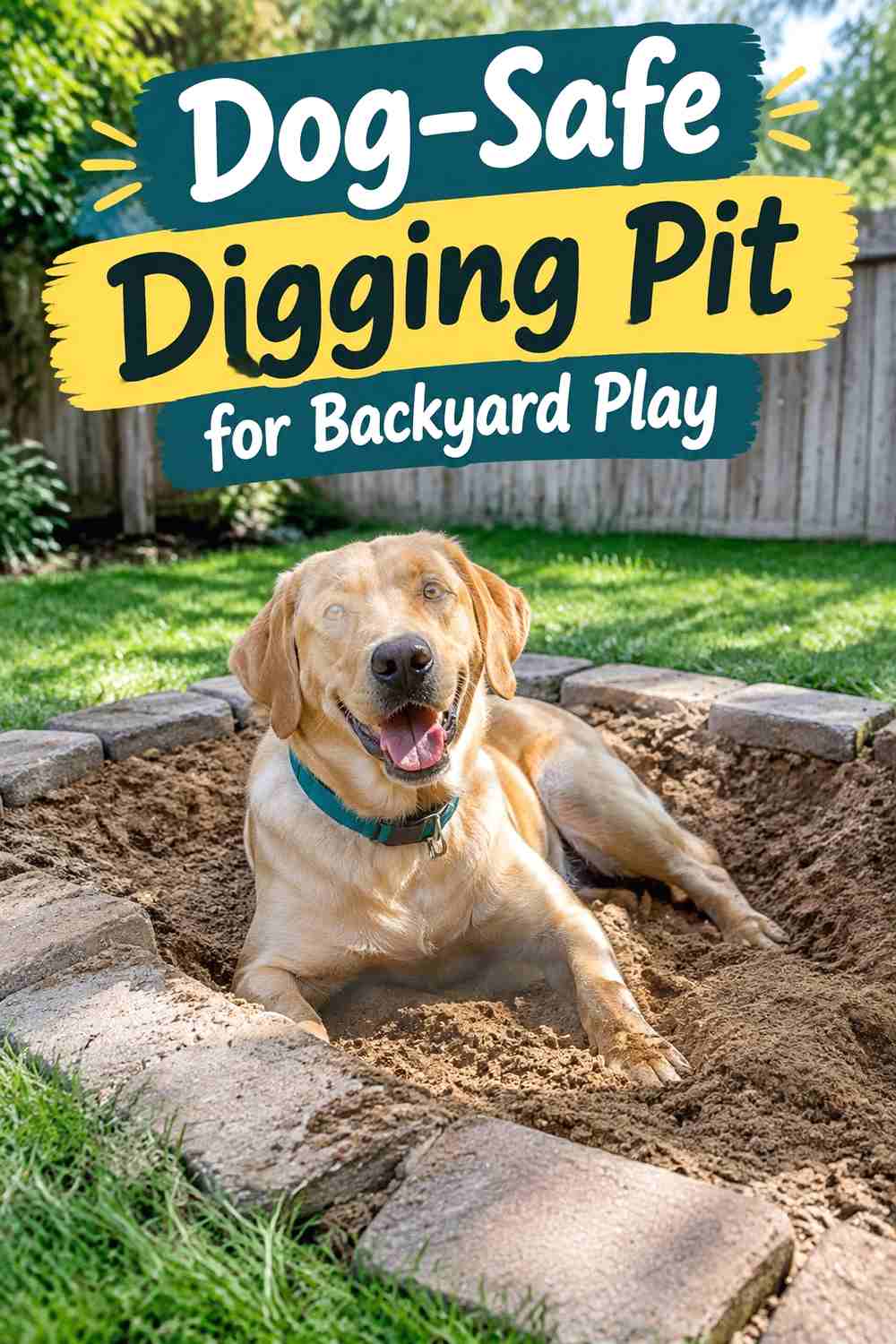
A designated digging pit gives dogs that naturally enjoy digging one clear place where the behavior is welcome. Use a contained patch of loose, clean soil or play sand with smooth, secure borders and enough room for the dog to turn comfortably. Place a favorite toy partly under the surface at first so the purpose of the area is easy to discover.
Keep the pit away from fences, irrigation lines, treated garden beds, and anything buried that could be damaged. Check the material regularly for sharp objects, waste, or debris that may have blown into the yard. Some dogs will immediately understand the idea, while others may need encouragement. A digging pit is most useful when the surrounding yard still has clear boundaries and supervision.
Use & Maintenance
Rake the surface back into place after enthusiastic sessions and replace contaminated or heavily compacted material when needed.
4. Splash Pad Zone For Hot Weather Dog Play

A splash pad zone creates an easy water-play area for dogs that enjoy stepping, pawing, and moving through shallow water. Use a dog-appropriate splash mat or a low setup on a level outdoor surface with good drainage, then let your dog approach it voluntarily. Keep water pressure gentle and avoid aiming strong streams directly at the dog’s face.
Place the zone where wet paws will not immediately create a slippery path across smooth decking or indoor floors. Shade nearby gives your dog the option to leave the water and rest comfortably. Empty standing water after play, rinse the surface, and let it dry between uses. Not every dog enjoys water, so a splash area should remain optional rather than something they are pushed into.
Comfort & Safety
Check the ground for heat before setting up water play, and stop the session if your dog repeatedly tries to leave the area.
5. Backyard Fetch Lane For High Energy Dogs
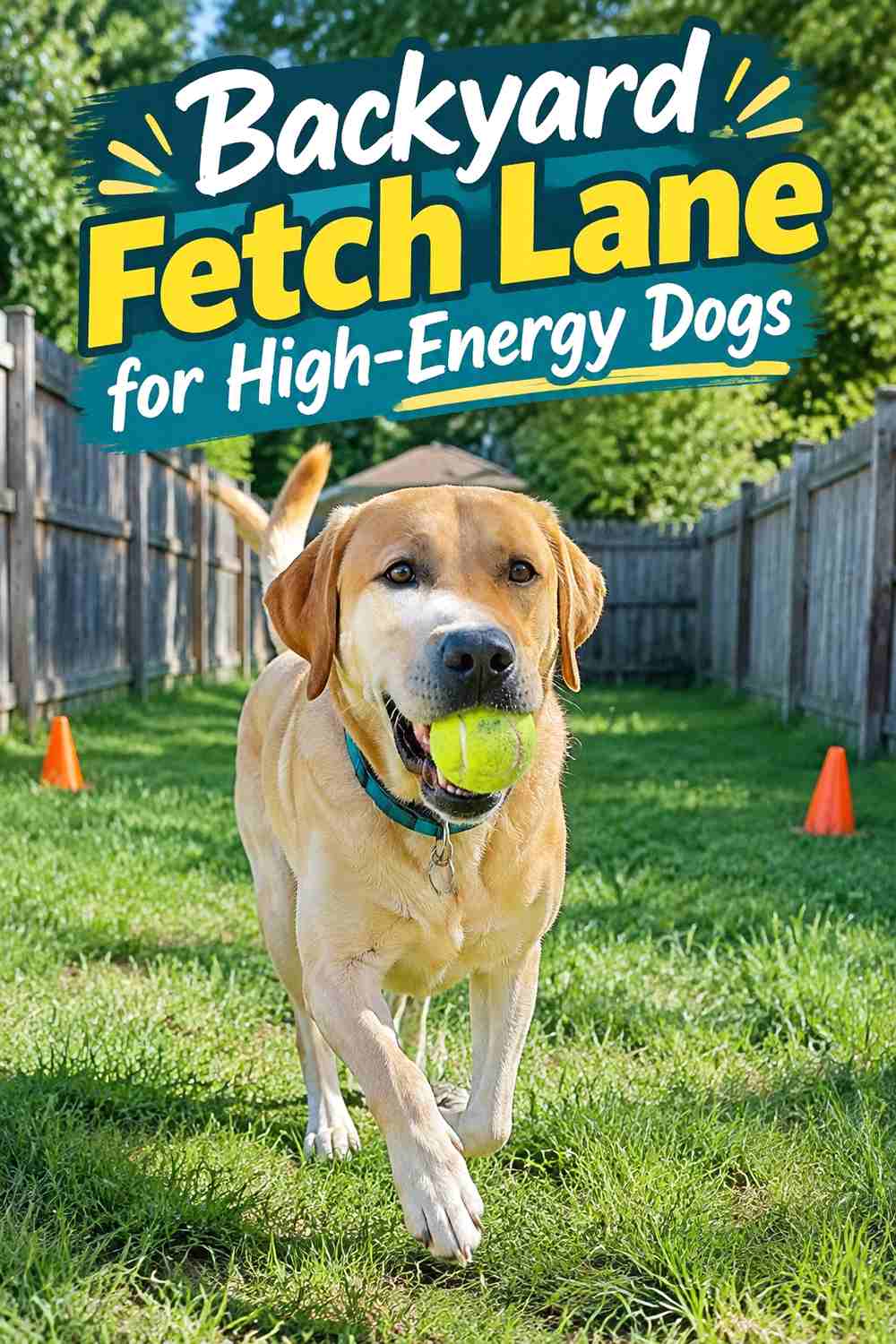
A backyard fetch lane turns one clear stretch of the yard into a predictable chase-and-return zone. Choose a straight path with good footing and remove garden tools, furniture, hoses, toys, and other objects that could interrupt the run. Throw along the length of the lane rather than toward fences, steps, or hard landscaping.
Use toys that are suitable for your dog’s size and easy to see in the grass. Vary the game by making some throws shorter or asking for a calm return before the next toss rather than encouraging nonstop sprinting. A defined lane helps preserve the rest of the yard for quieter activities and makes cleanup easier because most fetch toys stay in one area. Adjust the game to weather and your dog’s comfort.
Best For
This layout suits dogs that already enjoy retrieving and yards with one open, unobstructed section that can stay dedicated to active play.
6. Rotating Toy Station For Everyday Backyard Dog Play

A rotating toy station keeps outdoor play choices organized without scattering every dog toy across the yard. Use a weather-protected shelf, closed deck box, or sturdy container positioned where adults can reach it easily but dogs cannot raid it unsupervised. Bring out only a few appropriate toys at a time, such as a ball, tug toy, or durable interactive item.
Changing the selection periodically can make familiar toys feel more interesting while keeping the backyard less cluttered. Separate muddy or wet toys from clean ones and allow washable items to dry before storage. Inspect toys while putting them away so cracked, frayed, or damaged pieces do not return to the rotation. The station should support play, not become another pile of forgotten outdoor supplies.
Use & Maintenance
Keep a simple “out, clean, dry, store” routine. Fewer toys in circulation also makes it easier to notice when something is missing or damaged.
7. Low Balance Course For Confident Backyard Dogs
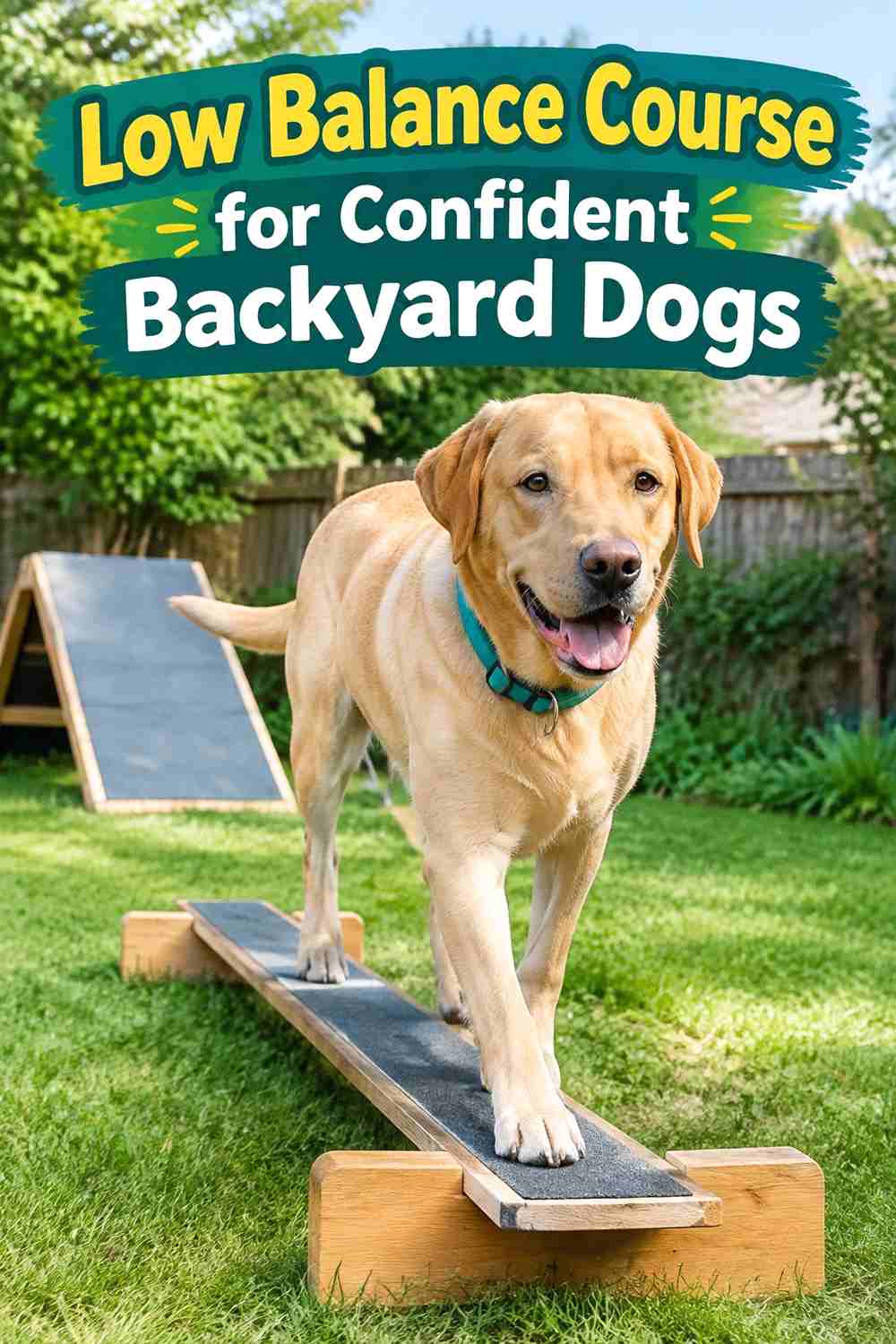
A low balance course gives confident dogs a controlled way to step across different stable surfaces without relying on high equipment. Use broad, low platforms, secure ground-level stepping surfaces, or a short sturdy board that cannot rock, slide, or tip. Space each element so your dog can step off easily at any point.
Guide your dog slowly through the course and reward calm investigation rather than speed. The goal is thoughtful movement and variety, not jumping from one narrow object to another. Avoid slick materials, sharp corners, elevated beams, and improvised furniture that was not designed to stay stable outdoors. This idea is best for dogs comfortable exploring new surfaces; hesitant dogs may prefer a simpler ground-level route instead.
Comfort & Safety
Keep every surface low enough for an easy step-off and stop if your dog appears uncertain, rushes, or tries to leap between platforms.
8. Quiet Shaded Rest Corner Beside Dog Play Areas

A quiet shaded rest corner gives your dog a clear place to disengage from active backyard games. Set it just beside the main play area with reliable shade, a stable washable outdoor mat or raised resting surface, and easy access to fresh water. Choose a position away from busy gates, noisy equipment, and direct afternoon sun.
The corner should remain uncluttered so your dog can lie down without toys constantly being tossed into the space. It is especially useful in yards that also contain fetch lanes, agility pieces, or water play because the dog can choose a calmer zone without leaving the yard entirely. Clean the resting surface regularly and check that shade still covers the area as the sun moves during the day.
Space & Placement
Keep the rest zone visible from the main yard but slightly separated from the busiest play path so it actually feels like a break area.
9. Backyard Treat Search Trail For Nose Led Dog Games

A backyard treat search trail turns a familiar lawn or patio border into a nose-led game. Place a few suitable treats or pieces of your dog’s normal food along an easy route, using obvious locations at first so your dog learns to follow the trail. Spread the search across grass, beside safe planters, or near familiar landmarks rather than hiding food in holes or hard-to-reach spaces.
Once your dog understands the game, vary the route instead of simply adding more food. Keep the search area free from yard chemicals, animal waste, sharp debris, and plants you do not want your dog investigating. This activity can work in surprisingly little space because the challenge comes from scent and placement rather than long-distance movement.
Pro Tip
Make the first piece easy to find and space rewards farther apart only after your dog understands that the game continues along a route.
10. Backyard Tunnel Zone For Playful Dogs Who Love Exploring
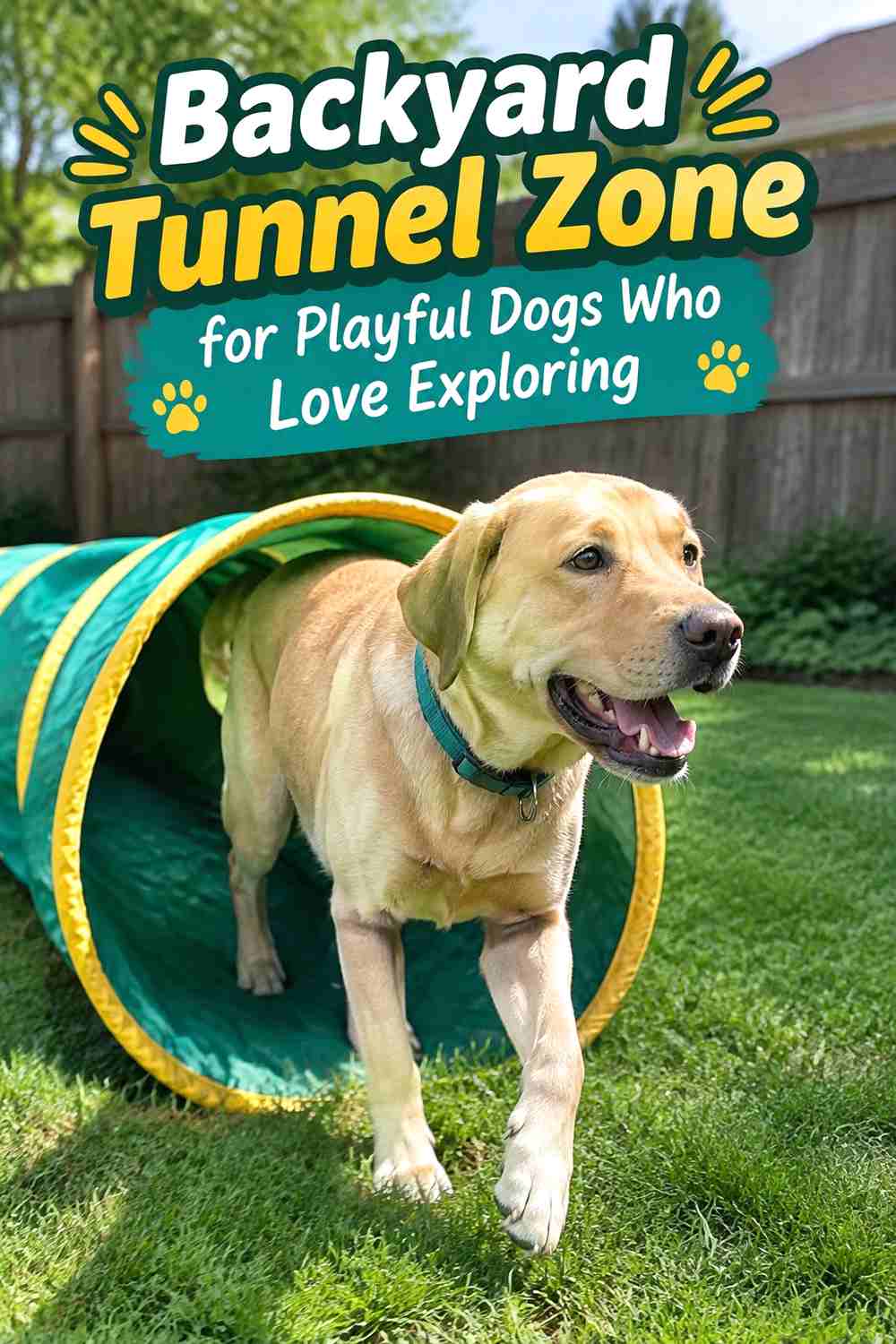
A backyard tunnel zone gives playful dogs a defined place to crawl through, circle around, and investigate an obstacle from different angles. Use a wide, stable dog activity tunnel placed on level ground and secure it according to its design so it cannot roll or collapse during use. Keep both ends fully open and visible when introducing the setup.
Encourage exploration from outside the tunnel first, then let your dog choose whether to walk through. Some dogs enjoy repeated passes, while others prefer running around the tunnel or retrieving a toy near it. Keep the surrounding area clear so exits are never blocked. Store lightweight fabric tunnels when weather is rough, and inspect seams and supports before bringing them back out.
Best For
This works well for curious dogs that enjoy enclosed play spaces but should always allow an easy, pressure-free exit.
11. Cooling Break Station For Longer Backyard Dog Play
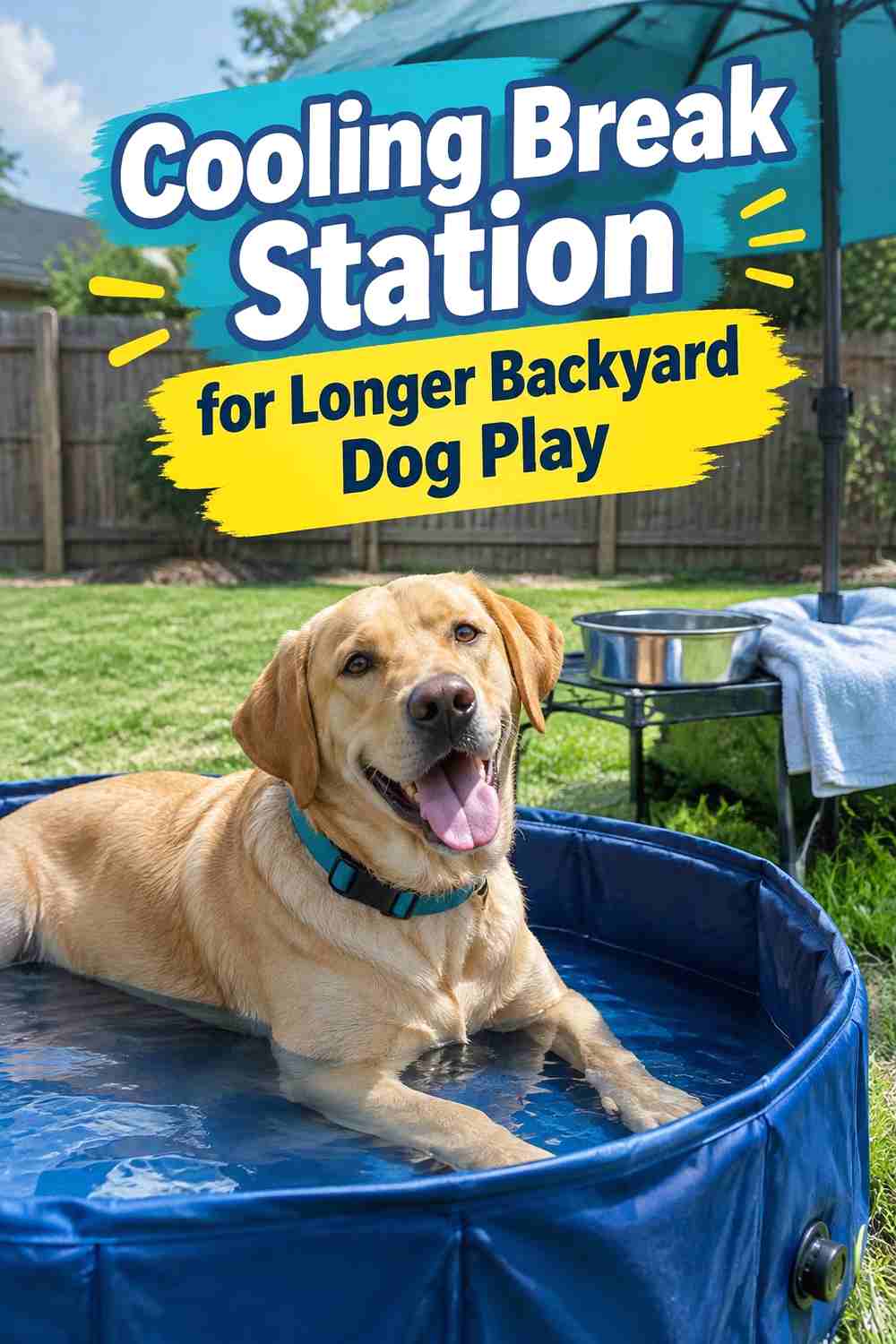
A cooling break station supports backyard play by giving dogs an obvious place to pause between active games. Set up fresh drinking water in a stable bowl, dependable shade, and a clean resting surface away from hot pavement or direct sun. Position the station close enough to the play area that your dog does not need to cross the entire yard to reach it.
Refresh the water when it becomes warm or dirty and rinse outdoor bowls regularly. A break station is useful during fetch, agility, or multi-dog play because it creates a natural stopping point instead of encouraging constant activity. Weather conditions still matter, so do not treat shade or water as a reason to continue outdoor play when the environment is uncomfortable for your dog.
Use & Maintenance
Check the station before each play session rather than discovering halfway through that the bowl is empty, dirty, or sitting in full sun.
12. Small Yard Mini Play Circuit For Compact Outdoor Spaces
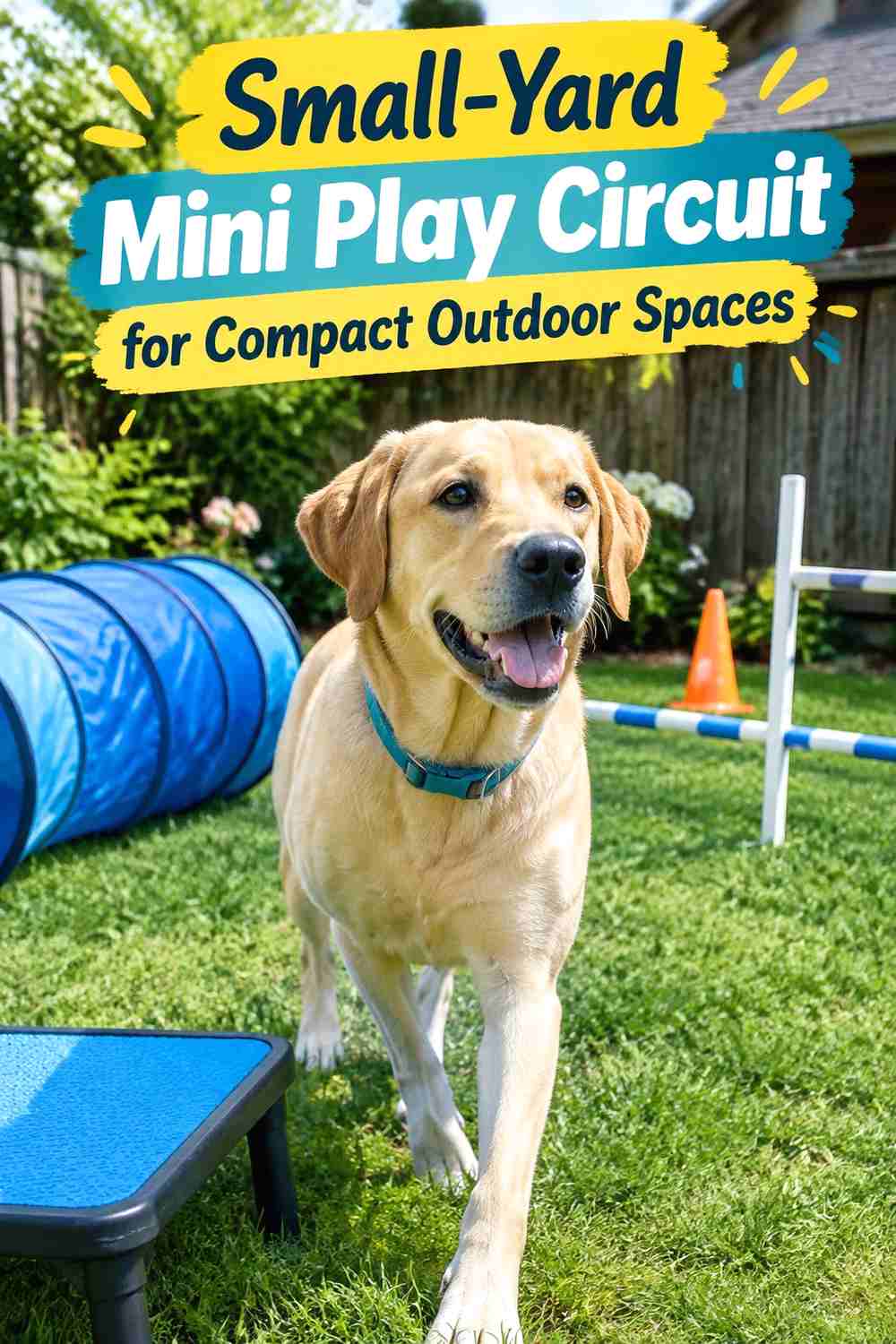
A small-yard mini play circuit combines several low-space activities without making a compact backyard feel crowded. Use one corner for sniffing, a short path for walking around cones, and a small open patch for a few gentle tosses or an interactive toy. Keep each zone simple so there is still clear room for your dog to move between them.
Portable pieces are especially useful because they can be put away when the yard is needed for something else. Avoid filling every edge with equipment; a compact layout works better when open floor space is treated as part of the design. Rotate the activity rather than permanently adding more objects. This approach suits patios and narrow yards where flexible organization matters more than having a full-sized play course.
Space & Placement
Choose equipment that stacks, folds, or stores easily, and keep doors, gates, drains, and main walking routes unobstructed.
13. Multi Dog Backyard Play Zones With Separate Activity Areas
You May Also Like



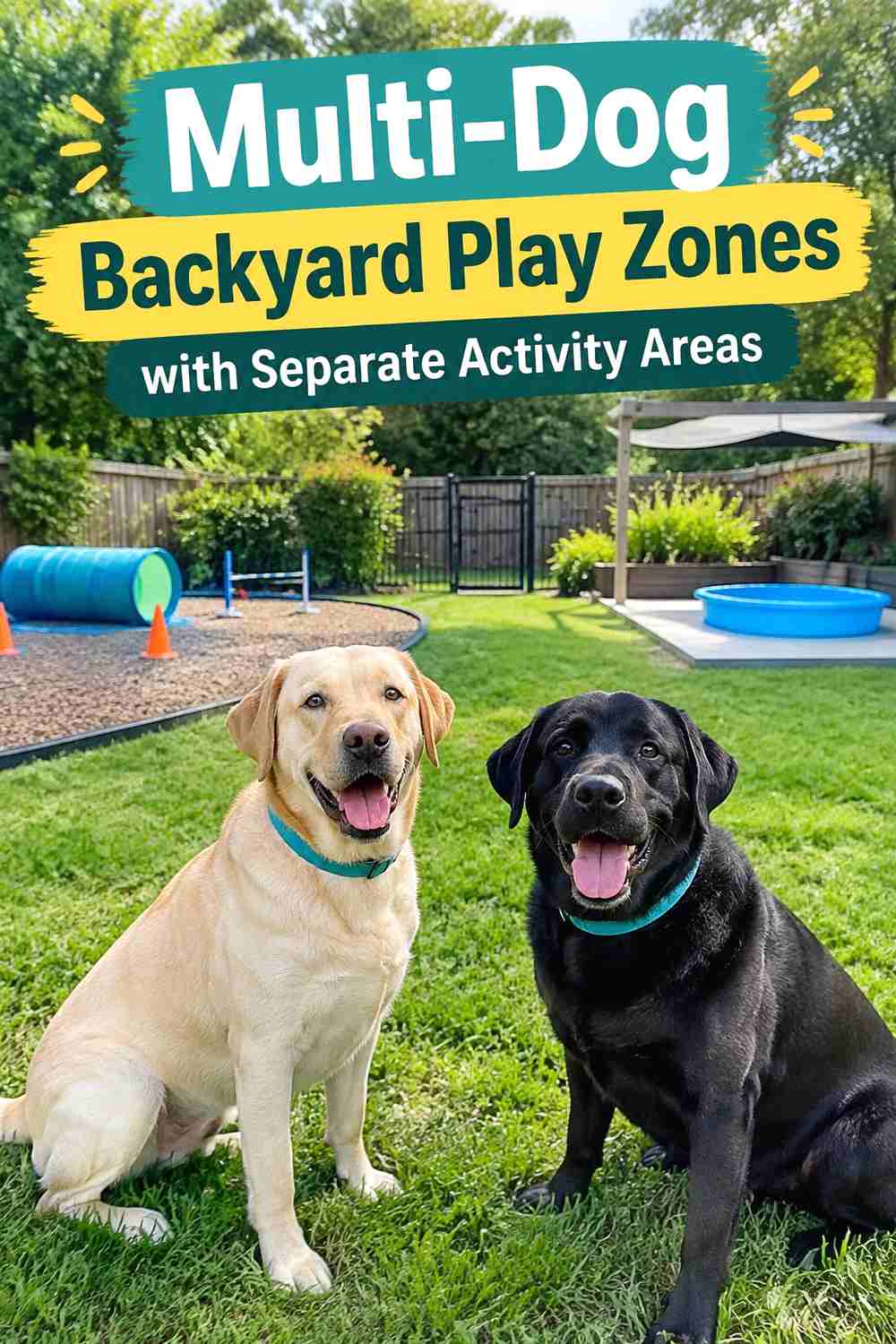
Multi-dog backyard play zones give each dog room to enjoy activities without forcing constant sharing. Divide the yard into simple areas for chasing, sniffing, toy play, and resting, then provide more than one water point or resting option when appropriate. Spacing resources apart can make the layout easier to use when dogs have different energy levels or play preferences.
Supervise shared play and remove toys that create repeated tension rather than expecting every dog to enjoy the same object. One dog may prefer fetch while another spends more time sniffing or relaxing, so the yard should allow both choices at once. Keep gates and pathways clear, and make sure no activity zone traps a dog in a corner when another dog approaches.
Setup Notes
Duplicate high-value resources when needed and leave generous pathways between zones so dogs can move away from one another without squeezing through tight spaces.
How to Choose the Right Idea
Start with what your dog naturally chooses to do outside. Dogs that spend most of their time sniffing may get more use from a sensory garden or treat-search trail than a large agility setup. Dogs that chase toys can benefit from a clear fetch lane, while enthusiastic diggers may be happier with one approved digging area than with more toys.
Next, look at the yard itself. Consider shade, drainage, secure fencing, surface traction, open running space, storage, weather exposure, and how much equipment you are willing to maintain. Small yards usually benefit from portable, multi-use setups, while larger yards can support separated activity zones.
Age, confidence, body size, chewing habits, and owner involvement also matter. Choose low, stable equipment, keep exits and pathways open, supervise activities that involve food, water, tunnels, or loose materials, and remove anything damaged or unsuitable before the next play session.
Final Thoughts
A useful backyard dog play area does not need to look like a permanent obstacle course. One or two well-matched zones can be more valuable than filling the yard with equipment your dog rarely uses.
Start with the activity your dog already enjoys most, make it easy and safe to access, then add another contrasting option such as sniffing, water play, or a shaded rest area.
FAQs
1. How can I make a small backyard fun for my dog?
Use compact activities that serve different purposes, such as a sniffing corner, portable cones, one toy zone, and a clear open patch for interactive play. Store equipment when it is not being used.
2. What ground surface works well in a backyard dog play area?
A secure, comfortable surface with good traction and drainage is generally easier to use than slick or unstable ground. Check the area regularly for heat, holes, sharp debris, and worn patches.
3. Does every backyard dog play area need agility equipment?
No. Many dogs are more interested in sniffing, digging, retrieving, exploring, or simply moving between different yard zones. Match the setup to your dog instead of building around one activity style.
4. How can I introduce a new backyard play feature?
Let your dog investigate it at their own pace. Keep the first interaction simple, reward voluntary interest when appropriate, and avoid pushing or pulling a hesitant dog onto unfamiliar equipment.
5. What should I remove from a dog play area?
Clear away sharp tools, loose cords, unstable furniture, yard chemicals, toxic plants, broken toys, swallowable debris, and other objects that could interfere with normal movement or supervised play.
CTA
Save your favorite backyard dog play area ideas and start with one simple zone that matches how your dog already loves to play.
