Create a beautiful dog room that looks intentional while still giving your pet comfortable rest, practical storage, easy-clean surfaces, and everyday accessibility.
Save This Idea on Pinterest

14 Aesthetic Dog Room Ideas
Save to PinterestAesthetic dog rooms work best when good design supports the dog’s actual routine. A coordinated bed and storage baskets may look polished, but the room also needs comfortable access, washable surfaces, clear walking space, secure food storage, and a practical place for the supplies you use most often.
These 14 ideas combine style with function through built-in beds, organized feeding areas, hidden storage, grooming cabinets, washable textiles, compact retreats, and zoned layouts. Choose details that fit your dog’s size, sleeping habits, chewing behavior, mobility, and your available room rather than decorating around appearance alone.
Quick List
- Neutral Built-In Dog Bed Nook for Stylish Homes
- Minimal Dog Feeding Station with Hidden Food Storage
- Wall-Mounted Leash Station for an Organized Dog Room
- Woven Toy Basket Corner for Clutter-Free Dog Spaces
- Window-Side Dog Lounge with Washable Neutral Textiles
- Built-In Crate Cabinet for a Polished Dog Room
- Hidden Dog Grooming Cabinet with Coordinated Supply Storage
- Mudroom Dog Cleanup Station with Stylish Towel Storage
- Under-Stair Dog Retreat for Small Stylish Homes
- Open Shelf Dog Room with Matching Storage Bins
- Cozy Reading-Corner Style Rest Zone for Dogs
- Multi-Zone Dog Room with Sleep Play and Storage Areas
- Washable Rug Layering for a Cozy Dog Room
- Soft Lighting Setup for a Calm Aesthetic Dog Room
1. Neutral Built In Dog Bed Nook For Stylish Homes
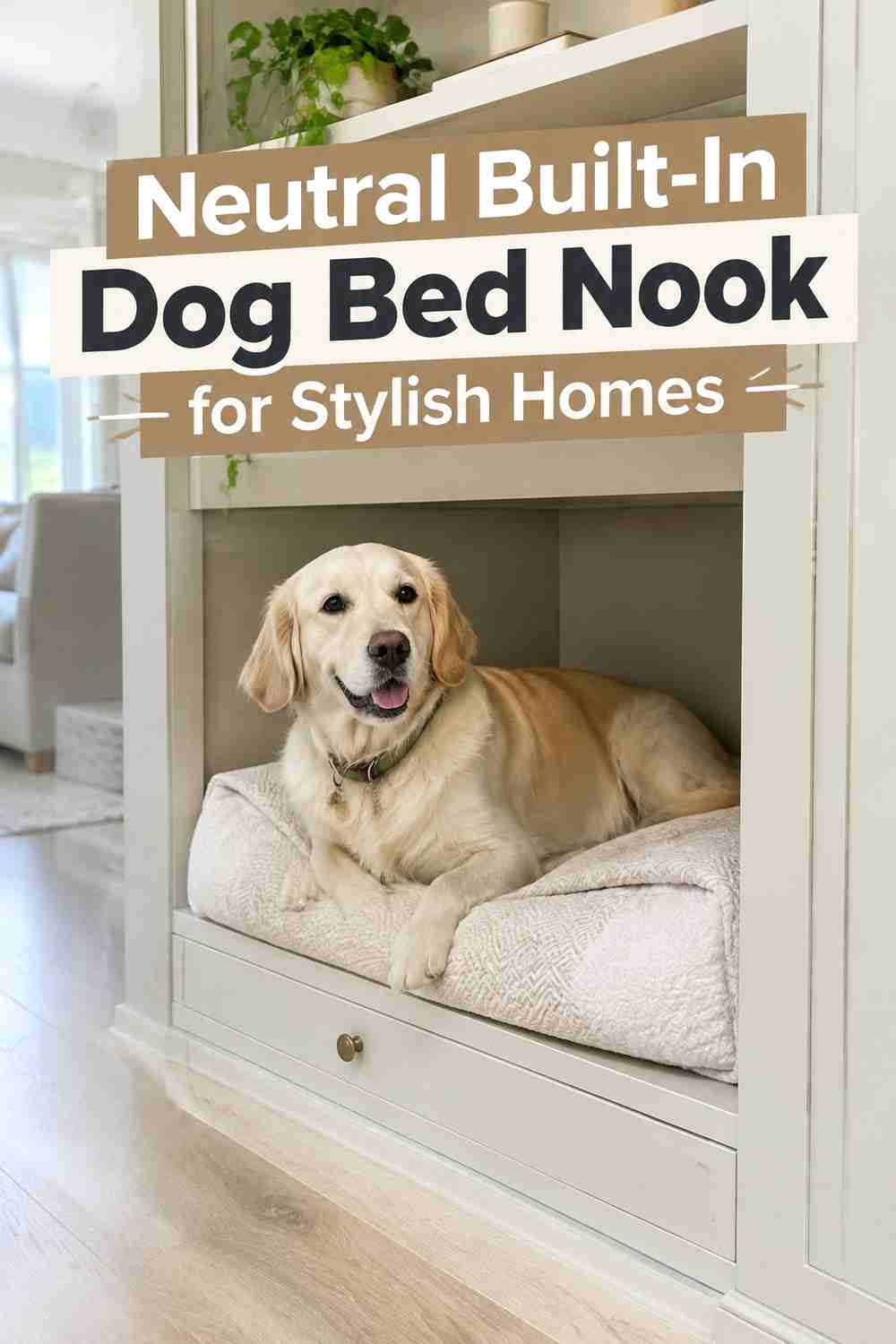
A neutral built-in dog bed nook creates a dedicated sleeping area that blends naturally with cabinetry or wall finishes instead of looking like a loose pet bed placed after the room was designed. Use a low, open recess with enough width for your dog to stretch and turn comfortably, then add a removable washable cushion in a warm neutral fabric.
Keep the entrance completely open and avoid decorative trim that narrows access. The bed should slide out easily for vacuuming and washing, while the surrounding surfaces should tolerate fur and occasional dirt. For older dogs or pets that dislike climbing, keep the base close to floor level. The result can look polished without making the dog’s resting area difficult to use.
Comfort & Safety
Prioritize easy entry, airflow, and enough interior room for natural sleeping positions. Avoid enclosing the nook so tightly that the dog has limited visibility or ventilation.
2. Minimal Dog Feeding Station With Hidden Food Storage

You May Also Like



A minimal dog feeding station keeps bowls, food, and cleanup supplies together while hiding bulky packaging from view. Use a simple cabinet or low console with a clear feeding area beside it, storing unopened food and accessories in closed compartments rather than leaving bags on the floor. A washable mat beneath the bowls can visually define the station and collect splashes.
Keep food storage secure and follow the product’s storage directions rather than transferring everything into decorative containers automatically. Position the bowls where household traffic will not constantly pass through the feeding area. Wipe the mat and surrounding surfaces regularly so the clean aesthetic does not depend on ignoring crumbs or water marks.
Space & Placement
Choose a calm wall edge rather than a narrow doorway or busy kitchen passage. Leave enough open floor space for your dog to approach, eat, drink, and move away comfortably.
3. Wall Mounted Leash Station For An Organized Dog Room
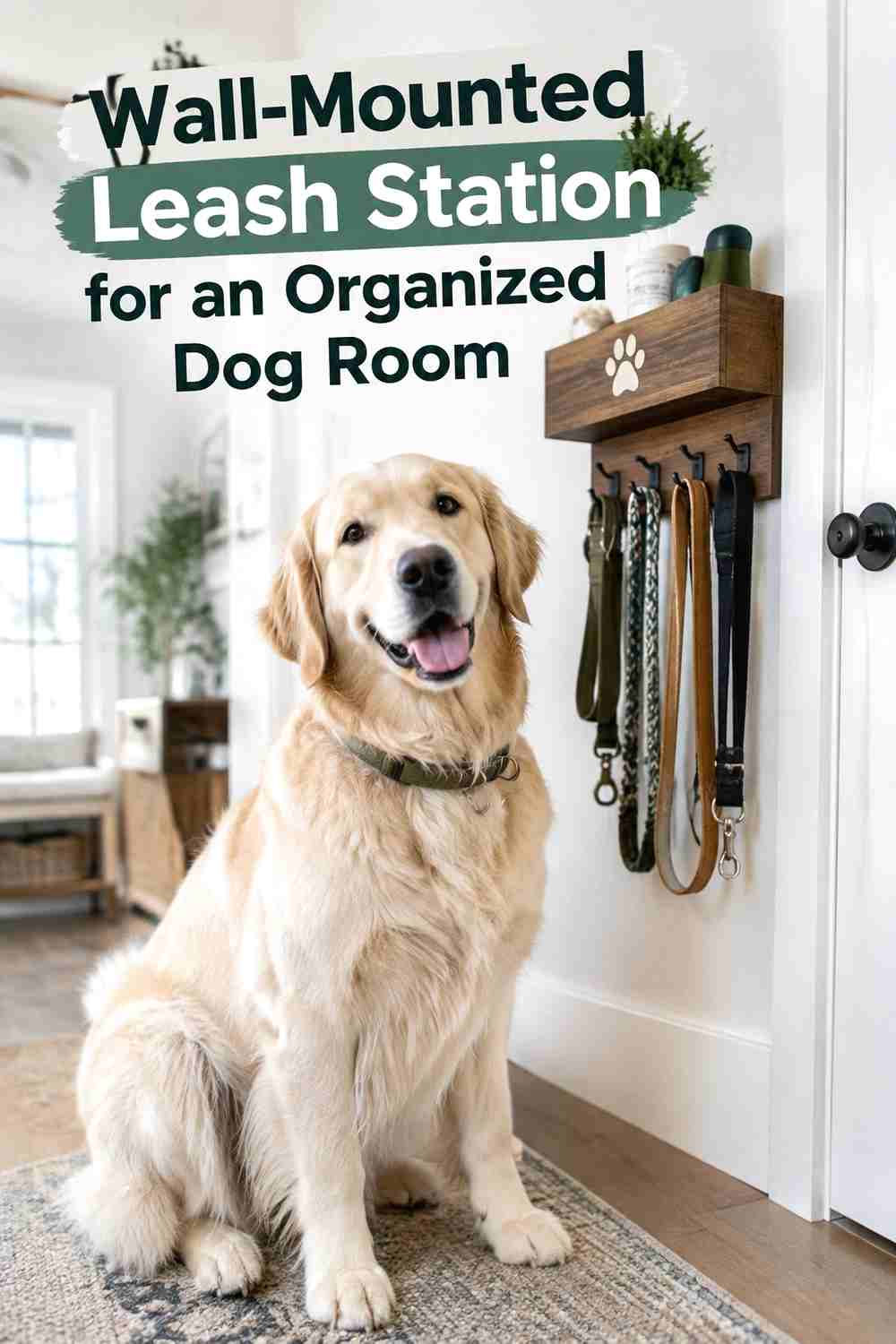
A wall-mounted leash station turns everyday walking gear into a tidy part of the room instead of a pile on the floor. Install secure hooks for leashes and harnesses, then add a shallow shelf or small closed cabinet for waste bags, wipes, and an empty treat pouch. Matching hardware and a simple neutral backing can make the area feel intentional without requiring much space.
Keep hanging straps above chewing height and avoid long loops dangling where a dog could become tangled. The most frequently used gear should be easiest to reach, while seasonal or backup items can stay elsewhere. Periodically remove accessories you no longer use so the wall remains an organized routine station rather than an overcrowded display.
Pro Tip
Limit the visible hooks to daily essentials. Storing rarely used gear out of sight makes the station look cleaner and helps you find the items you actually grab before walks.
4. Woven Toy Basket Corner For Clutter Free Dog Spaces

A woven toy basket corner softens the look of a dog room while giving loose toys one obvious home. Choose a sturdy basket with a wide opening and stable base, then place it where your dog can access approved toys without blocking the room’s main walkway. Neutral woven textures pair easily with wood, cream, beige, or muted green interiors.
Avoid baskets with loose fibers, sharp hardware, or decorative handles that encourage chewing. Dogs that pull apart natural materials may be better suited to a smooth washable bin with the same visual tone. Keep the active toy collection small and rotate extras from closed storage. This makes cleanup faster and prevents an aesthetic room from becoming cluttered with every toy at once.
Use & Maintenance
Vacuum around the basket regularly and inspect the container for fraying. Washable inner liners can make cleanup easier if toys often return from outside dusty or damp.
5. Window Side Dog Lounge With Washable Neutral Textiles
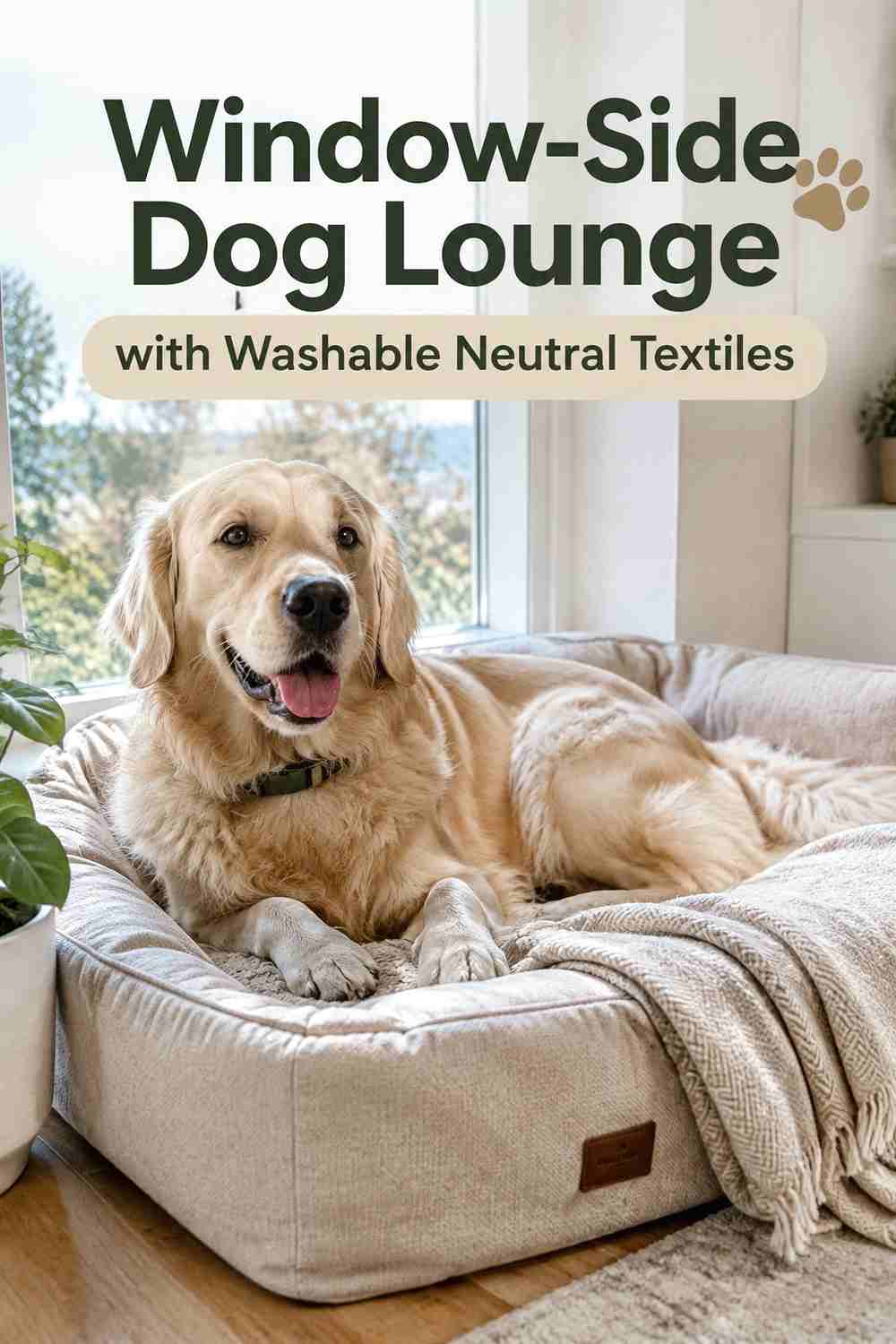
A window-side dog lounge combines a comfortable resting place with an attractive corner that feels connected to the rest of the home. Place a supportive washable bed or low cushion near a secure closed window, then use neutral covers that coordinate with curtains, rugs, or nearby furniture. Keep the setup low enough that the dog does not need to climb onto unstable furniture to see outside.
Choose machine-washable fabrics or removable covers rather than delicate textiles that are difficult to maintain around fur and muddy paws. Keep blind cords, plants, décor, and small objects out of reach. If outside activity causes repeated barking or frustration, move the bed farther from the glass while keeping the same styled rest area.
Best For
This works well for dogs that naturally enjoy resting near natural light and can observe outdoor movement without becoming persistently overstimulated.
6. Built In Crate Cabinet For A Polished Dog Room

A built-in crate cabinet can visually integrate a familiar resting crate into cabinetry while keeping the area open, functional, and easy to clean. Design the surrounding unit around the actual crate rather than squeezing the crate into a decorative opening. Doors, vents, and access points must remain unobstructed, and the dog should be able to stand, turn, and settle normally.
Use adjacent closed storage for spare bedding or dog-room supplies instead of stacking items on top of the crate itself. The crate should still be removable for deep cleaning or replacement. Avoid covering ventilation openings with decorative panels, curtains, or stored objects. A successful built-in looks intentional while preserving the crate’s normal usability and airflow.
Setup Notes
Measure the crate first and build storage around its full footprint. Leave practical clearance for doors, cleaning, bedding changes, and normal air movement.
7. Hidden Dog Grooming Cabinet With Coordinated Supply Storage
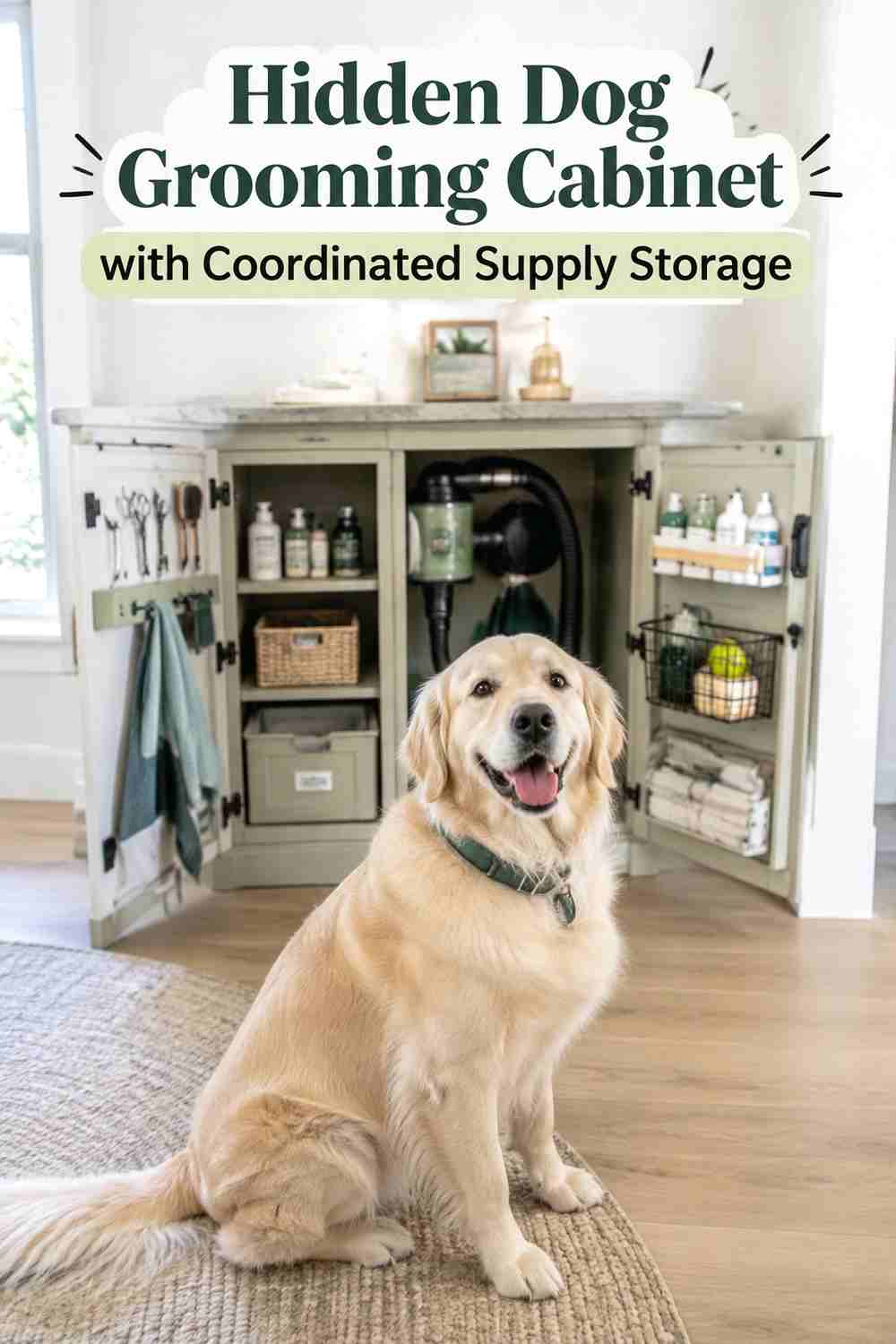
A hidden grooming cabinet keeps brushes, combs, towels, and routine care supplies organized without leaving the dog room visually busy. Use a closed cabinet with shallow bins or drawer dividers so each category has a clear place. Store frequently used grooming tools near the front and keep less-used items farther back.
Medicines, cleaners, sharp tools, and anything unsuitable for unsupervised pet access should remain securely stored and separated from ordinary grooming supplies. A removable tray can collect loose fur or small debris during cleanup. Keep one washable towel within easy reach so quick paw or coat cleanup does not require searching through the whole cabinet. Matching containers can create a coordinated look, but function should determine the layout.
Use & Maintenance
Clear loose fur from drawers and shelves regularly. Returning each tool to the same compartment makes the cabinet easier to use and helps prevent clutter from rebuilding.
8. Mudroom Dog Cleanup Station With Stylish Towel Storage
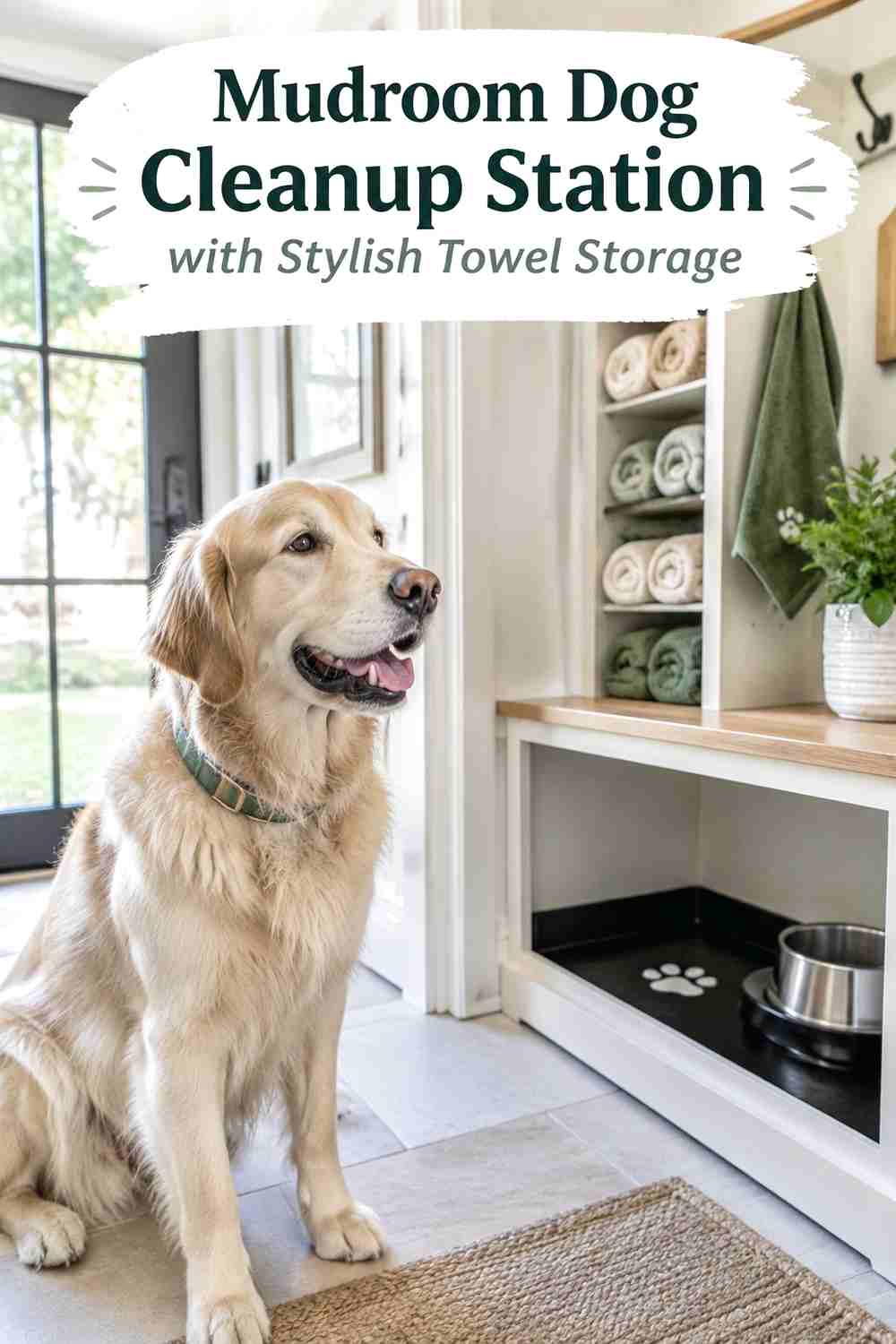
A mudroom dog cleanup station creates one attractive place for wet paws, towels, walking gear, and quick after-outdoor resets. Use a washable mat near the entry, hooks for clean towels, and a closed bin or drawer for spare cloths and dog-safe cleanup supplies. Coordinated baskets and matching hooks can keep the utilitarian setup visually consistent.
Place wet towels somewhere they can dry rather than dropping them back into closed storage. Keep cleaners, detergents, and other household chemicals securely away from the dog’s reach. The station should sit beside the entry route without narrowing it so much that people and pets squeeze around one another. Easy-clean flooring makes the entire design more practical during muddy or rainy weather.
Cleaning Notes
Separate clean and used towels clearly. A small washable floor mat can catch much of the dirt before it spreads farther into the dog room.
9. Under Stair Dog Retreat For Small Stylish Homes

An under-stair dog retreat turns otherwise unused space into a compact resting nook without taking over a full room. Keep the opening wide and the interior uncluttered, then add a low washable bed that fits the dog’s normal sleeping position. Paint or panel the surrounding area to match nearby walls so the retreat looks like part of the architecture.
The space should feel open rather than sealed off. Make sure ventilation is adequate and avoid storing household chemicals, electrical equipment, or loose cords beside the bed. Dogs that dislike enclosed areas may prefer a more open corner elsewhere, so let the pet choose whether to use the nook. For seniors, prioritize a completely level entry with secure flooring.
Best For
This idea suits small homes where floor space matters and the under-stair area can provide a quiet, accessible retreat without becoming cramped or difficult to clean.
10. Open Shelf Dog Room With Matching Storage Bins
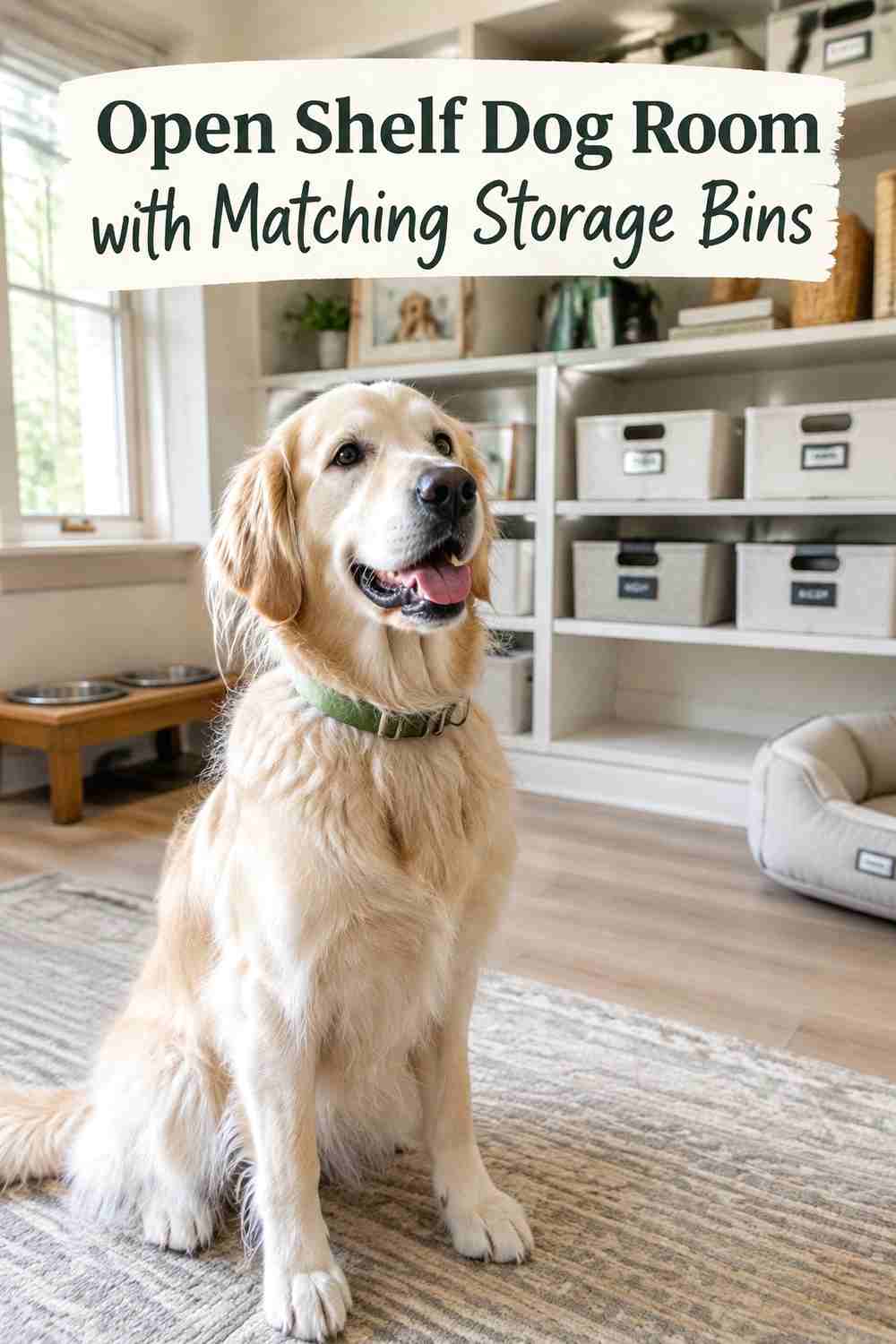
An open shelf dog room uses coordinated bins and baskets to organize supplies while keeping the room visually light. Assign separate containers for toys, walking gear, spare bedding, and grooming items, then use similar colors or materials so the shelving looks cohesive. Keep only attractive, frequently used items exposed and hide bulk packaging inside closed bins.
Place heavier containers on lower shelves to improve stability, but keep food, medicines, cleaners, and tempting chewable supplies securely out of the dog’s reach. Labels can help household members return items to the same location without adding visual clutter. Leave some shelf space intentionally empty rather than filling every section. Negative space often makes the room easier to maintain and keeps it from looking like storage overflow.
Pro Tip
Choose fewer, larger storage categories instead of a separate bin for every small object. Simpler organization is usually easier to maintain over time.
11. Cozy Reading Corner Style Rest Zone For Dogs
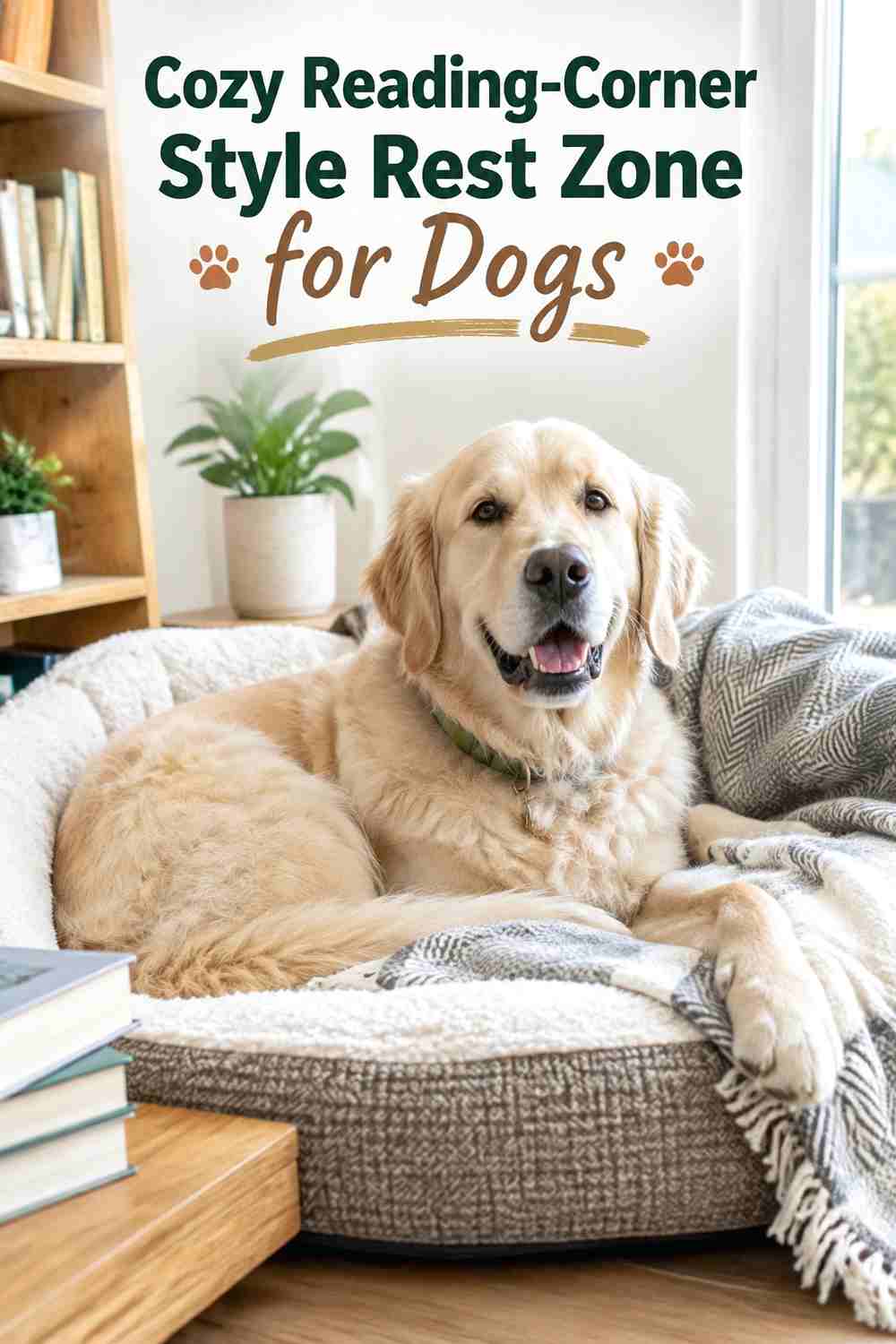
A reading-corner style rest zone gives a dog room a warm, residential feel without sacrificing comfort. Start with a supportive washable bed, add a low-pile rug with good traction, and place a simple side table or closed cabinet nearby for human-access supplies. A framed print or two can complete the look without crowding the dog’s actual resting space.
Avoid decorative floor pillows, candles, fragile objects, trailing cords, or plants that introduce unnecessary hazards. The dog should have a clear path in and out of the corner and enough room to change sleeping positions. Choose textiles based on washability and durability rather than appearance alone. The best version looks cozy because it is well edited, not because every surface is filled with décor.
Comfort & Safety
Keep decoration above or outside the dog’s active reach, and leave the bed itself free from styling pieces that interfere with comfortable rest.
12. Multi Zone Dog Room With Sleep Play And Storage Areas

A multi-zone dog room separates resting, light play, and storage so each part of the space has a clear purpose. Put the bed in the quietest section, leave one open patch of floor for toys or enrichment, and keep supplies against a wall in closed cabinets or coordinated bins. A feeding area can be added if the room layout allows enough separation from active play.
Use rugs or subtle furniture placement to define zones without creating barriers the dog must step over. Keep the central route open so the room remains easy to navigate. This layout is especially helpful in larger dog rooms because it prevents every function from blending into one cluttered corner. The overall style can remain cohesive through repeated colors and materials.
Space & Placement
Arrange the room around natural movement first. The dog should be able to travel between bed, water, play space, and the exit without squeezing past furniture or storage.
13. Washable Rug Layering For A Cozy Dog Room
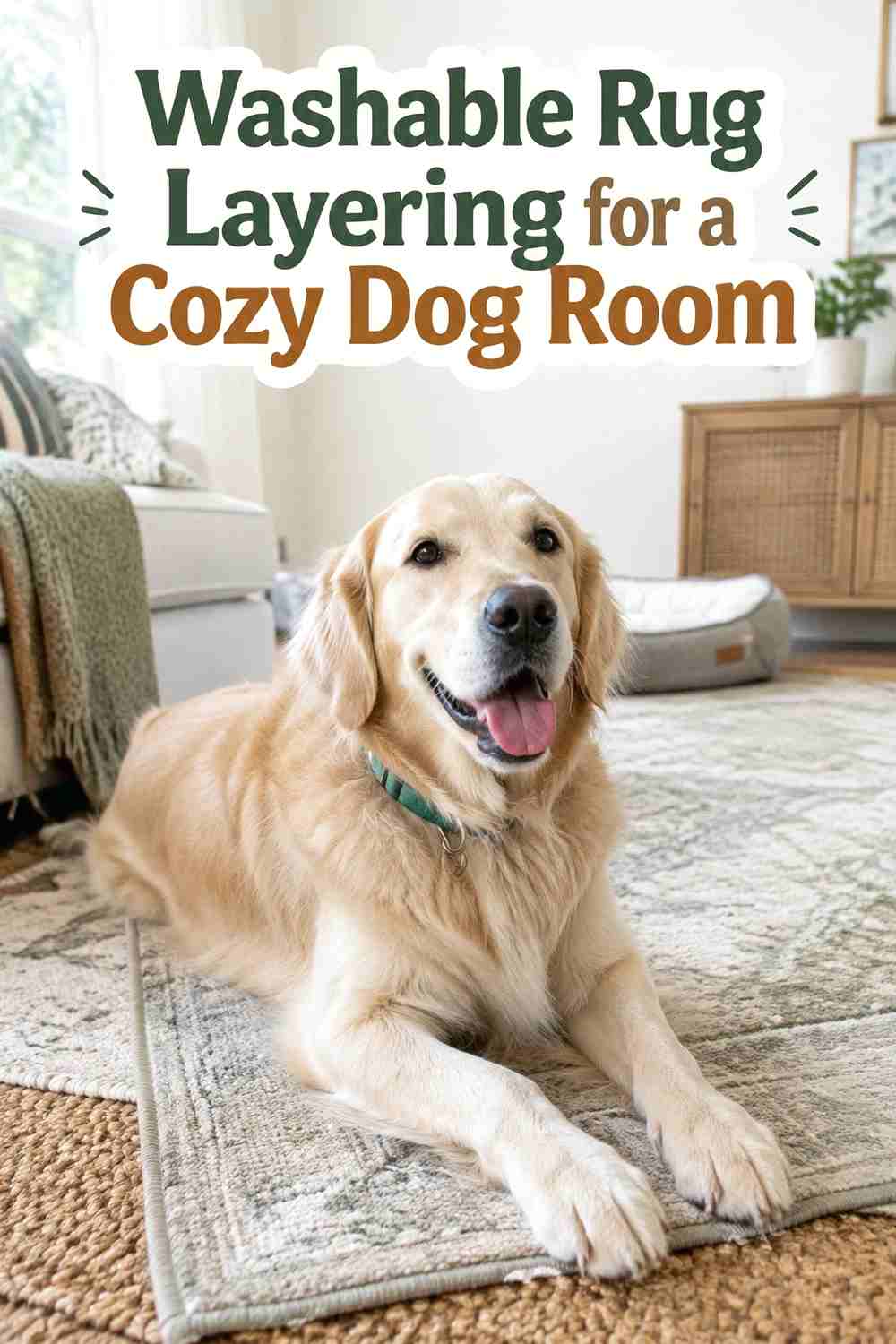
Washable rug layering adds warmth and visual texture while giving a dog room softer, more defined zones. Start with one secure low-pile washable rug as the main surface, then use a smaller washable mat near the bed or feeding area if another layer is genuinely useful. Keep edges flat so paws do not catch on curled corners.
Avoid thick piles that trap excessive fur or become difficult to clean after muddy paws. Rugs should stay stable on the underlying floor rather than sliding when the dog turns or gets up. Coordinating two muted tones can create depth without making the room look busy. Practical washability matters more than delicate fibers, fringe, or decorative tassels that may attract chewing.
Use & Maintenance
Vacuum regularly and wash each layer according to its material. If a rug repeatedly bunches or shifts, remove it rather than relying on appearance alone.
14. Soft Lighting Setup For A Calm Aesthetic Dog Room
You May Also Like




A soft lighting setup can make an aesthetic dog room feel more comfortable and finished while still supporting everyday visibility. Use natural daylight during the day and add a warm wall-mounted or securely positioned lamp for darker hours. Choose fixtures that illuminate walking paths, the bed, and storage without creating harsh glare.
Keep electrical cords completely out of chewing reach and avoid low floor lamps that can be knocked over during play. Decorative string lights are less practical when they introduce dangling wires or small parts near the dog. Pair the lighting with simple wall colors and uncluttered surfaces so the room feels calm rather than dim. The goal is an attractive space where both people and dogs can still see and move safely.
Setup Notes
Place lighting where it supports the room’s actual zones. Rest areas can use softer illumination, while grooming or cleanup storage benefits from brighter task lighting.
How to Choose the Right Idea
Start with the function your dog room actually needs. If the main problem is clutter, prioritize closed storage, wall hooks, coordinated bins, or a grooming cabinet. If your dog needs a better resting space, a built-in nook, window lounge, under-stair retreat, or reading-corner setup may be more useful.
Then consider size, age, sleeping position, mobility, chewing habits, and how your dog moves through the room. Senior dogs may benefit from lower beds and clear pathways, while enthusiastic chewers need tougher storage choices and fewer tempting decorative materials.
Cleaning should influence the aesthetic too. Washable rugs, removable bed covers, easy-wipe cabinetry, and simple storage usually stay attractive longer than delicate fabrics or complicated décor. Build the room around comfort and daily routines first, then use coordinated colors, textures, and finishes to create the visual style.
Final Thoughts
The most successful aesthetic dog rooms look polished because the everyday essentials have clear places. Comfortable beds, practical storage, washable materials, and open walking space give the design a functional foundation.
Choose one main style direction and repeat a few colors or materials instead of filling the room with decoration. A simpler setup is usually easier to clean, easier for the dog to use, and easier to keep looking intentional.
FAQs
1. What colors work well in an aesthetic dog room?
Neutral shades such as cream, warm beige, soft gray, muted green, and natural wood tones are easy to coordinate. Choose finishes that also hide normal wear and are practical to clean.
2. How can I make a dog room look stylish without adding clutter?
Use closed storage, matching containers, a limited color palette, and one or two decorative wall elements. Keep floors and the dog’s main resting area relatively open.
3. What flooring is practical for an aesthetic dog room?
Easy-clean flooring with reliable traction is useful. Washable low-pile rugs or mats can add softness and style when they stay flat and do not slide.
4. Can I create an aesthetic dog room in a small space?
Yes. A compact bed nook, wall-mounted leash station, one toy basket, and vertical storage can create a complete dog zone without dedicating an entire room.
5. What should I avoid when decorating a dog room?
Avoid loose cords, unstable furniture, toxic plants, open flames, sharp décor, small swallowable objects, unsecured cleaning products, and decorative items that interfere with the dog’s resting or walking space.
CTA
Save your favorite aesthetic dog room ideas and start with one practical upgrade that makes your pet’s space easier to use and nicer to live with.
