Create scroll-worthy pet photos at home with simple light, familiar rooms, easy props, and relaxed setups that let your pet behave naturally.
Save This Idea on Pinterest

9 Pet Photo Shoot Ideas at Home
Save to PinterestAt-home pet photo shoots can be easier than elaborate studio sessions because your pet already knows the surroundings. A favorite blanket, sunny window, couch, toy, or uncluttered wall can become a useful backdrop without introducing unfamiliar equipment or asking your pet to hold an uncomfortable pose.
These nine ideas range from clean portraits to playful candid shots and seasonal setups. Pick the option that suits your pet’s personality, activity level, and tolerance for attention. Keep sessions short, prepare the background before bringing your pet into position, and let them leave whenever they lose interest.
Quick List
- Bright Window Light Portrait for Pets at Home
- Cozy Blanket Pet Photo Shoot for Soft Indoor Portraits
- Morning Bed Photo Shoot for Relaxed At-Home Pets
- Simple Neutral Wall Backdrop for Clean Pet Portraits
- Favorite Toy Candid Photo Shoot for Playful Pets
- Treat Attention Portrait for Easy Eye-Contact Pet Photos
- Simple Seasonal Backdrop for Festive At-Home Pet Photos
- Cozy Couch Portrait for Natural Lifestyle Pet Photos
- Floor-Level Close-Up Portrait for Expressive Pet Photos
1. Bright Window Light Portrait For Pets At Home
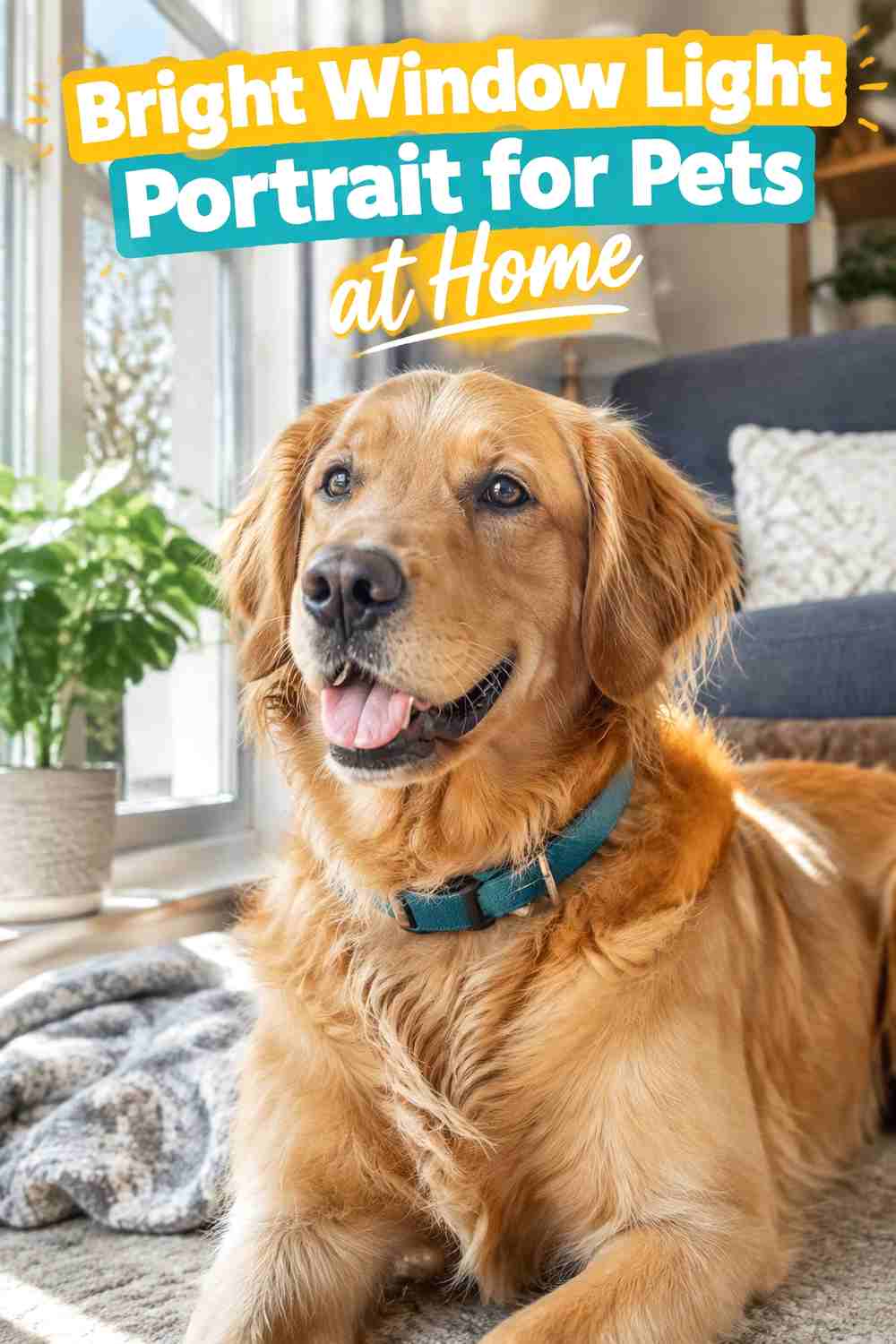
A bright window light portrait uses soft natural daylight to highlight your pet’s eyes, coat, whiskers, or feather texture without complicated lighting equipment. Place a familiar bed, mat, or cushion several feet back from a secure closed window and photograph while the pet naturally faces or turns toward the light.
Avoid strong direct sun that creates harsh shadows across the face. A simple wall, curtain, or tidy room behind the pet keeps the image clean without needing a formal backdrop. Take photos from several angles while your pet settles rather than repeatedly repositioning them. Remove hanging blind cords and distracting objects near the setup, and keep the window securely closed or screened according to your normal pet-safe arrangement.
Pro Tip
Tap the pet’s eyes on your phone screen to focus, then take several quick photos while their expression and head position naturally change.
2. Cozy Blanket Pet Photo Shoot For Soft Indoor Portraits
You May Also Like



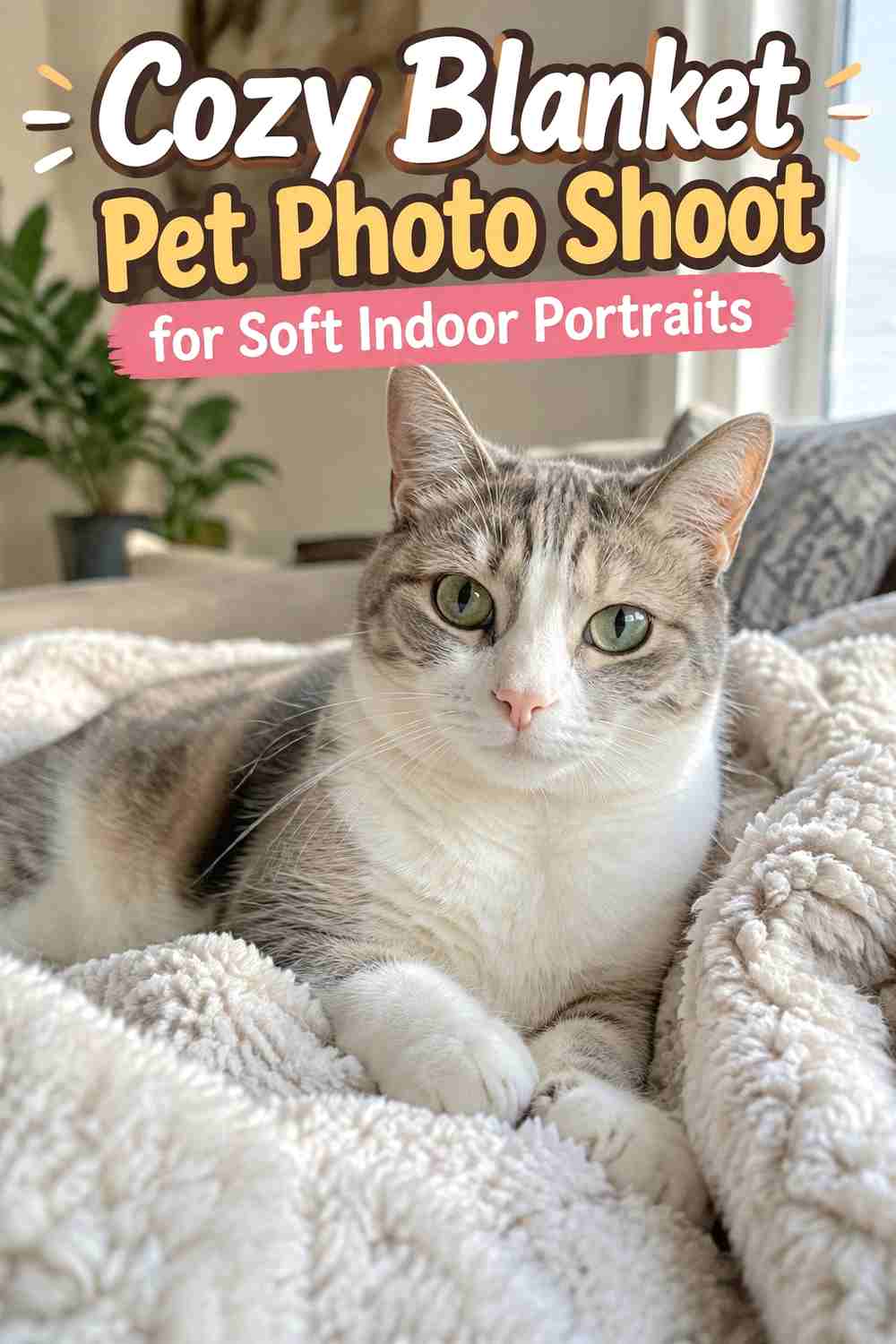
A cozy blanket photo shoot creates a soft, relaxed setting using something your pet already recognizes. Spread a clean textured blanket over a bed, sofa, or safe section of floor, then let your pet choose a comfortable position instead of arranging their body into a specific pose. Neutral or lightly patterned fabrics usually keep attention on the pet.
Use daylight from a nearby window and move unnecessary pillows, remotes, cables, and clutter out of the frame before starting. For pets that like nesting, allow the blanket to form natural folds rather than smoothing everything perfectly. Photograph from eye level as well as slightly above for variety. Skip loose fringe, decorative tassels, or other fabric details if your pet tends to chew them.
Setup Notes
Choose a blanket color that contrasts gently with your pet’s coat so their outline remains clear instead of blending into the background.
3. Morning Bed Photo Shoot For Relaxed At Home Pets
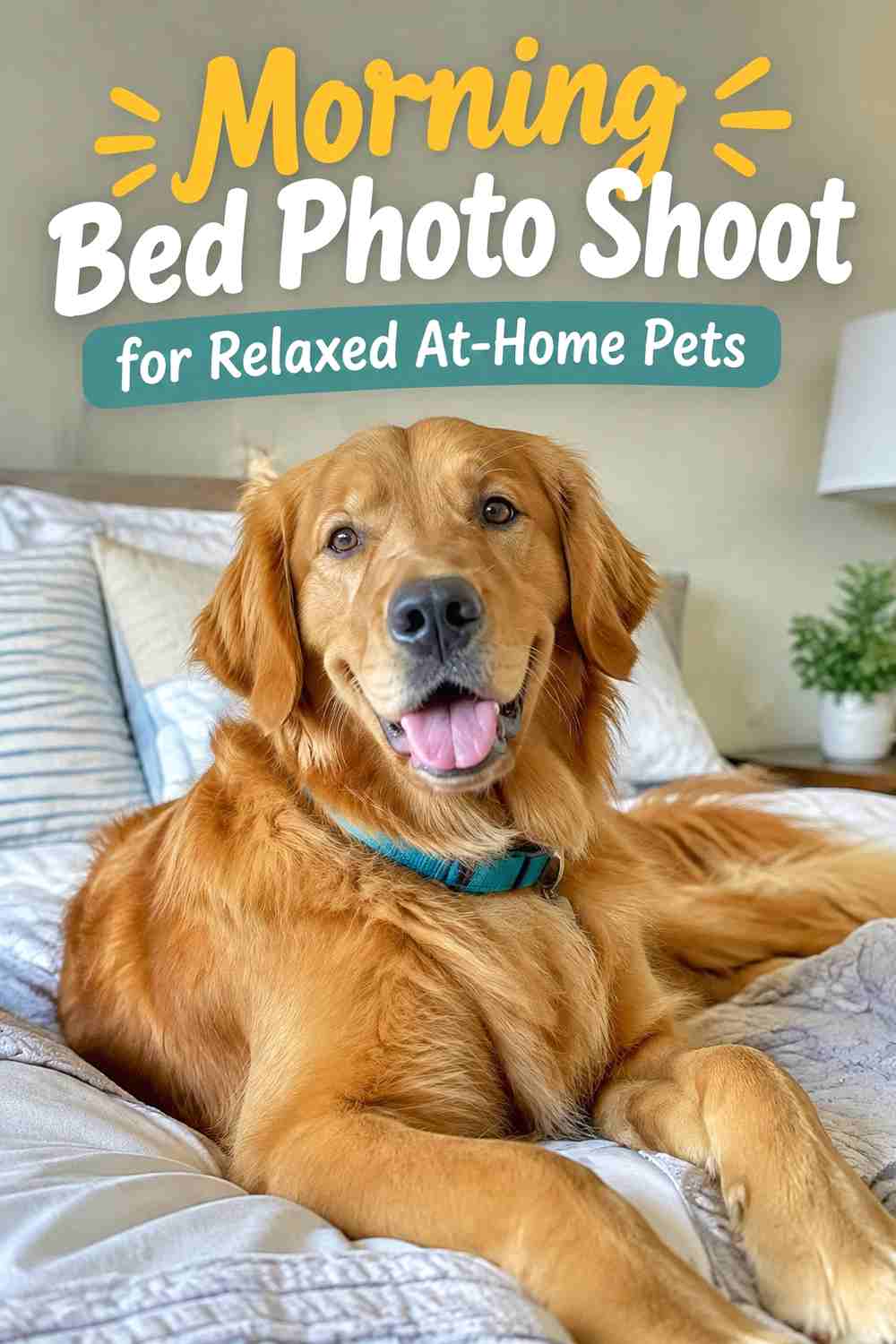
A morning bed photo shoot captures a pet in a familiar resting place with soft bedding and natural daylight. Instead of creating a staged bedroom scene, tidy the covers, remove loose objects, and photograph your pet where they already enjoy curling up. Rumpled blankets can actually make the image feel more natural and comfortable.
Position yourself near the edge of the bed rather than leaning over the pet, then capture yawns, stretches, relaxed expressions, or quiet eye contact as they happen. Keep the scene simple with one or two coordinated bedding colors. Do not place a pet on a high bed solely for a photograph if getting up or down is difficult for them; a floor-level bed can create the same cozy look.
Best For
This setup works especially well for pets that are calm after waking and already choose the bed or sleeping area without being carried into position.
4. Simple Neutral Wall Backdrop For Clean Pet Portraits
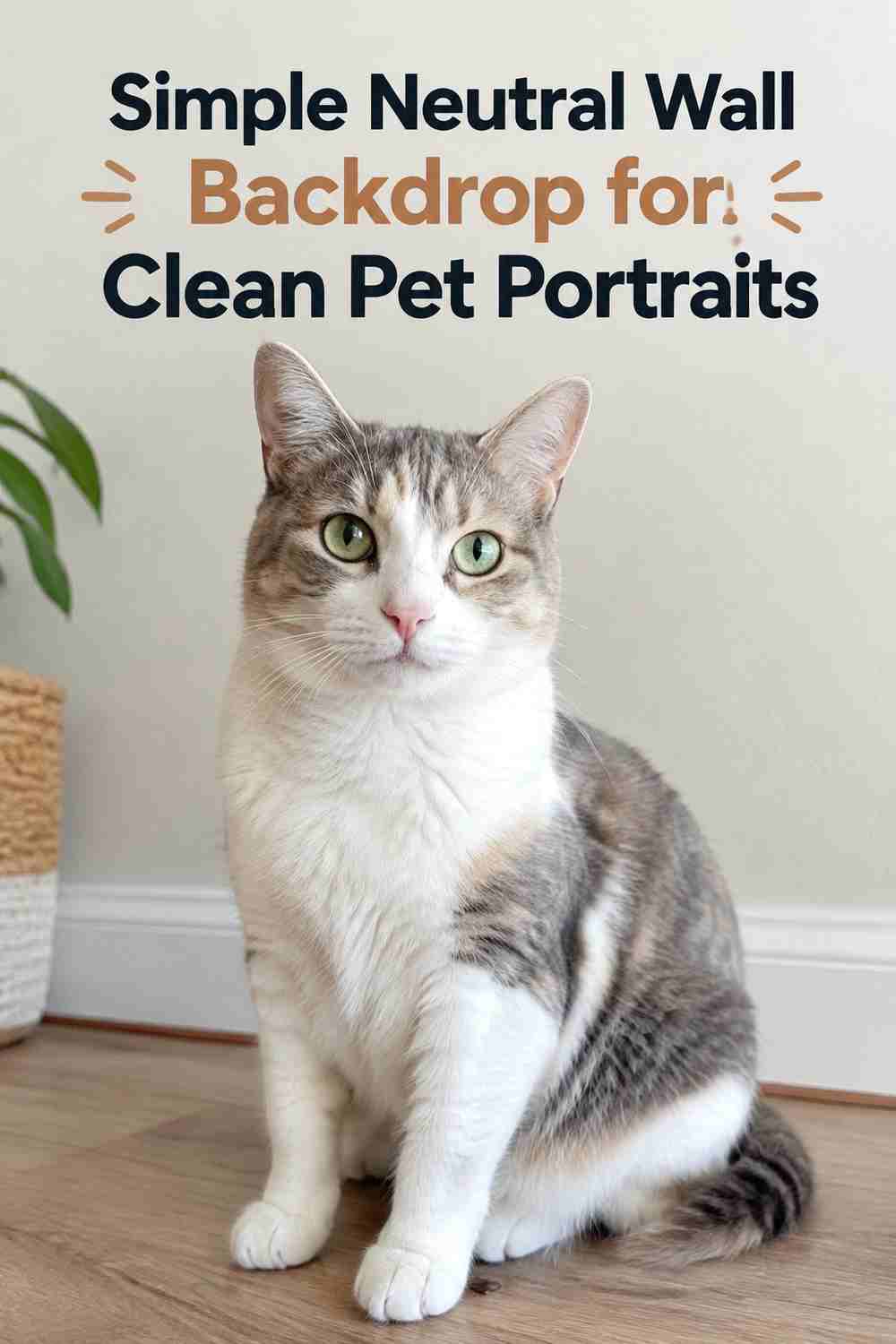
A simple neutral wall creates a clean pet portrait without buying a backdrop or filling the scene with props. Choose a plain cream, beige, soft gray, or muted wall near good natural light, then place a familiar mat or bed a short distance in front of it. Leaving space between the pet and wall can create softer background blur.
Clear outlets, cords, bags, and small furniture from the visible frame before the session. Photograph at your pet’s eye level and leave a little open space around their ears and body rather than cropping too tightly. If your pet will not stay in one spot, allow them to walk through the setup and capture natural pauses instead of repeatedly moving them back.
Pro Tip
A simple background makes small details more visible, so brush away loose blanket lint and quickly check the frame for distracting objects before taking photos.
5. Favorite Toy Candid Photo Shoot For Playful Pets
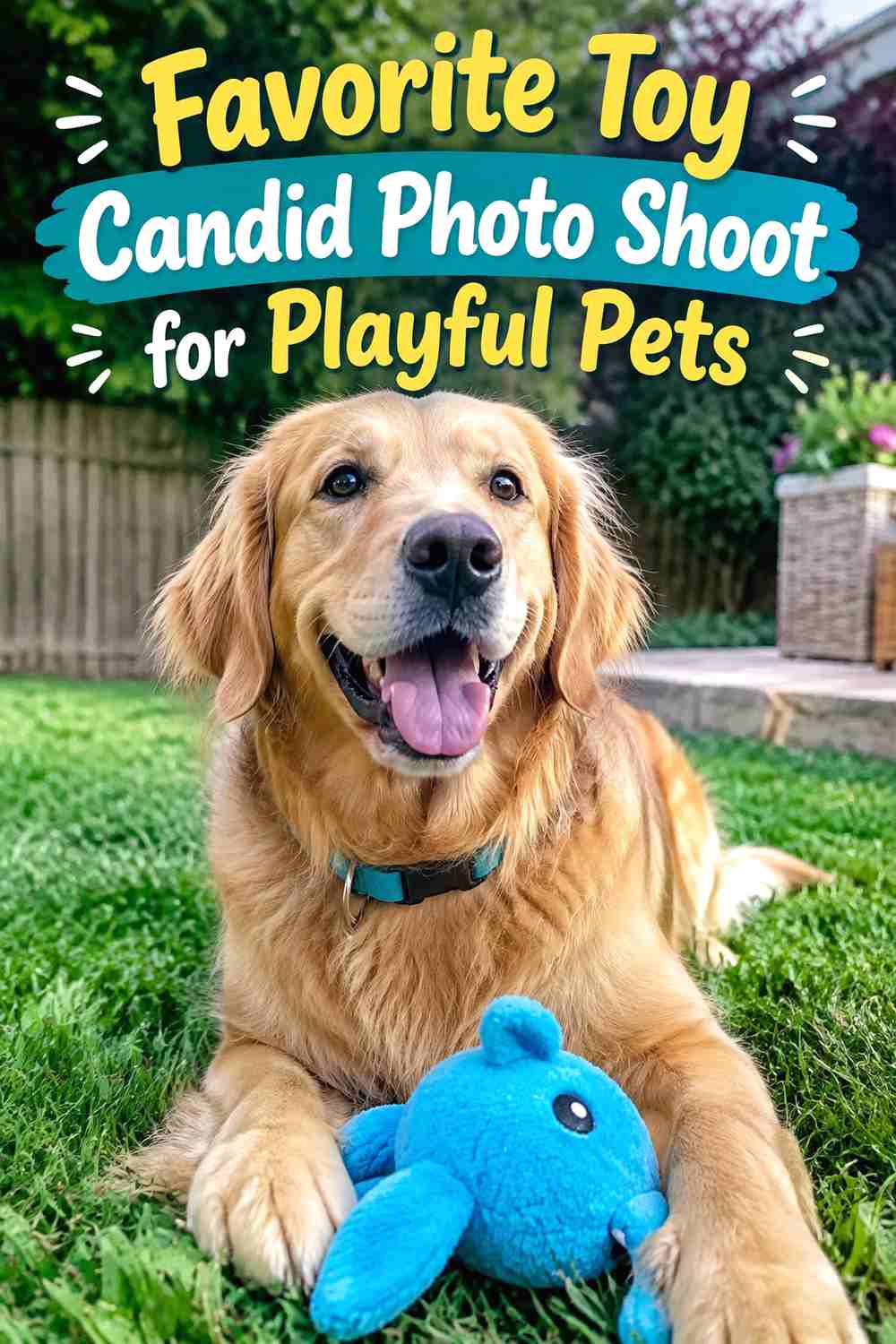
A favorite toy candid shoot works with your pet’s normal play behavior instead of expecting a still portrait. Use one familiar toy in a bright, uncluttered room and photograph your pet carrying, watching, pawing, or interacting with it. Keep other toys out of the frame so the picture has one clear focus.
Choose a room with good traction and enough open space for natural movement. Rather than constantly calling for attention, stay low with the camera ready and capture the moments between bursts of play, when expressions are often easier to photograph. Avoid throwing toys toward furniture, stairs, or breakable objects just to create an action shot. Check the toy beforehand and remove it if it is damaged or has loose parts.
Best For
This idea suits pets that become bored with static posing but naturally show more personality when a familiar toy is part of the session.
6. Treat Attention Portrait For Easy Eye Contact Pet Photos

A treat attention portrait uses a familiar reward to briefly guide your pet’s gaze toward the camera. Hold an appropriate treat close to your phone or camera rather than far above the pet’s head, then take the photo as they naturally look in that direction. Reward the attention instead of repeatedly teasing the pet without giving them the treat.
Keep the setup simple with a bed, rug, or plain background so you can concentrate on expression and focus. Use only treats that already fit your pet’s normal routine, and avoid turning the session into prolonged waiting or posing. For pets that become overexcited around food, a favorite toy or familiar sound may produce a calmer expression instead.
Setup Notes
Prepare the camera before showing the reward. That keeps each attention moment brief and reduces unnecessary repetition while you adjust settings.
7. Simple Seasonal Backdrop For Festive At Home Pet Photos
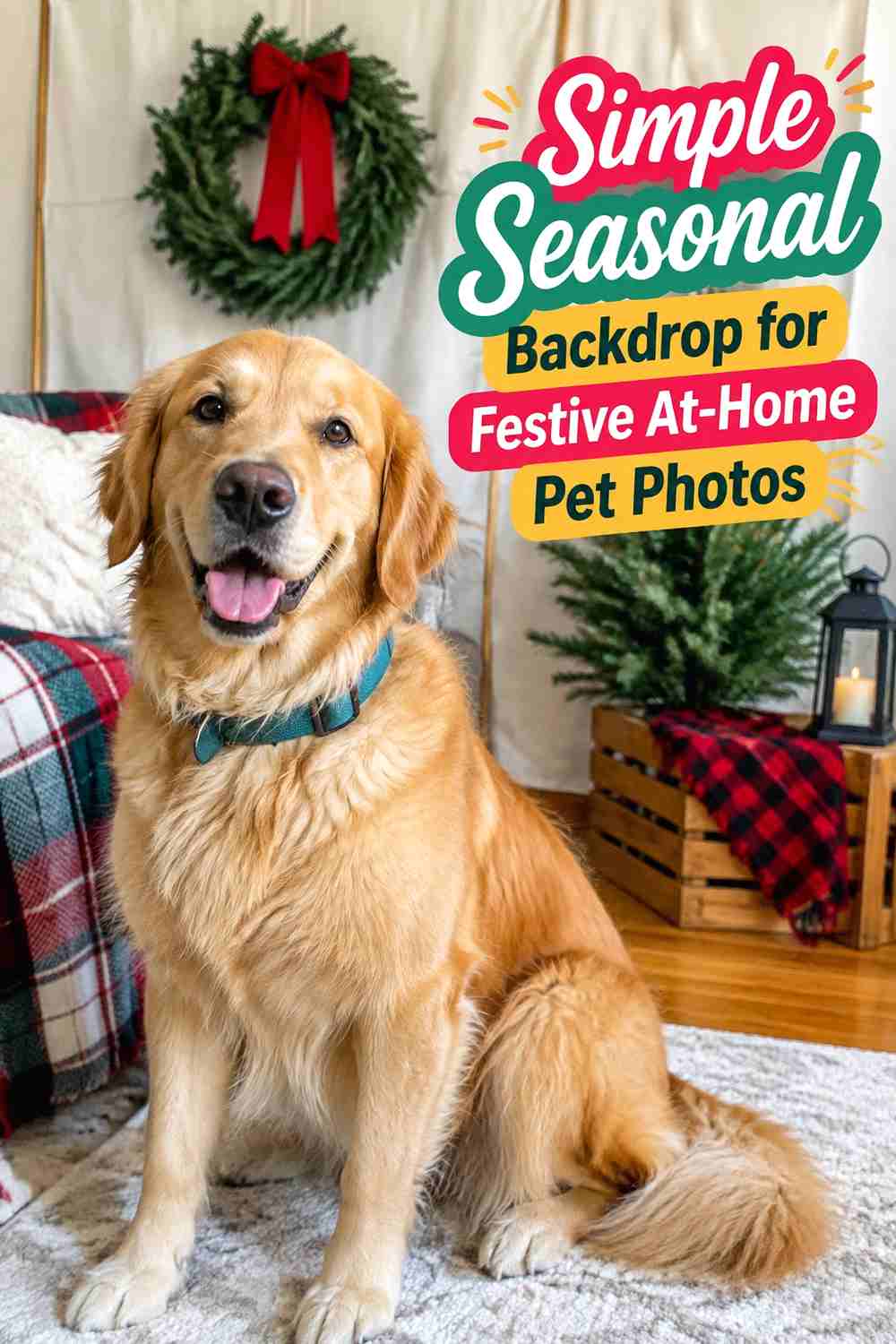
A simple seasonal backdrop adds a festive look without surrounding your pet with elaborate decorations. Use one recognizable element—such as a soft autumn-colored blanket, a spring floral-patterned fabric, or a simple holiday-colored backdrop—then keep the rest of the scene uncluttered. The pet should remain the obvious subject.
Set decorations behind or beside the pet rather than attaching costumes or accessories they do not enjoy. Avoid open flames, glass ornaments, loose string lights, sharp décor, toxic plants, and small items that could be chewed or swallowed. Photograph in bright natural light and keep the session short. A single seasonal color palette often looks more polished than a floor full of props.
Comfort & Safety
Let your pet investigate the setup before photographing and remove any decoration that attracts chewing, pawing, fear, or repeated attempts to leave.
8. Cozy Couch Portrait For Natural Lifestyle Pet Photos
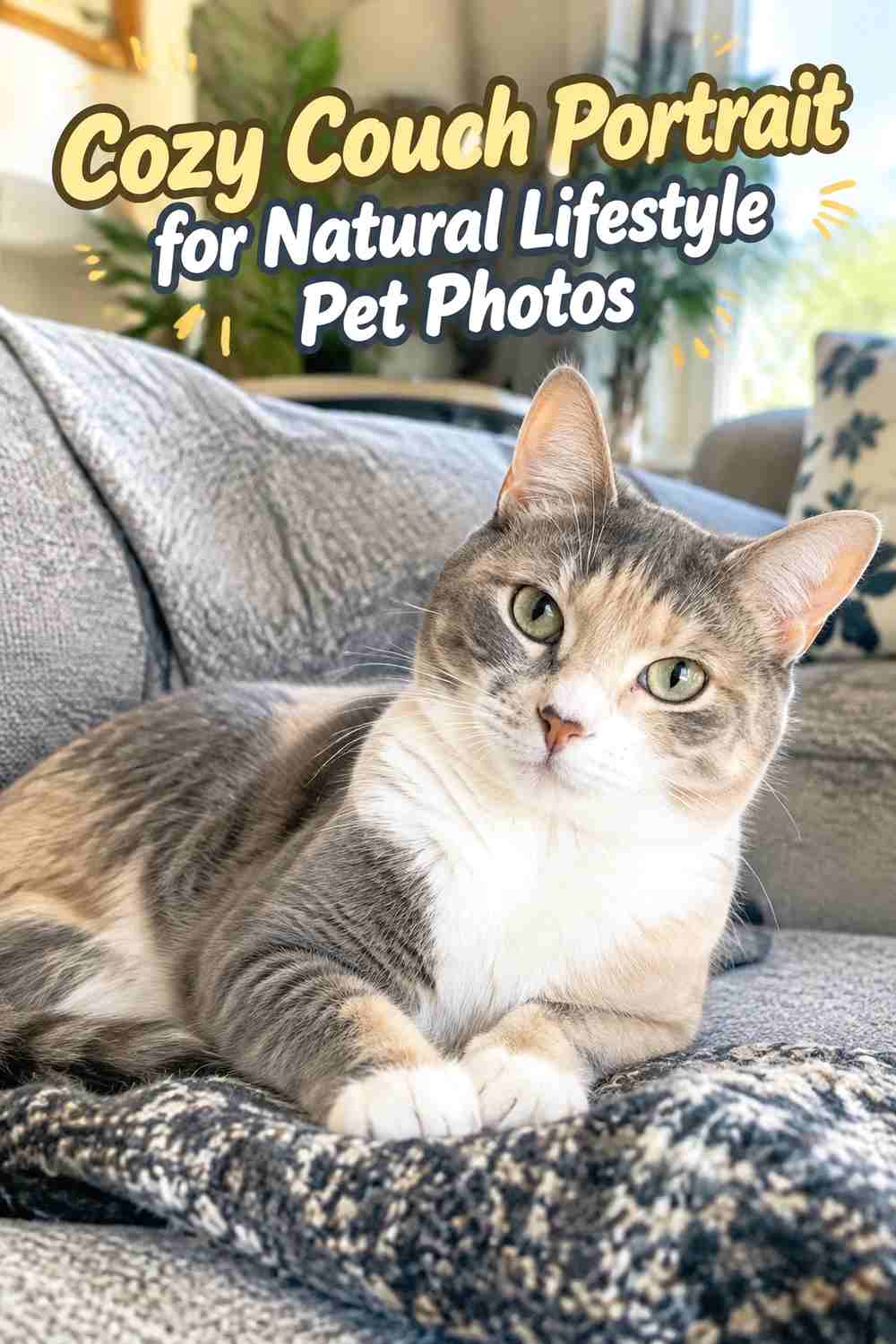
A cozy couch portrait captures the kind of everyday scene that feels natural because the pet is already comfortable there. Tidy the sofa, add one washable throw or simple cushion if needed, then wait for your pet to settle in their usual spot. Photograph relaxed sitting, stretching, curled sleeping positions, or natural interaction with a family member.
Use window light from the side when possible and remove remote controls, charging cables, dishes, and other visual clutter before shooting. Avoid surrounding the pet with decorative pillows just for the image; they should still have room to move and leave easily. If your pet does not normally use the couch, recreate the look with a comfortable floor bed instead of lifting them onto unfamiliar furniture.
Pro Tip
Step back slightly and include part of the room for a lifestyle photo, then move closer for a second image focused mainly on the pet’s face and expression.
9. Floor Level Close Up Portrait For Expressive Pet Photos
You May Also Like



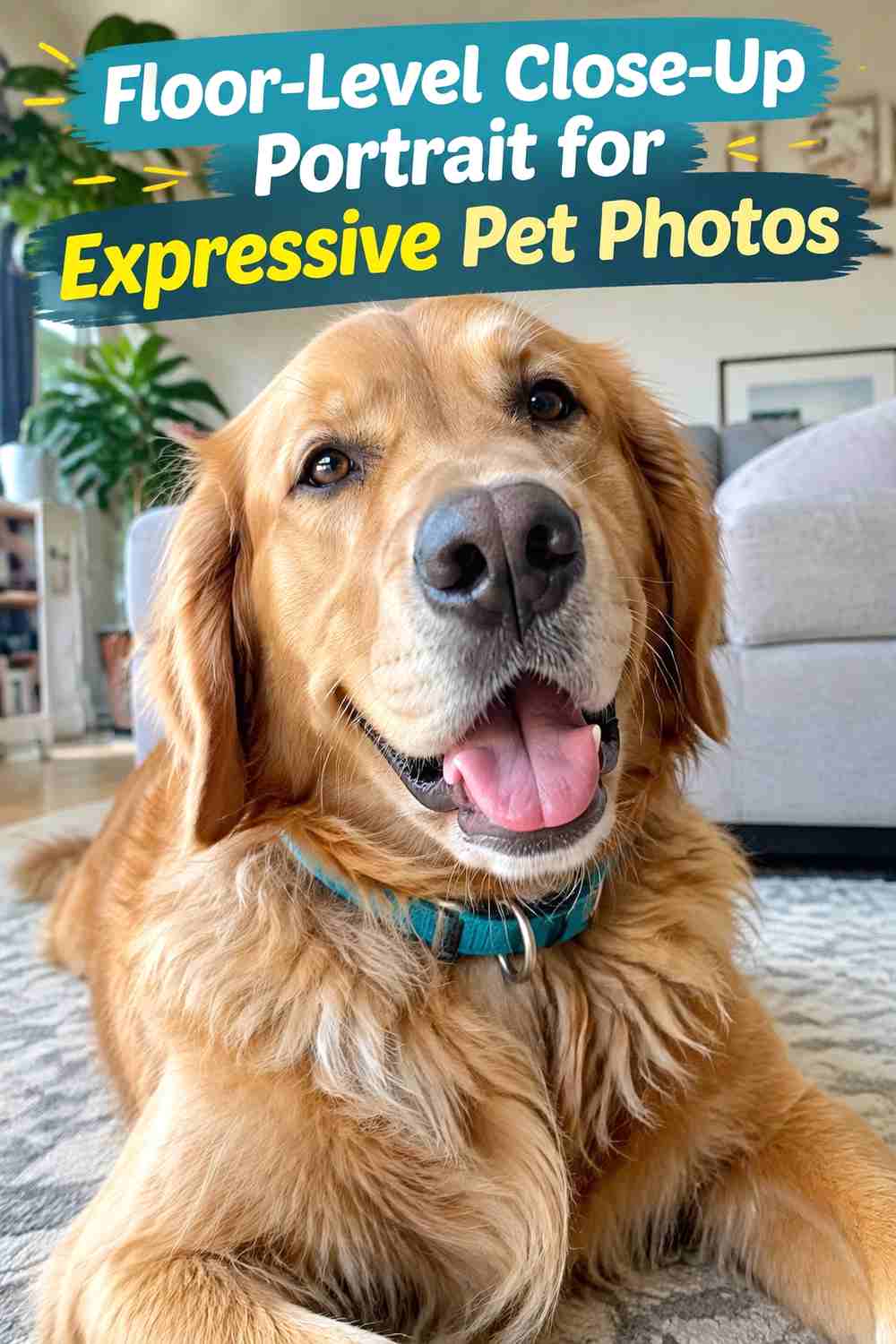
A floor-level close-up creates an expressive portrait by putting the camera near the pet’s natural eye line. Sit or kneel on the floor in front of a relaxed pet, use soft window light, and focus closely on the eyes while leaving enough room to include ears, whiskers, or the shape of the face naturally.
Let the pet approach the camera instead of moving the lens directly into their space. A plain rug, bed, or distant wall can provide a soft background without extra styling. Clean the phone lens before starting because close-up images make smudges more noticeable. Take several photos as the pet looks around, blinks, or changes expression, then stop if they turn away repeatedly or move elsewhere.
Best For
This works well when you want personality-focused portraits without props, costumes, or a large room, and it can be adapted for many pet sizes.
How to Choose the Right Idea
Start with your pet’s normal behavior. A playful dog may produce better photos with a favorite toy, while a calm cat might be easier to photograph on a blanket, couch, or window-side bed. Pets that dislike staying in one position are often better suited to candid or lifestyle images than tightly staged portraits.
Then look at your home. The best photo location is usually the place with good natural light, a reasonably simple background, secure footing, and enough room for you to photograph without crowding the pet.
Keep setup time shorter than the actual session. Prepare blankets, backgrounds, and safe props first, then invite your pet into the space. Avoid forcing costumes, poses, heights, or unfamiliar objects simply because they photograph well.
Final Thoughts
Great at-home pet photos often come from familiar moments rather than elaborate sets. A sunny window, favorite blanket, toy, couch, or simple wall can provide everything you need for a polished image.
Choose one setup that already fits your pet’s routine, take several natural shots, and finish before they lose interest. Comfortable pets usually give you more genuine expressions to photograph.
FAQs
1. What is the best lighting for pet photos at home?
Bright indirect window light is an easy option. Position your pet near, rather than directly in, strong sunlight to reduce harsh shadows and squinting.
2. How can I get my pet to look at the camera?
Try briefly holding a familiar treat or toy near the camera, then reward or release your pet quickly. Some pets respond better to a soft familiar sound.
3. What background works best for indoor pet portraits?
Plain walls, tidy bedding, neutral blankets, and uncluttered couches work well because they keep visual attention on the pet rather than the room.
4. How long should an at-home pet photo shoot last?
Keep it short enough that your pet remains comfortable and interested. Several brief photo moments can work better than trying to maintain one long session.
5. Do pets need costumes or props for good photos?
No. Familiar surroundings, good light, and natural expressions are often enough. If you use props, choose simple pet-safe items and avoid anything your pet dislikes wearing or being near.
CTA
Save these pet photo shoot ideas and try your favorite setup the next time your pet settles into a picture-perfect moment at home.
