Turn scattered treat bags into a neat, easy-to-use dog treat station that fits your training routine, storage space, and home style.
Save This Idea on Pinterest
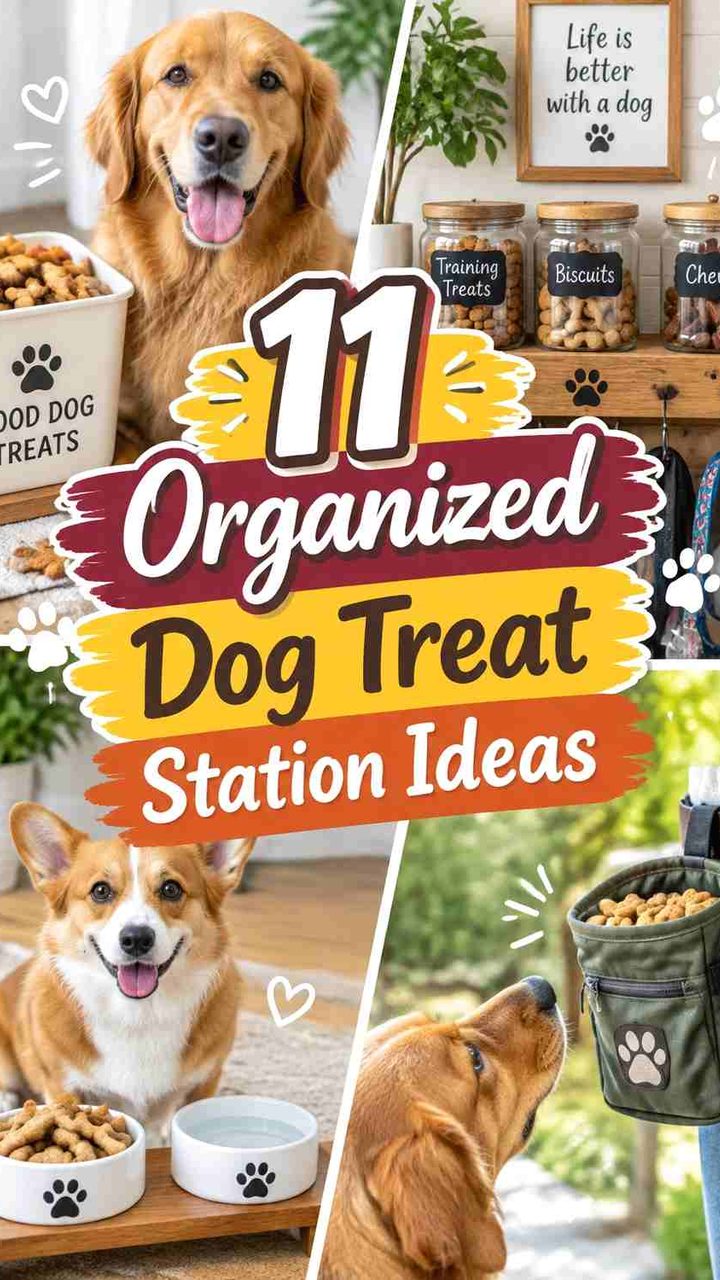
11 Organized Dog Treat Station Ideas
Save to PinterestA dog treat station can make everyday rewards easier to grab while keeping bags, containers, pouches, and crumbs from spreading around the house. The best setup depends on where you usually give treats, how much storage you need, and whether your priority is convenience, hidden storage, or a more decorative look.
These ideas cover compact entryways, kitchens, pantries, mudrooms, training areas, and multi-dog homes. Some keep treats completely out of sight, while others make frequently used rewards easy to reach. Whichever style you choose, keep treats securely stored, follow their package directions, and place the station where your dog cannot help themselves.
Quick List
- Wall-Mounted Dog Treat Station for Small Entryways
- Countertop Dog Treat Jar Station for Daily Rewards
- Drawer Organizer Dog Treat Station for Clutter-Free Kitchens
- Rolling Cart Dog Treat Station for Multi-Room Convenience
- Mudroom Dog Treat Station for Walk-Time Rewards
- Pantry Shelf Dog Treat Station for Bulk Treat Storage
- Training Corner Dog Treat Station with Grab-and-Go Pouches
- Multi-Dog Treat Station with Separate Labeled Containers
- Dog Treat Station with Leash and Training Gear Storage
- Refillable Dog Treat Station for Busy Daily Routines
- Decorative Basket Dog Treat Station for Stylish Living Rooms
1. Wall Mounted Dog Treat Station For Small Entryways
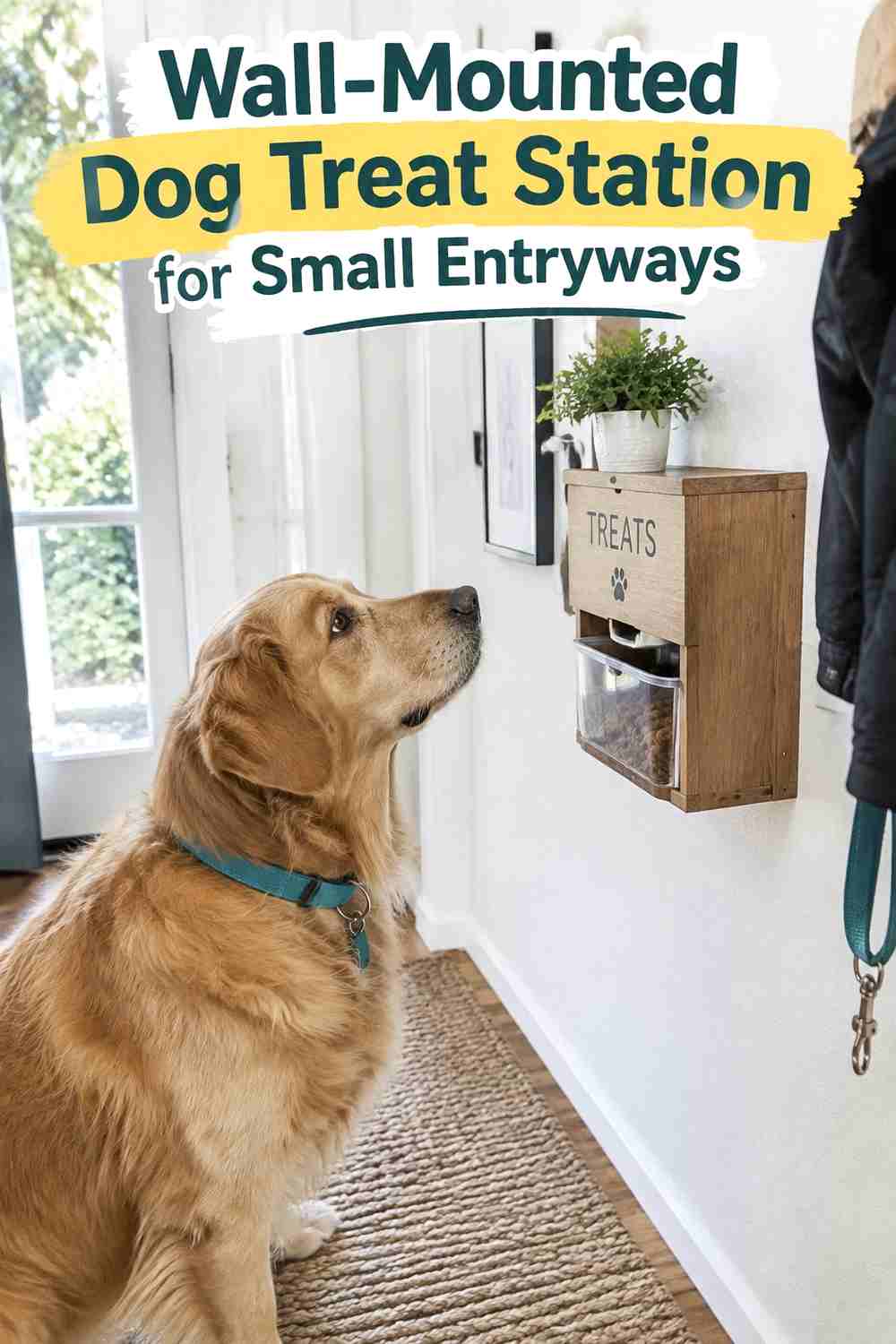
A wall-mounted dog treat station keeps rewards easy to reach without using valuable floor or counter space. Install a small shelf, secure wall basket, or shallow cabinet near the entryway, then store treats in a closed container positioned well above your dog’s reach. Add a hook for a treat pouch if you often grab rewards before walks.
This setup works especially well in narrow halls where a freestanding cart would feel bulky. Keep only a practical amount of treats at the station and store the rest according to the package directions. Choose secure containers that will not tip or fall if the wall area gets bumped, and avoid placing the station where a dog can jump against it.
Space & Placement
Use an open section of wall that does not interfere with doors, coat hooks, or walking paths. A shallow setup usually feels less crowded in a compact entryway.
2. Countertop Dog Treat Jar Station For Daily Rewards
You May Also Like



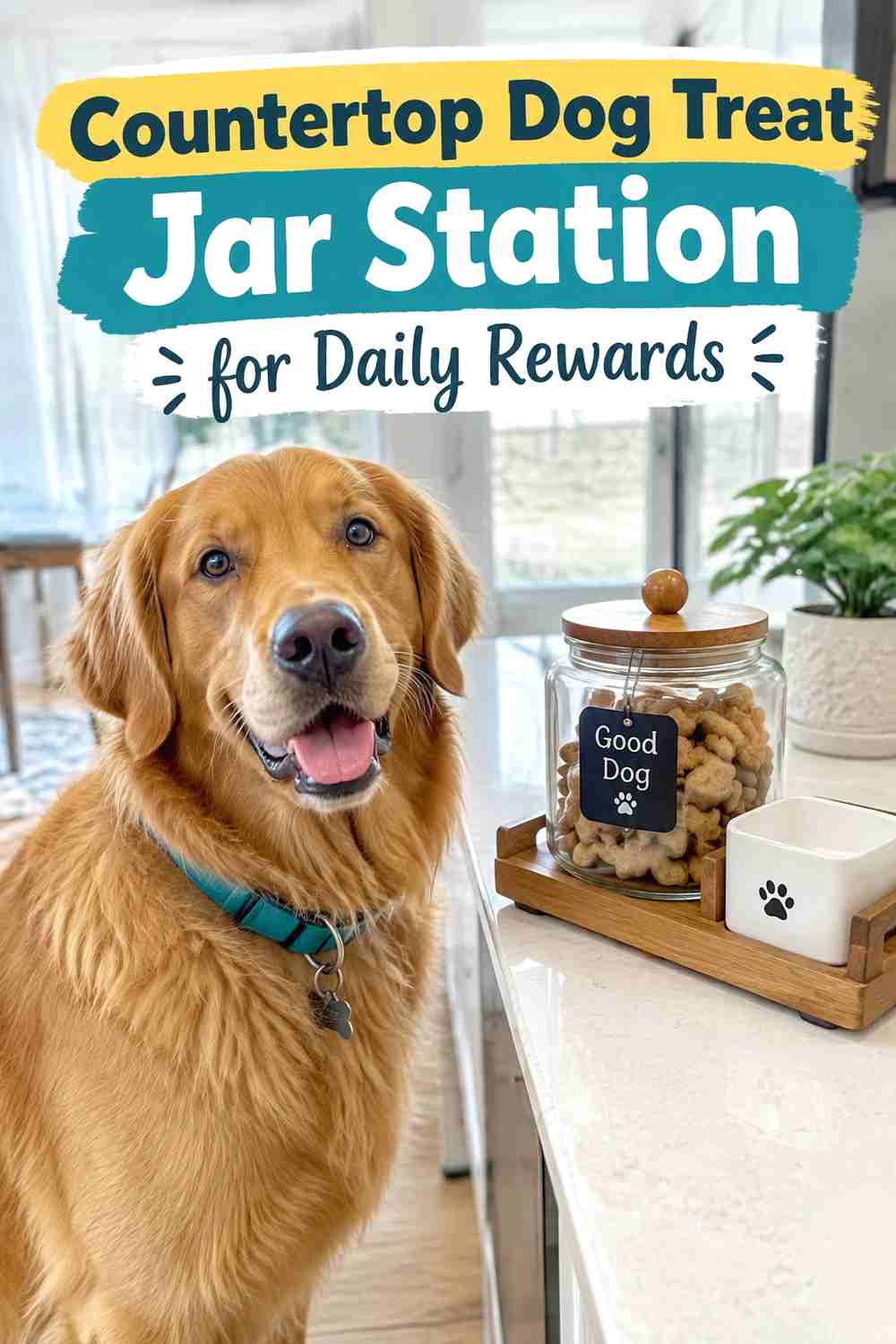
A countertop dog treat jar station creates a simple everyday spot for rewards used during quick training moments or household routines. Choose one or two easy-open containers and place them in a small tray so crumbs stay contained and the setup looks intentional. Position the station away from the counter edge and anywhere your dog can reach by jumping or counter surfing.
If you transfer treats out of their original packaging, keep the label or note the product name and relevant storage information so you know what is inside. Wipe the tray regularly and wash containers before refilling them. This approach suits owners who use treats frequently and want them visible without letting bags collect across the kitchen.
Cleaning Notes
A removable tray makes loose crumbs much easier to manage. Empty containers before washing rather than continually adding fresh treats over old residue.
3. Drawer Organizer Dog Treat Station For Clutter Free Kitchens
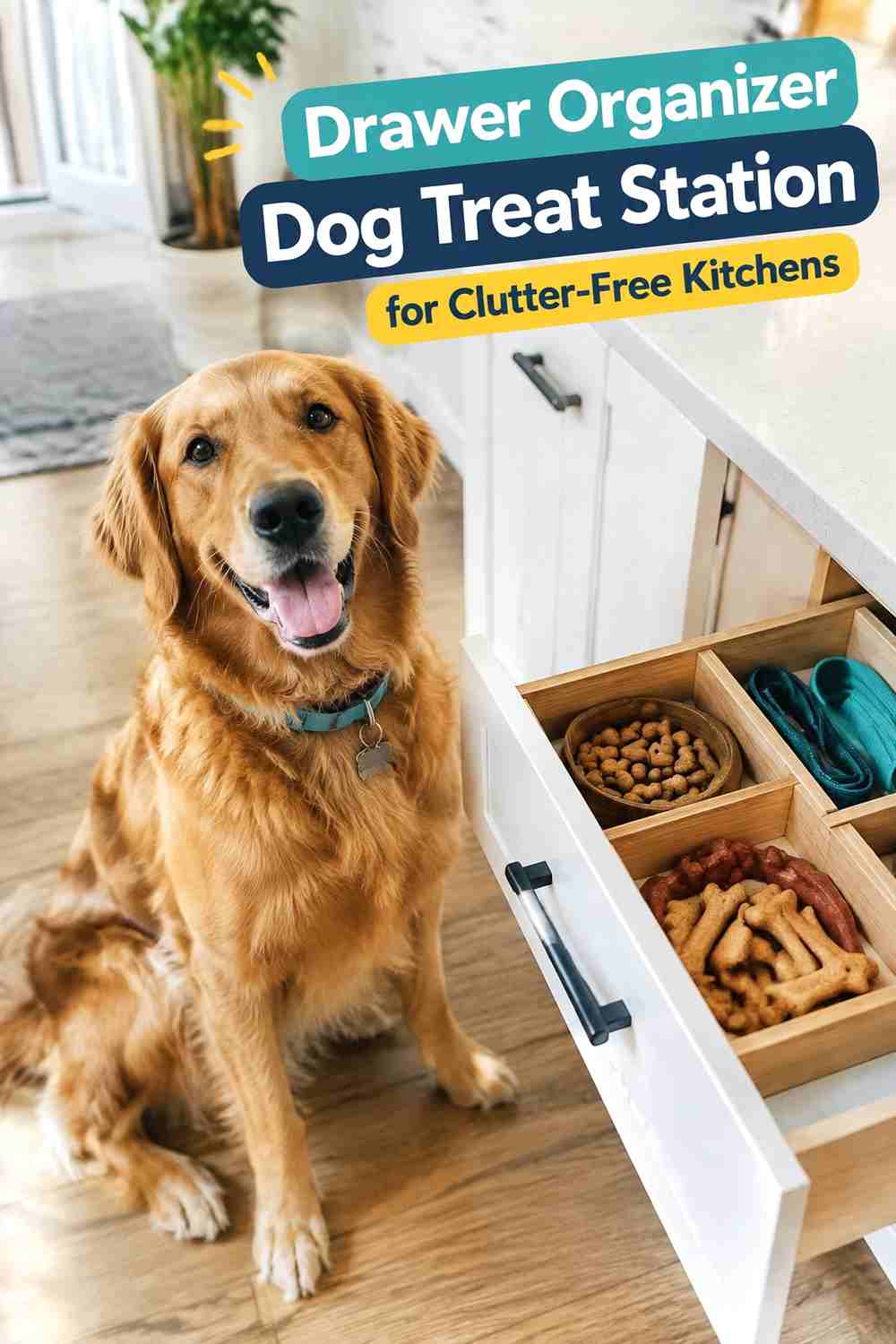
A drawer organizer dog treat station hides everyday supplies while keeping them sorted and easy to grab. Dedicate a shallow kitchen or utility drawer to sealed treat bags, a treat pouch, measuring scoop if you use one, and a few small containers rather than mixing pet items with loose household clutter. Dividers can keep open packages upright and stop crumbs from spreading through the drawer.
Choose a drawer your dog cannot nose or paw open, especially if food smells are strong. Rotate older packages toward the front so they are used first, and clear out crumbs during regular kitchen cleaning. This setup is a strong choice for small homes where visible countertop storage quickly makes the room feel crowded.
Best For
This option suits kitchens with limited counter space and owners who prefer pet supplies to disappear from view when they are not being used.
4. Rolling Cart Dog Treat Station For Multi Room Convenience

A rolling cart dog treat station makes sense when treats are used in more than one part of the home. Use a compact cart with stable wheels and dedicate the top shelf to closed treat containers, while lower shelves can hold pouches, wipes, or other dog supplies that are safe to store there. Roll it near the living room for short training sessions, then return it to a designated storage spot afterward.
Keep the cart out of your dog’s unsupervised reach, and use containers that stay closed if the cart moves over a threshold. This station is useful for flexible routines, but it works best when the cart has a consistent parking place so it does not become roaming household clutter.
Use & Maintenance
Return the cart to the same location after use and remove unrelated items regularly. Locking wheels can also help keep a suitable cart stable while parked.
5. Mudroom Dog Treat Station For Walk Time Rewards

A mudroom dog treat station puts rewards where they are most useful before and after walks. Set up a small shelf, closed bin, or cabinet near the leash area so you can fill a treat pouch without walking back through the house. Keep treats separated from muddy towels, wet gear, shoes, and cleaning products, and choose a spot that stays dry and is not exposed to direct heat or dampness.
A small washable tray under the container can catch crumbs and make cleanup easier. This arrangement is especially practical for households that use treats during leash practice or outdoor routines. Keep the station simple so the mudroom still has clear space for people and dogs to move through safely.
Setup Notes
Place the treat container near the leash area without blocking the doorway. Keeping a clean empty pouch beside it makes pre-walk preparation faster.
6. Pantry Shelf Dog Treat Station For Bulk Treat Storage
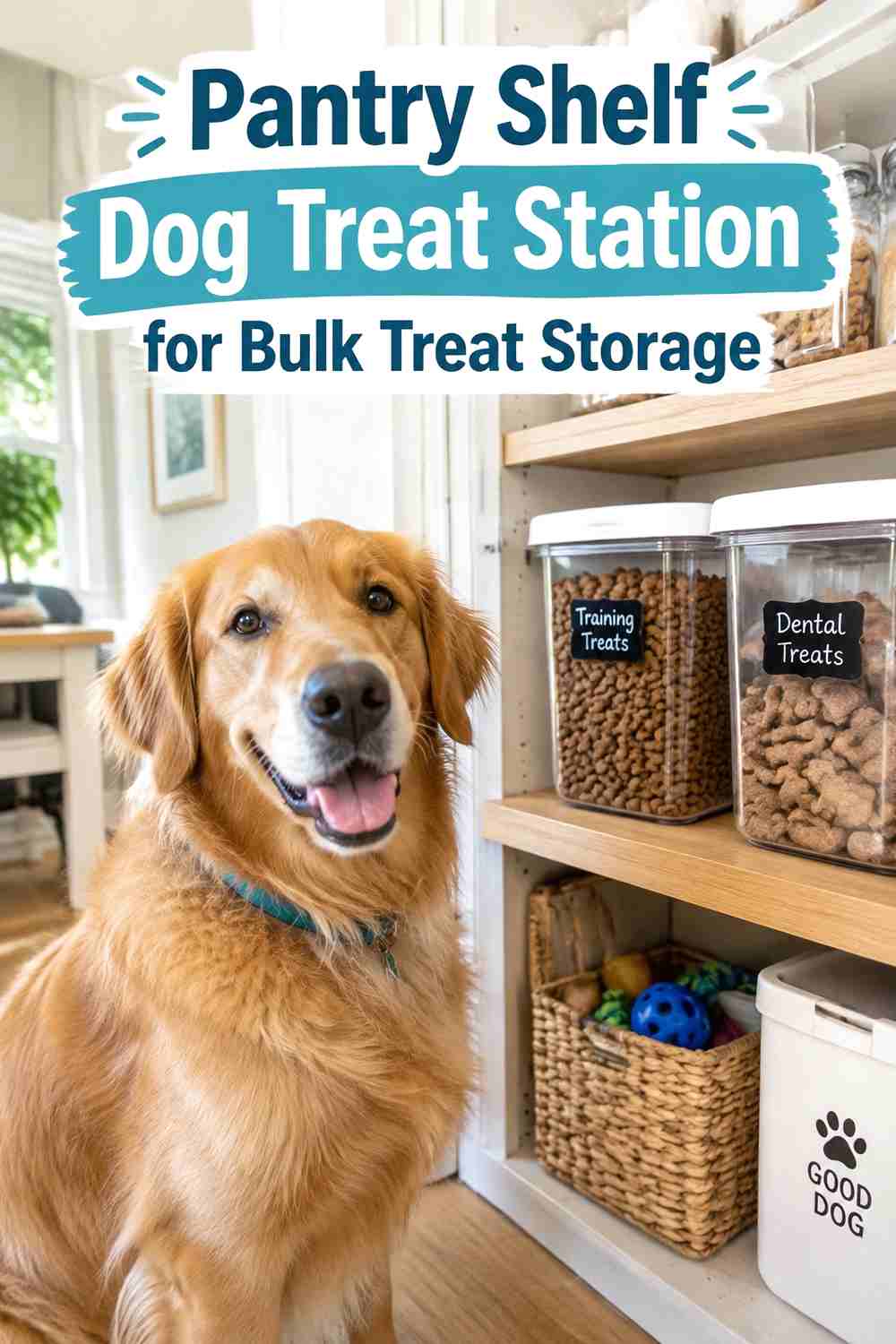
A pantry shelf dog treat station is useful when you buy several types of treats or keep backup packages on hand. Reserve one reachable shelf for pet treats and group open packages separately from unopened extras so it is easy to see what should be used first. Bins or baskets can stop smaller bags from falling behind pantry staples, while labels help other household members return items to the correct spot.
Store treats according to their package directions rather than assuming every product belongs in the same type of container. Keep cleaning supplies and other non-food items away from the station. This setup works well for organized households that want larger quantities stored neatly without turning the kitchen counter into long-term pet storage.
Use & Maintenance
Check the shelf before shopping so duplicate packages do not accumulate. Keeping older items toward the front also makes the storage area easier to manage.
7. Training Corner Dog Treat Station With Grab And Go Pouches

A training corner dog treat station keeps rewards and pouches ready for short practice sessions without requiring a full storage cabinet. Choose a small shelf, basket, or lidded container near the area where you usually work with your dog, and keep one clean treat pouch beside a sealed treat container. The goal is quick access, so avoid filling the corner with unrelated toys and supplies.
If you practice in different rooms, keep the main refill container here and carry only a small amount in the pouch. Empty crumbs from reusable pouches regularly so old food does not build up. This station suits owners who prefer frequent, brief training moments and want a clear place to reset their supplies afterward.
Pro Tip
Keep the pouch empty between sessions when practical and refill it from the main container before training. That makes forgotten crumbs easier to avoid.
8. Multi Dog Treat Station With Separate Labeled Containers
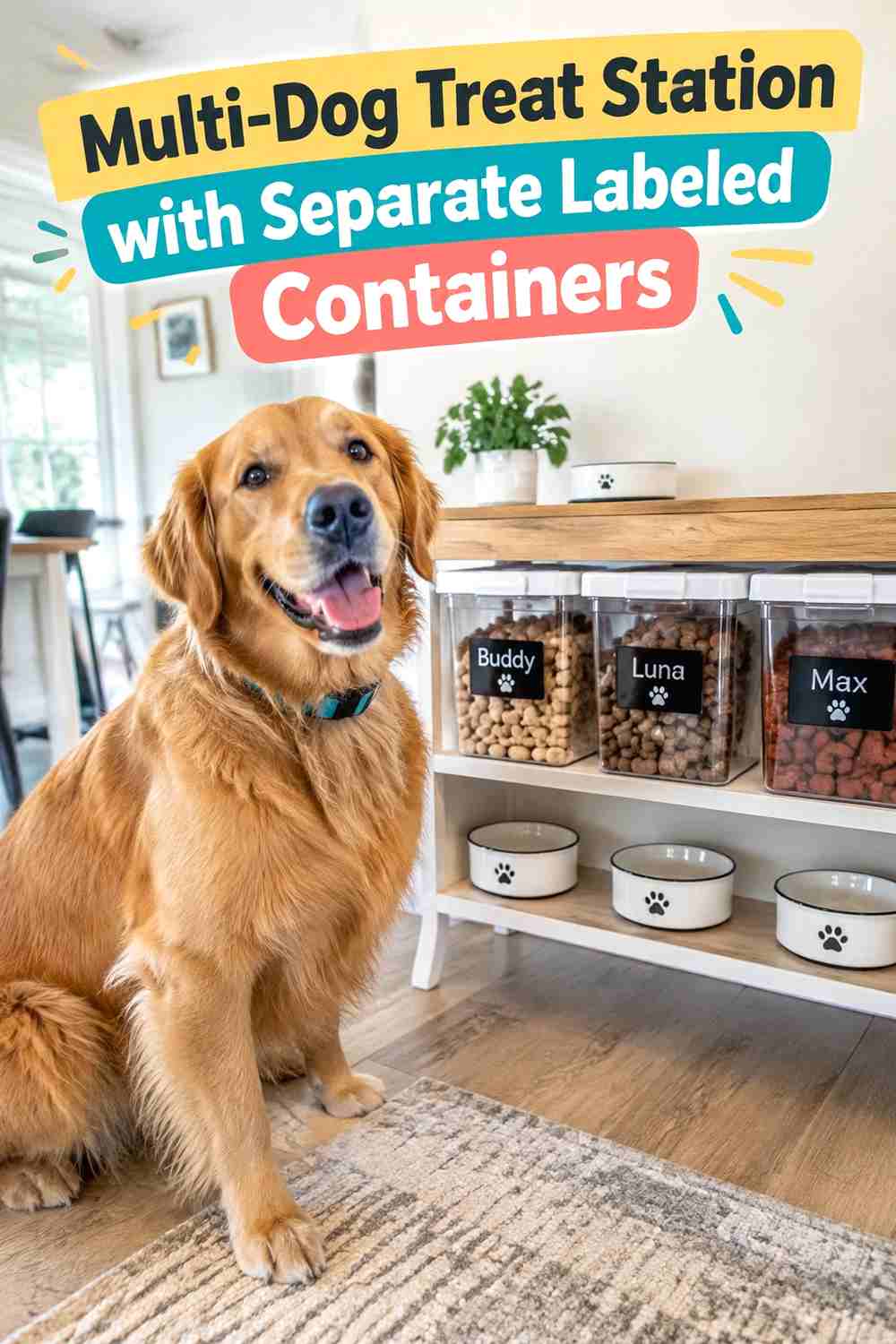
A multi-dog treat station with separate labeled containers makes it easier to keep different dogs’ rewards organized. Give each dog a clearly marked container or bin, especially when the dogs use different treat types, textures, or household routines. Arrange the containers side by side on a shelf that the dogs cannot reach, and keep original package information nearby if treats have been transferred.
The labels are for owner organization, not for encouraging dogs to crowd one feeding point, so distribute treats calmly and separately when needed. This setup can also reduce mix-ups when several family members share dog-care tasks. Check each container before refilling instead of automatically topping up old treats, and wash reusable containers when crumbs or residue collect inside.
Best For
This setup is particularly useful when several people care for multiple dogs and need an obvious system for keeping each dog’s supplies separate.
9. Dog Treat Station With Leash And Training Gear Storage

A dog treat station with leash and training gear storage combines the items you reach for during walks or practice sessions. Use a wall shelf, small cabinet, or entryway organizer with closed treat storage on one section and separate hooks for leashes, harnesses, and empty treat pouches. Keeping food and gear in distinct compartments prevents crumbs from ending up on fabric or hardware.
Place the station near the door if that matches your routine, but make sure dangling straps are not within chewing reach. This arrangement can make leaving the house smoother because the main supplies are gathered in one predictable place. Periodically remove unused gear so the station stays functional instead of becoming a catchall for every dog accessory.
Space & Placement
Keep frequently used gear at hand level for adults while storing treats securely above or inside a closed compartment. Avoid overcrowding hooks with rarely used accessories.
10. Refillable Dog Treat Station For Busy Daily Routines
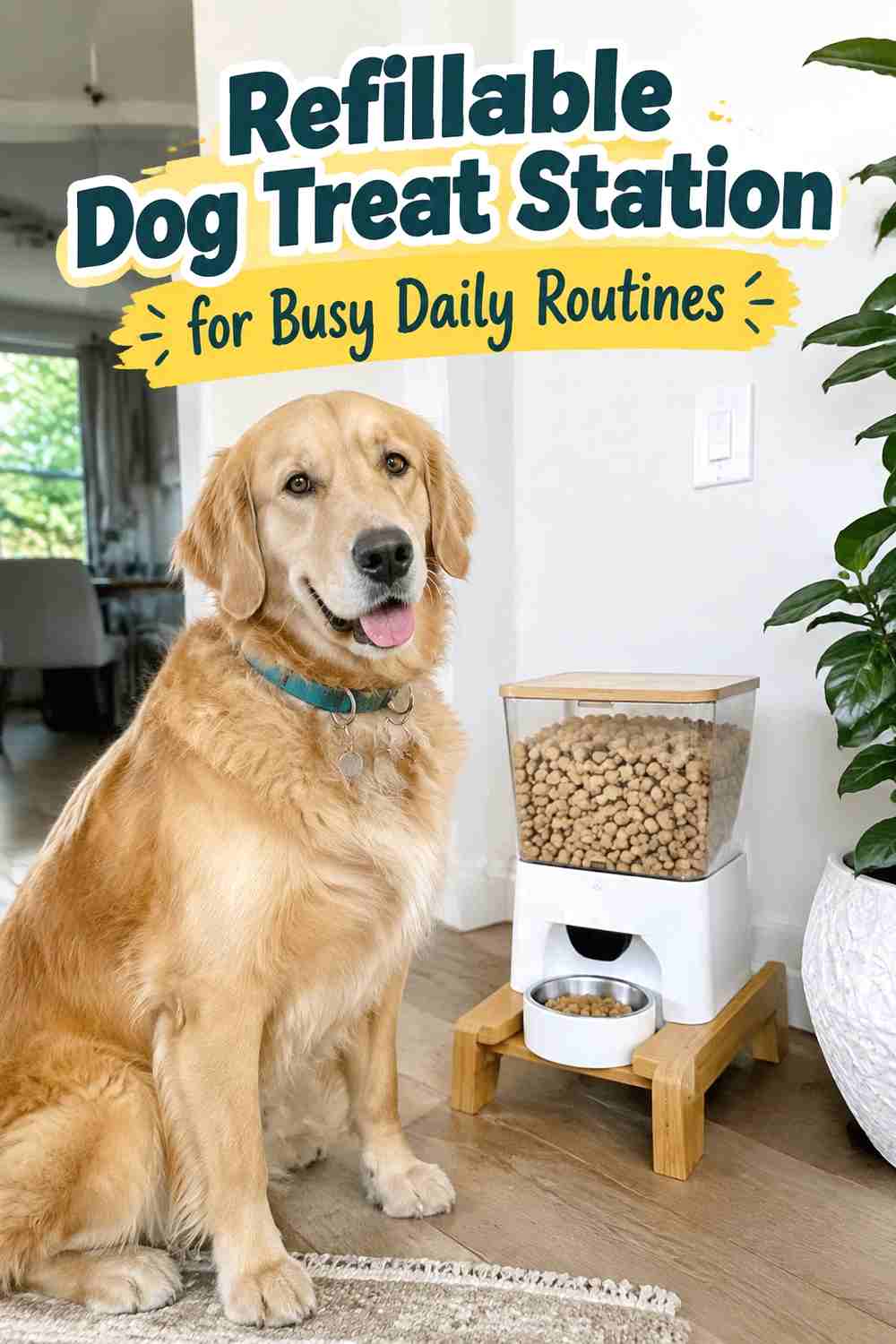
A refillable dog treat station supports busy routines by giving one main container a consistent home and a simple reset habit. Choose a secure, easy-clean container and place it where adults can reach it quickly but your dog cannot. Keep backup treats nearby only if the storage location matches the package directions, then refill the daily container in small amounts rather than packing it to the top automatically.
A small label can identify the treat type and help prevent accidental mixing when products change. Wipe away crumbs before adding a fresh batch and clean the container as needed. This setup works best for households that value speed and consistency more than a decorative display, especially when several people share everyday dog-care tasks.
Use & Maintenance
Choose one regular time to check the station, such as after grocery unpacking or a weekly kitchen reset, so low supplies and messy containers are easier to notice.
11. Decorative Basket Dog Treat Station For Stylish Living Rooms
You May Also Like




A decorative basket dog treat station can blend pet supplies into a living room without leaving bright packaging in view. Choose a sturdy basket with a stable base and place sealed treat containers or closed packages inside rather than pouring loose food directly into the basket. Add a clean treat pouch or clicker if those are part of your routine, but keep the contents limited so the basket remains easy to lift and clean around.
Position it on a shelf, console, or other spot your dog cannot raid. This idea works well when you want treats near a main gathering area for short training moments while keeping the room visually calm. Check the basket occasionally for crumbs, fabric wear, or forgotten open packages.
Comfort & Safety
Avoid floor-level placement if your dog investigates baskets or food smells. The decorative outer basket should organize secure containers rather than act as the food container itself.
How to Choose the Right Idea
Start with where you actually use treats. If most rewards happen near the door, an entryway, mudroom, or leash-and-gear station may be more useful than a decorative kitchen display. For frequent indoor training, a countertop jar, drawer organizer, or dedicated training corner can reduce the number of times you have to search for supplies.
Available space matters too. Wall-mounted storage and drawers work well when floor space is limited, while carts and larger pantry setups suit homes with more room. Multi-dog households may benefit from clearly separated containers, and busy households should favor systems that are easy for everyone to understand and reset.
Whichever idea you choose, keep food securely stored, follow individual package directions, keep unsuitable household products separate, and place treats where dogs cannot access them without supervision.
Final Thoughts
A useful dog treat station should make your routine simpler rather than create another area to maintain. Choose the location first, then add only the containers, pouches, labels, and gear you genuinely use.
For most homes, the easiest place to start is one secure treat container plus a small tray, drawer, shelf, or basket. You can expand the setup later if your routine actually needs more storage.
FAQs
1. Where is the best place to put a dog treat station?
Place it near the area where you most often use treats, such as the kitchen, entryway, mudroom, or training space. It should also remain out of your dog’s reach.
2. Can I store dog treats in decorative jars?
You can use suitable containers when the treat’s storage directions allow it. Keep identifying information from the original packaging so you know what the container holds and how it should be stored.
3. How do I keep a dog treat station from looking cluttered?
Limit the station to frequently used supplies, group small items in a tray or basket, and move backup packages to a pantry or cabinet instead of displaying everything together.
4. What should I include in a dog training treat station?
A secure treat container and clean treat pouch are usually enough. Depending on your routine, you might also keep a clicker, leash, or other frequently used training gear nearby.
5. How should I organize treats for multiple dogs?
Use separate, clearly labeled containers or bins when different dogs have different treats or routines. Keep package information available and avoid relying on memory when several people share pet-care duties.
CTA
Save your favorite dog treat station idea and use it to create a cleaner, easier reward routine at home.
