Turn simple household supplies into nine engaging dog treat puzzles that add variety to indoor routines without requiring fancy enrichment gear. DIY treat puzzles for dogs can turn an ordinary treat break into a simple search, sniffing, pawing, rolling, or unwrapping activity. These nine ideas use familiar household materials and offer different levels of difficulty, mess, movement, and owner setup. Choose puzzles according to your dog’s size, play style, patience, and tendency to chew materials instead of searching them. Start with easy access to the treats, make the challenge harder gradually, and supervise homemade puzzles that use cardboard, paper, fabric, cups, or loose household objects.
Save This Idea on Pinterest

9 DIY Treat Puzzle Ideas for Dogs
Save to PinterestQuick List
- Muffin Tin Tennis Ball Treat Puzzle for Curious Dogs
- Rolled Towel Treat Snuffle Puzzle for Indoor Dogs
- Layered Cardboard Box Treat Search Puzzle for Dogs
- Upside-Down Cup Treat Hunt Puzzle for Clever Dogs
- Cardboard Egg Carton Treat Puzzle for Small Dogs
- Folded Blanket Treat Search Puzzle for Rainy-Day Dogs
- Braided Fleece Treat Tuck Puzzle for Playful Dogs
- Paper Parcel Unwrapping Treat Puzzle for Dogs
- Cardboard Tube Rolling Treat Puzzle for Dogs
1. Muffin Tin Tennis Ball Treat Puzzle For Curious Dogs
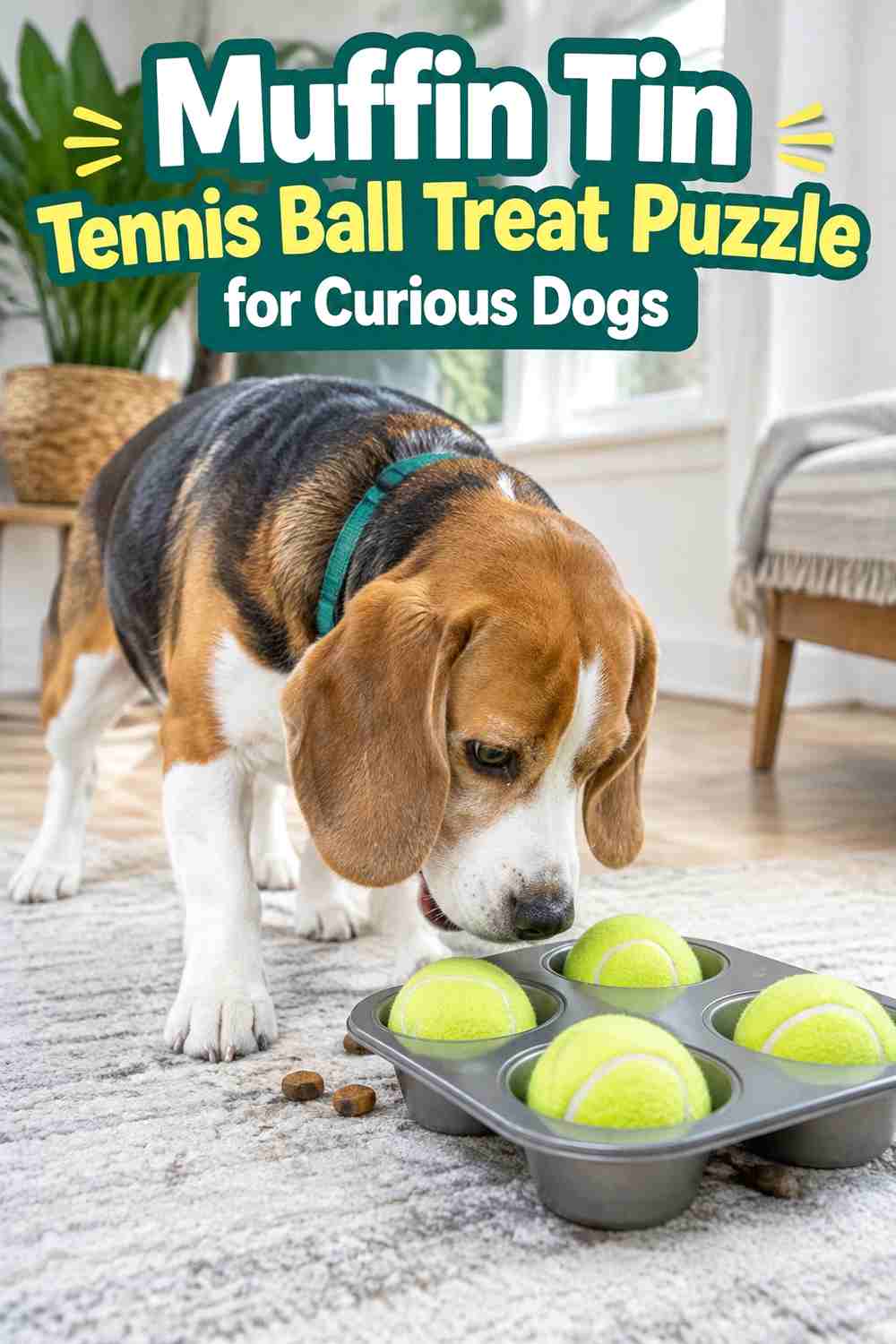
A muffin tin and several appropriately sized balls create an easy nose-and-paw treat puzzle for curious dogs. Place a few treats in selected muffin wells, cover some or all of the wells with balls, and let your dog work out which covers need to be nudged away. Beginners can start with only two or three covered spaces so the reward is easy to discover. As your dog understands the game, use more covered wells or leave a few empty so sniffing becomes part of the challenge. Set the tin on a non-slip surface to reduce sliding. Remove the setup if your dog starts chewing the balls or metal tray instead of searching.
Setup Notes
Use a clean muffin tin and balls too large for your dog to swallow. Avoid cracked, damaged, or heavily chewed balls.
Best For
This works well for dogs that enjoy nudging objects with their nose or paws and can stay focused around food without becoming overly rough.
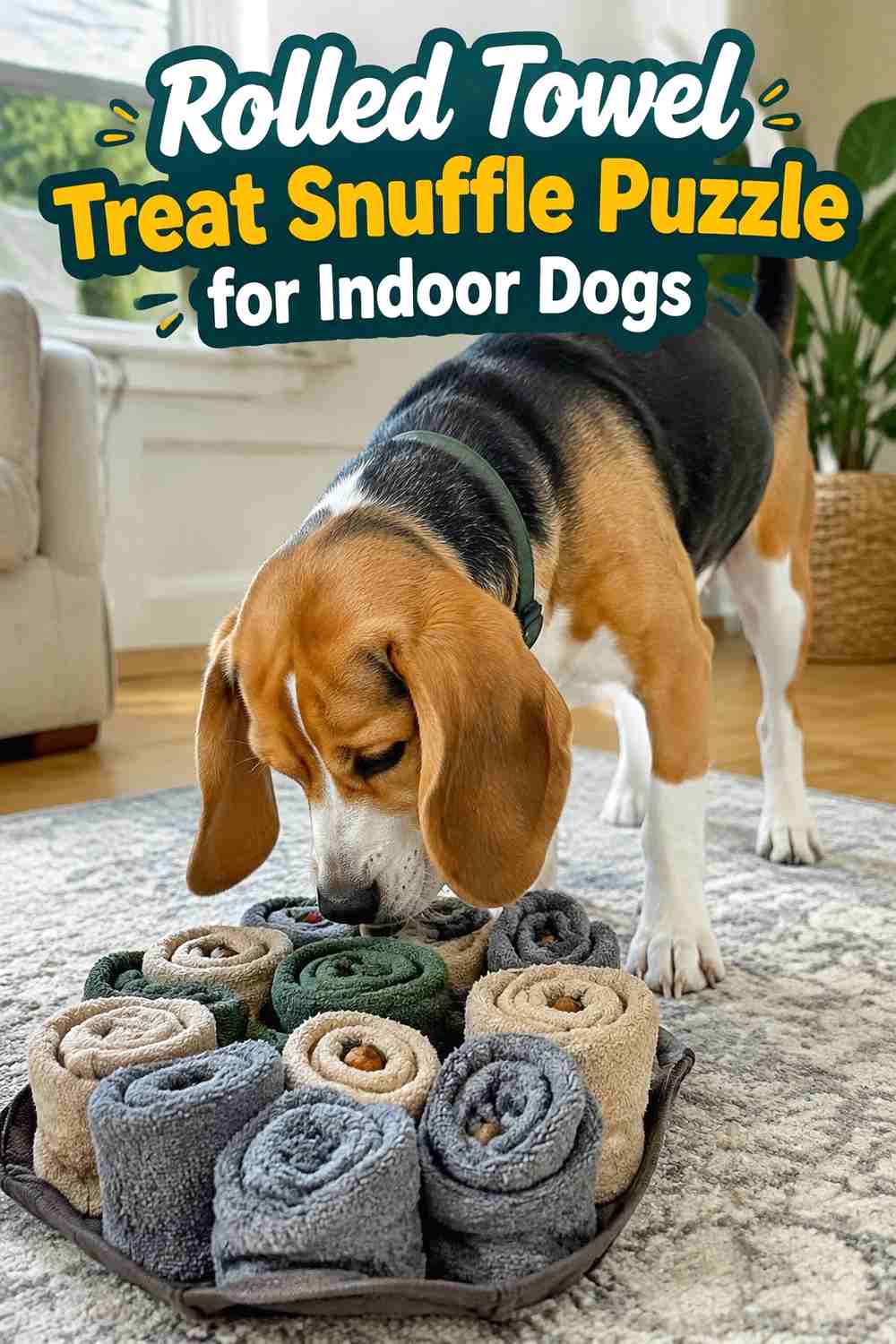
2. Rolled Towel Treat Snuffle Puzzle For Indoor Dogs
You May Also Like

A rolled towel creates a quick indoor puzzle that encourages a dog to sniff through folds rather than simply eat treats from a bowl. Lay a clean towel flat, scatter a few treats along its length, and loosely roll it so small rewards are hidden at different depths. For an easier version, make a loose roll with treats close to the outer edge. Dogs that already understand the game can try a tighter roll or a few gentle folds before rolling. Place the towel on a washable floor or mat because crumbs may fall out during play. Supervise dogs that like tearing fabric, and put the towel away once the treats are gone.
Use & Maintenance
Shake out crumbs after each session and wash the towel regularly. Keep one dedicated towel for enrichment if that makes cleanup simpler.
Pro Tip
Avoid tying the towel into a hard knot. Loose rolling keeps the puzzle easier to open and reduces frustration.
3. Layered Cardboard Box Treat Search Puzzle For Dogs

A layered cardboard box puzzle turns clean shipping materials into a simple search game with multiple hiding places. Start with one open box and add loosely crumpled plain paper, small open cardboard containers, or folded cardboard pieces, hiding a few treats between the layers. Your dog can sniff, move lightweight pieces, and investigate different sections to find the rewards. Keep the first version shallow so the goal is obvious rather than overwhelming. Later, add another layer or an additional open box inside. Remove tape, staples, labels, plastic packing material, and anything sharp before use. Supervise closely if your dog tends to shred and swallow cardboard instead of moving it aside.
Space & Placement
Use the puzzle on an easy-clean floor with enough room for your dog to circle the box without bumping furniture.
Cleaning Notes
Discard damp, heavily torn, or dirty cardboard after the session rather than storing it for another round.
4. Upside Down Cup Treat Hunt Puzzle For Clever Dogs

Turn several lightweight, unbreakable cups upside down to create a treat hunt that rewards sniffing and problem-solving. Hide treats beneath only some of the cups, spread them across a non-slip mat, and let your dog investigate which ones contain something interesting. Beginners may do better when a treat is partly visible beneath the rim or when only two cups are used. Once your dog understands that the cups can be nudged or tipped, add more empty cups to make scent discrimination more important. Choose cups large enough that they cannot be swallowed or lodged in the mouth. Stop the game if your dog begins crushing or chewing the cups rather than searching underneath them.
Best For
This puzzle suits dogs that enjoy moving lightweight objects and already understand simple food-search games.
Comfort & Safety
Skip brittle disposable plastic that can crack into sharp pieces. Smooth, sturdy, washable cups are easier to reuse and inspect.
5. Cardboard Egg Carton Treat Puzzle For Small Dogs
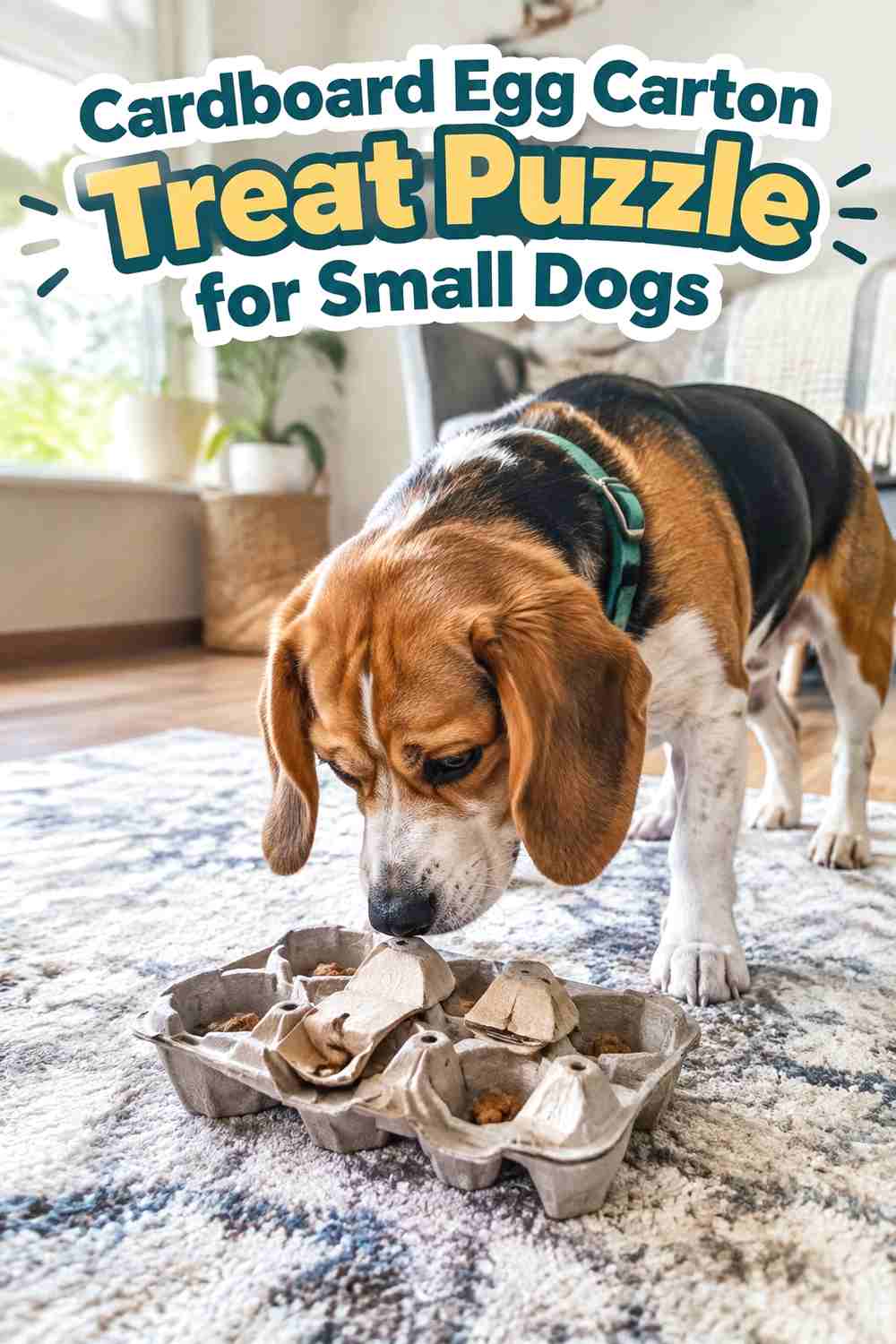
A clean cardboard egg carton can become a compact treat puzzle for smaller dogs that investigate gently. Place a treat in a few individual cups and leave the lid open for the first session so your dog can easily smell and reach each reward. Once the open version is familiar, partially close the lid without fastening it to create a simple lifting or nudging challenge. Another variation is to loosely place small pieces of plain paper over selected wells. Use only a clean paper-based carton without staples, plastic windows, or messy residue. Because cardboard is easy to shred, this puzzle is best for supervised searching rather than dogs that immediately chew and swallow packaging.
Pet Type & Life Stage
The shallow format can be easier for smaller dogs to approach, but the puzzle still needs supervision regardless of age or size.
Cleaning Notes
Treat the carton as a short-term enrichment item. Replace it when it becomes damp, crushed, or heavily torn.
6. Folded Blanket Treat Search Puzzle For Rainy Day Dogs
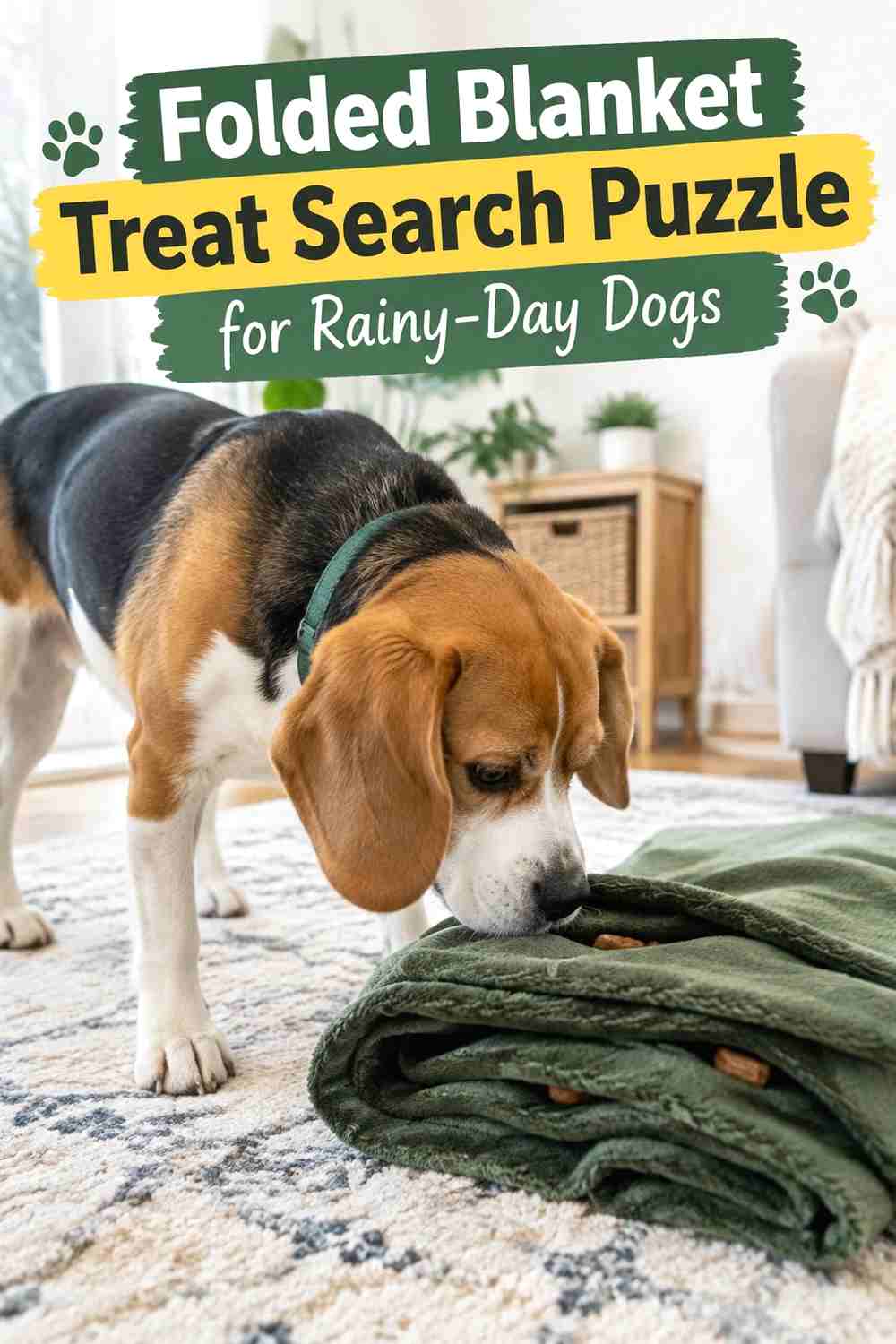
A folded blanket treat search is a low-equipment option for rainy days when you want to add a short sniffing activity indoors. Spread a washable blanket on the floor, place a few treats across it, then make several loose folds so the rewards sit between easy-to-open layers. Start with wide folds that your dog can separate using the nose. Once the search becomes familiar, create additional folds or vary where treats are hidden. Keep the blanket flat on the floor instead of piling it into a large unstable mound. This puzzle creates more movement than a simple towel roll while still being easy to reset. Supervise fabric-chewing dogs and end the activity when searching turns into tearing.
Space & Placement
Choose an open section of floor away from stairs, food bowls, and busy walkways. A rug underneath can help reduce sliding.
Use & Maintenance
Shake out crumbs after play and wash the blanket as needed before storing it for the next indoor session.
7. Braided Fleece Treat Tuck Puzzle For Playful Dogs

A loose fleece braid gives playful dogs several soft folds where treats can be tucked for a hands-on search. Cut broad strips from clean, durable fleece, braid them loosely, and place treats between selected sections rather than packing food deep inside. The first version should have obvious, easy-to-reach rewards so your dog learns to sniff and separate the folds instead of grabbing the entire braid. For later sessions, vary the hiding locations or use fewer treats. Keep the braid large enough for your dog to handle without swallowing sections of fabric. This is an interactive enrichment item, not a chew toy, so supervise the activity and remove it when searching is finished.
Setup Notes
Avoid adding buttons, beads, ties, clips, or other small decorations. The useful part of the puzzle is simply the fleece folds.
Best For
It may suit gentle dogs that enjoy fabric-based sniffing games and do not immediately tear soft toys apart.
8. Paper Parcel Unwrapping Treat Puzzle For Dogs
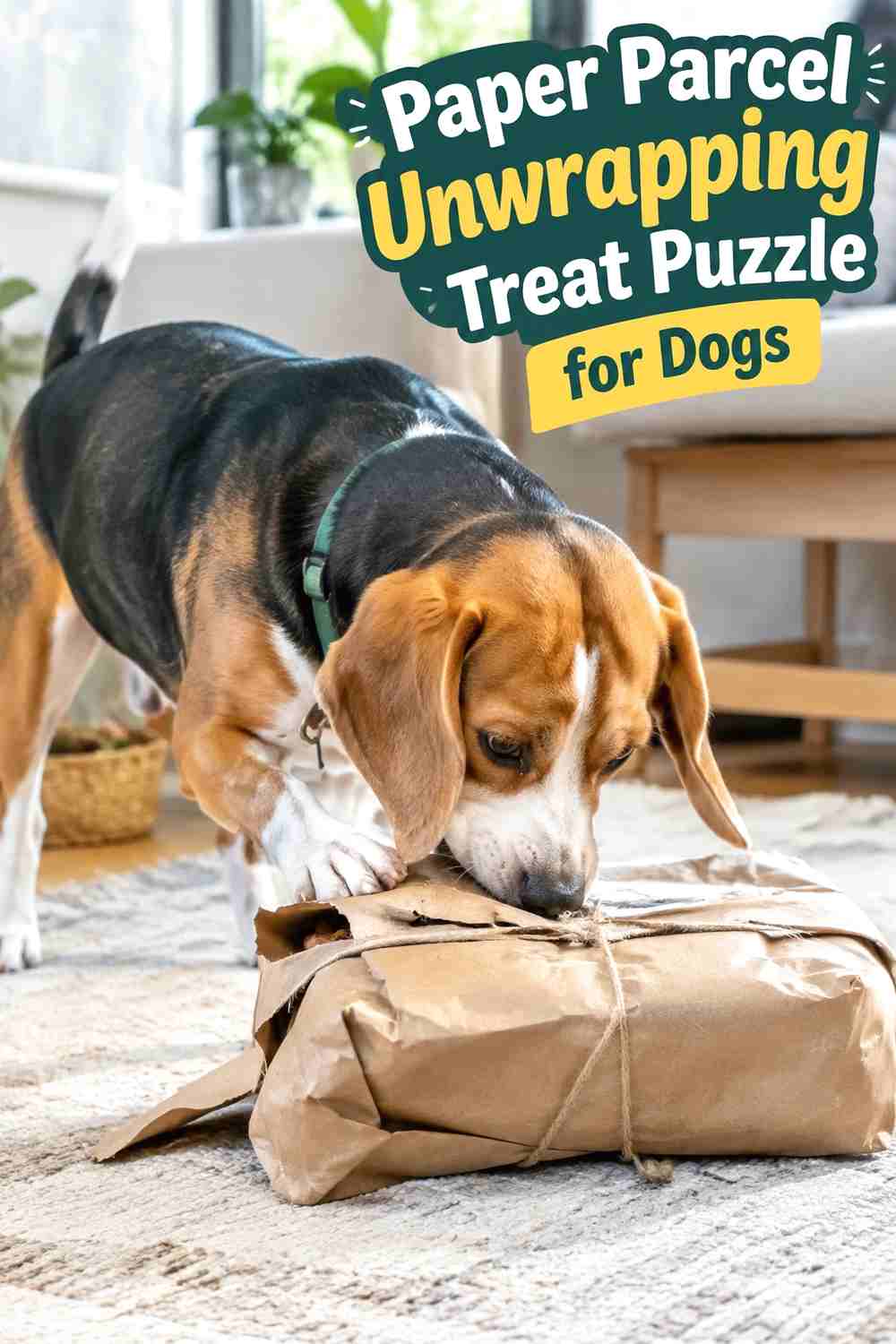
A loosely folded paper parcel lets a dog use the nose and paws to uncover treats through gentle unwrapping. Place a few treats in the center of plain, clean packing paper or kraft paper, fold the paper loosely around them, and set the parcel on the floor. Leave one edge partly open for a first attempt so the scent and goal are easy to understand. More experienced dogs can try several loose folds or two small parcels placed apart. Do not use tape, string, ribbons, staples, or adhesive labels to secure the package. The point is easy investigation, not creating a tightly sealed challenge. Supervise throughout and remove torn paper before your dog begins eating it.
Why It Works
The parcel changes shape as the dog pushes and opens it, creating a different search experience from stationary trays or covered cups.
Pro Tip
Use thinner folds for cautious dogs and larger, loosely packed parcels for dogs that confidently use their paws and nose.
9. Cardboard Tube Rolling Treat Puzzle For Dogs
You May Also Like



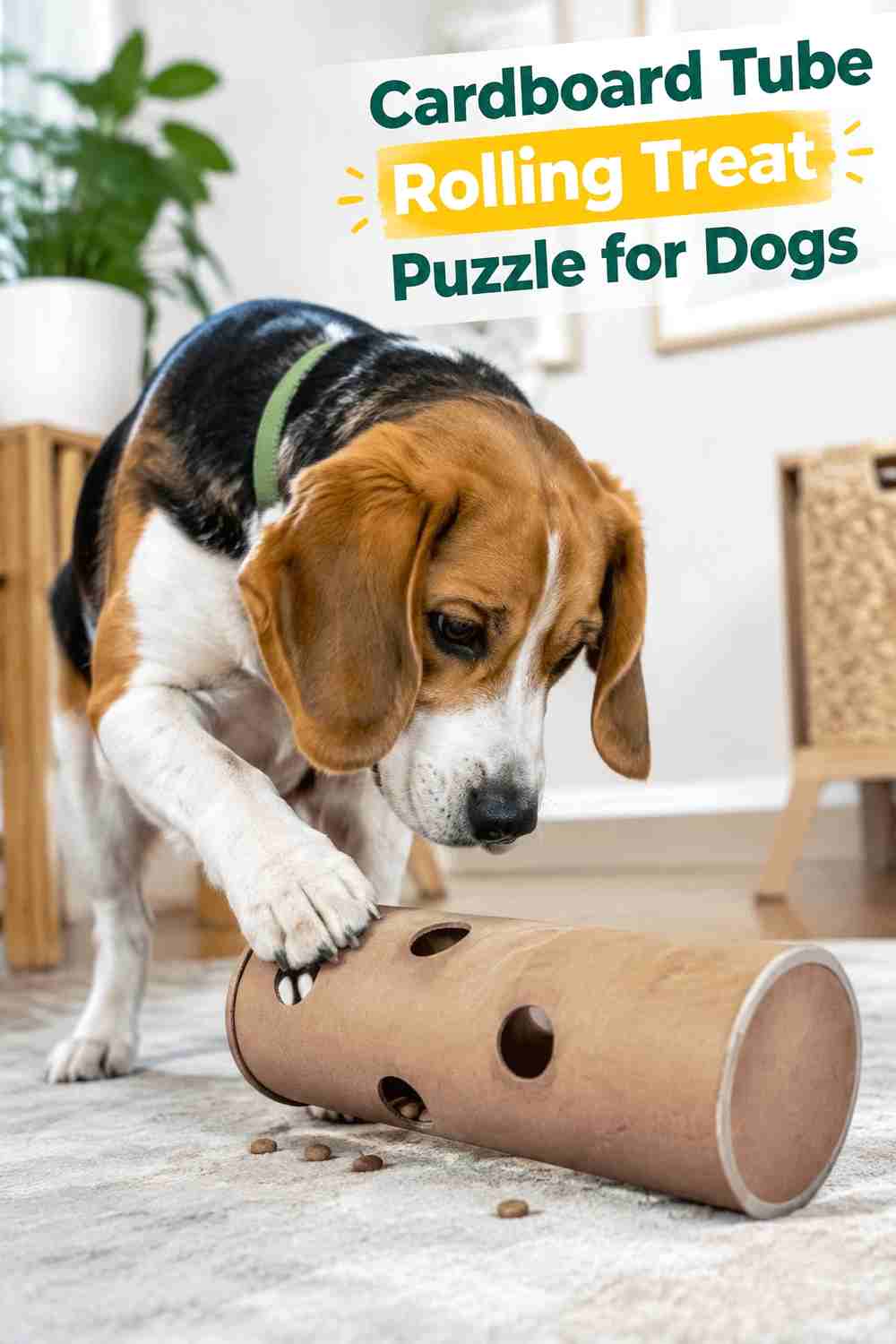
A plain cardboard tube can become a lightweight rolling puzzle that releases treats as a dog moves it across the floor. Use a clean tube without tape, plastic coating, or attached labels, place a few treats inside, and loosely fold the ends so the contents do not fall out immediately. For an easy version, leave the ends barely closed so gentle nudging opens them. A dog that understands the game can try a slightly firmer fold that takes more rolling and pawing. Use the puzzle on a clear floor where the tube cannot disappear under heavy furniture. Because cardboard can be shredded quickly, supervise closely and remove the tube if your dog starts swallowing pieces.
Space & Placement
A hallway or uncluttered room gives the tube space to roll while keeping the game easy to monitor.
Comfort & Safety
Avoid very small tubes for larger dogs, and discard any cardboard that becomes soggy or breaks into loose pieces.
How to Choose the Right Idea
Start with your dog’s usual play style. Dogs that mainly use their nose may enjoy the towel, blanket, box, or paper parcel puzzles, while dogs that naturally nudge and paw objects may engage more readily with the muffin tin, cups, or rolling tube. Size also matters. Every movable object should be large enough for your dog to handle safely without fitting inside the mouth. Dogs that destroy cardboard or fabric quickly may be better suited to sturdier supervised setups such as a muffin tin or washable cups. Consider cleanup and space as well. Fabric puzzles are easy to reset but need washing, while cardboard options are inexpensive but often disposable. Rolling puzzles need open floor space, whereas an egg carton or muffin tin can work in a smaller area. Most importantly, match the difficulty to the dog. An easy first success usually makes more sense than immediately creating several layers, tight folds, or difficult covers. If your dog becomes frustrated, starts biting the materials aggressively, or loses interest, simplify the puzzle or switch to another style.
Final Thoughts
DIY treat puzzles do not need complicated supplies to create useful variety. Start with one simple setup that matches how your dog naturally sniffs, paws, or nudges objects, then adjust the difficulty gradually. Rotating two or three different puzzle styles can also keep the routine varied without filling your home with extra equipment.
FAQs
1. Can I use my dog’s regular food in a DIY treat puzzle?
Yes, many simple puzzles can hold part of a dog’s usual food or familiar treats. Choose pieces that work with the puzzle and follow any feeding guidance already recommended for your dog.
2. How difficult should a homemade dog treat puzzle be?
Begin with treats that are easy to find or uncover. Once your dog clearly understands the activity, add folds, covers, empty hiding spots, or additional layers gradually.
3. What should I do if my dog destroys the puzzle?
End the session if your dog switches from searching to aggressively chewing, tearing, or swallowing the materials. Try a sturdier design or a different supervised activity next time.
4. Can puppies use DIY treat puzzles?
Simple versions may suit puppies when the materials are appropriately sized and the activity is closely supervised. Avoid small loose pieces and keep the first puzzles easy to investigate.
5. How often should I rotate DIY treat puzzles?
There is no required schedule. Rotate them whenever a familiar puzzle becomes too predictable, your dog loses interest, or you want to offer a different style of sniffing and problem-solving.
CTA
Save your favorite DIY treat puzzle ideas and try a different setup whenever your dog’s indoor routine needs a little variety.
