A rescue cat’s first days at home can feel much easier when familiar essentials, quiet hiding options, and low-pressure routines are ready before arrival.
Save This Idea on Pinterest

11 Rescue Cat Welcome Home Ideas
Save to PinterestWelcoming a rescue cat is less about creating a big celebration and more about making the new environment understandable. A quiet room, predictable food and litter locations, comfortable hiding choices, and controlled access to the rest of the home can give a newly adopted cat space to observe without being rushed into interaction.
These 11 rescue cat welcome home ideas focus on practical settling-in setups for different personalities and households. Some cats explore quickly, while others may spend more time hiding or watching from a distance. Keep resources easy to reach, avoid forced handling, and let the cat’s behavior guide when to expand access or introduce new activities.
Quick List
- Quiet Safe Room Setup for a Newly Adopted Rescue Cat
- Covered Hiding Spot Welcome for a Shy Rescue Cat
- Familiar Scent Bedding Setup for a Nervous Rescue Cat
- Simple Food and Water Station for a Rescue Cat
- Easy Litter Box Zone for a Newly Adopted Cat
- Open Carrier Retreat for a Cautious Rescue Cat
- Low Scratching Station for a Settling Rescue Cat
- Quiet Window Perch Setup for a Curious Rescue Cat
- Gentle Play Corner for a Curious New Rescue Cat
- Separate Resource Setup for Rescue Cats in Multi-Cat Homes
- Calm First-Night Routine for a Newly Adopted Rescue Cat
1. Quiet Safe Room Setup For A Newly Adopted Rescue Cat

Prepare one quiet room as the rescue cat’s starting territory instead of immediately opening the entire home. Include a comfortable bed, hiding place, water, food area, litter box, and a small selection of simple toys, with enough spacing that these resources do not crowd one another. Remove cords, unsafe plants, medicines, cleaners, breakable items, and small objects before arrival. Keep the room calm during the first introductions and allow the cat to decide whether to approach people or remain at a distance. A smaller initial space can also make it easier to notice whether the cat is eating, drinking, using the litter box, resting, and beginning to explore normally.
Setup Notes
Choose a room with a door that closes securely and relatively little foot traffic. Avoid spaces dominated by loud appliances or frequent visitors.
Pro Tip
Expand access gradually once the cat is confidently moving around the safe room and regularly using its essential resources.
2. Covered Hiding Spot Welcome For A Shy Rescue Cat

You May Also Like


Give a shy rescue cat a secure covered hiding place that provides privacy without disappearing into an inaccessible part of the house. A sturdy covered cat bed, open carrier, or stable box with an easy entrance can work well when positioned against a wall in the safe room. Leave the opening clear and resist reaching inside to pull the cat out for attention. The goal is to give the cat control over when to watch, rest, and emerge. Avoid hiding options with loose strings, unstable fabric, or narrow spaces that are difficult to inspect. If the cat chooses the retreat for long periods, keep food, water, and litter reasonably accessible rather than continually moving them closer.
Best For
This setup can suit cautious cats that freeze, retreat, or prefer observing household activity from a protected position.
Comfort & Safety
Block unsafe hiding gaps behind appliances or heavy furniture before arrival so the cat still has privacy without becoming difficult to reach in an emergency.
3. Familiar Scent Bedding Setup For A Nervous Rescue Cat
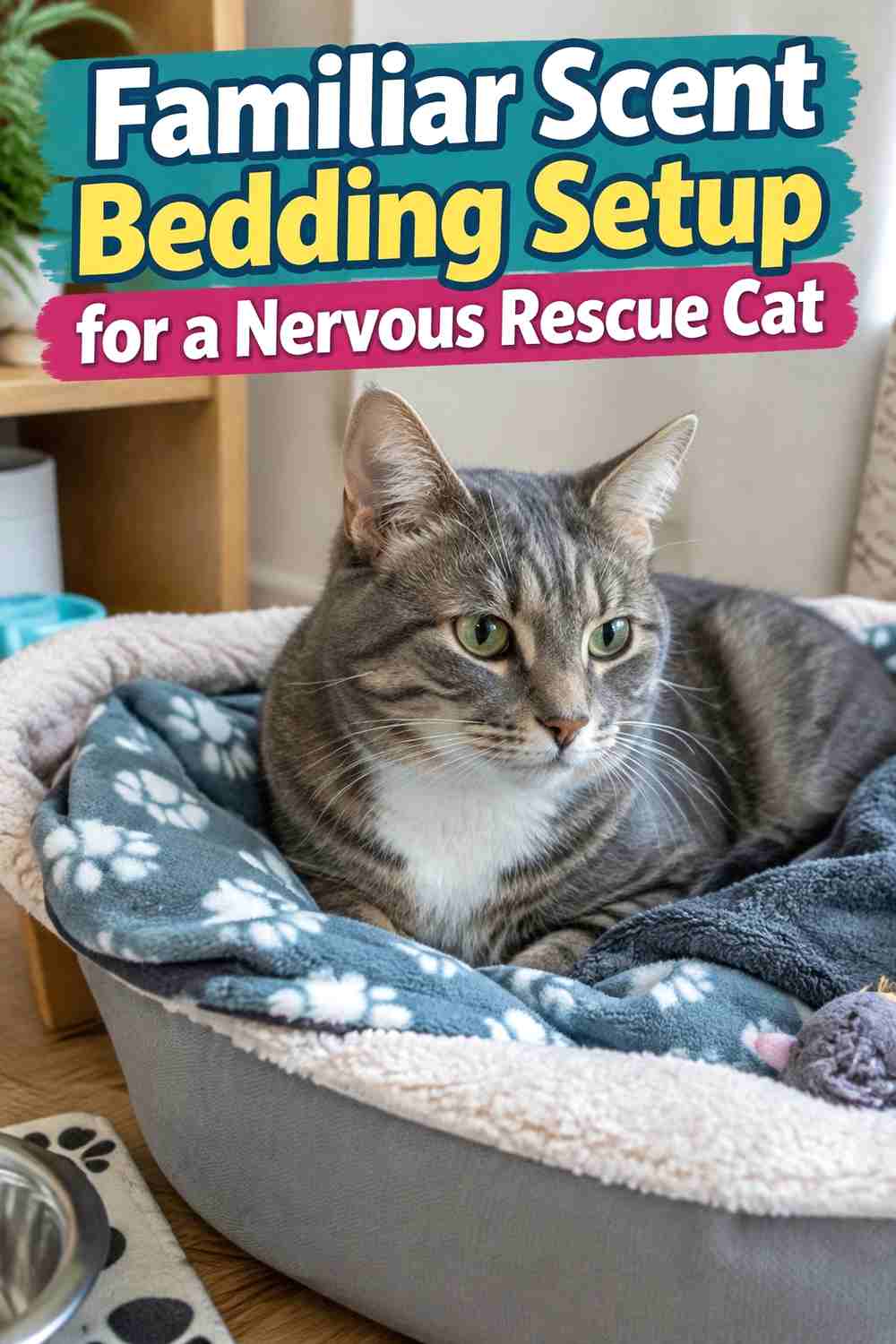
If the shelter, foster home, or previous caregiver provides a safe blanket or fabric item with familiar scents, place it near the new cat’s resting area instead of washing it immediately. The familiar item can sit beside a clean bed, inside an open carrier, or on a quiet floor-level resting spot. Keep the rest of the bedding simple, washable, and free from strong fragrances, tassels, or loose threads. If no familiar fabric comes home with the cat, start with a clean soft blanket and allow it to become part of the new routine. Avoid constantly replacing bedding during the first days unless it becomes dirty, since keeping part of the environment consistent can make the space easier to recognize.
Use & Maintenance
Keep a second washable blanket available so the cat still has a comfortable resting surface when the main bedding needs cleaning.
Best For
This is particularly useful for cats arriving from foster care or another setting where a safe familiar-smelling item can accompany them.
4. Simple Food And Water Station For A Rescue Cat

Set up food and water in a quiet location where the rescue cat can eat without feeling exposed to constant household activity. Use stable bowls on an easy-clean surface and place them away from the litter box. Start with the food the cat is accustomed to when possible rather than changing several parts of the routine on arrival day. In the safe room, position bowls where the cat can reach them without crossing a wide open area if the cat is very cautious. Avoid surrounding the feeding station with new treats, supplements, or decorative accessories. The goal is a predictable resource that is easy to locate and easy for you to monitor while the cat adjusts.
Space & Placement
Choose a location away from doorways, noisy appliances, and busy walking routes. Keep fresh water accessible even when meals are not being served.
Cleaning Notes
Clean bowls regularly and wipe spills promptly so the feeding area stays dry and easy to use.
5. Easy Litter Box Zone For A Newly Adopted Cat
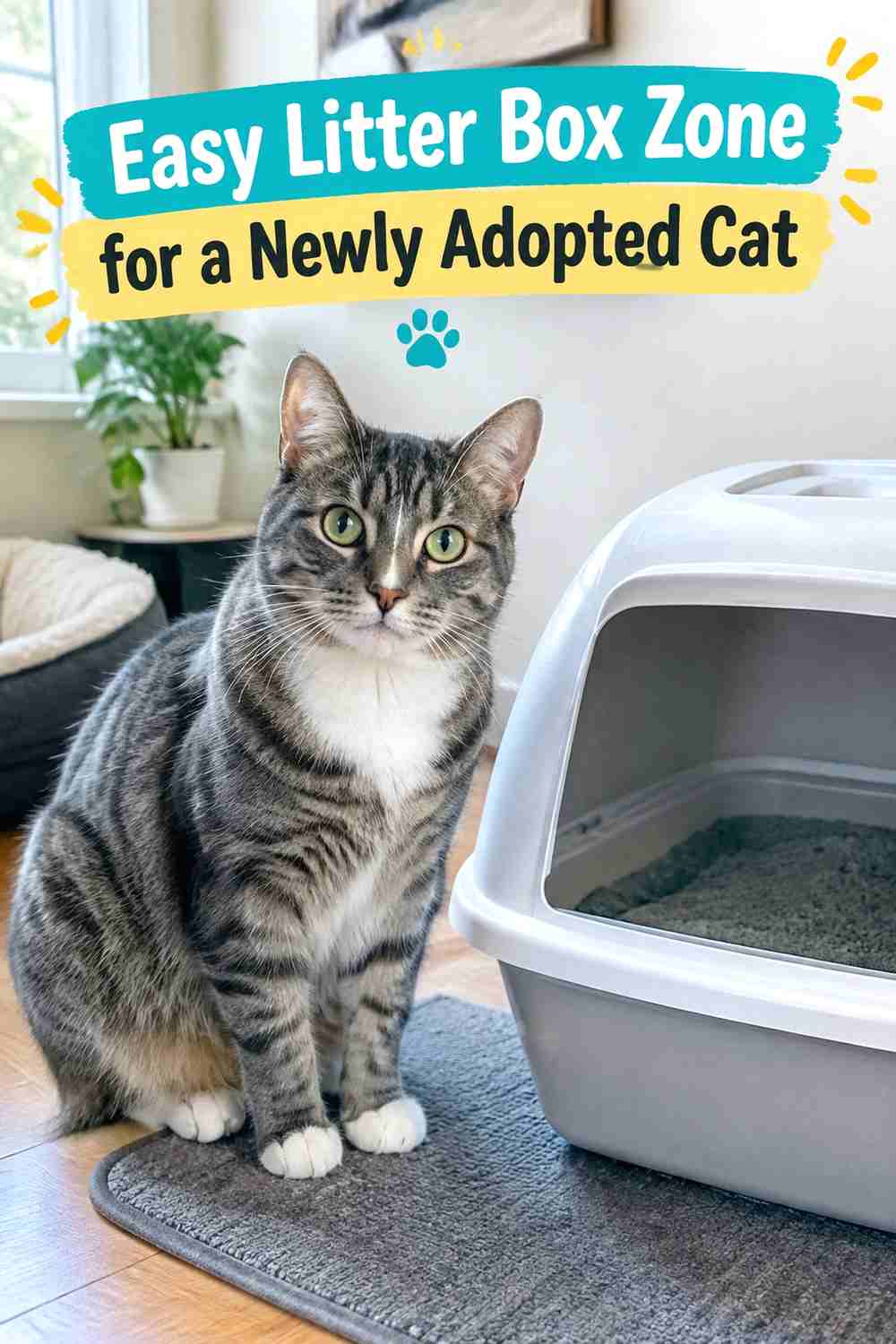
Create a straightforward litter box zone in a quiet, accessible part of the cat’s initial room. Choose a box the cat can enter comfortably and use a litter type similar to what the cat already knows when that information is available. Keep food and water at a reasonable distance, and leave enough open space around the box for easy entry and exit. Avoid hiding the litter box behind complicated obstacles just to make the room look neater. During the first few days, a clearly visible and predictable location can be more practical. If the cat does not use the box as expected or shows a sudden change in toileting behavior, avoid assuming it is simply a training issue and seek appropriate veterinary guidance when needed.
Setup Notes
Keep the route to the litter box unobstructed, especially if the cat is older, cautious, or unfamiliar with the room.
Cleaning Notes
Scoop regularly and clean surrounding tracked litter so the zone remains comfortable without relying on strong fragrances.
6. Open Carrier Retreat For A Cautious Rescue Cat
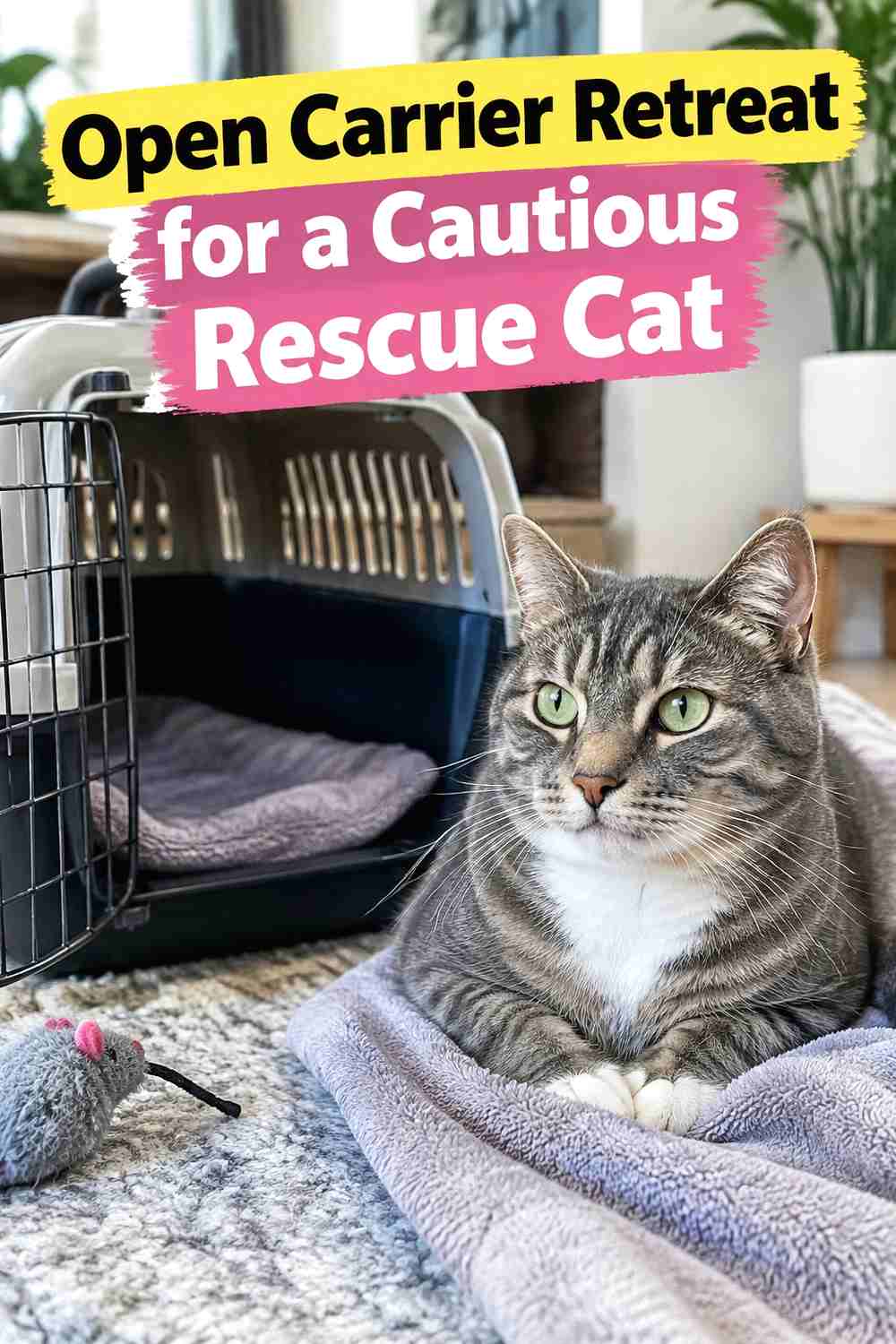
Instead of storing the carrier immediately after arriving home, leave it open as an optional retreat in the rescue cat’s safe room. Add a flat washable towel or familiar blanket and position the carrier against a wall where it feels sheltered but remains easy to access. The cat can choose to rest inside, investigate it, or ignore it. Avoid hanging toys, cords, or accessories inside the carrier, and make sure the door cannot swing shut unexpectedly. Keeping the carrier available can also make it part of the normal environment rather than an object that only appears before travel. If the cat prefers another hiding place, leave the carrier nearby without repeatedly guiding the cat into it.
Why It Works
The carrier provides a small enclosed option while staying familiar from the trip home, which may appeal to a cat that is not ready for open-room resting.
Use & Maintenance
Wash soiled bedding and inspect the carrier door, latches, ventilation openings, and base before future travel.
7. Low Scratching Station For A Settling Rescue Cat
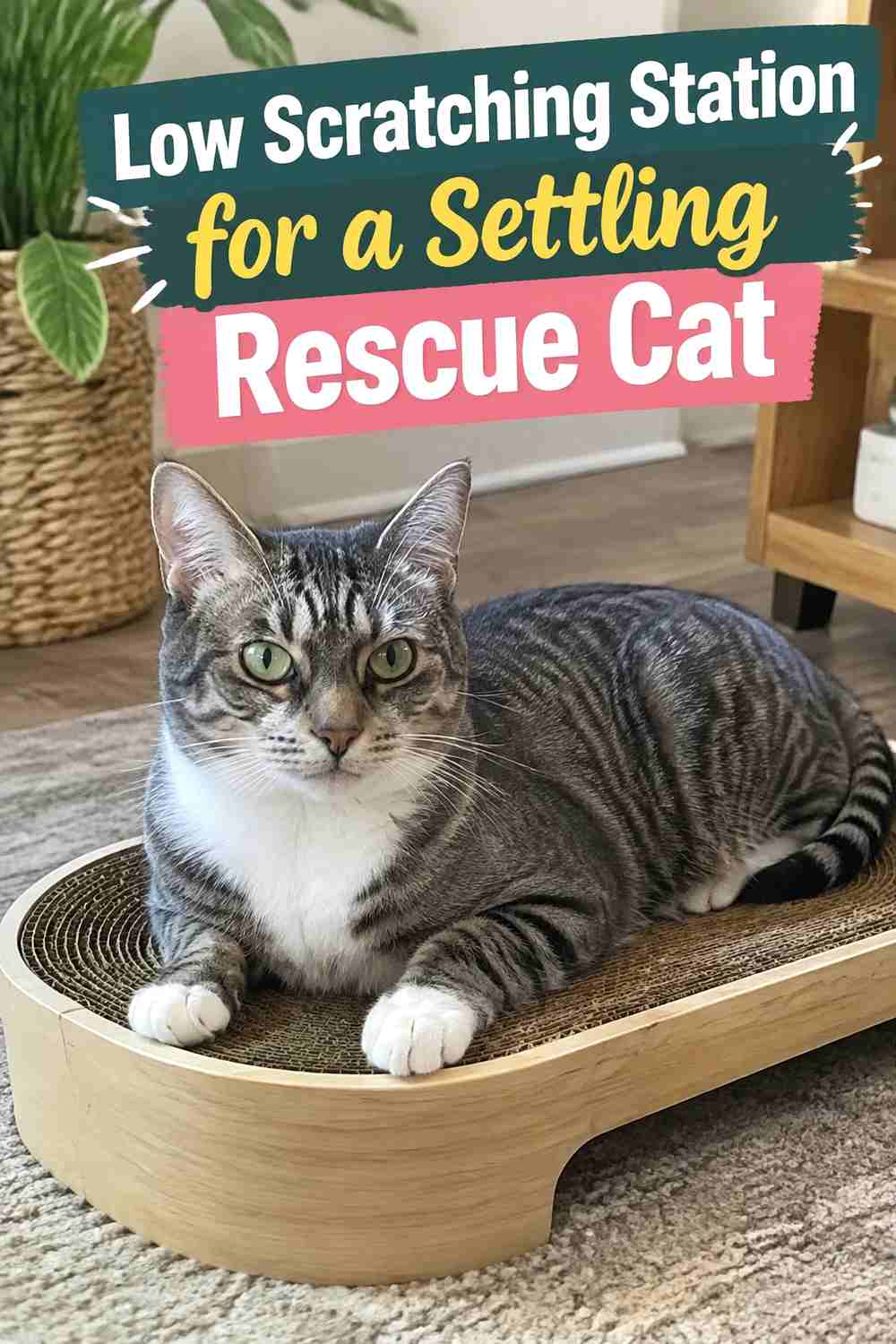
Place a stable scratching surface near the rescue cat’s main resting or waking area so appropriate scratching options are available from the beginning. A sturdy horizontal scratcher or low vertical post can be easier to introduce than a large climbing structure in an already unfamiliar room. Observe whether the cat prefers scratching flat surfaces or reaching upward before adding more equipment. Position the scratcher where the cat naturally travels rather than hiding it in an unused corner. Avoid moving the cat’s paws onto the surface or forcing interaction. If the cat begins scratching another nearby object, moving the approved scratcher closer to that location may make it more relevant.
Best For
This idea suits cats beginning to explore their safe room and showing normal stretching, scratching, or scent-marking behavior.
Use & Maintenance
Replace heavily shredded cardboard or damaged scratching material before loose pieces spread through the room or the surface becomes unstable.
8. Quiet Window Perch Setup For A Curious Rescue Cat

Once a rescue cat begins exploring confidently, a secure window-viewing spot can provide a calm place to observe outdoor activity. Use a stable, comfortably sized perch or existing wide surface with good traction, and make sure the window is closed or securely screened. Keep cords, blinds, plants, and fragile décor away from the area. The perch should be optional and easy to approach without requiring a difficult jump, particularly for older cats or cats whose mobility you do not yet know well. Place a familiar blanket nearby if the cat enjoys softer surfaces. If outdoor movement seems to make the cat tense or restless rather than curious, offer a quieter resting location elsewhere.
Space & Placement
Choose a window away from busy doorways and keep the landing area below the perch clear.
Comfort & Safety
Use only stable surfaces and secure window protection. Do not encourage a newly arrived cat onto narrow or uncertain ledges for the sake of a better view.
9. Gentle Play Corner For A Curious New Rescue Cat

Create a simple play corner once the new rescue cat starts showing curiosity and approaching toys voluntarily. Begin with one or two safe options, such as a sturdy batting toy and an interactive wand used only with direct supervision. Keep the area uncluttered so the cat can chase, retreat, and pause without bumping into furniture or decorations. Short play opportunities are often more useful than filling the room with every toy at once. If the cat watches but does not join in, let the session end without repeatedly placing the toy near its face or hiding spot. Store string-style toys when play finishes and rotate other toys gradually as you learn what the cat actually enjoys.
Best For
This setup suits cats that have moved beyond constant hiding and are beginning to investigate people, movement, or toys.
Pro Tip
Let the cat end the interaction. Walking away, settling elsewhere, or ignoring the toy are useful signals that the current play session is finished.
10. Separate Resource Setup For Rescue Cats In Multi Cat Homes

When a rescue cat joins resident cats, prepare separate food, water, litter, resting, and hiding resources before direct introductions. Keep the newcomer in its own settling area initially instead of expecting the cats to share important spaces from the first day. Separate resources reduce the need for animals to pass close to one another simply to eat, drink, rest, or use the litter box. They also make it easier to notice whether the newcomer is using each resource normally. Introductions should progress gradually according to how the cats respond rather than according to a fixed deadline. Avoid placing favorite resident-cat items in the newcomer’s room or forcing face-to-face meetings around food.
Space & Placement
Spread key resources through different areas instead of grouping everything at one narrow access point.
Pro Tip
Keep duplicate essentials even after introductions progress. Cats may choose to share some areas, but they should not be forced to compete for basic resources.
11. Calm First Night Routine For A Newly Adopted Rescue Cat
You May Also Like




Keep the rescue cat’s first night quiet and predictable rather than trying to establish every long-term household routine immediately. Before evening, confirm that the cat can easily reach water, food as appropriate, the litter box, a comfortable resting place, and at least one secure hiding option. Reduce unnecessary noise and limit repeated visits to the room if the cat is trying to rest. Some cats may explore more after the household becomes quiet, while others may remain hidden for longer. Leave the basic setup unchanged overnight unless something is unsafe or heavily soiled. The first night is mainly about giving the cat a stable environment where essential needs remain easy to find.
Setup Notes
Check the room for open windows, loose cords, unstable objects, or doors that could accidentally trap the cat before settling down for the night.
Why It Works
A predictable layout lets the cat investigate at its own pace without encountering a constantly changing environment.
How to Choose the Right Idea
Choose your rescue cat’s welcome-home setup according to temperament, age, mobility, previous environment, and how confidently the cat explores. A very shy cat may need little more than a quiet safe room, covered hiding place, litter box, food, water, and comfortable bedding at first. A confident cat may begin using a scratching station, window perch, or play corner much sooner.
The household matters too. Multi-cat homes need duplicate resources and gradual introductions, while busy homes benefit from a room where the newcomer can avoid constant traffic. Keep cleaning simple, resources predictable, and elevated areas stable and easy to access.
Most importantly, do not measure settling-in by how quickly the cat seeks attention. Watch practical signs such as eating, drinking, toileting, resting, grooming, exploring, and gradually using more of the prepared space.
Final Thoughts
A rescue cat does not need an elaborate welcome party. A quiet starting area, dependable resources, safe hiding choices, and patient introductions create a more useful foundation. Add play, wider household access, and extra comforts as the cat begins showing that it is ready for them.
FAQs
1. How long should a rescue cat stay in a safe room?
There is no single schedule that fits every cat. Expand access when the cat is using essential resources reliably and exploring the starting room with increasing confidence.
2. Should I pull a rescue cat out if it keeps hiding?
No. Provide a safe, accessible hiding place and allow the cat to emerge voluntarily. Repeatedly pulling a cautious cat out can make the space feel less secure.
3. Should I change my rescue cat’s food immediately?
When possible, start with the food the cat already knows and make changes gradually if a different diet is appropriate. Seek veterinary guidance when nutrition or a health condition is involved.
4. Can I introduce my resident cat on the first day?
It is usually more practical to begin with separate spaces and resources, then introduce the cats gradually according to their responses rather than forcing immediate direct contact.
5. What if my rescue cat is not eating, drinking, using the litter box, or seems unwell?
Because those changes can have medical as well as adjustment-related causes, contact a veterinarian for guidance rather than assuming the behavior is simply part of settling in.
CTA
Save these rescue cat welcome home ideas and use the ones that best match your new cat’s pace, personality, and home environment.
