A thoughtful welcome-home setup gives a new pet quiet places to rest, explore, eat, and settle in without turning arrival day into an overwhelming event.
Save This Idea on Pinterest

14 Pet Welcome Home Ideas
Save to PinterestBringing a new pet home is usually easier when the environment is prepared before the front door opens. Instead of filling the day with visitors, toys, photos, and introductions, focus first on predictable access to water, rest, toileting, and a secure area where the pet can observe the household at its own pace.
These 14 pet welcome home ideas focus on practical setups for the first day and early adjustment period. Most work especially well for newly adopted dogs and cats when adapted to the individual animal. Temperament, age, size, previous routine, household layout, and other pets should guide how much space and interaction you offer at once.
Quick List
- Quiet Entryway Welcome Setup for a New Pet
- Cozy Safe Room Setup for a Newly Arrived Pet
- Familiar Scent Blanket Welcome for a Nervous New Pet
- Simple Food and Water Station for a New Pet
- Low-Clutter Toy Basket Welcome for a Curious New Pet
- Calm First-Night Sleeping Area for a New Pet
- Gentle Name Tag and Collar Introduction for New Pets
- Quiet Covered Retreat for a Shy New Pet
- Easy Potty or Litter Zone Setup for New Pets
- Slow Family Introduction Space for a Newly Arrived Pet
- Separate Resource Stations for a New Multi-Pet Home
- Welcome-Home Photo Corner for a Relaxed New Pet
- Calm Enrichment Station for a Curious New Pet
- Washable Bedding Welcome Zone for a New Pet
1. Quiet Entryway Welcome Setup For A New Pet
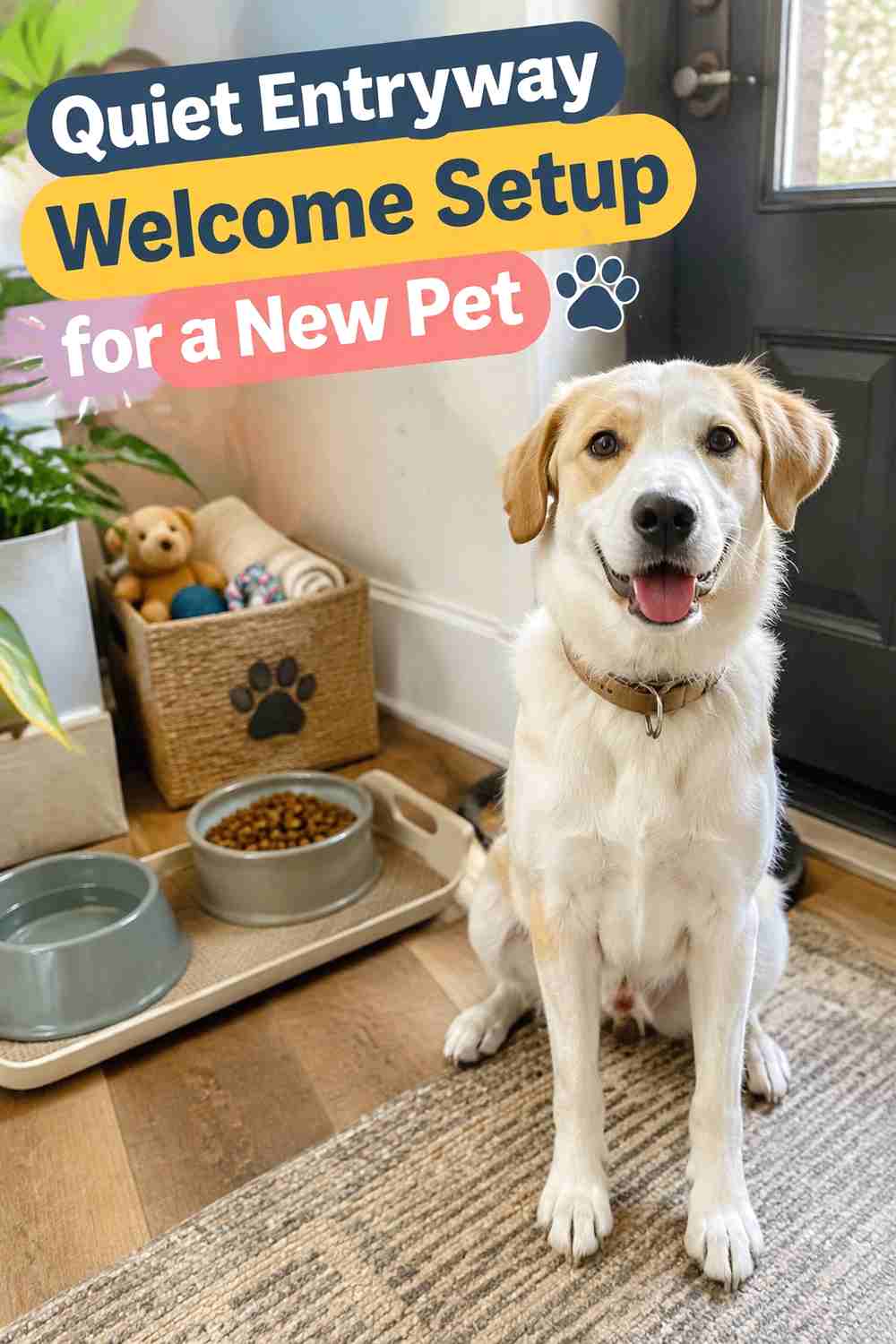
Create a calm arrival point near the entrance so your new pet does not step directly into a crowd, noisy room, or maze of household clutter. Clear shoes, bags, cords, fragile decorations, and anything tempting to chew or knock over. Keep the route from the door to the pet’s main settling area short and obvious. For dogs, have secure walking equipment ready before arrival; for cats, bring the carrier directly to the prepared room rather than opening it in a busy hallway. Skip balloons, loud greetings, and a line of family members waiting at the door. The goal is to make the first few minutes predictable, quiet, and easy to supervise.
Setup Notes
Decide in advance where the pet should go after entering. Keeping doors closed to unused rooms can prevent an anxious newcomer from disappearing into difficult-to-reach spaces.
Why It Works
A simple entry routine reduces unnecessary choices during a moment when almost everything in the home is new.
2. Cozy Safe Room Setup For A Newly Arrived Pet
You May Also Like



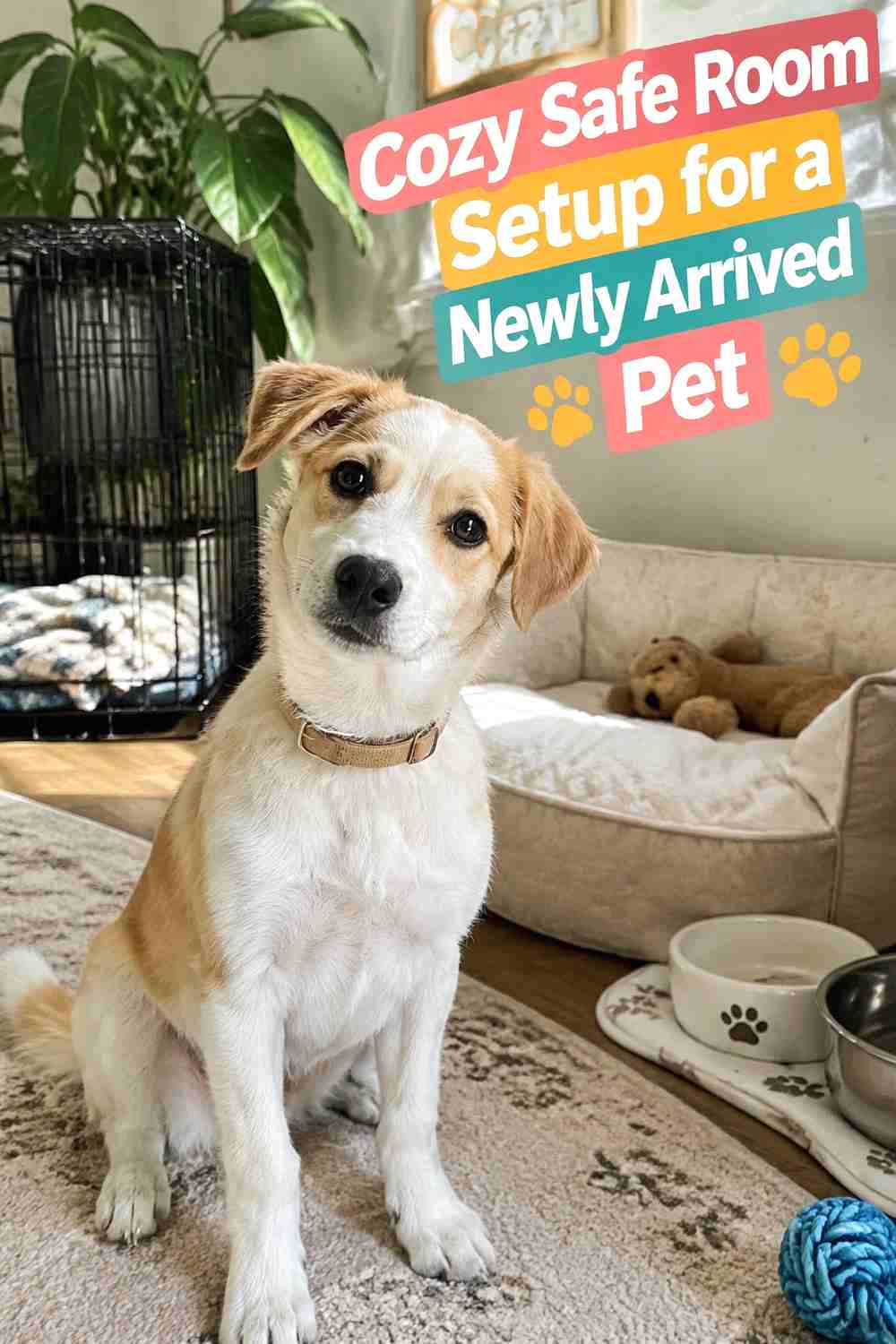
A dedicated safe room gives a newly arrived pet a manageable area to explore before gaining access to the entire home. Choose a quiet room or gated section with comfortable bedding, fresh water, appropriate toileting access, and only a few simple toys. Remove medications, cleaners, cords, fragile objects, unsafe plants, and small items that could be swallowed. For cats, add a suitable hiding option and litter box positioned away from food and water. For dogs, make sure gates and doors are secure and the flooring is easy to navigate. Let the pet approach people voluntarily instead of repeatedly entering the space to check on them.
Space & Placement
A spare room, quiet bedroom corner, or securely separated living area can work well. Avoid placing the main settling zone beside loud appliances or constant foot traffic.
Pro Tip
Expand access gradually as the pet begins moving through the original space confidently and settling there comfortably.
3. Familiar Scent Blanket Welcome For A Nervous New Pet
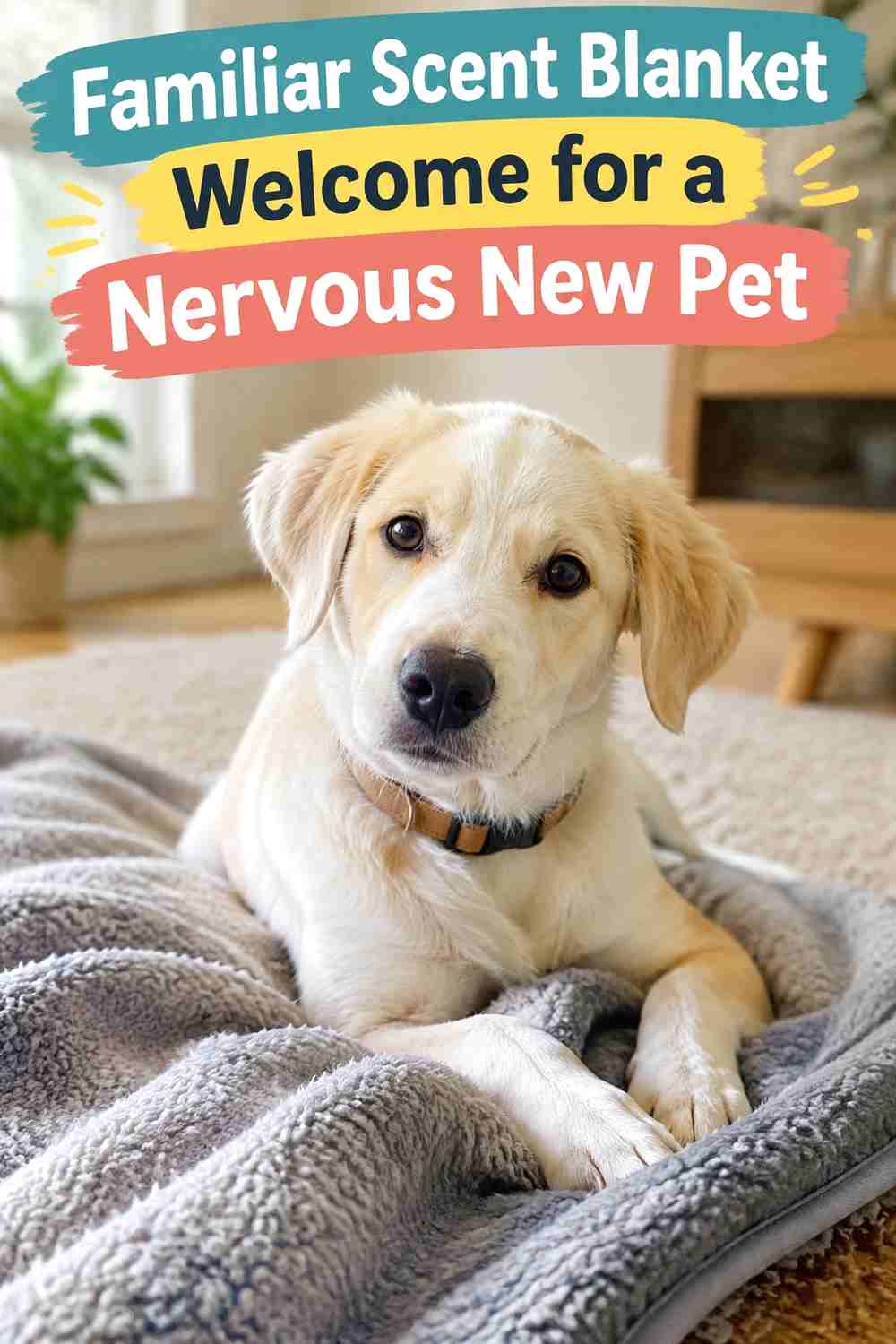
A familiar-smelling blanket or bedding item can make a nervous pet’s first resting area feel less completely unfamiliar. If the shelter, foster home, breeder, or previous caregiver provides a safe fabric item carrying familiar scents, place it near the new bed rather than immediately washing it. Keep the surrounding setup simple so the pet can choose whether to rest beside it, underneath it, or elsewhere. If no familiar item is available, use a clean, soft blanket that can become part of the pet’s new routine. Avoid heavily fragranced laundry products or spraying perfumes around the resting area, since strong scents can make an already unfamiliar space even busier.
Best For
This idea may be particularly useful for pets that arrive cautiously, stay close to their carrier, or seek enclosed resting places during the first day.
Use & Maintenance
Once the pet is settled, wash bedding as needed and keep a second washable option available so the resting area does not disappear during laundry.
4. Simple Food And Water Station For A New Pet

Set up an easy-to-find food and water station before your pet arrives so essential resources stay in one predictable location. Choose a quiet spot away from heavy foot traffic, doors that swing nearby, and noisy appliances. Use stable bowls that do not slide easily across the floor, and place a washable mat underneath if spills are likely. Keep the first feeding routine consistent with the pet’s existing food unless a veterinarian or other appropriate professional has advised a change. Avoid turning arrival day into a buffet of unfamiliar treats and new foods. In multi-pet homes, give the newcomer a separate feeding area rather than expecting animals to share immediately.
Space & Placement
Keep water readily accessible from the pet’s main settling area. Food can be stored nearby but should remain sealed and out of reach.
Cleaning Notes
Rinse and clean bowls regularly, wipe spills promptly, and wash the mat before food residue or moisture builds up around the station.
5. Low Clutter Toy Basket Welcome For A Curious New Pet

A small toy basket gives a curious new pet a few appropriate things to investigate without covering the floor in unfamiliar objects. Start with a limited selection suited to the pet’s size, play style, and chewing habits. For a dog, that might mean a sturdy soft toy, a safe chew option, and a simple rolling toy. For a cat, choose larger interactive toys and supervised play items while storing string-style toys when not in use. Watch which objects actually attract interest before adding more. A pet that ignores every toy may simply need time to settle, so avoid repeatedly placing toys in front of them to force engagement.
Use & Maintenance
Rotate a few toys rather than leaving everything available at once. This makes cleanup easier and helps you notice damaged items sooner.
Comfort & Safety
Remove torn toys, loose pieces, exposed stuffing, broken plastic, or anything the pet is trying to swallow rather than play with.
6. Calm First Night Sleeping Area For A New Pet

Prepare the first-night sleeping area before bedtime so you are not rearranging furniture while a tired new pet is trying to settle. Choose a quiet location with comfortable flooring, washable bedding, nearby water when appropriate, and enough space for normal repositioning. Some pets prefer an open bed, while others relax more readily in a properly introduced crate, carrier, or covered retreat. Keep the arrangement simple and avoid surrounding the bed with exciting toys or household activity. The first night may not follow the routine you eventually want, so focus on security and predictability rather than expecting immediate independence. Make sure the pet can be safely monitored without constant disturbance.
Best For
This setup is useful for nearly any new dog or cat, but the exact sleeping arrangement should match the individual pet’s previous routine and comfort.
Pro Tip
Use the same sleeping zone for several nights before changing locations unless the original spot is clearly unsuitable or unsafe.
7. Gentle Name Tag And Collar Introduction For New Pets

Introduce a collar and identification tag calmly instead of making accessories part of an exciting welcome-home ceremony. For a dog already accustomed to a collar, check the fit before allowing free movement around the home and make sure the tag hangs naturally without interfering with eating or resting. If the pet is unfamiliar with collars or other wearables, introduce them gradually and supervise closely. Cats should use appropriate safety-minded options such as breakaway collars when collars are suitable for that individual. Avoid decorative charms, heavy tags, or dangling accessories simply for appearance. Identification information should be current, but comfort and secure fit matter just as much as how the collar looks.
Comfort & Safety
Check regularly for rubbing, chewing, trapped fur, or a fit that has become too loose or tight, especially with growing young animals.
Use & Maintenance
Keep identification details updated and replace worn collars or damaged tags rather than waiting for them to fail.
8. Quiet Covered Retreat For A Shy New Pet

Give a shy newcomer a covered retreat where they can rest without being constantly visible to people passing through the room. A crate with an appropriate cover, an open carrier, a sturdy covered cat bed, or a simple furniture-level hiding area can work depending on the animal. Place it against a wall or in a quiet corner rather than in the middle of household traffic. Keep the entrance completely clear and never reach inside repeatedly to pull the pet out for introductions. The retreat should function as an optional resting place, not a trap. Avoid unstable blankets, dangling fabric, or covers that block ventilation. Let the pet decide when to emerge and investigate the room.
Best For
This setup can suit cautious pets that seek sheltered spaces, observe from a distance, or need more time before approaching unfamiliar people.
Space & Placement
Position the retreat near essential resources but not directly beside food bowls, litter, doors, or other busy household zones.
9. Easy Potty Or Litter Zone Setup For New Pets
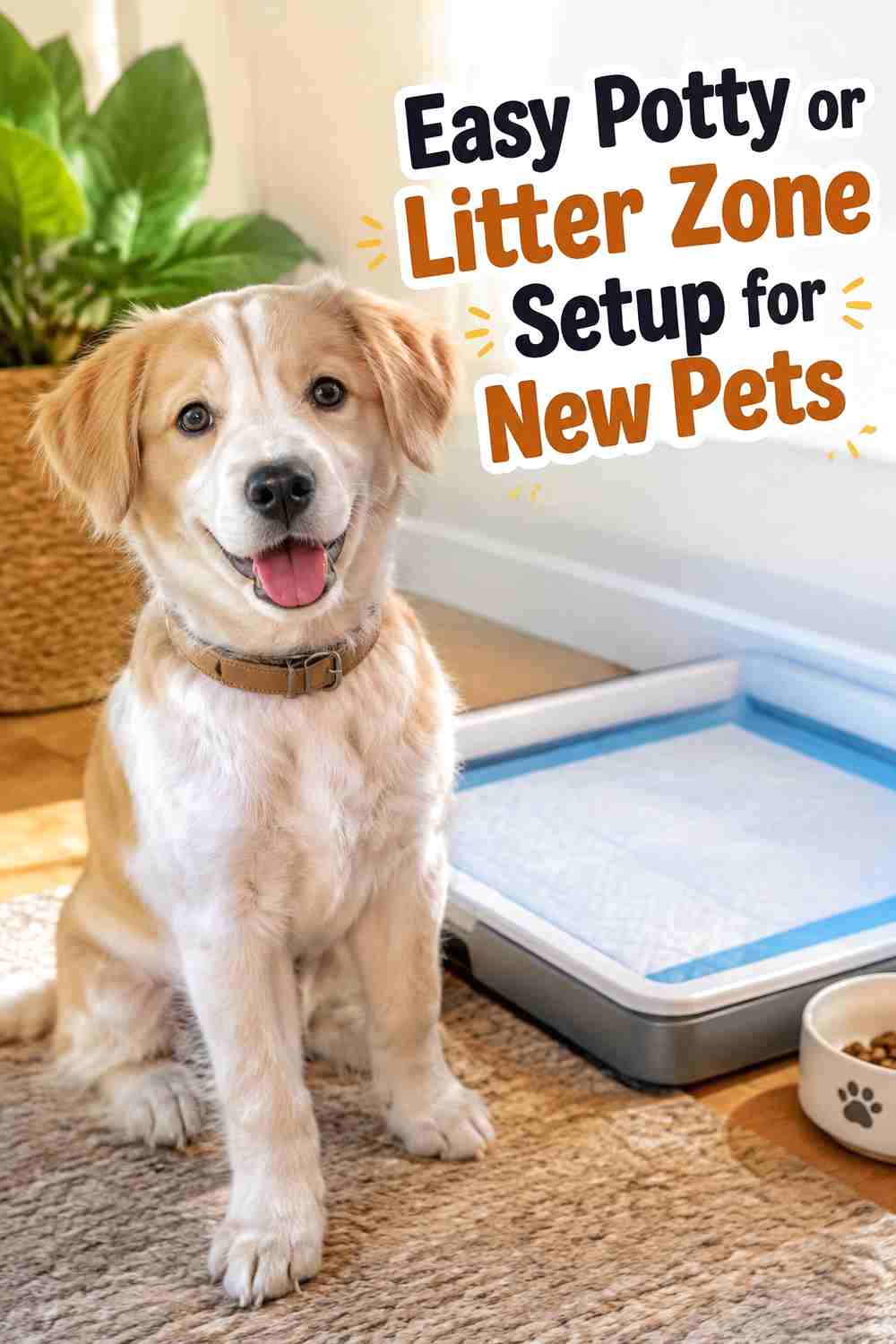
A clear toileting area makes the first days easier to manage because the pet does not have to search through an unfamiliar home for the right place. For cats, set up an accessible litter box in a quiet location away from food and water. For dogs, decide where outdoor potty trips will begin and keep the route consistent rather than using several different doors. If temporary indoor pads are appropriate for your situation, place them in one predictable area and protect the surrounding flooring. Avoid moving the toileting location repeatedly during the adjustment period. Watch where the pet naturally travels so you can tell whether the chosen setup is convenient or creating unnecessary obstacles.
Setup Notes
Keep doors and pathways to the toileting area clear. Cats may need more than one litter resource in larger or multi-cat homes.
Cleaning Notes
Clean accidents promptly with an appropriate pet-safe method and keep litter or potty areas maintained so the pet is not discouraged from using them.
10. Slow Family Introduction Space For A Newly Arrived Pet
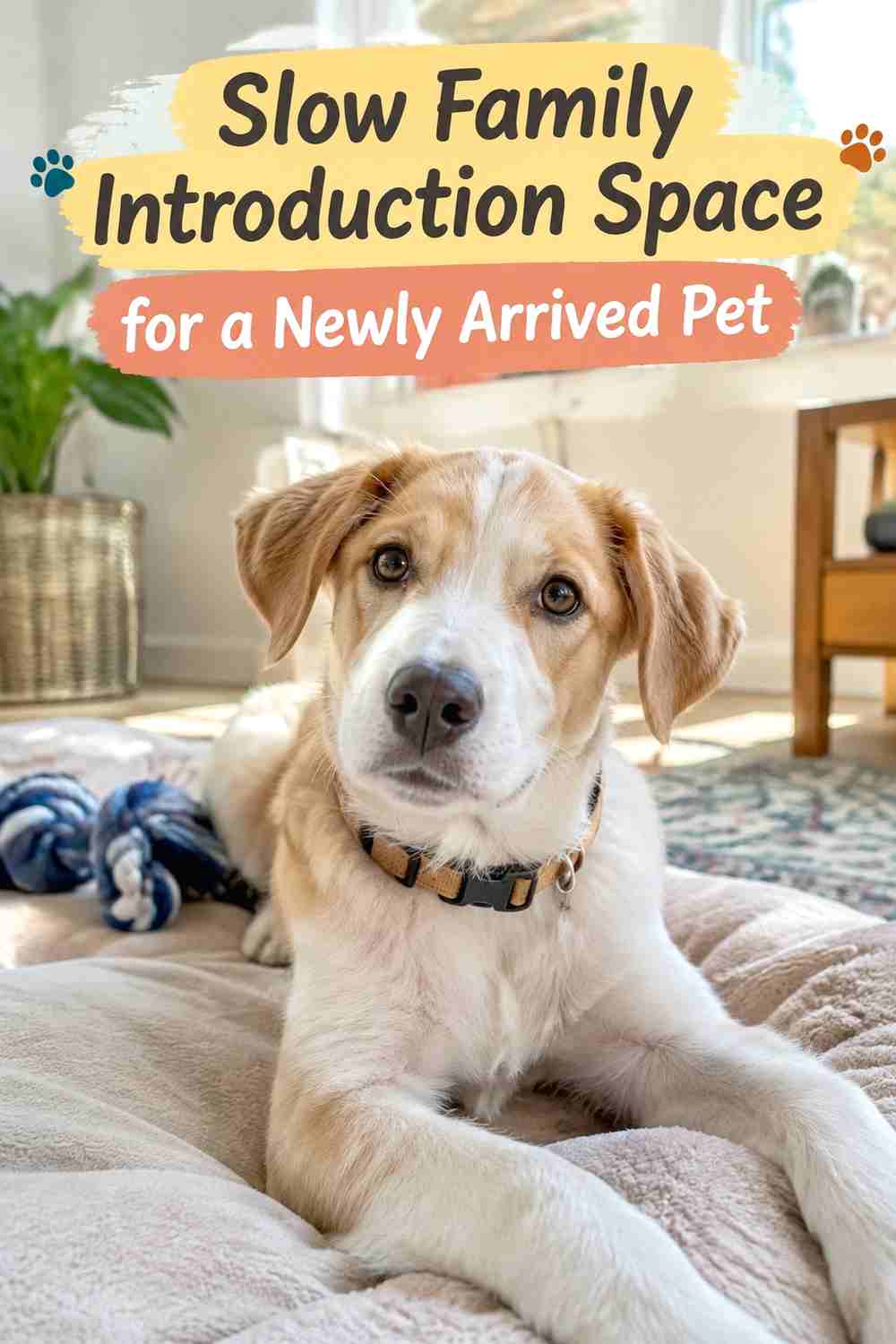
Create one quiet room for family introductions instead of passing a new pet from person to person throughout the house. Allow household members to enter calmly one or two at a time, sit at a comfortable distance, and let the pet decide whether to approach. Children should be supervised closely and reminded not to chase, hug, corner, or pick up a pet that is trying to move away. Keep voices moderate and leave a clear path back to the pet’s resting area. There is no need for everyone to meet the newcomer immediately. A shy pet may benefit more from watching family routines from a safe distance before direct interaction becomes part of the day.
Best For
This approach works well in busy households where several people are excited to meet the new arrival but the pet needs controlled, predictable contact.
Comfort & Safety
End the introduction when the pet repeatedly retreats, hides, struggles to settle, or clearly prefers more distance.
11. Separate Resource Stations For A New Multi Pet Home
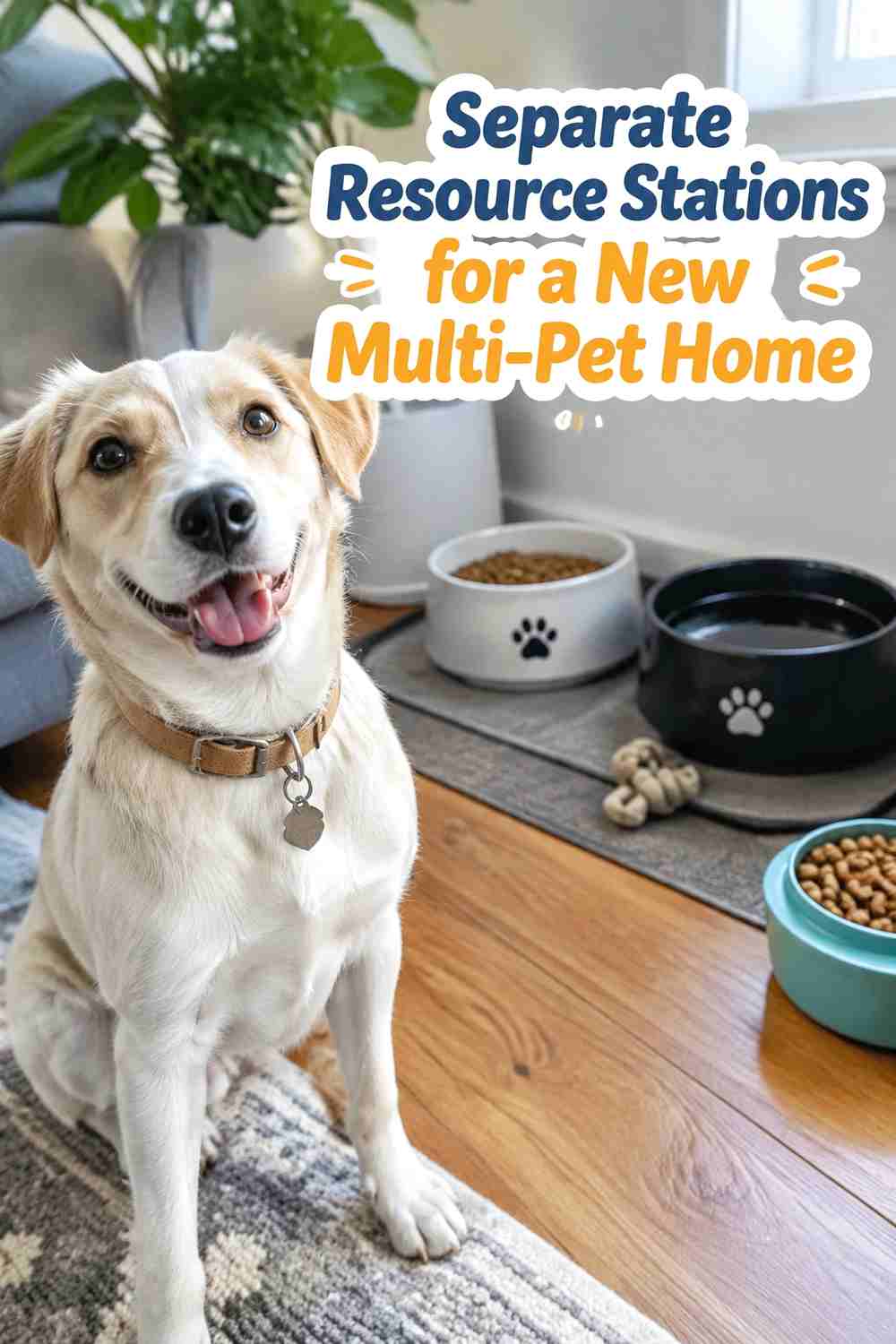
In a multi-pet household, prepare separate resources before introducing the newcomer so animals are not immediately expected to share important spaces. Give the new pet its own food and water area, resting spot, toys, and toileting resources where relevant. Existing pets should keep access to their usual essentials instead of losing them when the newcomer arrives. Separate stations also make it easier to notice who is eating, drinking, resting, or avoiding particular areas. Introductions between animals should be managed gradually rather than assuming they will naturally share beds, bowls, toys, or hiding places. Adjust spacing if one pet begins blocking access or repeatedly following the other between resources.
Space & Placement
Place stations far enough apart that pets can use them without squeezing past one another. Separate rooms may be useful during the earliest introductions.
Pro Tip
Duplicate high-value resources first. Sharing can be considered later if the pets choose it comfortably rather than because the household requires it.
12. Welcome Home Photo Corner For A Relaxed New Pet
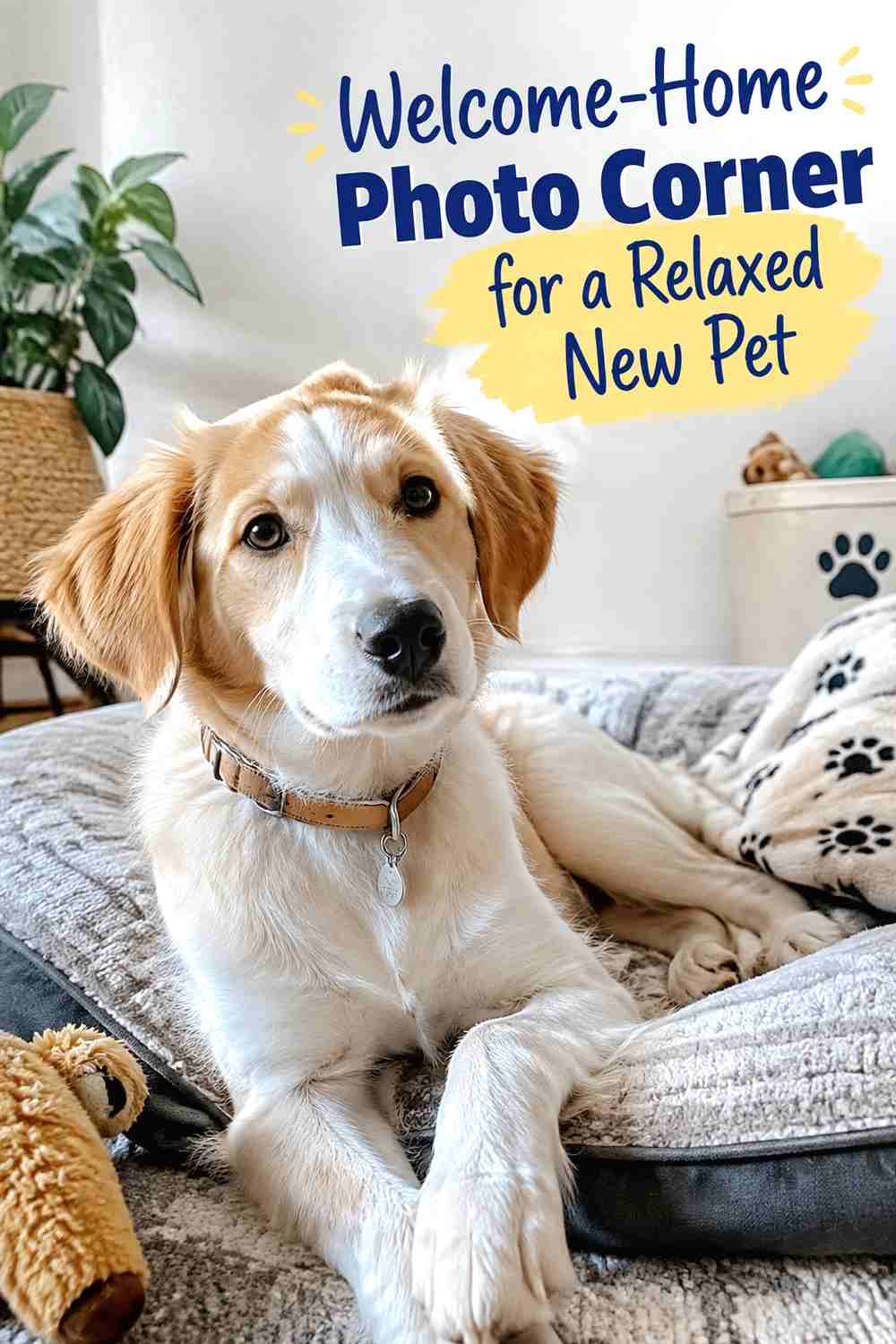
A simple welcome-home photo corner can capture the occasion without turning arrival day into a staged photoshoot. Choose a familiar-looking spot near natural light, place one flat welcome sign securely in the background, and keep the floor free of balloons, ribbons, confetti, and other tempting decorations. Wait until the pet has explored, rested, and appears comfortable before bringing out the camera. Photograph natural moments such as sitting beside a bed, looking toward a window, or resting near a favorite toy rather than repeatedly positioning the pet. If the newcomer keeps walking away, skip the photo and try another day. Settling into the home matters more than documenting the first hour perfectly.
Setup Notes
Use one background detail rather than a full party scene. Keep signs and decorations beyond chewing, pawing, or climbing range.
Why It Works
A minimal setup preserves the welcome-home theme while allowing the pet’s natural posture and expression to remain the focus.
13. Calm Enrichment Station For A Curious New Pet
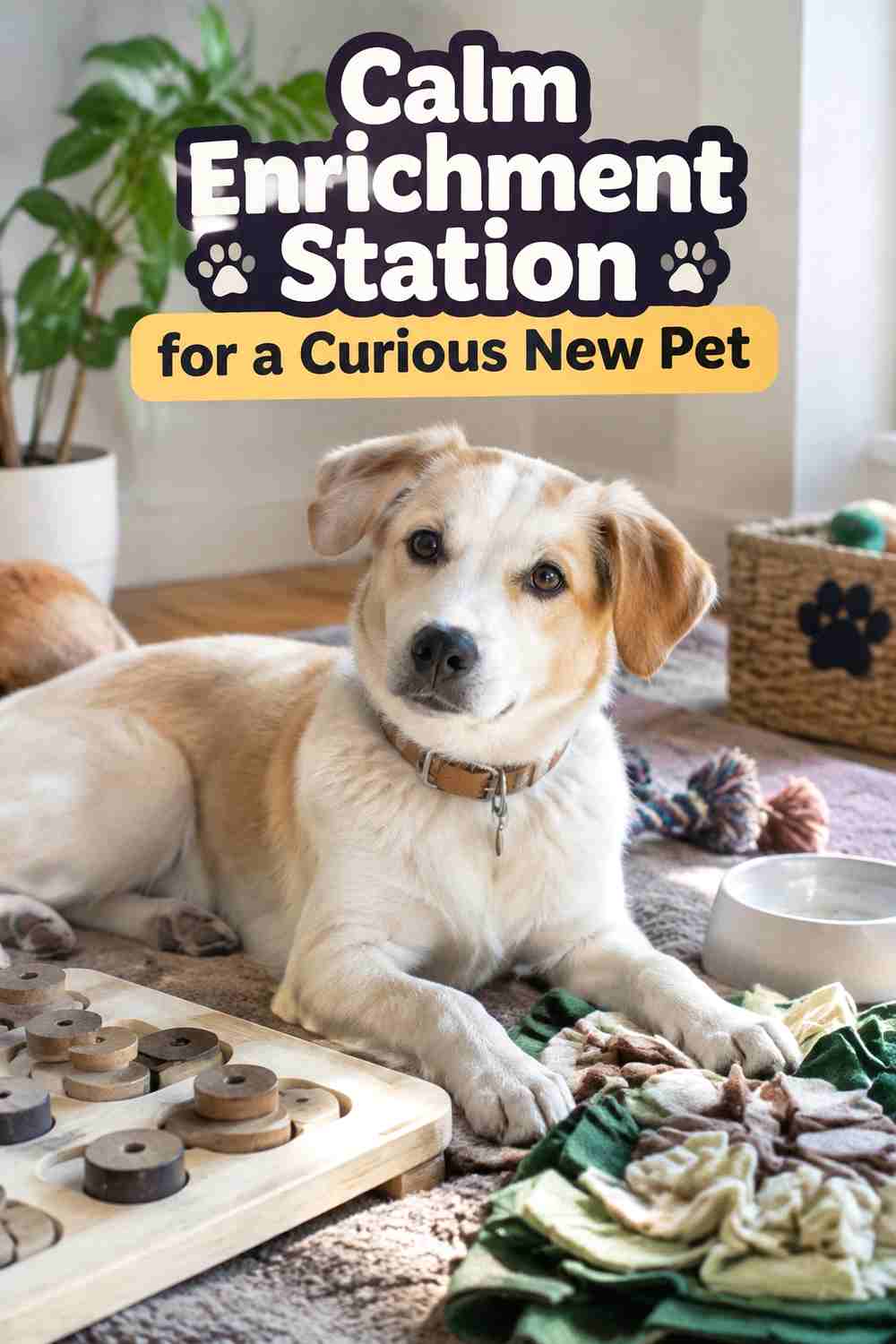
Set up one low-pressure enrichment activity for a new pet that has begun exploring confidently and seems ready for something to do. Keep the first activity easy: a simple food puzzle using an appropriate familiar food, a supervised sniffing activity, or a sturdy interactive toy can work depending on the pet. Place it on an easy-clean surface away from the main resting area so the pet can choose between activity and quiet time. Avoid introducing several difficult puzzles at once. A new home already provides plenty of sensory information, and frustration is not useful enrichment. If the pet walks away, paws anxiously, or becomes overly fixated, simplify the activity or put it away.
Best For
This idea suits curious pets that are beginning to explore the home rather than animals still hiding, sleeping heavily, or avoiding interaction.
Use & Maintenance
Clean food-based enrichment promptly, inspect reusable items for damage, and rotate activities rather than leaving the same setup available continuously.
14. Washable Bedding Welcome Zone For A New Pet
You May Also Like




Build a practical welcome zone around washable bedding so early accidents, muddy paws, shedding, or nervous drooling are easier to manage. Use a comfortable bed or flat mat with a removable cover, then keep a spare clean layer nearby for quick changes. Place the setup on stable flooring where the pet can stand and turn comfortably without slipping. Avoid filling the bed with decorative pillows or loose fabric that creates more laundry and potential chewing material. This idea is especially useful during the first week because you can maintain a clean resting space without repeatedly replacing the entire setup. Keep the bed in a consistent location so cleaning does not mean constantly moving the pet’s resting area.
Cleaning Notes
Wash soiled covers promptly and dry them fully before reuse. Keep at least one backup blanket or cover ready so the resting spot remains available.
Pro Tip
Choose neutral, durable bedding first. Once you understand the pet’s chewing, digging, shedding, and sleeping habits, you can upgrade the setup more confidently.
How to Choose the Right Idea
Start with what your new pet needs most during the first few days: a secure resting area, predictable access to food and water, a practical toileting routine, and enough quiet space to observe the household. A nervous or shy pet may benefit most from a safe room, covered retreat, and slow introductions, while a confident, curious newcomer may quickly enjoy a toy basket or simple enrichment station.
Consider age, body size, mobility, chewing habits, previous routine, and available space. Young pets often need closer supervision and simpler setups, while older animals may benefit from easy-access beds and non-slip paths. In multi-pet homes, prioritize duplicate resources and separation before encouraging shared spaces.
Choose ideas that make daily care easier rather than simply making arrival day look festive. A calm, functional setup can always become more decorative after the pet feels comfortable.
Final Thoughts
A good pet welcome home focuses on security, comfort, and predictability before celebration. Prepare a few essential zones, keep introductions gradual, and let the newcomer explore at a pace that suits their temperament. You can add toys, photos, decorations, and wider household access as the pet begins settling in.
FAQs
1. Should a new pet have access to the whole house immediately?
Not necessarily. Many pets find a smaller, prepared area easier to understand at first. Expand access gradually as the newcomer becomes comfortable and household safety allows.
2. What should I prepare before bringing a new pet home?
Have food and water supplies, appropriate bedding, toileting resources, secure identification or transport equipment, basic toys, and a quiet settling area ready before arrival.
3. Is it okay to invite people over to meet a new pet right away?
A quieter first day is often easier for the pet. Introduce household members gradually and consider saving extra visitors until the newcomer is resting, eating, and exploring more comfortably.
4. How can I introduce a new pet to pets already living at home?
Begin with separate resources and controlled spaces rather than immediate unrestricted contact. Introductions should be gradual and adjusted according to how each animal responds.
5. What if my new pet hides after coming home?
Give the pet a secure, accessible hiding or resting space and avoid repeatedly pulling them out. Keep necessities nearby and allow time to observe the home before expecting more interaction.
CTA
Save these pet welcome home ideas for arrival day, and explore more practical routines to help your new companion settle comfortably into everyday life.
