Keep cat travel supplies easier to find with a bag organized into simple zones for carrier needs, cleanup, feeding, comfort, documents, and emergencies.
Save This Idea on Pinterest
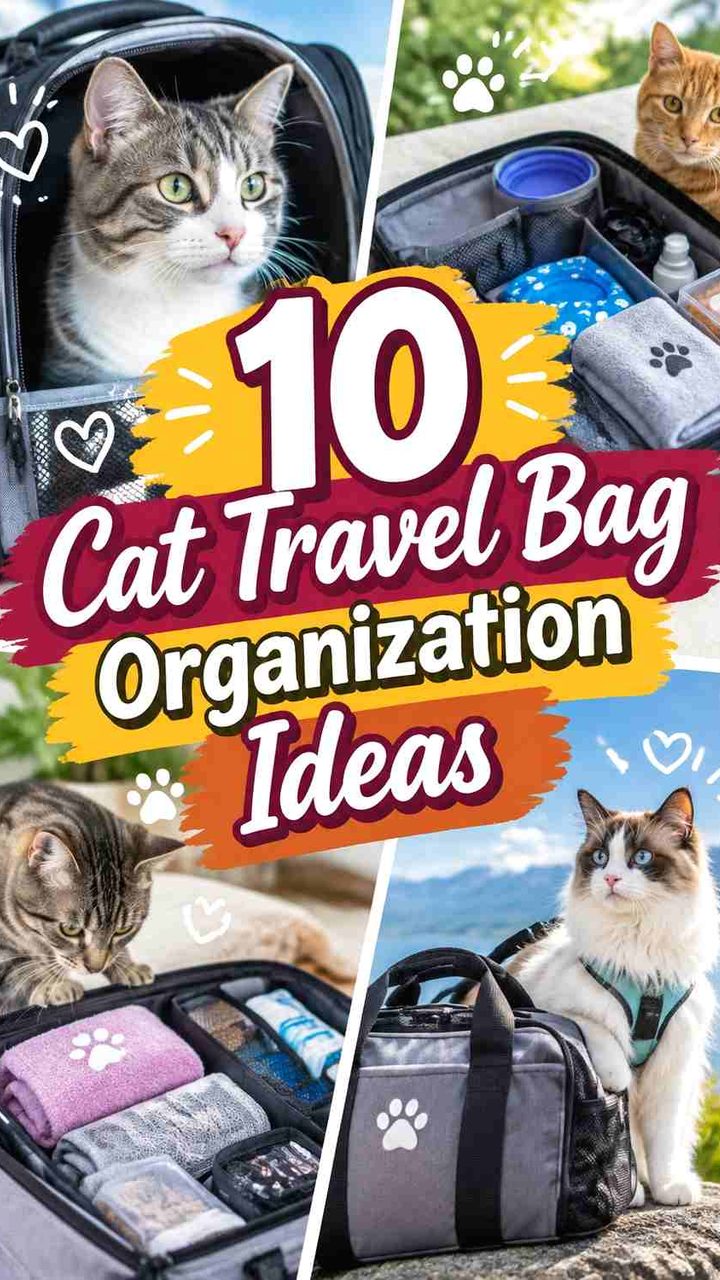
10 Cat Travel Bag Organization Ideas
Save to PinterestA well-organized cat travel bag can prevent small problems from becoming frustrating searches when you are already managing a carrier and unfamiliar surroundings. Instead of mixing everything into one large compartment, separate supplies according to when and how you are likely to use them.
These ideas work for road trips, veterinary visits, overnight stays, moving days, and other carrier-based travel. Focus on accessible essentials, clean-versus-used separation, clear labels, and only the supplies your individual cat actually needs. Keep medicines, cleaning products, plastic bags, and small objects securely stored away from your cat.
Quick List
- Quick-Access Carrier Essentials Pocket for Cat Travel Days
- Separate Food and Water Pouch for Cat Trips
- Litter Supply Zip Pouch for Cleaner Cat Travel
- Spare Carrier Liner Compartment for Messy Cat Journeys
- Cleanup Kit Section for Easy Cat Travel Messes
- Labeled Medication Pocket for Cats With Prescribed Travel Needs
- Document Sleeve for Cat Travel Records and Identification
- Small Toy and Comfort Pouch for Traveling Cats
- Color-Coded Multi-Cat Travel Bag Organization System
- Return-Home Reset Section for Repacking Cat Travel Supplies
1. Quick Access Carrier Essentials Pocket For Cat Travel Days
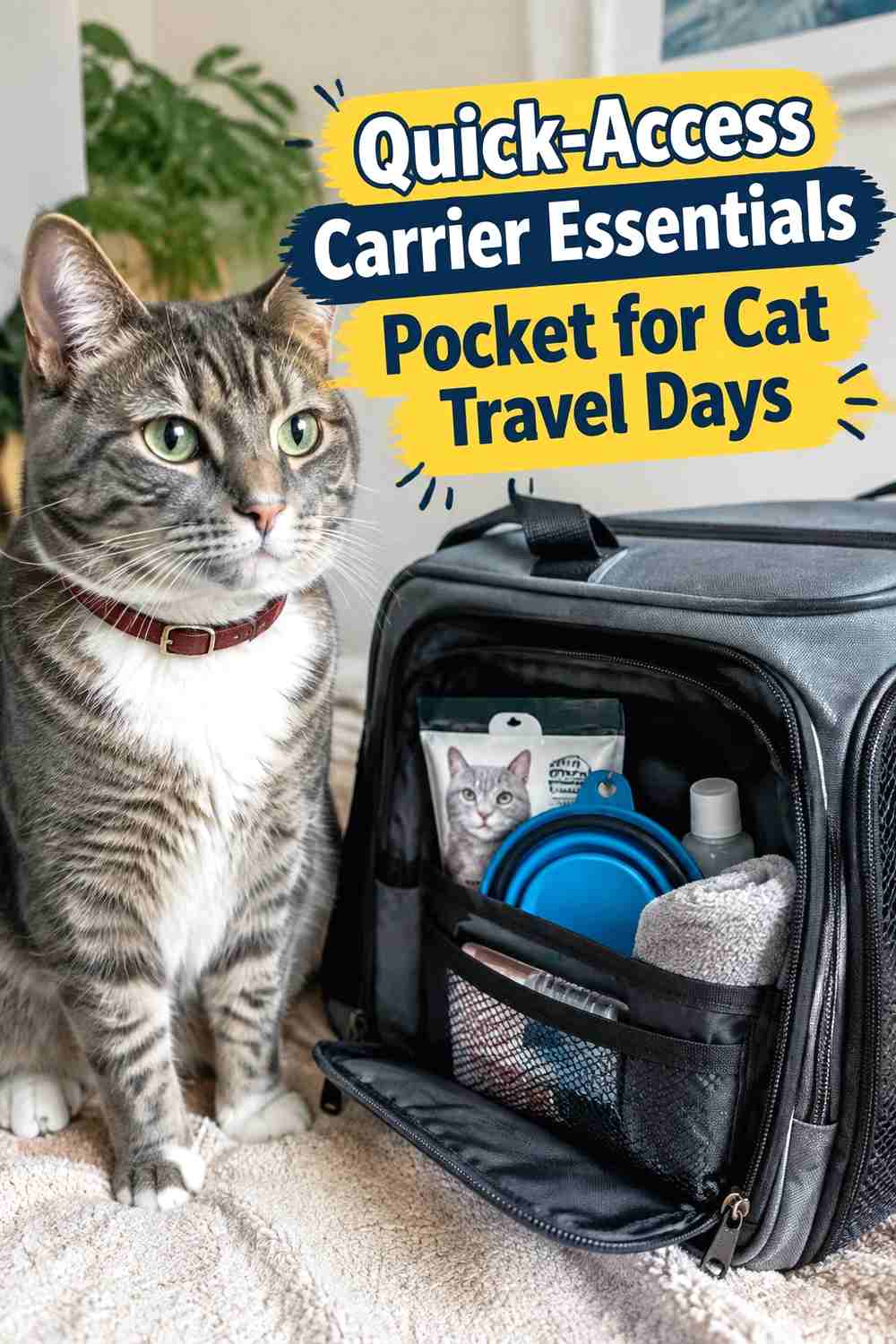
A quick-access pocket should hold the few items you are most likely to need while handling the carrier, rather than supplies intended for later at the hotel or destination. Use an outer zip compartment for spare identification information, a small clean cloth, waste bags, and other immediate essentials that fit your trip. Keeping this section light prevents it from becoming another overfilled pouch you have to search through. Avoid putting loose treats, medicines, or small objects in an open pocket where they can spill when the bag is moved. Before leaving, check the pocket against a short packing list and place the bag where an adult can reach it without blocking or crowding the carrier.
Setup Notes
Reserve this pocket for genuinely time-sensitive items and move less frequently used supplies deeper into the bag.
2. Separate Food And Water Pouch For Cat Trips
You May Also Like


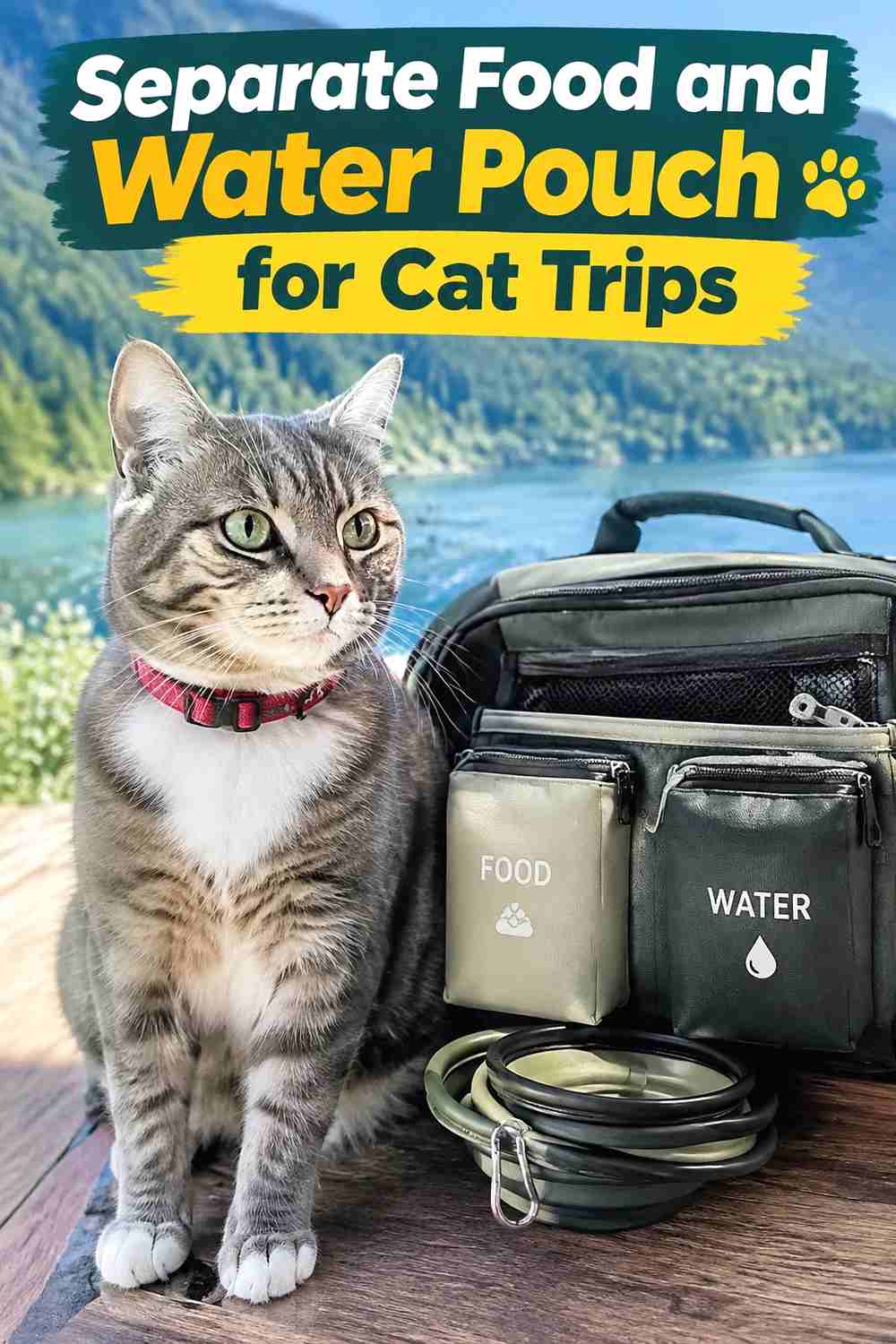
A dedicated food and water pouch keeps feeding supplies away from litter equipment, used towels, and cleanup products. Pack your cat’s usual food in secure containers or original packaging, along with a clean travel bowl and any other feeding items needed for the trip. Keep liquids sealed and upright where possible so a spill does not soak documents or bedding. For longer travel, organizing food by day can make it easier to see what remains without repeatedly opening the entire supply. Avoid using the travel bag as a place to experiment with unfamiliar foods. If your cat follows a veterinary feeding plan, keep those instructions with the appropriate supplies instead of changing the routine for convenience.
Use & Maintenance
Empty crumbs after the trip, wipe the pouch clean, and let any damp bowls dry fully before repacking.
3. Litter Supply Zip Pouch For Cleaner Cat Travel
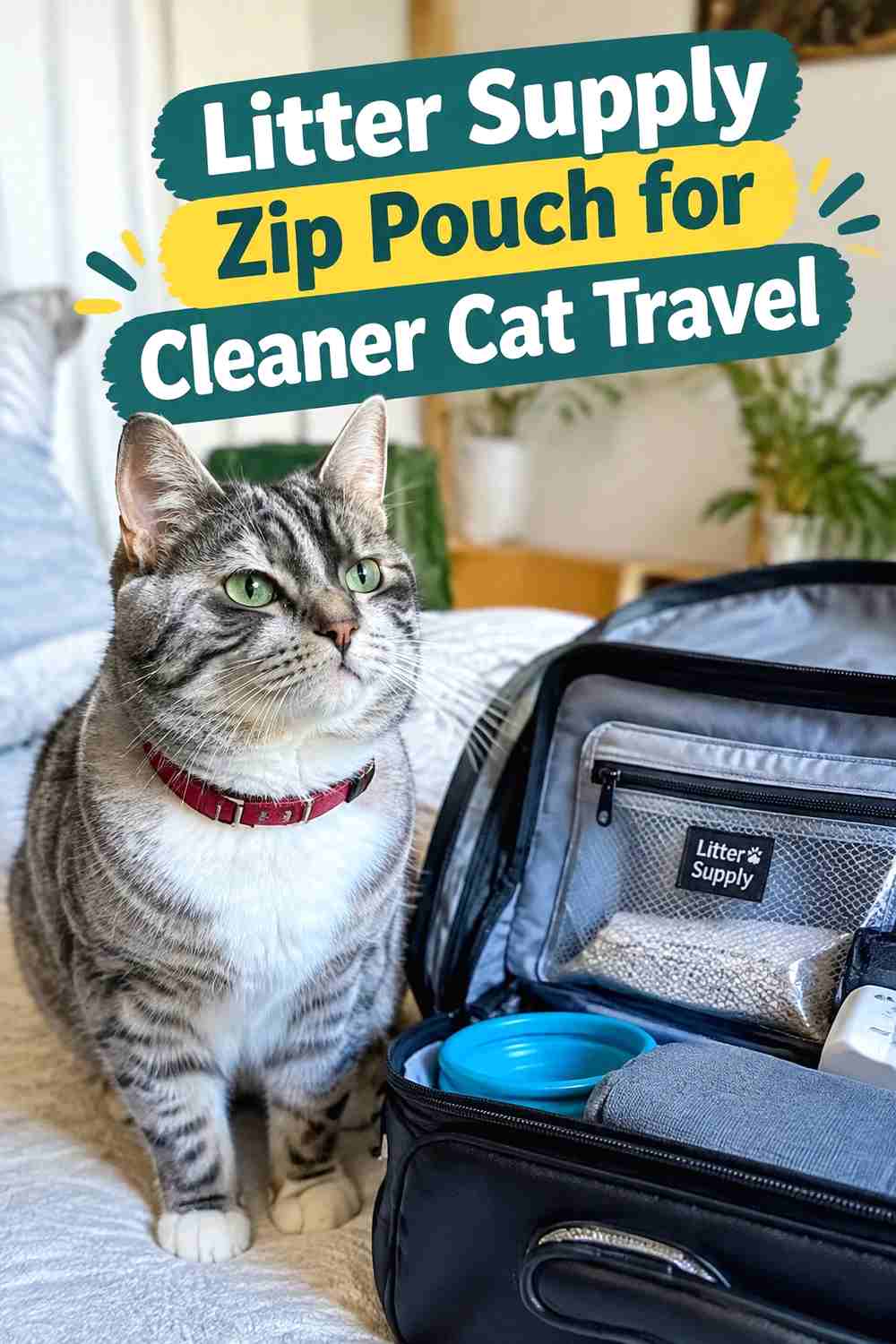
A litter supply pouch keeps granules, waste bags, and a small scoop contained instead of letting them migrate through the rest of the travel bag. Choose a wipeable zip pouch large enough for the essentials but small enough to lift out as one unit when you reach a secure stop or hotel room. Pack litter itself in a sealed container or bag rather than pouring loose material directly into the organizer. Keep this pouch separate from food and comfort items, especially once the scoop or waste supplies have been used. A small folded litter mat can sit beside it if space allows. After the trip, empty stray granules and clean reusable tools before returning them to storage.
Cleaning Notes
Use one clearly defined litter section so clean bedding and feeding supplies never need to share space with used litter tools.
4. Spare Carrier Liner Compartment For Messy Cat Journeys
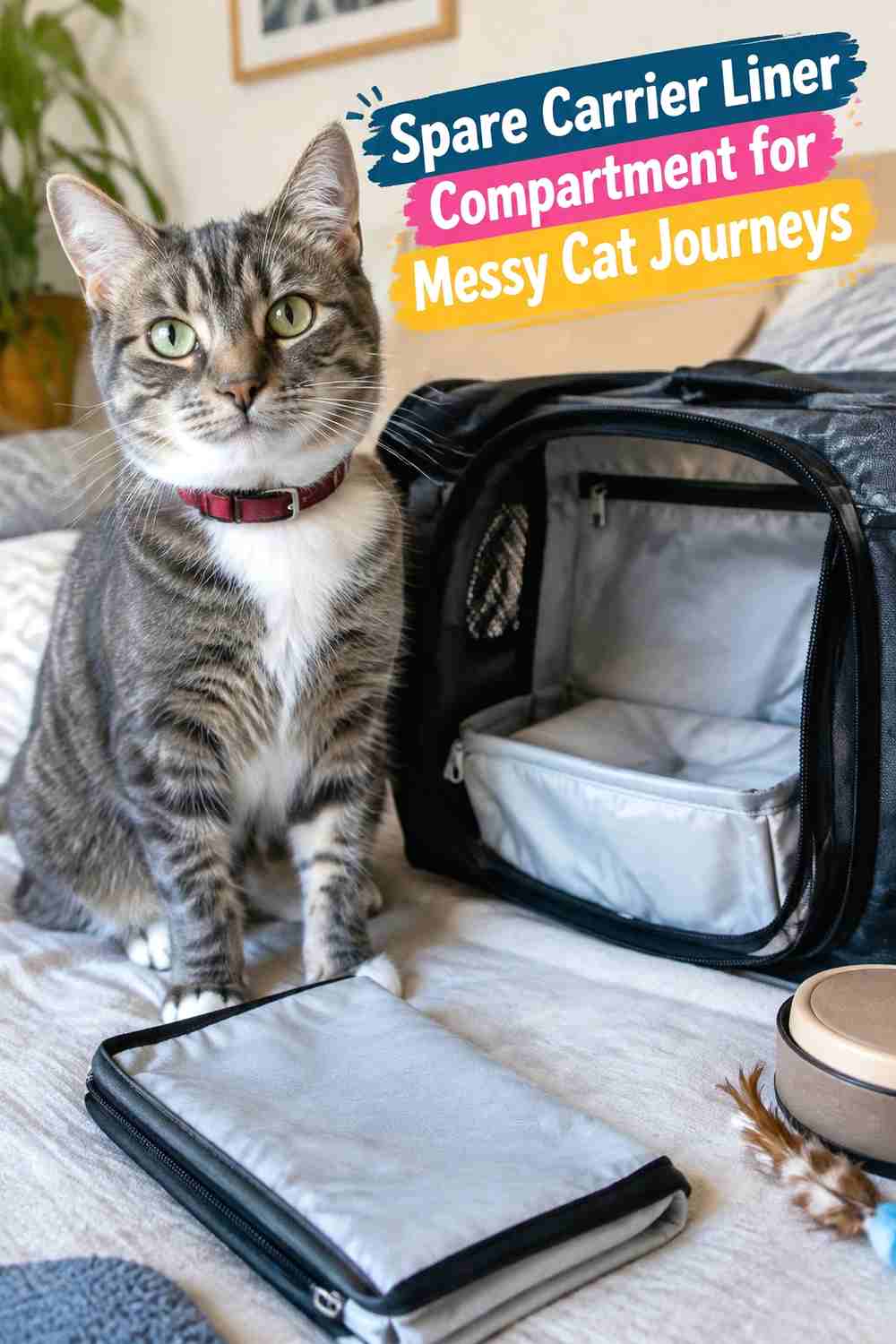
A dedicated compartment for spare carrier liners lets you replace wet or dirty bedding without unpacking the entire bag. Fold clean liners flat and store them in a dry interior section away from food, litter, and used cleanup items. For longer trips, pack enough replacements for the likely journey without filling every available inch with bedding. Add an empty waterproof bag beside the clean liners so a used pad or blanket can be isolated immediately. This arrangement is especially useful if your cat sheds heavily, spills water, or occasionally soils the carrier during travel. When you return home, wash reusable liners before repacking them rather than leaving used fabric sealed inside the travel bag.
Why It Works
Keeping clean replacements together makes a carrier reset faster and prevents soiled bedding from contaminating unused supplies.
5. Cleanup Kit Section For Easy Cat Travel Messes
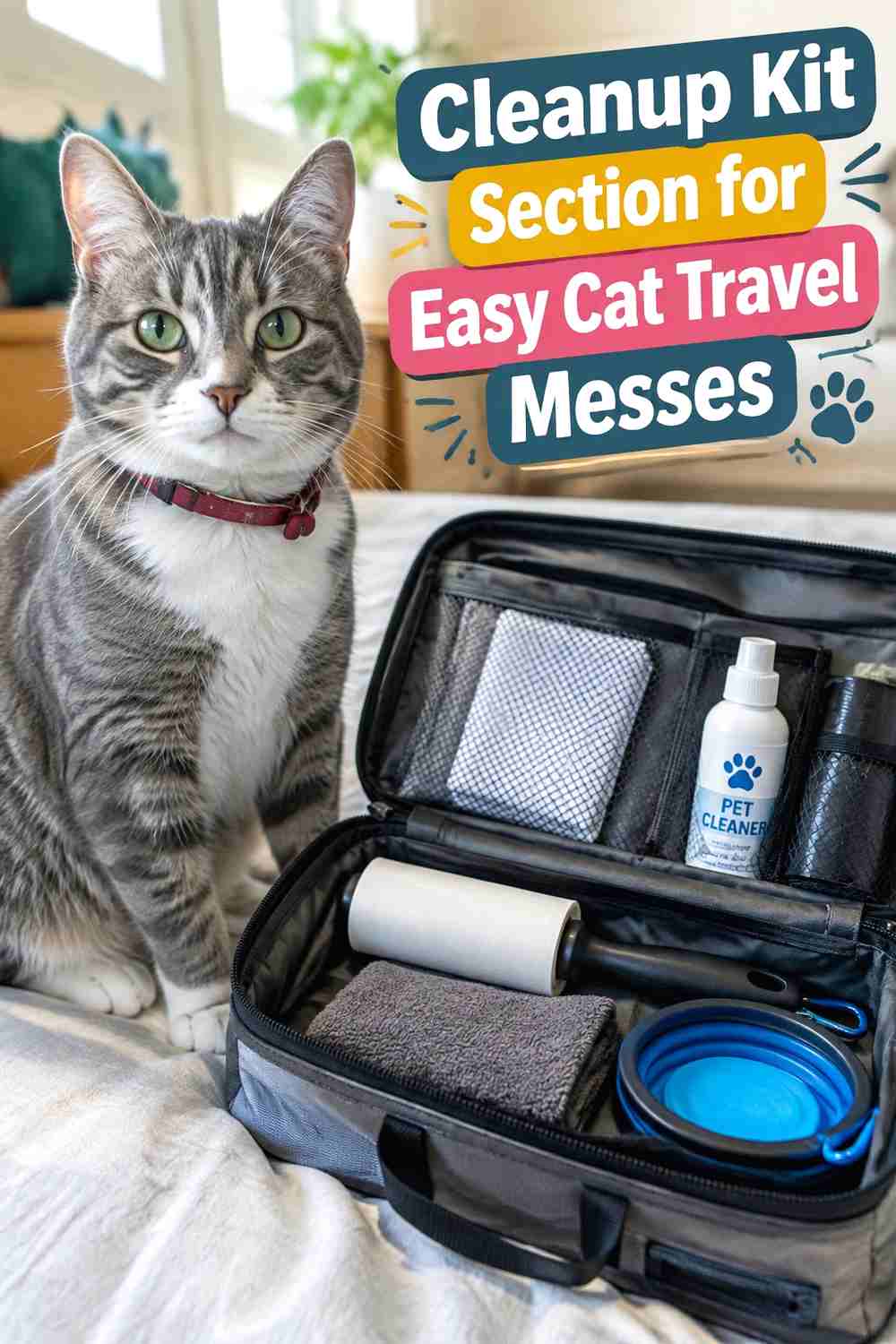
A cleanup section should be easy to grab when you need paper towels, washable cloths, waste bags, or other basic mess supplies. Store these together in one zip pouch instead of scattering them across several pockets. If you carry a cat-safe cleaning product, keep it tightly closed, clearly labeled, and separated from food and items the cat may contact directly. Include an empty bag for damp or soiled materials so used cloths do not go back beside clean ones. Keep the kit compact; carrying an entire household cleaning cabinet usually makes the travel bag harder to manage. Restock anything used once the trip ends so the pouch is ready before the next outing.
Setup Notes
Position this section near the top or side of the bag because cleanup supplies are most useful when they can be reached quickly.
6. Labeled Medication Pocket For Cats With Prescribed Travel Needs
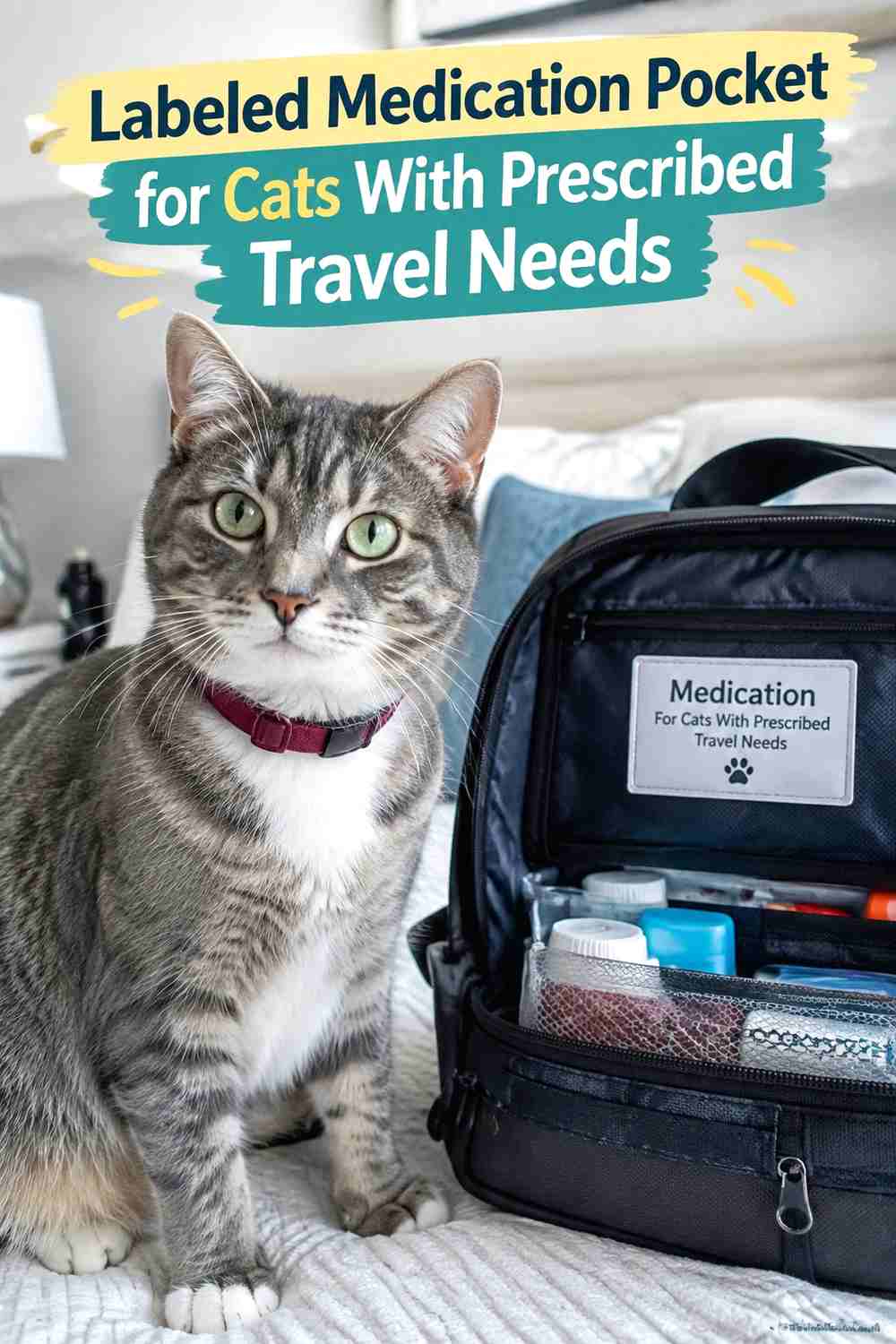
If your cat travels with prescribed medication, give it a clearly labeled, owner-only pocket rather than mixing it with treats, grooming items, or general supplies. Keep medication in its proper packaging with the prescribing instructions and store it according to the requirements provided by your veterinarian or pharmacist. The pocket should close securely and remain inaccessible to your cat, children, or other pets. For longer trips, keep relevant veterinary contact details nearby so you are not searching through the entire bag if questions arise. Do not add unnecessary medicines “just in case” or change how prescribed medication is used because of travel. Review quantities and expiration information before leaving.
Use & Maintenance
Remove old packaging after the trip and restock only according to your cat’s current prescribed needs.
7. Document Sleeve For Cat Travel Records And Identification
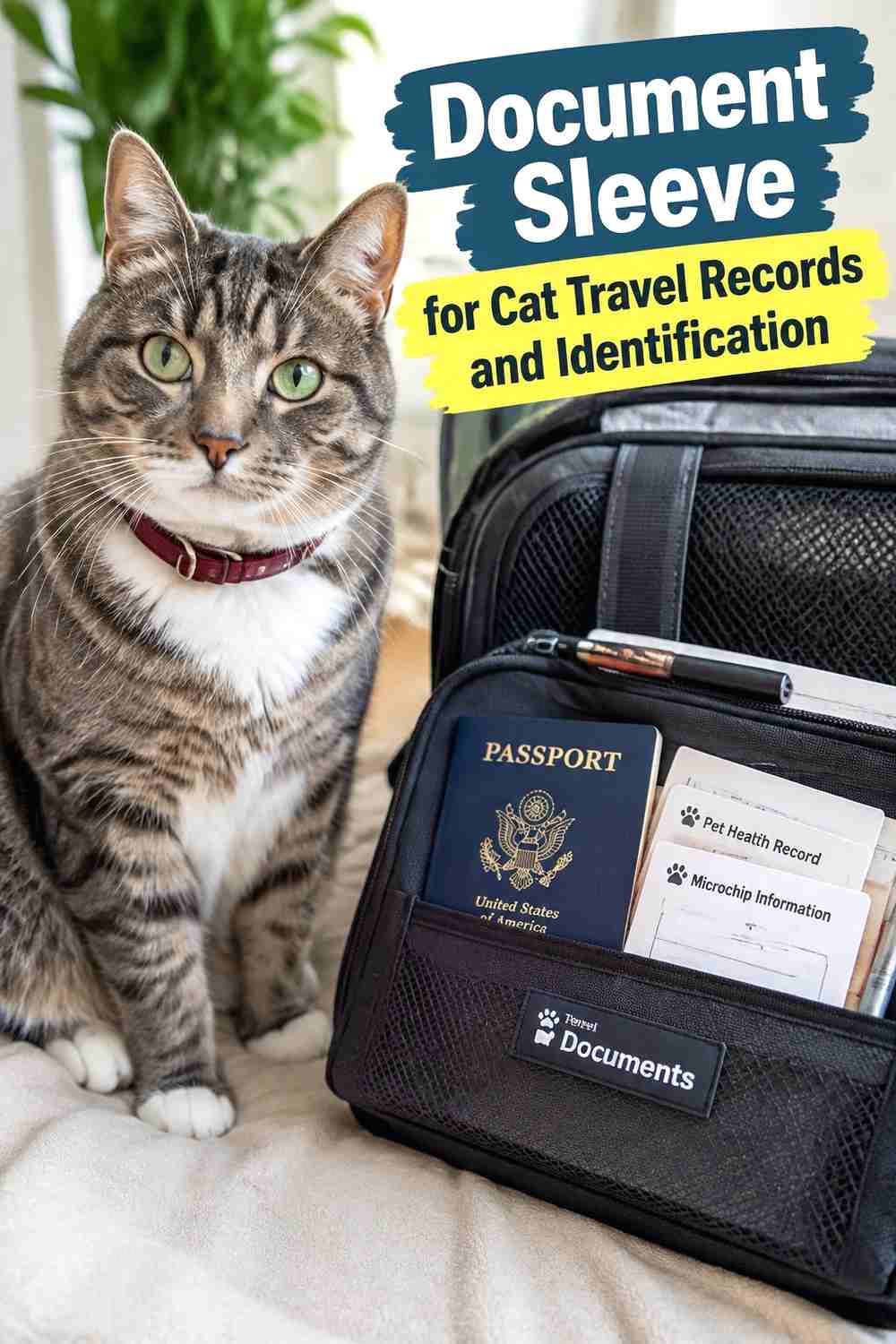
A flat document sleeve keeps important papers from becoming bent, wet, or buried beneath litter and bedding supplies. Use it for copies of identification details, relevant veterinary records, booking information, and any destination-specific documents your trip actually requires. A transparent or clearly labeled sleeve lets you confirm contents without emptying the bag. Keep original documents somewhere secure when copies are sufficient, and avoid displaying unnecessary personal details where strangers can see them. Digital copies on your phone can provide a useful backup, but a paper sleeve is convenient when a location requests physical documentation. Position it away from water bottles, damp towels, and cleaning products to reduce the chance of damage.
Pro Tip
Review documents before every major trip because contact information, bookings, and veterinary records can become outdated.
8. Small Toy And Comfort Pouch For Traveling Cats
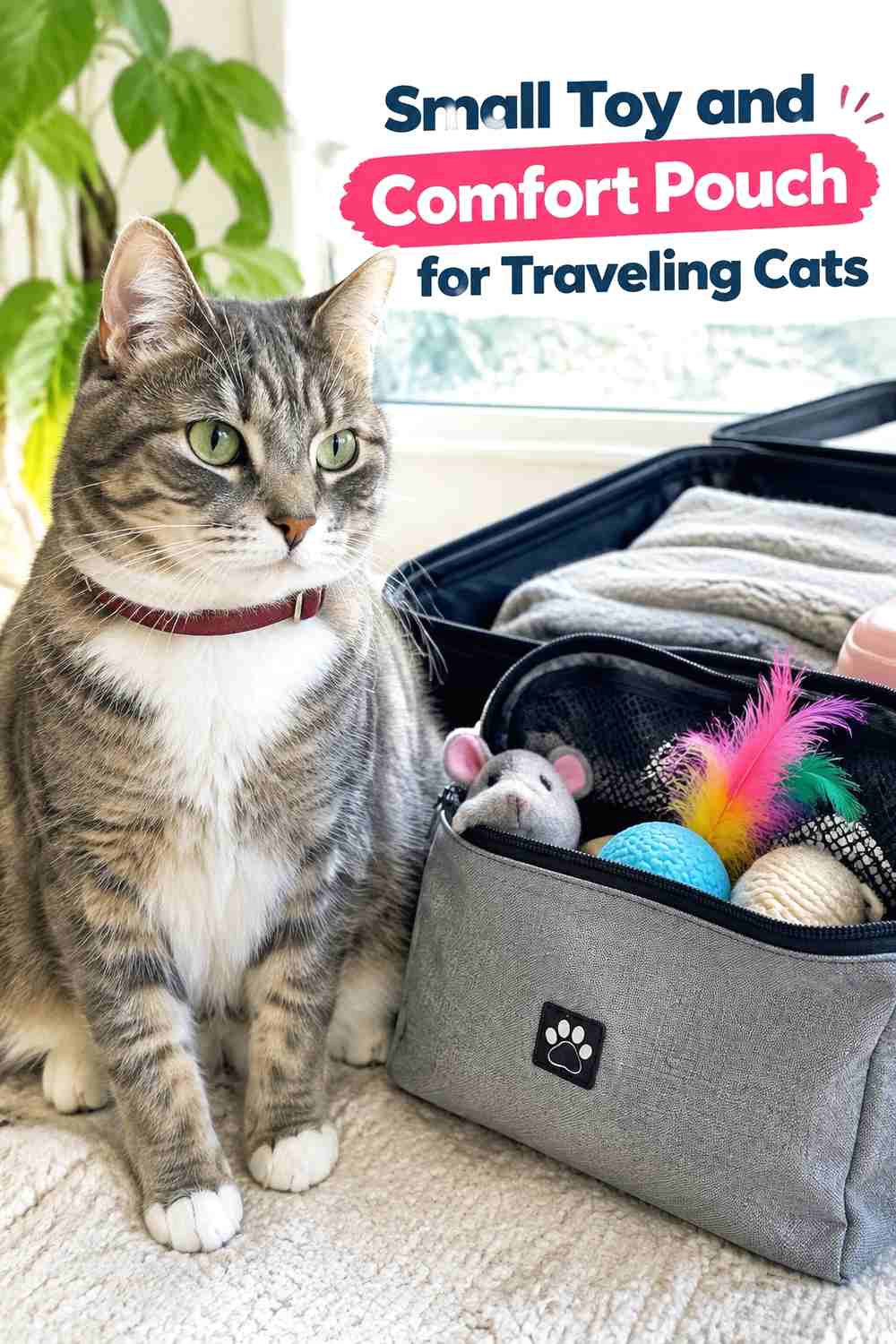
A small comfort pouch keeps familiar items together without letting toys take over the whole travel bag. Pack one or two things your cat already knows, such as a familiar scent cloth, lightweight blanket piece, or simple favorite toy that is appropriate for supervised use. Avoid introducing a pile of brand-new toys during an already unfamiliar trip. Keep comfort items clean and separate from litter supplies so familiar fabrics do not pick up unwanted odors. If a toy has strings, feathers, or detachable parts, store it securely and use it only when supervision is appropriate. After travel, wash fabric items when needed and inspect toys for damage before returning them to the pouch.
Best For
Cats that settle more easily when a small piece of their normal home routine travels with them.
9. Color Coded Multi Cat Travel Bag Organization System
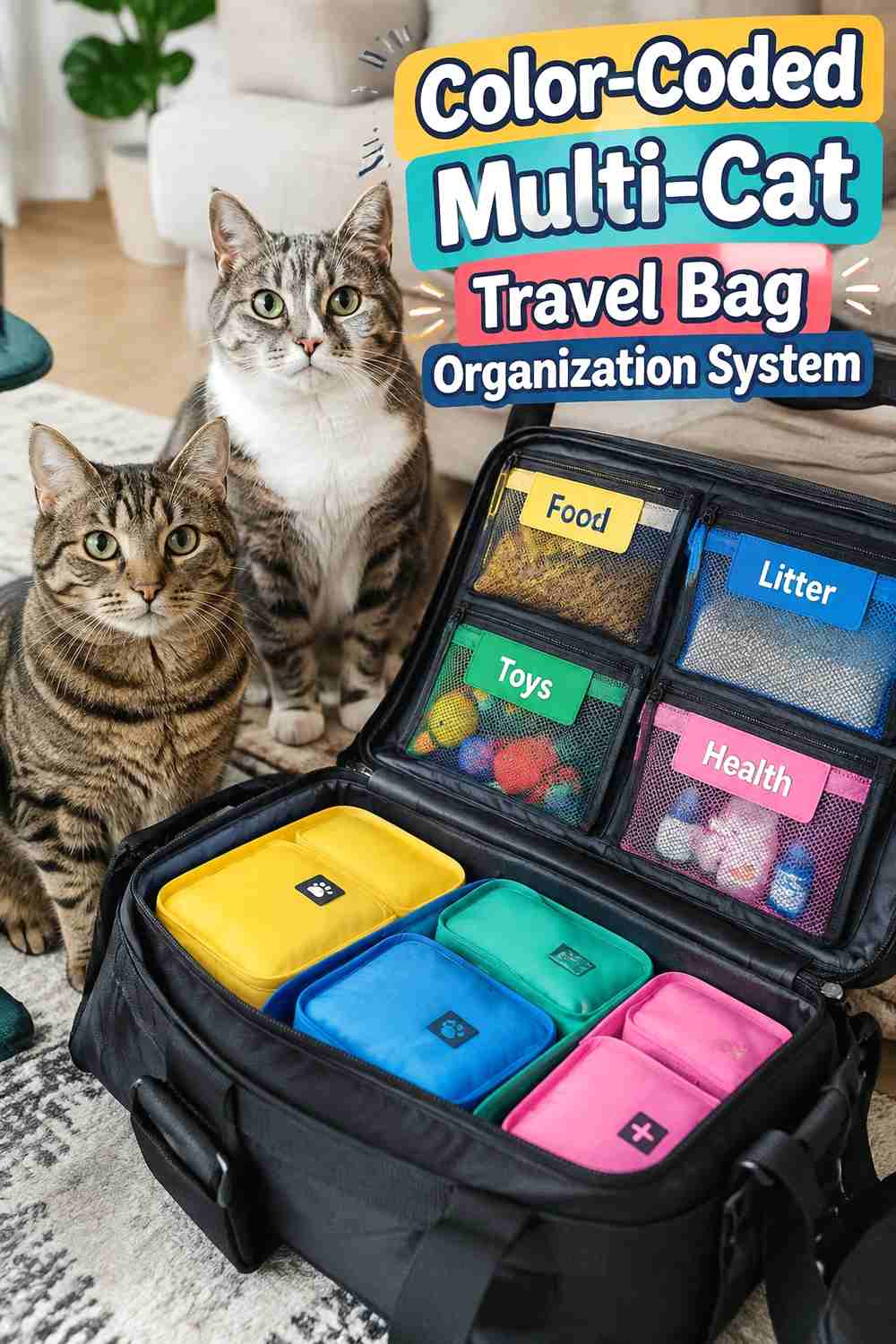
A color-coded system can prevent supplies from getting mixed up when two or more cats travel together. Assign each cat a simple pouch color, tag, or label for individual items such as liners, prescribed medications, identification records, or comfort cloths. Shared supplies like cleanup materials can stay in a neutral central section. The colors are only an organization aid, so keep written names on anything where identification truly matters. Separate carriers are still useful even when some bag supplies are shared. Before departure, check each cat’s section individually rather than assuming the main bag is complete. This approach can be especially helpful when cats have different feeding routines, carrier sizes, or veterinary needs.
Why It Works
Clear visual separation makes it easier to find the correct individual item without sorting through nearly identical supplies at a busy stop.
10. Return Home Reset Section For Repacking Cat Travel Supplies
You May Also Like



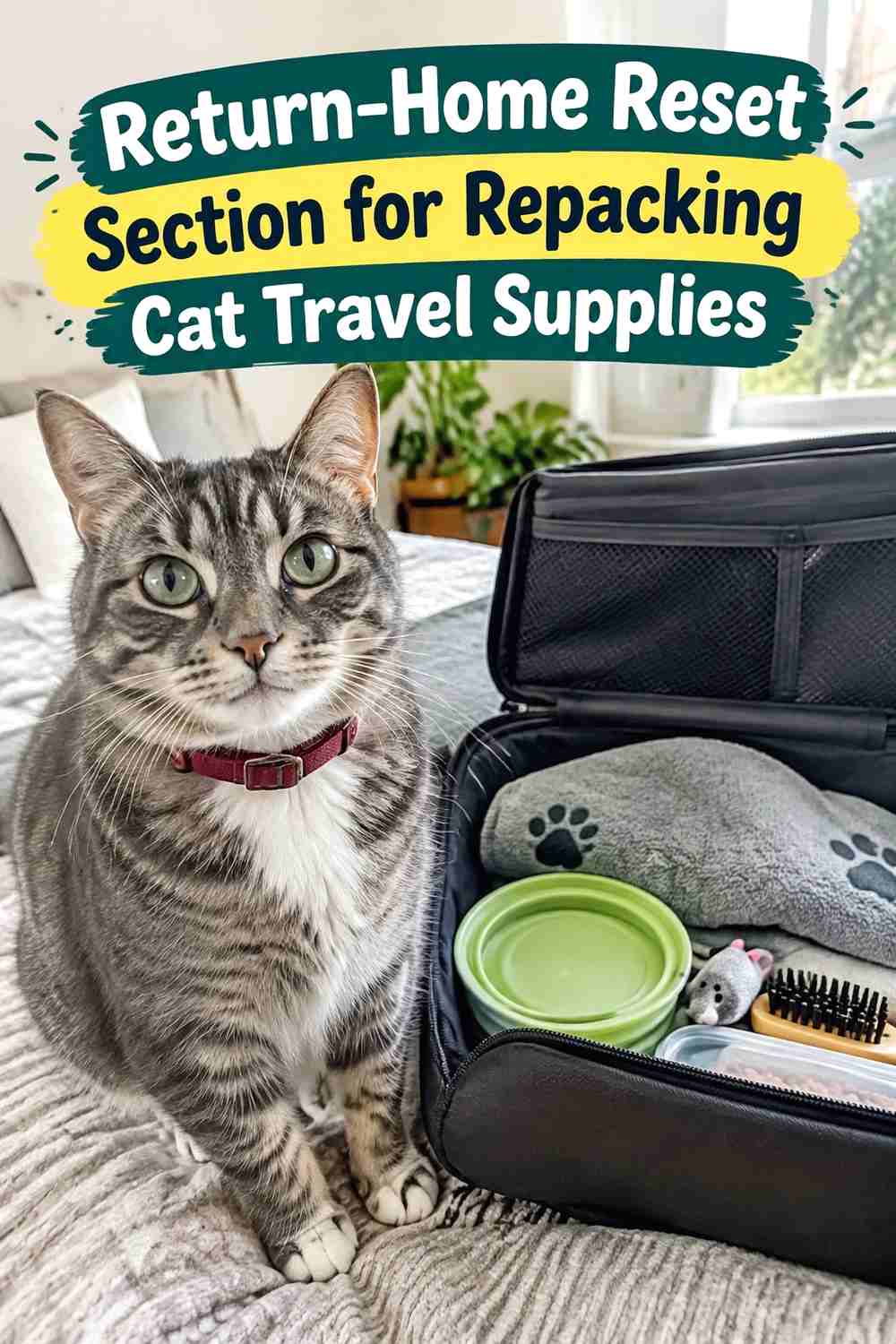
A return-home reset section turns unpacking into part of the organization system instead of letting the travel bag remain half-used until the next trip. Designate one temporary pocket for items that need washing, replacing, or restocking when you get home, such as an empty waste-bag roll wrapper, used cloth, or note about low supplies. Remove everything from this section promptly after the trip and clean the bag if litter, food, or moisture has spilled inside. Then replace clean liners, waste bags, and other reusable basics before storing it. Do not leave food, medication, damp fabric, or dirty litter tools packed away between trips. A reset travel bag is much easier to check quickly before the next outing.
Use & Maintenance
Keep a short reusable packing checklist inside the empty bag so the final reset takes only a simple item-by-item review.
How to Choose the Right Idea
Organize the bag around the kind of travel you actually do. A short veterinary visit may only need carrier essentials, identification, and cleanup supplies, while a road trip or overnight stay may require separate zones for food, litter, spare bedding, comfort items, and records.
Bag size matters too. More compartments are not automatically better if every pocket becomes difficult to remember. Choose a few clear categories, label them, and keep the items you need most often closest to the opening.
For multi-cat travel, separate individual supplies while keeping truly shared items together. Store anything potentially hazardous, including medication, cleaning products, plastic bags, and small accessories, in secure closed compartments. After every trip, remove used materials, wash what needs cleaning, and reset the bag before storing it.
Final Thoughts
A useful cat travel bag should help you find things quickly, keep clean and dirty supplies apart, and avoid carrying unnecessary clutter. Start with broad zones for carrier needs, feeding, litter, cleanup, documents, and comfort, then adjust the system after a few trips based on what you actually reach for.
FAQs
1. What should go in the easiest-to-reach pocket of a cat travel bag?
Use it for immediate essentials such as waste bags, a clean cloth, identification information, or another item you may need without unpacking the main bag.
2. Should cat food and litter supplies be stored together?
It is better to keep them in separate sealed sections. This makes the bag cleaner and reduces the chance of litter granules or used tools getting near feeding supplies.
3. How should I organize a travel bag for two cats?
Give each cat clearly labeled or color-coded sections for individual items and keep only genuinely shared supplies, such as general cleanup materials, in a central compartment.
4. Where should prescribed cat medication go during travel?
Keep it in a secure labeled pocket in its proper packaging, with the relevant instructions, and store it according to veterinary or pharmacy guidance.
5. How do I keep a cat travel bag ready between trips?
Empty used items as soon as you return, wash reusable supplies, restock essentials, remove old food or medication, and store the bag clean and dry.
Save these cat travel bag organization ideas and build a simple packing system that makes every carrier trip easier to prepare, manage, and reset.
