Make your cat’s carrier more comfortable with soft surfaces, familiar scents, stable placement, good airflow, and simple setups that are easy to clean.
Save This Idea on Pinterest

17 Cat Carrier Comfort Ideas
Save to PinterestCat carrier comfort starts with the basics: enough usable space, stable footing, ventilation, familiar materials, and a setup that does not slide or overheat. Small adjustments can make the carrier easier to use for car trips, veterinary visits, moving days, or other necessary travel.
These ideas include changes you can make inside the carrier, ways to build familiarity at home, and practical choices for waiting areas, vehicles, and arrival. Every cat responds differently, so use the options that suit your cat’s size, age, mobility, temperament, and usual response to travel.
Quick List
- Soft Washable Carrier Liner for Comfortable Cat Travel
- Familiar Blanket Setup for a More Relaxed Cat Carrier
- Non-Slip Carrier Mat for Stable Cat Travel Comfort
- Breathable Partial Cover for a Quieter Cat Carrier
- Correct-Size Carrier Setup for Comfortable Cat Movement
- Removable Cushion Insert for Cozy Cat Carrier Rest
- Familiar Scent Cloth for a Comforting Cat Carrier
- Absorbent Backup Pad for Cleaner Cat Carrier Trips
- Calm Pre-Trip Carrier Setup for Nervous Indoor Cats
- Open-Door Carrier Bed for Everyday Cat Familiarity
- Quiet Waiting Spot for Cats Resting in Carriers
- Temperature-Smart Carrier Placement for Comfortable Cat Travel
- Wide-Opening Carrier Setup for Easier Cat Entry and Exit
- Separate Carrier Setup for Comfortable Multi-Cat Travel
- Stable Back-Seat Carrier Position for Smoother Cat Travel
- Easy-Clean Carrier Kit for Comfortable Longer Cat Trips
- Quiet Arrival Setup for Cats Leaving Travel Carriers
1. Soft Washable Carrier Liner For Comfortable Cat Travel
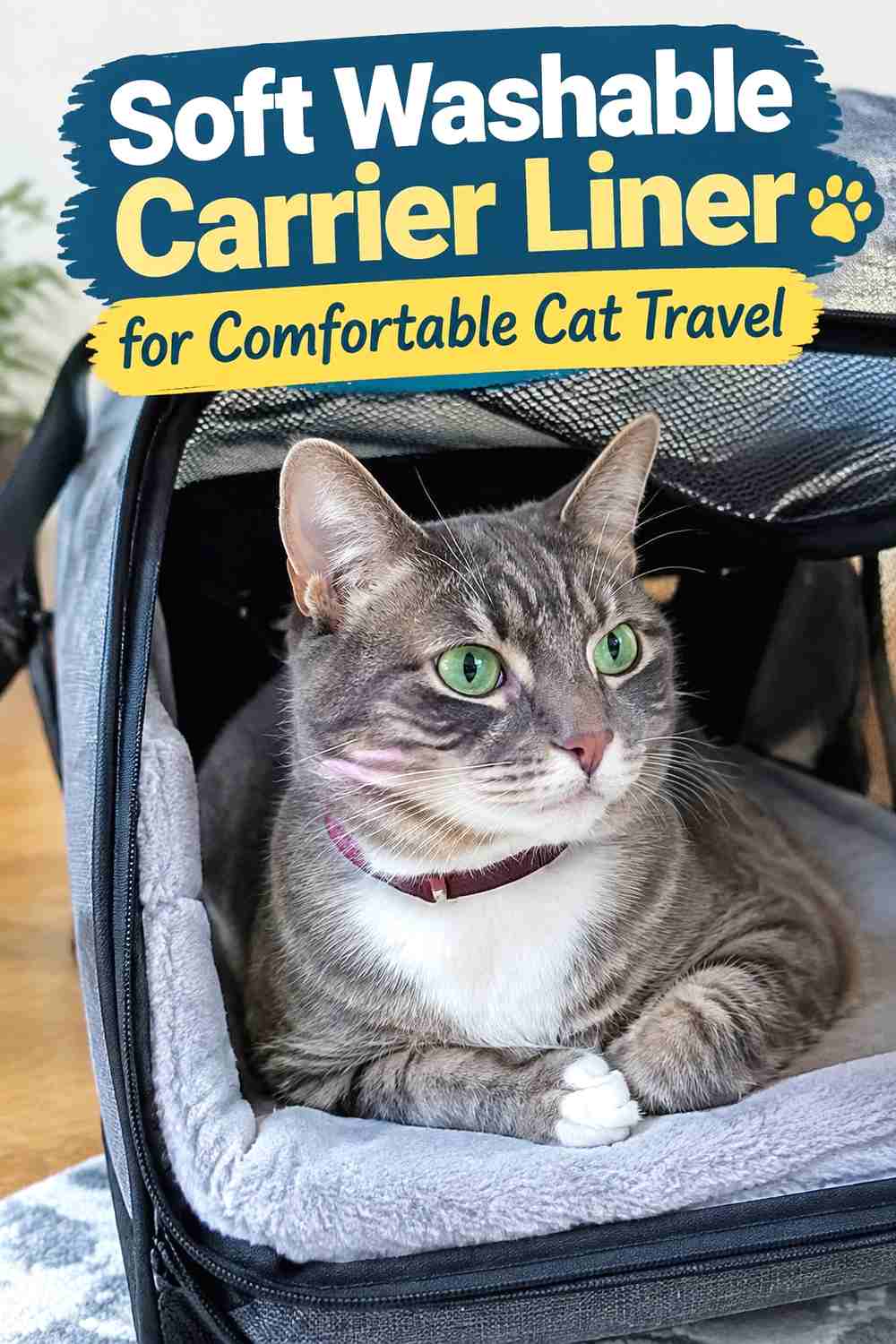
A soft washable liner gives your cat a more comfortable surface than a bare plastic carrier floor while keeping cleanup manageable. Choose a flat liner that fits the base closely without bunching under paws or blocking the door. Thin fleece, a washable pet pad, or another smooth fabric layer can work if your cat does not chew or pull at it. Avoid thick bedding that reduces headroom or makes the carrier feel cramped. A removable liner is especially useful for longer journeys because you can pack a clean replacement. Check the surface before every trip and replace it if it becomes wet, heavily soiled, or damaged enough to expose loose threads.
Best For
Cats that prefer soft resting surfaces and carriers with firm plastic or metal bases.
Cleaning Notes
Keep one spare liner ready so a messy trip does not leave your cat sitting on a damp surface.
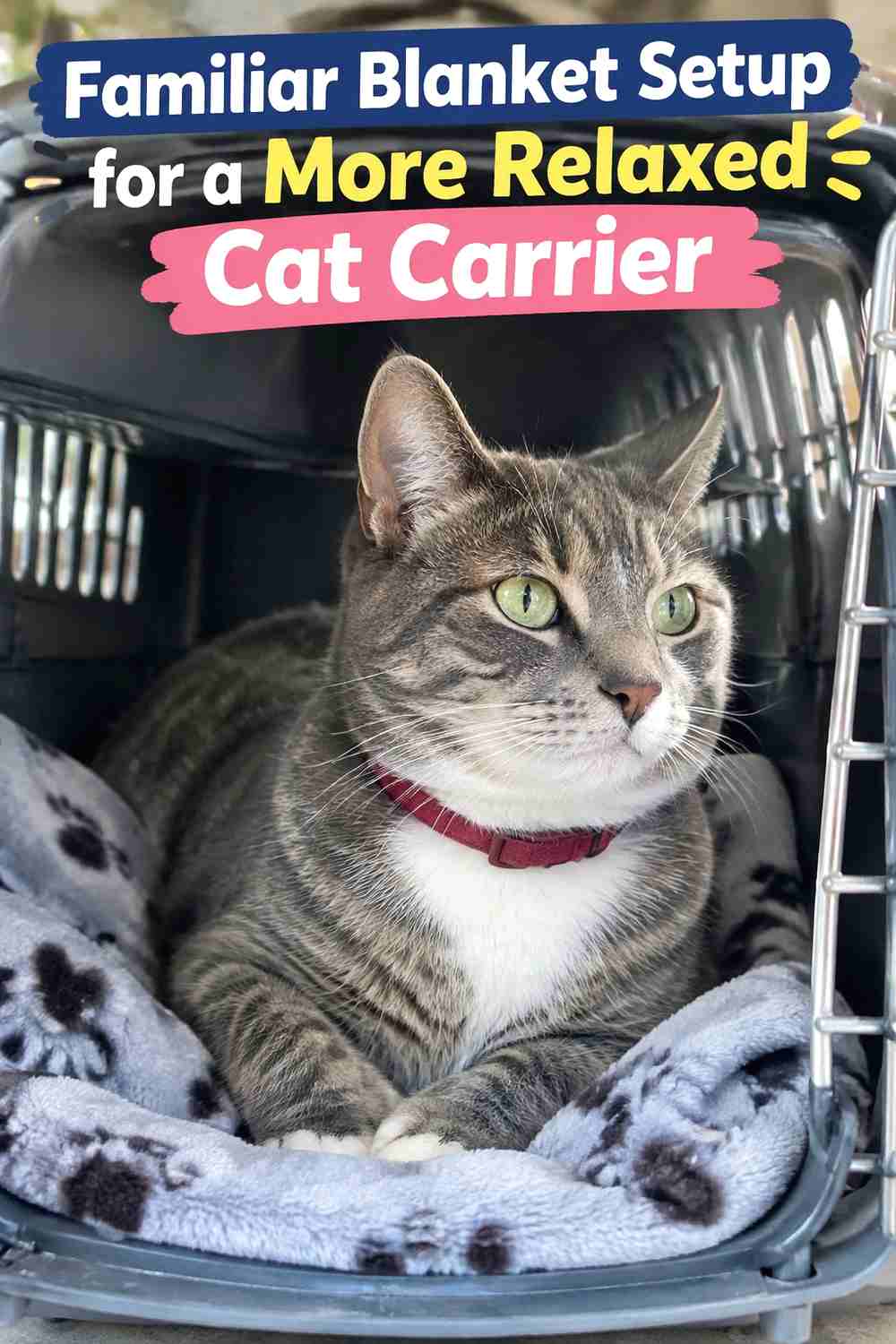
2. Familiar Blanket Setup For A More Relaxed Cat Carrier
You May Also Like


A familiar blanket can make a travel carrier feel less unfamiliar by adding a texture and scent your cat already knows from home. Choose a lightweight blanket the cat regularly rests on and fold it into a thin layer across the carrier floor. Leave enough room for normal sitting, turning, and lying down rather than filling the carrier with bulky folds. Avoid blankets with tassels, loose fringe, or damaged threads that invite chewing. If the trip is long, carry a second clean blanket in case the first becomes wet or dirty. Some cats prefer very little bedding, so watch how your cat settles and simplify the setup if the extra fabric seems uncomfortable.
Why It Works
A familiar item can make the carrier environment feel more recognizable without adding complicated equipment.
Pro Tip
Place the blanket in the carrier at home before travel day so it already feels like part of the setup.
3. Non Slip Carrier Mat For Stable Cat Travel Comfort
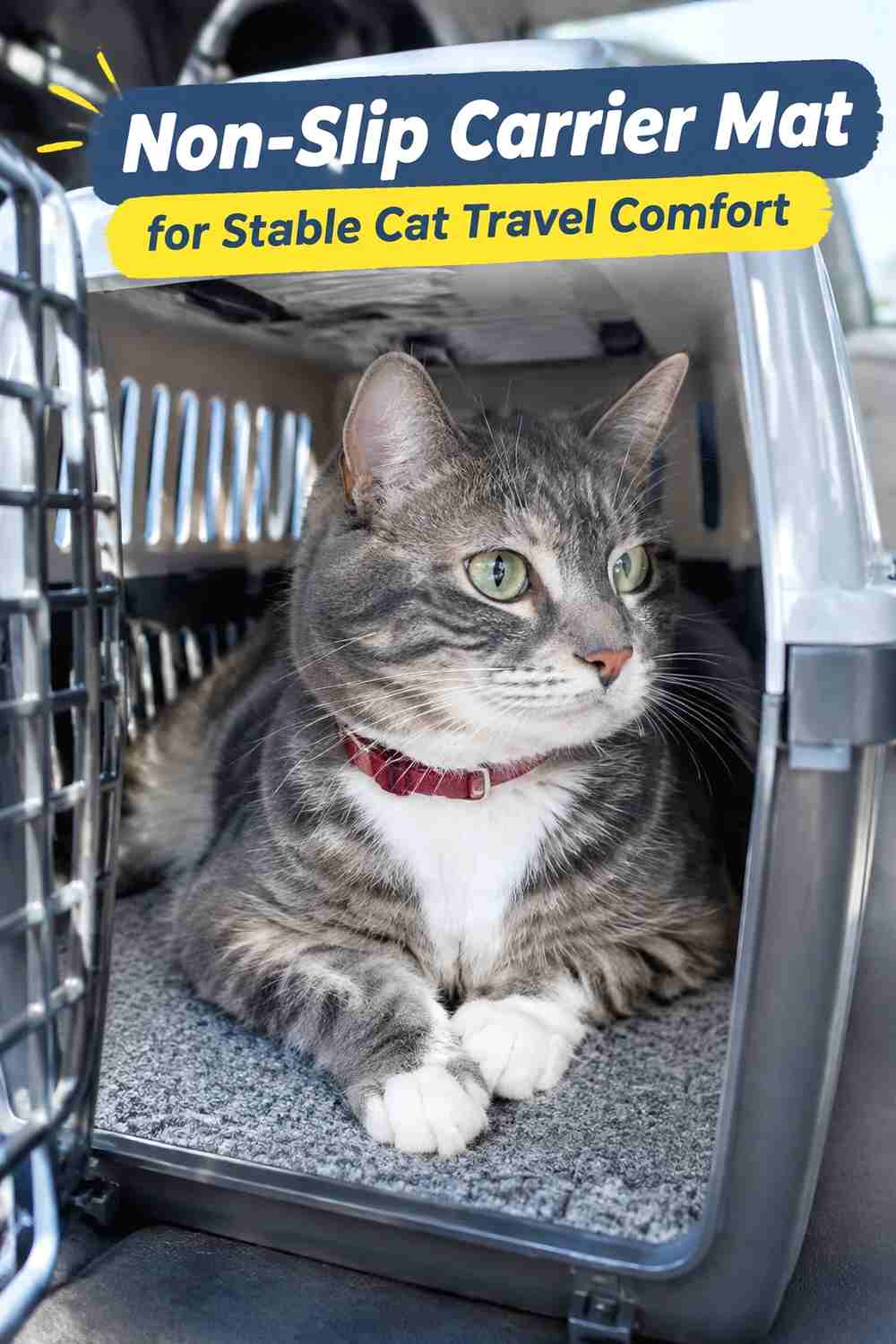
A non-slip carrier mat can improve footing when a cat shifts position during movement. Choose a thin, washable mat that stays flat against the carrier base instead of sliding from side to side. This is especially useful in hard-sided carriers where paws may otherwise move across smooth plastic. Keep the mat large enough to cover the main resting area but small enough that doors and latches still close normally. Avoid thick rubber pieces with loose corners that a cat can chew. During longer trips, check whether the mat has folded or moved out of position. Stable footing can be particularly useful for older cats or cats that prefer standing briefly before settling down.
Best For
Cats that seem uncomfortable on smooth carrier floors or frequently reposition themselves during travel.
Use & Maintenance
Wash the mat when needed and replace it if curling edges or chewing damage prevent it from lying flat.
4. Breathable Partial Cover For A Quieter Cat Carrier
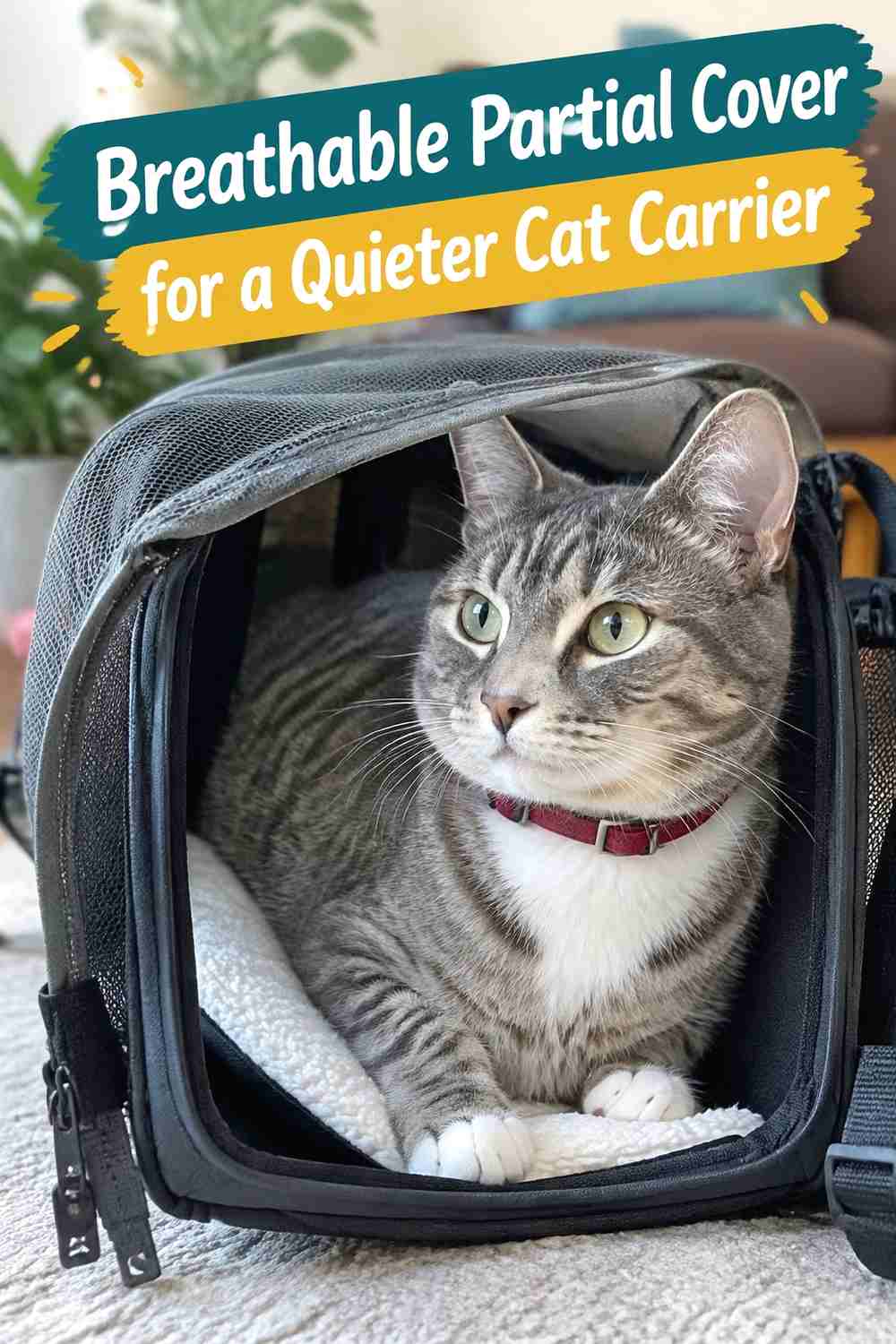
A breathable partial cover can reduce some visual activity around the carrier while still allowing plenty of airflow. Drape a lightweight cloth over the top and one or two sides, leaving ventilation panels clearly open. This can be useful in busy waiting areas or during travel when passing movement seems to keep your cat alert. Do not wrap the entire carrier or use heavy fabric that traps heat. Some cats prefer seeing their surroundings, so treat the cover as an adjustable option rather than a requirement. Secure the cloth so it cannot fall inside the carrier. If your cat seems more comfortable without it, remove the cover and keep the carrier fully open to view.
Best For
Cats that appear more settled when some surrounding movement is screened from view.
Comfort & Safety
Always prioritize ventilation and temperature over making the carrier darker.
5. Correct Size Carrier Setup For Comfortable Cat Movement
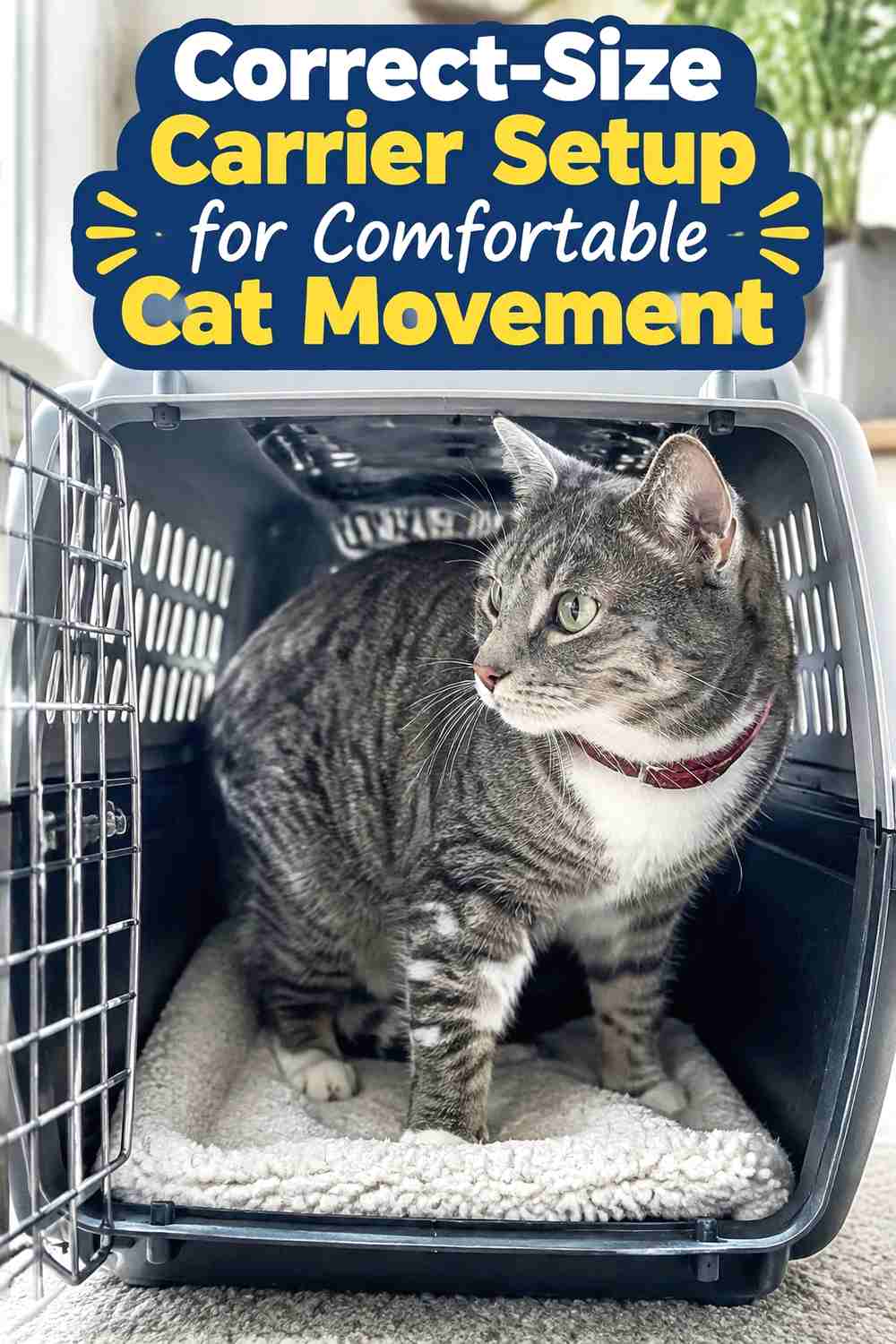
A correctly sized carrier should give your cat enough room to stand, turn around, and lie down naturally without creating a huge empty space that is difficult to stabilize. Check the carrier against your cat’s current body size rather than assuming one purchased years ago still fits. Large breeds and growing kittens may need an upgrade sooner than expected. The carrier should also be manageable for the person lifting it once the cat is inside. Avoid filling extra space with bulky pillows simply to make an oversized carrier feel smaller. Good usable space comes from matching the carrier to the cat, then adding only a thin liner or other practical comfort layer.
Pet Type & Life Stage
Reassess carrier size as kittens grow, adult cats gain or lose size, or senior cats need easier movement.
Pro Tip
Test the carrier at home when there is no trip scheduled so you can notice sizing problems before travel day.
6. Removable Cushion Insert For Cozy Cat Carrier Rest
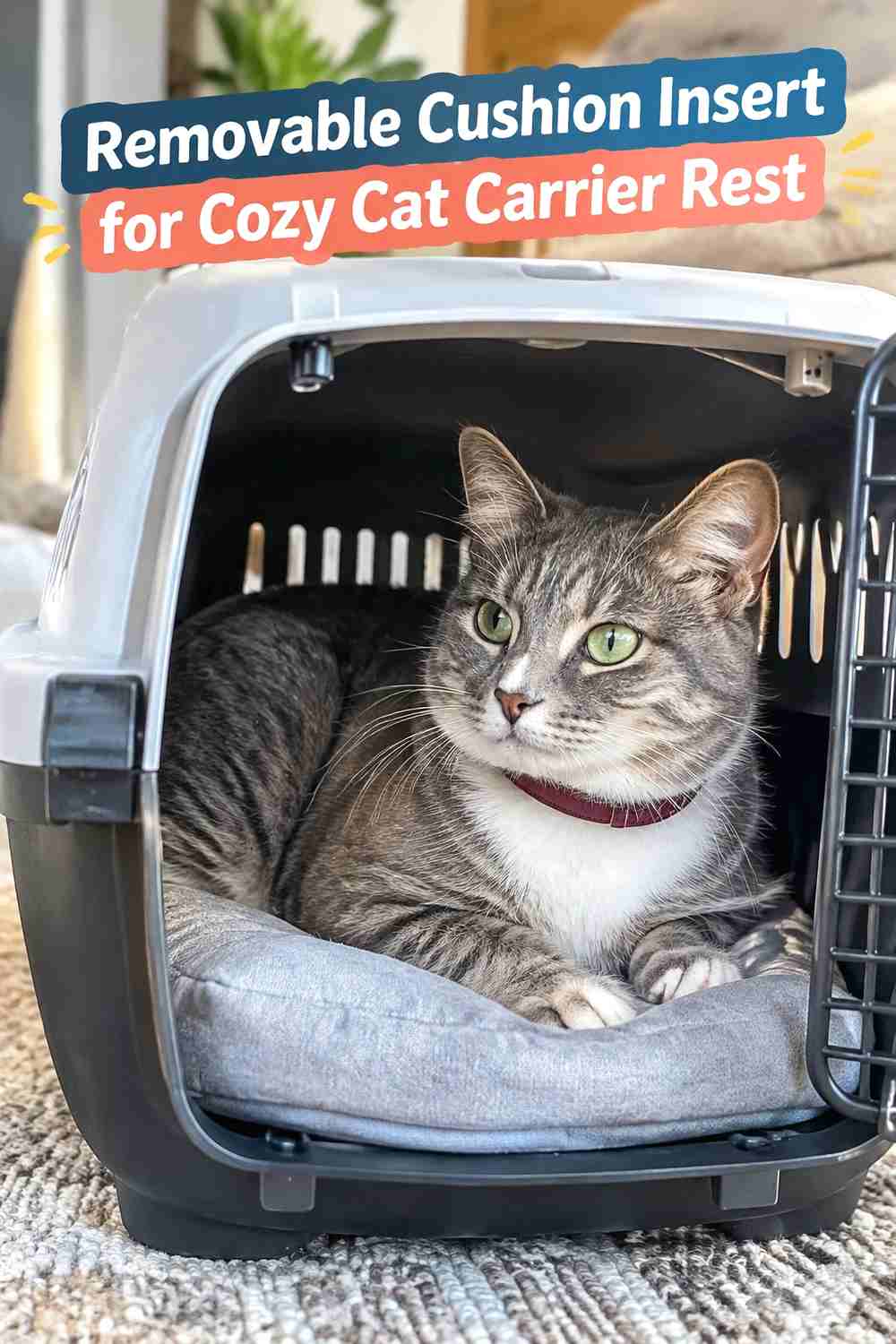
A thin removable cushion can make the carrier floor more comfortable for cats that like a little padding under their body. Choose a low-profile insert that fits securely and does not reduce headroom, crowd the doorway, or block ventilation. A washable cover is useful because fur, litter, drool, or accidents can quickly make travel bedding dirty. Keep the cushion firm enough that your cat can stand without sinking deeply into it. If your cat digs, chews, or pulls at padded items, a simpler flat liner may be a better choice. Test the insert at home first and watch whether your cat actually chooses to lie on it before bringing it on a longer trip.
Best For
Cats that prefer padded beds but do not chew or shred soft carrier bedding.
Cleaning Notes
Wash the cover after messy trips and check the cushion for exposed filling before putting it back into the carrier.
7. Familiar Scent Cloth For A Comforting Cat Carrier
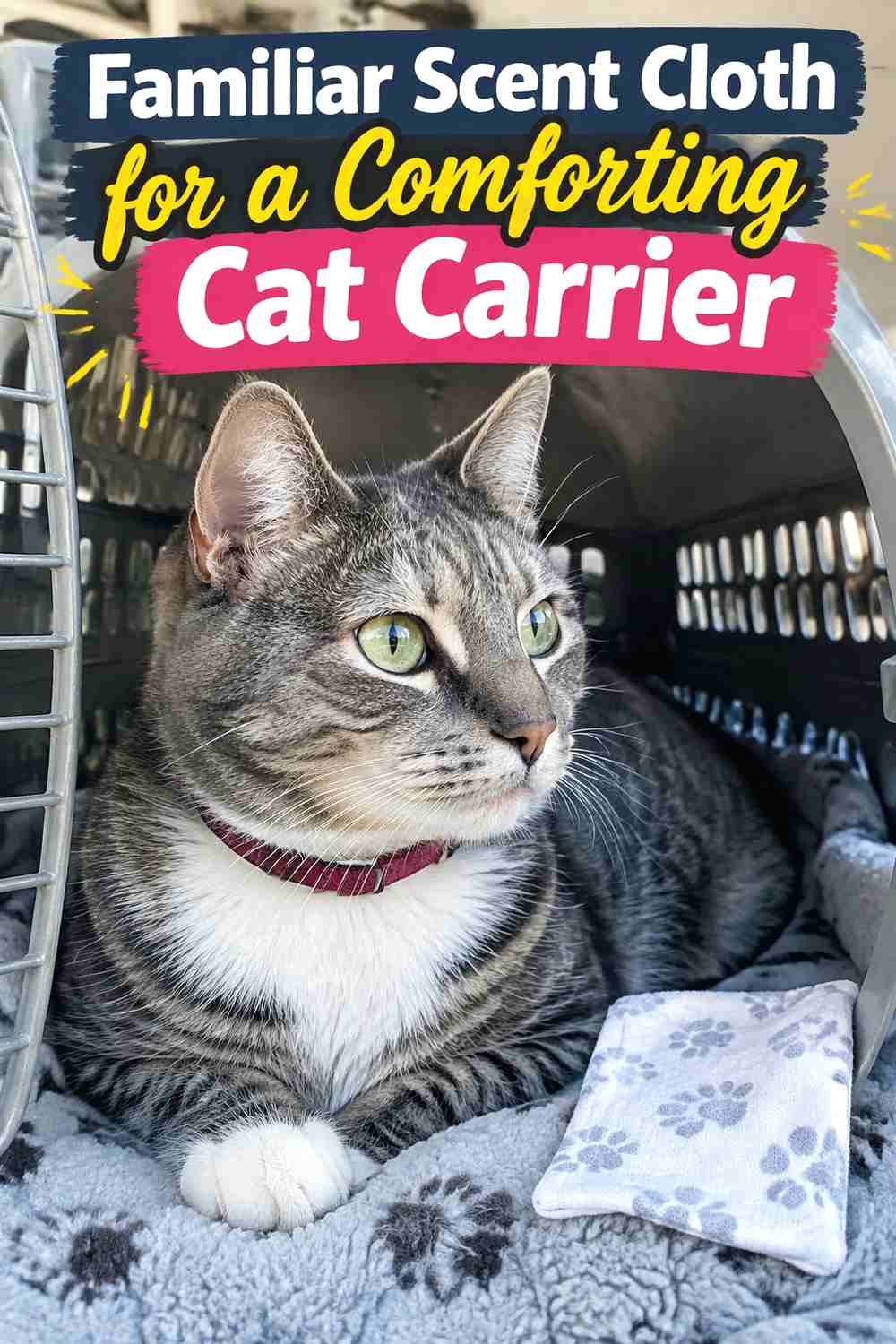
A small familiar scent cloth adds a recognizable home smell without taking up the space of a full blanket. Choose a clean piece of fabric your cat has already rested on and place it flat beside or beneath the main liner. The cloth should be free from fringe, ribbons, strings, and loose threads. Avoid adding perfumes, essential oils, or heavily scented sprays because the goal is familiarity, not introducing another strong odor. This idea works well when the carrier already has enough padding but you want one familiar item from home. Pack a second cloth for longer journeys in case the first becomes wet or dirty.
Best For
Cats that have favorite sleeping fabrics but do not need a bulky blanket inside the carrier.
Pro Tip
Place the cloth in a favorite resting spot at home before the trip so it naturally picks up familiar household scent.
8. Absorbent Backup Pad For Cleaner Cat Carrier Trips
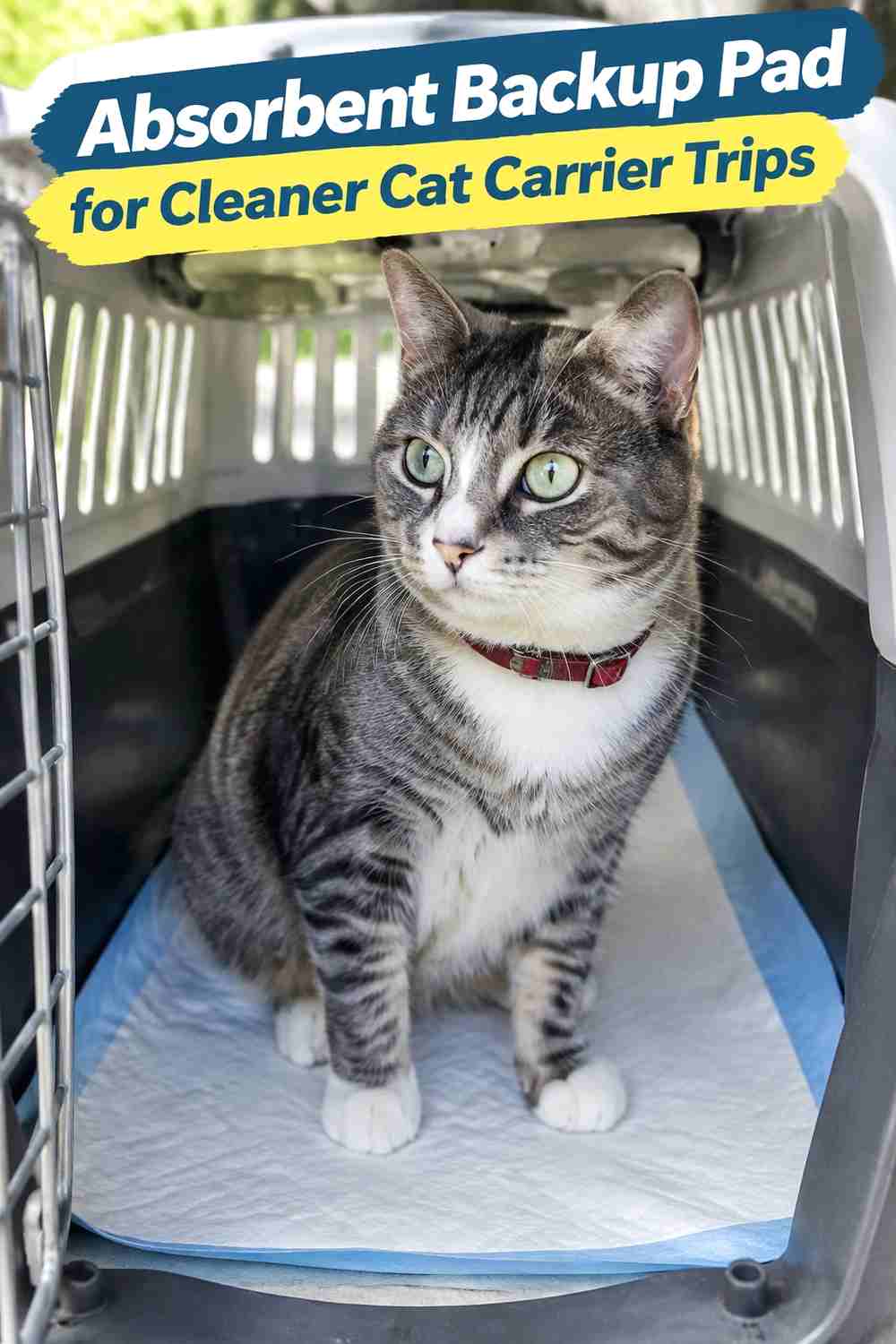
An absorbent backup pad can make the carrier easier to manage if your cat has an accident, spills water, or becomes sick during necessary travel. Place a flat washable or disposable pet-appropriate pad underneath the usual liner so it does not create a crinkly or unfamiliar main surface. Pack a clean replacement along with a bag for soiled materials. The pad should fit neatly inside the carrier rather than folding up around the cat’s legs. This setup is particularly useful for longer trips, but it can also make short journeys easier to clean afterward. Replace damp materials promptly when you can do so in a secure environment.
Why It Works
The backup layer protects the carrier base while letting the main comfort liner remain soft and familiar.
Cleaning Notes
Keep used pads sealed separately from clean bedding until you can dispose of or wash them properly.
9. Calm Pre Trip Carrier Setup For Nervous Indoor Cats
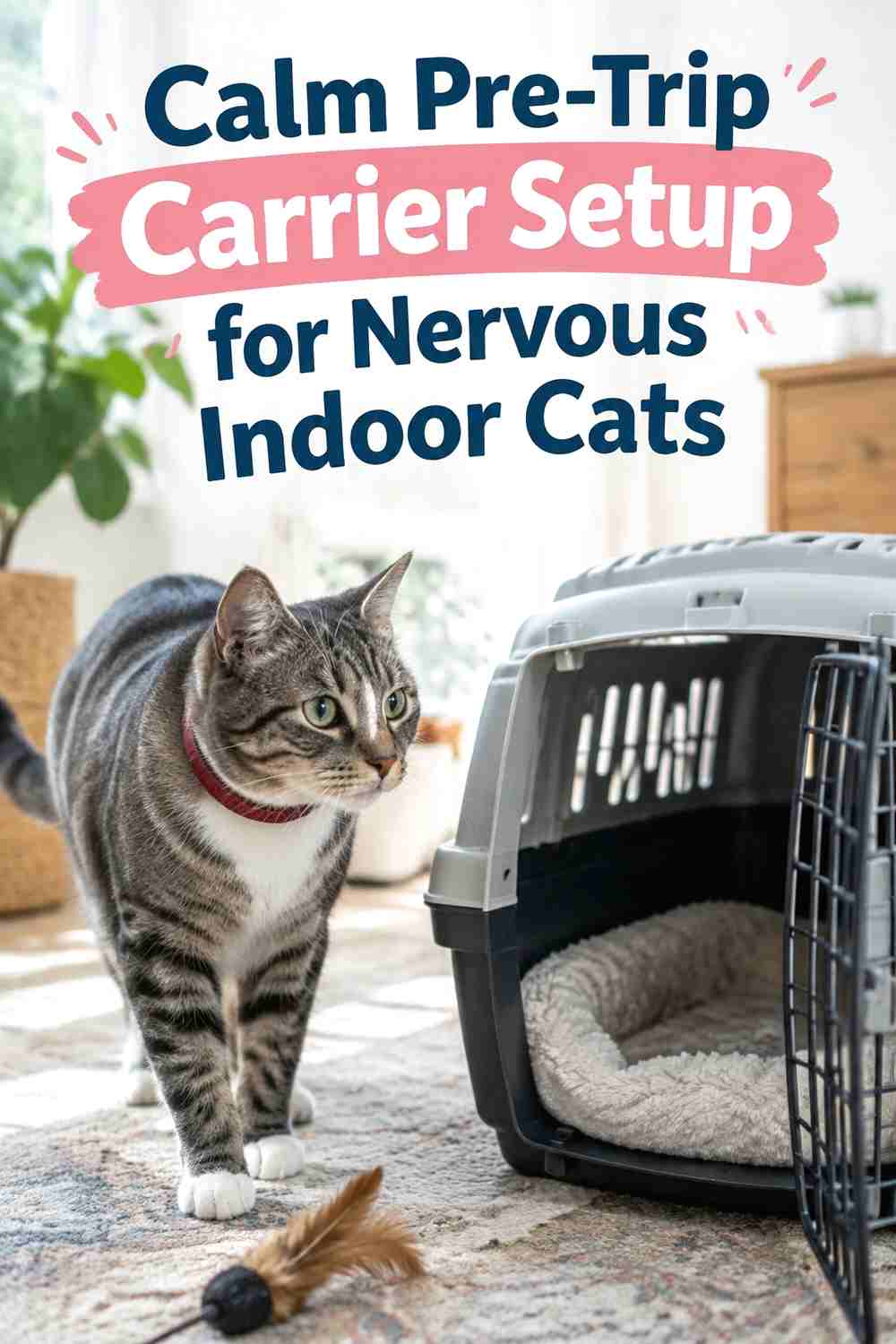
A calm pre-trip setup begins before the carrier ever reaches the car or waiting room. Place the carrier in a quiet room and prepare the liner, familiar cloth, and any other comfort items before bringing your cat nearby. Avoid chasing the cat around the home while holding an unfamiliar carrier at the last moment. Instead, keep the environment predictable and remove unnecessary noise or activity during loading. If possible, practice short carrier sessions on ordinary days so the carrier does not appear only before stressful outings. Cats vary widely in how they respond, so use simple, gradual familiarity rather than forcing long practice sessions when your cat is already uncomfortable.
Best For
Indoor cats that become cautious as soon as the carrier appears.
Pro Tip
Prepare keys, paperwork, bags, and other travel supplies first so loading the cat is one of the final steps before leaving.
10. Open Door Carrier Bed For Everyday Cat Familiarity
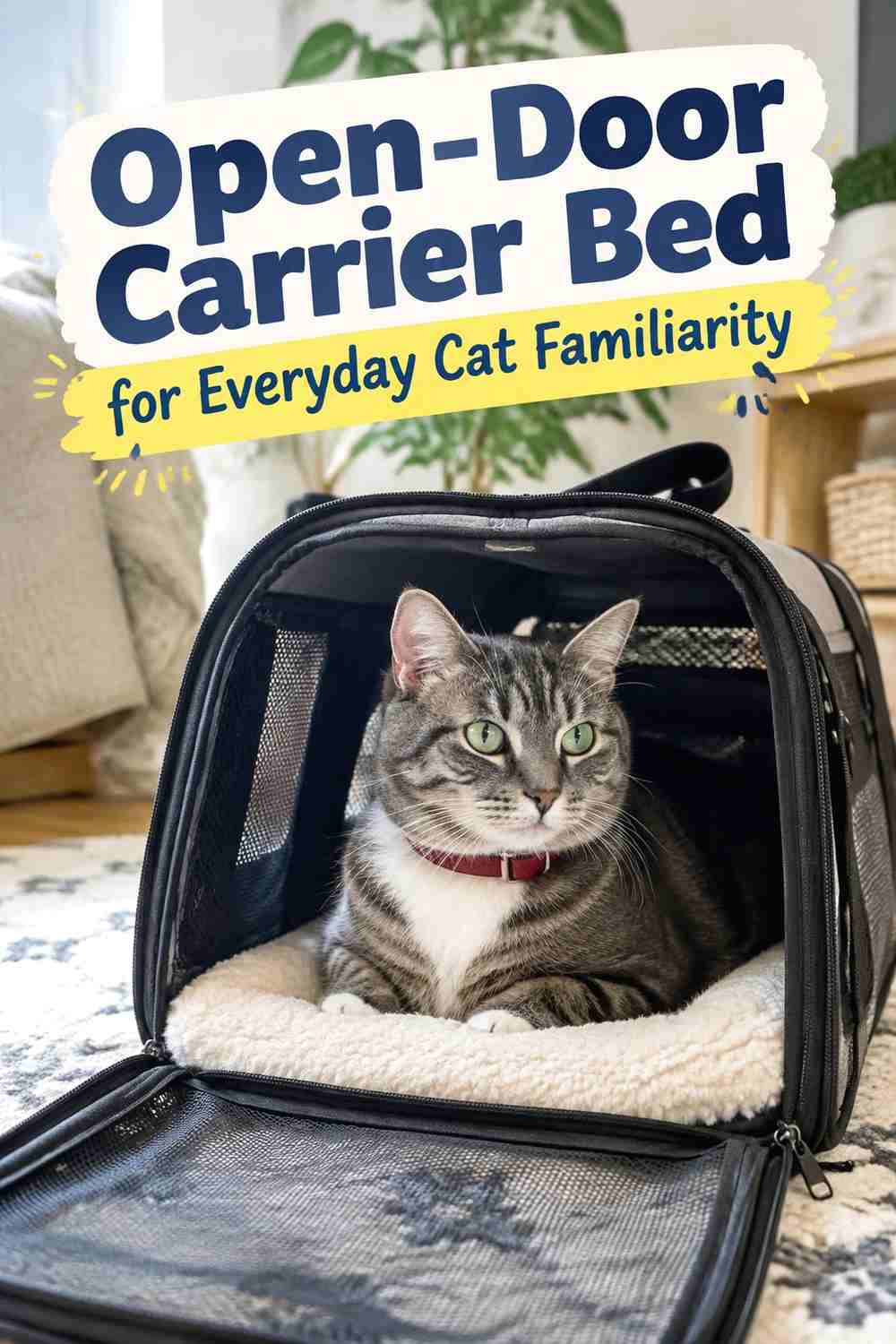
Leaving the carrier open at home can turn it into an ordinary resting option instead of an object that appears only before travel. Place it in a quiet room with the door secured open and add a familiar liner or lightweight blanket. Let your cat investigate, sleep inside, or ignore it without being repeatedly placed into the carrier. A few familiar toys can sit nearby, but avoid filling the interior with objects that reduce resting space. Clean the carrier just as you would another bed and leave the entrance easy to access. If the carrier becomes part of the normal home environment, future trips may involve fewer completely unfamiliar sights and smells.
Space & Placement
Choose a stable floor-level spot away from busy doors, loud appliances, and constant foot traffic.
Use & Maintenance
Keep the door safely secured open during everyday use so it cannot swing unexpectedly against your cat.
11. Quiet Waiting Spot For Cats Resting In Carriers
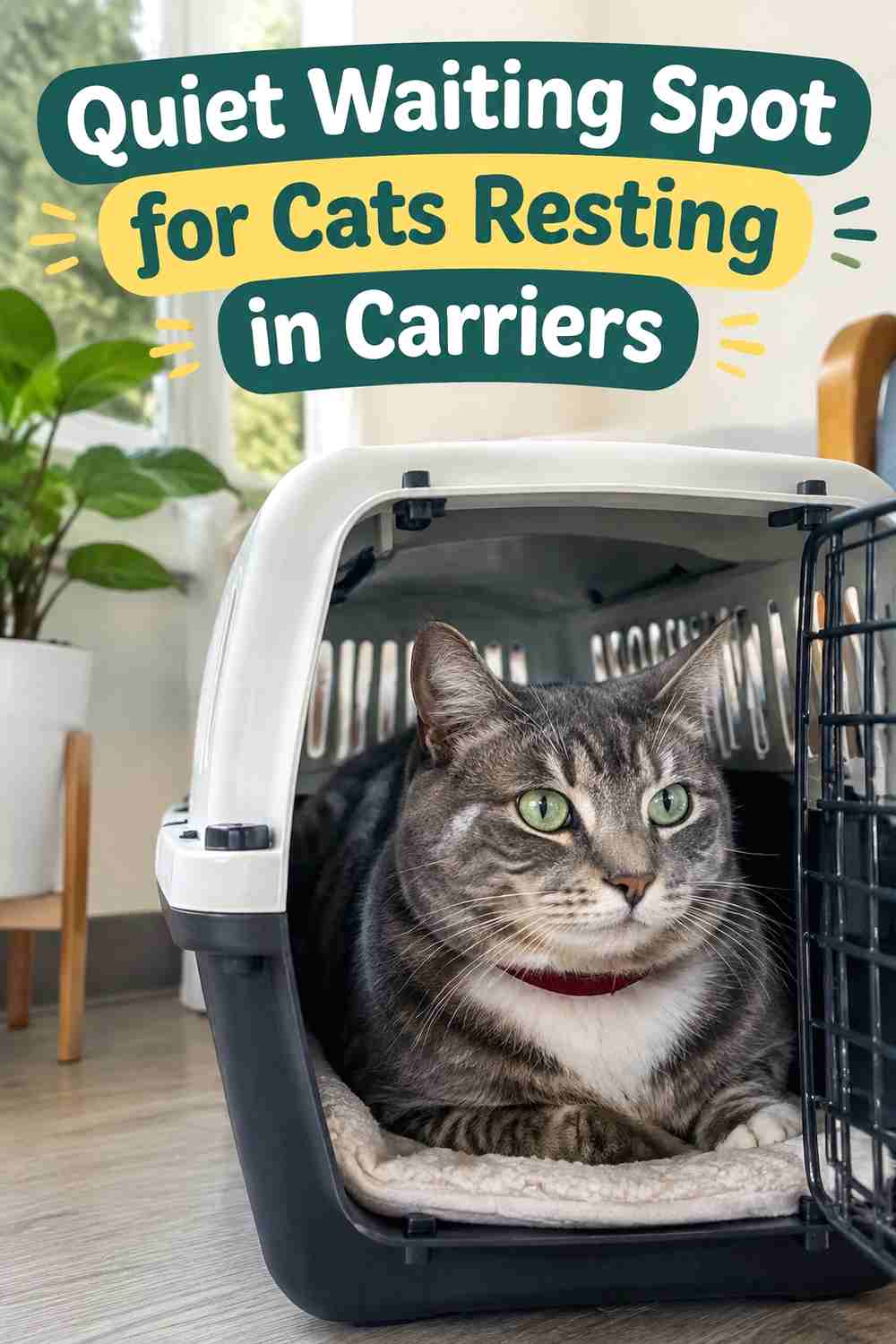
A quiet waiting spot can make a necessary period in the carrier easier than placing the cat in the center of a busy room. When you have a choice, position the carrier away from heavy foot traffic, barking dogs, slamming doors, and other unnecessary activity. Keep the carrier elevated only on a stable surface that cannot tip or shift. A partial cover may help some cats, while others prefer an unobstructed view. Do not open the carrier in an unsecured waiting area simply to provide reassurance. Remaining nearby, speaking normally, and keeping the carrier stable can be enough. Watch your cat’s behavior and adjust visual coverage or positioning if a quieter option becomes available.
Best For
Veterinary waiting areas, travel terminals, hotel lobbies, or other places where your cat may spend time inside the carrier.
Comfort & Safety
Keep the carrier securely closed until you reach a controlled space.
12. Temperature Smart Carrier Placement For Comfortable Cat Travel
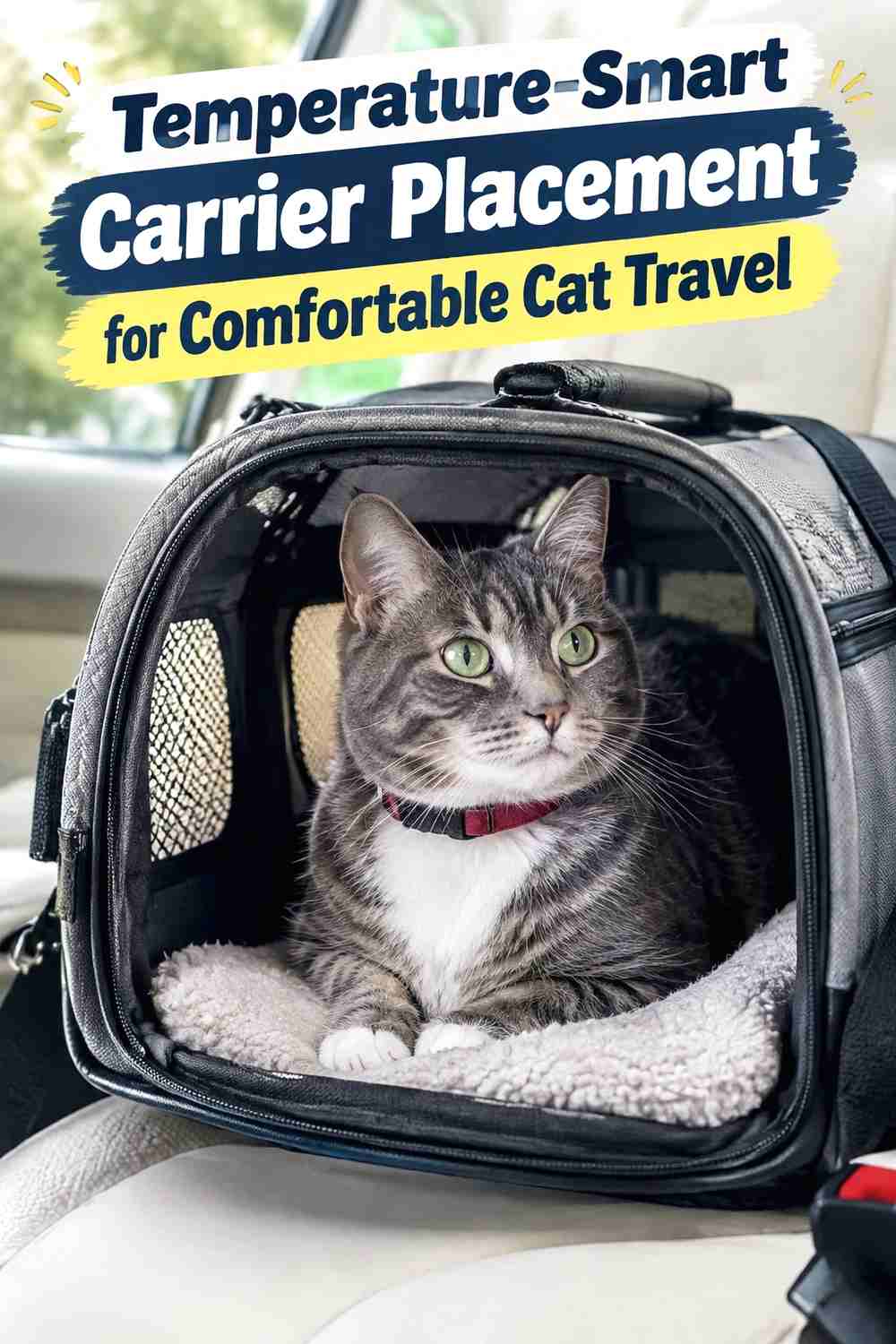
Temperature-smart placement means keeping the carrier away from direct sun, heating vents, cold drafts, and luggage that blocks airflow. In a vehicle, position it where cabin air can circulate without blasting directly onto your cat. Indoors, avoid setting the carrier beside radiators, exterior doors, or other spots with noticeable temperature swings. Thick blankets and full carrier covers can trap warmth, so adjust bedding and visual covers to the conditions. Never leave a cat unattended in a parked vehicle. During longer trips, check the carrier environment during secure stops instead of assuming the temperature feels the same inside as it does in the front seat.
Space & Placement
Leave ventilation panels exposed and keep bags, coats, and other travel items from pressing against the carrier.
Comfort & Safety
If your cat shows concerning signs such as breathing difficulty or unusual weakness, seek veterinary help.
13. Wide Opening Carrier Setup For Easier Cat Entry And Exit
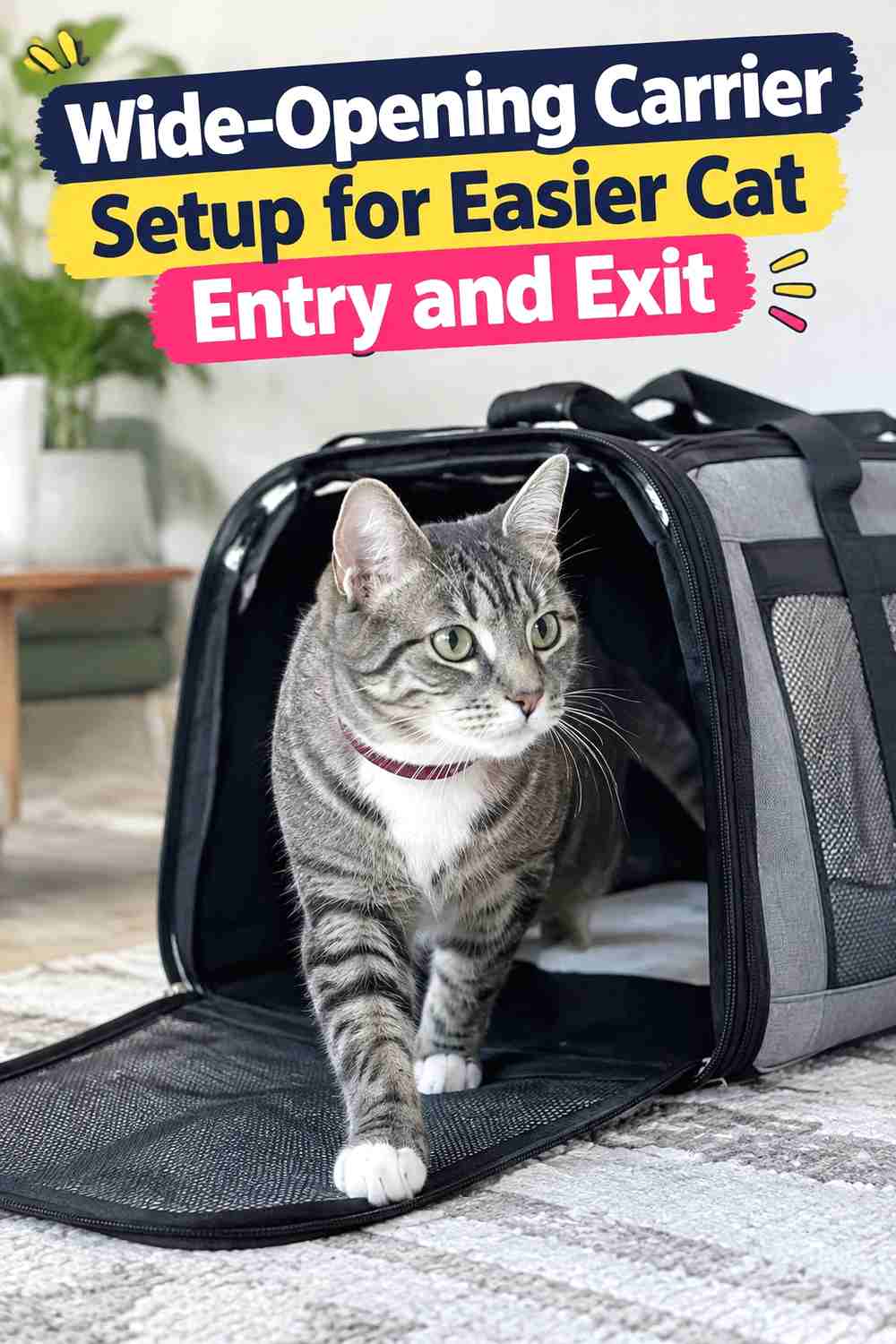
A carrier with a wide front door, top opening, or removable upper section can make entry and exit easier for some cats. The extra access is especially practical when a cat dislikes being pushed through a narrow doorway or has limited mobility. Prepare the liner before loading so you do not need to rearrange bedding around the cat. Open only the section needed and make sure all latches are fully secured before lifting the carrier. At the destination, use the wide opening only inside a closed, controlled room. The best design depends on your cat and how comfortably you can handle the carrier, so prioritize secure construction over decorative features.
Pet Type & Life Stage
Wide access can be useful for larger cats, senior cats, and cats that are difficult to guide through narrow front doors.
Pro Tip
Practice opening and closing every latch before travel day so the mechanism feels familiar to you.
14. Separate Carrier Setup For Comfortable Multi Cat Travel
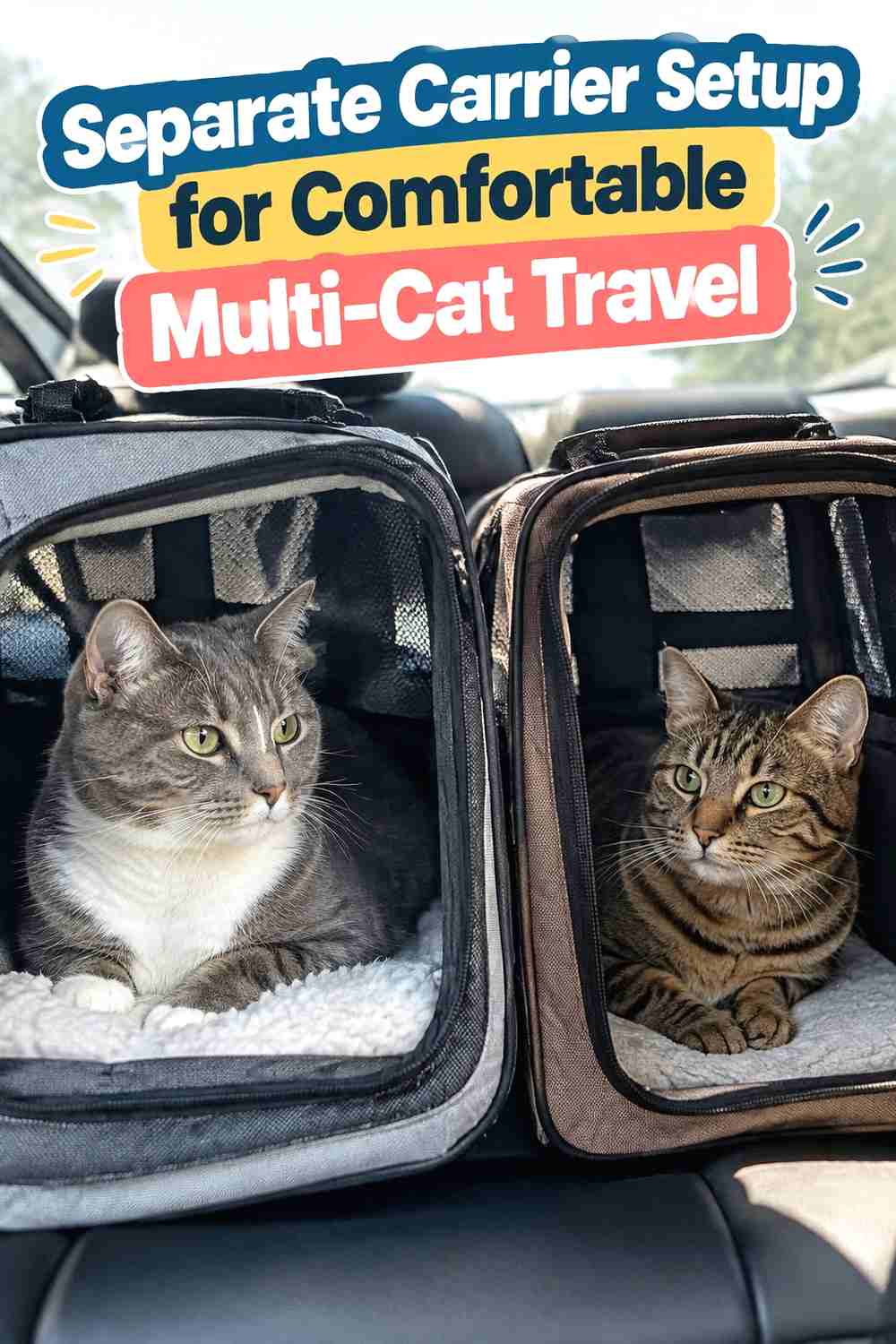
Separate carriers give each cat an individual resting space during travel instead of requiring them to share a confined area. Even cats that sleep together at home can react differently when movement, noise, and unfamiliar surroundings are added. Give each carrier its own liner, familiar cloth, and identification label, then place them where both remain stable. Some cats may settle when they can see one another, while others may prefer partial visual separation. Keep individual supplies organized so liners, medications, or other cat-specific items do not get mixed up. During stops, manage one carrier at a time rather than opening several simultaneously in an unfamiliar place.
Best For
Multi-cat households traveling by car, moving home, or attending appointments together.
Setup Notes
Match each carrier to the individual cat’s size instead of assuming identical carriers will fit every pet equally well.
15. Stable Back Seat Carrier Position For Smoother Cat Travel
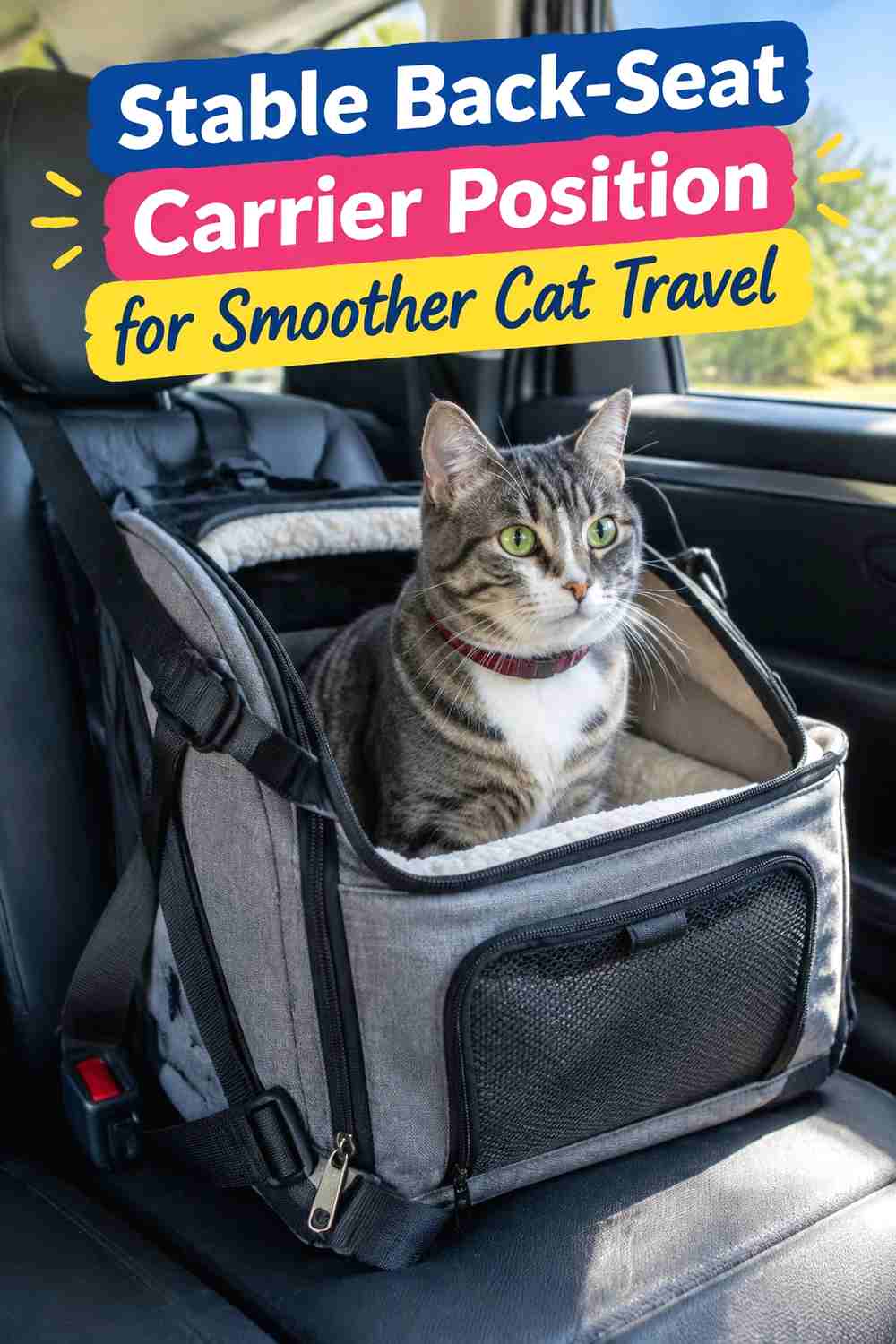
A stable carrier position can reduce unnecessary sliding and tilting while the vehicle is moving. Place the carrier according to its manufacturer’s instructions and your vehicle’s safe restraint options so it remains level and does not shift during normal driving. Check the setup before loading your cat by gently testing whether the empty carrier moves. Keep loose luggage away from the carrier and make sure ventilation remains open on all required sides. A soft liner can improve comfort inside, but it cannot compensate for a carrier that rocks or slides across the seat. Drive smoothly when possible and keep the cat contained rather than allowing free movement around the vehicle.
Why It Works
Stability gives your cat a more predictable surface when the vehicle accelerates, turns, or stops.
Comfort & Safety
Do not balance a carrier on luggage, laps, or unstable stacks simply to create more passenger space.
16. Easy Clean Carrier Kit For Comfortable Longer Cat Trips
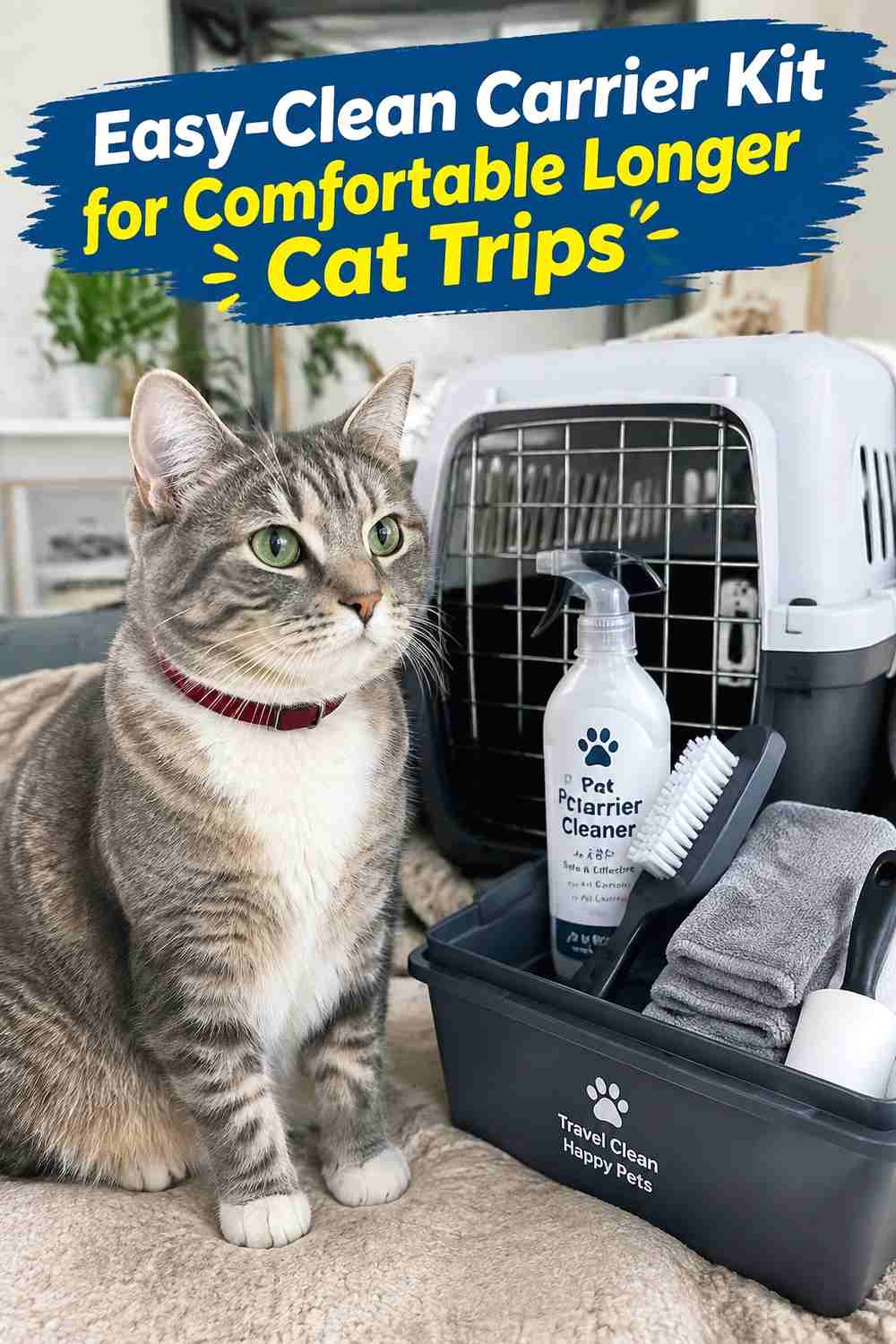
An easy-clean carrier kit keeps replacement comfort items within reach if something gets wet or dirty during a longer journey. Pack a spare liner, absorbent pad, familiar cloth, waste bags, paper towels or washable cloths, and a separate bag for soiled materials. Store everything together rather than burying individual supplies beneath luggage. The goal is to restore a clean resting surface quickly without turning a small mess into a major unpacking job. Keep cleaning products securely closed and away from your cat. When replacing bedding, work only in a controlled environment where the carrier can remain secure. A simple kit also makes it easier to reset everything before the return journey.
Best For
Long drives, moving days, overnight travel, and cats that are more likely to soil bedding during trips.
Pro Tip
Pack comfort supplies in the order you are likely to need them, with spare liners and bags near the top.
17. Quiet Arrival Setup For Cats Leaving Travel Carriers
You May Also Like




A quiet arrival setup lets your cat leave the carrier in a secure, prepared space rather than stepping directly into a busy unfamiliar environment. Before opening the door, close windows and room doors, remove unsafe cords or plants, and set up water, litter, and a resting area. Place the carrier on the floor and let your cat come out when ready instead of reaching inside immediately. Keep the carrier available for a while because some cats may return to it as a temporary hiding place. Limit visitors and extra activity until the cat has had time to investigate. This approach works for hotel rooms, moves, family visits, and other destinations away from home.
Best For
Cats arriving somewhere unfamiliar after car, train, or other carrier-based travel.
Comfort & Safety
Open the carrier only after the room is fully secured against escape.
How to Choose the Right Idea
Start with the carrier itself. It should suit your cat’s current size, allow natural movement, provide good ventilation, and stay stable when carried or transported. Once those basics are covered, choose comfort additions that match your cat’s habits rather than filling the carrier with unnecessary bedding.
Cats that enjoy soft beds may appreciate a washable liner or thin cushion. Cats that become alert around visual activity may prefer a partial cover, while others may settle better with an open view. For cats prone to accidents, an absorbent backup layer and cleanup kit can make longer travel easier to manage.
Also consider age, mobility, coat, temperature, trip length, and whether multiple cats are traveling. Keep bedding thin enough for airflow, use separate carriers for multiple cats, and practice carrier familiarity at home when possible.
Final Thoughts
Cat carrier comfort usually comes from simple improvements rather than adding lots of accessories. Start with correct sizing, stable placement, ventilation, and a clean resting surface, then add familiar bedding or visual coverage according to your cat’s preferences. A setup that is easy to maintain can also make necessary travel much less complicated for the owner.
FAQs
1. What should I put on the bottom of a cat carrier?
A thin washable liner, nonslip mat, or familiar lightweight blanket can create a softer surface. Keep it flat and make sure it does not reduce usable space or block the door.
2. Should I cover my cat’s carrier?
Some cats may settle with part of the carrier visually covered, while others prefer seeing their surroundings. Use lightweight fabric and always keep ventilation panels open.
3. Can I leave my cat carrier out at home?
Yes. Keeping the carrier open in a safe, quiet area can let your cat investigate or rest inside without immediately associating it with travel.
4. How can I make a carrier easier for a senior cat?
Consider a stable carrier with wide access, a low-profile nonslip surface, and enough space for comfortable movement. Avoid deep bedding that makes standing more difficult.
5. Should two cats share one carrier for comfort?
Separate appropriately sized carriers usually give each cat more predictable space and let you adjust bedding, positioning, or visual coverage individually.
Save these cat carrier comfort ideas and start with the few changes that best match your cat’s size, travel habits, and favorite way to rest.
