Turn an empty wall into a practical cat climbing zone with secure shelves, resting platforms, bridges, scratching areas, and routes designed for real indoor spaces.
Save This Idea on Pinterest
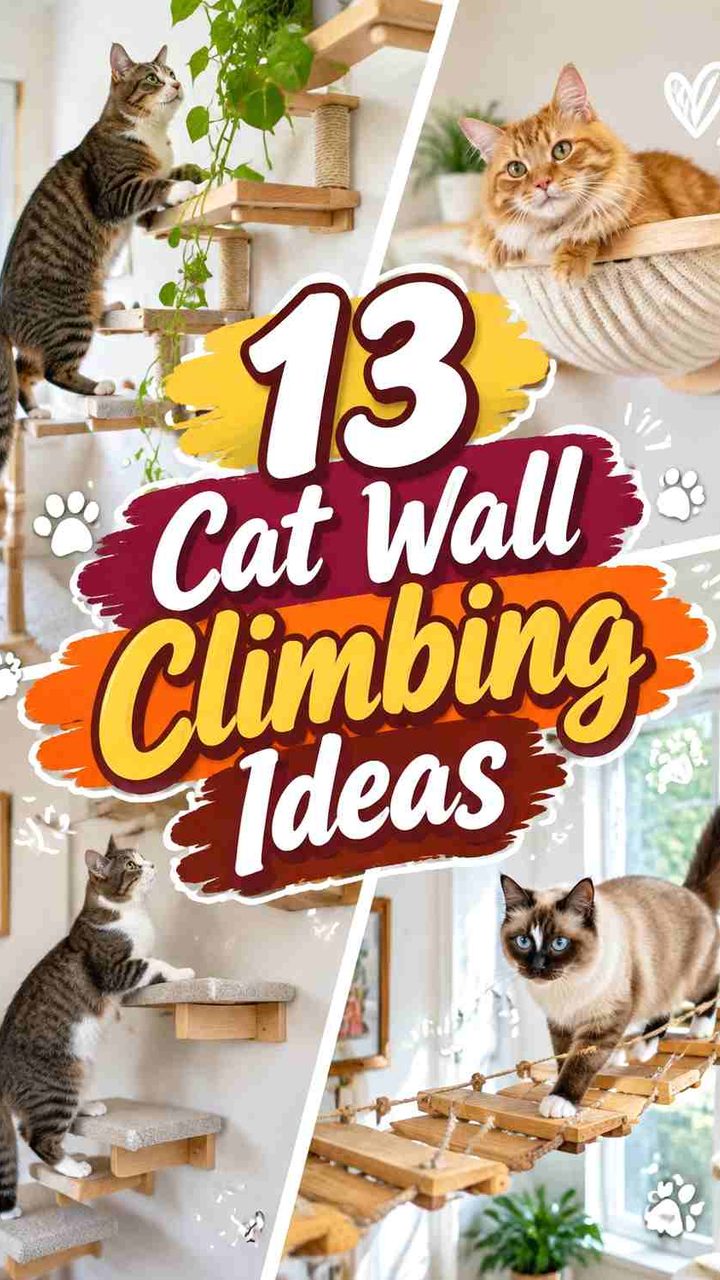
13 Cat Wall Climbing Ideas
Save to PinterestCat wall climbing ideas can add useful vertical territory without filling the floor with bulky furniture. A well-planned route gives an indoor cat places to climb, pause, observe, scratch, or rest while keeping normal household walkways clear.
The best setup depends on your cat’s size, age, confidence, mobility, and preferred resting height. Shelf spacing, traction, secure mounting, landing areas, room traffic, and a clear way back down matter just as much as appearance. Elevated surfaces should be stable and usable rather than decorative ledges that force awkward jumps.
Quick List
- Simple Floating Step Shelves for Indoor Cat Climbing
- Corner Cat Climbing Shelves for Small Living Rooms
- Window-to-Wall Cat Climbing Route with Resting Perch
- Carpeted Cat Wall Steps for Better Climbing Traction
- Zigzag Cat Shelf Wall for Active Indoor Cats
- Low-Level Wall Climbing Path for Senior Cats
- Cat Wall Bridge Connecting Two Climbing Shelf Zones
- Wall-Mounted Cat Hammock Between Climbing Shelves
- Cat Climbing Wall with Built-In Scratching Panels
- Minimalist Wooden Cat Shelves for Modern Small Homes
- Wide Resting Platforms for Large Cats on Walls
- Ceiling-High Cat Climbing Route with Safe Landing Shelves
- Multi-Cat Wall Climbing Route with Separate Resting Spots
1. Simple Floating Step Shelves For Indoor Cat Climbing

Simple floating step shelves create an easy starter route for a cat that enjoys climbing but does not need an elaborate wall system. Arrange several securely mounted platforms in a gradual upward pattern, leaving enough room for your cat to land, turn, and continue comfortably. A wider shelf at the top gives the route a useful destination instead of ending with a narrow ledge. Add a non-slip surface or textured pad so paws have reliable grip. Keep the path away from televisions, fragile decorations, door swings, and places where a missed jump could land on clutter. This setup works especially well on a clear wall beside sturdy furniture that can provide an easy first step.
Setup Notes
Plan both the upward route and the way back down before installing anything. Every platform should be anchored appropriately for the wall and expected load.
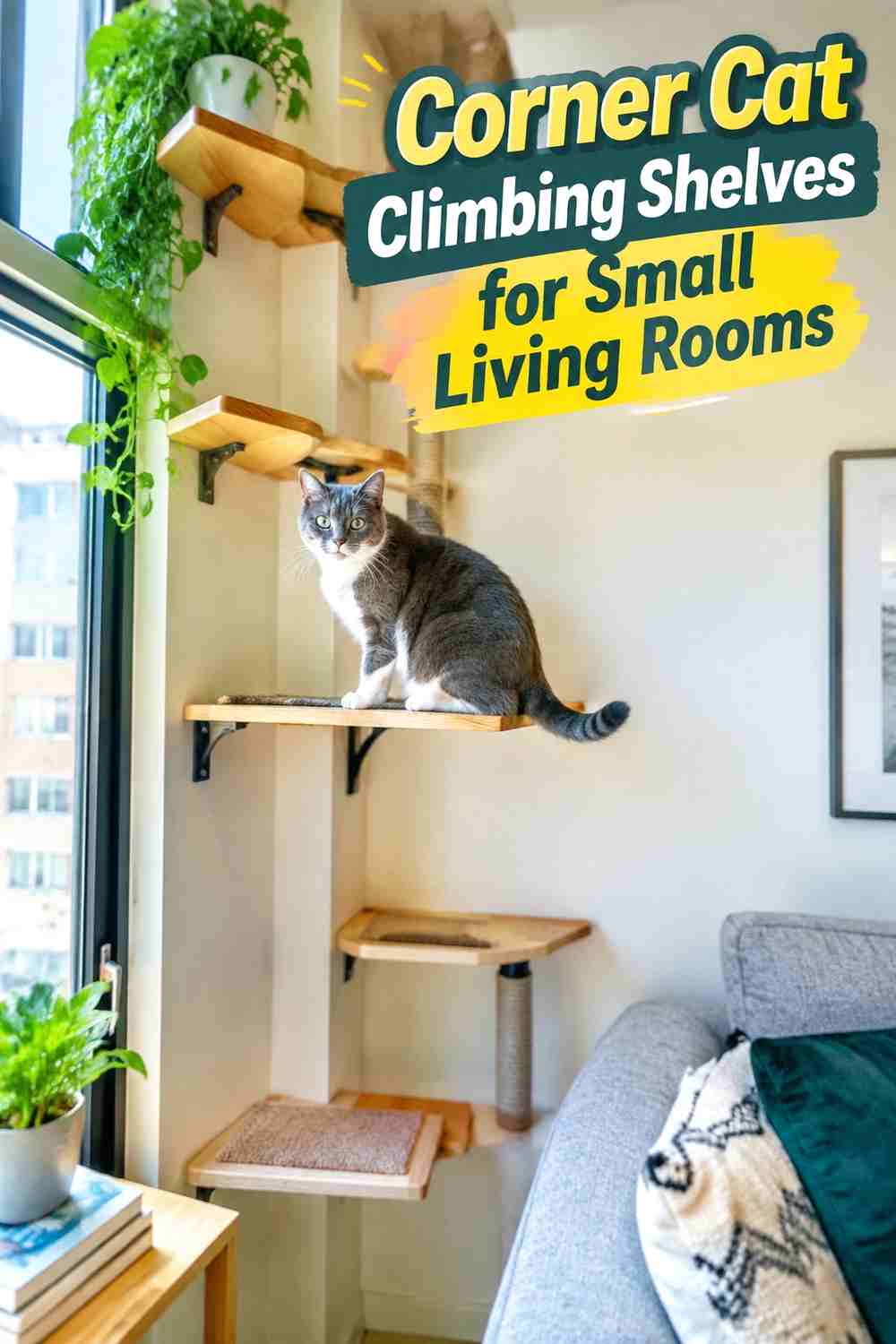
2. Corner Cat Climbing Shelves For Small Living Rooms
You May Also Like


Corner climbing shelves use two adjoining walls to create vertical territory without taking up much usable floor space. Start with a low entry platform, then stagger shelves around the corner so your cat can move upward without making a sharp midair turn. A broad corner perch can become the main resting spot and gives the layout a natural destination. This design works well behind a sofa, beside a bookcase, or in another quiet corner that does not interrupt household traffic. Keep nearby decor minimal so the cat has clear landing zones. Cats that are cautious about height may prefer fewer, wider platforms rather than a long sequence of small steps.
Space & Placement
Avoid corners beside slamming doors, speakers, or busy walkways. The starting point should be easy to approach without squeezing between furniture.
3. Window To Wall Cat Climbing Route With Resting Perch
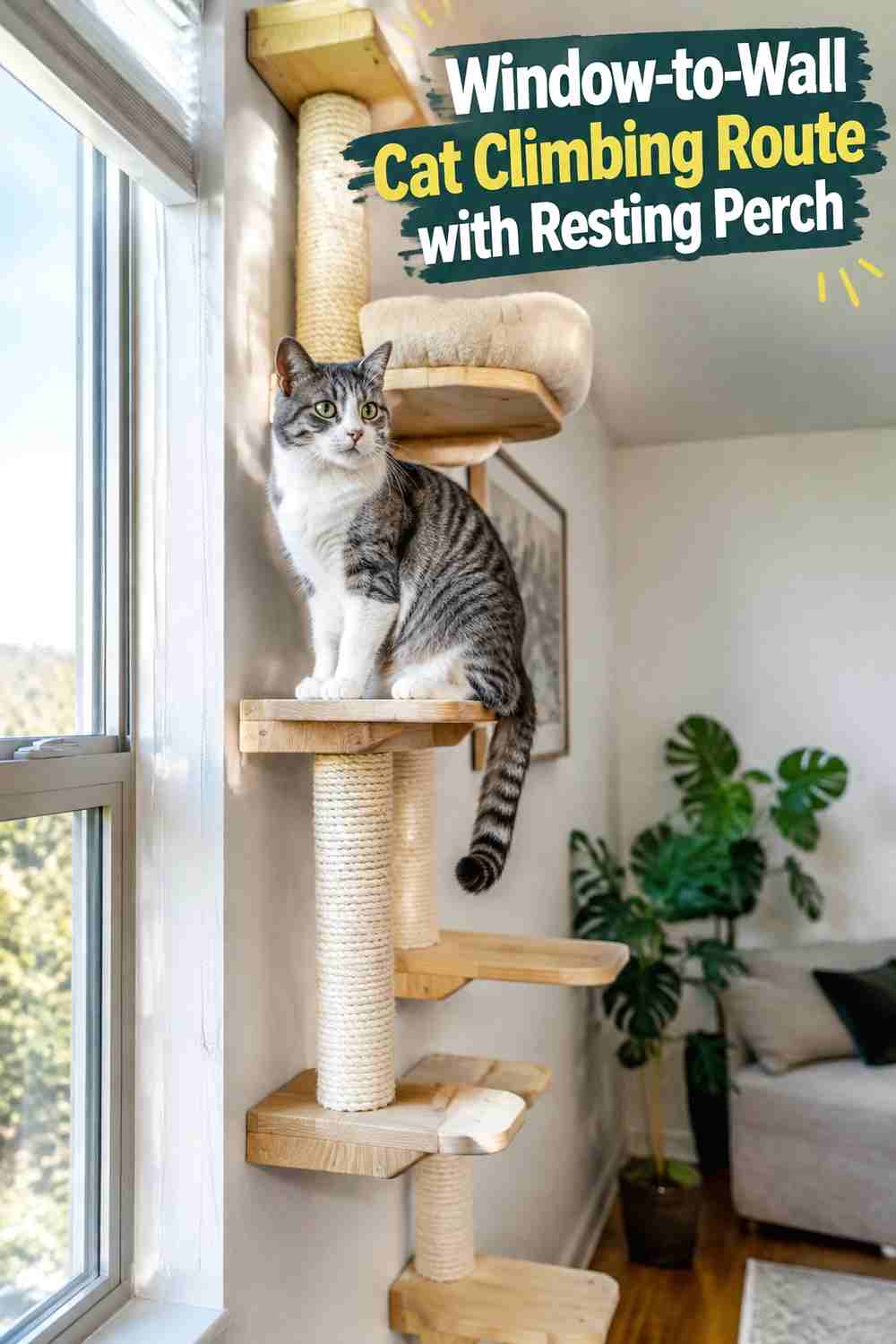
A window-to-wall climbing route combines vertical movement with a high-value resting destination near outdoor views. Begin with secure wall steps that lead gradually toward a broad perch positioned beside a safely closed or properly screened window. Keep the final platform wide enough for lying down, turning, and watching outside without balancing near the edge. Curtains and blind cords should be secured away from the climbing path, and fragile items should be removed from the sill. This layout can be especially useful in compact rooms because the route follows the wall instead of adding another full-size cat tree. Make sure your cat also has a simple path down rather than relying on one long jump to the floor.
Pro Tip
Place the most comfortable surface on the destination perch. A washable pad can make the top platform more inviting and easier to maintain.
4. Carpeted Cat Wall Steps For Better Climbing Traction
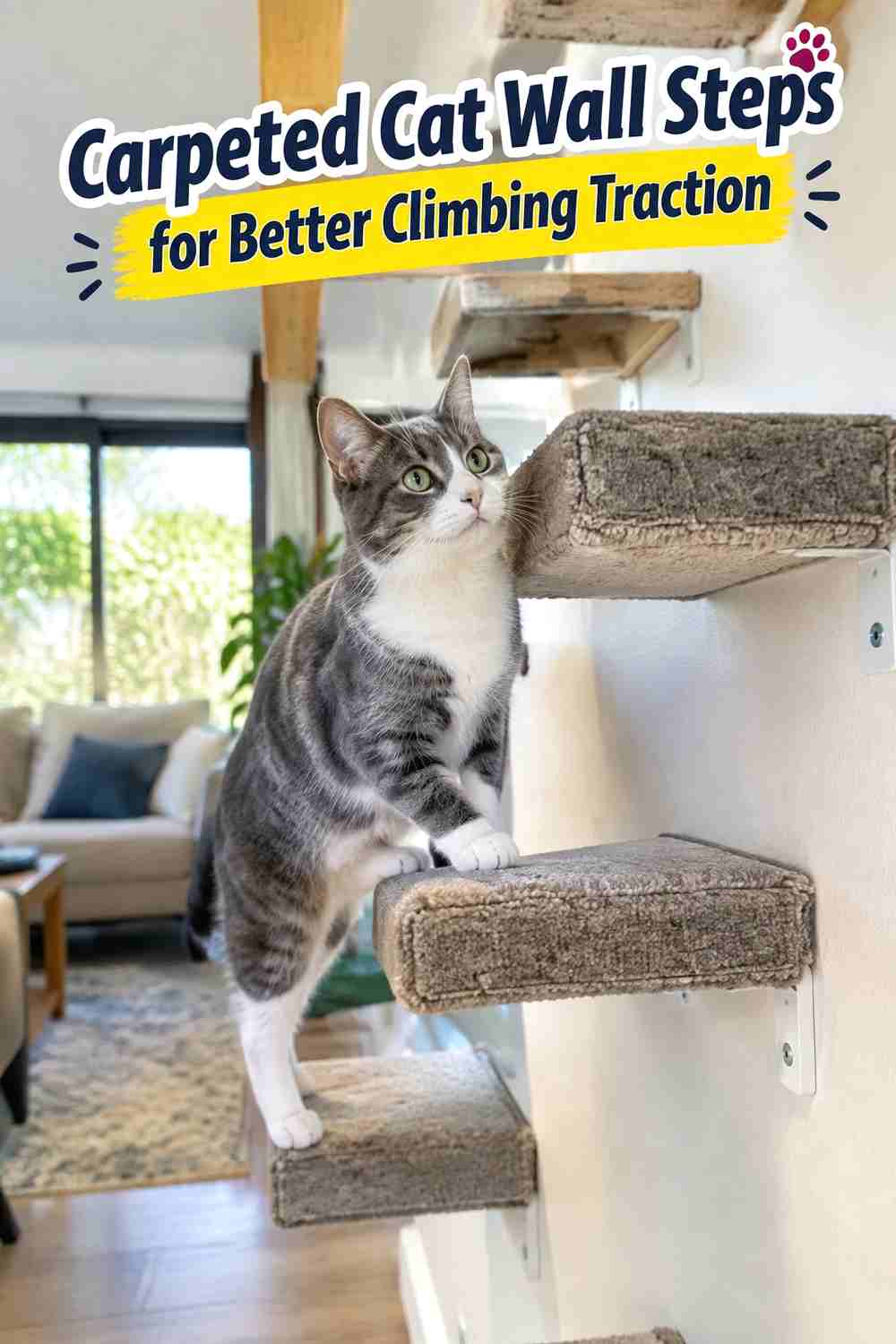
Carpeted wall steps add extra grip to a climbing route, which can be useful for cats that move quickly or hesitate on smooth wood surfaces. Cover the usable top of each securely mounted shelf with tightly attached low-profile carpet or another non-slip material that cannot bunch under the paws. Arrange the steps with gradual spacing so your cat can land with the whole body rather than catching only the front paws. Choose surfaces that are easy to vacuum because fur and dust can collect quickly on textured shelves. Inspect the covering regularly for loose edges or exposed fasteners, especially if your cat scratches at the material during climbing.
Use & Maintenance
Vacuum the steps during normal room cleaning and replace worn traction material before it begins peeling. Keep shelf edges smooth and free from loose threads.
5. Zigzag Cat Shelf Wall For Active Indoor Cats
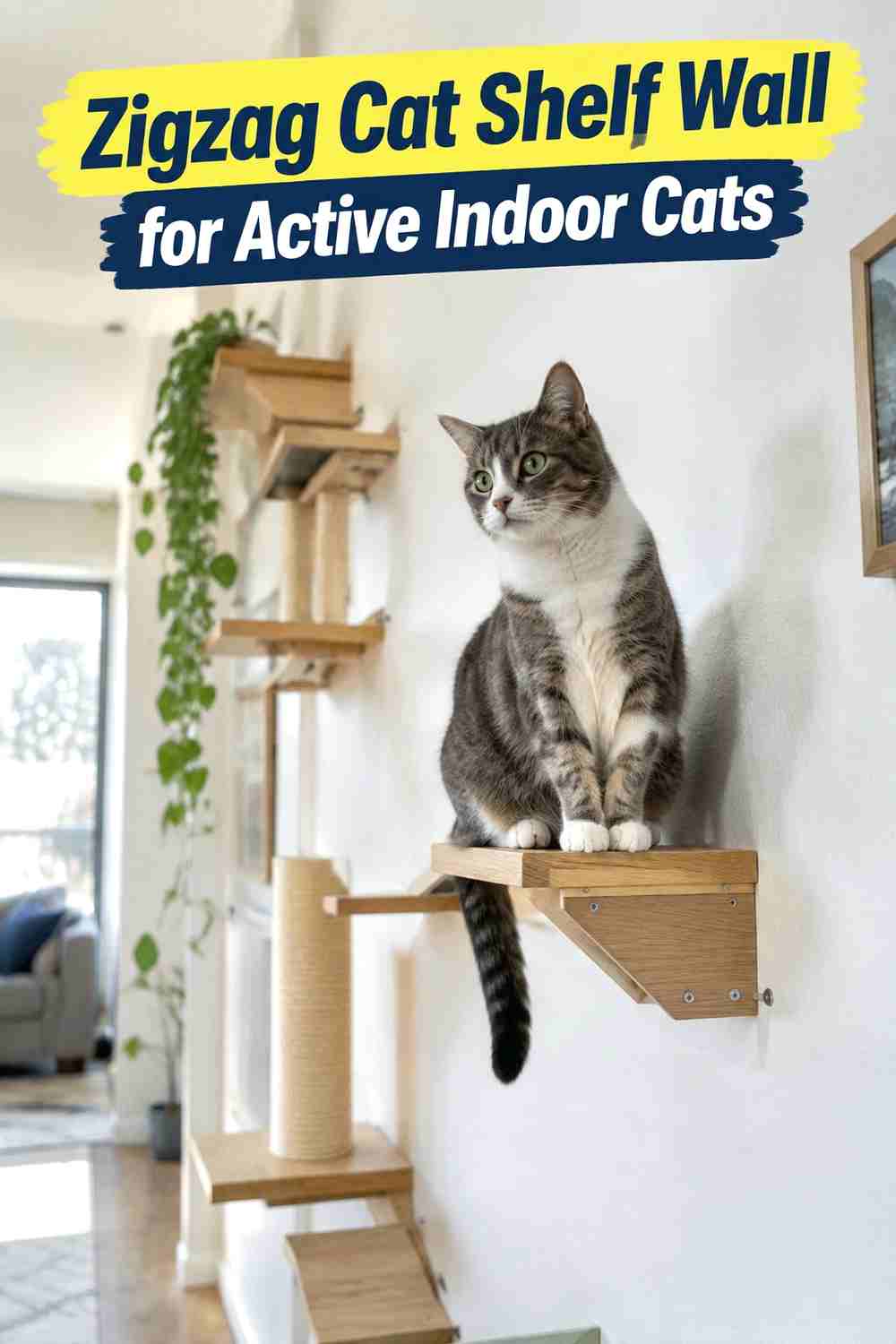
A zigzag shelf wall creates a more dynamic route for an active indoor cat by alternating platforms from side to side as they rise. The pattern encourages climbing and direction changes without requiring a huge horizontal wall. Keep each transition comfortable enough that your cat can step or make a controlled jump rather than repeatedly launching across wide gaps. Include one or two broader shelves where the cat can pause between sections. The wall should remain clear of frames, hanging plants, cords, and fragile objects that could be knocked down during fast movement. This idea suits confident adult cats especially well, but the spacing should always reflect the individual cat rather than a decorative geometric pattern.
Best For
Use this layout for agile cats that already enjoy elevated spaces. Less confident cats may prefer a straighter route with wider, closer platforms.
6. Low Level Wall Climbing Path For Senior Cats

A low-level wall route gives senior cats access to vertical enrichment without requiring high jumps or difficult descents. Keep platforms closer to the floor and position them like broad steps, using stable furniture or a low bench as an optional starting point. Traction is especially important, so add non-slip surfaces and make each landing wide enough for easy turning. Rather than aiming for ceiling height, create a gentle route to a comfortable mid-level resting shelf where the cat can observe the room. Keep the layout predictable and uncluttered, and avoid forcing a cat to jump down several levels at once. Individual senior cats vary widely, so the route should match current mobility and confidence.
Comfort & Safety
Watch how your cat actually uses the path. If a transition is consistently skipped or approached hesitantly, shorten the gap or add an easier intermediate step.
7. Cat Wall Bridge Connecting Two Climbing Shelf Zones

A wall-mounted bridge can connect two separate shelf zones and make a climbing setup feel more continuous. Position the bridge between sturdy platforms that allow your cat to approach and exit without an awkward leap. A solid or closely supported walking surface is usually easier to use than a highly flexible bridge, especially for larger or cautious cats. Keep the span reasonable and make sure the supporting hardware is securely installed. This design works well when one side of the wall leads toward a window perch and the other toward a resting or scratching zone. Leave the area underneath free from sharp furniture corners or fragile objects in case the cat chooses to jump down.
Setup Notes
Test the bridge for movement before allowing access. It should not swing, twist, or sag dramatically under normal use.
8. Wall Mounted Cat Hammock Between Climbing Shelves

A wall-mounted hammock can add a soft resting point between climbing shelves when it is securely supported and easy to enter. Position it beside a broad landing platform rather than expecting your cat to leap directly into flexible fabric from a distance. The hammock should hold its shape enough that the cat can judge where the surface is before stepping on. Washable fabric makes upkeep easier, especially in sunny spots where cats may nap frequently. Keep the surrounding shelves close enough to provide more than one exit route. Cats that dislike moving surfaces may ignore hammocks entirely, so a firm shelf nearby ensures the climbing wall still works even if the soft resting spot is not preferred.
Best For
This idea suits cats that already enjoy fabric hammocks or enclosed resting surfaces. Firm platforms are better for cats that prefer stable footing.
9. Cat Climbing Wall With Built In Scratching Panels
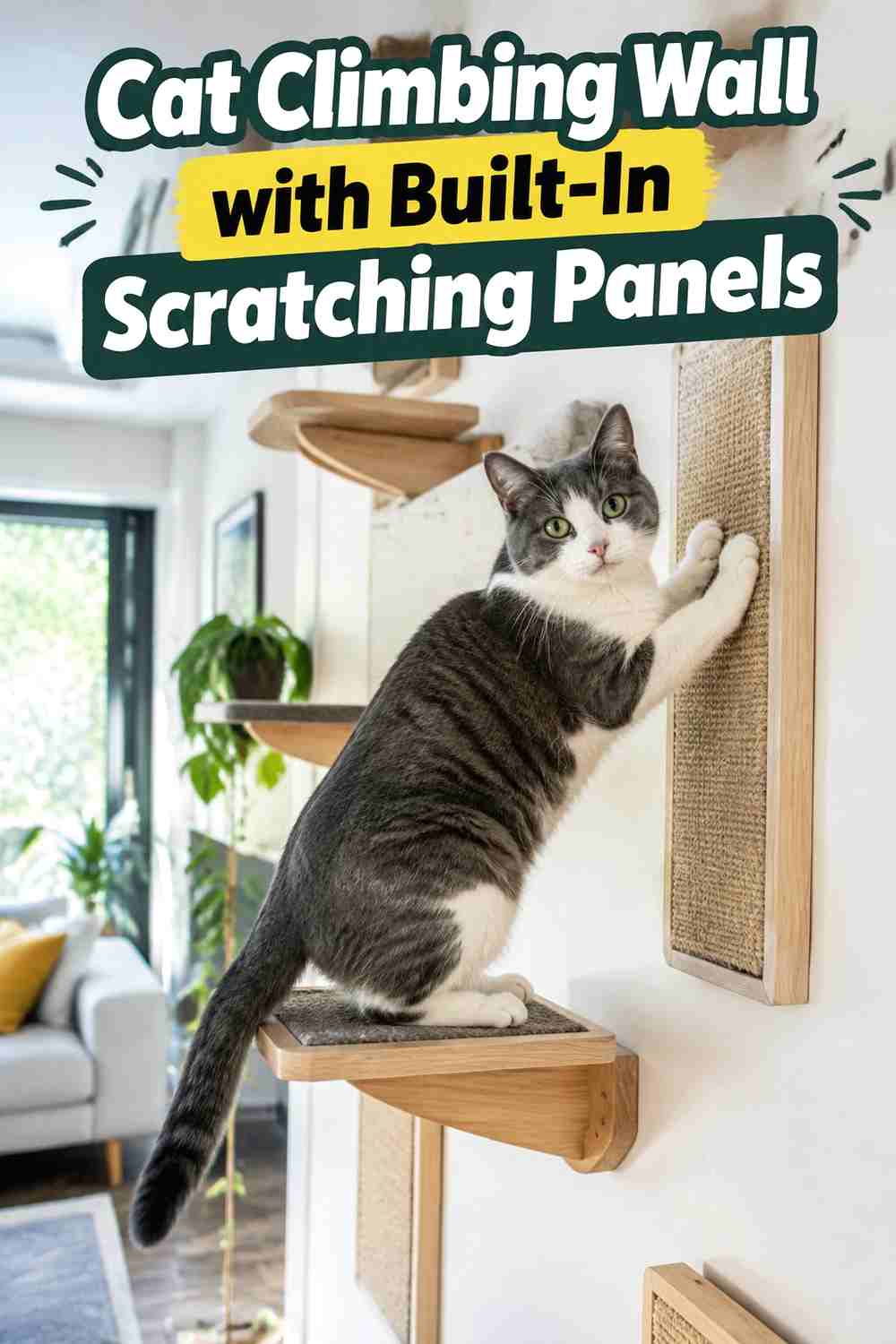
A climbing wall with scratching panels combines vertical movement and scratching in one concentrated area. Install securely mounted shelves for movement, then place a durable scratching panel at floor level or along a section your cat can comfortably reach without balancing. The scratching surface can help define the starting zone and may encourage the cat to use the wall naturally after stretching or scratching. Keep the panel firmly attached so it does not shift when pulled, and position shelves where loose fibers cannot interfere with landings. This setup can reduce the need for separate floor furniture, but the scratching area should still be large enough for your cat to use comfortably.
Use & Maintenance
Trim or replace worn scratching material when fibers become loose. Vacuum debris regularly so the climbing route stays clean and easy to inspect.
10. Minimalist Wooden Cat Shelves For Modern Small Homes

Minimalist wooden shelves can blend into a modern room while still providing a functional climbing route for a cat. Choose broad, simple platforms with secure mounting and add discreet traction pads so appearance does not come at the cost of grip. Keep the arrangement visually clean by using fewer well-placed shelves rather than many tiny ledges. A low entry shelf, two or three climbing steps, and one wide resting platform may be enough for a compact wall. Match the layout to existing furniture without placing shelves directly above fragile decor or food preparation areas. Smooth finishes are easier to wipe clean, but surfaces should not become slippery when your cat lands or turns.
Pro Tip
Use removable, washable traction pads in a similar tone to the shelves. They preserve the streamlined look while making the route more practical for paws.
11. Wide Resting Platforms For Large Cats On Walls
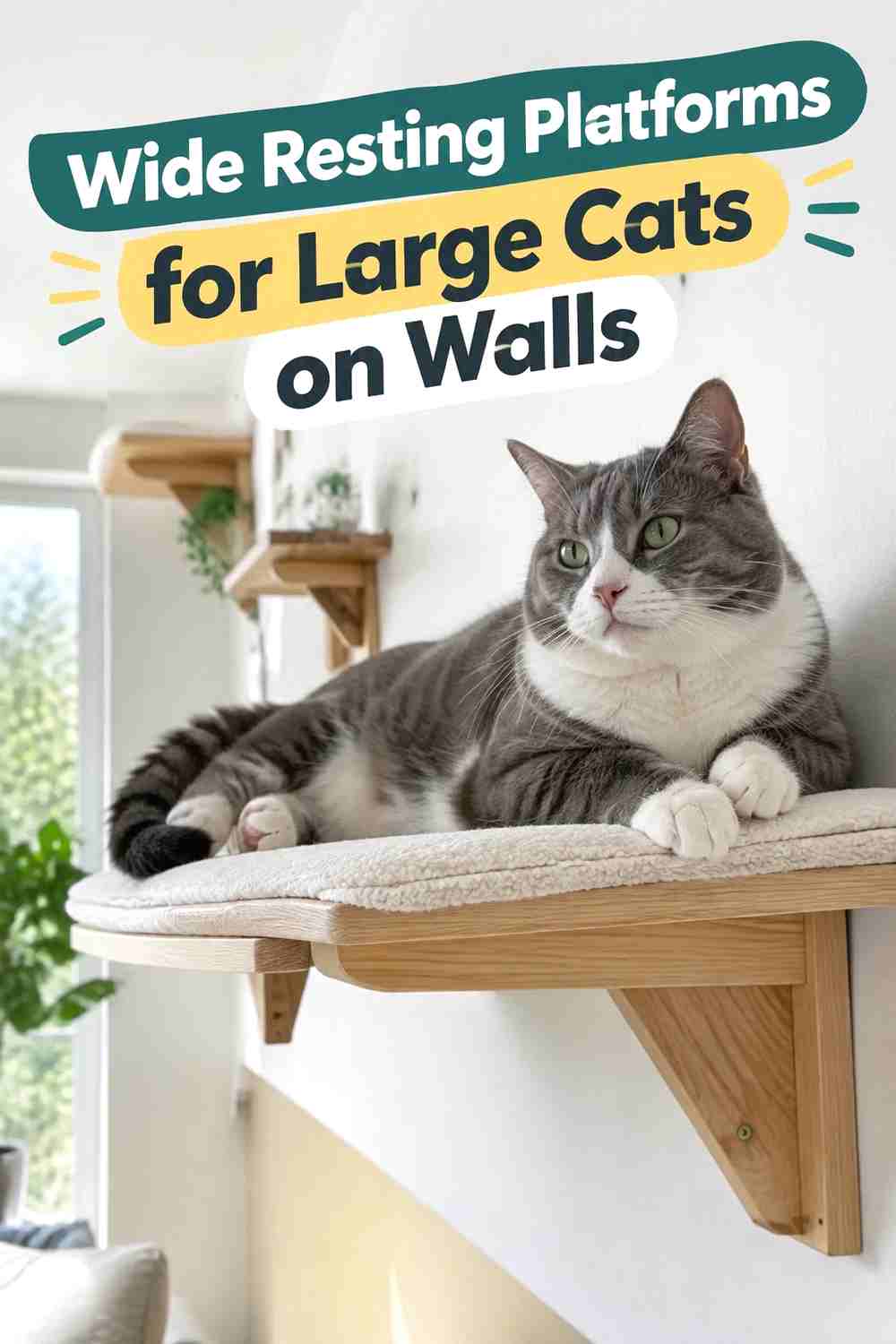
Large cats often benefit from wider wall platforms that support the whole body during landing, turning, and resting. Instead of a sequence of narrow decorative shelves, use fewer substantial platforms with enough surface area for a cat to sit or lie comfortably. Space them so movement between levels feels controlled rather than requiring long jumps. Secure mounting is especially important because larger cats place more force on shelves when launching and landing. Add non-slip surfaces and consider a broad lower platform as the starting point. This setup can still save floor space while giving a larger cat access to elevated views without squeezing onto undersized ledges.
Space & Placement
Leave generous clearance around every platform so the cat can turn without hitting walls, lamps, shelves, or nearby furniture.
12. Ceiling High Cat Climbing Route With Safe Landing Shelves

A ceiling-high climbing route can create substantial vertical territory for a confident, agile cat when the path includes secure intermediate landings. Build upward gradually with well-spaced shelves rather than creating one dramatic climb, and place broad platforms at several levels so your cat can pause. The highest perch should still have a practical descent route; cats should not have to make a long jump because the wall ends at the ceiling. Keep the entire area away from ceiling fans, hanging lights, cords, and shelves holding breakable items. This idea is best for cats already comfortable with height, not as a first climbing system for kittens, seniors, or hesitant cats.
Comfort & Safety
Observe the first few uses closely. If your cat reaches the top but hesitates to descend, add easier intermediate steps instead of expecting confidence to improve automatically.
13. Multi Cat Wall Climbing Route With Separate Resting Spots
You May Also Like




A multi-cat climbing wall works best when it offers more than one route and several separate resting places instead of forcing cats onto a single narrow path. Use staggered shelves with wider platforms at different heights so one cat can pause without blocking another’s movement. If space allows, provide two entry points and more than one way down to reduce bottlenecks. Separate resting shelves can also help cats choose distance from one another rather than sharing the same perch. Keep landings stable, traction consistent, and pathways free of dead ends. Household dynamics matter, so watch whether one cat begins guarding the highest perch or blocking access and adjust the layout if needed.
Pro Tip
Duplicate desirable resources when possible. Two comfortable perches at similar heights can be more useful than one premium spot that every cat must compete to use.
How to Choose the Right Idea
Start with your cat’s age, body size, confidence, and current climbing habits. Agile adult cats may enjoy zigzag routes, bridges, or higher shelves, while seniors and cautious cats usually benefit from wider platforms, shorter gaps, lower heights, and predictable paths.
Measure the usable wall area and think about both ascent and descent. Every route needs clear landing zones, secure mounting, reliable traction, and a practical way back to the floor. Avoid placing shelves near ceiling fans, unstable furniture, fragile decor, open unscreened windows, or busy doorways.
For small homes, corner routes and minimalist shelves can add vertical territory without using much floor space. Multi-cat homes need extra resting points and alternative routes so one cat cannot easily block another.
Final Thoughts
A good cat climbing wall should feel like usable feline furniture, not just wall decor. Stable platforms, comfortable spacing, traction, and clear exit routes matter more than fitting the maximum number of shelves onto one wall.
Choose a layout that matches how your cat already moves, start with a manageable route, and expand only after you see which heights and resting spots your cat actually prefers.
FAQs
1. How far apart should cat wall shelves be?
There is no single spacing that suits every cat. Base the gaps on your cat’s size, age, confidence, and mobility, and favor shorter, easier transitions when uncertain.
2. Are cat wall shelves safe for senior cats?
They can be if the route stays low, stable, wide, and easy to access. Seniors may benefit from closer steps, better traction, and reduced jumping rather than high climbing routes.
3. What surface is best for traction on cat shelves?
Low-profile carpet, secure fabric pads, or other non-slip surfaces can provide better grip than smooth bare wood. Whatever you use should stay firmly attached and be easy to inspect.
4. Can cat wall shelves work in a small apartment?
Yes. Corner shelves, minimalist routes, and window-connected setups use vertical space while preserving the floor for people and furniture.
5. How can I make a climbing wall work for multiple cats?
Provide several resting platforms, more than one route when possible, and enough space that one cat does not have to pass closely by another to climb or descend.
Save these cat wall climbing ideas for your next vertical-space project, and build around the heights, routes, and resting spots your cat can use comfortably.
