Create a cat room that feels polished enough for your home while still giving your cat comfortable places to climb, scratch, rest, play, and explore.
Save This Idea on Pinterest
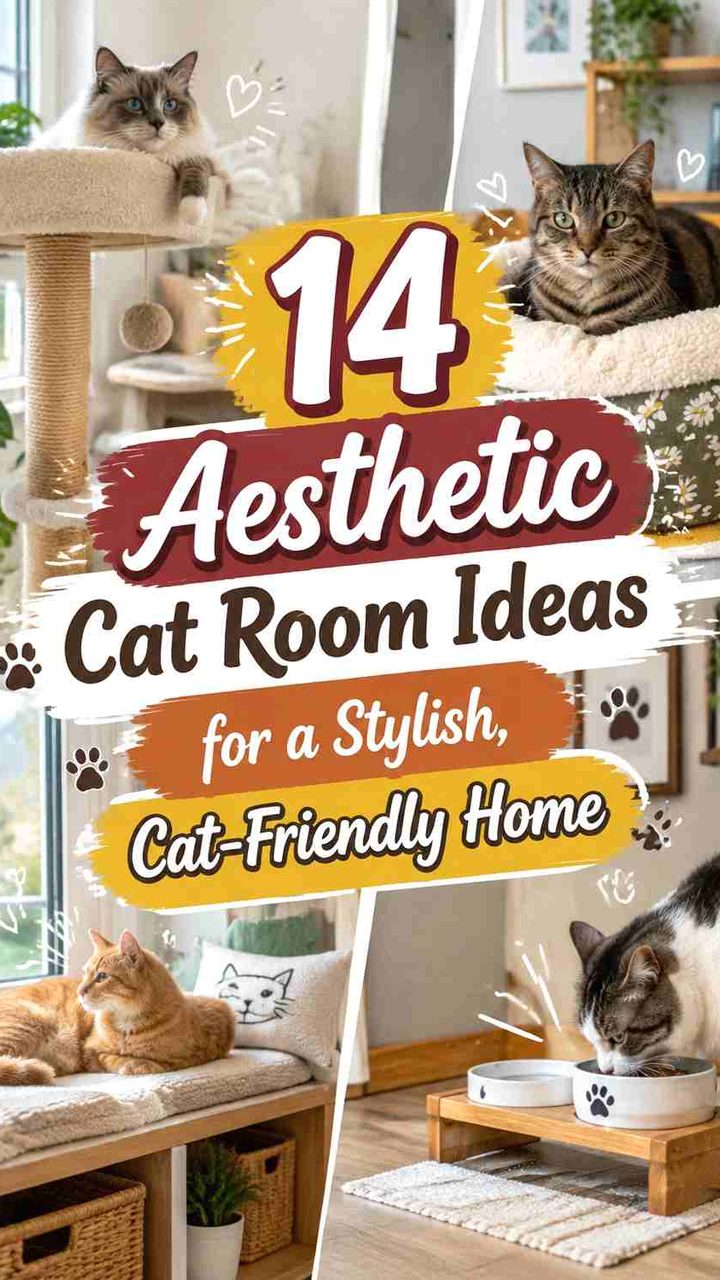
14 Aesthetic Cat Room Ideas for a Stylish, Cat-Friendly Home
Save to PinterestAesthetic cat room ideas work best when attractive materials and colors support real feline needs instead of hiding them. A beautiful room can still include stable climbing routes, washable surfaces, accessible resting spots, scratching areas, organized storage, and sensible litter or feeding zones.
The ideas below range from neutral sleeping nooks and furniture-style cat trees to hidden storage and multi-zone layouts. Use your cat’s size, age, mobility, confidence, play habits, and preferred resting places to decide which features deserve the most space.
Quick List
- Warm Neutral Cat Bed Nook for Stylish Living Rooms
- Modern Window Perch Corner for Sun-Loving Indoor Cats
- Floating Cat Shelf Wall for Vertical Apartment Enrichment
- Furniture-Style Cat Tree for Modern Aesthetic Cat Rooms
- Hidden Litter Cabinet Zone for Cleaner-Looking Cat Rooms
- Minimalist Feeding Station for Organized Cat Room Corners
- Woven Toy Storage Setup for Clutter-Free Cat Spaces
- Sculptural Scratching Post Corner for Stylish Indoor Cats
- Under-Console Hideaway Bed for Small Aesthetic Cat Rooms
- Washable Rug Play Zone for Cozy Cat Room Style
- Soft Lighting Rest Corner for Calm Evening Cat Spaces
- Coordinated Multi-Cat Resting Zone for Stylish Shared Rooms
- Compact Grooming and Supply Station for Organized Cat Rooms
- Balanced Multi-Zone Cat Room for Small Modern Homes
1. Warm Neutral Cat Bed Nook For Stylish Living Rooms
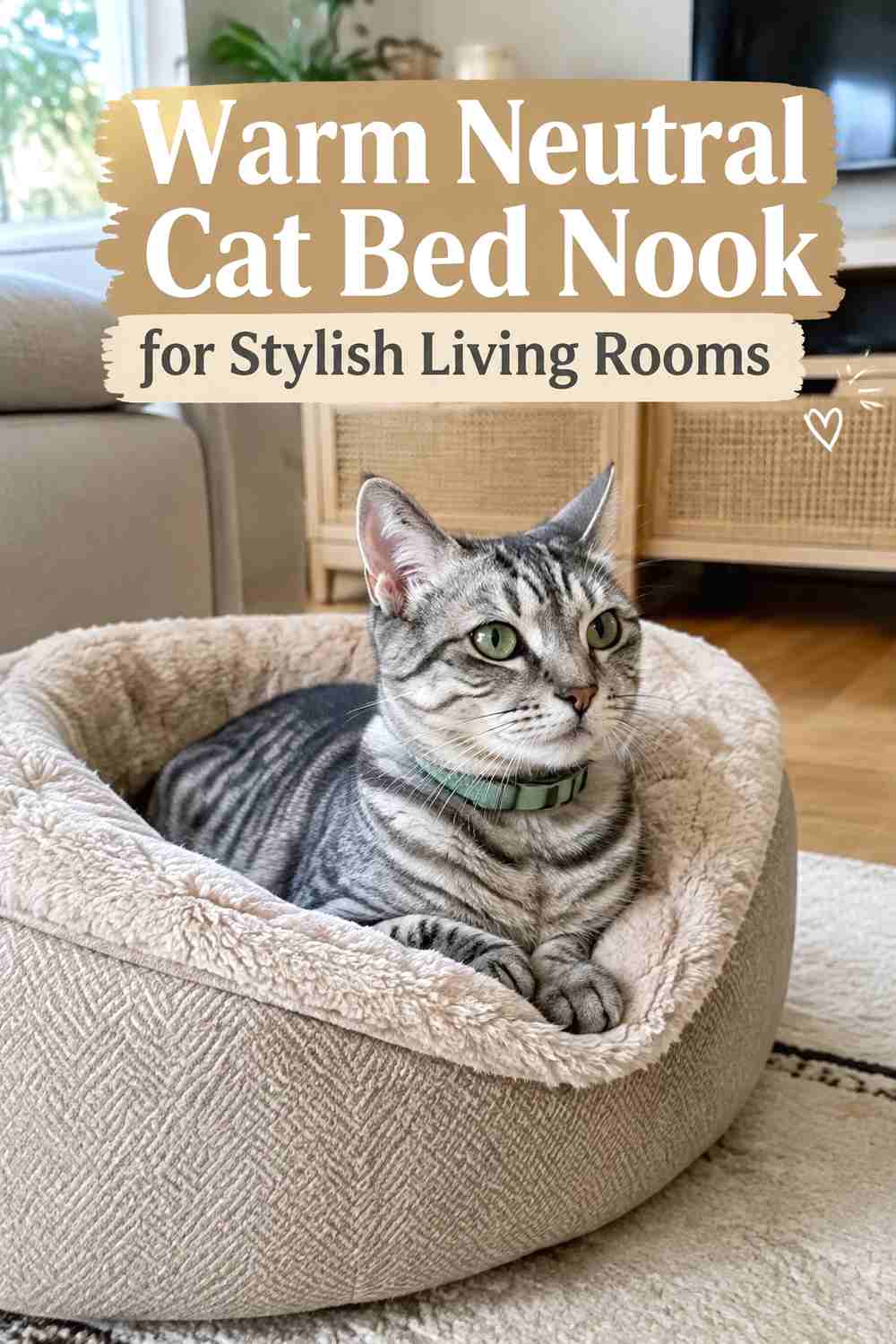
A warm neutral cat bed nook blends a dedicated resting spot into a stylish living room without making the area look overly pet-specific. Choose a supportive bed in cream, oatmeal, taupe, or another color that coordinates with nearby furniture, then place it in a quiet corner your cat already likes. A washable cover keeps the setup practical, while a low profile makes it easier for many cats to step in and out. Avoid surrounding the bed with decorative objects that reduce usable space or create things your cat may knock over. The best aesthetic comes from keeping the nook simple: one comfortable bed, a clear approach, and enough breathing room around it.
Space & Placement
Choose a calm corner away from swinging doors, loud speakers, and busy walkways.
Cleaning Notes
A removable washable cover makes it easier to control fur and keep the neutral fabrics looking fresh.
2. Modern Window Perch Corner For Sun Loving Indoor Cats
You May Also Like


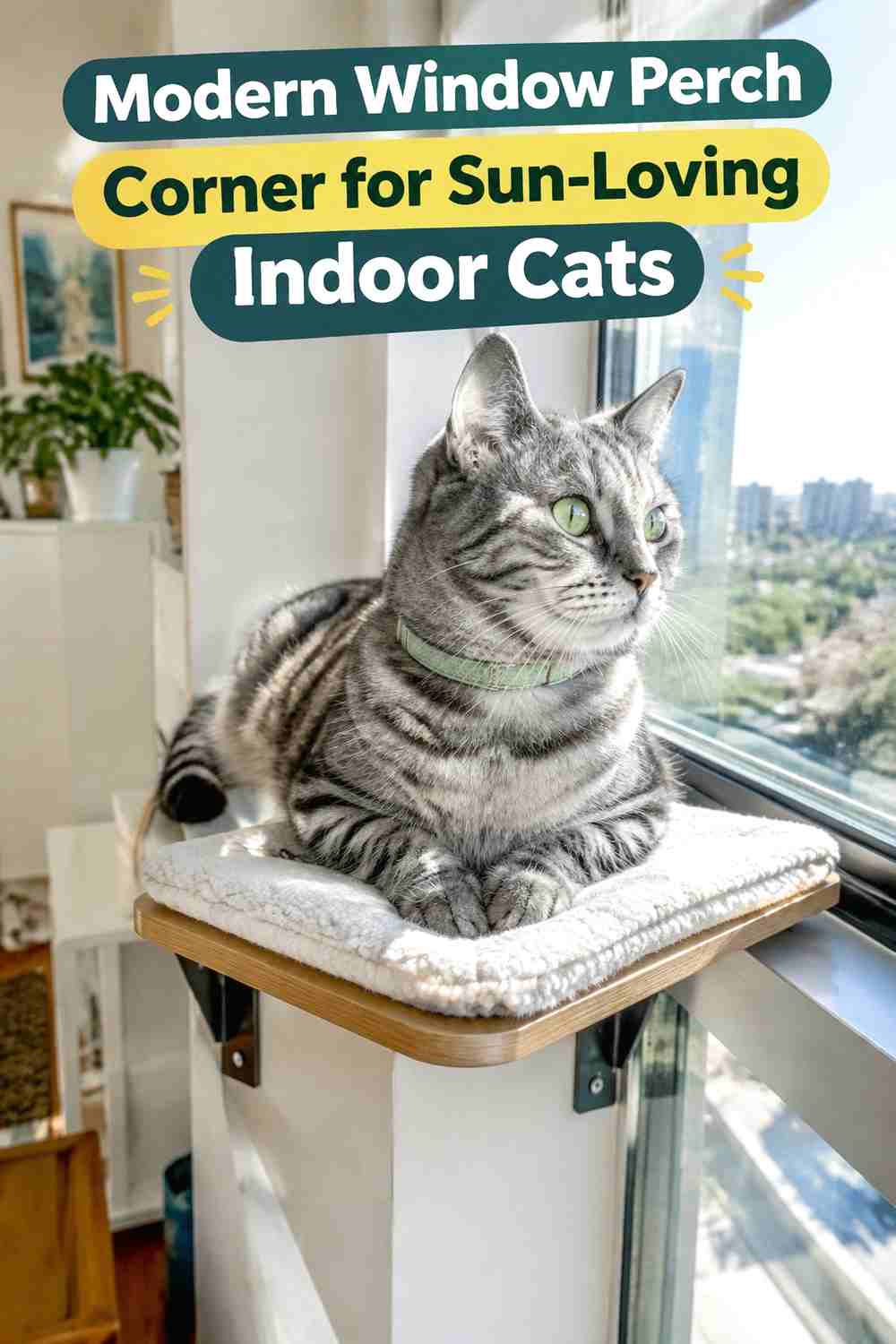
A modern window perch corner turns a bright window into both a design feature and a useful observation space for an indoor cat. Use a stable sill perch, secure mounted platform, or sturdy piece of cat furniture that visually matches the room. Add a slim washable cushion so your cat can sit or nap without making the setup bulky. Keep the path to the perch easy to follow and leave enough room for turning around comfortably. The window should remain safely closed or appropriately secured, and blind cords need to stay out of reach. If the spot receives intense afternoon sun, make sure your cat can move to a cooler resting area whenever they choose.
Why It Works
A window view adds visual interest for the cat while using vertical space instead of adding more furniture to the floor.
Comfort & Safety
Check perch stability regularly and keep window coverings, cords, and hardware from interfering with access.
3. Floating Cat Shelf Wall For Vertical Apartment Enrichment
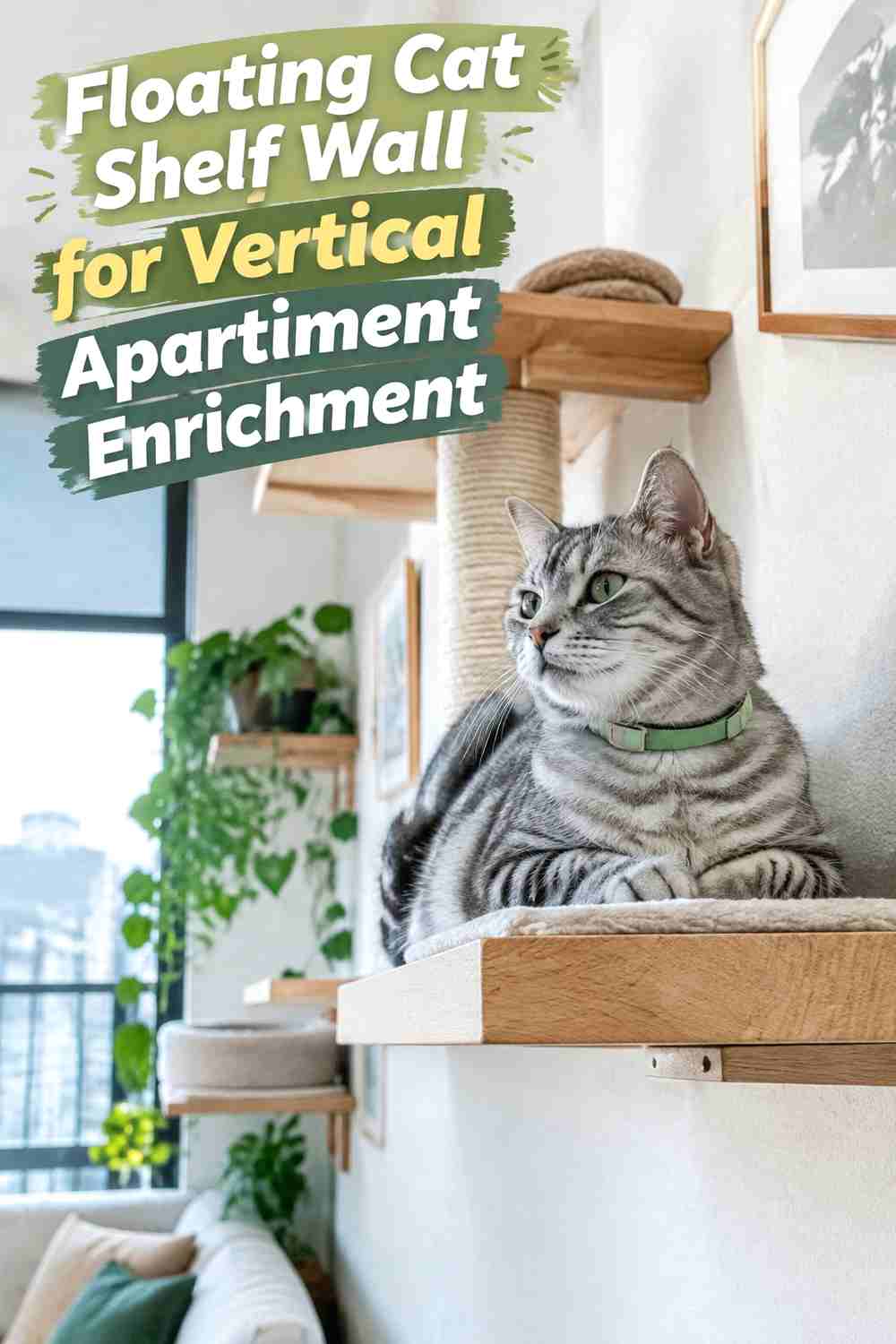
A floating cat shelf wall can look like modern architectural shelving while adding useful vertical territory for an indoor cat. Arrange securely mounted platforms in a clear sequence with sensible spacing, broad landing areas, and more than one way to move through the setup. Add non-slip surfaces or fitted pads so smooth materials do not become difficult to use. Keep decorative objects off the actual cat route, even if empty shelves look less styled in photos. Stability and usable proportions matter more than creating a dramatic zigzag pattern. Kittens, senior cats, and less agile cats may need lower platforms and shorter transitions, while confident adults may enjoy a more varied route.
Setup Notes
Plan the route from your cat’s starting point to the highest resting platform before mounting individual shelves.
Pet Type & Life Stage
Adjust height and spacing to your cat’s confidence, size, and mobility rather than following a decorative pattern alone.
4. Furniture Style Cat Tree For Modern Aesthetic Cat Rooms
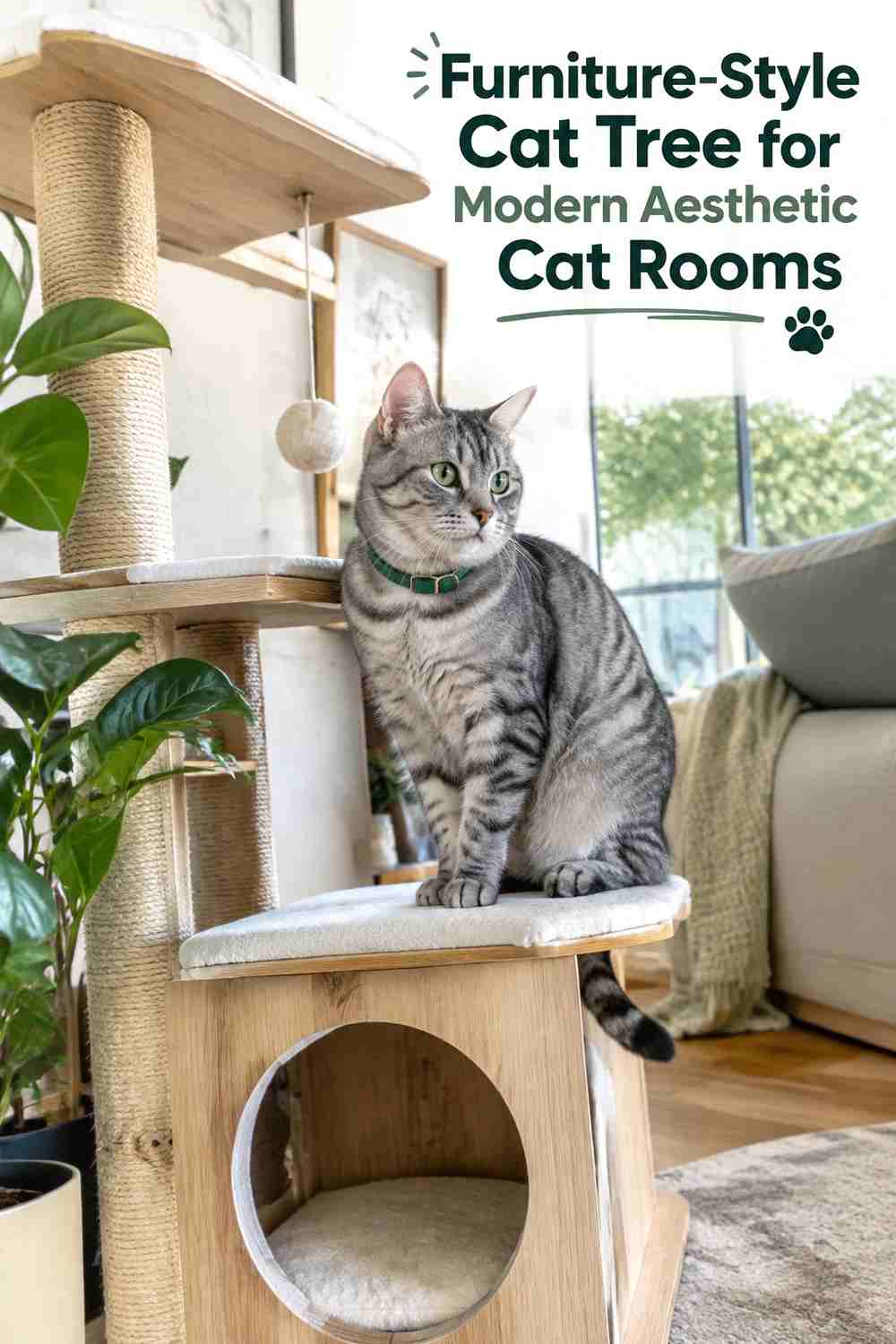
A furniture-style cat tree can provide climbing, scratching, hiding, and resting areas while blending more naturally with modern décor. Look for a stable design with broad usable platforms, neutral upholstery, and scratching surfaces that your cat can actually reach comfortably. Place it where the highest level has a worthwhile view, such as near a window or across the main room, instead of hiding it in an unused corner just because it matches the furniture. A restrained color palette can make the tree feel integrated without sacrificing function. Check the base, joints, fabric, and scratching material regularly, especially if your cat jumps onto the structure at speed.
Best For
This option suits homes where one well-designed piece needs to handle several cat activities without creating visual clutter.
Use & Maintenance
Vacuum fur from platforms and tighten any connections that begin to loosen with regular use.
5. Hidden Litter Cabinet Zone For Cleaner Looking Cat Rooms
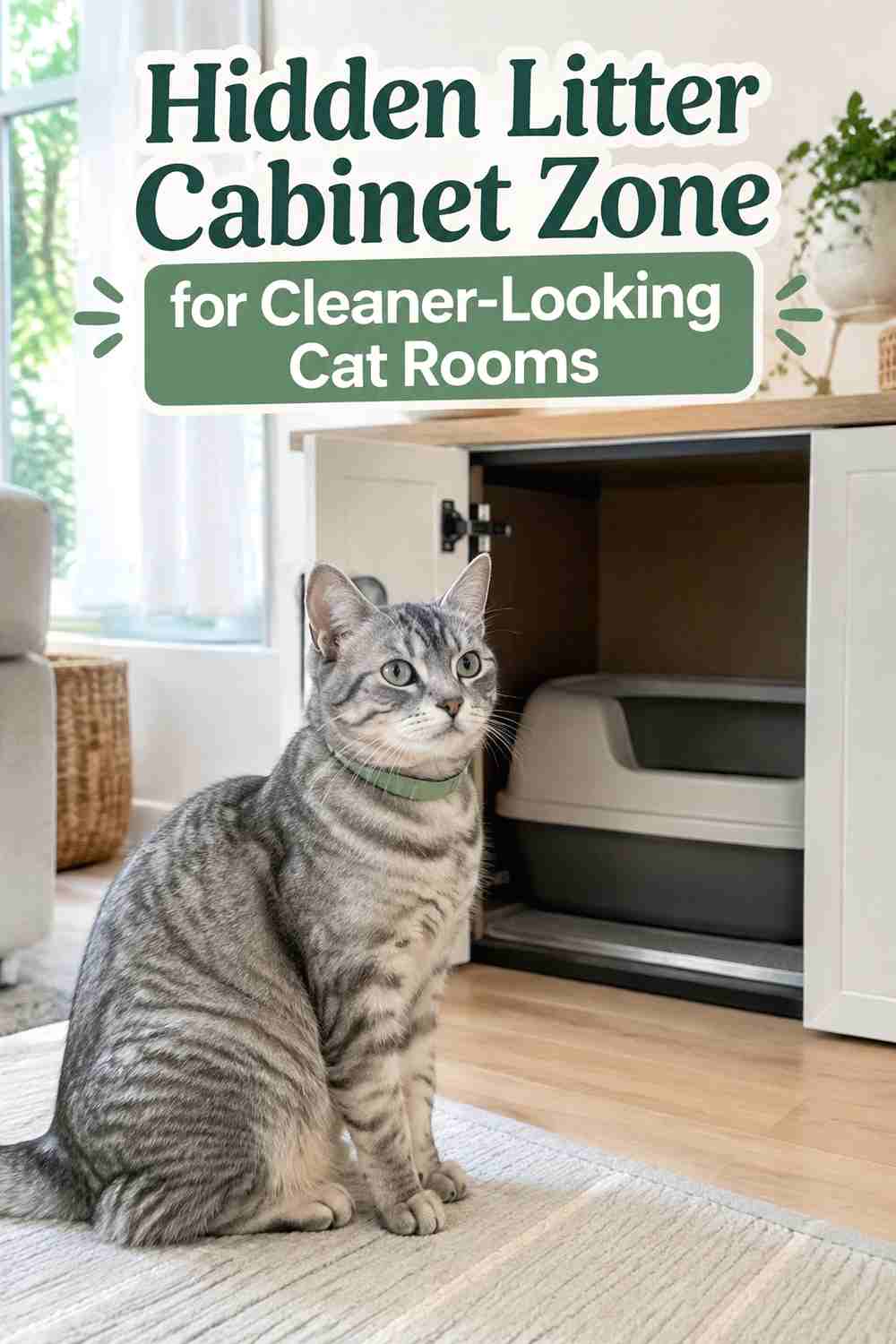
A hidden litter cabinet zone can make a cat room look more organized while keeping the litter setup accessible for everyday cleaning. Choose a roomy, purpose-suitable enclosure with easy cat entry, adequate ventilation, and enough interior space for the litter box to sit level without crowding the entrance. Avoid turning the cabinet into decorative storage that makes scooping awkward or blocks airflow. Position it away from food and water areas, and make sure the cat never has to pass through a noisy or busy zone to reach it. A washable mat outside the entrance can catch tracked litter while still fitting the room’s color palette.
Cleaning Notes
Choose a cabinet that opens widely enough for convenient scooping and regular wiping of interior surfaces.
Comfort & Safety
Do not sacrifice access, ventilation, or litter-box space simply to make the enclosure look smaller or more decorative.
6. Minimalist Feeding Station For Organized Cat Room Corners
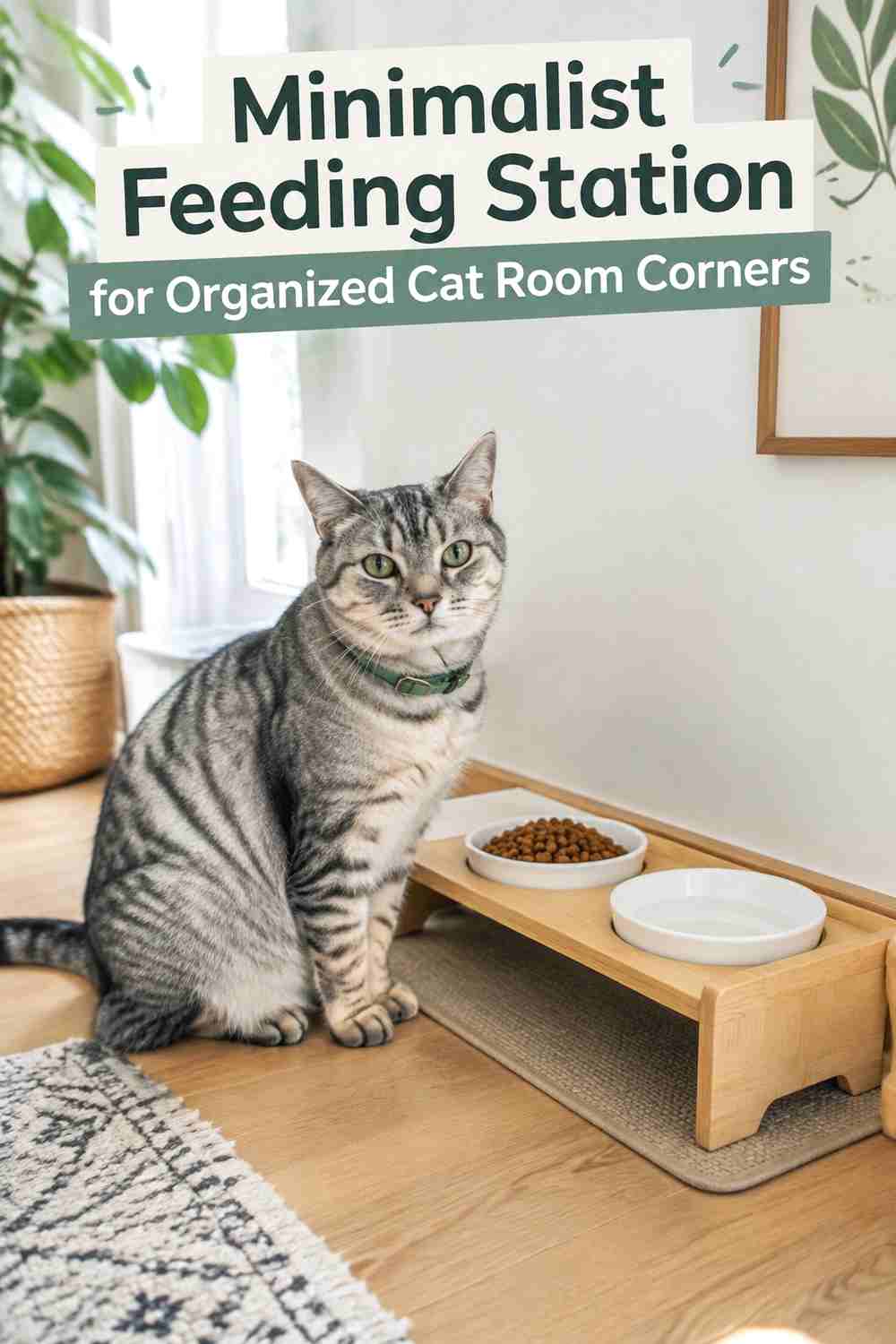
A minimalist feeding station gives food and water a designated place without scattering bowls and supplies around the room. Use easy-clean bowls on a washable mat or low tray that coordinates with the room, then keep nearby surfaces free from unnecessary decorations. Water can be placed separately if your cat prefers it away from food, and the whole setup should remain well away from the litter zone. Choose a location where your cat can eat without being repeatedly disturbed by people or other pets passing through. Store extra food in a closed container outside the cat’s reach rather than displaying packages as part of the décor.
Space & Placement
A quiet wall edge or open corner works better than a narrow passage where people constantly walk past.
Cleaning Notes
Wipe the mat and surrounding floor regularly so the streamlined look stays practical instead of hiding dried spills.
7. Woven Toy Storage Setup For Clutter Free Cat Spaces
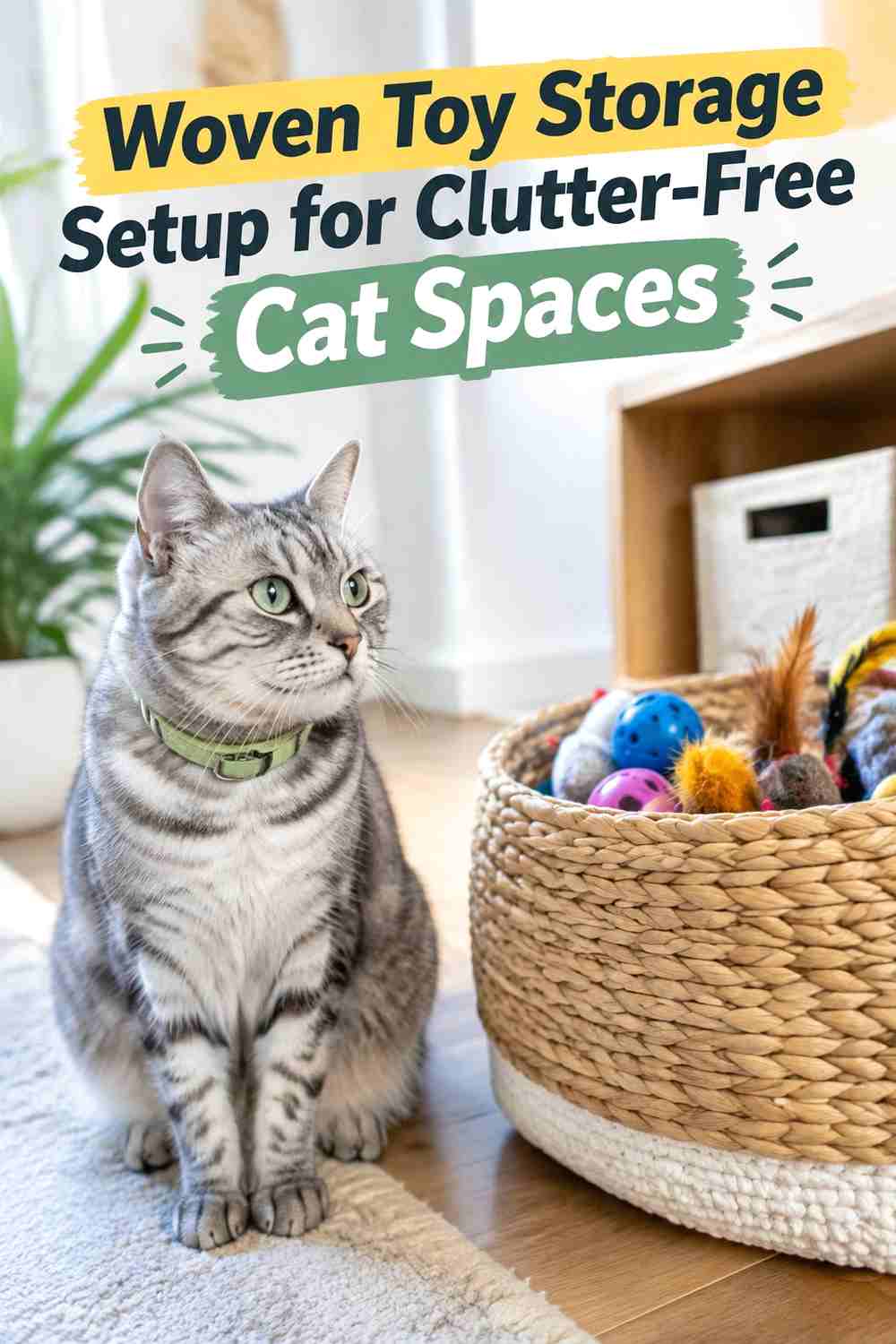
A woven toy storage setup can keep an aesthetic cat room orderly while making toy rotation easier for the owner. Choose a sturdy basket or closed bin that coordinates with the room and store most toys inside, leaving only a small selection available at one time. If the basket has loose fibers, handles, or chewable trim, keep it where the cat cannot access it unsupervised. Rotate a few toys periodically instead of emptying the entire collection onto the floor. This system also makes inspections easier because every toy passes through your hands before returning to storage. Remove damaged strings, loose stuffing, or small detachable pieces rather than keeping worn toys for appearance.
Use & Maintenance
Sort toys during each rotation and wipe or wash storage containers whenever fur and dust begin to collect.
Pro Tip
Keep interactive wand toys stored separately so strings and attachments are inaccessible between play sessions.
8. Sculptural Scratching Post Corner For Stylish Indoor Cats
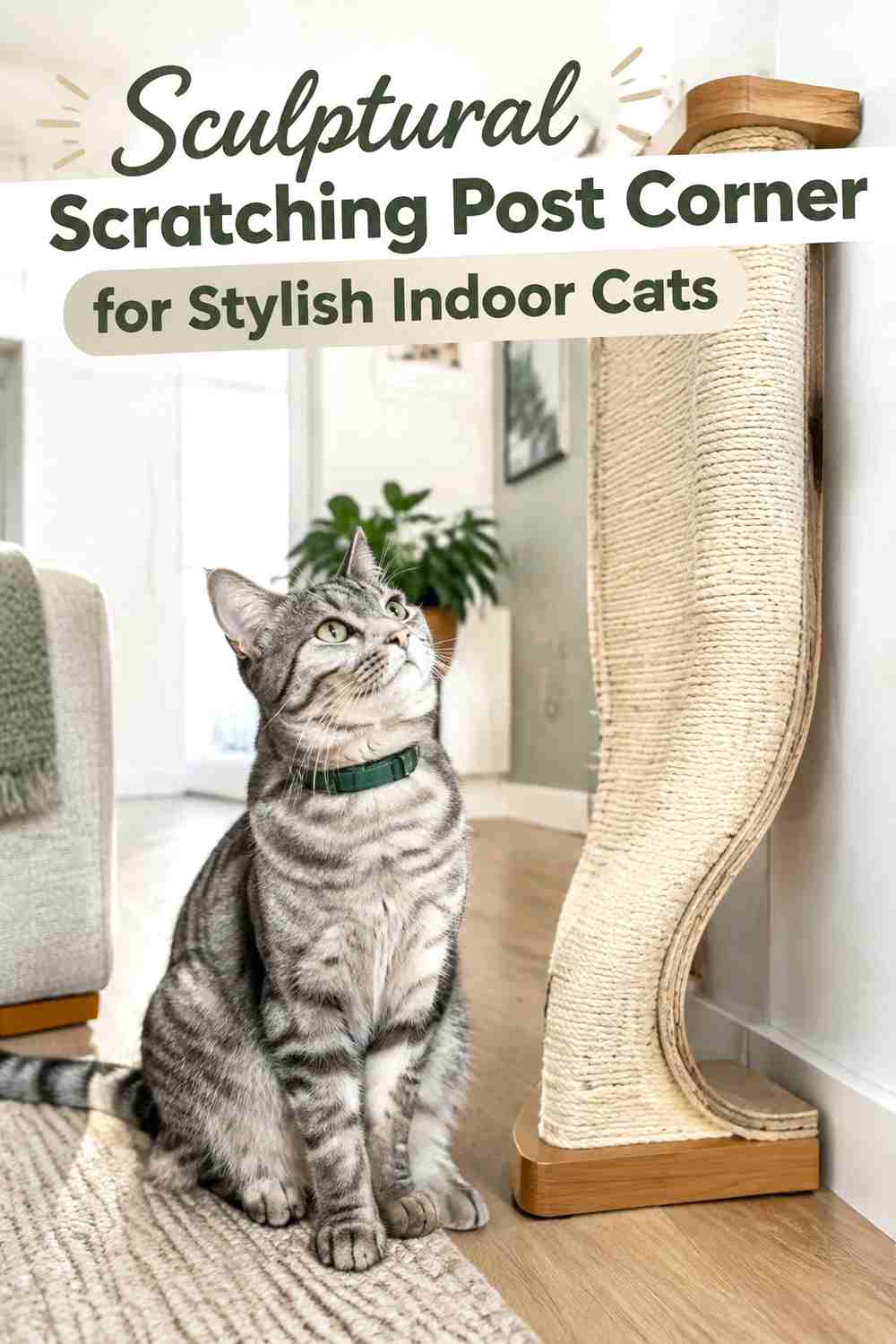
A sculptural scratching post corner treats one of the cat’s everyday needs as part of the room design rather than something to hide. Choose a sturdy post or scratcher tall or broad enough for your cat’s normal scratching posture, then position it near a route, resting area, or piece of furniture your cat already visits. Materials such as sisal, wood-toned bases, or neutral cardboard can coordinate with a modern interior while still being practical. Stability matters more than a dramatic shape, so avoid narrow decorative scratchers that wobble during use. Keep the surrounding floor clear and replace worn sections when loose material begins shedding heavily.
Best For
This works especially well in rooms where the scratcher can double as a deliberate visual accent instead of an afterthought.
Space & Placement
Position it where your cat naturally passes or stretches rather than choosing a corner solely because it looks balanced.
9. Under Console Hideaway Bed For Small Aesthetic Cat Rooms
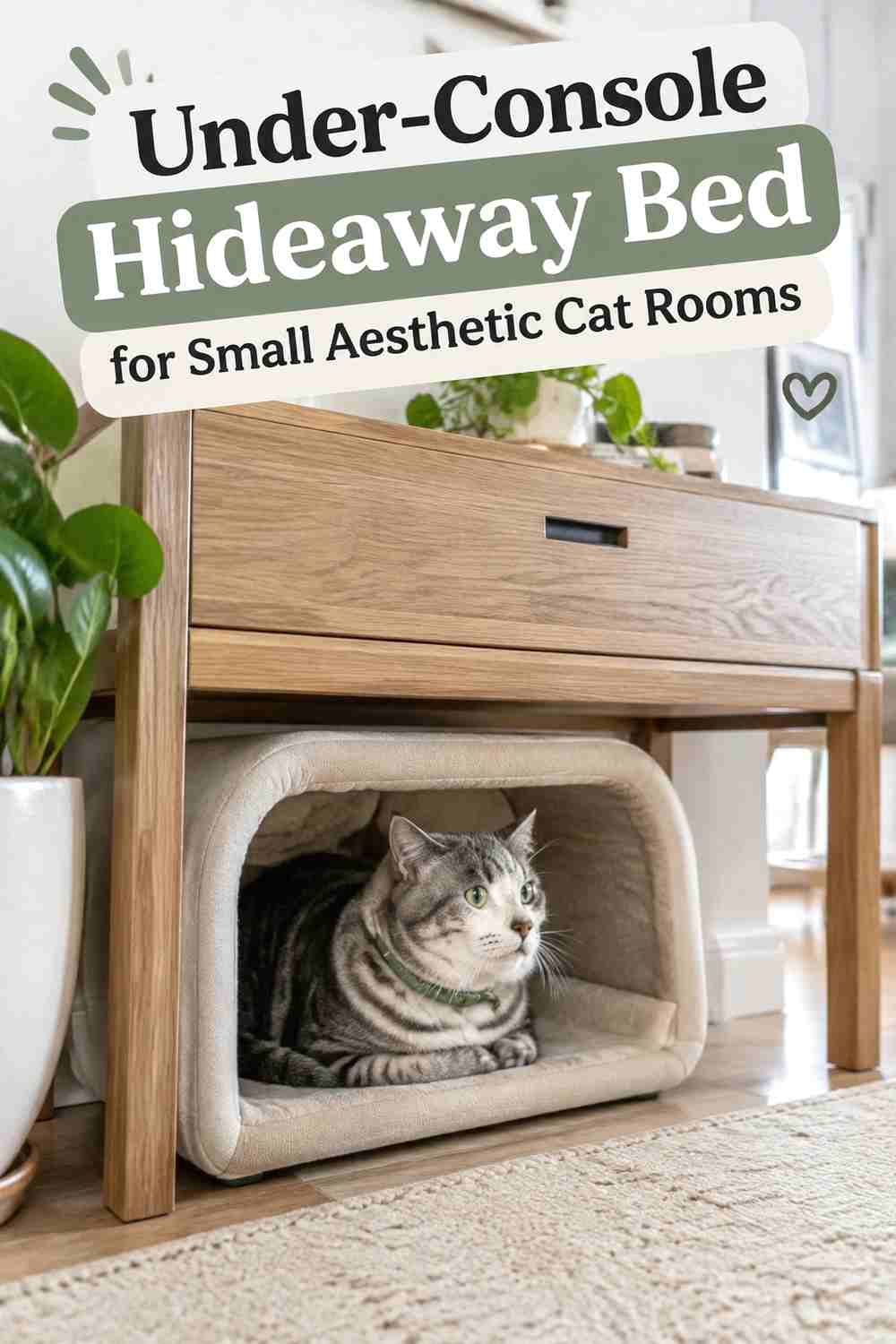
An under-console hideaway bed uses the otherwise empty space beneath a sturdy console or bench to create a discreet resting nook. Place a low, washable cat bed underneath, leaving the front and at least one side comfortably open so your cat never feels trapped. Make sure the furniture itself is stable and that cords, décor, and stored items cannot fall into the resting space. This layout works well in small rooms because it creates a separate cat zone without adding another bulky piece of furniture. Keep the bed far enough forward that you can vacuum, inspect, and remove it easily instead of turning the nook into a hard-to-clean hidden corner.
Best For
This idea suits cats that enjoy sheltered resting places and homes where floor space needs to serve more than one purpose.
Cleaning Notes
Pull the bed out regularly to vacuum fur and dust beneath the furniture.
10. Washable Rug Play Zone For Cozy Cat Room Style
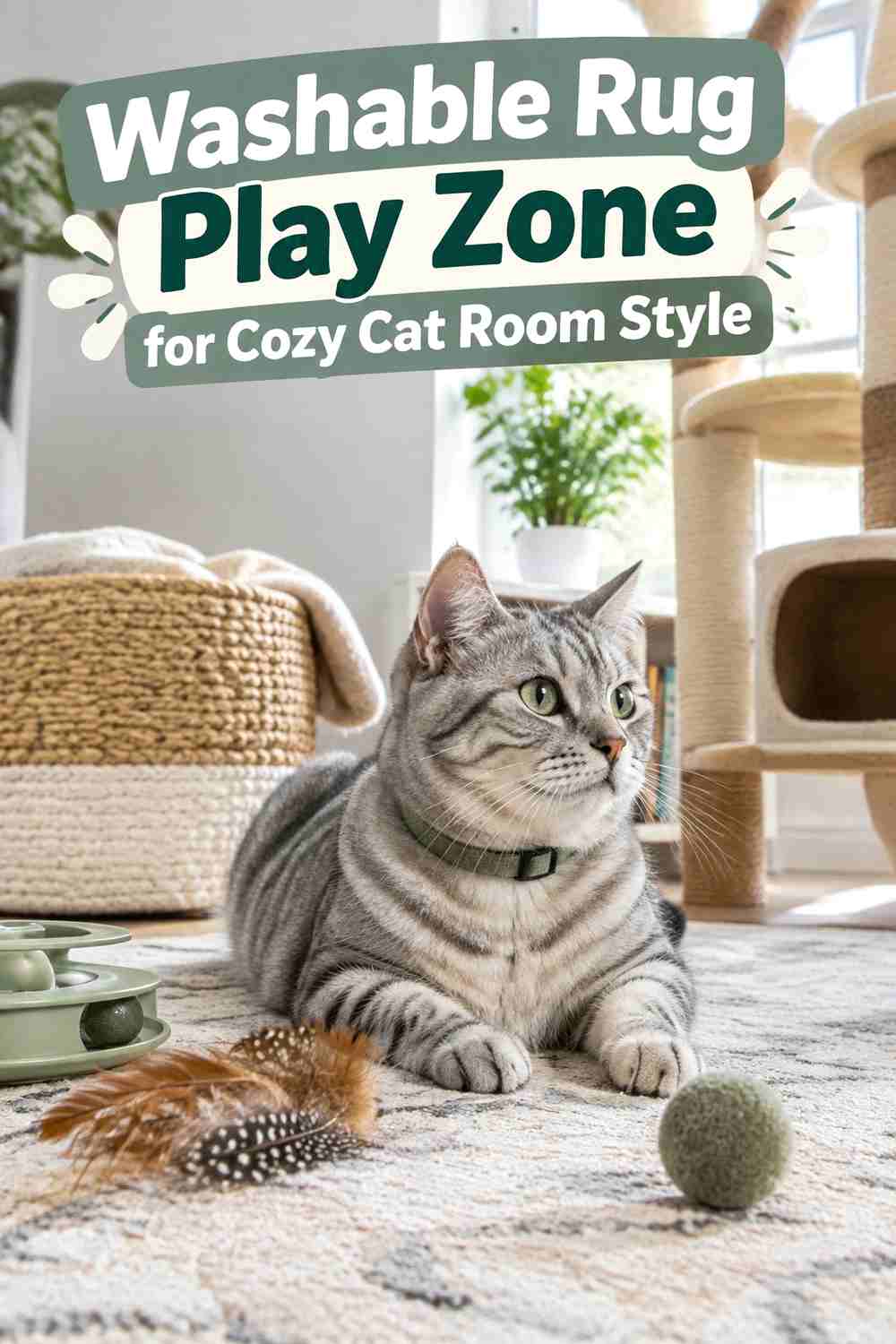
A washable rug play zone defines an open area for batting toys, rolling, stretching, and interactive play while adding color and softness to the room. Choose a low-pile rug with a non-slip backing or secure rug pad so it stays flat when your cat runs or pounces. Keep the surface free from decorative baskets, floor lamps, and fragile objects during active play. A subtle pattern can help disguise everyday fur between cleanings without making the space visually busy. Rotate lightweight toys onto the rug instead of leaving everything out permanently, and store string or wand toys after supervised sessions. If the rug develops loose loops or damaged edges, repair or replace it.
Why It Works
The rug visually defines a play area while giving paws better traction than many smooth floors.
Use & Maintenance
Vacuum frequently and wash according to the rug’s care instructions when dust, fur, or spills build up.
11. Soft Lighting Rest Corner For Calm Evening Cat Spaces
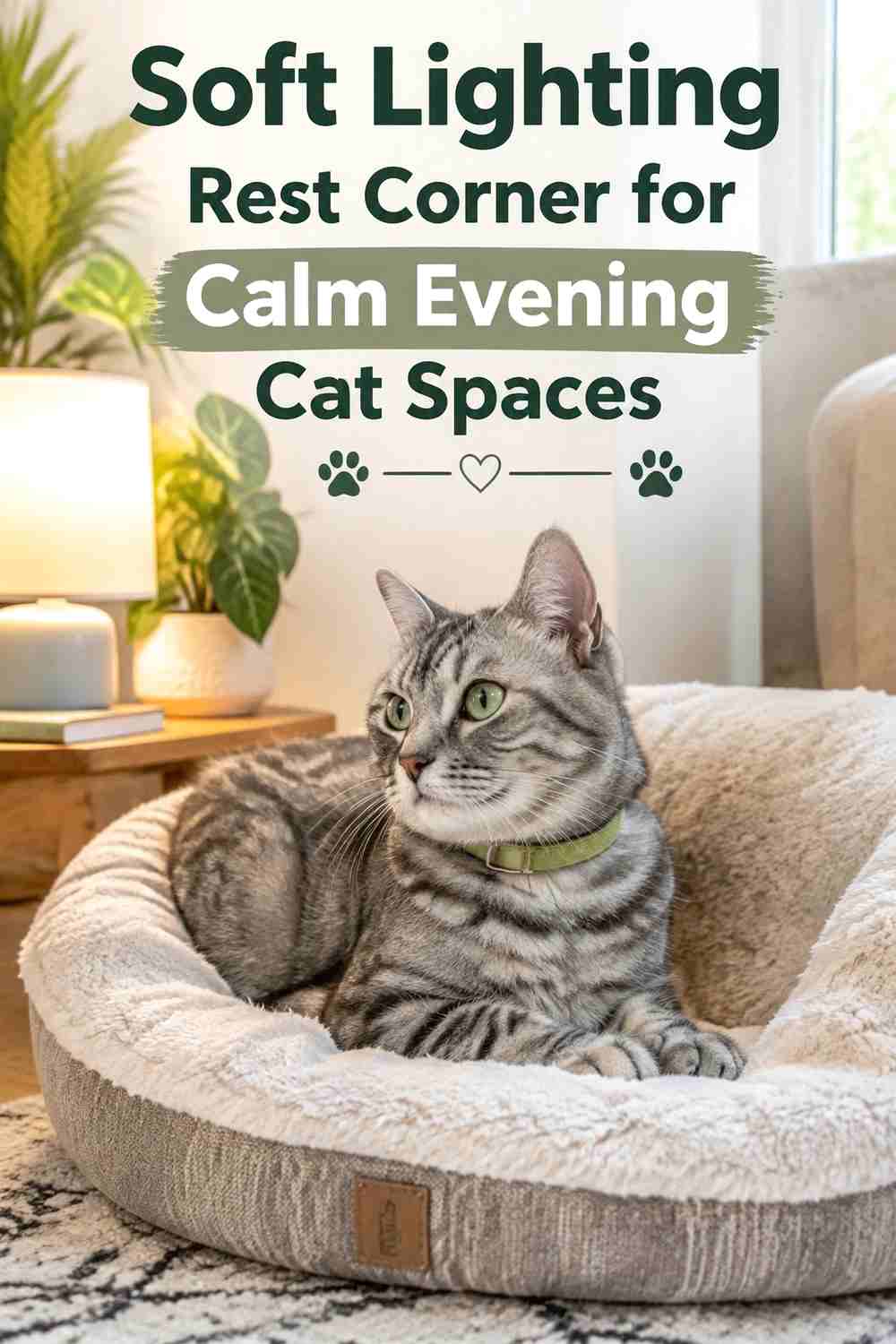
A soft lighting rest corner creates a visually warm evening space where a cat can settle away from the brightest part of the room. Place a comfortable bed or mat near gentle ambient light from a secured lamp positioned where the cat cannot pull cords, tip the base, or reach a hot bulb. The cat should still have an easy path into and out of the area and access to darker resting places elsewhere. Avoid flashing decorative lights, dangling string lights, or exposed cables around the bed. The design can stay simple with warm-toned textiles and one stable light source rather than turning the corner into a heavily decorated display.
Setup Notes
Keep cords fully managed and position lamps outside the cat’s normal climbing or play route.
Comfort & Safety
Choose gentle ambient lighting and make sure your cat can move to a darker or cooler location whenever desired.
12. Coordinated Multi Cat Resting Zone For Stylish Shared Rooms
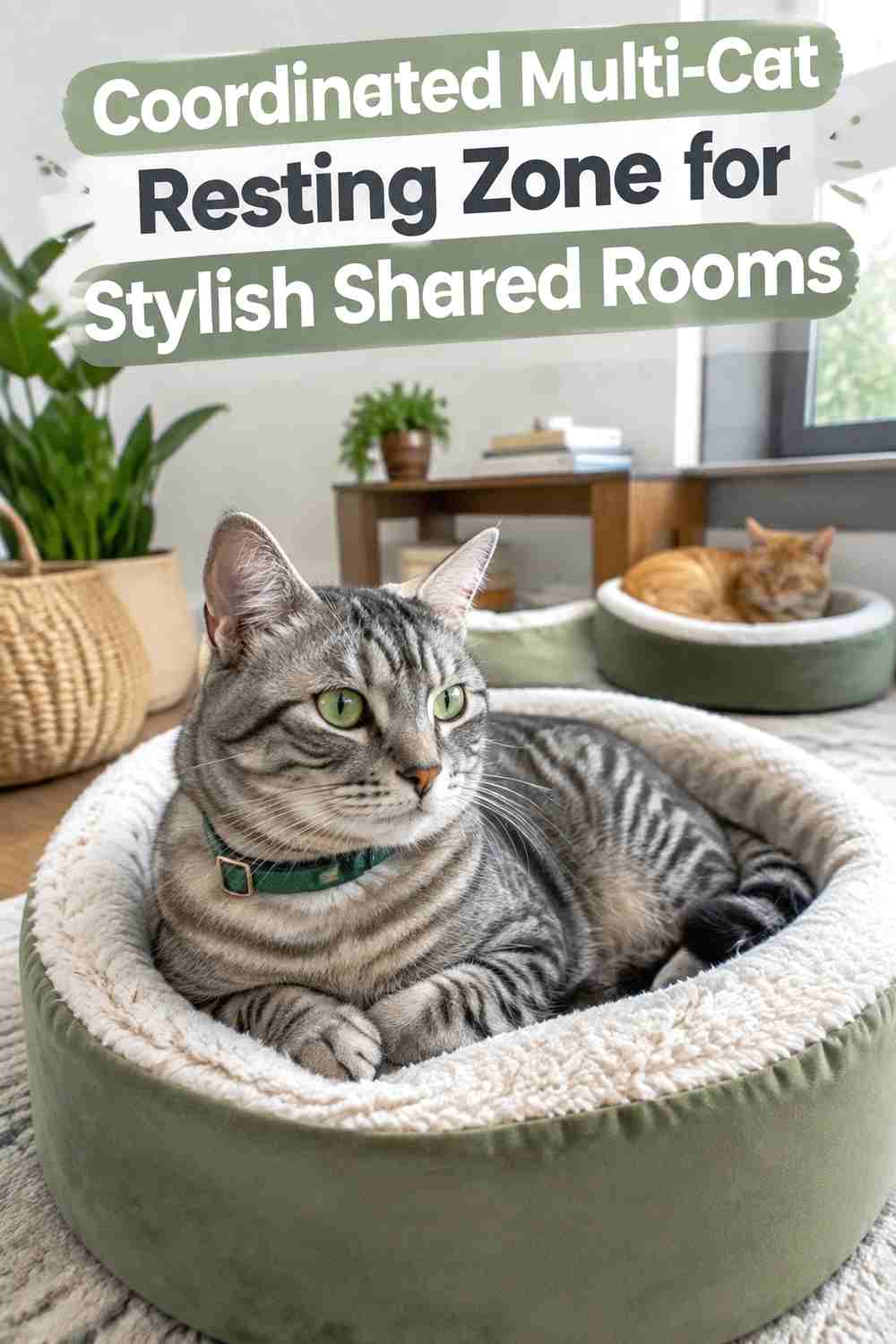
A coordinated multi-cat resting zone uses matching or complementary beds to create a cohesive look without expecting several cats to share one sleeping spot. Place separate beds, mats, or elevated resting options with enough distance that each cat can settle without blocking another cat’s access. Repeating the same fabric family or color palette keeps the room visually consistent even when resources are duplicated. Some cats prefer different heights or levels of enclosure, so identical beds are not always necessary. Include alternative resting areas elsewhere in the home as well, especially if one cat tends to occupy the most desirable location for long periods.
Best For
This setup is useful in multi-cat homes where visual consistency matters but separate personal spaces are still needed.
Space & Placement
Spread resources enough to avoid turning matching beds into one crowded shared station.
13. Compact Grooming And Supply Station For Organized Cat Rooms
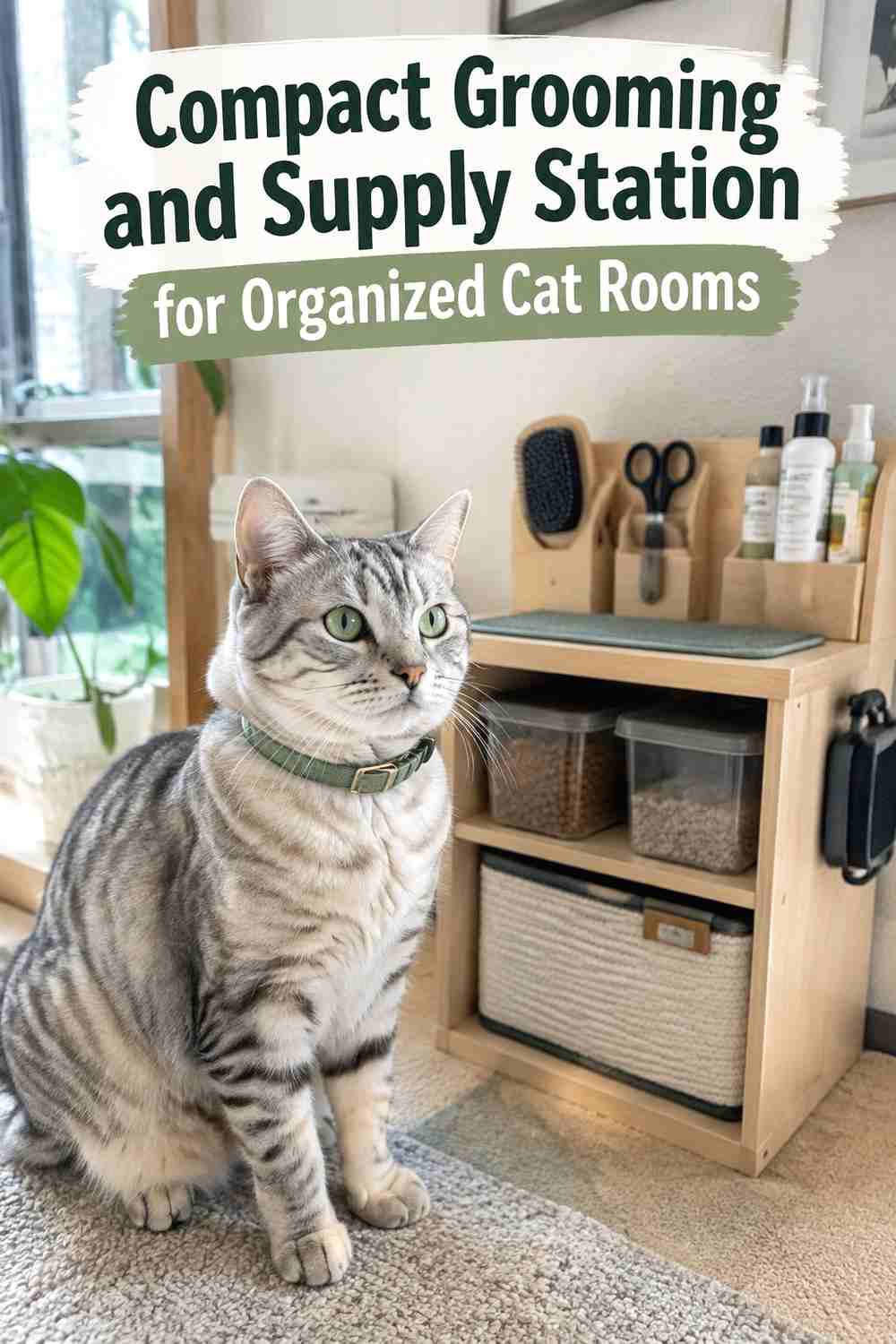
A compact grooming and supply station keeps brushes, wipes, spare bedding, nail-care supplies, and other everyday items organized without leaving them scattered around the cat room. Use a closed drawer unit, cabinet, or lidded organizer that fits the room’s furniture style and keeps small tools safely out of reach. Store medicines and cleaning products separately in secure locations rather than treating them as decorative shelf items. Keep one clear surface available for placing a brush or fresh bedding during routine care, then return supplies after use. The station should support organization, not become another clutter zone, so remove expired, damaged, or rarely used items periodically.
Setup Notes
Group supplies by purpose so frequently used items are easy to reach without opening several containers.
Comfort & Safety
Keep sharp tools, medicines, cleaners, and small accessories secured where the cat cannot access them.
14. Balanced Multi Zone Cat Room For Small Modern Homes
You May Also Like



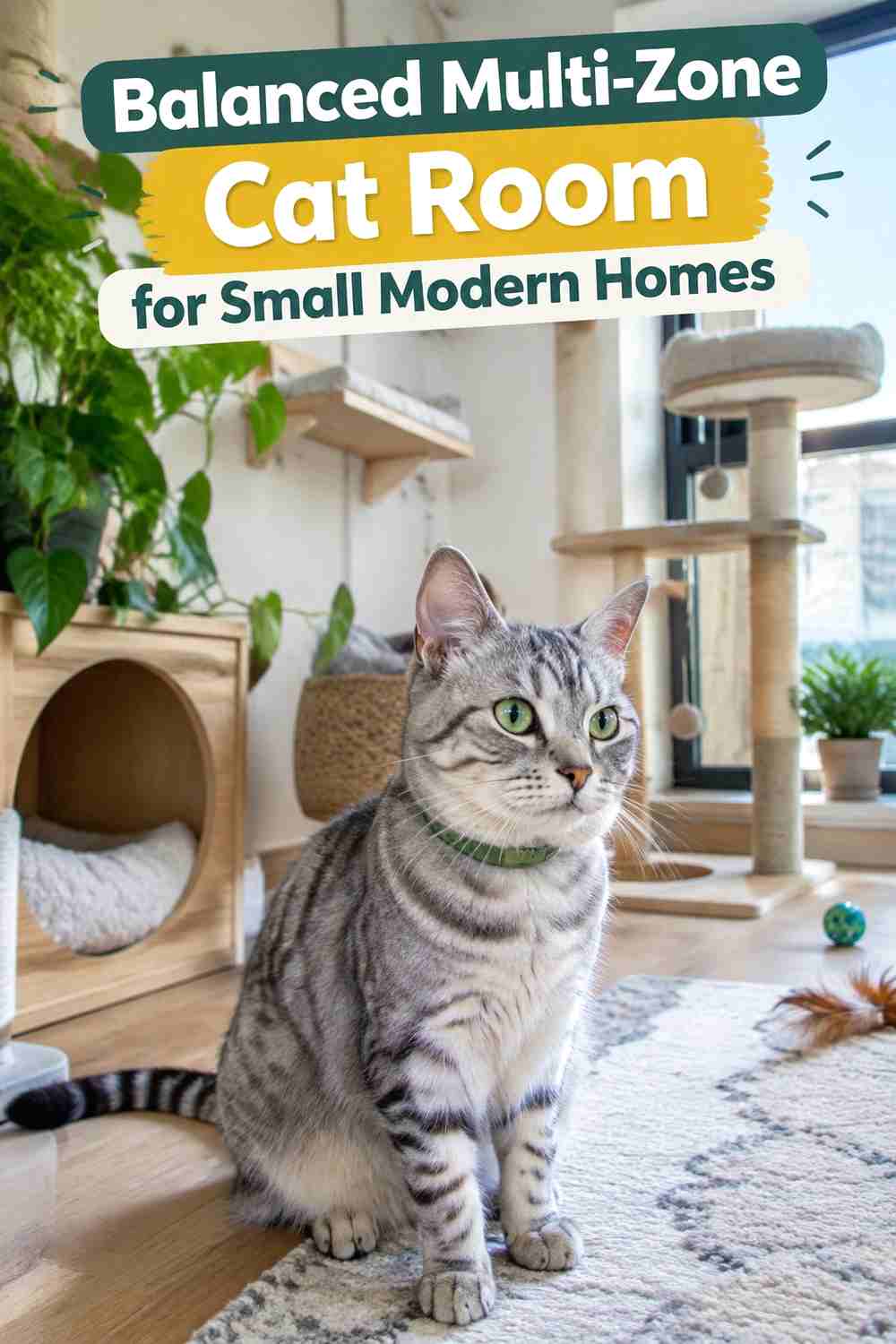
A balanced multi-zone cat room combines several essential functions without making a small modern home feel crowded. Use one wall or corner for vertical climbing, another quiet spot for resting, a compact scratcher near a common route, and a separate easy-clean feeding area. Litter should remain comfortably separated from food and water, while toy storage can stay closed until playtime. Rather than filling every surface, leave clear floor space and predictable paths between zones. Repeating a limited color palette across beds, mats, storage, and cat furniture can make different functional areas feel visually connected. The strongest design is one where each object earns its place through comfort, enrichment, organization, or easy maintenance.
Space & Placement
Plan traffic flow first so your cat can reach each zone without squeezing around furniture or crossing cluttered areas.
Pro Tip
Choose fewer multifunctional pieces instead of many decorative pet accessories that compete for the same limited space.
How to Choose the Right Idea
Start with your cat’s actual habits rather than a decorating trend. A cat that spends hours at the window may benefit more from a comfortable perch than an elaborate bed nook, while a climber may get more value from stable shelves or a furniture-style cat tree.
Also consider room size, age, mobility, scratching preferences, litter access, owner maintenance, and how much storage you need. Small rooms usually work best when vertical space and multifunctional furniture reduce floor clutter.
Keep washable materials where mess is likely, provide good traction on elevated surfaces, and avoid using fragile décor in active cat zones. Aesthetic choices should support access, stability, cleaning, and comfort instead of making essential cat resources harder to use.
Final Thoughts
An aesthetic cat room can look calm, coordinated, and modern without becoming decorative at the expense of the cat. Start with the functions your cat uses most, then choose colors, materials, and storage that make those features feel intentional.
A comfortable bed, stable climbing route, practical scratcher, and organized supplies can create more value than a room filled with matching accessories. Keep the layout easy to clean, easy to navigate, and flexible enough to change as your cat’s habits change.
FAQs
1. What colors work well in an aesthetic cat room?
Neutral shades, muted greens, warm woods, creams, soft grays, and earthy tones can create a calm coordinated look. Choose washable materials and colors you can realistically maintain around fur and everyday mess.
2. How can I make a cat room look stylish without adding clutter?
Use a limited color palette, closed storage, multifunctional furniture, and a few purposeful cat resources. Leaving open floor space often makes the room look more polished than adding extra décor.
3. Can cat shelves still look aesthetic?
Yes. Matching finishes, consistent shelf shapes, and coordinated pads can help cat shelves blend with the room. Stable mounting, traction, and sensible spacing should guide the layout before appearance.
4. Where should the litter box go in an aesthetic cat room?
Choose an accessible, reasonably quiet, ventilated area separated from food and water. A suitable litter cabinet can reduce visual clutter, but it should still allow comfortable entry and easy cleaning.
5. How do I design an aesthetic room for multiple cats?
Provide duplicate or separate resting, scratching, and other key resources instead of expecting cats to share everything. Coordinated colors and materials can keep multiple items visually consistent without reducing personal space.
CTA
Save your favorite aesthetic cat room ideas and build a space that feels stylish, organized, comfortable, and genuinely useful for your cat.
