Make everyday pet care easier with organized zones for food, toys, grooming, walks, travel, cleaning, paperwork, and the supplies that usually create clutter.
Save This Idea on Pinterest

13 Pet Organization Ideas
Save to PinterestPet organization works best when everyday items have simple homes close to where they are actually used. Feeding supplies belong near meal routines, walking gear is easier to manage by the exit, and grooming tools stay more useful when they are not buried beneath toys and spare blankets.
These 13 pet organization ideas focus on practical storage, easy cleaning, quick access, and clutter control for homes with dogs, cats, or multiple pets. Keep medicines, cleaners, cords, plastic bags, small objects, and other unsafe supplies securely away from pets even when organizing them alongside routine pet gear.
Quick List
- Closed Pet Food Cabinet for Neat Everyday Storage
- Labeled Toy Bins for Easy Pet Toy Rotation
- Entryway Leash and Harness Station for Daily Pet Walks
- Compact Grooming Supply Drawer for Organized Pet Care
- Wall-Mounted Pet Supply Storage for Small Homes
- Washable Basket Station for Muddy Pet Towels and Gear
- Pet Paperwork Binder for Records and Routine Information
- Grab-and-Go Travel Bag for Organized Pet Trips
- Closed Litter Supply Cabinet for Cleaner Cat Spaces
- Clear Refill Bins for Everyday Pet Supply Backups
- Multi-Pet Storage Zones for Separate Everyday Supplies
- Under-Bench Storage for Bulky Pet Beds and Blankets
- Pet Cleaning Caddy for Quick Everyday Mess Control
1. Closed Pet Food Cabinet For Neat Everyday Storage

A closed pet food cabinet keeps feeding supplies contained instead of leaving bags, scoops, treats, and spare bowls scattered around the kitchen. Dedicate one shelf to sealed food containers, another to clean bowls, and a small bin to feeding accessories you use regularly. Choose a cabinet near the feeding area but away from moisture, heat, and household chemicals. Closed storage is especially useful for pets that investigate bags or containers when left within reach. Keep only current supplies inside so the cabinet stays easy to scan. Wipe shelves when crumbs collect, and avoid storing dirty food puzzles or damp bowls alongside clean items.
Setup Notes
Group supplies by daily use rather than package type. Frequently used food and bowls should be easiest to reach, while unopened backups can stay farther inside.
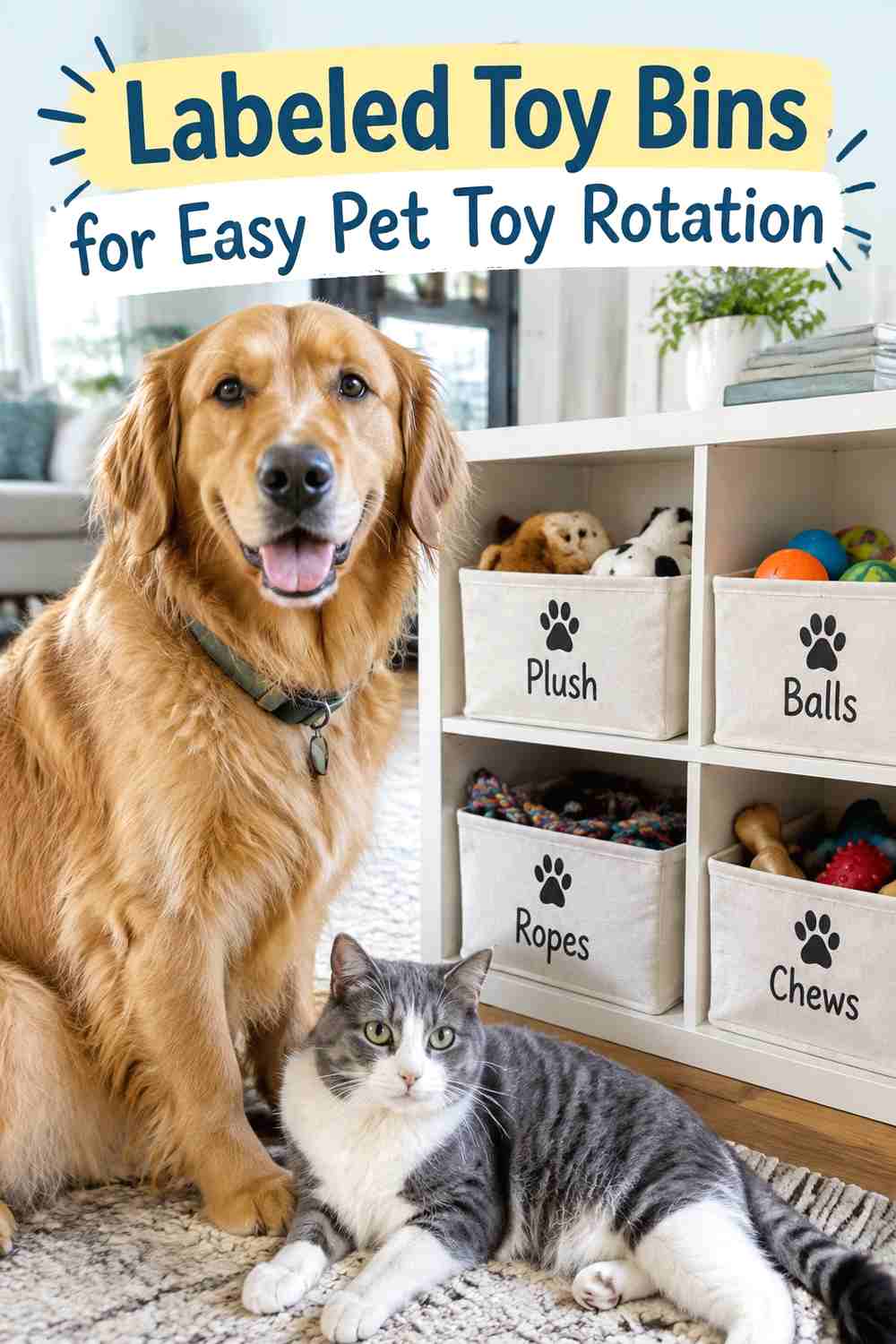
2. Labeled Toy Bins For Easy Pet Toy Rotation
You May Also Like


Labeled toy bins make a large collection easier to manage by dividing it into smaller groups instead of leaving every toy available at once. Create simple categories such as current toys, next rotation, puzzles, outdoor toys, and wash or repair. Keep the active selection in an accessible basket if your pet can safely choose toys independently, then store rotation bins in a closet or cabinet. Clear labels help everyone in the household return items to the right place. Each rotation also gives you a natural chance to inspect torn fabric, loose pieces, worn ropes, or cracked surfaces before a toy comes back into use.
Use & Maintenance
Keep dirty and damaged toys out of clean rotation bins. A separate inspection basket prevents questionable items from accidentally returning to regular play.
3. Entryway Leash And Harness Station For Daily Pet Walks

An entryway leash and harness station keeps walk essentials where you need them instead of spreading them across counters and coat hooks. Use secure owner-level hooks for leashes and harnesses, then add a small closed bin or drawer for waste bags, clean towels, and other walk supplies. Keep dangling straps out of chewing reach and avoid hanging gear where it blocks the doorway. A nearby basket can hold dry outdoor toys, while wet items should go to a separate drying area first. This setup works particularly well for busy households because the entire walking routine starts and ends in one predictable place.
Pro Tip
Keep the station limited to daily walking gear. Seasonal accessories and backups can stay elsewhere so the entryway does not become another overfilled storage zone.
4. Compact Grooming Supply Drawer For Organized Pet Care
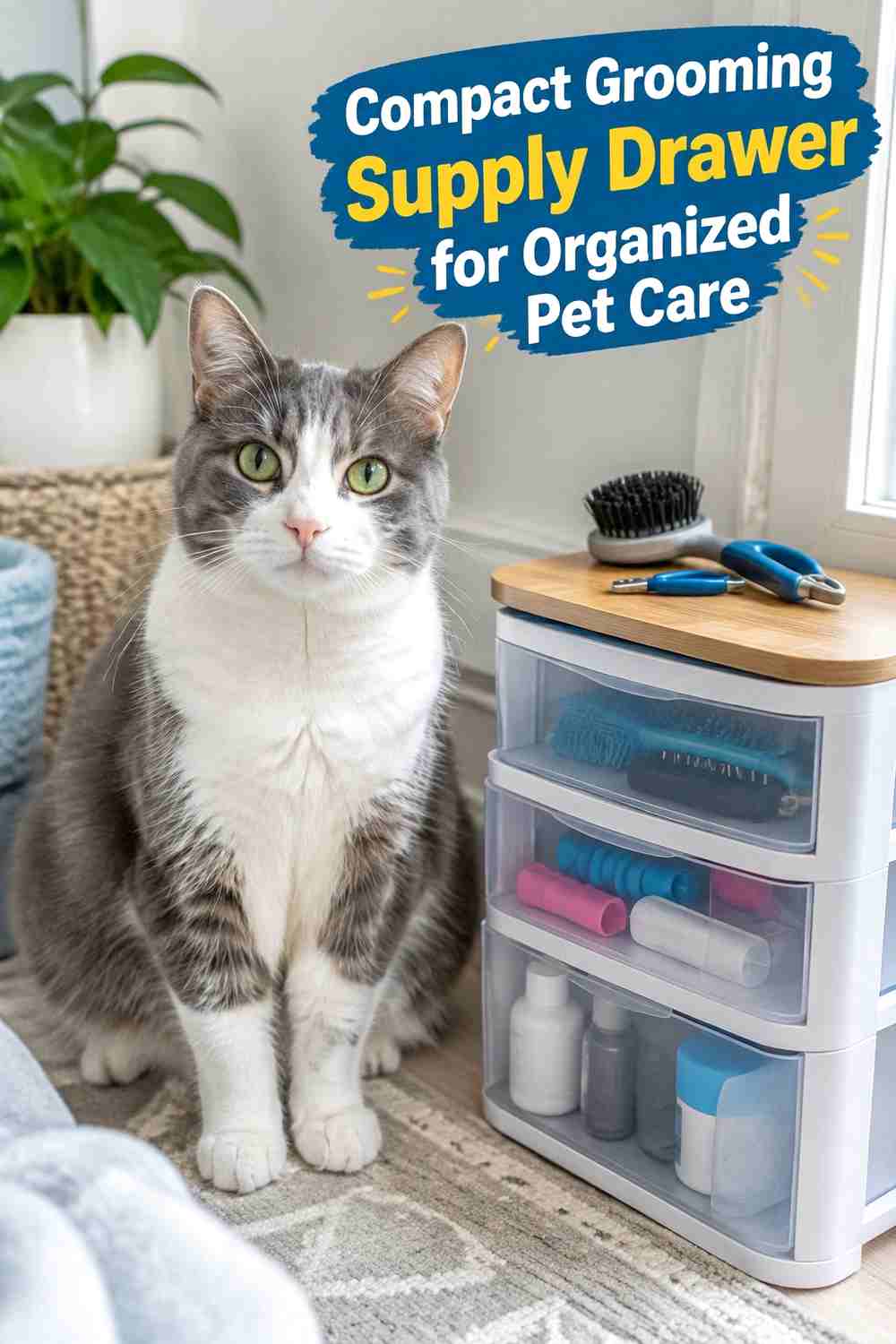
A dedicated grooming drawer keeps brushes, combs, nail-care items, towels, and other routine supplies together without leaving tools visible around the house. Use shallow dividers or small containers so each tool has a clear place and can be found quickly. Position the drawer near the area where grooming usually happens, but keep it securely closed between sessions. Hair-covered brushes can be cleaned before storage so debris does not spread through the drawer. Avoid mixing medicines, sharp tools, cleaners, or unrelated household items into the same open-access organizer. A compact setup is often more practical than collecting every possible grooming tool.
Use & Maintenance
Review the drawer occasionally and remove duplicates or tools you never use. Keeping only useful items makes regular grooming easier to set up and clean afterward.
5. Wall Mounted Pet Supply Storage For Small Homes
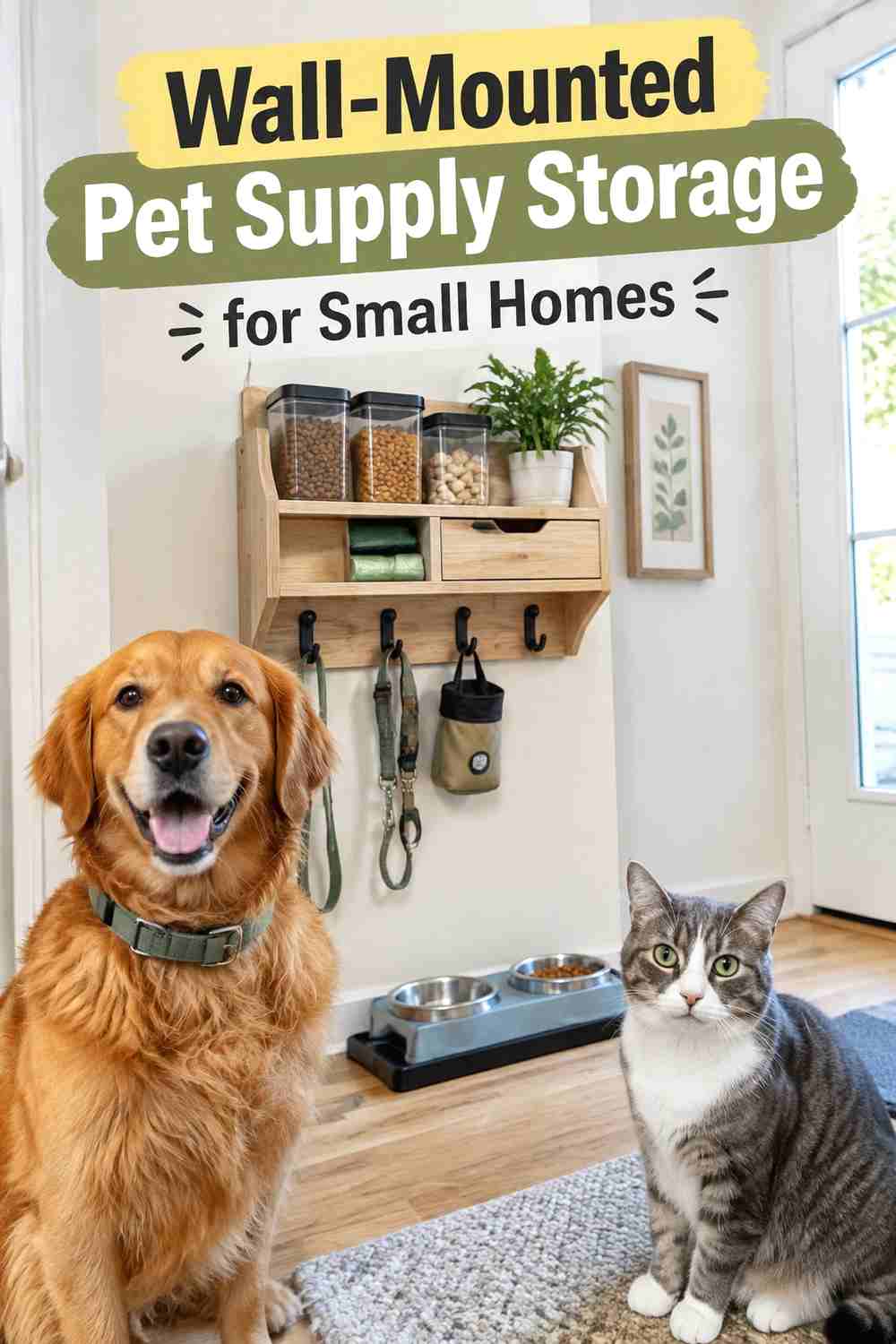
Wall-mounted storage makes use of vertical space when closets and floors are already crowded. Install secure shelves or closed wall units for lightweight pet supplies such as clean towels, grooming tools, spare leads, toy rotation items, or travel accessories. Keep strings, cords, small pieces, and anything chewable fully out of reach rather than hanging them openly. Heavier containers should stay in lower, more stable storage instead of being placed above pet beds or feeding areas. This approach works especially well in apartments, mudrooms, and small utility spaces because it keeps frequently used supplies visible to the owner without adding another cabinet to the floor.
Space & Placement
Mount storage where it does not interfere with doors or walkways. Leave the floor underneath clear so the vertical system actually reduces clutter.
6. Washable Basket Station For Muddy Pet Towels And Gear
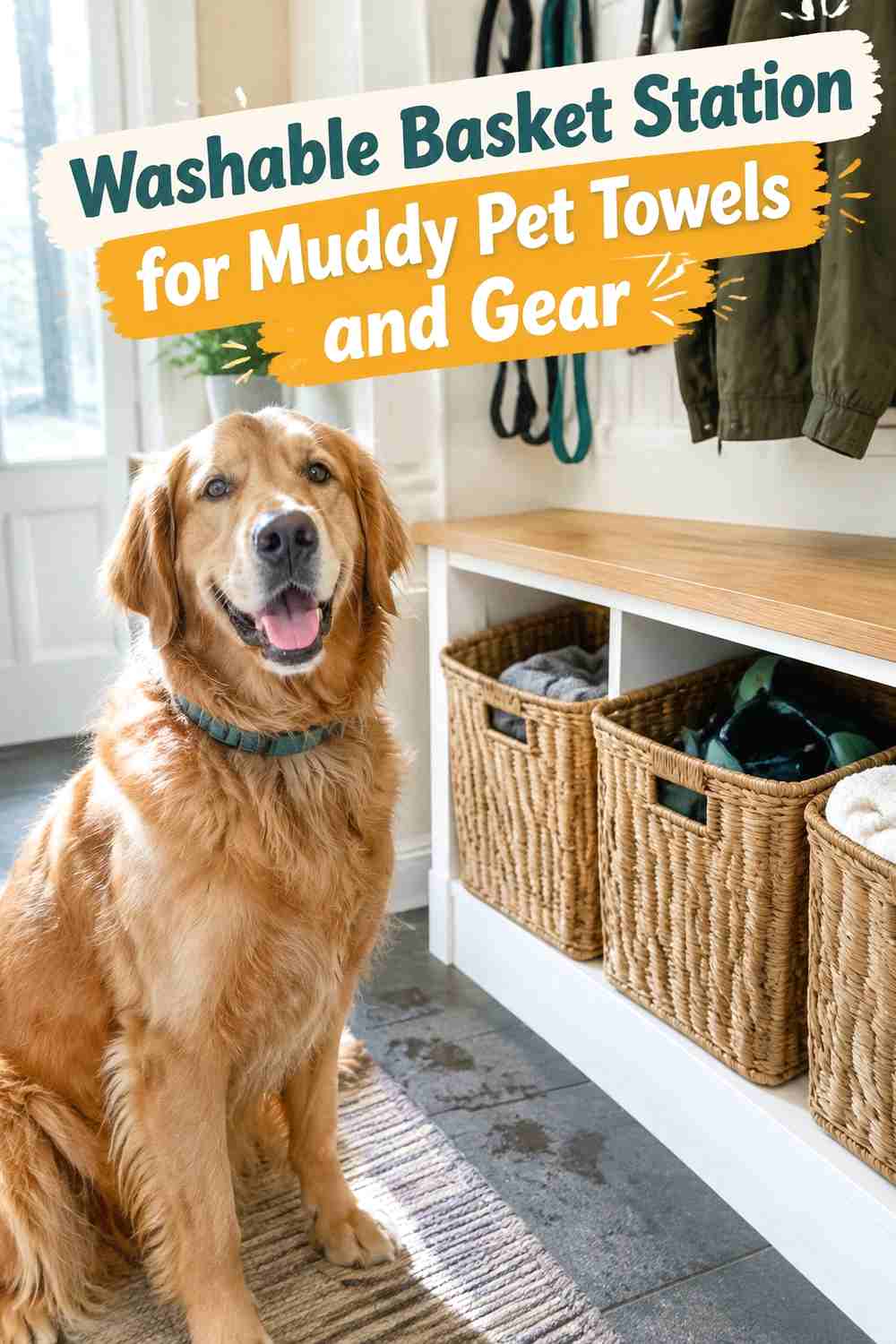
A washable basket station gives damp towels, dirty outdoor toys, and muddy walking gear a temporary place to go before cleaning. Position it near the main entrance, laundry area, or mudroom rather than carrying wet items through the house. Use separate baskets for clean and dirty supplies so fresh towels do not end up mixed with used ones. Choose containers that wipe or wash easily and allow airflow when damp items are involved. Muddy toys should be rinsed and dried before returning to normal storage. Keep detergents, cleaners, and other laundry products securely away from pets even if the baskets sit nearby.
Cleaning Notes
Empty the dirty basket regularly instead of letting damp fabric sit for long periods. Wash the container itself whenever moisture, dirt, or odor starts building up.
7. Pet Paperwork Binder For Records And Routine Information
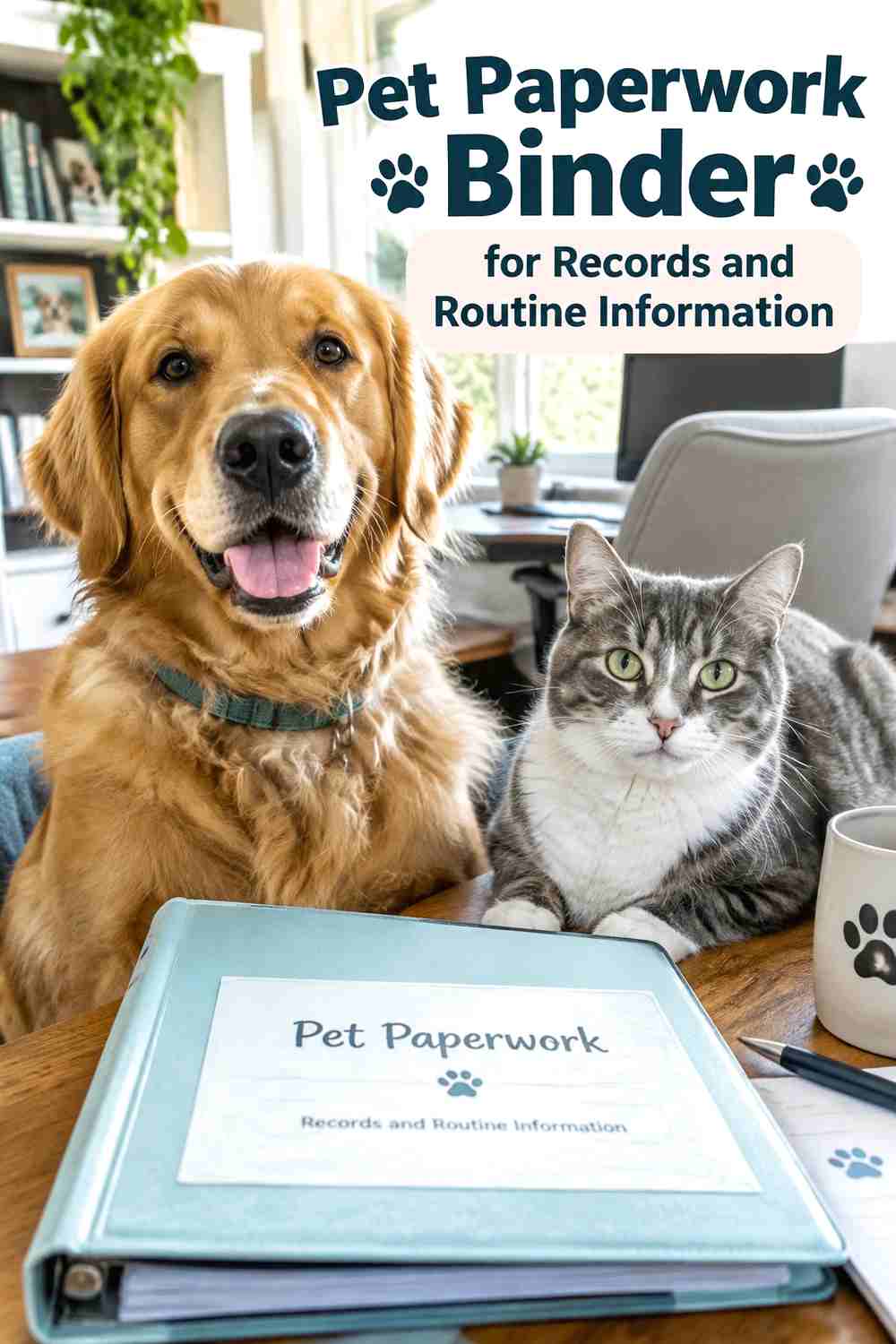
A pet paperwork binder keeps non-digital records in one easy-to-find place instead of scattering documents through kitchen drawers and desk piles. Use sections for identification details, routine care information, insurance paperwork if applicable, receipts you need to keep, and travel-related documents. Add a simple page with everyday contacts and instructions that another caregiver could understand. This organizer should store information, not medicines or physical pet supplies, so it can live safely in a home office or filing area. Review the contents occasionally and remove outdated duplicates. If you maintain digital records as well, use consistent file names so paper and electronic information are easier to match.
Pro Tip
Keep the binder in a predictable household location that adults can access quickly. Avoid storing sensitive documents in an exposed pet-supply basket or public entryway.
8. Grab And Go Travel Bag For Organized Pet Trips

A pre-organized travel bag makes short trips easier because basic pet supplies do not need to be gathered from several rooms every time. Use separate pouches for clean bowls, waste bags, a towel, travel gear, and a small selection of toys. Keep food packed separately in an appropriate sealed container when needed rather than leaving old portions permanently inside the bag. After each trip, remove dirty or damp items, clean what needs washing, and restock only once everything is dry. Store the finished bag near other travel supplies so it is easy to find without becoming everyday floor clutter.
Best For
This system works well for pets that regularly visit family, stay overnight, travel by car, or need supplies packed for routine outings.
9. Closed Litter Supply Cabinet For Cleaner Cat Spaces
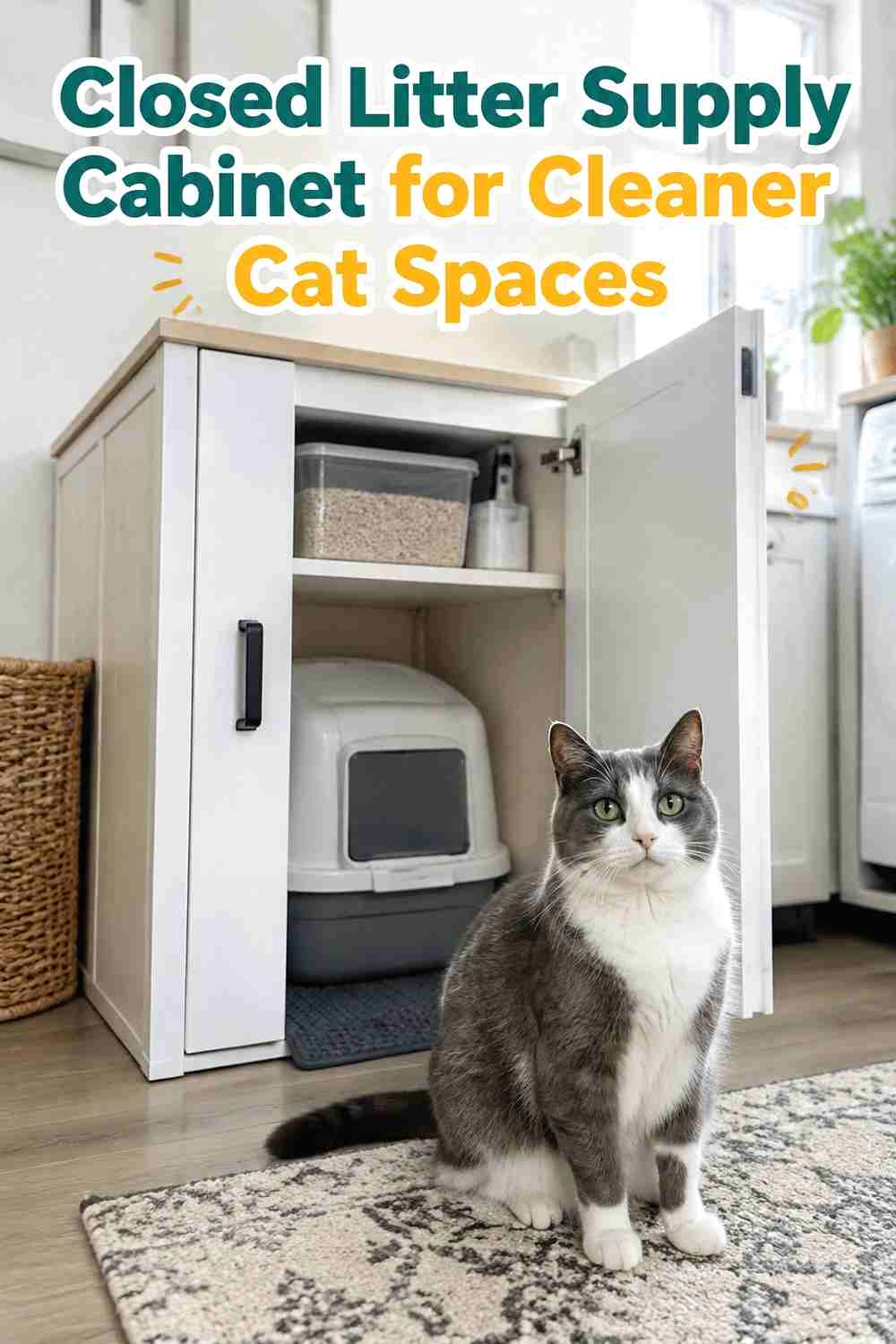
A closed litter supply cabinet keeps scoops, spare liners if used, cleaning cloths, and unopened litter together without crowding the floor around the litter box. Position the cabinet nearby for convenient maintenance but leave enough open space around the box for comfortable entry and exit. Keep the scoop in its own washable holder and separate clean supplies from used cleaning materials. Household cleaners, medicines, plastic bags, and small objects should remain securely stored rather than mixed into an easy-access cat area. Closed storage can also reduce visual clutter in small apartments where the litter zone shares space with a laundry or utility area.
Cleaning Notes
Wipe the cabinet shelves when litter dust collects and clean the scoop holder regularly. Avoid returning damp cleaning cloths to closed storage before they dry.
10. Clear Refill Bins For Everyday Pet Supply Backups

Clear refill bins make it easy to see backup pet supplies before you unexpectedly run out. Use separate containers for unopened grooming items, clean waste-bag rolls, spare toy parts, packaged feeding accessories, or other everyday essentials. Label each bin clearly and store them together on a pantry, utility, or closet shelf rather than spreading extras around multiple rooms. Avoid overbuying simply because there is empty space; the goal is visibility and control, not creating a large stockpile. Keep food in appropriate sealed storage and place medicines or potentially hazardous products in secure locations that pets cannot access.
Use & Maintenance
Check refill bins before buying replacements. A quick visual inventory can prevent duplicate purchases and keeps expired or outdated supplies from hiding at the back.
11. Multi Pet Storage Zones For Separate Everyday Supplies

Multi-pet storage works better when each animal’s everyday items have their own clearly defined zone. Use labeled drawers, baskets, or shelves for individual collars, grooming tools, travel gear, and other supplies that are not shared. Common items such as towels or cleaning tools can stay in a separate household pet zone. This arrangement reduces confusion when animals need different sizes, routines, or equipment. It also makes packing for one pet easier because you do not have to sort through everything the household owns. Keep food, medicines, and other sensitive supplies securely stored according to each pet’s needs rather than relying only on labels.
Best For
This setup is especially useful in homes with multiple species, different-sized dogs, or pets that require separate equipment and routines.
12. Under Bench Storage For Bulky Pet Beds And Blankets
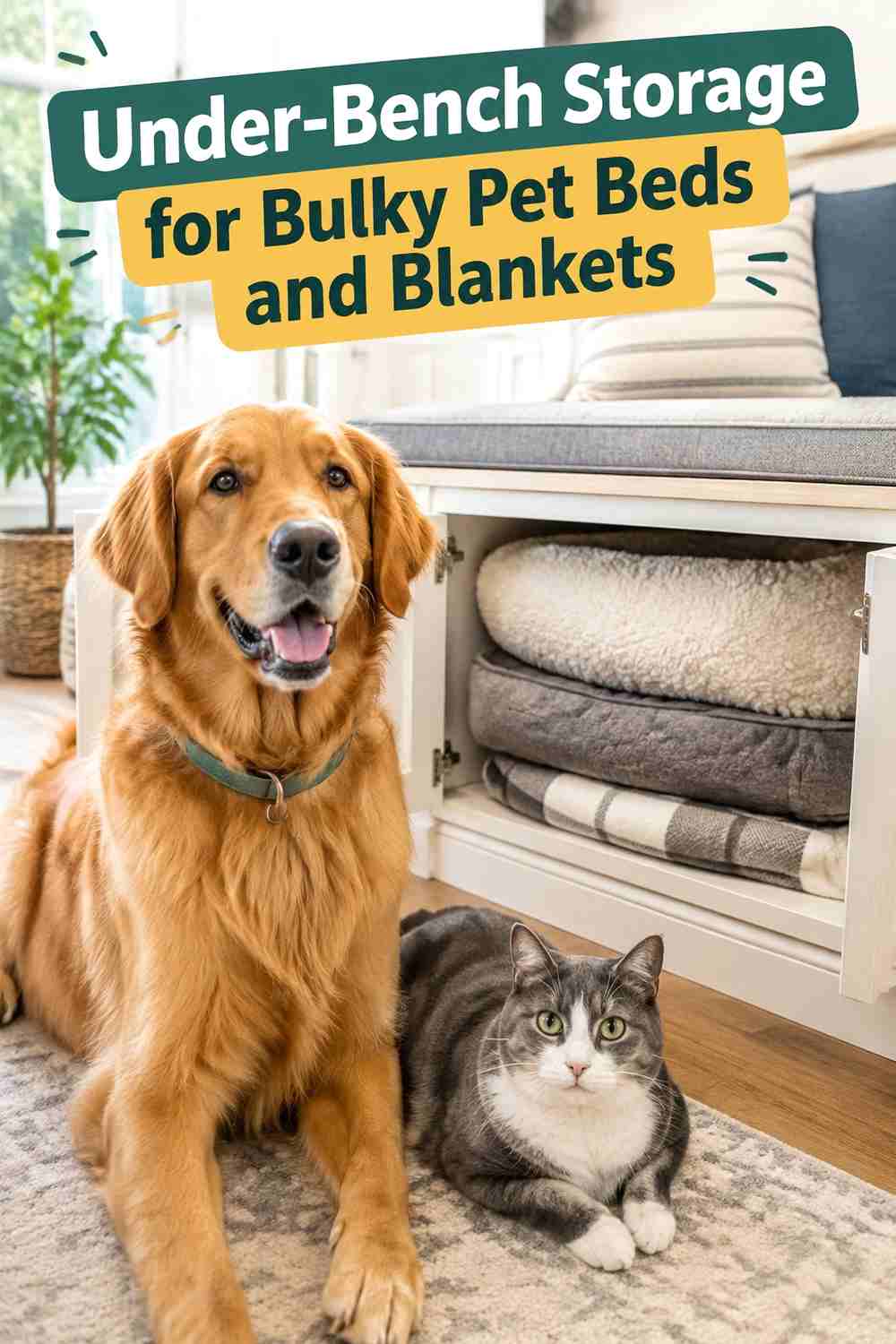
Under-bench storage makes use of low unused space for bulky pet blankets, spare bed covers, travel mats, and seasonal bedding. Choose shallow containers that slide out easily without scraping floors or blocking nearby walkways. Wash and fully dry fabrics before storing them so moisture and odor do not become trapped in closed bins. Fold items by type and keep everyday bedding separate from seasonal or travel pieces so you can find what you need quickly. This option works well in bedrooms, mudrooms, and living rooms where a bench already exists. Avoid packing containers so tightly that removing one blanket means unloading everything.
Pro Tip
Keep one small container for currently used spare bedding and a separate bin for seasonal pieces. This reduces unnecessary rummaging during regular laundry days.
13. Pet Cleaning Caddy For Quick Everyday Mess Control
You May Also Like

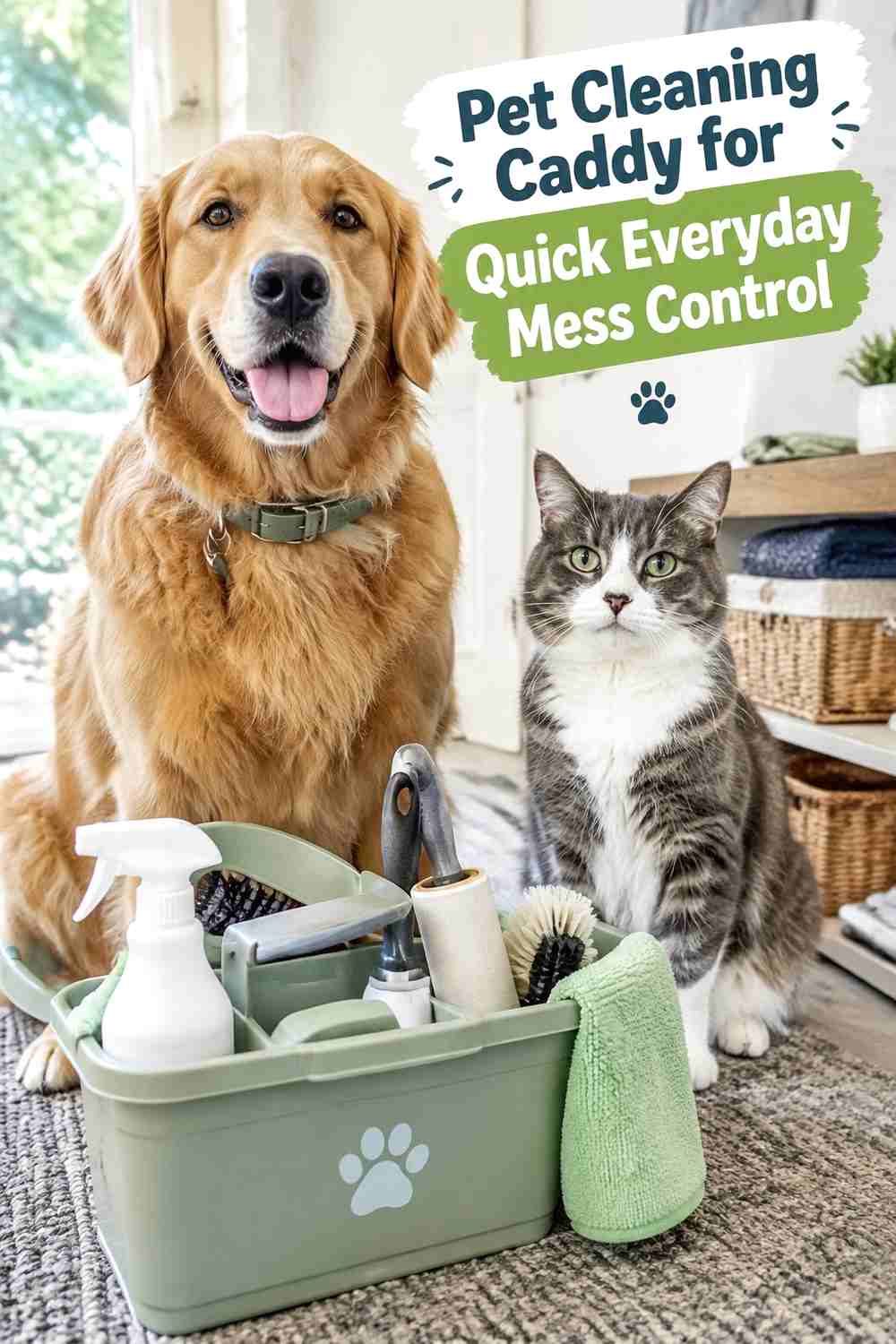
A dedicated cleaning caddy keeps simple pet-mess supplies together so small spills, tracked dirt, and fur can be handled quickly. Store clean cloths, paper products, and other routine cleaning tools in a portable container that can move between feeding, entryway, and play areas. Keep any cleaning products securely closed and use only according to their instructions, with the entire caddy stored where pets cannot access it. Separate clean cloths from used ones and remove damp items promptly instead of leaving them inside the container. A small, focused caddy is easier to maintain than filling it with every household cleaning product.
Use & Maintenance
Restock basic supplies after use and wash reusable cloths regularly. Keep the caddy in a predictable owner-access location so it is useful without becoming visible clutter.
How to Choose the Right Idea
Start with the pet supplies that create the most daily clutter. If toys are everywhere, build a rotation system. If walks are rushed, organize the entryway. If food bags and bowls dominate the kitchen, create closed feeding storage.
Placement should follow routine. Grooming tools belong near grooming, towels near the entrance or laundry area, and travel supplies near the gear you already pack. Small homes benefit from wall storage and under-furniture containers, while multi-pet homes often need clearly separated zones.
Cleaning and safety also matter. Store damp items separately, keep food sealed, and place medicines, cleaners, cords, plastic bags, sharp objects, and small swallowable pieces securely out of reach.
Final Thoughts
Good pet organization is less about buying matching containers and more about giving everyday supplies sensible places. The easiest systems follow your existing routines and remain simple enough to reset after use.
Start with one problem area, organize only what belongs there, and expand the system once you know what actually makes daily pet care easier.
FAQs
1. What is the easiest way to start organizing pet supplies?
Choose the messiest or most frequently used category first, such as toys, feeding supplies, or walking gear. Give those items one dedicated storage zone before organizing everything else.
2. How can I organize pet supplies in a small home?
Use wall-mounted storage, closed cabinets, under-bench containers, compact drawers, and rotation systems to reduce the amount of equipment kept on the floor.
3. How should I organize supplies for multiple pets?
Give each pet a labeled area for individual equipment and keep truly shared items in a separate common zone. This helps prevent mix-ups between sizes, routines, and accessories.
4. Where should dirty or wet pet gear be stored?
Use a separate washable basket or ventilated holding area near the entrance or laundry space. Clean and dry items before returning them to normal storage.
5. What pet supplies should be kept securely out of reach?
Medicines, cleaners, plastic bags, cords, sharp tools, small objects, and anything potentially unsafe should stay in closed or otherwise secure storage pets cannot access.
Save these pet organization ideas for your next home reset, and start with the storage zone that would make your everyday pet routine easiest.
