Create a dog-friendly indoor play area with smart zones for chasing, sniffing, tugging, puzzles, and calmer games that fit your space.
Save This Idea on Pinterest

14 Indoor Dog Play Area Ideas
Save to PinterestAn indoor dog play area gives your dog a dedicated place for safe, purposeful activity when weather, schedules, or limited outdoor space keep more play inside. The best setup depends on your dog’s size, age, energy, play style, and how much room you can keep clear.
These 14 indoor dog play area ideas range from fetch lanes and tug zones to scent games, puzzles, obstacle courses, and senior-friendly setups. Prioritize good traction, clear pathways, stable equipment, easy cleanup, and enough space for your dog to slow down safely. Rotate activities instead of leaving every game out at once, and supervise anything involving food puzzles, fabric, cardboard, or chewable materials.
Quick List
- Non-Slip Living Room Fetch Lane for Small Indoor Dogs
- Soft Indoor Tug Zone for Interactive Dog Play
- Compact Puzzle Play Station for Food-Motivated Indoor Dogs
- Indoor Scent Search Zone for Curious Bored Dogs
- Fold-Away Obstacle Course for Active Indoor Dogs
- Toy Rotation Play Corner for Bored Indoor Dogs
- Hallway Rolling Ball Play Area for Indoor Dogs
- Snuffle Mat Search Zone for Calm Indoor Dog Play
- Cardboard Box Exploration Area for Curious Indoor Dogs
- Indoor Hide-and-Seek Zone for Dogs and Owners
- Low-Impact Play Area for Senior Indoor Dogs
- Small-Space Apartment Play Corner for Indoor Dogs
- Multi-Dog Play Zone with Separate Toy Stations
- Easy-Clean Muddy-Day Play Area for Indoor Dogs
1. Non Slip Living Room Fetch Lane For Small Indoor Dogs
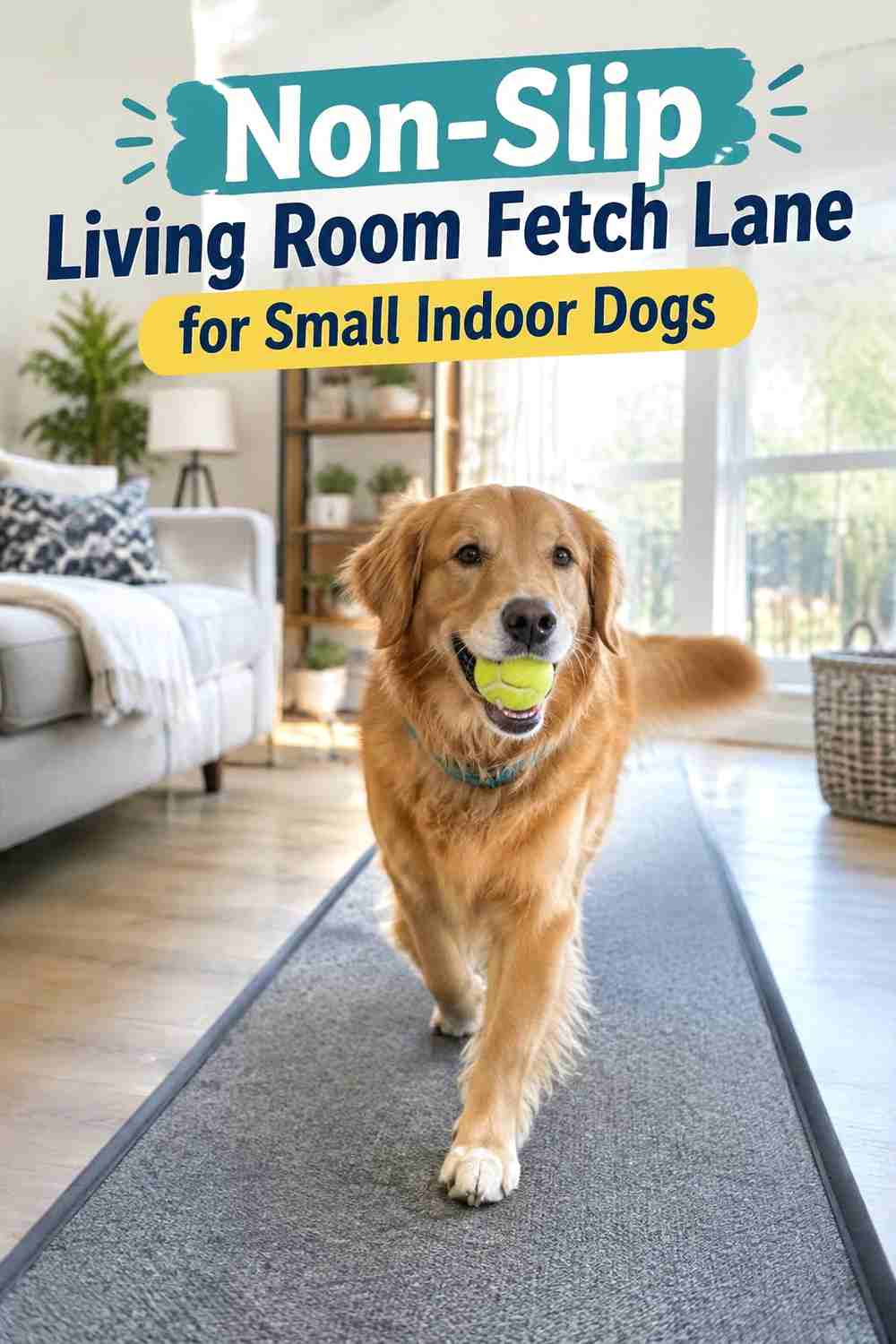
A living room fetch lane creates a short, controlled path for dogs that enjoy retrieving without requiring a large open room. Clear one straight section between sturdy furniture, add non-slip runners or mats if the floor is slick, and use a soft toy that will not damage walls or furniture. Roll or gently toss the toy at floor level rather than encouraging high jumps or sharp turns. This setup is particularly practical for smaller dogs because the lane does not need to be long to feel engaging. Remove tables, cords, and breakable decor from the route, and stop if your dog starts sliding, crashing into furniture, or becoming too excited to slow down comfortably.
Space & Placement
Choose a lane with a clear stopping area at both ends and enough width for your dog to turn naturally.
Pro Tip
Use several short retrieves rather than turning the lane into a long, repetitive indoor sprint.
2. Soft Indoor Tug Zone For Interactive Dog Play

You May Also Like


A dedicated tug zone gives interactive dogs a clear place to play with their owner while keeping the activity away from fragile household items. Choose an open section of floor with good traction and enough room for both you and your dog to reposition comfortably. Use a sturdy, appropriately sized tug toy and keep the game low rather than lifting or swinging the dog. The area works best when nearby tables, lamps, and loose rugs have been moved out of the way. Watch your dog’s arousal level and add pauses before the play becomes overly frantic. When the session ends, store the tug toy instead of leaving it out if your dog is likely to chew or destroy it unsupervised.
Best For
This setup suits dogs that enjoy social, owner-involved play more than independent toys.
Comfort & Safety
Keep movements controlled and avoid jerking the toy sharply or encouraging the dog to twist on slippery flooring.
3. Compact Puzzle Play Station For Food Motivated Indoor Dogs

A compact puzzle station gives food-motivated dogs a dedicated place to work through treat balls, sliding puzzles, or other interactive feeders. Use a washable mat beneath the puzzle so crumbs stay contained and the toy does not skid across hard flooring. Start with an easy setting or partly visible rewards, then increase difficulty only after your dog understands the task. Rotate two or three puzzle types rather than presenting several at once, which keeps the station uncluttered and easier to reset. Food used for enrichment should fit naturally into the dog’s normal feeding routine. If your dog starts biting the puzzle, flipping it aggressively, or becoming frustrated, simplify the activity or switch to a different play style.
Setup Notes
Position the station away from walkways so your dog can focus without people repeatedly stepping around the puzzle.
Cleaning Notes
Choose puzzles with removable or washable parts and clean away food residue after each session.
4. Indoor Scent Search Zone For Curious Bored Dogs

An indoor scent search zone turns one room into a simple nose-led game by placing a few pieces of regular food or familiar scented toys in easy hiding spots. Begin with rewards partly visible around chair legs, beside a bed, or near open boxes, then gradually make locations less obvious as your dog understands the game. Keep every hiding place at floor level and away from electrical cords, trash bins, sharp objects, and furniture gaps. The goal is thoughtful searching rather than frantic hunting, so use a small number of locations and give your dog time to investigate. Reset the room afterward so food crumbs and hidden objects do not remain behind furniture.
Best For
This idea suits dogs that naturally spend time sniffing and exploring during walks or around the home.
Pro Tip
Change the search pattern between sessions instead of making every hiding place harder.
5. Fold Away Obstacle Course For Active Indoor Dogs

A fold-away obstacle course creates a flexible movement zone using low, stable objects that can be stored after play. Arrange floor mats, wide turns around chairs, a low open tunnel, or flat markers for your dog to walk between. Keep every element easy to navigate and avoid high jumps, narrow balancing surfaces, or anything that could collapse when bumped. Guide your dog through slowly with a toy, voice cue, or suitable reward, then rearrange the course once the route becomes predictable. This setup works especially well in multipurpose rooms because nothing needs to stay in place permanently. Dogs with limited mobility or uncertain footing should use a simpler floor-level route.
Setup Notes
Clear fragile decor and give your dog a wide approach and exit around every obstacle.
Use & Maintenance
Inspect foldable tunnels, mats, and props for tears or loose parts before putting them away.
6. Toy Rotation Play Corner For Bored Indoor Dogs

A toy rotation corner keeps indoor play more interesting by limiting the number of toys available at one time. Use a small open basket for several current favorites and keep the rest in closed storage outside the dog’s reach. Mix different play styles when possible, such as a soft toy, sturdy chew-compatible option, ball, and interactive toy. After your dog’s interest drops, swap part of the selection instead of adding more toys to the floor. This setup also makes cleanup easier and gives you a regular opportunity to inspect every item for damaged seams, exposed stuffing, cracks, or loose pieces. Retire worn toys rather than putting them back into the next rotation.
Use & Maintenance
Rotate based on your dog’s actual interest rather than following a rigid schedule.
Pro Tip
Keep one reliable favorite in most rotations so each change includes something familiar.
7. Hallway Rolling Ball Play Area For Indoor Dogs
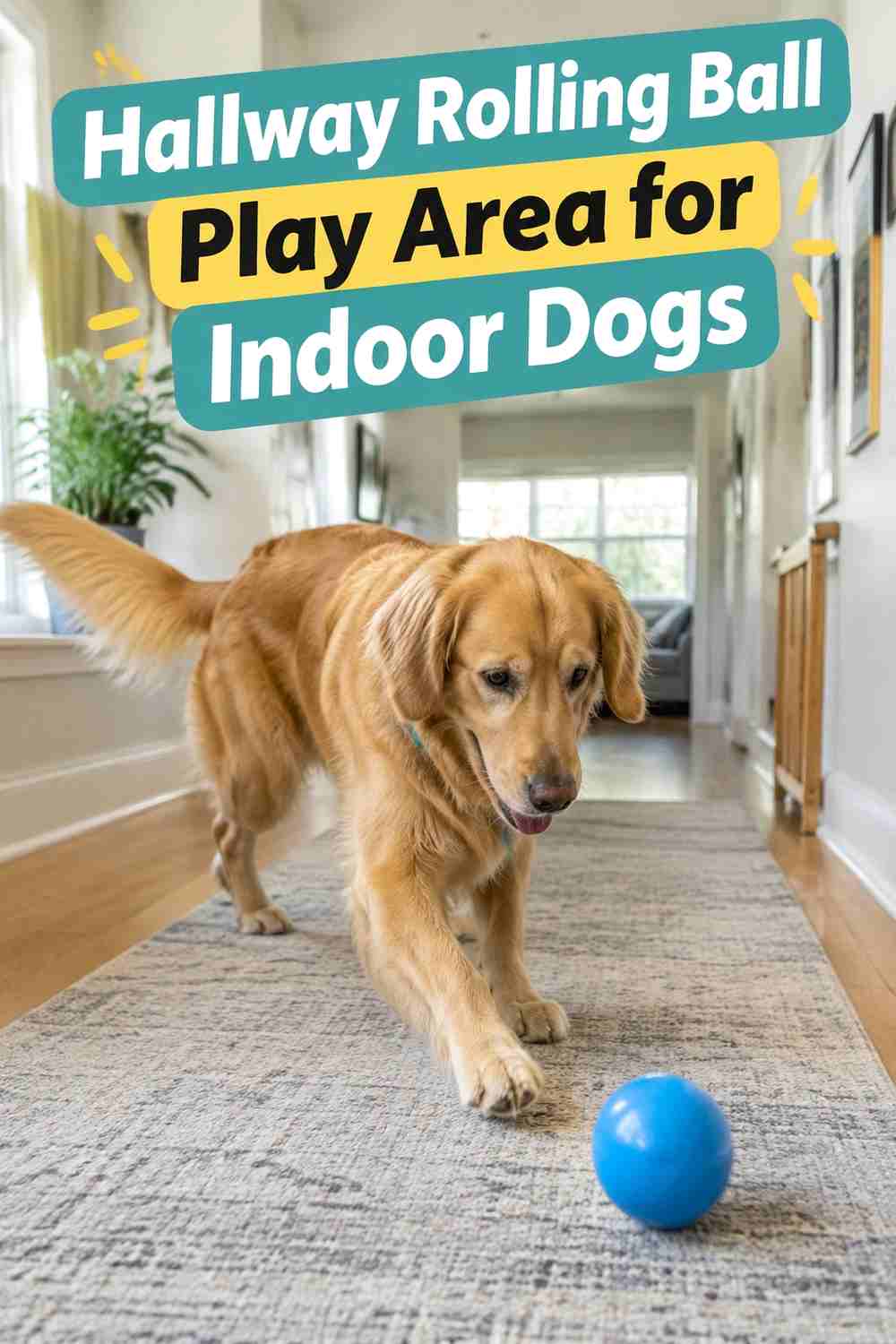
A hallway rolling-ball area uses a clear straight path for gentle chasing without encouraging airborne catches or sharp jumping. Choose a ball large enough that your dog cannot swallow it and roll it slowly along the floor rather than throwing it overhead. Add a non-slip runner if the hallway surface is slick, and close doors to rooms where the ball could disappear under cluttered furniture. The game works best when the hallway is wide enough for your dog to turn without bumping walls. Keep sessions controlled and stop if excitement leads to sliding or repeated collisions. Dogs that shred or swallow balls need a sturdier toy and closer supervision.
Space & Placement
Remove shoes, baskets, cords, and other hallway obstacles before starting the game.
Comfort & Safety
Use floor-level movement and avoid rolling the ball toward stairs or hard obstacles.
8. Snuffle Mat Search Zone For Calm Indoor Dog Play

A snuffle mat zone gives dogs a quieter indoor play option centered on sniffing and searching rather than running. Place the mat on a stable, non-slip surface and scatter part of your dog’s normal food through the fabric folds. Leave several pieces easy to find during the first sessions so the activity feels achievable. Once your dog understands the search, hide some pieces slightly deeper without packing every reward out of sight. Keep the mat in one defined corner and store it between sessions to preserve interest. Dogs that chew or pull fabric may need close supervision or a different puzzle format, and the mat should be cleaned regularly to prevent food residue from collecting.
Best For
This setup suits dogs that enjoy sniffing and need a calmer option alongside more active indoor games.
Cleaning Notes
Shake out crumbs after use and follow the mat’s care instructions before offering it again.
9. Cardboard Box Exploration Area For Curious Indoor Dogs
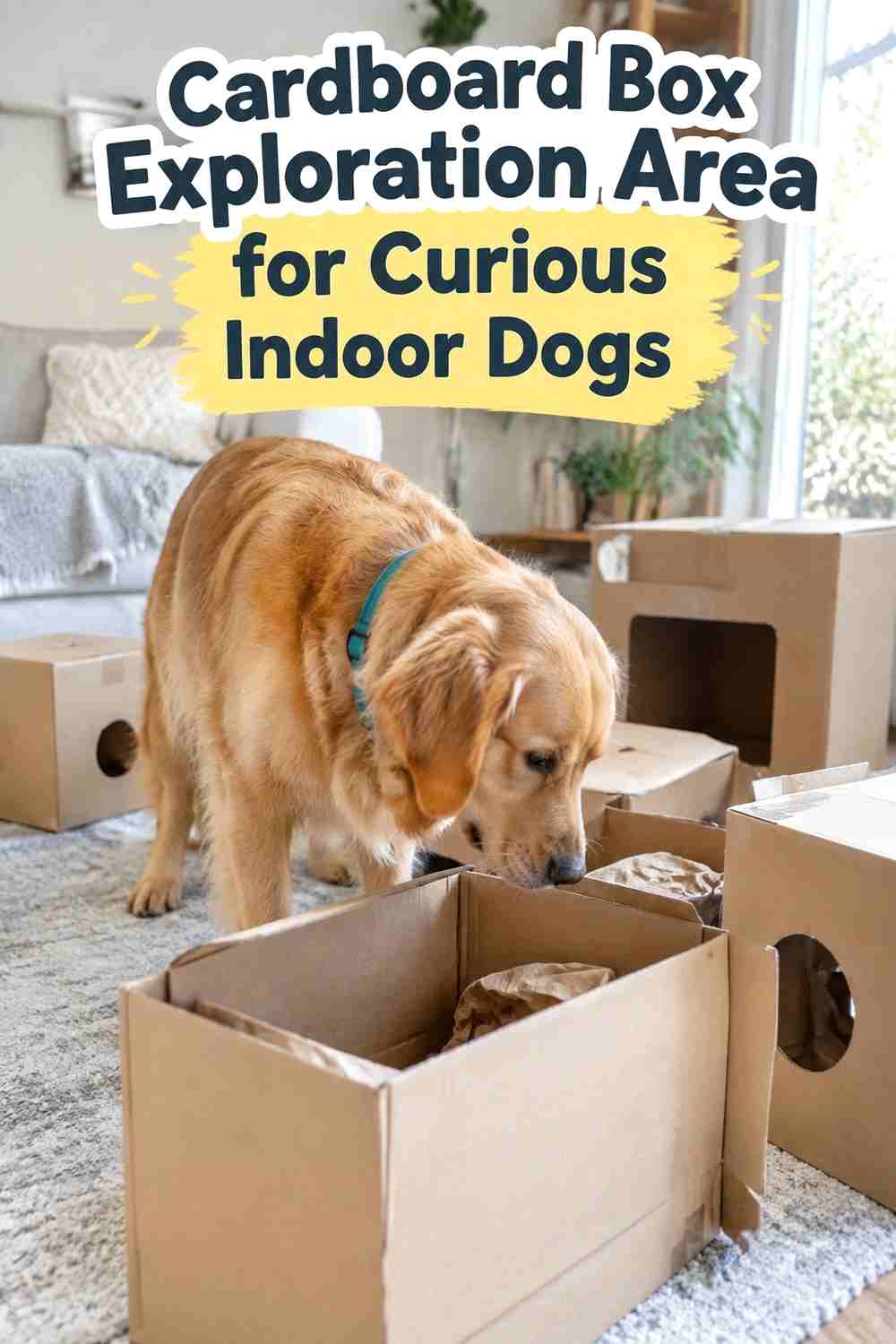
A cardboard exploration area gives curious dogs a supervised place to sniff, investigate, and search through simple household materials. Arrange a few clean, shallow boxes on the floor and add loosely crumpled plain paper, a familiar toy, or several pieces of regular food. Keep the first version open and easy rather than packing boxes tightly. Remove tape, staples, plastic packaging, sharp edges, and labels that could peel off during play. This setup is best for dogs that explore with their nose and paws rather than immediately eating cardboard. If chewing becomes the main activity, switch to a sturdier enrichment option. Discard damp or heavily damaged boxes after the session.
Setup Notes
Place boxes far enough apart that your dog can move around them without becoming wedged between furniture.
Cleaning Notes
Use the activity on an easy-clean floor so paper pieces and crumbs can be collected quickly afterward.
10. Indoor Hide And Seek Zone For Dogs And Owners
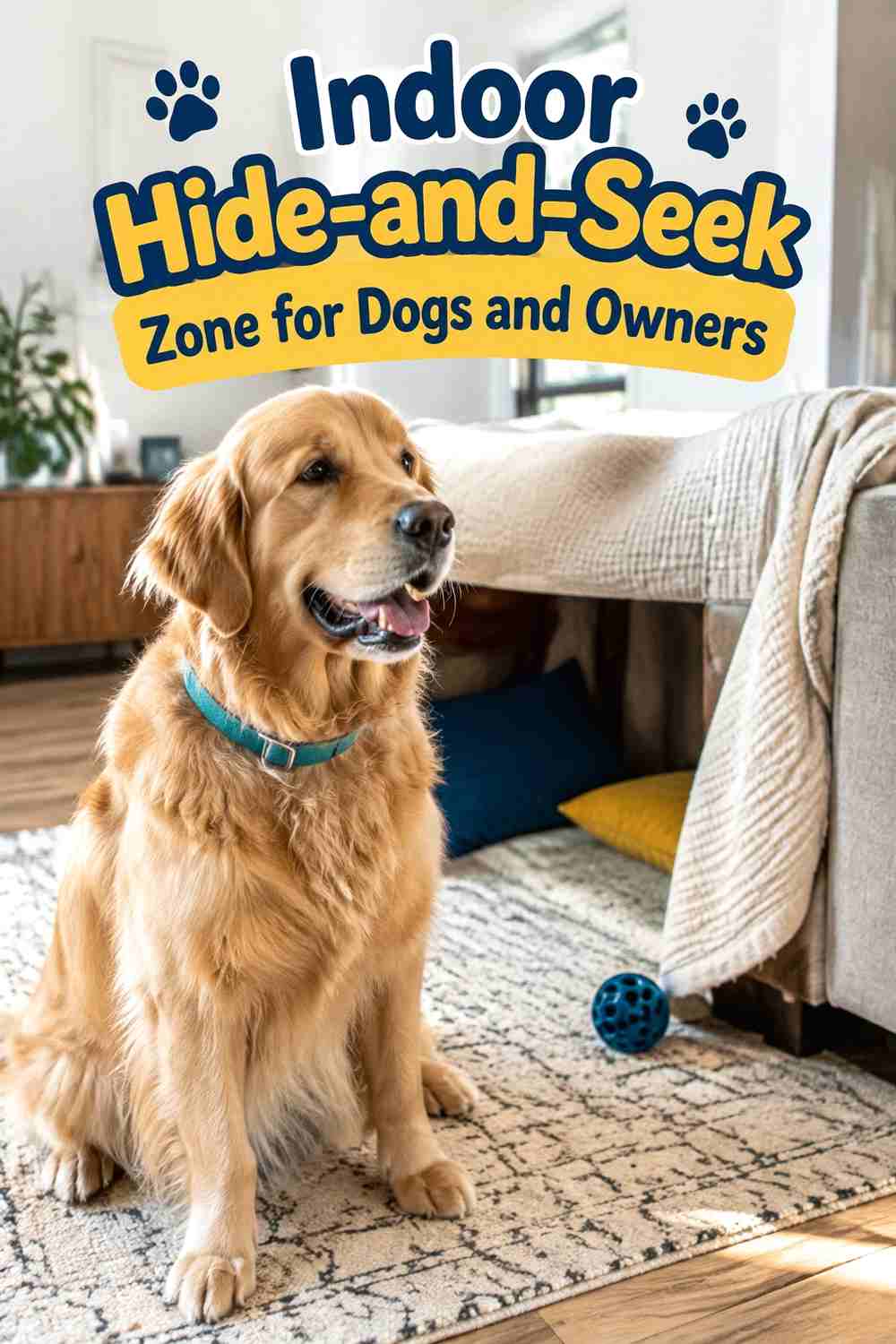
An indoor hide-and-seek zone turns familiar rooms into an interactive search game involving both dog and owner. Begin with an easy hiding place just around a doorway or beside furniture, then call your dog once and let them search. As the game becomes familiar, use different rooms or slightly less visible hiding places without creating risky routes. Keep floors clear and avoid hiding where the dog must jump onto furniture, squeeze behind objects, or race across slippery surfaces. A few short rounds are enough to make the activity interesting without overstimulating the dog. This idea requires almost no equipment and can work especially well when you want play that includes direct social interaction.
Best For
Dogs that already respond comfortably to their name or a familiar recall cue often understand this game quickly.
Pro Tip
Change locations between rounds instead of making one hiding place extremely difficult.
11. Low Impact Play Area For Senior Indoor Dogs
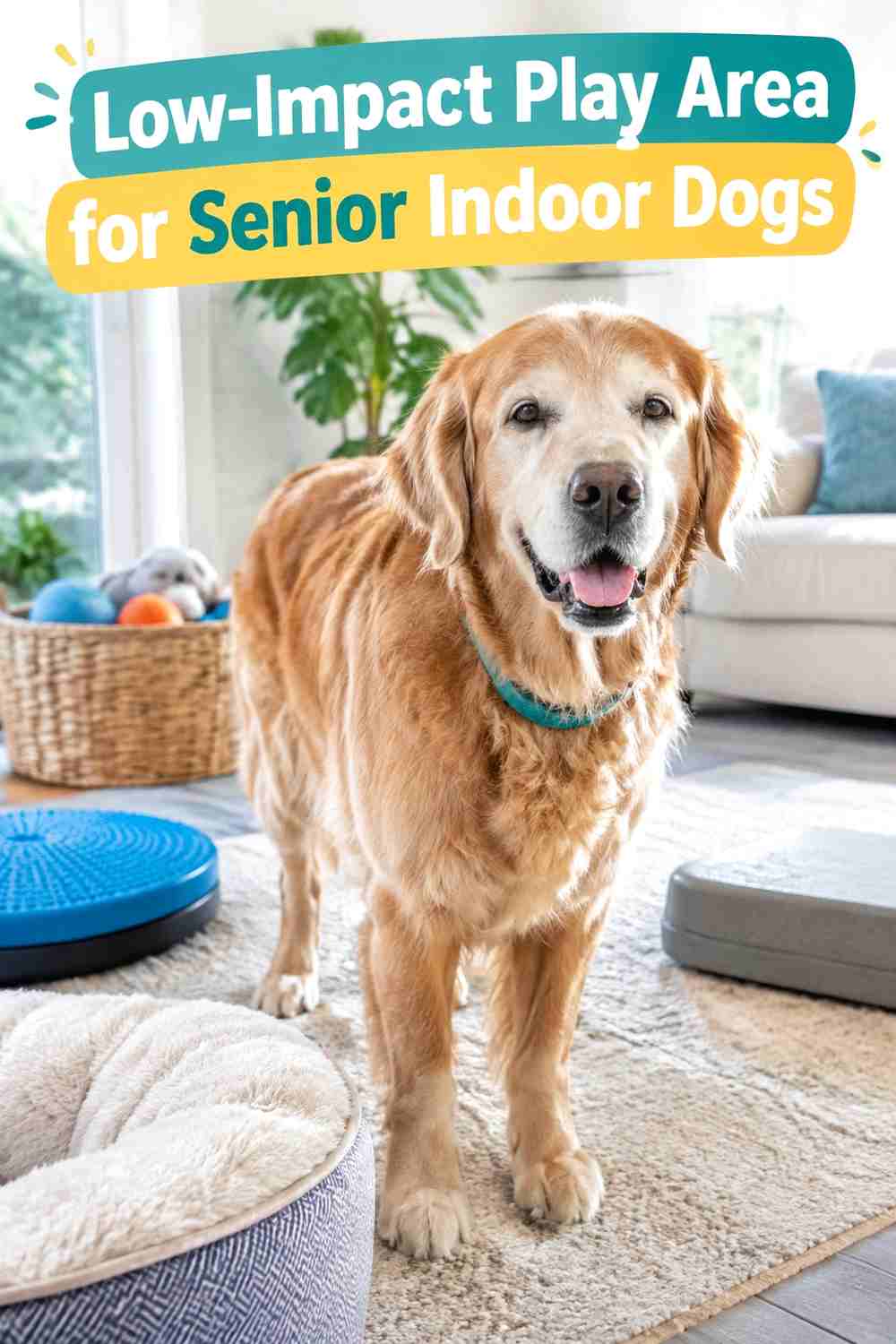
A senior-friendly play area focuses on easy movement, predictable layouts, and good traction rather than fast chasing or jumping. Use a quiet open section of floor with non-slip mats and offer simple activities such as gentle toy searches, easy food puzzles, or slow rolling-toy games. Keep beds, water, and exits accessible without requiring the dog to step over obstacles. Toys should stay within comfortable reach so play does not depend on repeated bending, climbing, or sudden turns. Older dogs vary widely in mobility and interest, so adjust the setup according to what your dog chooses comfortably. Sudden changes in movement, pain, or willingness to play are reasons to consult a veterinarian rather than simply modifying the room.
Pet Type & Life Stage
This setup is intended for senior dogs but can also suit any dog that prefers slower, lower-impact play.
Comfort & Safety
Avoid slippery rugs, raised hurdles, unstable furniture, and layouts that require tight turns.
12. Small Space Apartment Play Corner For Indoor Dogs
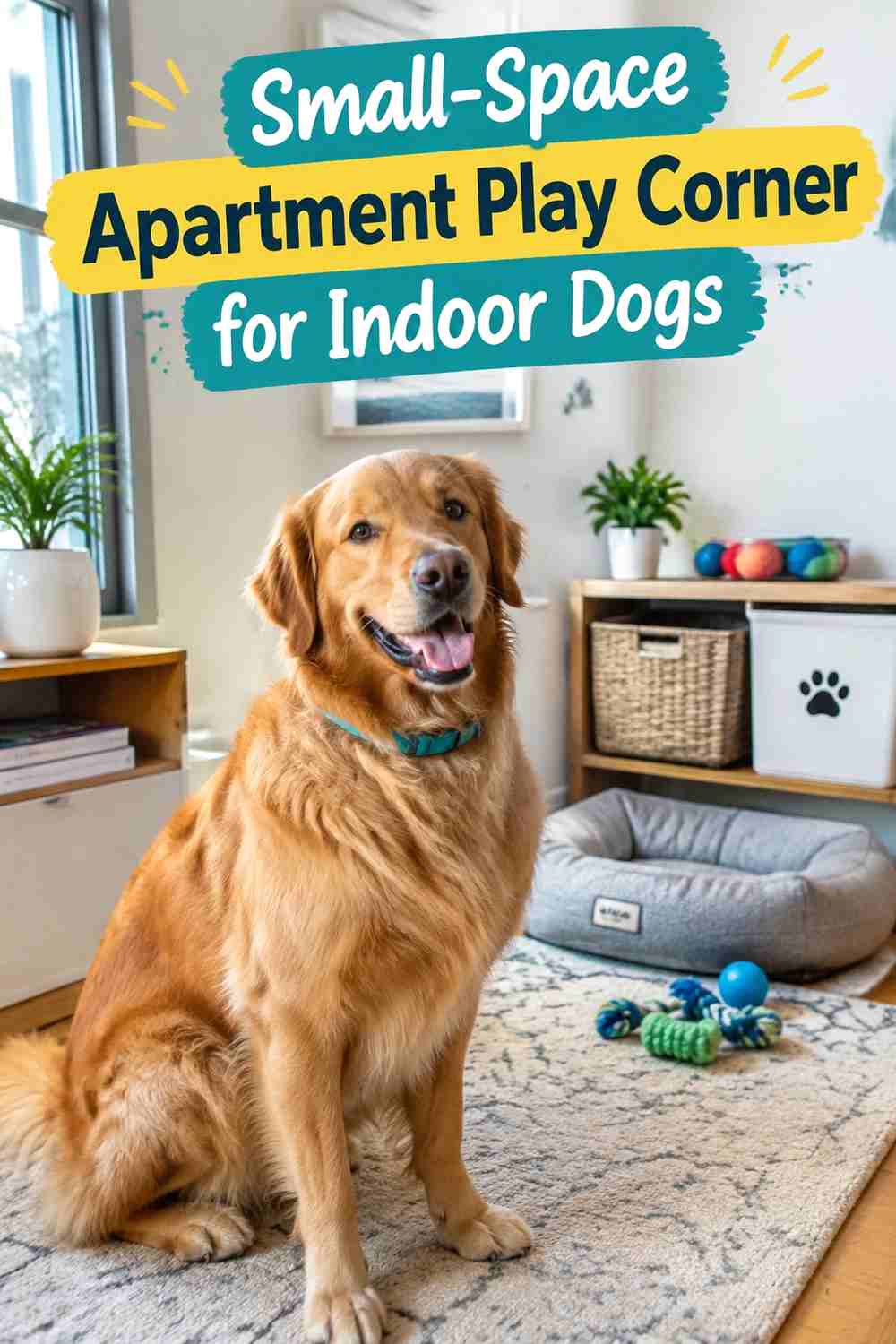
A small apartment play corner can provide useful indoor activity without taking over the whole room. Choose one clear corner with a non-slip mat, a small toy basket, and enough open floor for a compact puzzle, scent game, or short owner-led play session. Store backup toys vertically or in a closed cabinet so the floor stays uncluttered. Activities that pack away easily, such as snuffle mats, puzzle toys, and small search games, work particularly well in limited space. Keep the corner away from the main doorway and avoid placing the dog’s play zone where furniture forces sharp turns. Reset the area after each session so the same floor space can return to normal household use.
Space & Placement
Use one flexible zone instead of trying to create separate permanent stations for every type of play.
Pro Tip
A closed storage bin can hold several rotating activities while leaving only one or two options available at a time.
13. Multi Dog Play Zone With Separate Toy Stations

A multi-dog play zone works better when each dog has separate toys, resting options, and enough space to move away from the others. Set up two or more defined stations rather than placing one high-value toy or puzzle in the center of the room. You can use separate mats for food puzzles, individual toy baskets, or different corners for owner-led play. Supervise closely and watch for blocking, guarding, or one dog repeatedly taking another dog’s resources. If that happens, increase distance or run separate sessions. Keep walkways open so no dog must squeeze past another to leave the area. Shared play can be enjoyable, but dogs should never be required to compete or share closely.
Space & Placement
Spread stations across the room instead of lining them up tightly along one wall.
Comfort & Safety
Remove high-value items if they create tension and provide separate rest zones outside the active play area.
14. Easy Clean Muddy Day Play Area For Indoor Dogs
You May Also Like



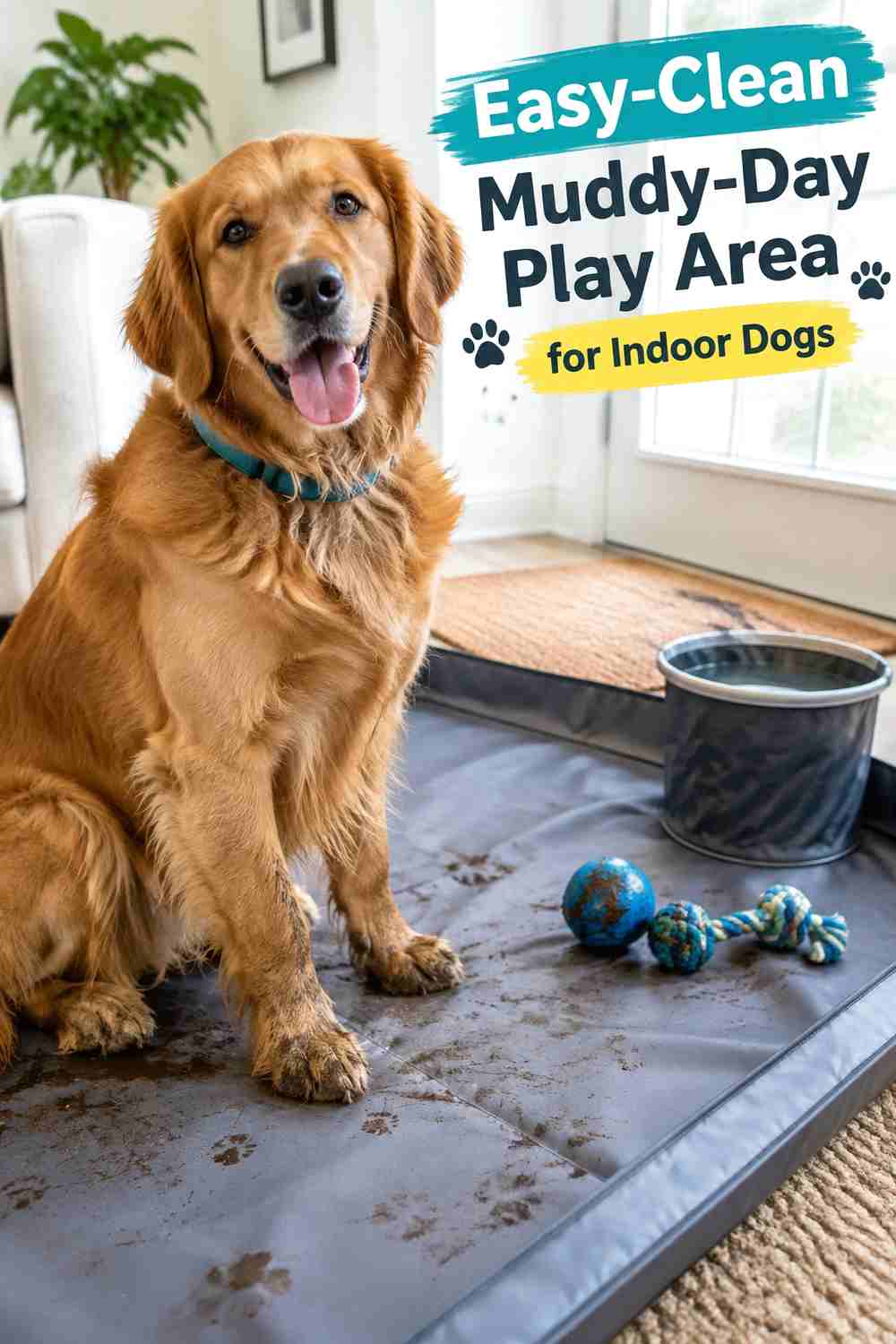
An easy-clean muddy-day play area combines indoor activity with surfaces that are simple to wipe after wet walks. Choose a room edge with washable flooring or place a secure non-slip mat beneath the play zone. Keep a paw towel nearby, then offer activities such as a puzzle toy, gentle tug, or scent search once excess dirt has been wiped away. Store fabric toys and blankets in closed bins until the dog is reasonably dry so they do not absorb unnecessary moisture. This setup works especially well near an entryway or utility room, provided there is enough open space for safe movement. Avoid wet tile without traction, and clean any puddles before active play begins.
Cleaning Notes
Use washable mats and wipe the surrounding floor immediately after play so moisture and dirt do not spread through the house.
Pro Tip
Keep a separate set of easy-clean toys for rainy or muddy days rather than using every indoor toy in the wet zone.
How to Choose the Right Idea
Start with your dog’s preferred style of play. Dogs that love chasing may enjoy a fetch lane or rolling-ball hallway, while nose-driven dogs may prefer scent searches or a snuffle mat. Social dogs may get more from tug or hide-and-seek, and food-motivated dogs often enjoy puzzle stations.
Then consider size, age, energy, flooring, room layout, and supervision. Larger or faster dogs need more stopping space, while small apartments benefit from fold-away activities and vertical storage. Senior dogs may need better traction and slower games.
Also think about cleanup and rotation. Washable mats, closed toy storage, easy-clean puzzles, and a small selection of available activities make an indoor play area easier to maintain without turning the room into permanent clutter.
Final Thoughts
A useful indoor dog play area does not need expensive equipment or a dedicated room. One clear space with good traction, safe toys, and a few rotating activities can support several different kinds of play.
Choose the activity that best matches your dog’s normal interests, keep the setup simple, and adjust the space as you learn which games your dog returns to most often.
FAQs
1. How much space does an indoor dog play area need?
It depends on the activity and the dog’s size. Puzzle and scent zones can fit in a small corner, while fetch or movement games need more open floor and safe stopping space.
2. What flooring works best for indoor dog play?
A surface with reliable traction and easy cleanup is most practical. Add secure non-slip mats or runners if your existing floor becomes slippery during play.
3. Can I create an indoor play area in an apartment?
Yes. Use compact activities such as food puzzles, snuffle mats, toy rotation, scent searches, and short owner-led games that can be packed away after use.
4. Should toys stay in the play area all day?
They do not have to. Rotating toys can reduce clutter and make familiar items more interesting when they return. Store string, damaged, or supervision-only toys securely.
5. How can I make an indoor play area work for two dogs?
Provide separate toy or puzzle stations, duplicate important resources, and enough space for each dog to leave comfortably. Separate sessions may work better when dogs do not enjoy sharing.
CTA
Save your favorite indoor dog play area ideas and build a flexible setup around the games, space, and energy level that suit your dog best.
