Keep dog sweaters tidy, easy to find, and ready for chilly walks with simple storage ideas that work in closets, entryways, drawers, and small homes.
Save This Idea on Pinterest

11 Dog Sweater Organization Ideas
Save to PinterestDog sweater organization becomes much easier when clean clothing has one defined place instead of being mixed with leashes, towels, toys, or human clothes. The right system depends on how many sweaters you own, how often your dog wears them, and how much closet or drawer space you can spare.
These 11 dog sweater organization ideas include compact everyday storage, seasonal systems, multi-dog sorting, laundry management, travel organization, and small-space solutions. Before storing any sweater, make sure it is clean and completely dry, and regularly check fit, closures, stretched areas, and loose decorations before putting clothing back on your dog.
Quick List
- Compact Drawer Organizer for Everyday Dog Sweaters
- Slim Closet Hanging Station for Dog Sweater Storage
- Labeled Sweater Bins for Multi-Dog Clothing Organization
- Seasonal Dog Sweater Storage for Off-Season Clothing
- Size-Sorted Dog Sweater Shelf for Easy Outfit Picking
- Entryway Dog Sweater Basket for Quick Cold-Weather Walks
- Wall-Mounted Dog Sweater Organizer for Small Apartments
- Wash-and-Dry Station for Clean Dog Sweater Storage
- Portable Travel Organizer for Dog Sweaters and Layers
- Under-Bed Dog Sweater Storage for Limited Closet Space
- Weekly Dog Sweater Rotation Station for Easy Outfit Planning
1. Compact Drawer Organizer For Everyday Dog Sweaters

Turn one shallow dresser or closet drawer into a dedicated space for the dog sweaters you use most often. Fold each sweater so the neckline, size label, or main design remains visible, then arrange pieces upright rather than stacking a tall pile that must be unpacked every time. Small drawer dividers can separate lightweight knits from thicker cold-weather layers or keep everyday sweaters apart from special-occasion clothing. Avoid squeezing too many pieces into the drawer because tight packing makes it harder to notice stretched seams, loose threads, or items that no longer fit. Only return sweaters after they are fully clean and dry. A compact drawer works especially well when your dog owns a modest wardrobe and you want clothing hidden between uses.
Use & Maintenance
Review the drawer at the start and end of the cold season. Remove outgrown, damaged, rarely used, or uncomfortable pieces instead of letting them take up everyday storage.
2. Slim Closet Hanging Station For Dog Sweater Storage

You May Also Like



A slim section of closet rod can keep dog sweaters visible without using an entire drawer. Use small, smooth hangers that support the garment without stretching the neckline or shoulders, and space sweaters so they are not crushed tightly together. Hanging works particularly well for structured pieces that become wrinkled or difficult to identify when folded. Reserve only a narrow section of the closet for dog clothing so it stays separate from coats, bags, and household storage. Avoid hangers with sharp clips or exposed hardware that can snag knitted fabric. If a sweater tends to stretch under its own weight, fold it instead rather than forcing every item into the same storage method.
Best For
This system suits homes with spare closet height but limited drawer space. It also makes colors, thicknesses, and styles easy to compare before a walk.
3. Labeled Sweater Bins For Multi Dog Clothing Organization

In a multi-dog home, labeled sweater bins make it easier to keep similar-looking clothing from getting mixed between pets. Give each dog a separate bin, basket, or shelf section and store only clothing that currently fits that dog comfortably. Labels can use names, sizes, or simple visual markers depending on what is easiest for your household. Fold sweaters loosely and keep frequently worn pieces near the front instead of burying them under seasonal extras. Separating clothing also helps prevent repeated guessing when two dogs have different chest shapes or lengths despite wearing similar nominal sizes. Keep bins in a dry, easy-to-clean location and regularly remove anything that has become too tight, loose, damaged, or unnecessary.
Pro Tip
Add a small card inside each bin with the dog’s current general clothing size or fit notes. This makes sorting freshly washed sweaters quicker when several dogs wear similar styles.
4. Seasonal Dog Sweater Storage For Off Season Clothing
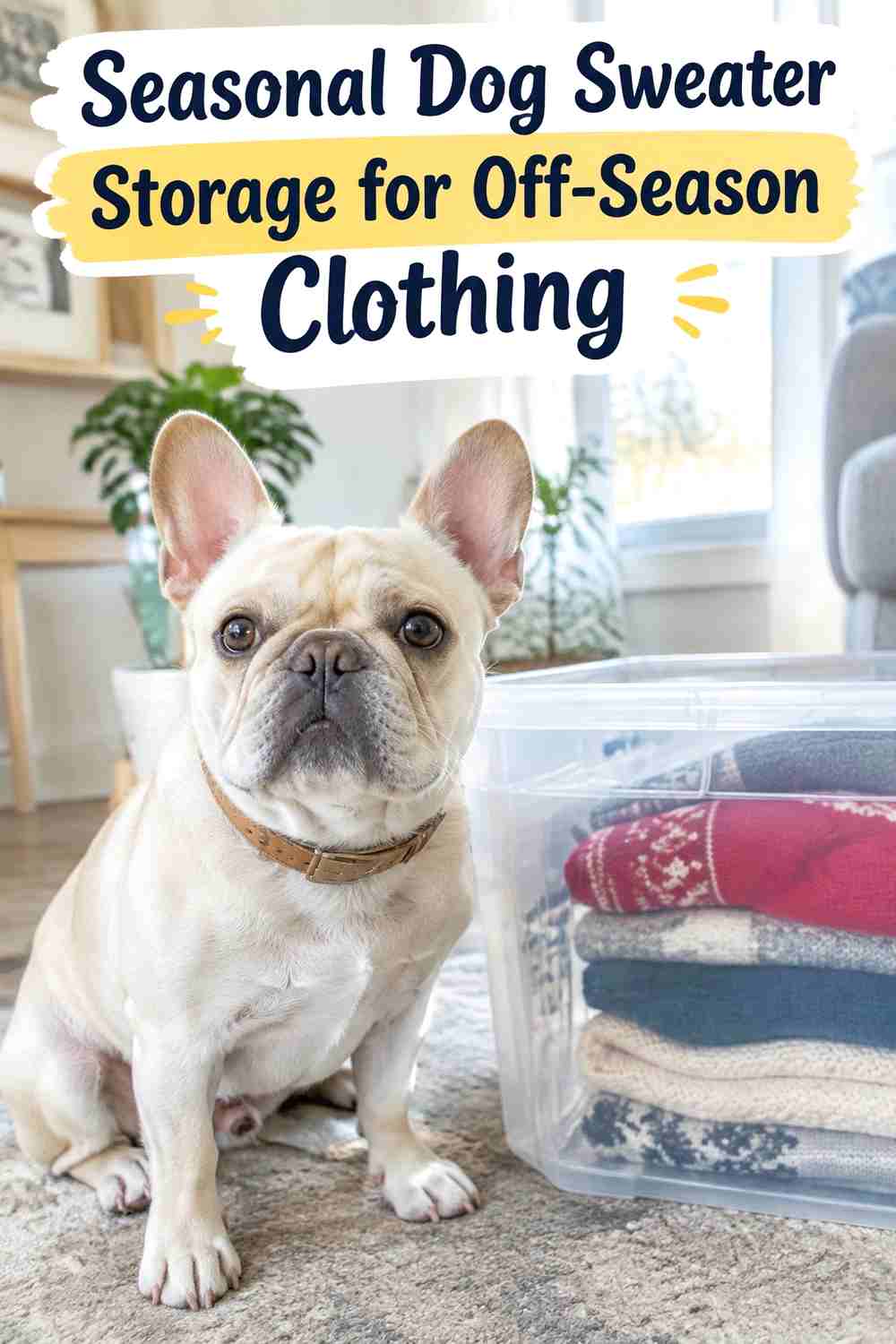
Seasonal storage keeps heavy sweaters out of everyday drawers when warm weather makes them unnecessary. Wash and completely dry each garment before packing it, then place off-season pieces in a clean, breathable container or appropriate closed storage area protected from moisture, dust, and pests. Sort through the collection first instead of storing everything automatically; damaged, stretched, or poorly fitting sweaters will not become more useful next winter. Keep a small number of lightweight layers accessible if your climate has occasional cool days, while truly heavy pieces can move to longer-term storage. Label the container clearly so it is easy to retrieve without opening several boxes. At the next seasonal change, check fit again before assuming last year’s sweaters still suit your dog.
Use & Maintenance
Do not pack damp clothing or store sweaters in an area prone to moisture. A seasonal review is also a useful time to wash the storage container itself.
5. Size Sorted Dog Sweater Shelf For Easy Outfit Picking
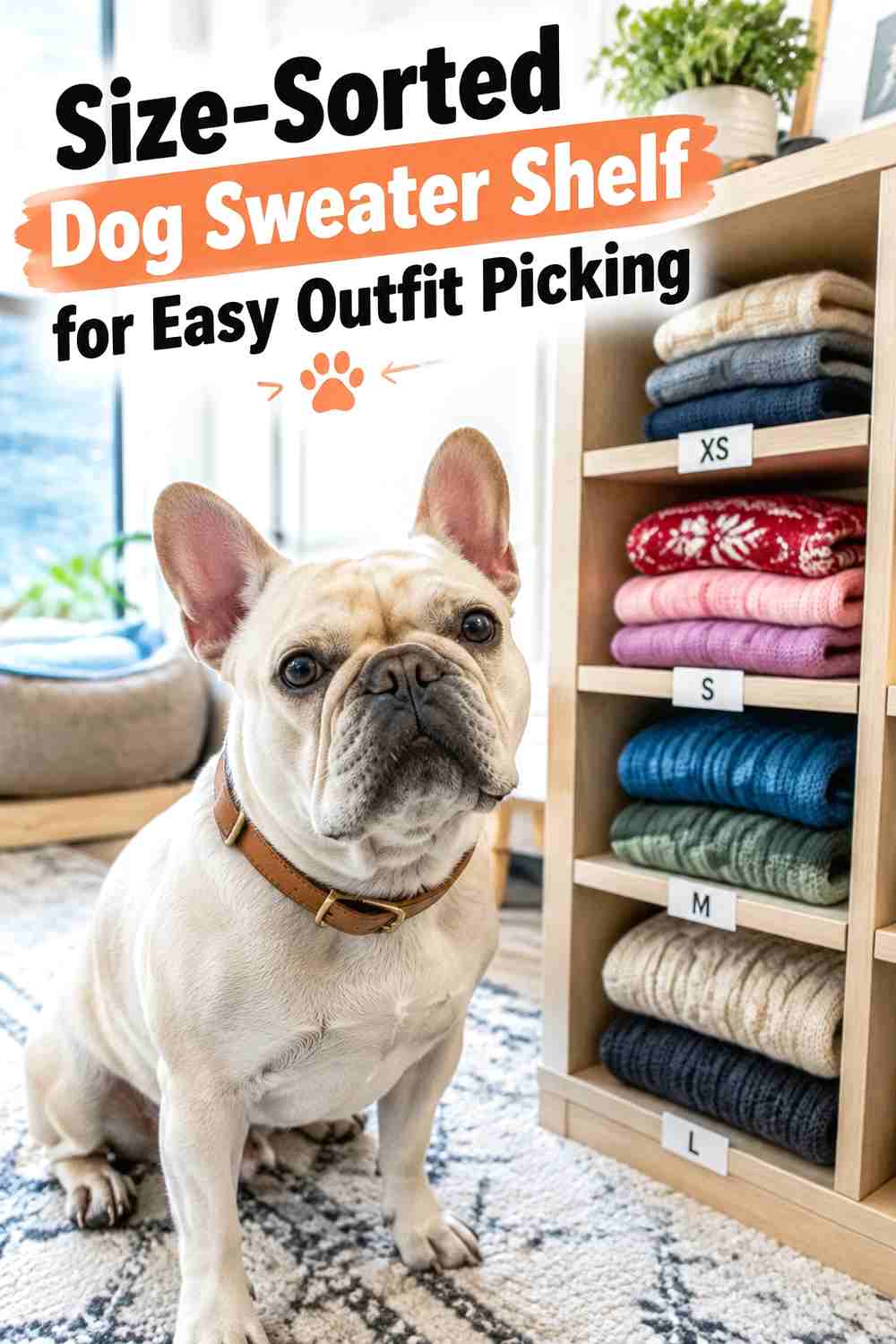
A size-sorted shelf is useful when your dog owns sweaters with noticeably different fits or when several dogs share the same storage area. Create small sections for lightweight fitted sweaters, roomier layers, or each dog’s current size range rather than organizing only by color. Fold each piece so you can see enough of the garment to identify it without pulling out the entire stack. Shelf dividers or low baskets can keep groups from collapsing into one another while still allowing airflow around clean clothing. Keep the most frequently used size category at the easiest reach height. Because brand sizing varies, treat your labels as household organization cues rather than assuming every sweater marked with the same size will fit identically.
Setup Notes
Check neck, chest, body length, and movement when trying a stored sweater again. Move anything questionable out of the active shelf until you can reassess the fit.
6. Entryway Dog Sweater Basket For Quick Cold Weather Walks

An entryway sweater basket keeps one or two frequently used layers close to the leash when cold-weather walks happen several times a day. Choose a basket that fits neatly on a shelf, bench, or console without narrowing the doorway, then keep only current-season sweaters inside. This is not the best place for an entire wardrobe; limiting the basket to everyday favorites prevents the entrance from becoming cluttered. After a damp walk, hang the sweater to dry elsewhere instead of tossing it straight back into the basket. Keep clothing above easy chewing reach if your dog likes carrying fabric. A simple entryway setup works especially well when the sweater goes on immediately before leaving and comes off soon after returning indoors.
Space & Placement
Position the basket close enough to the door for convenience but away from wet shoes, umbrellas, and floor dirt. A washable shelf liner can make the storage surface easier to maintain.
7. Wall Mounted Dog Sweater Organizer For Small Apartments
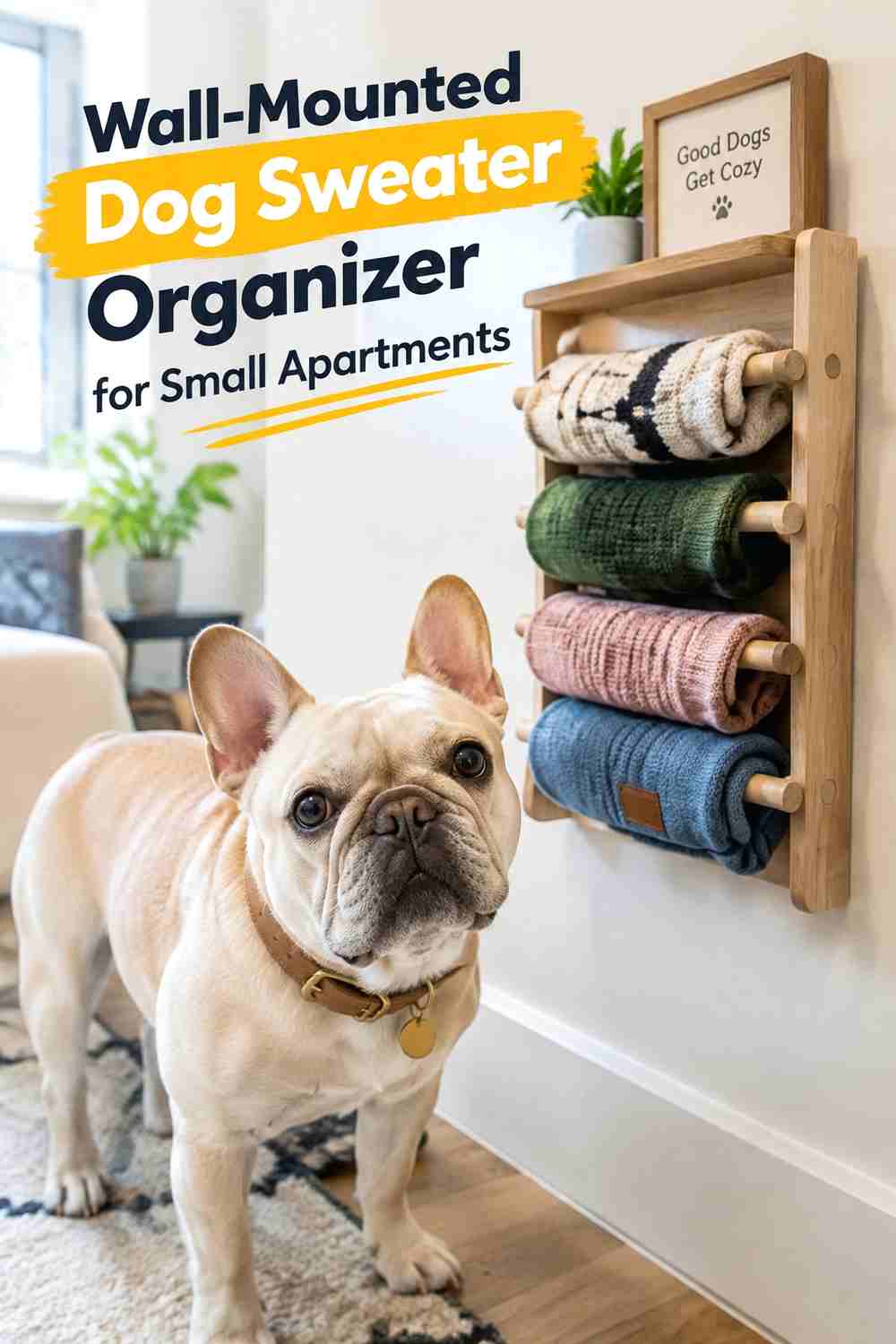
A wall-mounted organizer uses vertical space when a small apartment cannot spare another drawer or freestanding cabinet. Choose a secure fabric organizer, shallow cubby, or small wall shelf with compartments wide enough for loosely folded sweaters. Keep everyday pieces at comfortable adult reach while placing rarely used clothing higher. Avoid low dangling pockets or hooks that invite chewing, and do not overload wall-mounted storage beyond its intended capacity. This approach works best for lightweight dog clothing because bulky winter knits can quickly make shallow compartments look crowded. Store only clean, fully dry pieces and keep the wall area away from kitchen splashes, bathroom humidity, or direct heat sources.
Best For
Wall storage is useful in studios, narrow entryways, or small bedrooms where open wall space is easier to find than empty furniture storage.
8. Wash And Dry Station For Clean Dog Sweater Storage

A wash-and-dry station prevents clean and dirty dog sweaters from getting mixed together. Use one ventilated basket for clothing waiting to be washed, then designate a drying rack or laundry-room area for sweaters that should dry flat or according to their care instructions. Once completely dry, move each piece back to its main drawer, closet, or bin instead of leaving clean clothing indefinitely in the laundry space. Check fasteners, seams, decorative pieces, and stretched areas while folding so damaged sweaters can be removed before the next wear. Following each garment’s care directions can also help preserve its shape. This system is especially useful during winter when sweaters may cycle through wear and washing more often.
Cleaning Notes
Do not store damp sweaters in a closed basket. Keep dirty and clean clothing clearly separated, and wash the laundry basket periodically if it collects hair or outdoor dirt.
9. Portable Travel Organizer For Dog Sweaters And Layers

A portable organizer makes it easier to pack dog sweaters for road trips, cabin stays, or colder destinations without losing them among human clothing. Use one small packing cube, zippered fabric pouch, or dedicated travel compartment for clean dog layers, then pack a separate bag for anything that becomes wet or dirty during the trip. Bring only pieces that fit comfortably and match the expected weather rather than packing the entire wardrobe. Fold items loosely so closures and decorations are not pressed into delicate fabric. At the destination, keep the organizer somewhere dry and accessible instead of leaving sweaters loose in the car. When you return home, empty the bag completely so dirty clothing does not remain forgotten inside.
Pro Tip
Pack one versatile everyday sweater before adding specialty options. A smaller, intentional travel selection is easier to clean, dry, and keep organized away from home.
10. Under Bed Dog Sweater Storage For Limited Closet Space
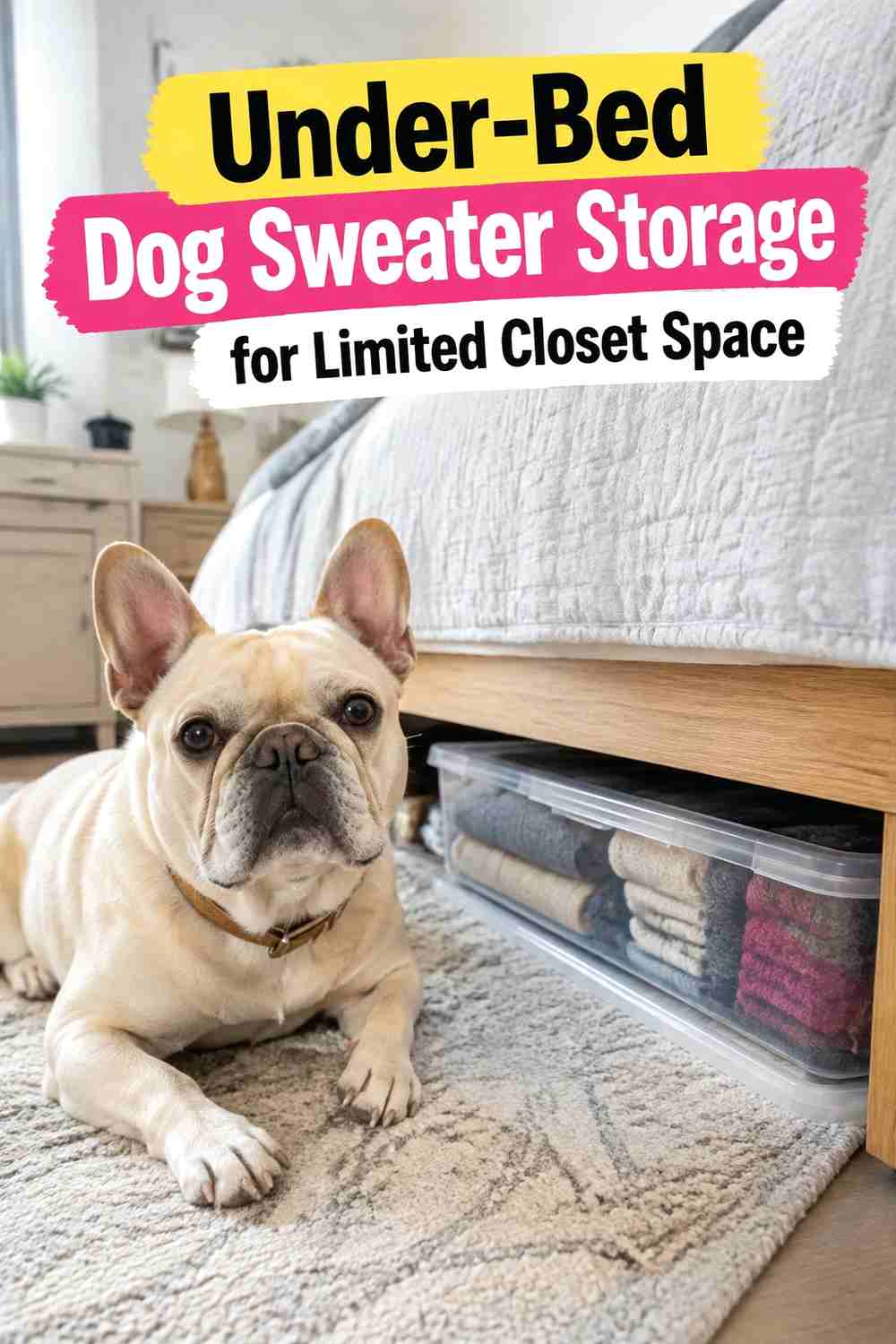
Under-bed storage can hold dog sweaters without taking over valuable closet space, especially when the clothing is seasonal or used only occasionally. Choose a low container with a lid or secure cover that slides easily and protects clean garments from dust. Fold sweaters in small groups and use simple dividers if you need to separate lightweight layers from thicker knits. Avoid filling the container so tightly that fabric becomes compressed or difficult to inspect. Because under-bed spaces can collect dust and may be harder to check regularly, only store completely dry clothing and clean the surrounding floor before sliding the container back. Keep your dog from accessing the bin if they tend to chew clothing or storage materials.
Use & Maintenance
Pull the container out periodically rather than forgetting it until winter. A quick review helps catch dust, moisture, or sweaters your dog has outgrown before the next season.
11. Weekly Dog Sweater Rotation Station For Easy Outfit Planning
You May Also Like



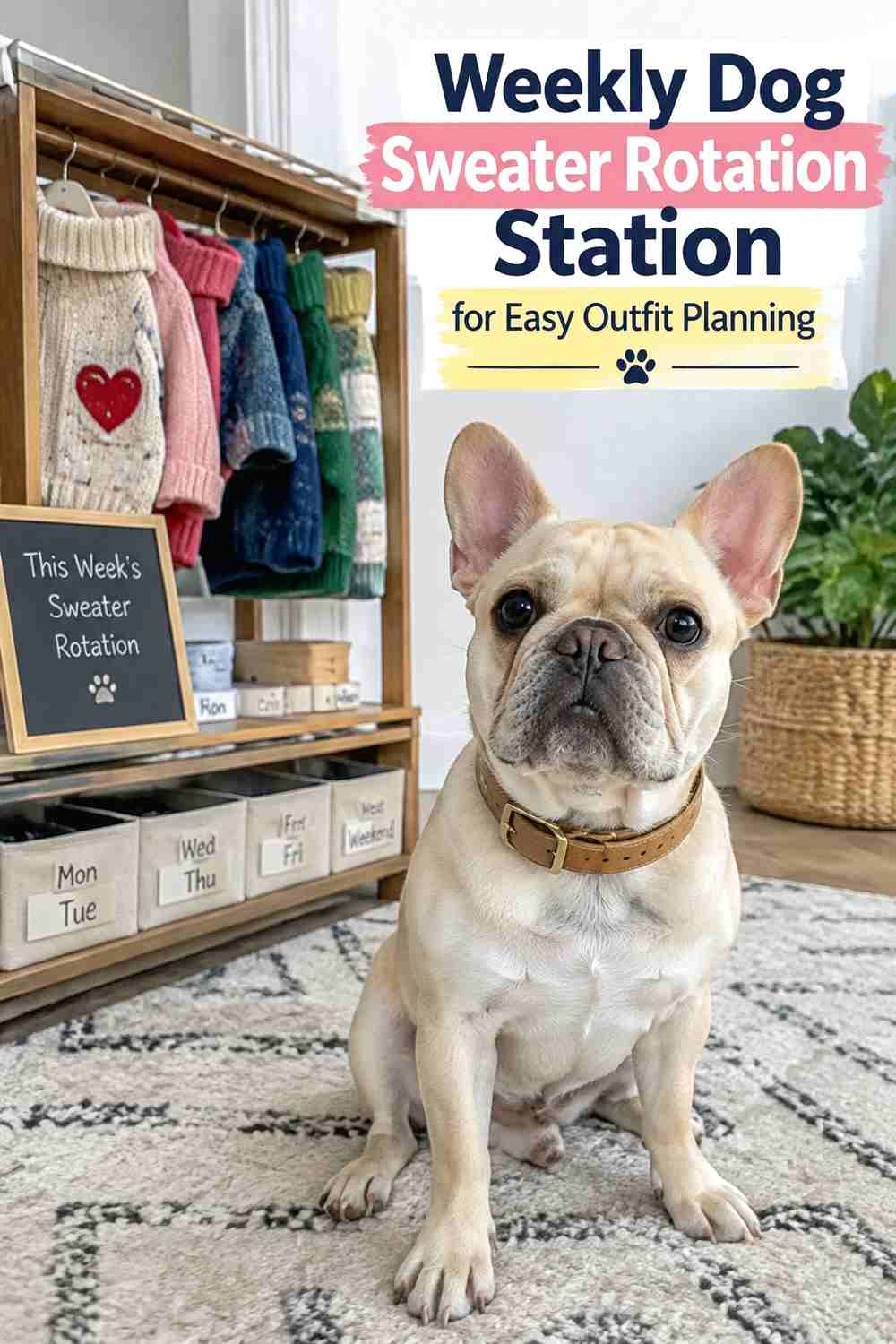
A weekly rotation station keeps a small selection of currently useful sweaters separate from the larger wardrobe. Choose a shallow basket, small shelf, or hanging organizer and place only a few clean sweaters there based on the upcoming weather and your dog’s routine. This can reduce daily searching when several similar layers are stored elsewhere, while also encouraging you to return worn clothing to laundry instead of mixing it with clean pieces. The station should stay small enough that every item remains visible. Reassess the rotation when temperatures change rather than choosing outfits purely for appearance. Sweaters should allow normal movement and should be removed when they are unnecessary, uncomfortable, damp, or unsuitable for the activity.
Use & Maintenance
Reset the station once a week or whenever the weather changes noticeably. Return unused pieces to their main storage location instead of allowing the rotation basket to become permanent overflow.
How to Choose the Right Idea
Choose a dog sweater organization system based on wardrobe size, available space, how often the clothing is used, and how many dogs you are organizing for. A single dog with a few everyday sweaters may only need one drawer or entryway basket, while larger collections benefit from seasonal bins, shelves, or closet sections.
Small homes often work best with wall storage, under-bed containers, or one compact drawer. Multi-dog households should prioritize clear separation so different sizes and fits do not become mixed.
Also think about laundry and moisture. Sweaters should be clean and fully dry before long-term storage, and frequently worn clothing needs an easy route from use to washing and back into the wardrobe. Keep only pieces that still fit comfortably and allow normal movement.
Final Thoughts
Good dog sweater organization is less about creating a large pet wardrobe display and more about making useful clothing easy to find, clean, inspect, and store.
Start with one system that matches your available space, then separate seasonal or travel clothing only if the collection actually needs it. Regular editing will usually keep the setup more useful than adding more containers.
FAQs
1. Should dog sweaters be folded or hung?
Either can work depending on the garment. Soft knits often store well folded, while some structured sweaters are easier to see when hung. Avoid any method that stretches the neckline or fabric.
2. How should I store dog sweaters during summer?
Wash and completely dry them first, then place them in clean, dry storage protected from moisture, dust, and pests. Check fit again before using them the next cold season.
3. How can I organize sweaters for multiple dogs?
Give each dog a separate bin, shelf section, or clearly labeled compartment. This reduces mix-ups when dogs wear similar colors but need different sizes or shapes.
4. Where should I keep frequently used dog sweaters?
An entryway basket, accessible drawer, or small rotation station works well for everyday pieces. Keep the area dry and separate from muddy shoes or wet walking gear.
5. How often should I sort through my dog’s sweater collection?
Review it when seasons change and whenever your dog’s size or fit needs change. Remove garments that are damaged, uncomfortable, rarely used, or no longer fit properly.
CTA
Save these dog sweater organization ideas for your next pet-storage refresh, and choose the setup that keeps your dog’s most useful layers easy to find.
