Give your entryway more personality and practical function with dog door signs designed for guests, deliveries, gates, quiet homes, and everyday pet routines.
Save This Idea on Pinterest

17 Dog Door Sign Ideas
Save to PinterestDog door signs can do more than decorate an entrance. The right sign can welcome visitors, remind family members to close a gate, reduce unnecessary knocking, identify a dog-friendly household, or communicate a simple request before someone opens the door.
These 17 ideas range from playful welcome signs to practical notices for puppies, senior dogs, multi-dog homes, deliveries, and outdoor gates. Keep wording easy to read, position signs where visitors will naturally notice them, and avoid relying on a sign as a substitute for secure doors, gates, supervision, or other sensible pet-management measures.
Quick List
- Friendly Welcome Dog Door Sign for Pet-Loving Homes
- Please Close Gate Dog Sign for Secure Yards
- Do Not Knock Dog Door Sign for Quiet Homes
- Dog Inside Delivery Sign for Front Door Packages
- Multiple Dogs Live Here Door Sign for Busy Homes
- Small Dog Lives Here Door Sign for Apartment Entries
- Large Dog on Property Door Sign for Clear Visitor Notice
- Please Give Dog Space Door Sign for Calm Entrances
- Puppy Training in Progress Door Sign for New Owners
- Senior Dog Resting Door Sign for Quieter Households
- Dog-Friendly Home Welcome Sign for Front Porch Doors
- Seasonal Dog Door Sign for Holiday Entryway Decor
- Personalized Dog Name Door Sign for Family Homes
- Muddy Paws Welcome Dog Sign for Casual Entryways
- Dog Walker Access Sign for Organized Pet Routines
- Backyard Gate Dog Reminder Sign for Family Homes
- Minimal Dog Silhouette Door Sign for Modern Decor
1. Friendly Welcome Dog Door Sign For Pet Loving Homes
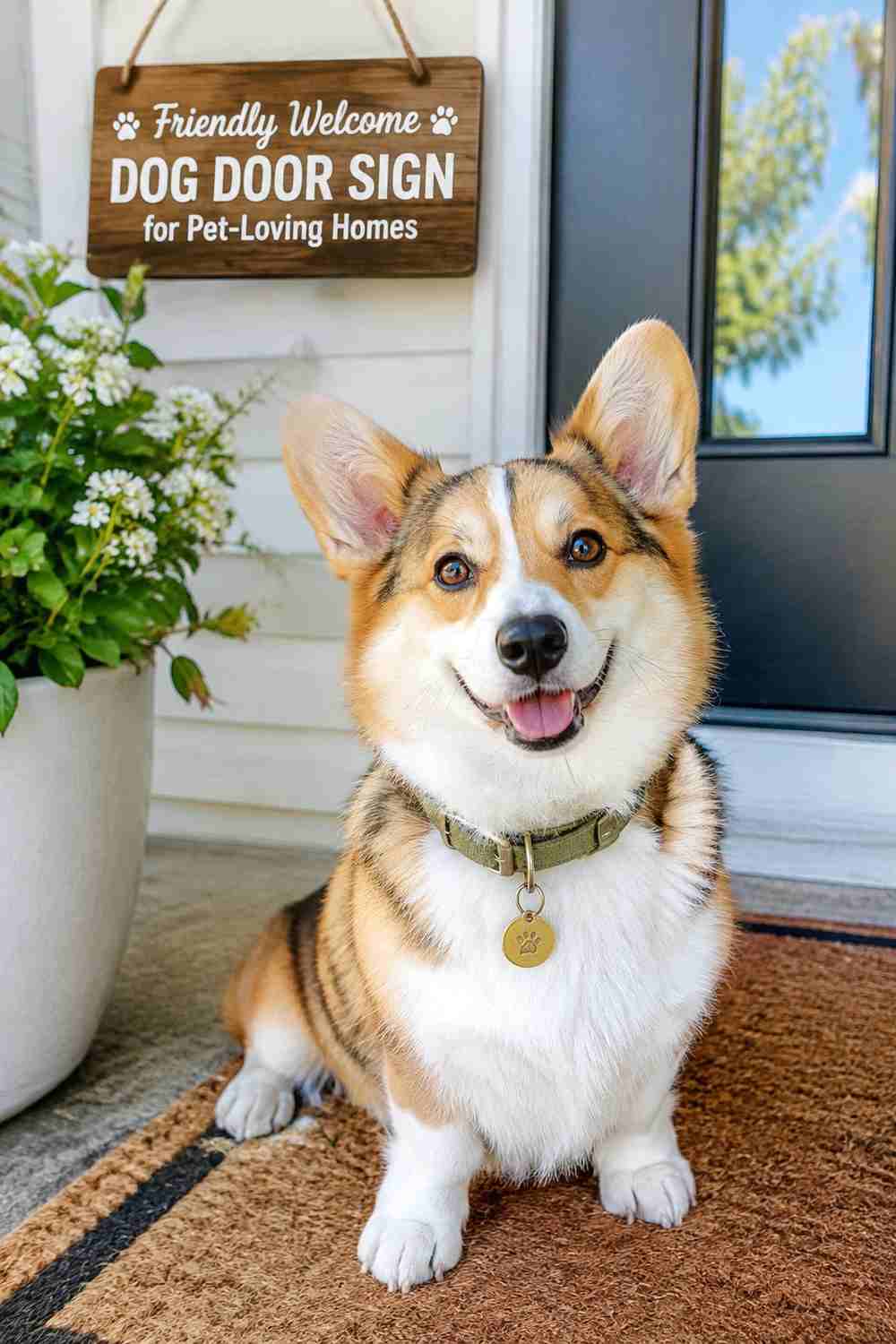
A friendly welcome sign is a simple way to make the front door feel pet-centered without turning the entryway into a warning display. Use clear wording that mentions a dog lives in the home while keeping the overall message warm and easy to read from several steps away. A small paw graphic, simple dog silhouette, or restrained border can add personality without making the text difficult to scan. Choose a material suited to the sign’s location, especially if it will face rain, direct sun, or wind. Hang it near eye level or beside the doorbell where visitors naturally look. This idea works especially well for homes that want dog-themed decor with a practical purpose.
Setup Notes
Keep the wording short enough to read quickly. If the door already has wreaths or seasonal decor, leave enough space that the sign does not disappear behind other items.
2. Please Close Gate Dog Sign For Secure Yards
You May Also Like



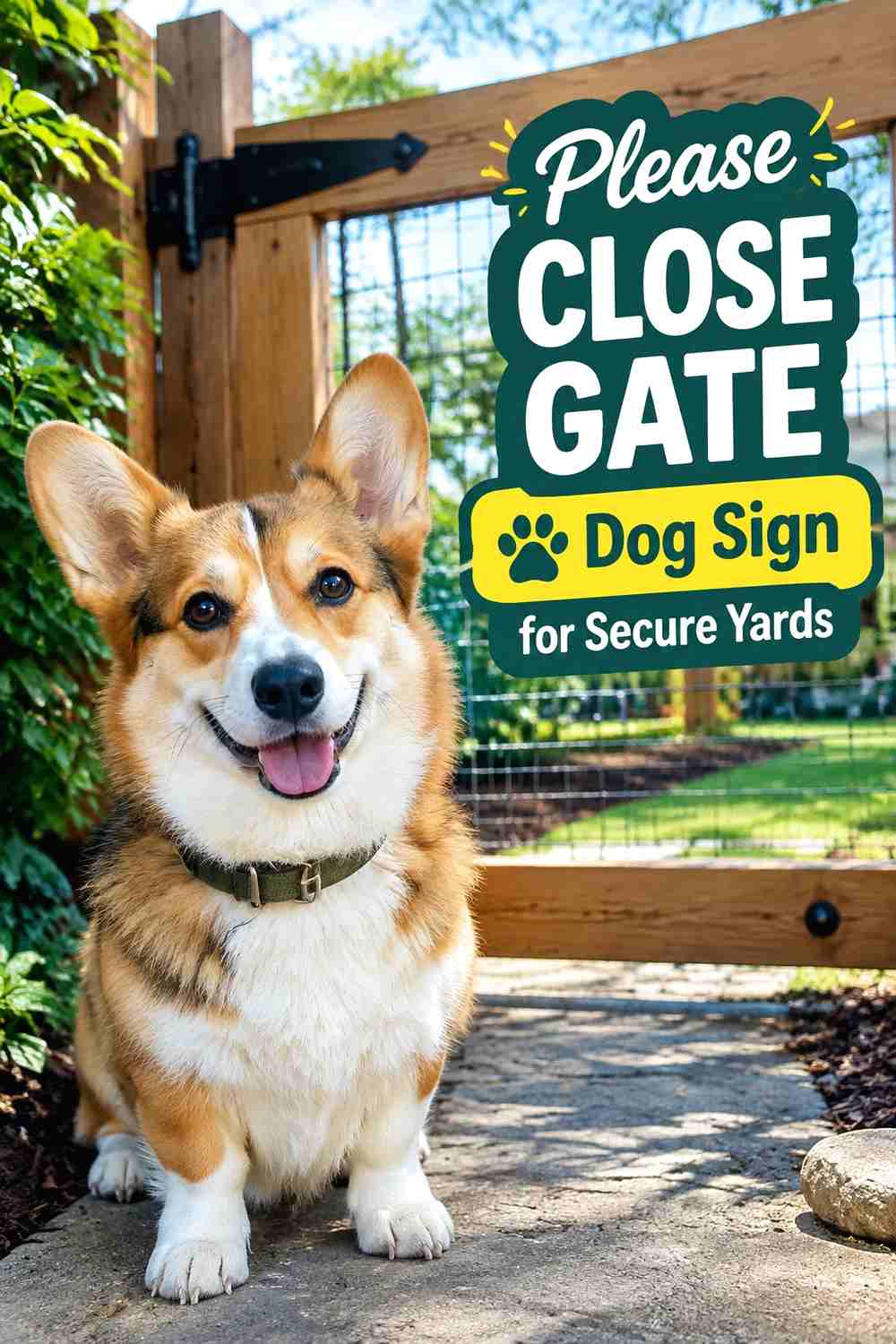
A “please close gate” dog sign gives guests, children, landscapers, and service workers a clear reminder before entering or leaving a fenced yard. Position it directly on the gate or latch area instead of several feet away where it may be overlooked. Use large lettering and simple wording that can be understood at a glance. Weather-resistant material is especially useful because this sign may stay outdoors year-round. The reminder can support a secure backyard routine, but the gate itself still needs a reliable latch and regular checks for gaps or damage. If there are multiple gates, repeat the message at each one rather than assuming visitors will remember it after seeing a single sign.
Space & Placement
Mount the sign close to the normal hand position for opening the gate without covering the latch. Visibility matters more than decorative detail for this type of reminder.
3. Do Not Knock Dog Door Sign For Quiet Homes
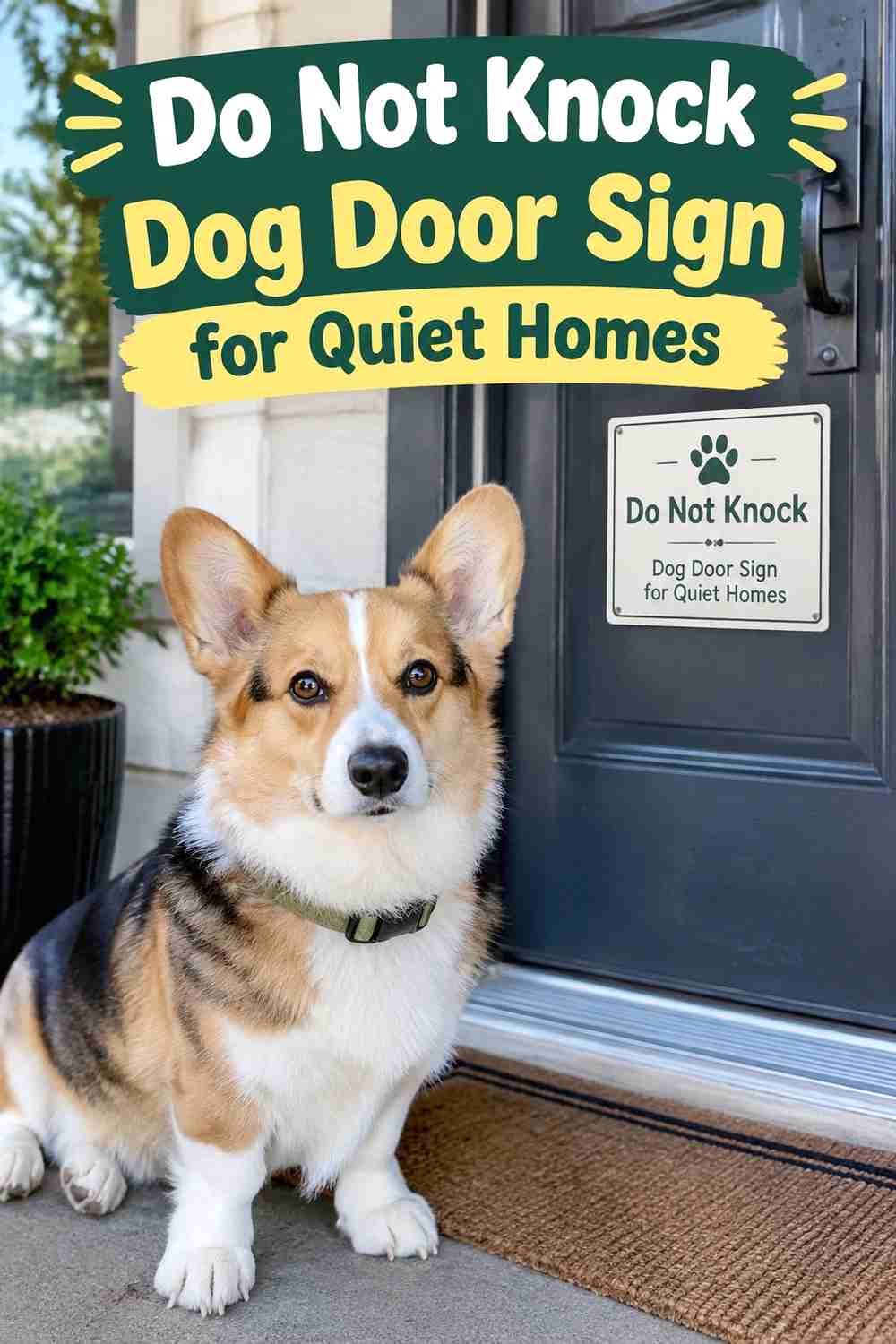
A “do not knock” dog sign can help reduce sudden door noise when your household prefers visitors to use another contact method. Keep the wording polite and specific, such as asking visitors to text, call, or use the doorbell if that fits your routine. Place the sign immediately beside the area where someone would normally knock so the instruction is seen before they act. Choose bold text rather than an elaborate design, particularly if delivery drivers need to read it quickly. This type of sign can be useful in homes with sleeping family members, dogs that become highly alert to knocking, or people working from home. It does not guarantee silence, so normal door-management routines still matter.
Pro Tip
If you prefer one contact method, state it directly. “Please text instead of knocking” is more useful than a vague request for quiet.
4. Dog Inside Delivery Sign For Front Door Packages
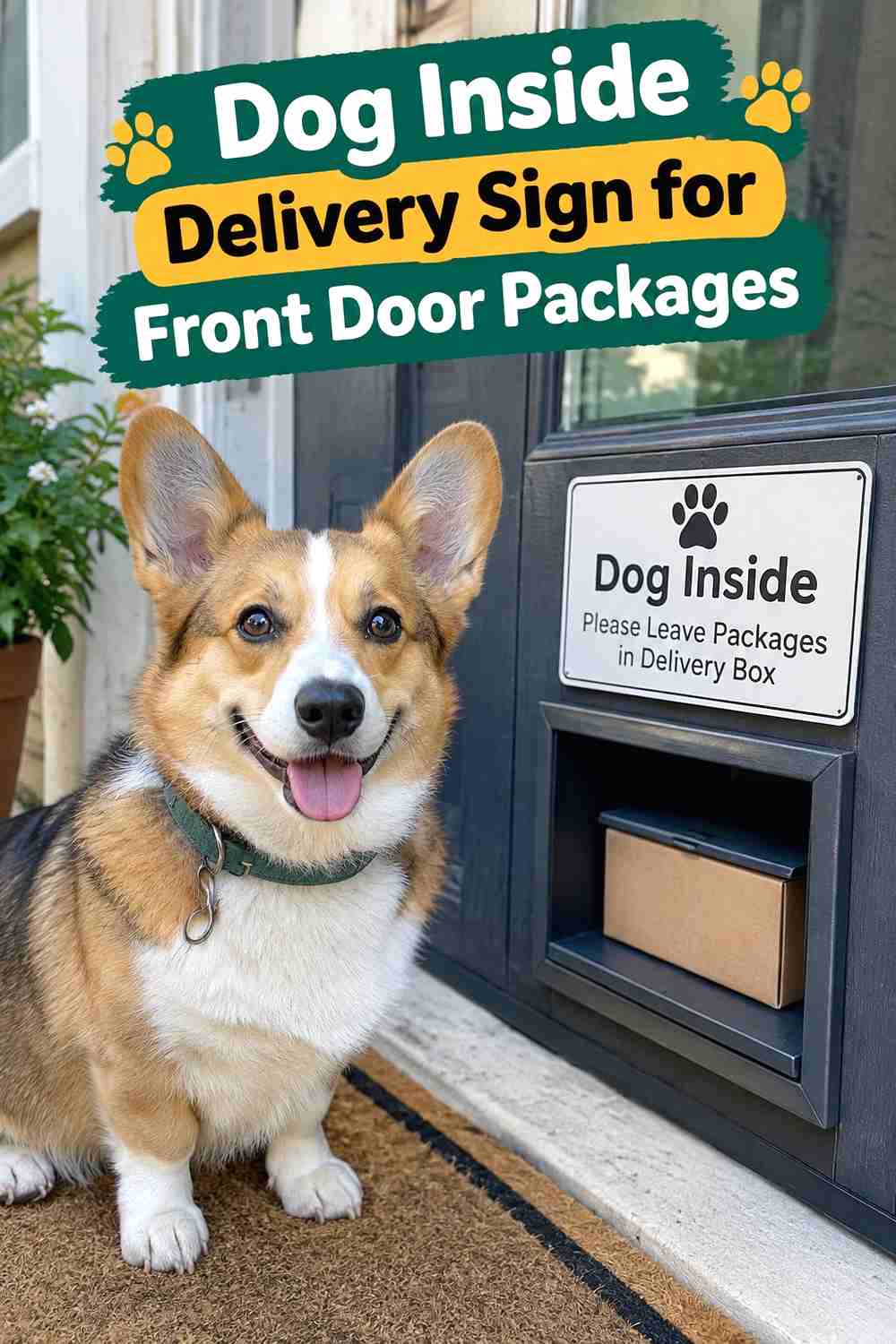
A dog-inside delivery sign can give package carriers simple instructions before they approach the doorway. Use it to request that parcels be left in a defined location, ask drivers not to open a gate, or remind them to keep the exterior door closed. Keep instructions limited to one or two actions so they can be read quickly while someone is carrying a package. Position the sign near the doorbell or package drop area rather than mixing it into decorative porch signage. If you use a parcel box or bench, the sign can point visitors toward it. This setup is most useful when it supports an existing delivery routine instead of asking drivers to interpret several different household rules.
Best For
This sign suits homes where deliveries are frequent and the dog has access to an entry hall, porch-adjacent room, or securely fenced part of the property.
5. Multiple Dogs Live Here Door Sign For Busy Homes
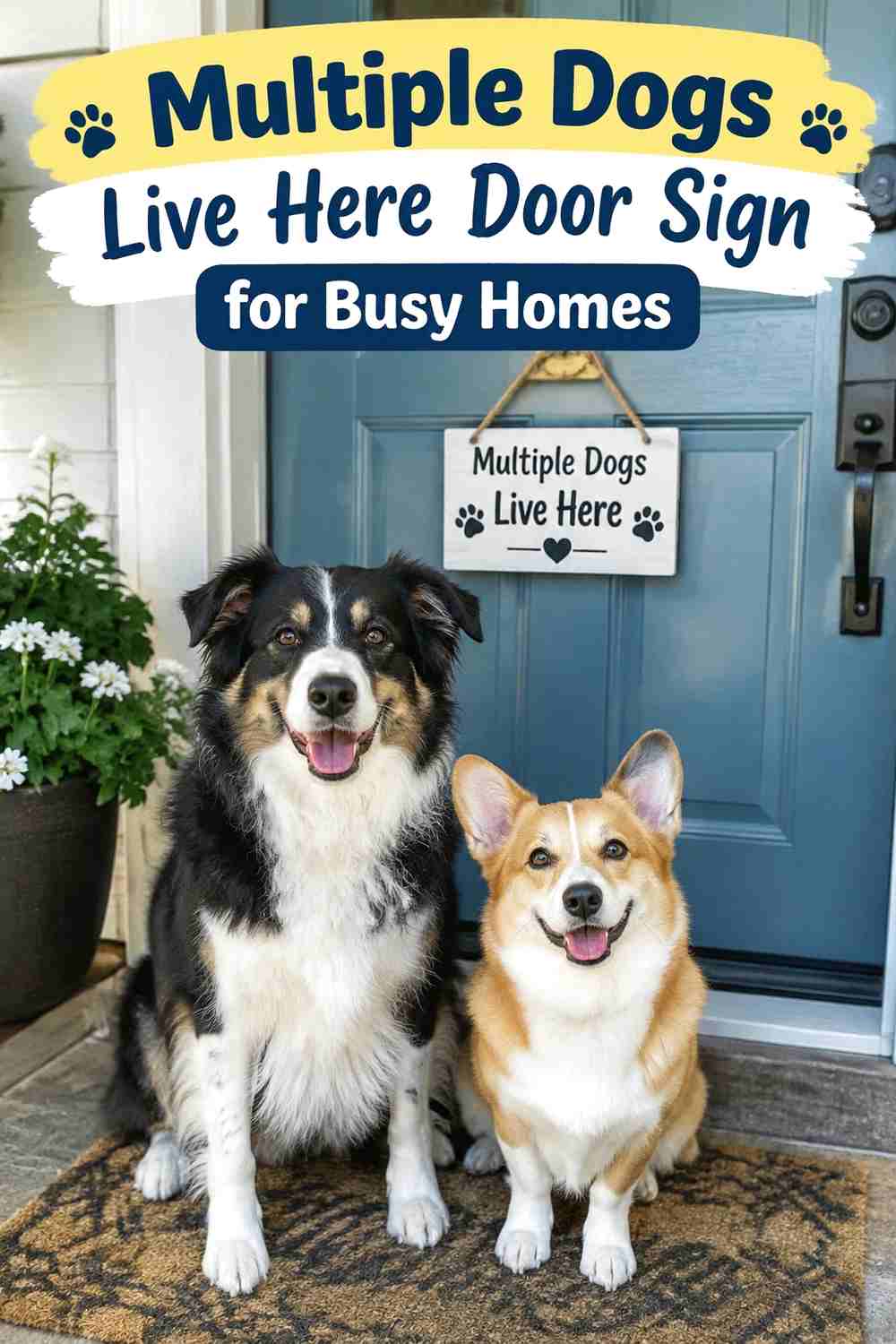
A multi-dog door sign lets visitors know that more than one dog may be present without listing every pet or turning the entrance into a crowded name board. Use simple language such as “Multiple Dogs Live Here” or another clear variation, then pair it with a clean graphic if desired. This can be helpful for guests, pet sitters, maintenance workers, or service providers who might otherwise assume they are dealing with only one animal. Place the sign where it is visible before the door opens. The message should remain informational rather than dramatic; specific handling instructions are better communicated directly to people who need them. Secure management of each dog still matters regardless of what the sign says.
Setup Notes
Keep names and photos on a separate decorative display if you want to personalize the entryway. The main door sign should stay easy to scan.
6. Small Dog Lives Here Door Sign For Apartment Entries
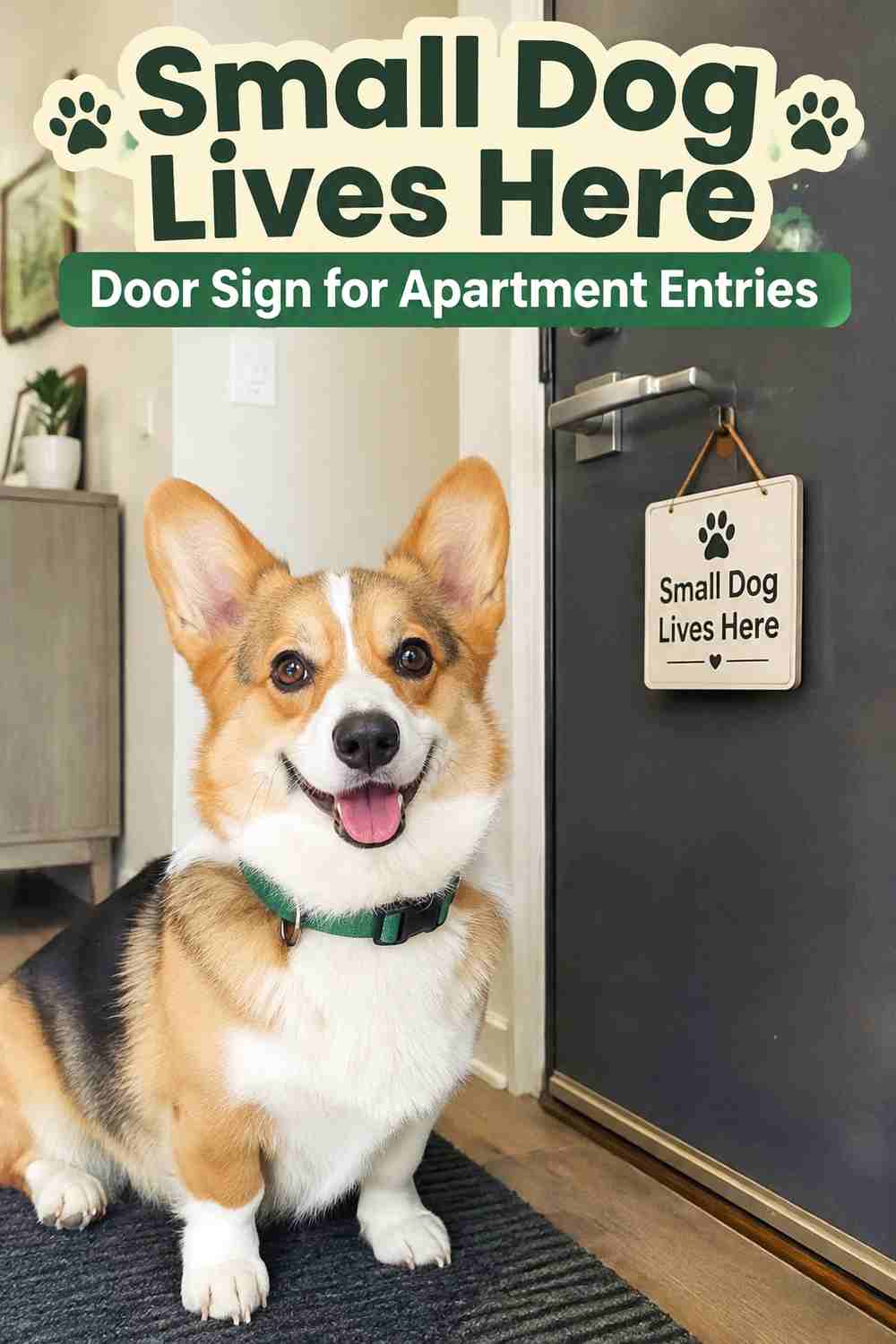
A compact “small dog lives here” sign works well for apartment doors where hallway space and decoration rules may be limited. Choose a lightweight plaque, removable sign, or slim hanging piece that does not interfere with the door number, peephole, handle, or building notices. The wording can be friendly and simple rather than warning-focused. In shared corridors, understated designs often fit better than oversized porch-style signage. Check building rules before attaching anything permanently, especially on painted or fire-rated doors. This idea can help guests know a dog is inside while still keeping the apartment entry neat and minimal. Avoid displaying unnecessary personal details such as your schedule or access information on a public hallway door.
Space & Placement
Use a narrow area below or beside the door number if permitted. Keep the peephole and any required safety signage completely unobstructed.
7. Large Dog On Property Door Sign For Clear Visitor Notice
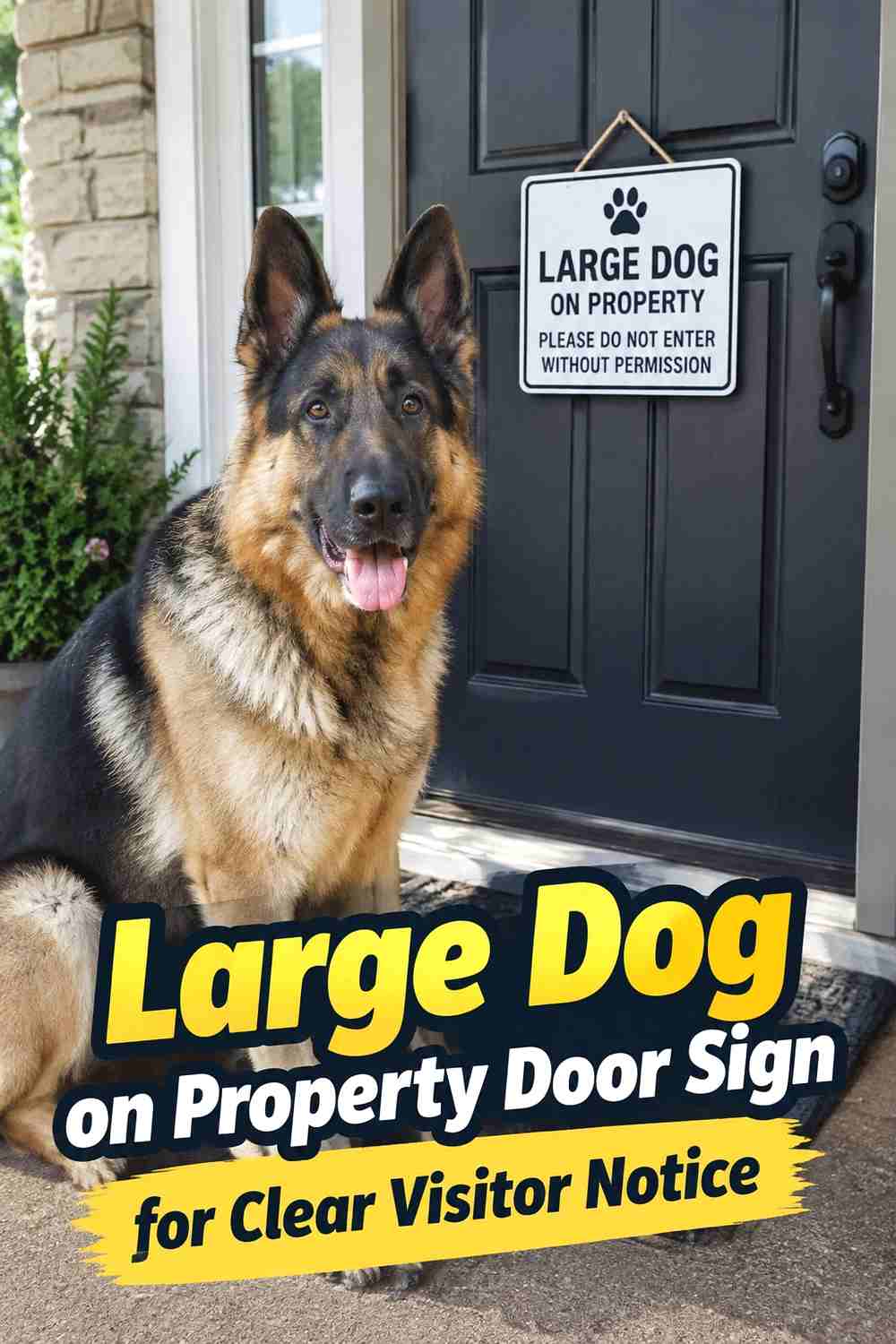
A straightforward large-dog sign can give visitors useful context before they enter a home or fenced property. Use neutral wording such as “Large Dog on Property” rather than exaggerated language that may create unnecessary alarm. Place the sign where it can be seen before a visitor opens a gate or approaches an entry point. This can be especially useful for maintenance workers, contractors, or unfamiliar guests who need to know that a large dog may be present. The sign should support direct communication, not replace it; anyone entering the property for planned work should still receive clear instructions about where the dog will be during the visit.
Best For
This idea fits homes with large dogs that may be visible through windows, gates, or yards and where advance notice makes visitor coordination easier.
8. Please Give Dog Space Door Sign For Calm Entrances
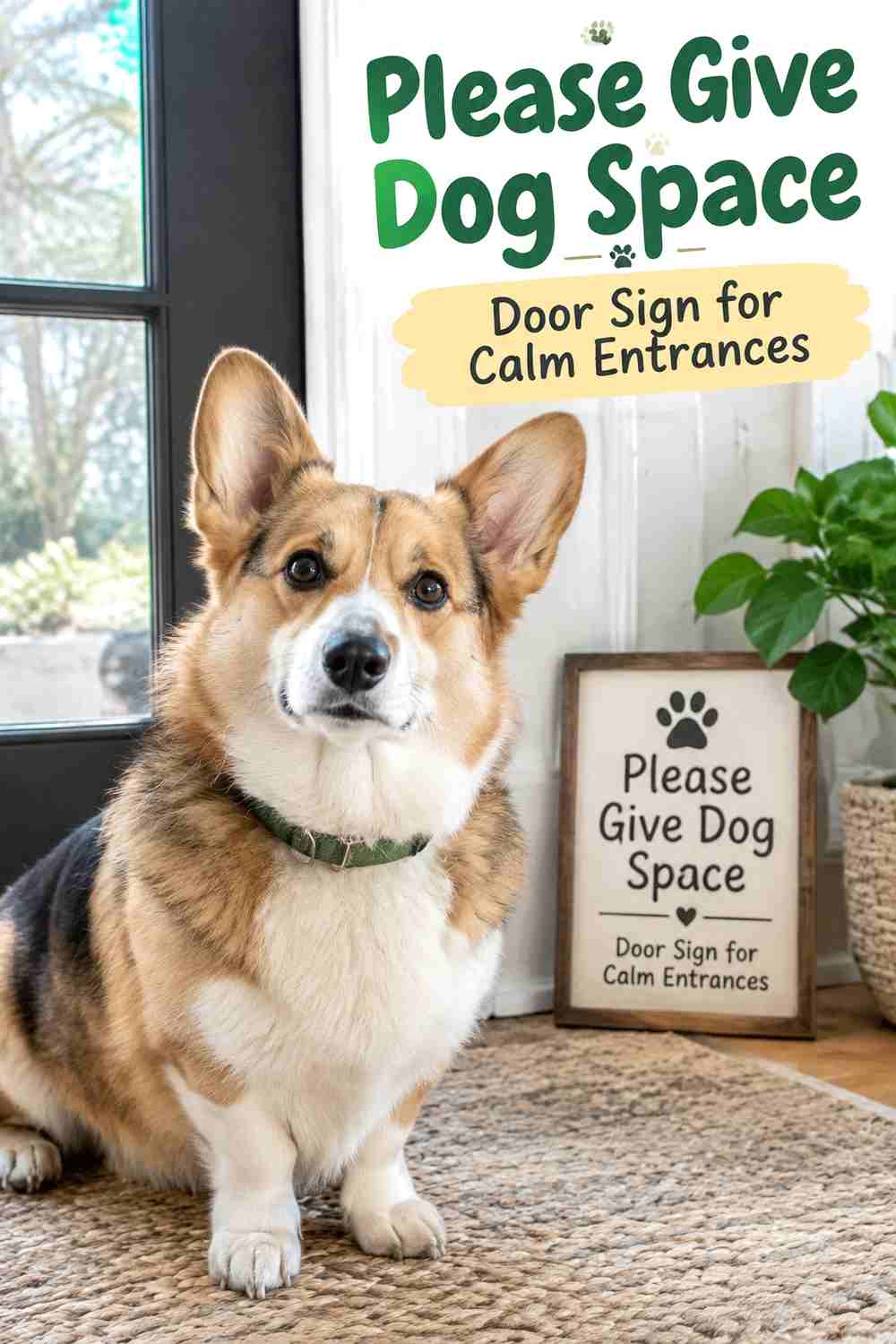
A “please give dog space” sign communicates a simple boundary without assigning a negative label to the dog. Position it near the front door or gate so guests see the request before reaching toward, calling to, or crowding the dog. Short wording is usually best, and a second line can ask visitors to wait for the owner before interacting. This setup may be useful for dogs that are more comfortable when introductions happen gradually or at a distance. The sign should not be treated as a complete visitor-management plan; use barriers, leashes, closed rooms, or other appropriate arrangements as needed. Avoid inviting strangers to test whether the dog “really needs” space.
Comfort & Safety
Make the request actionable. “Please wait for us before greeting the dog” gives visitors clearer guidance than a decorative phrase alone.
9. Puppy Training In Progress Door Sign For New Owners
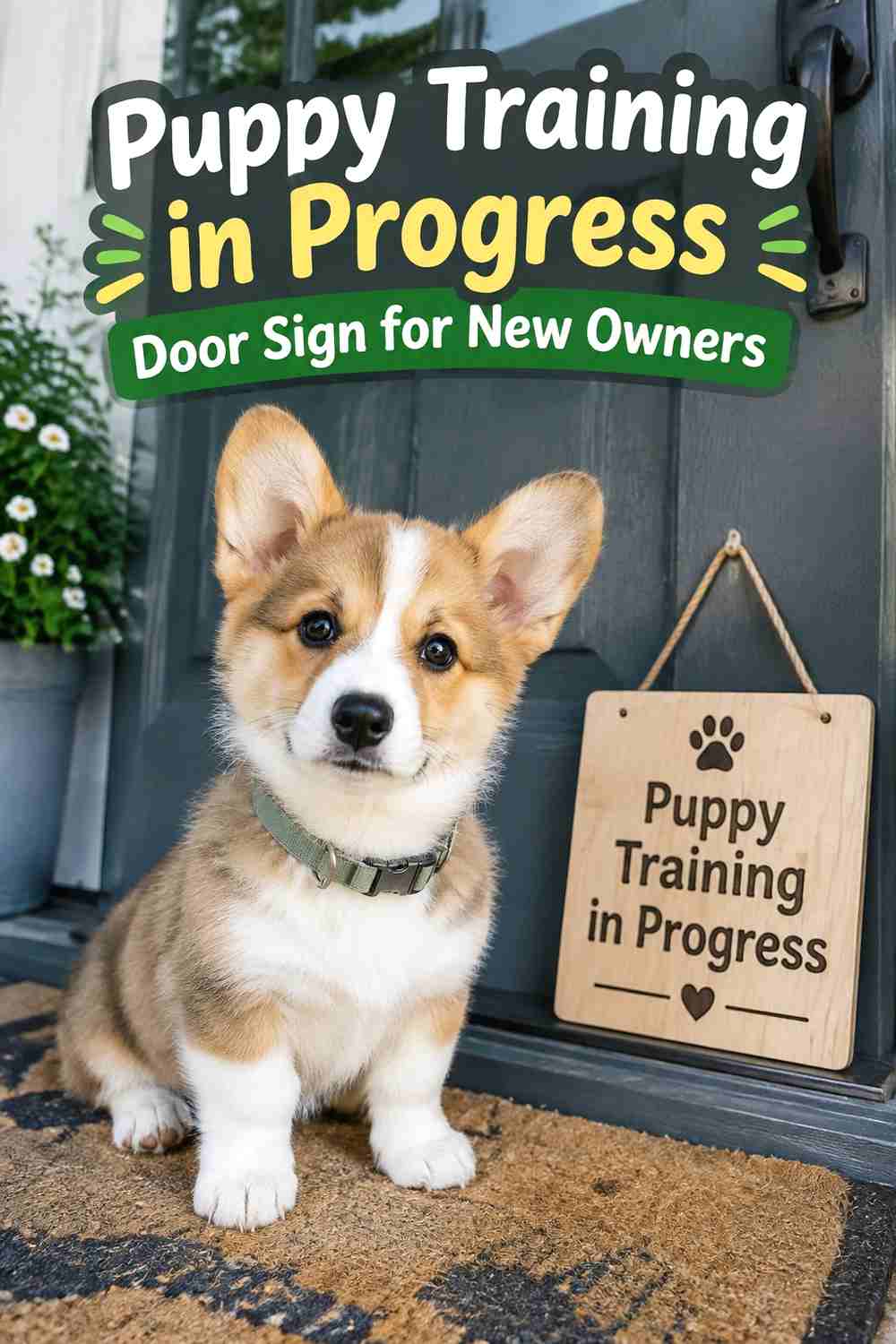
A puppy-training sign can prepare visitors for a household that is actively working on calm door routines, greeting manners, or preventing door rushing. Keep the message practical, such as asking guests to wait outside briefly, avoid exciting the puppy at the door, or follow the owner’s greeting instructions. Mount it where visitors can read it before ringing or entering. The sign is especially useful during the early weeks when repeated, consistent routines matter more than elaborate decor. It can also remind family members that the doorway is part of training rather than a free-for-all greeting zone. Update or remove the sign when the routine changes so outdated instructions do not become permanent background noise.
Use & Maintenance
Review the wording as the puppy develops. A useful sign should reflect the current routine instead of preserving instructions that no longer apply.
10. Senior Dog Resting Door Sign For Quieter Households
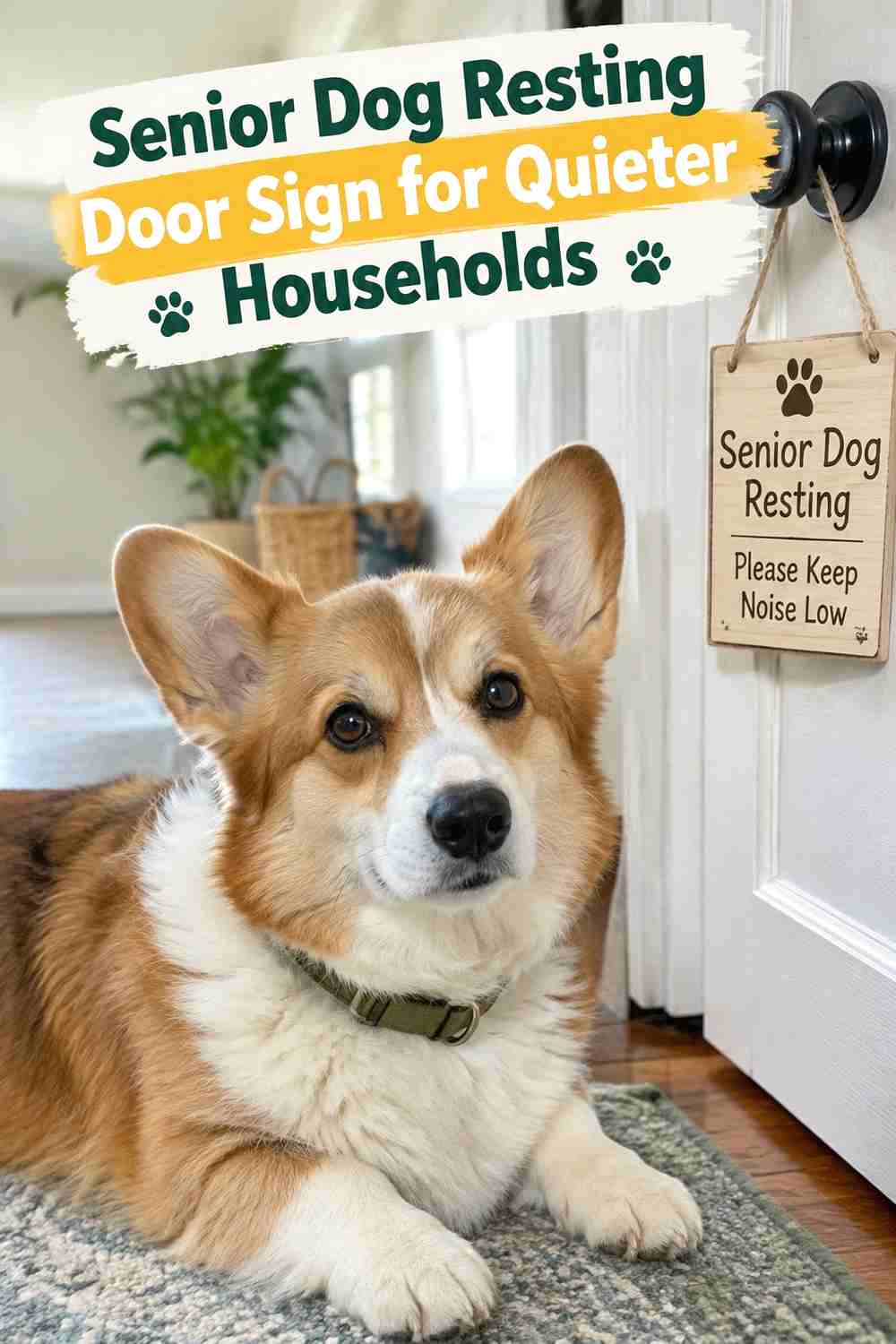
A senior-dog resting sign can politely ask visitors to keep arrivals calm, avoid repeated knocking, or enter quietly after being welcomed. Choose straightforward wording that focuses on the household preference rather than making assumptions about every older dog. Place it close to the bell or door handle where visitors will see it before making noise. This idea can be especially practical if the dog rests near the entryway or if sudden activity regularly interrupts sleep. Keep the sign visually calm with readable lettering rather than busy graphics. If your senior dog has new sensitivity, pain, hearing changes, or other health concerns, those issues are better discussed with a veterinarian rather than managed through signage alone.
Best For
This setup fits homes that already use quieter visitor routines and want a visible reminder for guests, family members, or regular service providers.
11. Dog Friendly Home Welcome Sign For Front Porch Doors
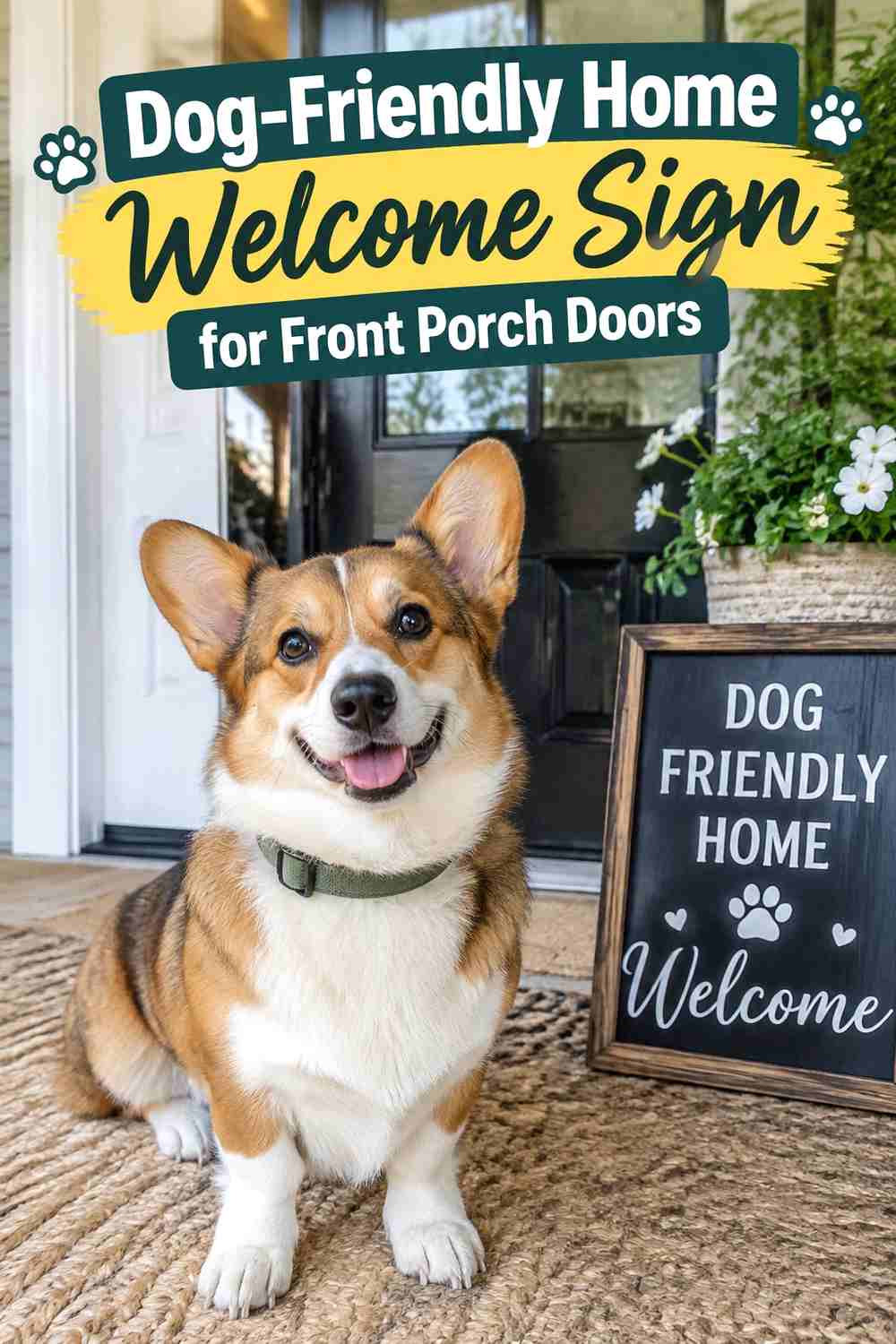
A dog-friendly welcome sign can become part of porch decor while making it obvious that pets are part of the household. Use cheerful but uncluttered wording and coordinate the sign with existing planters, mats, or seasonal pieces rather than creating a completely separate visual theme. A vertical sign beside the door, a small plaque, or a hanging piece can all work depending on available space. Keep it secure enough for wind and positioned where the dog cannot reach or chew dangling parts. This type of sign is mainly decorative, so avoid mixing it with important safety instructions that need immediate attention. Practical gate or visitor notices should remain separate and easier to scan.
Space & Placement
Give the sign enough empty space around it to remain readable. On a busy porch, one clear pet-themed piece usually looks more intentional than several competing signs.
12. Seasonal Dog Door Sign For Holiday Entryway Decor
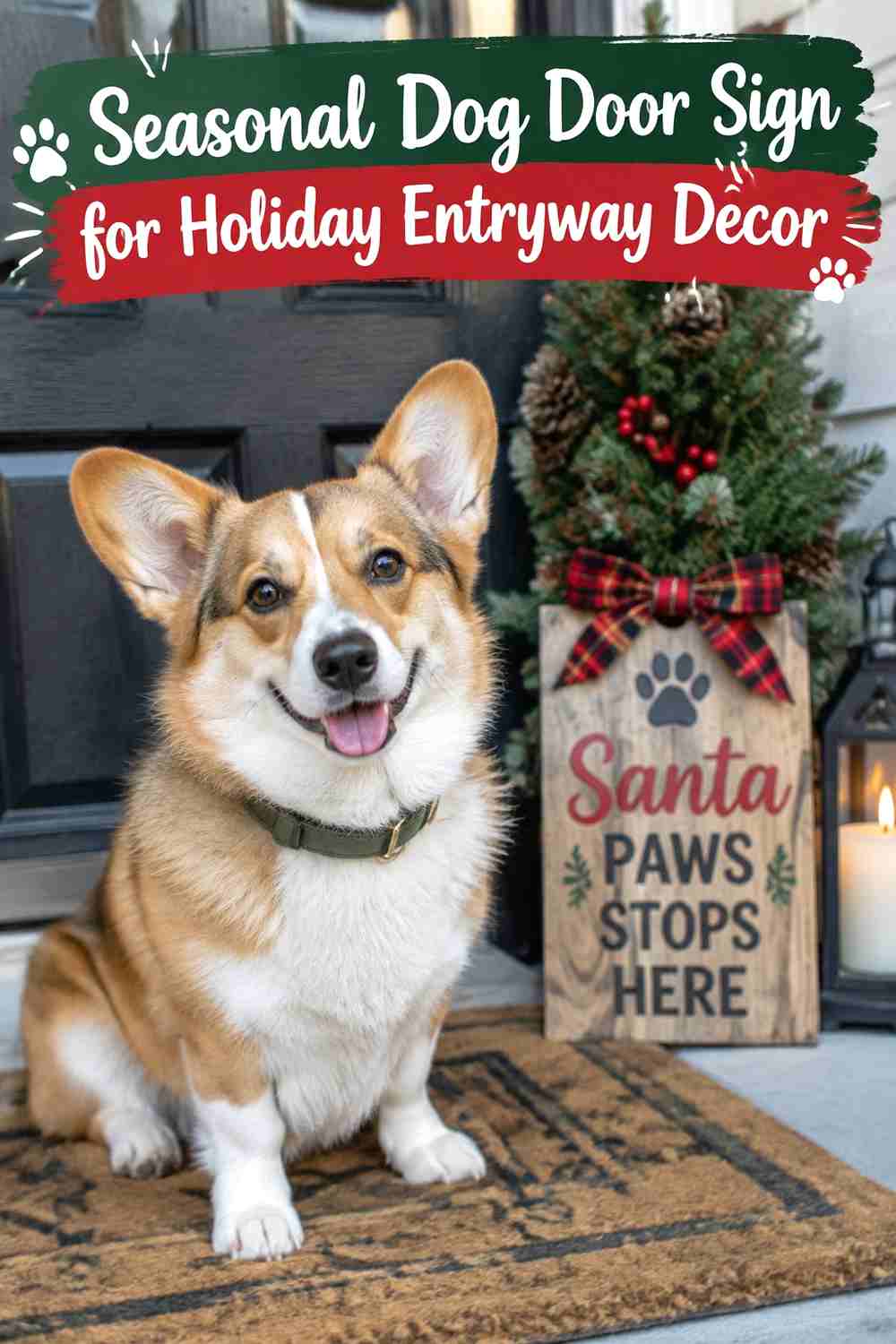
A seasonal dog door sign lets you rotate pet-themed decor for fall, winter holidays, spring, or summer without changing the permanent entryway setup. Use the same hanging point or sign frame throughout the year so updates are quick and do not require repeated drilling or adhesive changes. Seasonal graphics can include simple paw prints, leaves, snowflakes, flowers, or other familiar motifs while keeping the dog message easy to read. Avoid loose ribbons, small detachable decorations, or low-hanging pieces that pets can reach from inside or outside. Store off-season signs flat and dry so they remain usable next year instead of becoming damaged in a garage or closet.
Use & Maintenance
Inspect hanging cords and attachments each time you rotate the sign. Outdoor exposure can weaken materials even when the decorative surface still looks fine.
13. Personalized Dog Name Door Sign For Family Homes
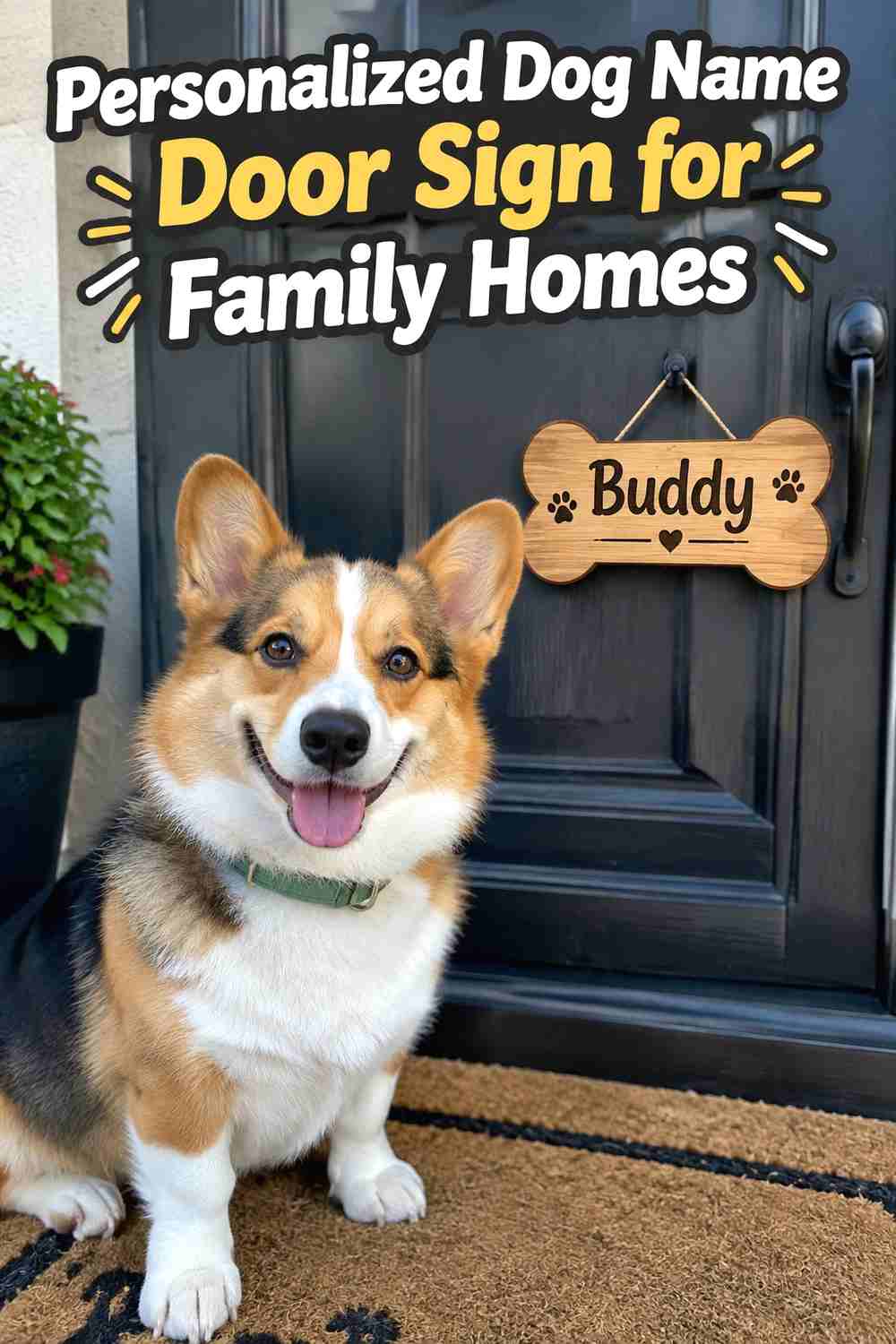
A personalized door sign featuring your dog’s name can make the entryway feel specific to your household without requiring a large custom display. Pair the name with a simple paw icon, silhouette, or short welcome phrase, and keep the lettering large enough to remain readable from a normal viewing distance. This works especially well on covered porches, mudroom doors, or interior entry areas where the sign is less exposed to harsh weather. Consider privacy before putting a pet’s name on a publicly visible exterior door if you would rather keep household details minimal. The sign can also be paired with a family surname or general pet-themed phrase if you want a more balanced design.
Pro Tip
Choose one strong personalized element. A name, photo, breed silhouette, and long quote together can make a small sign harder to read.
14. Muddy Paws Welcome Dog Sign For Casual Entryways
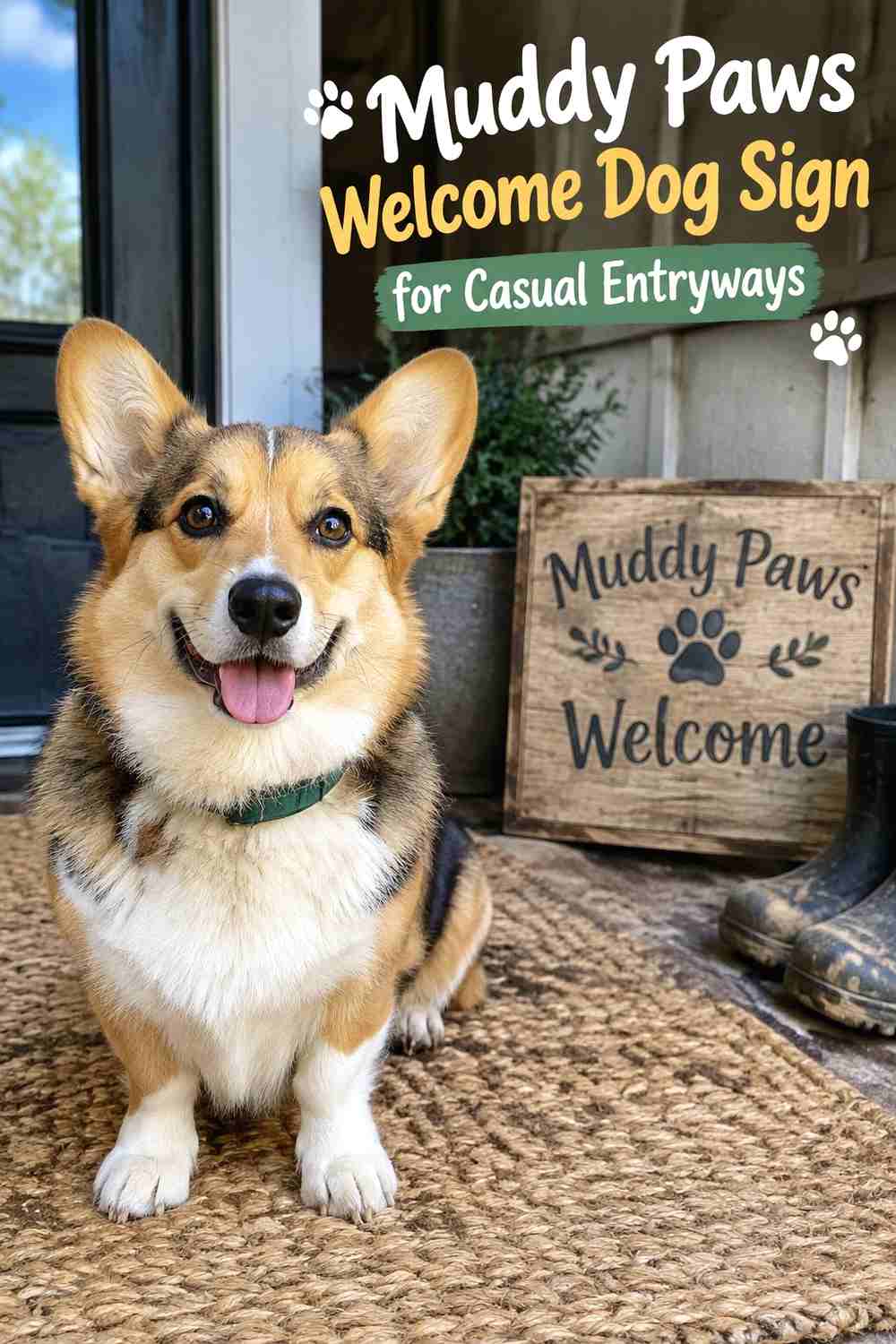
A “muddy paws welcome” sign suits relaxed homes where dog walks, backyard play, and imperfect floors are part of everyday life. Use it near a mudroom, back door, or informal entry rather than treating it as a warning at the formal front entrance. Pair the sign with a washable mat or paw-cleaning supplies if that matches the space, turning the decor into part of a practical dog zone. Rustic wood, simple painted lettering, or a washable plaque can suit this theme without requiring excessive embellishment. Keep the sign away from splash zones if the material is not water-resistant, and avoid low decorative hooks or dangling pieces that could interfere with towels, leashes, or the dog’s movement.
Best For
This idea works particularly well in mudrooms, farmhouse-style homes, back entrances, and households where outdoor dog activity is part of the daily routine.
15. Dog Walker Access Sign For Organized Pet Routines
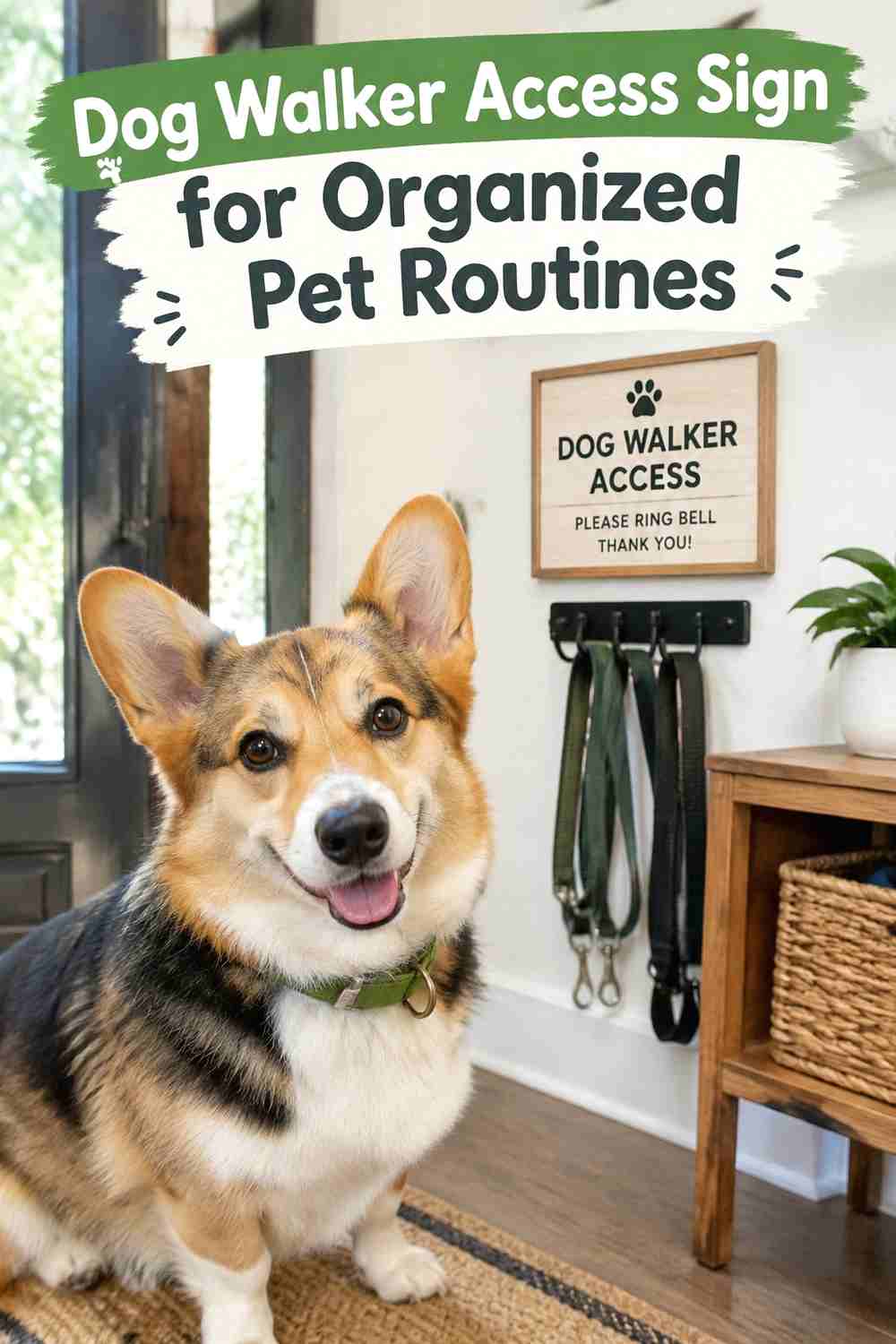
A dog-walker access sign can identify the correct entry point or remind authorized caregivers about a simple routine without exposing sensitive access details. Use wording such as “Dog Walker Entrance” or “Please Use Side Door” only where it is appropriate and secure. Never place door codes, key locations, alarm information, or schedules on a publicly visible sign. This idea works best on a private internal gate, shared family area, or another location where the sign helps an already-authorized person navigate the property. Keep instructions brief and move detailed pet-care notes to a private written plan or secure communication method. Update the sign if the caregiver route changes.
Comfort & Safety
Use the sign only for non-sensitive directions. Access credentials and private household information should stay off exterior signage.
16. Backyard Gate Dog Reminder Sign For Family Homes
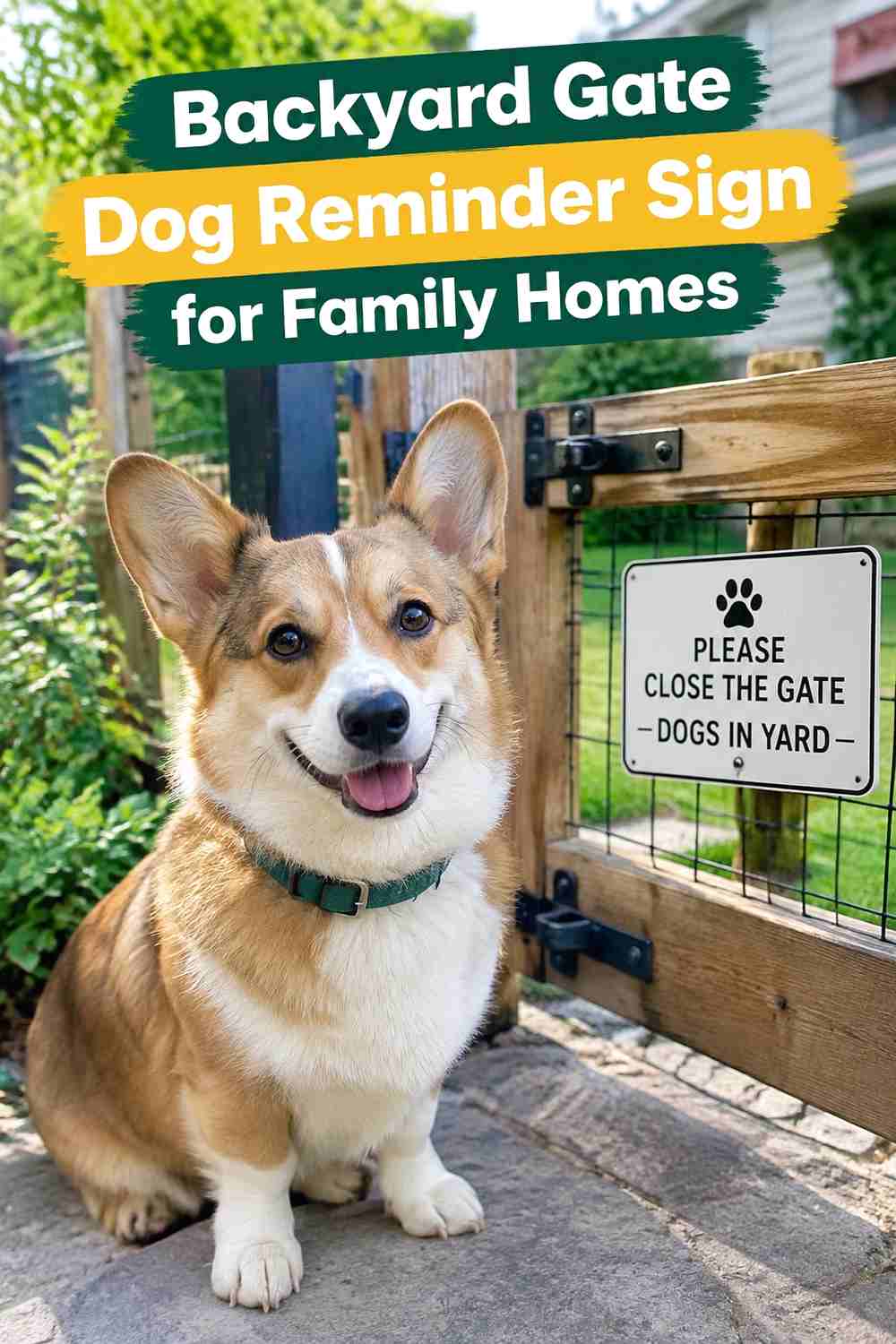
A backyard gate reminder sign can reinforce one simple household rule: check that the dog is secure before opening or leaving the gate. Place it on the inside or outside of the gate depending on who most often needs the reminder, and use large, direct wording such as “Check for Dog Before Opening.” This can be helpful in homes with children, gardeners, cleaners, or frequent backyard guests. Use weather-resistant material and secure mounting so the sign does not swing into the latch or become a chewable object. The reminder works best alongside a reliable gate closure and clear family routine rather than as the only protection against accidental escape.
Setup Notes
If both sides of the gate are used regularly, consider a sign on each side. Keep the latch area completely visible and easy to operate.
17. Minimal Dog Silhouette Door Sign For Modern Decor
You May Also Like



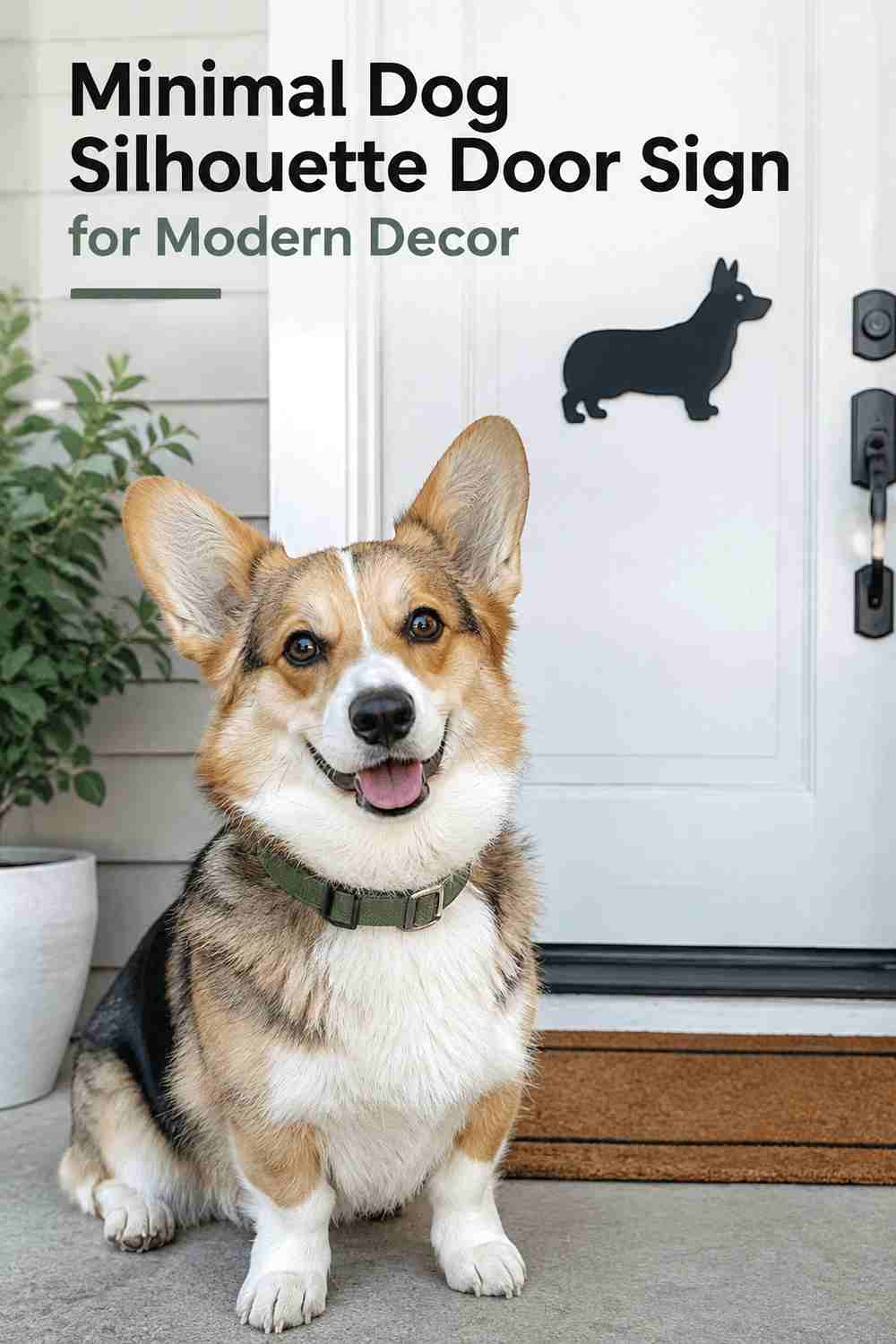
A minimal silhouette sign offers subtle dog-themed decor for homes that prefer clean lines over playful wording. Choose one simple dog outline or paw mark paired with a short phrase such as “Dog Home” or “Welcome.” Neutral materials, restrained typography, and plenty of empty space can help the sign blend with modern doors, apartment entries, or minimalist porches. Because this idea is primarily decorative, keep practical visitor instructions on separate signage if they are important. Mount the piece securely and proportion it to the door so it feels integrated rather than oversized. This is also an easy format to customize without adding multiple colors, quotes, or decorative elements that compete with the rest of the entryway.
Why It Works
The simple shape communicates a pet-friendly theme without dominating the door. It is also easy to coordinate with modern hardware, neutral walls, and streamlined porch decor.
How to Choose the Right Idea
Start by deciding whether your dog door sign needs to communicate information, support a household routine, or simply decorate the entry. Gate reminders, delivery instructions, and “do not knock” signs should prioritize large lettering and immediate clarity. Welcome signs and silhouettes can focus more on style.
Think about who needs to read the sign and where they will stand. A delivery driver may only have a few seconds, while a guest can read a slightly more detailed request. Outdoor signs also need weather-resistant materials and secure mounting.
Finally, consider privacy and safety. Do not display door codes, schedules, hidden key locations, or other sensitive information. Keep signs from blocking locks, peepholes, house numbers, or gate latches, and use secure pet barriers rather than relying on wording alone.
Final Thoughts
The most useful dog door sign has one clear job. It might welcome visitors, protect a gate routine, reduce knocking, organize deliveries, or simply make your entrance feel more personal.
Choose wording that people can understand immediately, match the design to your home, and keep important instructions separate from purely decorative signs. Simple, visible, well-placed signage usually works better than an entry covered with competing messages.
FAQs
1. What should a dog door sign say?
The wording depends on its purpose. A decorative sign can simply welcome guests, while a practical sign should give one clear instruction such as closing the gate, avoiding knocking, or leaving packages in a designated location.
2. Where should I place a dog door sign?
Put it where the intended reader naturally looks before taking action. That may be beside the doorbell, near the handle, directly on a gate, or above a package drop area.
3. Are dog warning signs necessary for every home with a dog?
Not every home needs a warning-style sign. Many households are better served by neutral informational or reminder signs that match the actual situation and local requirements.
4. Can renters use dog door signs?
Often yes, but check building or lease rules first. Lightweight hanging signs or removable options may be more practical than drilling into an apartment door or shared hallway wall.
5. What information should I avoid putting on a dog door sign?
Avoid access codes, key locations, daily schedules, alarm details, or other sensitive household information. Keep public signs limited to simple visitor guidance or decoration.
CTA
Save these dog door sign ideas for your next entryway update, and choose the one message that would be most useful at your home.
