A well-planned dog camping setup keeps sleeping, water, meals, cleanup, and downtime organized while giving your dog a comfortable place at camp.
Save This Idea on Pinterest

10 Dog Camping Setup Ideas
Save to PinterestCamping with a dog is easier when the campsite is arranged around practical routines instead of scattering bowls, bedding, leashes, towels, and toys wherever space is available. A defined sleeping area, dependable shade, accessible water, and clear storage make daily camp life easier to manage.
These 10 dog camping setup ideas cover different needs from tent sleeping and wet-weather shelter to feeding, cleanup, nighttime visibility, and quiet rest. Adapt each setup to your dog’s size, age, temperament, mobility, weather tolerance, and campsite rules, and supervise outdoor time closely rather than assuming an unfamiliar campsite is secure.
Quick List
- Secure Tent Sleeping Setup for Dogs on Camping Trips
- Shaded Campsite Rest Zone for Dogs in Warm Weather
- Portable Exercise Pen Setup for Small Camping Dogs
- Easy Water Station for Dogs at Outdoor Campsites
- Organized Feeding Station for Dogs While Camping
- Muddy-Paw Cleanup Station for Dog Camping Trips
- Nighttime Visibility Setup for Dogs Around the Campsite
- Rain-Ready Shelter Setup for Dogs on Wet Camping Trips
- Compact Dog Gear Storage Setup for Organized Camping
- Portable Bed and Mat Setup for Calm Campsite Downtime
1. Secure Tent Sleeping Setup For Dogs On Camping Trips
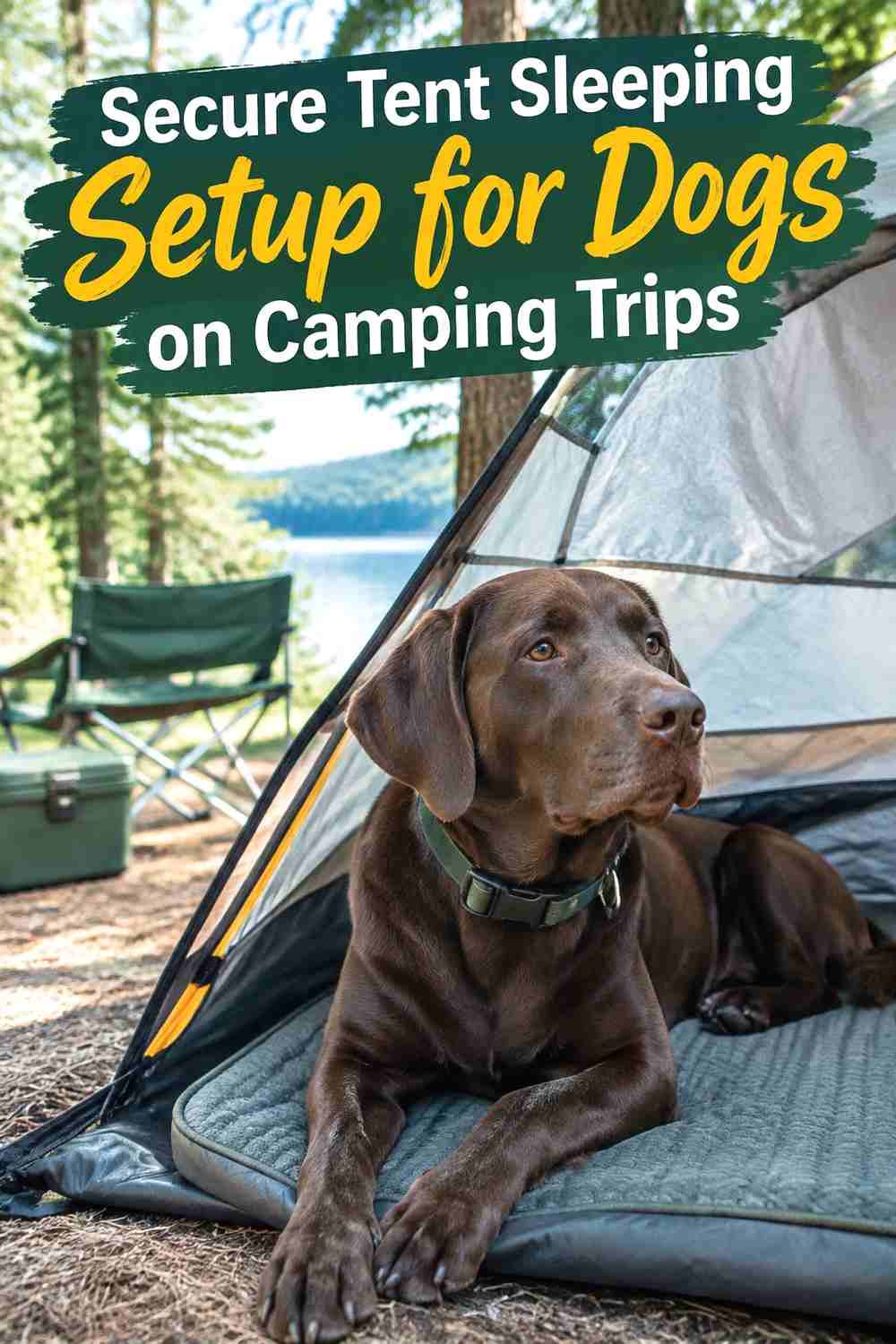
Create a dedicated sleeping spot inside the tent so your dog is not competing with backpacks, shoes, and loose equipment for floor space. Place a washable camping mat or familiar dog bed on a flat section of the tent and keep the doorway clear for easy entry and exit. Store food, wrappers, medications, and small objects in secure containers rather than beside the bedding. If your dog tends to move around at night, organize the tent so there are no loose cords or sharp items near the sleeping area. Introduce the tent before bedtime when possible so your dog has time to sniff, settle, and understand where the resting spot is.
Setup Notes
Choose a sleeping surface that packs easily but still gives your dog enough room to lie in a natural position.
Comfort & Safety
Keep the dog inside the secured tent with you rather than relying on unsupervised outdoor tethering overnight.
2. Shaded Campsite Rest Zone For Dogs In Warm Weather
You May Also Like

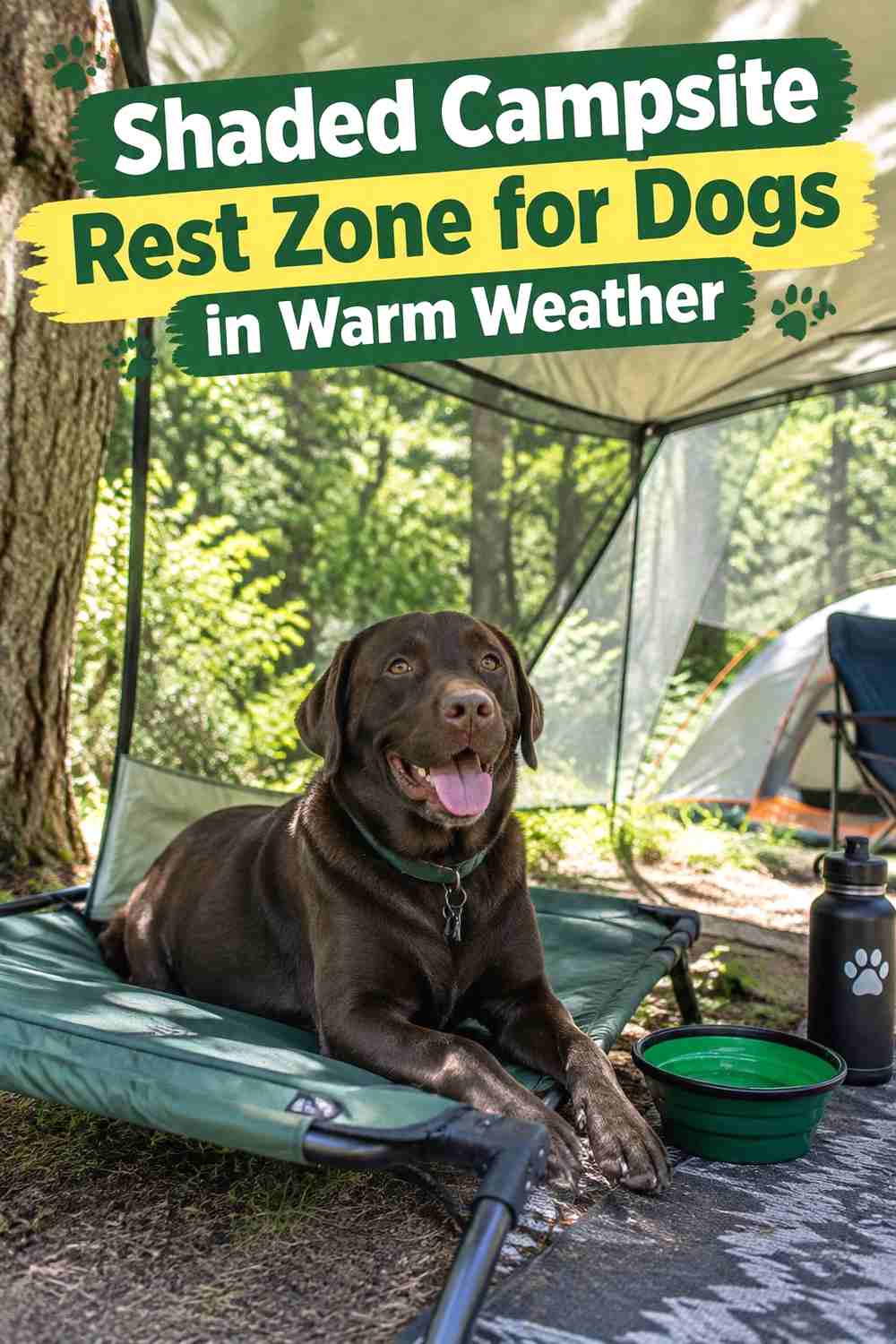
Set up a shaded rest zone before the warmest part of the day so your dog always has a comfortable place away from direct sun. Use natural shade, a properly secured canopy, or another stable shelter that allows good airflow without enclosing the dog in trapped heat. Place a breathable mat on cool, dry ground and keep fresh water close by. Avoid setting the rest area beside a campfire, cooking station, busy road, or high-traffic campsite path. Check how the sun moves across the site because a spot that is shaded in the morning may become exposed later. Some dogs may still prefer resting inside a well-ventilated tent or vehicle only when conditions are safely managed.
Space & Placement
Choose the quietest shaded area that still lets you supervise your dog easily from the main campsite.
Comfort & Safety
Warm-weather comfort depends on actual temperature and airflow, not shade alone. Move your dog if the resting area becomes hot or uncomfortable.
3. Portable Exercise Pen Setup For Small Camping Dogs
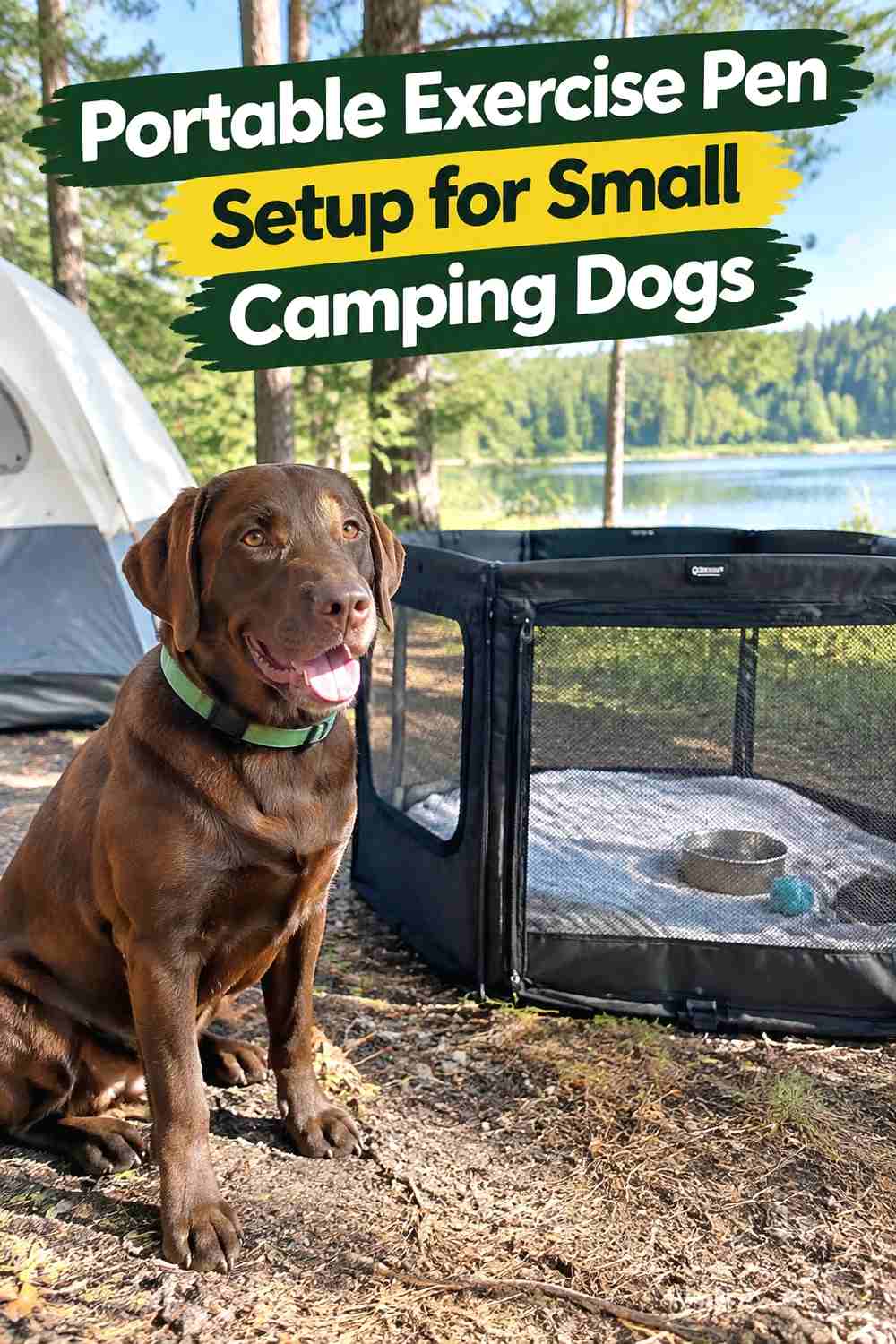
A portable exercise pen can create a defined supervised area for a small dog while you are sitting at camp. Place it on flat, stable ground away from the fire ring, cooking equipment, vehicle traffic, and steep edges. Make sure the pen is appropriate for your dog’s size and cannot easily be pushed over, climbed, or squeezed through. Add a simple mat, water bowl, and one familiar toy rather than filling the enclosure with gear. The pen should provide temporary contained space, not replace direct supervision. Some dogs become more frustrated when separated by a barrier, so watch your dog’s behavior and switch to a different setup if pacing or repeated escape attempts begin.
Best For
This idea can suit smaller dogs that already relax comfortably in exercise pens at home.
Pro Tip
Practice with the pen before the camping trip so the campsite is not the first place your dog encounters it.
4. Easy Water Station For Dogs At Outdoor Campsites

Create one dependable water station so your dog does not have to search among camping gear for a bowl. Place a stable, easy-clean bowl in a shaded area close to the dog’s main rest zone and keep a sealed supply of clean drinking water nearby. Set the bowl on a washable mat if the campsite surface becomes muddy when water spills. Refill it as needed and rinse out dirt, leaves, or insects instead of simply topping up a dirty bowl. Keep the station away from cooking ingredients, cleaning supplies, and standing campsite water. A separate travel bowl can stay in your daypack for hikes or walks so the main campsite bowl remains in place.
Setup Notes
Choose a bowl with a wide, stable base that is less likely to tip when your dog drinks enthusiastically.
Cleaning Notes
Rinse the bowl regularly and let it dry before packing it away at the end of the trip.
5. Organized Feeding Station For Dogs While Camping
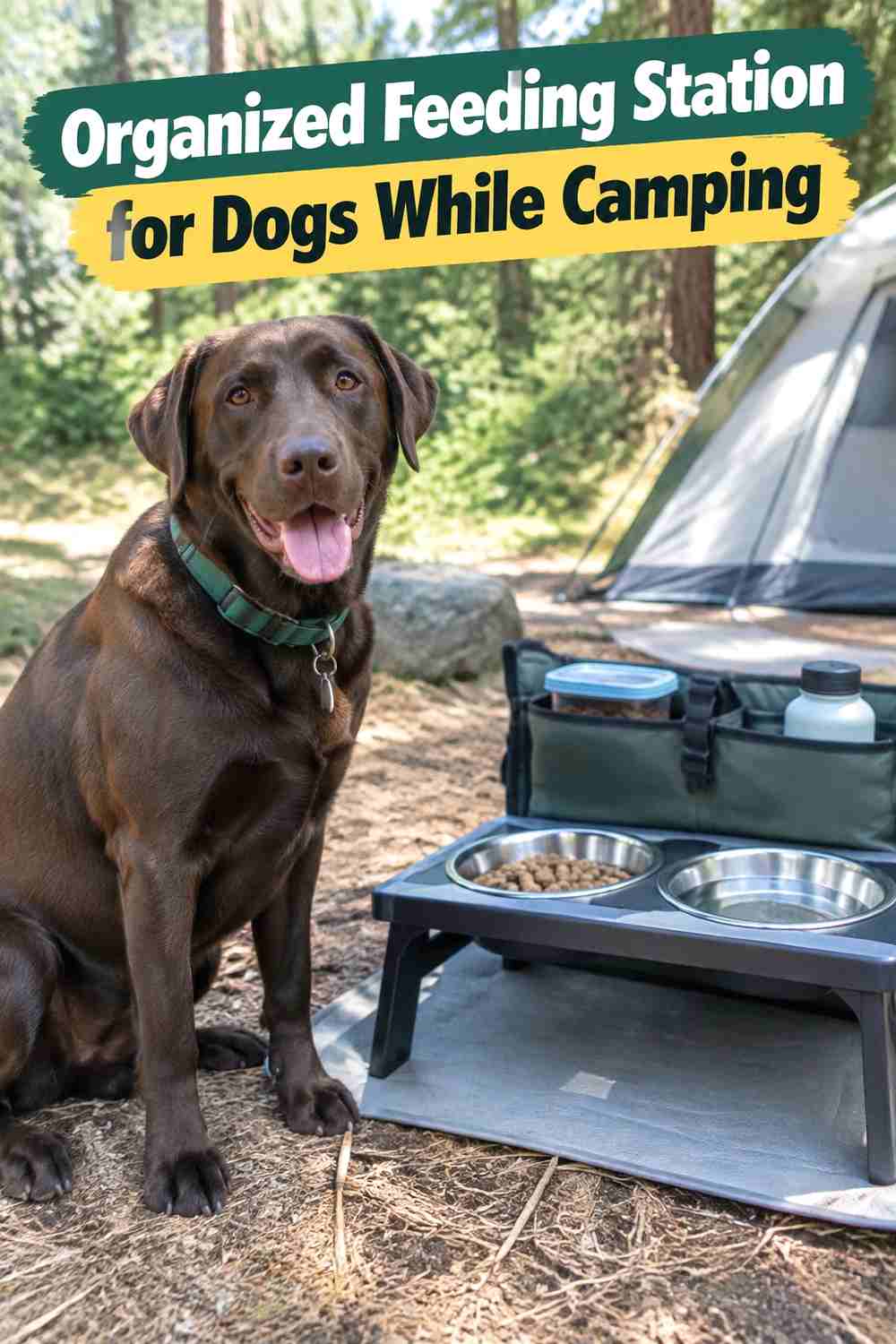
Set up meals in one quiet campsite location rather than feeding your dog wherever people happen to be cooking. Use stable bowls on a washable mat and keep the dog’s food sealed in a secure container away from wildlife and moisture. Prepare only the food needed for the meal, then put the storage container away promptly instead of leaving it beside the bowl. If more than one dog is camping, provide separate feeding spaces and avoid expecting them to share bowls or eat close together. Keeping meals predictable also makes cleanup easier because crumbs and spills stay concentrated in one area instead of being scattered around tents, chairs, and the cooking station.
Space & Placement
Choose a spot away from the campfire, human food preparation, and the dog’s sleeping area.
Use & Maintenance
Wash bowls after meals when practical and secure all food immediately according to campground and wildlife-storage rules.
6. Muddy Paw Cleanup Station For Dog Camping Trips
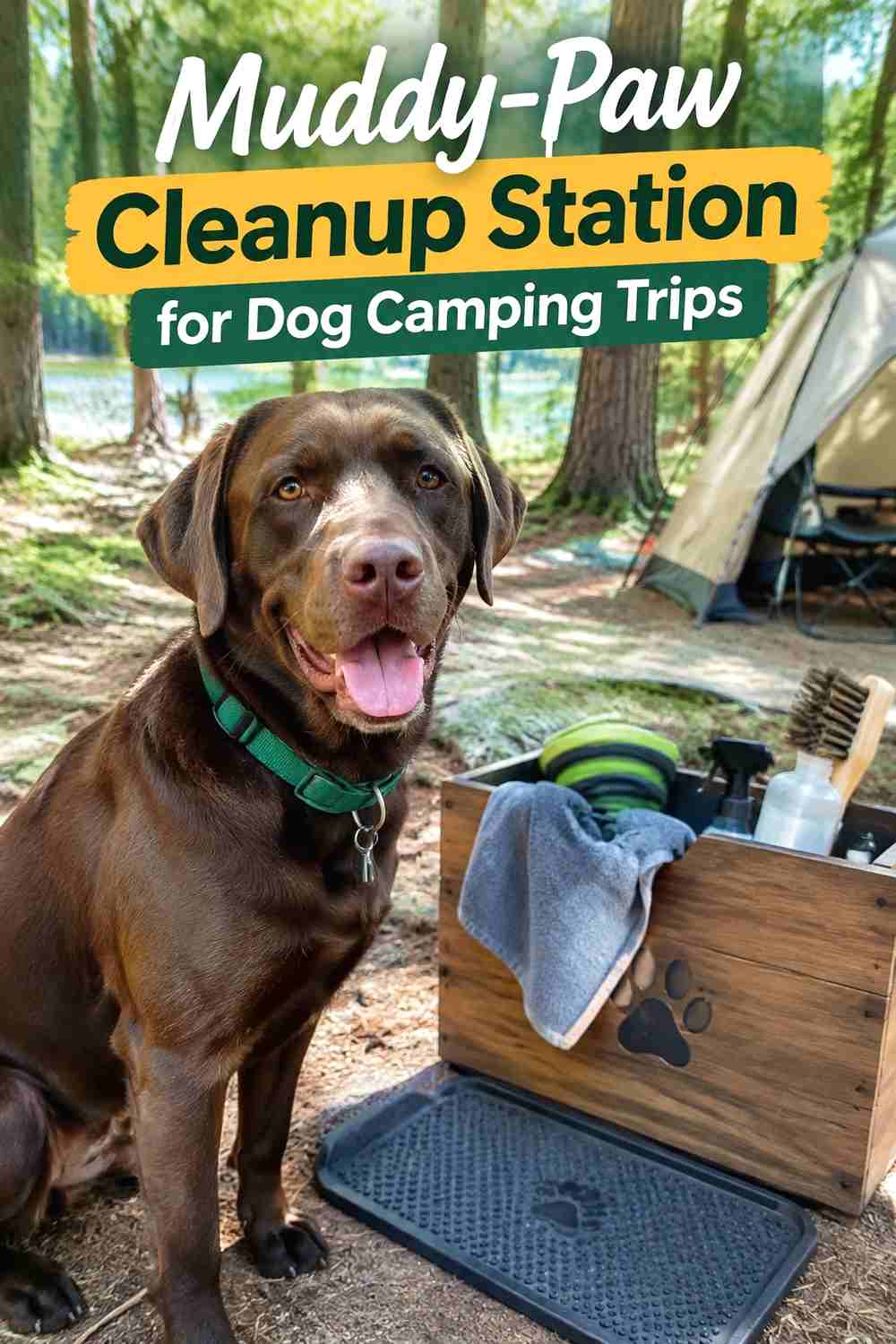
A muddy-paw cleanup station makes rainy campsites, lake visits, and trail returns much easier to manage. Keep one absorbent towel, a small paw-wiping cloth, a washable mat, and a waterproof bag for dirty fabrics near the tent or vehicle entrance. Wipe loose mud before your dog steps onto bedding or inside the tent, then move used towels into the separate wet-gear bag instead of mixing them with clean supplies. Avoid harsh cleaners on your dog’s paws unless specifically appropriate and directed for that use. The goal is simple dirt removal and keeping sleeping gear drier. A second clean towel is useful when the first becomes soaked early in the day.
Cleaning Notes
Air or wash damp towels when possible rather than leaving them sealed for the entire trip.
Pro Tip
Place the cleanup mat exactly where your dog usually enters the tent so the routine becomes easy to repeat.
7. Nighttime Visibility Setup For Dogs Around The Campsite

Prepare for after-dark bathroom trips and campsite movement with visibility gear that helps you keep track of your dog without adding bulky accessories. A reflective leash, visible harness details, or a small owner-carried light can make nighttime movement easier around tents, picnic tables, and parked vehicles. Check the dog’s equipment before dark so you are not adjusting straps with limited light. Keep the leash readily accessible beside the tent entrance and use it before the dog steps outside. Avoid letting the dog wander through neighboring campsites, dark roads, or cooking areas simply because the campground feels quiet at night.
Setup Notes
Store nighttime walking gear in the same easy-to-reach place every evening before light fades.
Comfort & Safety
Keep the dog under direct control after dark and avoid attaching loose blinking accessories that the dog can chew or catch on equipment.
8. Rain Ready Shelter Setup For Dogs On Wet Camping Trips

Prepare a dry shelter zone before rain starts instead of waiting until bedding and gear are already soaked. Use a securely pitched tent, canopy, or other weather-appropriate shelter with a dry mat for your dog and enough ventilation to prevent the area from becoming stuffy. Keep wet towels and muddy equipment at the edge of the shelter rather than mixing them with the dog’s sleeping space. Pack a spare dry blanket in a waterproof bag so you can replace damp bedding quickly. Watch for runoff when choosing the location; a low spot can become muddy or flooded even beneath good overhead cover. If weather becomes severe, follow campground safety guidance rather than relying on a basic campsite shelter.
Space & Placement
Choose higher, well-drained ground where practical and keep the dog’s bed away from tent walls that collect condensation.
Use & Maintenance
Dry wet bedding and shelter materials as soon as conditions allow to prevent the campsite from staying damp for the rest of the trip.
9. Compact Dog Gear Storage Setup For Organized Camping

Use one dedicated bin or travel bag for your dog’s campsite supplies so food, leashes, towels, toys, and cleanup items are not scattered across the site. Divide the container into simple categories: feeding, walking, cleaning, and rest. Keep frequently used items near the top and store food in secure containers that comply with local wildlife rules. Dirty towels and wet gear should go into a separate waterproof bag instead of back into clean storage. Place the main gear bin somewhere dry and inaccessible to the dog when unsupervised. A compact system reduces campsite clutter and makes it easier to pack quickly if weather changes or you need to leave the site unexpectedly.
Setup Notes
Store only the supplies you expect to use at camp and keep backup items in the vehicle when appropriate.
Pro Tip
Return each item to the same section after use so the organization survives beyond the first day.
10. Portable Bed And Mat Setup For Calm Campsite Downtime
You May Also Like



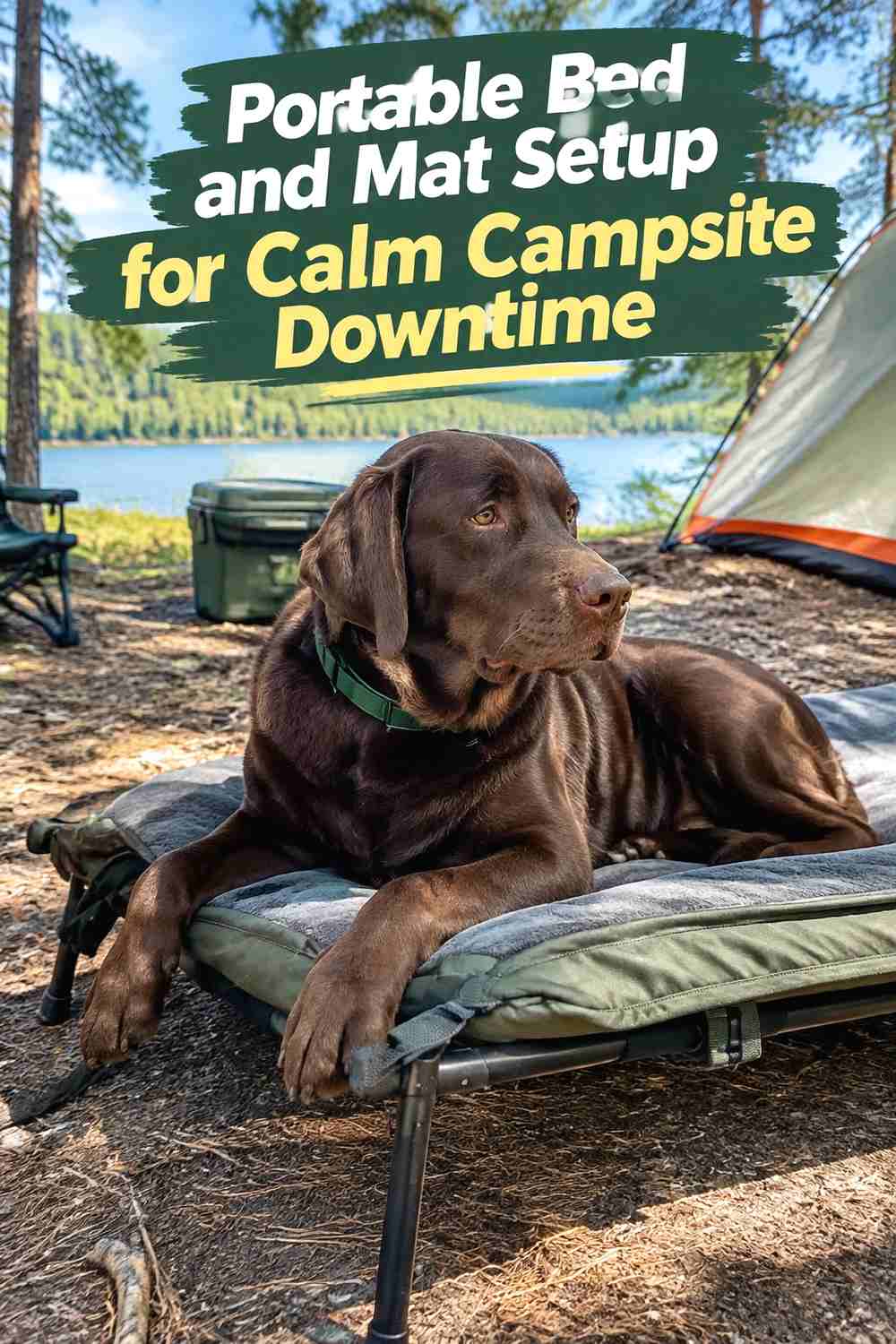
Bring a portable bed or familiar mat that gives your dog one recognizable place to settle while people cook, read, or relax around the campsite. Position it on level ground within your supervision area and away from the fire, food preparation, and busy pathways. Choose a surface that is easy to shake clean and thick enough for the ground conditions without becoming bulky or unstable. Encourage the mat as a rest option, but do not force your dog to remain there if another safe spot is more comfortable. A familiar resting surface can also move between the campsite, picnic area, and lodging while keeping one part of the travel environment consistent.
Best For
This setup can suit dogs that already relax on a designated mat or bed at home.
Use & Maintenance
Shake off dirt regularly and keep a dry backup layer available if the main mat becomes wet.
How to Choose the Right Idea
Choose your dog camping setup around the conditions you actually expect to face. Warm-weather trips may make shade and water the first priorities, while rainy destinations benefit from dry bedding, cleanup supplies, and waterproof storage. Dogs that already relax in a pen or on a mat may appreciate having that familiar structure at camp.
Also consider your dog’s size, age, mobility, coat, temperament, and camping experience. Senior dogs may need easier footing and thicker resting surfaces, while young or energetic dogs may require closer supervision around unfamiliar sights, smells, wildlife, and neighboring campsites.
Keep food secure, sleeping areas dry, leashes accessible, and the dog away from campfires, cooking equipment, roads, and unsafe terrain. The best setup is simple enough to maintain throughout the entire trip.
Final Thoughts
A useful dog camping setup gives every important routine a clear place: sleeping, drinking, eating, cleaning up, storing gear, and resting. Start with comfort and supervision, then add only the equipment that fits your campsite, weather, and dog’s normal habits.
FAQs
1. Where should my dog sleep while camping?
A secure tent sleeping area with a familiar mat or washable bed is a practical option for many dogs. Keep the space clear of loose gear, food, sharp objects, and accessible cords.
2. How can I keep my dog comfortable at a warm campsite?
Provide dependable shade, airflow, clean drinking water, and a comfortable resting surface. Monitor the actual conditions and move your dog if the area becomes too warm.
3. Should I let my dog roam freely around the campsite?
Do not assume an unfamiliar campsite is secure. Follow campground leash rules and keep your dog supervised and under appropriate control around roads, wildlife, neighboring campers, and cooking areas.
4. How do I keep camping gear clean with a muddy dog?
Create a cleanup point near the tent or vehicle with towels, a washable mat, and a separate waterproof bag for dirty fabrics. Wipe mud before the dog enters the sleeping space.
5. What dog camping supplies should stay easiest to reach?
Keep the leash, water bowl, clean water, waste bags, towel, and basic cleanup supplies accessible. Food, backup bedding, and less frequently used gear can stay in secure storage.
CTA
Save these dog camping setup ideas for your next outdoor trip and build a campsite routine that keeps rest, meals, cleanup, and gear easier to manage.
