Make beach trips with your dog easier with organized setups for shade, fresh water, sandy paws, swimming, rest breaks, cleanup, and packing up afterward.
Save This Idea on Pinterest

12 Dog Beach Day Setup Ideas
Save to PinterestA dog beach day is easier to manage when your setup provides dependable shade, clean drinking water, somewhere comfortable to rest, and a clear place for wet or sandy gear. Even dogs that love running and swimming need an easy way to step away from activity and settle between adventures.
These 12 dog beach day setup ideas cover everything from supervised exploration and floating toys to cooling breaks, feeding, cleanup, and departure organization. Adapt each option to your dog’s age, size, swimming ability, energy, and comfort around other beach visitors, while keeping supervision and changing weather or water conditions in mind.
Quick List
- Shaded Beach Canopy Rest Zone for Dogs
- Fresh Water Station for Hydrated Dogs at the Beach
- Sand-Free Raised Mat Setup for Beach-Loving Dogs
- Supervised Long-Line Beach Setup for Exploring Dogs
- Dog Life Jacket Station for Safer Beach Water Play
- Floating Toy Play Zone for Active Beach Dogs
- Paw-Rinse and Towel Station for Sandy Beach Dogs
- Organized Beach Bag Setup for Dog Day-Trip Essentials
- Cooling Break Setup for Dogs on Hot Beach Days
- Simple Picnic Feeding Setup for Dogs During Beach Outings
- Bright Visibility Gear Setup for Busy Dog Beaches
- Wet-Gear Pack-Out Station for Clean Beach Departures
1. Shaded Beach Canopy Rest Zone For Dogs
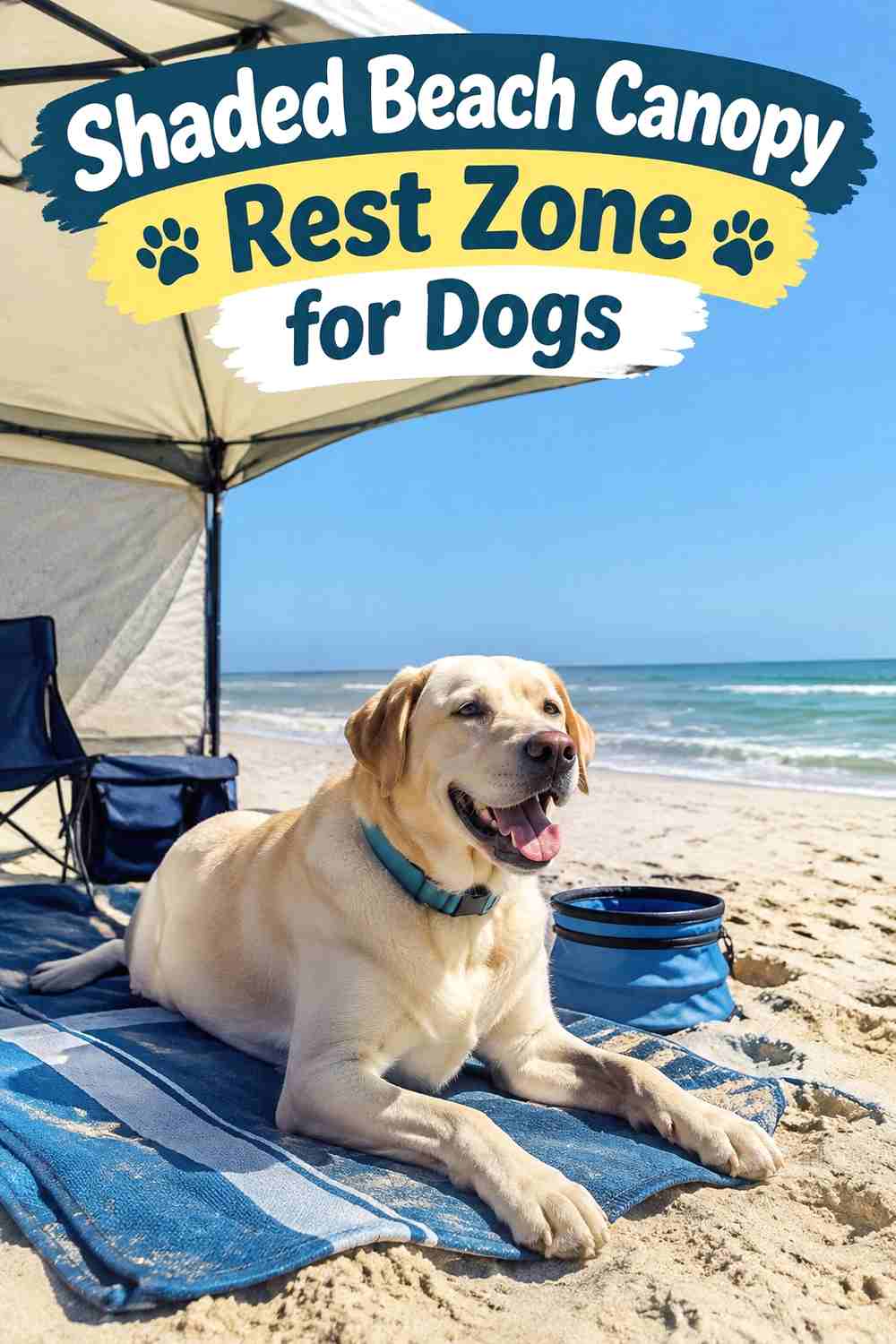
Create a dedicated shaded rest zone where your dog can step away from direct sun, hot sand, and constant beach activity. Use a securely anchored beach canopy or other stable shade structure that allows plenty of airflow, then place a familiar mat or breathable bed underneath. Position fresh water nearby and keep the space away from grills, crowded walkways, and rolling beach carts. Check the shade throughout the outing because the sun’s angle can shift and expose a spot that was protected earlier. The resting area should remain optional rather than becoming a place where the dog is confined for long periods. If conditions feel uncomfortably hot despite the shade, ending the outing may be the better option.
Setup Notes
Anchor the canopy according to its design and local beach conditions so gusts cannot easily lift or collapse it.
Comfort & Safety
Check the sand and resting surface regularly, especially during hotter parts of the day, and move the setup if the area becomes uncomfortable.
2. Fresh Water Station For Hydrated Dogs At The Beach
You May Also Like



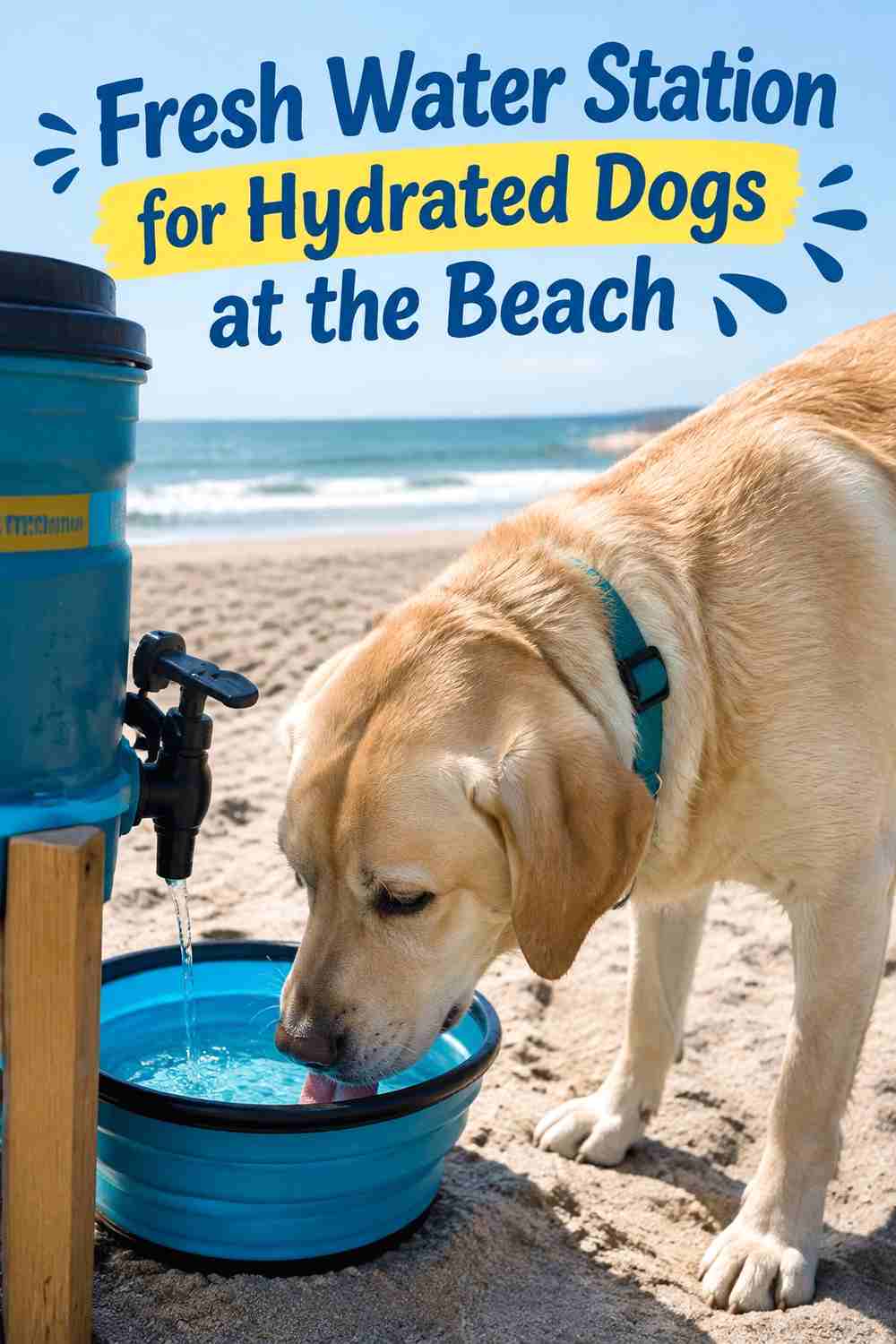
Set up a dedicated drinking station with fresh water from home rather than relying on seawater or uncertain beach water sources. Use a stable travel bowl placed in the shade and keep your main water supply securely closed nearby. Offer clean water during breaks, especially after running or swimming, and replace anything that becomes full of sand. Position the bowl away from the shoreline so waves and wet paws do not constantly fill it with saltwater. A small washable mat can reduce sand around the drinking area and make the bowl easier to keep level. Pack enough clean water for the full outing rather than assuming a refill point will be available at every beach.
Space & Placement
Keep the station beside the main rest area so drinking becomes a natural part of quiet breaks.
Cleaning Notes
Empty sandy water instead of continually topping it off, and rinse the bowl before packing it back into your beach bag.
3. Sand Free Raised Mat Setup For Beach Loving Dogs

A raised or sand-resistant mat gives your dog a cleaner place to settle between swims and walks without expecting them to lie directly on hot or gritty sand. Choose a stable, low-profile option that stays level and does not wobble when the dog steps onto it. Place the mat entirely in the shade and keep enough open space around it for comfortable entry and exit. A familiar towel on top can make the surface easier to recognize, but remove it once it becomes soaked or heavily covered in sand. This setup works particularly well for dogs that naturally take breaks but dislike resting on the beach surface. Shake the mat clean periodically so sand does not build up underneath.
Best For
This idea suits dogs that settle comfortably on a designated mat and owners who want to keep bedding cleaner throughout the beach visit.
Use & Maintenance
Shake or brush off sand before folding the mat, and let any damp fabric layers dry fully after the outing.
4. Supervised Long Line Beach Setup For Exploring Dogs

A supervised long line can give an exploring dog more room to sniff and move on beaches where leash rules allow it, while keeping the owner connected to the dog. Attach the line to suitable walking equipment and manage it by hand rather than leaving the dog tethered unattended. Choose a clear section of beach with enough space to prevent the line from wrapping around people, chairs, other dogs, or beach equipment. Reel in extra length when the area becomes busier and switch to a standard leash near parking areas or narrow paths. This setup works best for dogs already comfortable walking on longer lines and owners accustomed to managing the extra length safely.
Best For
This option can suit curious dogs that enjoy exploring but should not be allowed unrestricted off-leash access.
Comfort & Safety
Supervise continuously and avoid letting the line trail uncontrolled through groups of people, other animals, or moving water.
5. Dog Life Jacket Station For Safer Beach Water Play
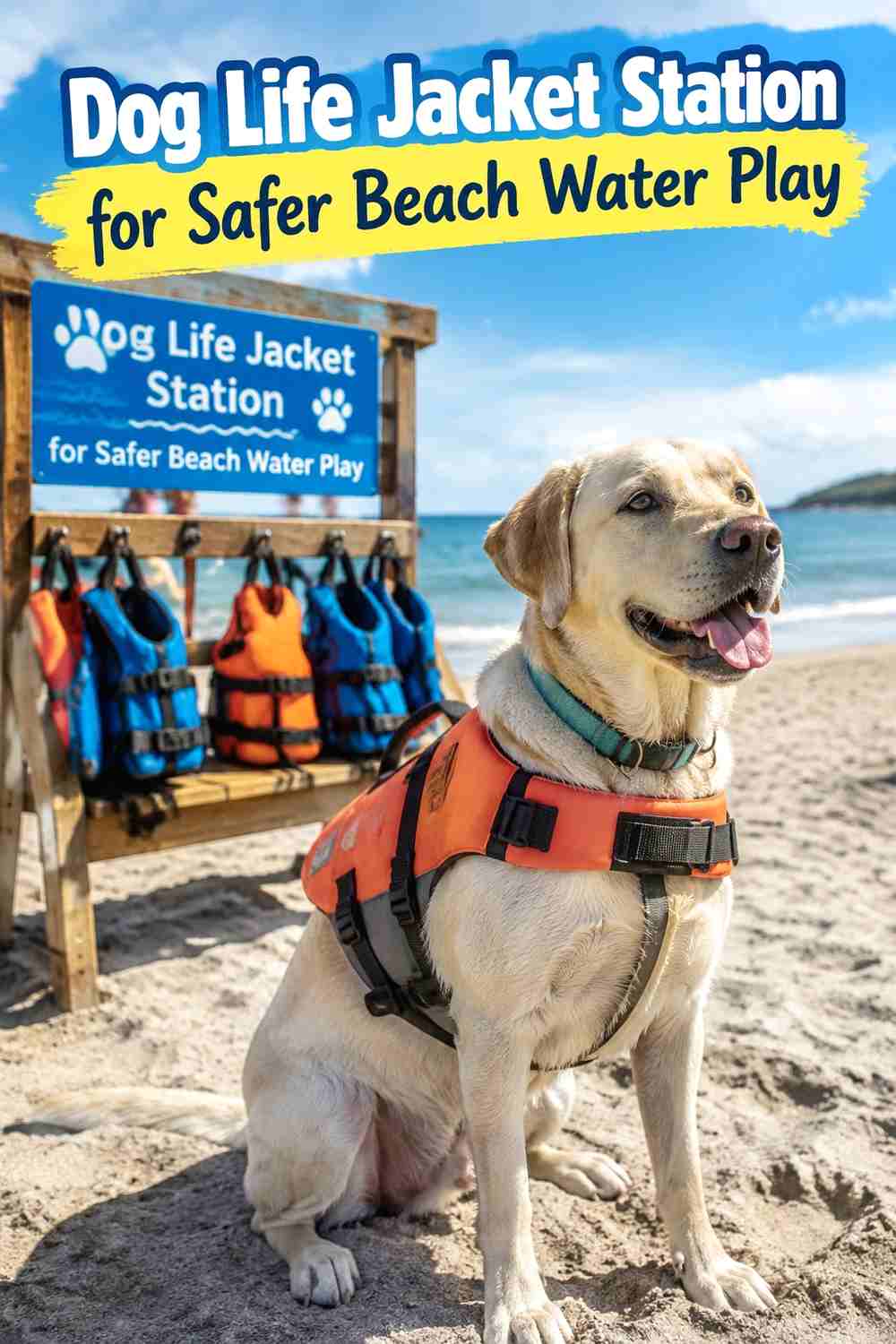
Keep swimming gear together in one small station so a properly fitted dog flotation vest is easy to put on before water play and remove during dry rest periods. This can be especially useful for dogs new to swimming, dogs tiring during longer outings, or situations where water conditions make additional flotation support appropriate. Check the fit according to the product instructions before entering the water and make sure straps sit securely without restricting natural movement. Store the vest in the shade between uses rather than dropping it into sand or leaving it soaked beside clean gear. A flotation vest does not replace close supervision, and dogs should not be encouraged into water they are reluctant to enter.
Setup Notes
Keep the vest, leash, and towel together so you can prepare for water play before walking toward the shoreline.
Use & Maintenance
Rinse salt and sand from reusable water gear after the trip and let it dry completely before storage.
6. Floating Toy Play Zone For Active Beach Dogs
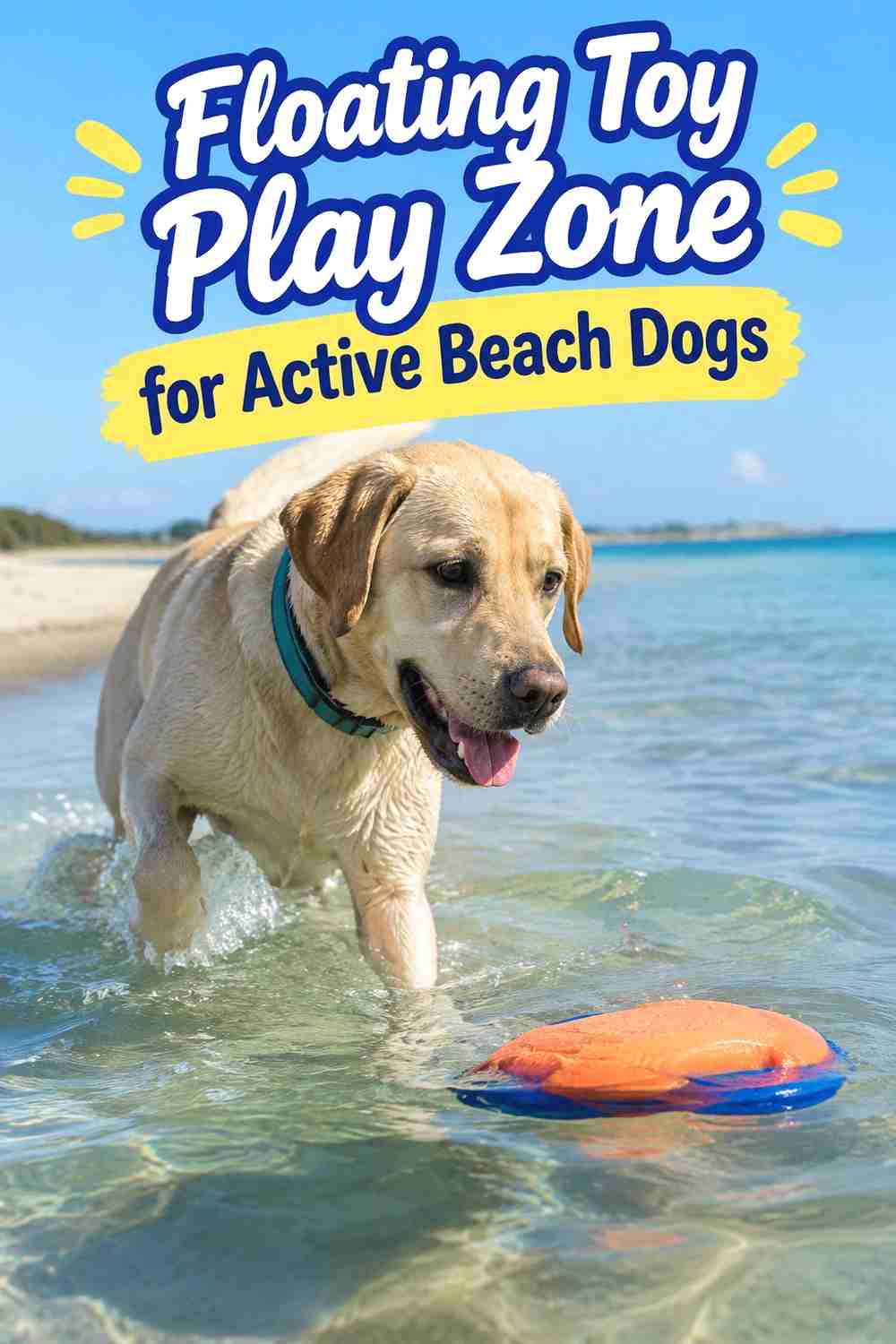
Create a short supervised play zone near calm, appropriate water using one or two floating dog toys rather than bringing an entire basket of beach gear. Choose toys large enough for your dog to carry comfortably and easy for you to spot in the water. Keep throws relatively close to shore and adjust the game to the dog’s swimming ability, energy, and the current water conditions. Alternate retrieving with shaded breaks instead of encouraging continuous running and swimming. If the dog becomes tired, loses interest, or begins swallowing excessive seawater while retrieving, end the water game and transition to a quieter activity. Remove damaged toys immediately rather than continuing to throw something that is breaking apart.
Best For
This setup suits confident, supervised dogs that already enjoy retrieving and are comfortable around appropriate water conditions.
Pro Tip
Bring only a couple of high-visibility toys so packing and cleanup stay simple and nothing is accidentally left behind.
7. Paw Rinse And Towel Station For Sandy Beach Dogs
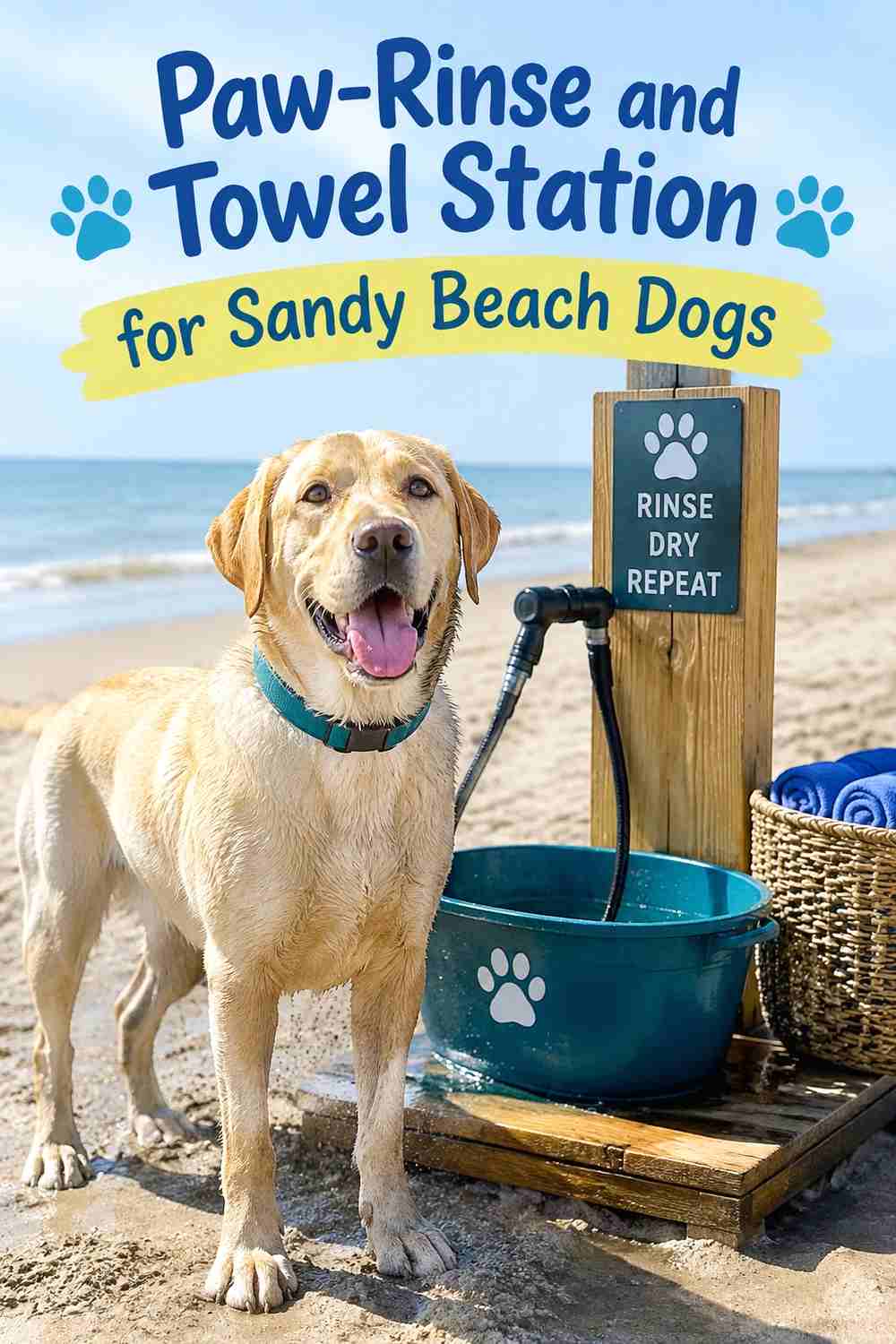
Set up a small rinse-and-dry station near your vehicle or beach exit so sand does not travel directly from your dog’s paws into the car. Pack clean water intended for rinsing, an absorbent towel, a small washable mat, and a separate waterproof bag for wet fabrics. Rinse or wipe loose sand from paws and lower legs, then dry the dog before loading when practical. Pay attention to the spaces around paw pads where grit can linger, but keep handling gentle and stop if your dog becomes uncomfortable. Avoid using harsh cleaning products simply to remove ordinary beach sand. The setup can also handle muddy paws after walking through wet parking or access areas.
Setup Notes
Keep cleanup water separate from your dog’s drinking supply so you do not accidentally use the last fresh water for rinsing.
Cleaning Notes
Wash sandy towels after the trip and let wet gear dry rather than leaving everything sealed in the vehicle.
8. Organized Beach Bag Setup For Dog Day Trip Essentials

Use one dedicated beach bag for your dog’s supplies so the leash, water bowl, towels, toys, waste bags, and cleanup gear stay separate from human beach items. Divide the bag into dry and potentially wet sections, with frequently used items near the top. Keep fresh water and food securely sealed, while documents, keys, and other moisture-sensitive items stay in a protected interior pocket. Do not overload the bag with toys or accessories you are unlikely to use. A smaller, organized kit is easier to carry across sand and faster to repack when it is time to leave. Keep the bag in shade when possible and close compartments so curious dogs cannot rummage through supplies.
Setup Notes
Pack in zones such as water, play, cleanup, and dry essentials rather than filling the bag randomly.
Pro Tip
Leave an empty waterproof pouch inside the bag at arrival so you have somewhere to place wet items later.
9. Cooling Break Setup For Dogs On Hot Beach Days
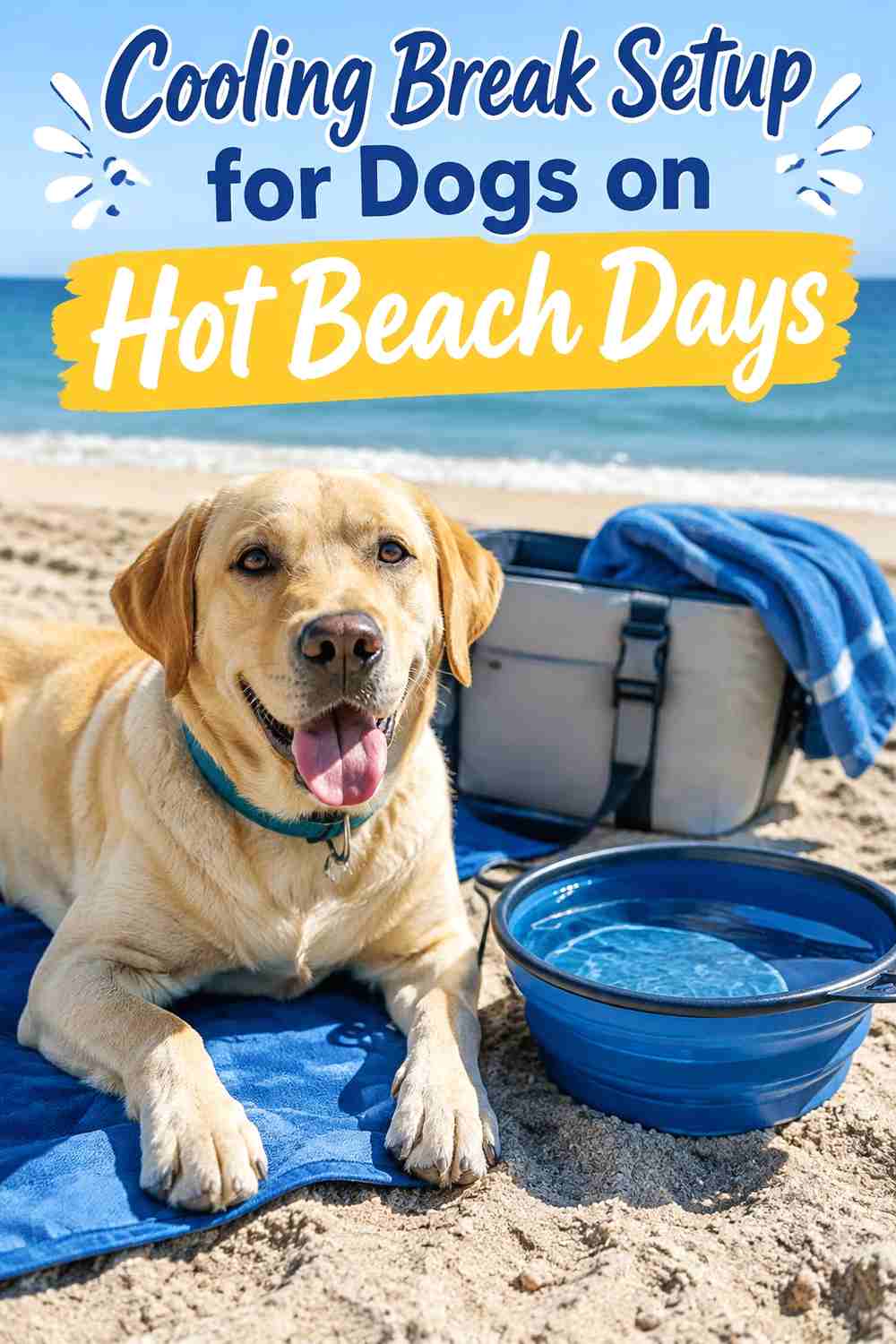
Create a quieter cooling-break area where your dog can stop running, leave direct sun, drink fresh water, and settle on a comfortable surface. Use dependable shade with airflow and keep the resting setup simple rather than surrounding the dog with toys that encourage more activity. Time active beach play around the conditions rather than trying to maintain the same routine through the hottest part of the day. Pay attention to your dog’s willingness to rest, pace, and general comfort instead of assuming a water-loving dog cannot become too warm. If your dog seems unwell or shows concerning heat-related signs, leave the hot environment and seek veterinary guidance promptly.
Comfort & Safety
Do not depend on seawater, wet fur, or a beach breeze as your only cooling plan. Shade and fresh water should remain available.
Pro Tip
Schedule calm breaks before your dog appears exhausted instead of waiting until enthusiastic play has already gone on too long.
10. Simple Picnic Feeding Setup For Dogs During Beach Outings

If your beach visit overlaps with your dog’s usual mealtime, create a clean feeding spot away from the shoreline and busy picnic areas. Use the dog’s regular food in a sealed container, a stable bowl, and a washable mat placed within the shaded setup. Keep the meal separate from human picnic foods and do not encourage strangers to offer snacks. After feeding, remove leftovers and secure the food immediately instead of leaving bowls or containers exposed to sand, insects, birds, or other dogs. For shorter outings, you may not need a full feeding setup at all. Keep the dog’s normal routine in mind rather than adding beach treats simply because it is a special day.
Space & Placement
Feed away from unfamiliar dogs and heavy foot traffic, particularly if your dog prefers personal space around food.
Cleaning Notes
Shake sand from the mat, clean the bowl after use, and keep food containers tightly closed throughout the outing.
11. Bright Visibility Gear Setup For Busy Dog Beaches

Bright, easy-to-see walking gear can make your dog easier to track visually on a busy beach filled with people, umbrellas, chairs, and other dogs. Choose a comfortably fitted harness, collar, or leash with clearly visible details rather than adding multiple dangling accessories. Visibility is especially useful when the dog’s coat blends with sand or when your group spreads out over a larger picnic area. Keep current identification attached appropriately and check the fit before beginning the outing. Bright gear does not replace direct supervision or secure leash control where required. If the beach becomes crowded enough that your dog appears overwhelmed, moving to a quieter section may be more useful than simply relying on visibility.
Best For
This setup is helpful on popular beaches, group outings, and large open areas where several dogs may be present.
Comfort & Safety
Choose lightweight gear that allows normal movement and remove anything that causes rubbing, chewing, or restricted motion.
12. Wet Gear Pack Out Station For Clean Beach Departures
You May Also Like




Create a pack-out station before leaving so wet towels, sandy toys, damp flotation gear, and clean supplies do not all end up mixed together. Keep one waterproof bag or bin for wet items, another dry section for unused gear, and a small waste bag for anything that needs to be discarded. Shake sand from mats and towels before loading them into the vehicle, rinse reusable equipment when facilities allow, and make sure toys are accounted for. This setup is particularly helpful because cleanup happens while you still have space to organize instead of after everything is piled into the trunk. Once home, unpack wet gear promptly so it can be washed, rinsed, or dried properly.
Use & Maintenance
Leave waterproof containers open to dry after emptying them, since trapped moisture can make stored gear unpleasant between trips.
Pro Tip
Pack the cleanup station last when leaving home so waterproof bags and towels remain easiest to reach when the beach day ends.
How to Choose the Right Idea
Choose your dog beach day setup according to the weather, water conditions, beach rules, your dog’s swimming ability, and how long you plan to stay. A dog that mostly relaxes beside you may benefit most from shade, fresh water, and a comfortable mat, while an active swimmer may need organized flotation gear, floating toys, and more frequent rest breaks.
Consider your dog’s age, energy, coat, mobility, and comfort around unfamiliar dogs and people. Busy beaches may require shorter leashes and quieter positioning, while open areas may make a supervised long line useful where rules permit it.
Also think about cleanup before arriving. Sand, saltwater, wet towels, and damp toys are much easier to manage when rinse supplies and waterproof storage are already packed. Keep the setup simple enough that you can supervise your dog instead of constantly managing equipment.
Final Thoughts
A good dog beach day setup makes shade, water, rest, play, and cleanup easy to manage without turning the outing into a huge packing project. Start with the essentials, add water-play gear only when it suits your dog, and organize wet items before heading home.
FAQs
1. What should I bring for my dog on a beach day?
Useful basics include fresh drinking water, a bowl, shade, leash or permitted control equipment, waste bags, towels, a resting mat, and cleanup supplies. Add swimming or flotation gear when appropriate.
2. Should dogs drink seawater at the beach?
Provide fresh drinking water and discourage your dog from intentionally drinking seawater. Keep a clean water station available so drinking does not depend on ocean access.
3. Does every dog need a life jacket at the beach?
Not every dog or outing is the same. A properly fitted flotation vest can be useful in some water situations, but it does not replace supervision or make unsuitable water conditions safe.
4. How can I keep sand out of the car after a dog beach trip?
Rinse or wipe your dog’s paws, dry wet fur when practical, shake sand from towels and mats, and place damp gear in a separate waterproof container before loading the vehicle.
5. How can I tell when my dog needs a beach break?
Watch for reduced interest in play, repeated attempts to seek shade, difficulty settling, unusual fatigue, or other changes from your dog’s normal behavior. Move to a cooler, quieter area and provide fresh water.
CTA
Save these dog beach day setup ideas for your next seaside outing and build a simple routine for shade, water, play, cleanup, and an easier trip home.
