Create a cooler, more comfortable backyard with practical dog shade ideas that work for patios, lawns, side yards, decks, and small outdoor spaces.
Save This Idea on Pinterest
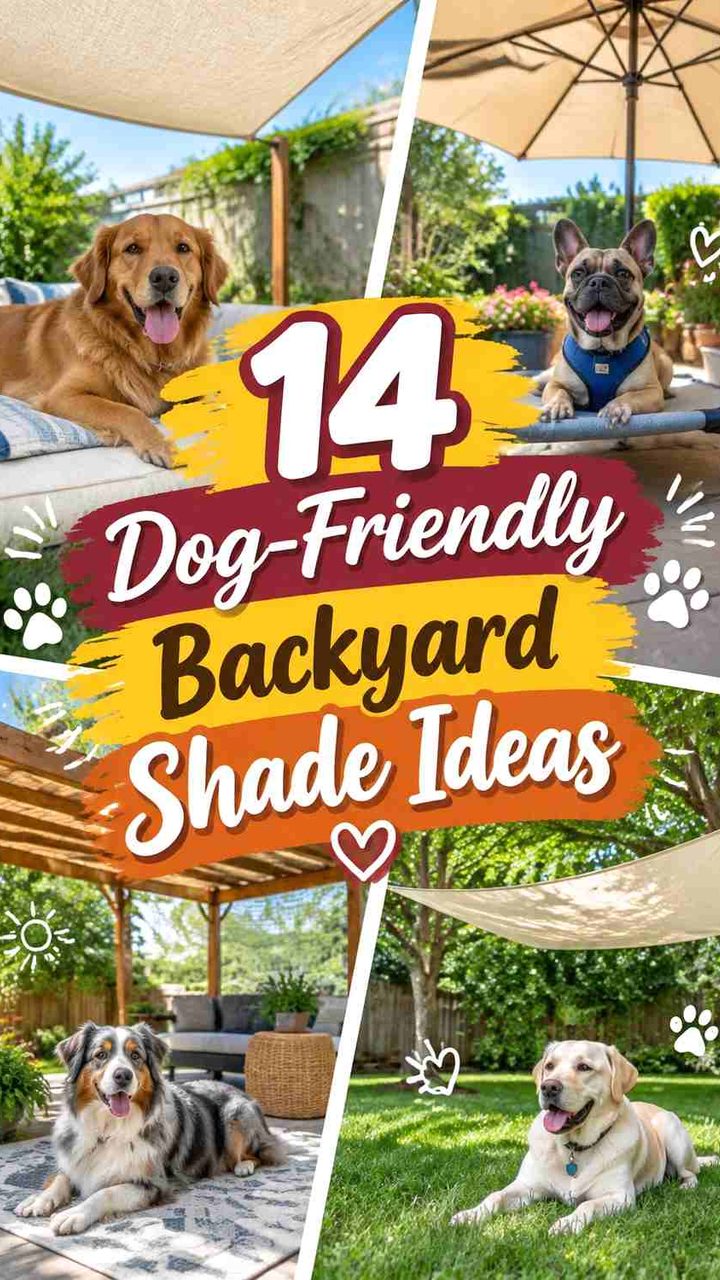
14 Dog-Friendly Backyard Shade Ideas
Save to PinterestDog-friendly backyard shade should give your dog a comfortable place to step away from direct sun without creating a cramped, unstable, or difficult-to-clean setup. The best option depends on your yard layout, the direction of afternoon sun, available floor space, weather, and where your dog naturally prefers to rest.
These 14 ideas range from permanent pergolas and retractable awnings to portable canopies, shade screens, raised cots, and compact rest zones. Keep fresh water nearby, check how shade shifts throughout the day, and remember that shade alone does not make extremely hot outdoor conditions comfortable. These practical setup priorities follow the supplied Daily Pet Routine guidance on outdoor comfort, weather, placement, access, maintenance, and proportional safety.
Quick List
- Permanent Pergola Shade Zone for Backyard Dogs
- Freestanding Patio Umbrella Rest Spot for Dogs
- Retractable Awning Shade Area for Sunny Dog Yards
- Shade Sail Setup for Open Backyard Dog Areas
- Tree-Canopy Rest Zone for Dogs in Large Yards
- Open-Front Shade Shelter for Small Backyard Dogs
- Portable Pop-Up Canopy for Flexible Dog Shade
- Covered Deck Corner for Calm Backyard Dog Breaks
- Side-Yard Lattice Shade Station for Dogs
- Raised Cot Under Shade for Hot Backyard Surfaces
- Cooling Mat Shade Corner for Warm-Weather Dogs
- Vertical Shade Screen Setup for Low-Angle Afternoon Sun
- Double-Shade Canopy Setup for Extra-Sunny Dog Yards
- Mobile Umbrella Shade Station for Dogs Who Follow Family
1. Permanent Pergola Shade Zone For Backyard Dogs

A pergola can create a permanent dog-friendly shade zone when your backyard needs a reliable place for resting, water, and supervised outdoor downtime. Position the shaded section where your dog already likes to settle, then add a washable outdoor mat or low bed instead of filling the area with bulky furniture. Depending on the pergola design, an appropriate roof panel or shade fabric can increase coverage while maintaining airflow. Keep the space open enough for your dog to enter, turn, and leave easily. Because the sun changes position during the day, check whether the resting spot remains shaded during the hours you actually use the yard rather than judging the structure only in the morning.
Setup Notes
Place the dog’s bed away from hot grills, gardening chemicals, and busy doorways. Keep fresh water within the shaded zone.
Use & Maintenance
Sweep debris regularly and check overhead fabric, fasteners, and structural pieces after strong wind or seasonal weather.
2. Freestanding Patio Umbrella Rest Spot For Dogs
You May Also Like


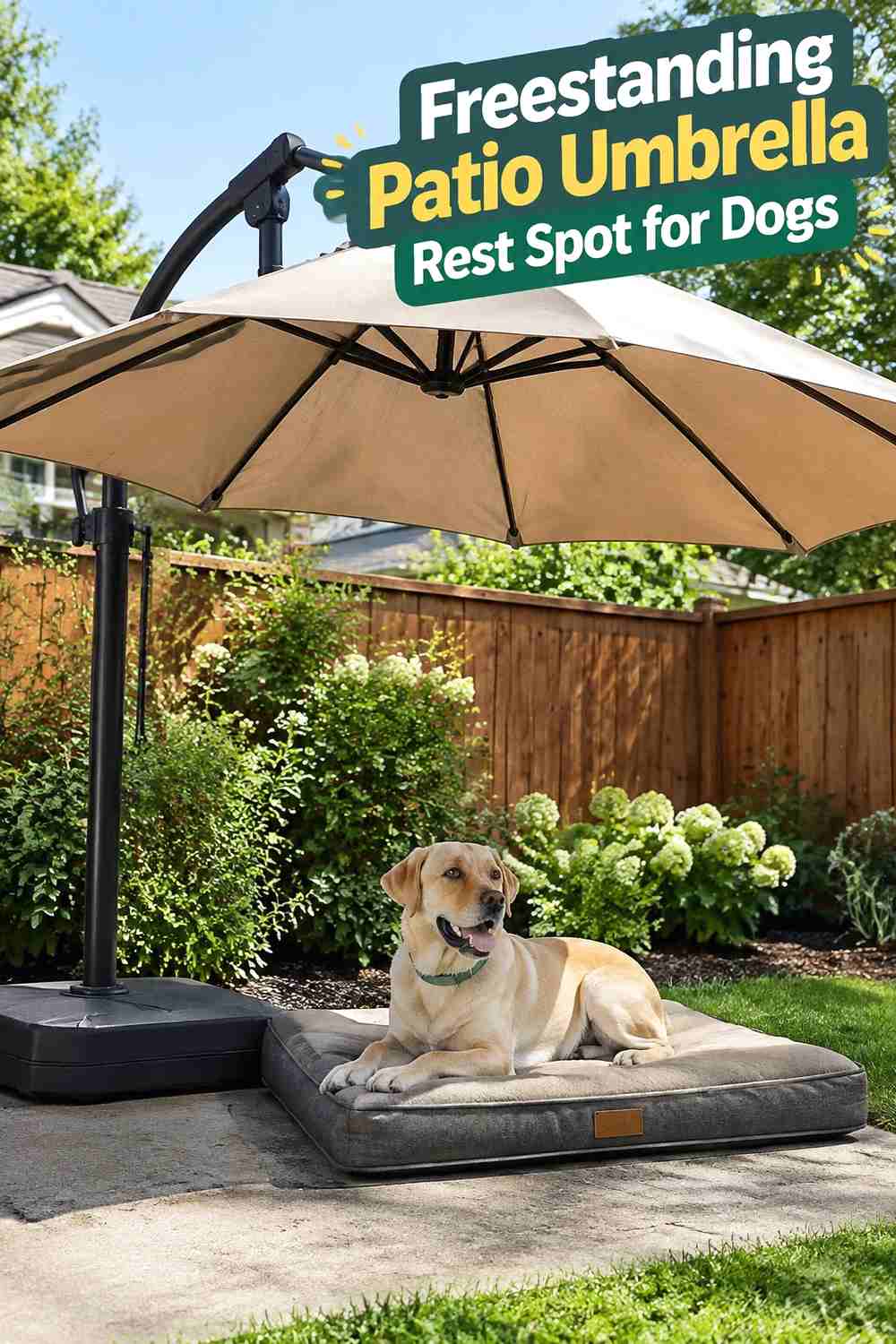
A large freestanding patio umbrella can turn an exposed patio corner into a simple dog resting area without requiring a permanent structure. Use a stable base designed for the umbrella and place the canopy so the shadow covers the entire dog bed rather than only part of it. A flat washable mat underneath gives paws a defined resting surface and helps keep the spot organized. This setup works especially well when your dog spends outdoor time near patio seating. Reposition or tilt the umbrella as the sun moves, and close it during weather conditions that exceed the product’s intended use. Never depend on a lightweight umbrella that can easily tip or blow across the yard.
Best For
This option suits patios, rental homes, and owners who want adjustable shade without building a permanent roof.
Pro Tip
Mark two or three useful umbrella positions for different times of day so moving the shade becomes quick and predictable.
3. Retractable Awning Shade Area For Sunny Dog Yards

A retractable awning can provide broad shade beside the house while allowing you to open or close the coverage as weather and sunlight change. Set up your dog’s resting area beneath the awning with a stable bed, water bowl, and uncluttered floor space. This arrangement is particularly useful over patios that receive strong midday or afternoon sun but still need to remain open at other times. Make sure the awning extends far enough to keep the dog fully shaded when lying down. Because wind and rain can affect retractable systems, follow the manufacturer’s operating limits rather than leaving the awning extended in unsuitable conditions.
Space & Placement
Keep the bed slightly away from exterior doors so people can enter and leave without repeatedly stepping around the dog.
Use & Maintenance
Retract the awning when required by weather conditions and keep tracks, fabric, and moving parts clean according to the system’s instructions.
4. Shade Sail Setup For Open Backyard Dog Areas

A shade sail can create useful overhead coverage in an open section of yard where a patio umbrella feels too small. Install the sail using secure, suitable anchor points and position it high enough to preserve airflow and normal movement underneath. Place the dog’s bed or outdoor mat well inside the shaded footprint rather than at the edge, where moving sun can quickly expose the resting spot. This setup is practical over grass, a dog-safe patio area, or a dedicated outdoor rest zone. Keep leash lines, toys, and garden equipment away from the support points so nothing becomes tangled around them. Check tension and attachment hardware periodically, particularly after strong wind.
Best For
Shade sails work well in open yards where you want broader coverage without building a full roofed structure.
Pro Tip
Observe the yard at the hottest part of the day before choosing anchor positions so the shade lands where your dog actually needs it.
5. Tree Canopy Rest Zone For Dogs In Large Yards

Mature tree shade can create a naturally comfortable rest area in a larger backyard when the ground beneath it is safe, level, and easy for your dog to access. Place a washable outdoor mat or raised bed under the broadest section of the canopy and keep fresh water nearby. Clear fallen branches, sharp debris, unsafe mushrooms, and other unfamiliar material before using the spot regularly. Natural shade shifts significantly as the sun moves, so check coverage during the hours your dog spends outside. Avoid positioning the resting area beneath damaged limbs or unstable trees, and do not rely on a tree simply because one small patch of shade appears earlier in the day.
Space & Placement
Choose an open section beneath the canopy where your dog can see the yard and leave freely without squeezing through landscaping.
Use & Maintenance
Inspect the ground regularly for fallen debris and relocate the setup when seasonal sun changes reduce useful shade.
6. Open Front Shade Shelter For Small Backyard Dogs

An open-front outdoor shelter can create a compact shaded retreat for a small dog without enclosing the animal inside a stuffy box. Choose a stable structure with a broad opening, good airflow, and enough room for the dog to stand, turn, lie down, and exit normally. Position the opening away from the strongest direct sun when possible and place the shelter on a dry, stable surface. Add only a thin washable mat so the interior remains uncluttered and easy to clean. This idea works well in small yards where a full canopy would consume too much floor space. Watch the actual interior conditions, since an enclosed-looking shelter can become uncomfortable even when the exterior appears shaded.
Best For
This setup suits small yards and dogs that naturally prefer partially covered resting spots.
Comfort & Safety
Keep the front open and ventilation clear, and do not use a shelter that becomes hotter or more humid than the surrounding shaded yard.
7. Portable Pop Up Canopy For Flexible Dog Shade

A portable pop-up canopy gives you a larger movable patch of shade for backyard playdays, family gatherings, or temporary outdoor setups. Secure it according to its design and position one section as a dedicated dog rest zone with water and a simple washable mat. Because the canopy is portable, you can move it to follow seasonal changes or relocate it when part of the yard becomes muddy. Keep support legs away from high-traffic play paths, and do not attach the dog’s leash directly to the canopy frame. This option is most useful when you want generous coverage without committing to permanent construction. Take the structure down when wind or other weather makes temporary canopies unsuitable.
Setup Notes
Leave plenty of open space around the dog’s side of the canopy so chairs, coolers, and people do not crowd the rest area.
Use & Maintenance
Dry the canopy before storage and inspect its frame, fabric, and anchors before each reuse.
8. Covered Deck Corner For Calm Backyard Dog Breaks
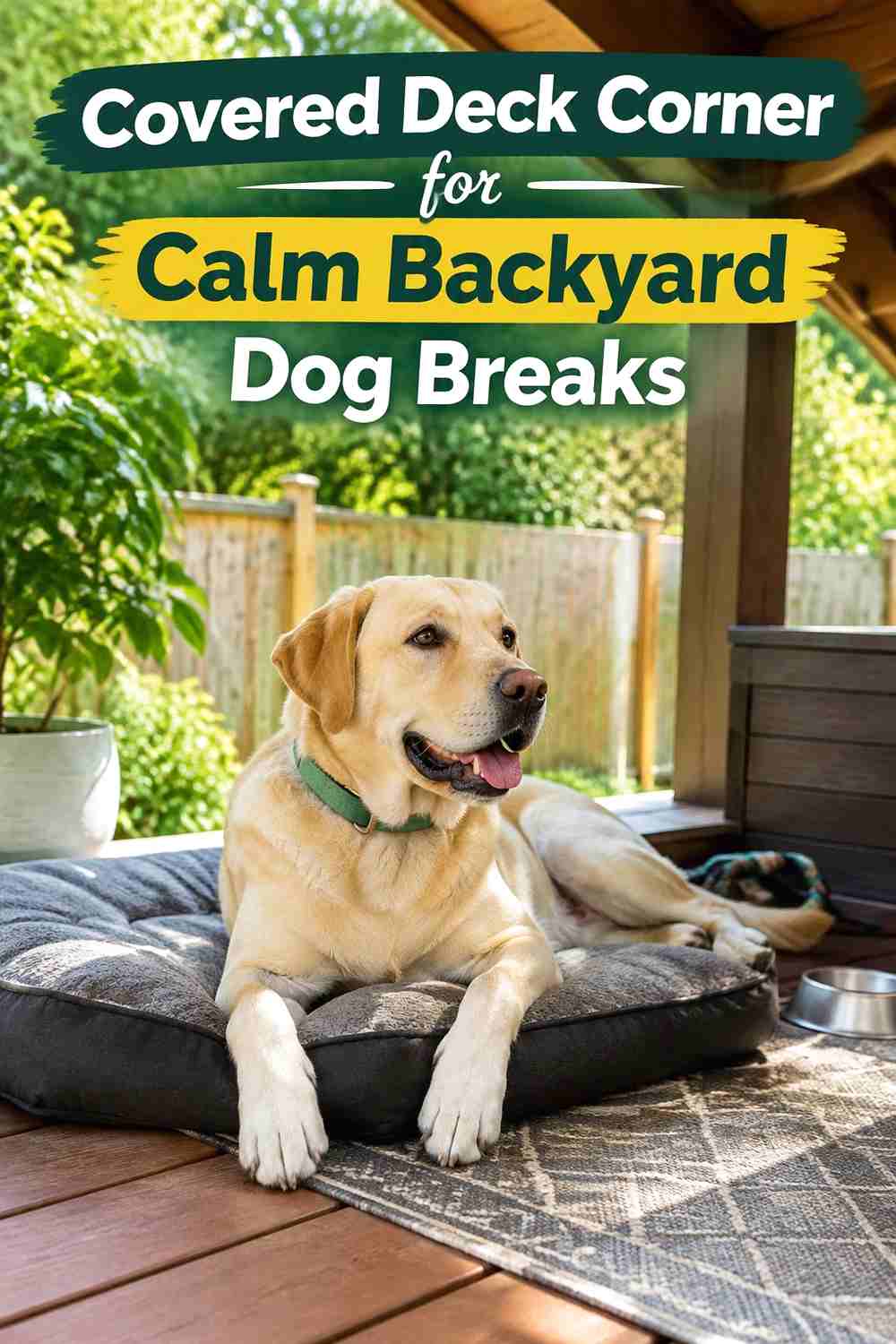
Use a covered deck corner as a predictable quiet-break area for a dog that enjoys being outdoors near the family but does not need to stay in the middle of activity. Add a flat non-slip mat or low bed and place water nearby, keeping the rest of the corner free from gardening supplies, shoes, and stacked outdoor gear. Check the deck surface during warm weather because covered flooring can still become uncomfortable depending on the material and reflected heat. This setup works particularly well when the roof or overhang already provides stable shade. Give your dog a clear path back indoors or toward another yard area rather than blocking the corner with patio furniture.
Best For
This idea suits dogs that like watching household activity from a calm, familiar location.
Cleaning Notes
Sweep fur, leaves, and grit regularly, and wash the mat when outdoor dirt begins collecting around the resting spot.
9. Side Yard Lattice Shade Station For Dogs

A narrow side yard can become a useful shaded rest station with a securely installed overhead or side lattice structure that reduces direct sun while keeping the walkway open. Place a compact dog mat along the widest section and keep water against a wall where it will not be kicked over. This setup is helpful when the main backyard is exposed but the side of the house receives more predictable shade. Make sure the lattice has no broken pieces, sharp edges, or gaps that encourage climbing or chewing. Avoid covering the entire space so densely that airflow is reduced. If the side yard is used as a passageway, keep enough clearance for people and the dog to move comfortably.
Space & Placement
Use wall-side storage elsewhere so the shaded dog area does not become crowded with hoses, tools, or trash bins.
Pro Tip
Check afternoon sun specifically, since narrow side yards can change from deeply shaded to surprisingly bright as the sun angle shifts.
10. Raised Cot Under Shade For Hot Backyard Surfaces
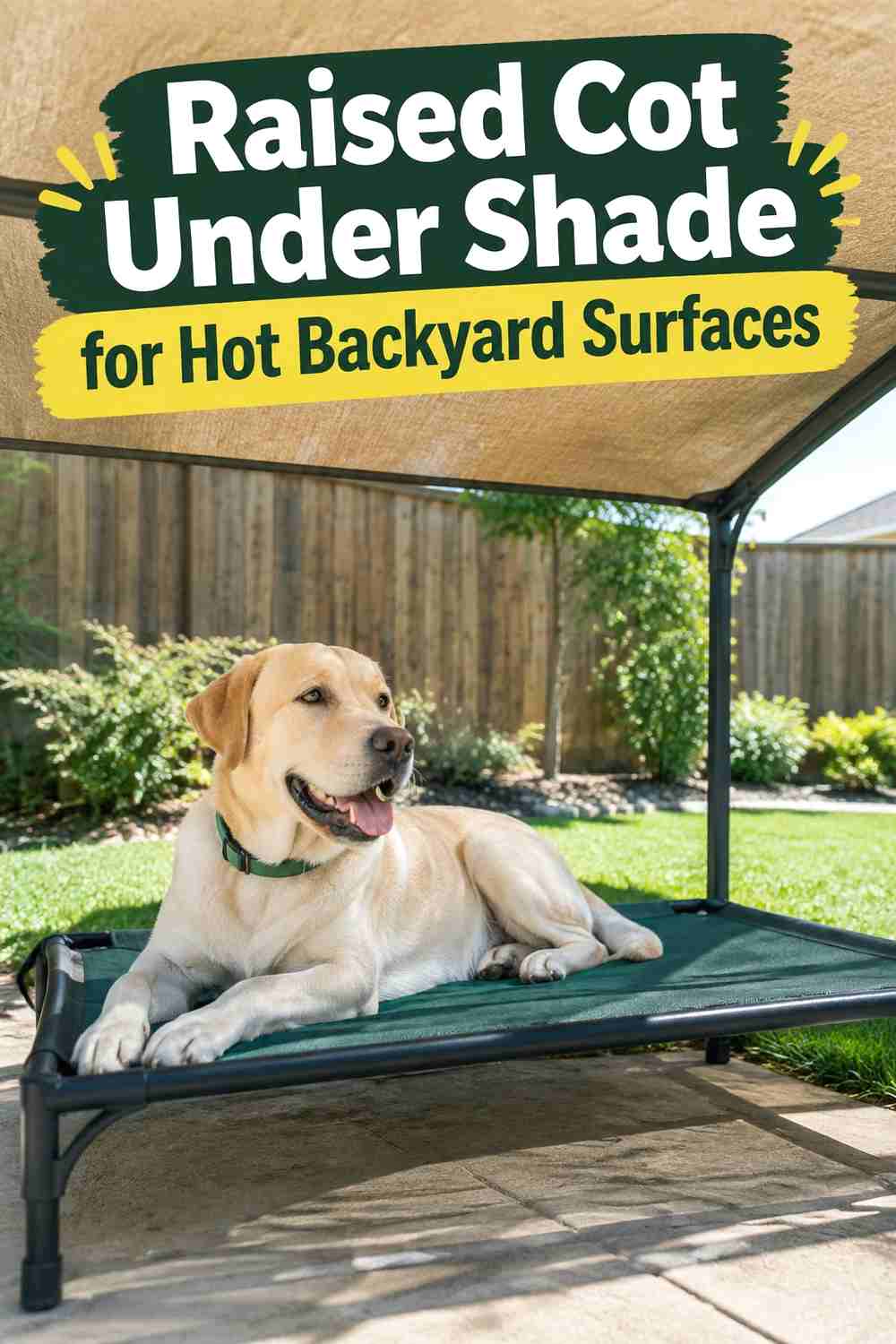
A raised outdoor cot placed completely beneath dependable shade can give your dog a resting option above warm concrete, decking, or packed ground. Choose a cot with stable legs, a breathable surface, and enough room for your dog to lie naturally without hanging over the edges. Position it where the shade remains broad enough to cover both the dog and cot throughout the main outdoor period. Keep the bed low and easy to step onto, especially for small or older dogs. This setup can be particularly useful when the backyard surface itself absorbs heat. Check the frame and fabric regularly for wear, and move the cot if the area around it becomes too warm.
Best For
This idea suits dogs that prefer elevated resting surfaces and yards with patios or other heat-retaining ground materials.
Use & Maintenance
Brush dirt from the fabric and check legs for wobbling before leaving the cot set up for regular use.
11. Cooling Mat Shade Corner For Warm Weather Dogs
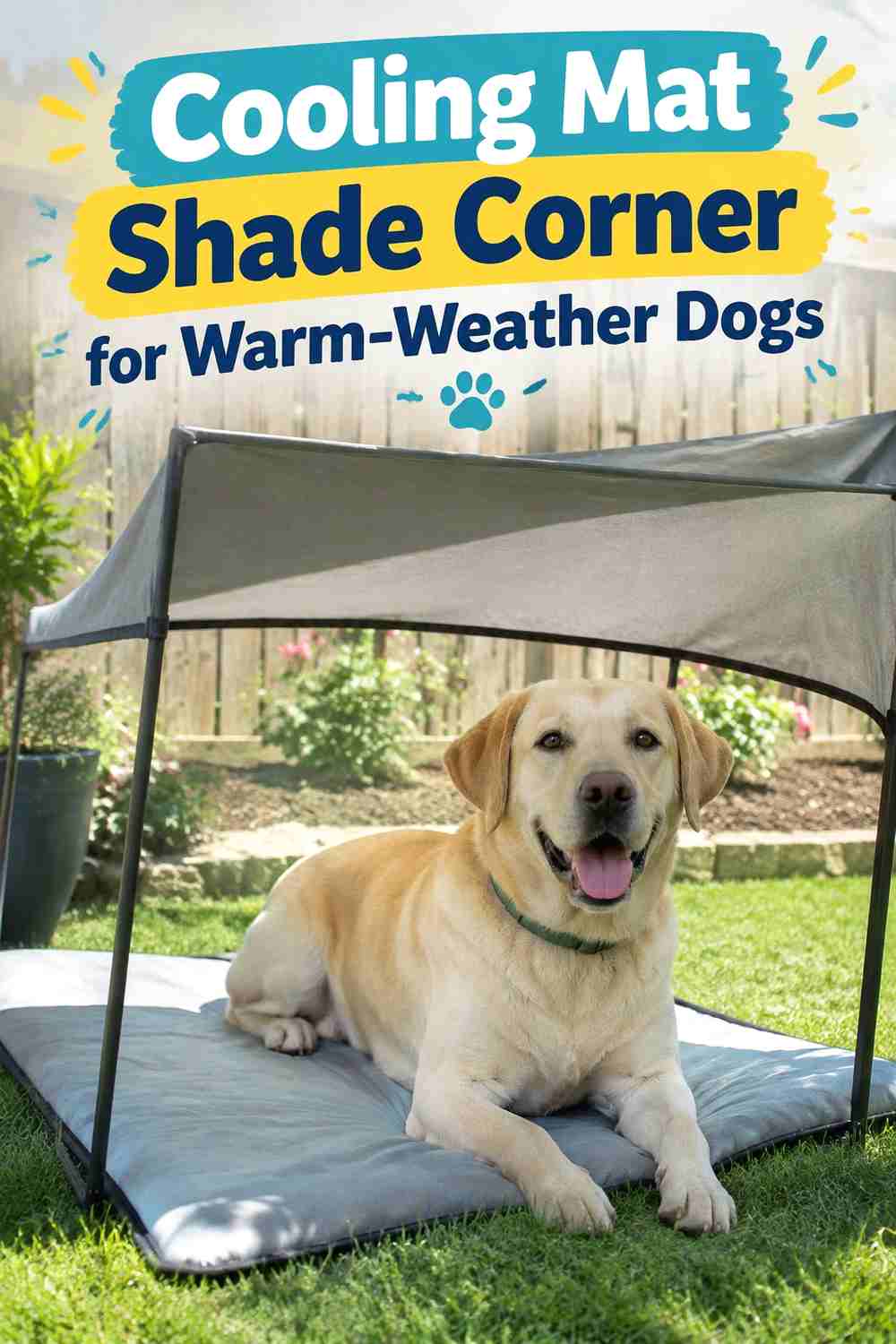
Create a simple cooling corner by placing a dog-appropriate cooling mat inside an already shaded, well-ventilated section of the yard. The mat should be an optional resting surface rather than the only place your dog can settle. Position it on stable ground, keep fresh water nearby, and move it away from direct sun as the light changes. Supervise dogs that chew or scratch bedding, especially when introducing a new mat, and follow the product’s use and care instructions. This setup is easiest to maintain on a covered patio or deck where the surface stays dry and relatively clean. A cooling mat may add comfort, but it should not be used to extend outdoor time during unsafe heat.
Comfort & Safety
Bring your dog indoors when conditions become too hot or the dog appears uncomfortable rather than relying on the mat alone.
Cleaning Notes
Wipe or wash the surface according to its instructions and remove the mat if it becomes damaged or starts leaking.
12. Vertical Shade Screen Setup For Low Angle Afternoon Sun

When late-day sun shines underneath a roof or canopy, a vertical shade screen can block the low angle that overhead coverage misses. Install an outdoor-rated screen securely along the sun-facing side of a patio or rest zone while leaving other sides open for airflow and easy exit. Position the dog bed far enough from the screen that your dog cannot become trapped between it and nearby furniture. This approach is especially helpful in west-facing yards where afternoon light reaches deeply into covered areas. Avoid loose fabric that flaps heavily or presents cords within reach. Observe the space after installation to make sure the screen improves shade without creating a hotter, poorly ventilated pocket.
Best For
This option works well for patios and covered yards that already have overhead shade but still receive strong low-angle sunlight.
Use & Maintenance
Check mounting points and fabric condition regularly, particularly after wind, rain, or seasonal storage.
13. Double Shade Canopy Setup For Extra Sunny Dog Yards

An extra-sunny backyard may benefit from layered shade, such as a large canopy positioned above a smaller covered rest zone. The goal is to create a deeper shaded area without enclosing the dog on all sides. Keep enough space between the two shade layers for airflow and make sure both structures are installed or anchored as intended. Place the dog’s bed and water in the coolest practical section rather than directly beside a sun-heated wall or fence. This setup can help when a single thin shade layer still allows substantial heat and brightness underneath. Keep the design simple enough to inspect easily and remove temporary pieces when wind or severe weather makes them unsuitable.
Setup Notes
Avoid stacking loose tarps or improvised fabrics that can sag, flap, collect water, or fall into the dog’s space.
Comfort & Safety
Evaluate the actual resting area, not just the amount of visual shade. If the space still feels uncomfortably hot, move outdoor time indoors.
14. Mobile Umbrella Shade Station For Dogs Who Follow Family
You May Also Like




A movable umbrella station works well for dogs that prefer resting near whichever part of the backyard the family is using. Pair a stable rolling or repositionable umbrella base with a lightweight washable dog mat and portable water bowl, creating a small shade kit you can move between the patio, lawn edge, and garden seating area. Reposition the umbrella before the dog settles rather than dragging equipment around a resting animal. This idea is especially practical when outdoor activities shift throughout the day and one permanent shade spot would leave the dog isolated from people. Lock or stabilize the base whenever it is in place and put the umbrella away when wind conditions make it unsuitable.
Best For
This setup suits social dogs that relax better near family activity rather than in one distant backyard corner.
Pro Tip
Move the shade station as a complete routine—umbrella, mat, and water—so your dog always finds the same basic rest setup nearby.
How to Choose the Right Idea
Start by watching where direct sun reaches your yard during the times your dog actually spends outside. A pergola, awning, or shade sail may suit a frequently used patio, while an umbrella or pop-up canopy provides more flexibility for renters and changing backyard layouts. Narrow yards may benefit from side screens or lattice shade, and larger spaces can make better use of trees or permanent structures.
Also consider your dog’s size, age, mobility, coat, preferred sleeping surface, and tendency to chew outdoor equipment. Senior dogs may appreciate low, stable beds and easy access, while active dogs need shade positioned away from running paths.
Whatever option you choose, keep clean water available, maintain airflow, check surface temperatures, and supervise outdoor time. Shade should make the yard more comfortable, not become a reason to keep a dog outside when weather conditions are unsuitable.
Final Thoughts
The most useful backyard shade setup is one your dog can reach easily and that stays comfortable during the part of the day you use it most. Start with dependable shade and water, then add a simple bed or mat that suits your dog and yard.
FAQs
1. What is the easiest backyard shade idea for a dog?
A stable patio umbrella or properly secured portable canopy can be a flexible starting point because it requires less permanent construction than a pergola or awning.
2. Is tree shade enough for a dog in the backyard?
Tree shade can be useful when it remains broad, the ground is safe, and conditions are comfortable. Check how the shade moves through the day rather than assuming the same spot stays protected.
3. What should I put under a dog’s backyard shade?
A washable mat, low dog bed, or stable raised cot can create a defined resting surface. Choose something appropriate for your dog’s mobility, chewing habits, and the ground underneath.
4. Can I use a cooling mat outside under the shade?
A dog-appropriate cooling mat can be used in a shaded setup when the product is suitable for that use and your dog is supervised. Remove damaged mats and follow their care instructions.
5. How do I know if the shaded area is still too hot?
Check the resting surface, airflow, and your dog’s behavior rather than relying only on whether sunlight is blocked. If conditions feel uncomfortable or your dog shows concerning heat-related changes, move indoors and seek veterinary guidance when needed.
CTA
Save your favorite dog-friendly backyard shade ideas and build a simple outdoor rest zone that fits your yard, weather, and dog’s normal routine.
