Create a fresh, organized pet room with cool blue walls, practical storage, comfortable rest zones, and easy-to-clean spaces designed around everyday pet routines.
Save This Idea on Pinterest

16 Cool Blue Pet Room Ideas
Save to PinterestCool blue pet room ideas can make a dedicated pet space feel clean and coordinated, but color alone should never replace function. A useful room still needs comfortable resting areas, organized food and toy storage, safe movement paths, washable surfaces, and layouts that suit the pets actually using the space.
These 16 ideas use powder blue, navy, teal, aqua, dusty blue, and other cool tones in different ways. Some focus on sleep, feeding, grooming, or play, while others solve storage, multi-pet, senior-pet, and small-space problems. Choose the zones your household genuinely needs, then use blue finishes and textiles to connect them visually.
Quick List
- Powder Blue Sleep Nook for a Calm Pet Room
- Navy Blue Toy Storage Wall for Organized Pet Rooms
- Sky Blue Feeding Station for a Clean Pet Room
- Teal Blue Grooming Corner for Practical Pet Room Care
- Ocean Blue Window Lounge for Sun-Loving Indoor Pets
- Blue-and-White Enrichment Corner for Active Indoor Pets
- Dusty Blue Crate Nook for a Tidy Dog Room
- Cool Blue Cat Wall for Climbing and Perching
- Washable Blue Floor Zone for Easy Pet Room Cleanup
- Blue Built-In Cabinet Storage for Clutter-Free Pet Rooms
- Soft Blue Multi-Pet Rest Zone for Shared Rooms
- Blue Small-Space Pet Room for Compact Apartment Living
- Two-Tone Blue Accent Wall for Stylish Pet Rooms
- Blue Entry Station for Leashes and Pet Essentials
- Navy and Aqua Play Zone for Energetic Indoor Pets
- Calm Blue Senior Pet Room with Easy-Access Zones
1. Powder Blue Sleep Nook For A Calm Pet Room
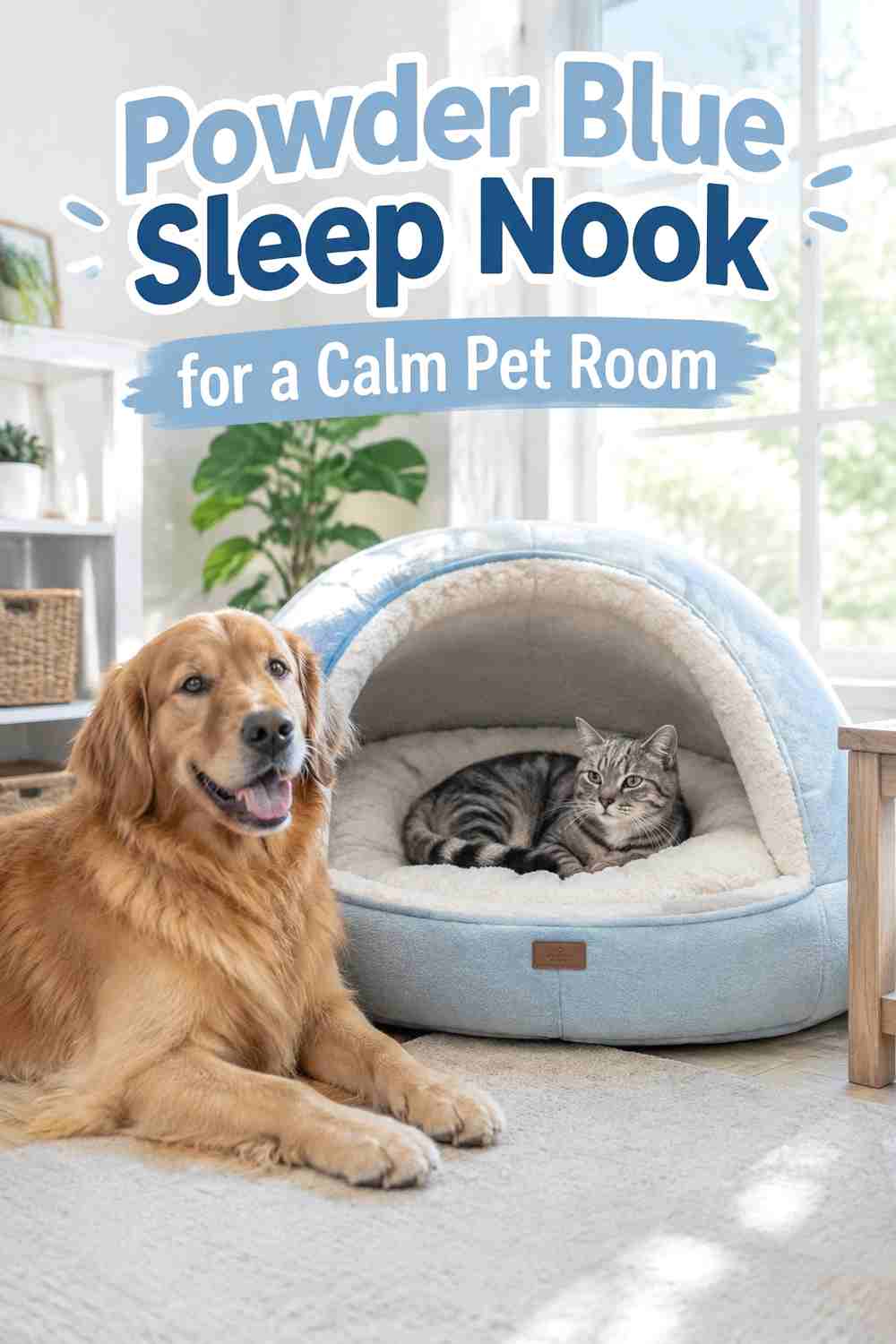
Create a dedicated sleep nook with a powder blue wall, washable bed cover, and enough open floor around the bed for your pet to approach comfortably. Choose the bed according to body size and sleeping style rather than squeezing a small bed into the room simply because it matches the color scheme. Keep the nook away from busy doorways and noisy storage cabinets if possible. A low shelf can hold spare blankets, but medicines, cleaners, and small objects should stay secured elsewhere. For pets that like privacy, position the bed beside a wall or low divider without enclosing the resting area so tightly that airflow or access becomes awkward.
Best For
This works well for pets that regularly choose quieter corners for daytime naps or nighttime sleeping.
Cleaning Notes
Use removable bedding covers and leave enough clearance around the bed for vacuuming or wiping the floor.
2. Navy Blue Toy Storage Wall For Organized Pet Rooms

You May Also Like



Turn one wall into an organized toy station using navy cabinets, sturdy shelves, and labeled bins for different types of pet supplies. Keep everyday toys in easy-to-reach owner storage while placing cleaners, medications, spare hardware, and small accessories behind closed doors. Open baskets can work for larger toys if your pet does not chew the containers, but avoid creating a pile that spills into walking space. Rotating a smaller selection of toys into the room can reduce clutter and make individual items feel more noticeable. The deep navy color creates a strong focal wall while practical closed storage keeps the room from looking busy.
Setup Notes
Anchor tall storage securely and keep heavy supplies on lower shelves rather than placing them overhead.
Pro Tip
Create separate bins for active toys, washable toys, and items waiting to be cleaned so resets take less time.
3. Sky Blue Feeding Station For A Clean Pet Room

Design a sky blue feeding zone with easy-to-wipe wall protection, stable bowls, and a washable floor mat that defines the area without creating a tripping edge. Keep food and water away from litter areas, grooming debris, or frequently opened doors. Store sealed food nearby in a closed cabinet if that makes daily routines easier, but keep supplements, medicines, and cleaning products separately secured. In multi-pet homes, allow enough spacing that animals are not forced to crowd the same bowl area. The pale blue backdrop keeps the feeding zone visually light while practical materials make splashes, crumbs, and routine wiping easier to manage.
Space & Placement
Leave enough clearance for pets to stand naturally without backing into cabinets, walls, or another animal.
Cleaning Notes
Use smooth surfaces around the bowls and wash mats often enough that dried food and water residue do not build up.
4. Teal Blue Grooming Corner For Practical Pet Room Care
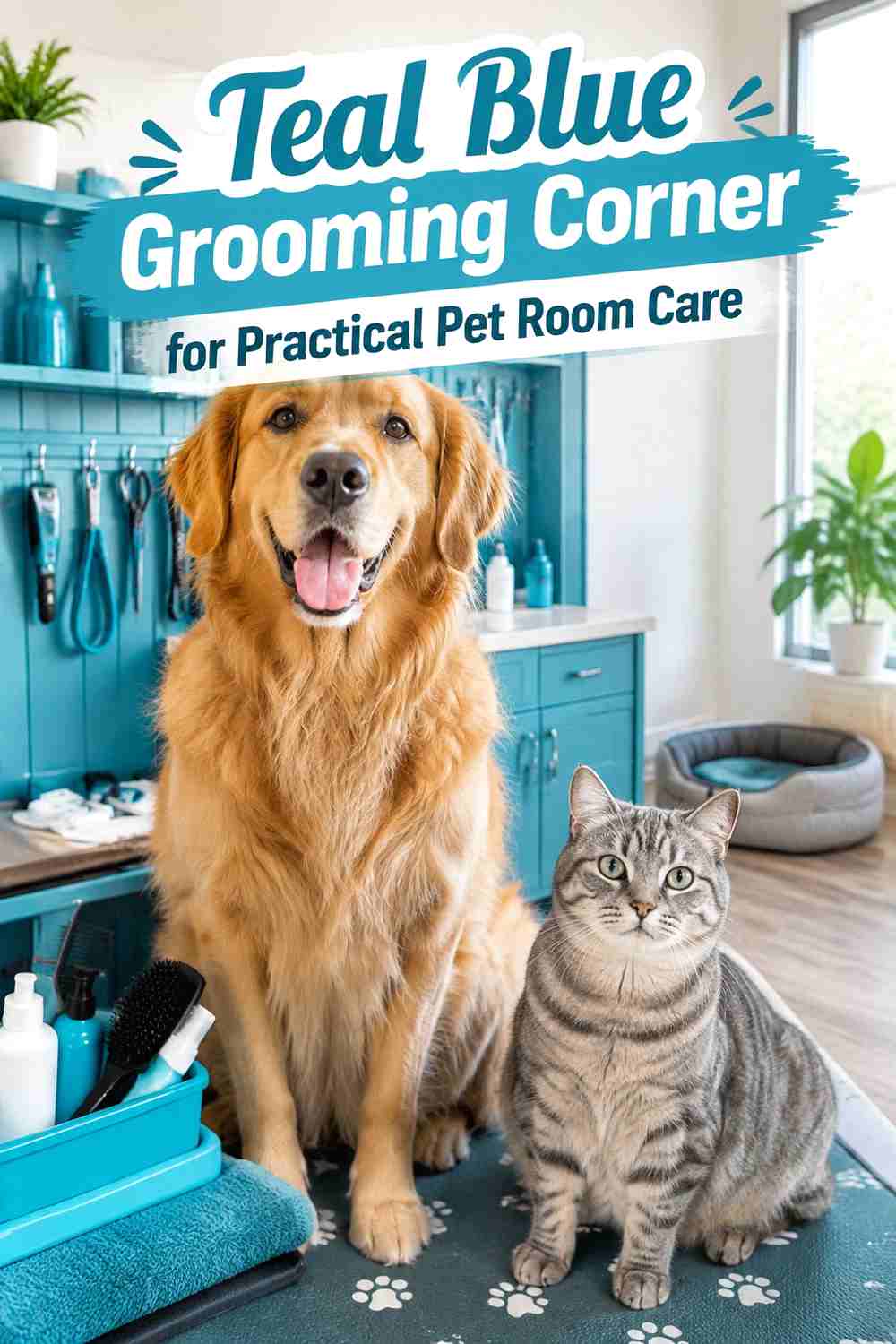
Set aside a teal-accented grooming corner with a nonslip floor mat, closed supply drawer, washable towel storage, and good natural or overhead lighting. Keep brushes and frequently used tools within owner reach while storing scissors, medicines, cleaners, and small accessories securely away from pets. A low bench may be useful for organizing towels or supplies, but avoid forcing a pet onto an elevated surface that is not designed for safe grooming. Place a laundry basket nearby for used towels and keep the floor clear so brushing sessions do not become cramped. Teal cabinetry or wall paint adds color without requiring decorative clutter around the grooming area.
Best For
This setup suits households that brush, wipe paws, or perform other routine coat care in a dedicated indoor space.
Use & Maintenance
Remove loose fur after grooming and wash reusable towels or mats before odors and debris accumulate.
5. Ocean Blue Window Lounge For Sun Loving Indoor Pets

Create an ocean blue lounge beside a secure window using a comfortable floor bed, broad bench, or species-appropriate perch that allows pets to enjoy natural light and outdoor views. Keep blind cords, fragile decor, and unsafe plants out of reach, and make sure the window is securely closed or screened when appropriate. Use washable blue cushions rather than stacking decorative pillows that reduce usable resting space. If direct sunlight becomes strong, leave another shaded resting option nearby so the pet can move away freely. The window view provides much of the interest, so the surrounding area can stay simple, open, and easy to clean.
Space & Placement
Preserve a clear route to and from the lounge instead of filling the approach with baskets or floor decorations.
Comfort & Safety
Check the area for strong drafts, excessive heat, or unstable window furniture before making it a regular resting zone.
6. Blue And White Enrichment Corner For Active Indoor Pets

Build an enrichment corner with a blue-and-white rug or washable mat, a small rotation of appropriate toys, and enough open space for your pet to investigate without bumping into furniture. The exact activities should match the species: a dog may use food puzzles or sniffing games, while a cat may prefer scratchers, tunnels, or ground-level toys. Store extra enrichment items in a closed bin so the corner does not become cluttered. Rotate activities instead of displaying everything at once, and remove damaged toys promptly. The color palette keeps the area coordinated while the changing activities provide the practical value.
Why It Works
A defined enrichment zone makes it easier to rotate activities and keep play materials from spreading across the entire room.
Use & Maintenance
Return toys to storage after sessions and clean food-based puzzles before residue dries inside them.
7. Dusty Blue Crate Nook For A Tidy Dog Room

Integrate a dog crate into a dusty blue nook so it feels like part of the room without covering ventilation or making access difficult. Position the crate on a stable floor away from heating vents and busy door swings, then add a simple washable bed if your dog uses one comfortably. Storage cabinets can sit nearby for leashes and spare bedding, but avoid stacking loose objects on top where they may fall. The crate door should open fully without hitting furniture. A blue wall panel or cabinet surround can make the nook look finished while still leaving the crate practical, visible, and easy to clean.
Setup Notes
Keep the crate accessible from the front and maintain clear ventilation around every side required by the setup.
Cleaning Notes
Use washable bedding and leave enough space to pull the crate out when the surrounding floor needs a deeper clean.
8. Cool Blue Cat Wall For Climbing And Perching

Create a cool blue cat wall with securely mounted shelves, stable platforms, and scratch-friendly surfaces arranged as a clear climbing route. Vary the levels without making the gaps excessive, and provide easy landing areas rather than expecting dramatic jumps between narrow shelves. Add traction to smooth surfaces and make sure every platform is appropriate for your cat’s size. Keep one lower route available for less confident or older cats. The blue wall can act as a visual feature, while natural wood or neutral platforms prevent the room from feeling overly monochrome. Avoid placing breakable decor on shelves that are part of the cat’s movement path.
Space & Placement
Keep the climbing wall away from open doors, unstable furniture, and objects a jumping cat could knock over.
Comfort & Safety
Check mounting points regularly and provide lower alternatives for cats that no longer use higher levels comfortably.
9. Washable Blue Floor Zone For Easy Pet Room Cleanup
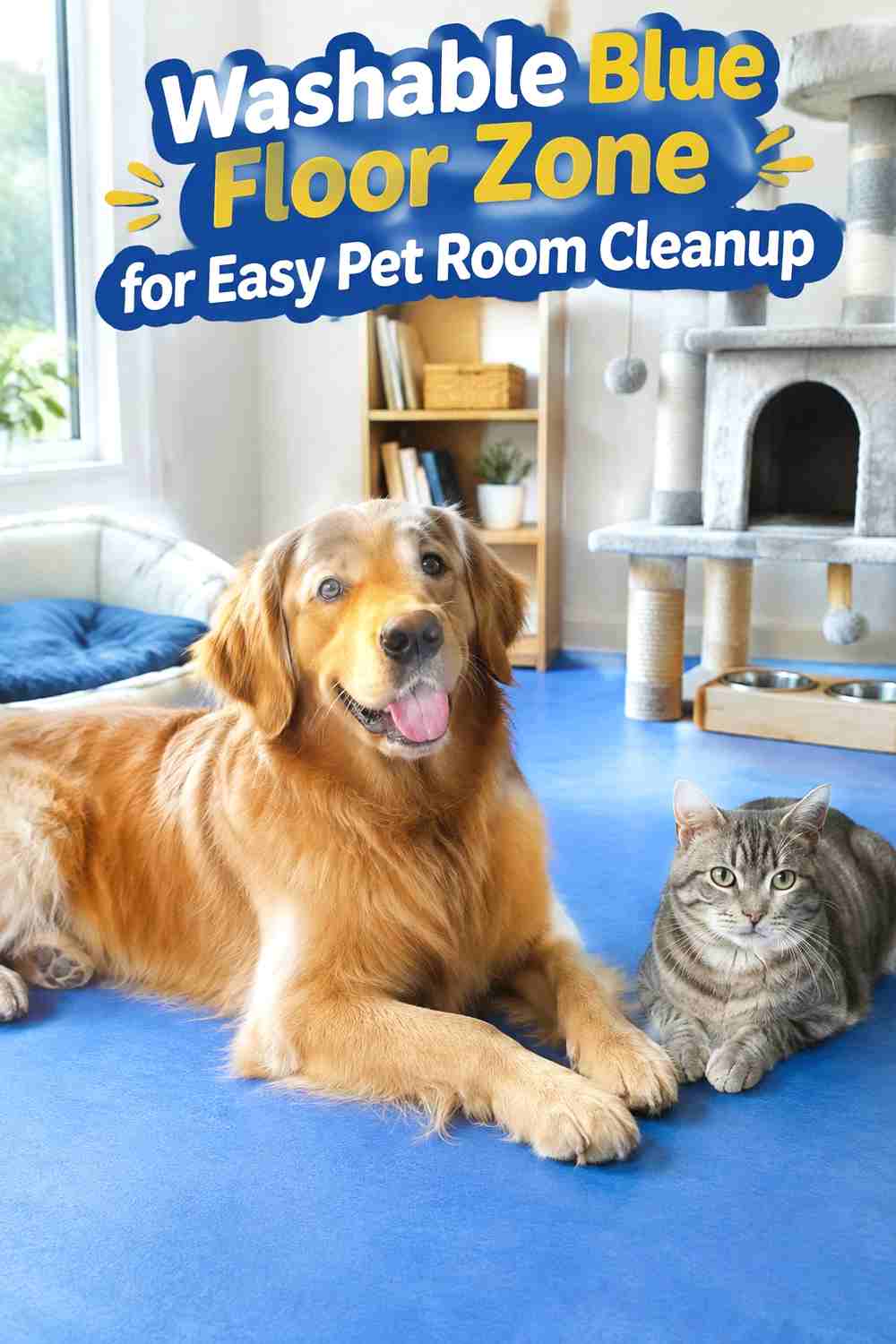
Use washable blue floor mats or a pet-friendly easy-clean surface to define high-mess areas without carpeting the entire room. Place washable flooring under feeding stations, grooming corners, or play zones where fur, crumbs, and tracked debris collect most often. Choose low-profile materials that stay flat and do not slide when pets run or turn. A medium blue pattern can disguise everyday marks better than very pale flooring while still keeping the room visually cool. Avoid creating too many separate mats, which can make cleaning more complicated. The best layout uses only enough floor protection to simplify routine wiping, vacuuming, or laundering.
Best For
This approach is useful in rooms shared by pets that shed heavily or regularly track in outdoor debris.
Cleaning Notes
Lift mats periodically to clean underneath and check for trapped moisture rather than cleaning only the visible surface.
10. Blue Built In Cabinet Storage For Clutter Free Pet Rooms

Use blue built-in cabinets to store food containers, grooming supplies, spare bedding, carriers, and seasonal pet gear without leaving everything visible. Divide the interior by routine: daily supplies should be easiest to reach, while backups and occasional-use items can sit higher. Keep medicines, chemicals, and small swallowable accessories behind secure doors instead of open shelving. A section of countertop can become a folding or preparation area if pets cannot climb onto it easily. Closed cabinetry is especially useful in multipurpose pet rooms because it reduces visual clutter and protects supplies from curious animals while keeping the overall blue color scheme consistent.
Setup Notes
Anchor cabinetry properly and avoid storing heavy objects on high shelves where they are awkward to retrieve safely.
Pro Tip
Use labeled interior bins so the outside of the room stays clean and minimal without making supplies difficult to find.
11. Soft Blue Multi Pet Rest Zone For Shared Rooms

Create a shared room with several separate soft blue resting spots instead of expecting multiple pets to use one large bed. Position beds with enough space between them that each animal can settle without being crowded, and include more than one route through the room. If pets have different preferences, mix an open mat, a bolster bed, and a more sheltered option rather than buying identical resources purely for appearance. Keep water and other important resources accessible without forcing pets through another animal’s resting zone. Matching blue covers can visually connect the beds while still allowing each pet to choose its own space.
Space & Placement
Avoid arranging beds in a tight line where one resting pet can block access to another area.
Best For
This works well for compatible multi-pet households where animals share a room but do not always want to share resting surfaces.
12. Blue Small Space Pet Room For Compact Apartment Living

Turn a compact corner or small spare room into a blue pet zone by prioritizing vertical storage, one comfortable bed, and only the supplies used most often. Choose pale blue walls or cabinets to keep the space visually open, then use closed storage to prevent toys and grooming items from spreading across the floor. Foldable or multipurpose furniture can help if it does not reduce stability or pet access. Keep the central floor area as open as possible so the pet can turn and move comfortably. In small apartments, a functional pet room may be a dedicated corner rather than a full room, and that can still work well.
Space & Placement
Measure usable movement space after furniture is installed rather than planning from empty-room dimensions alone.
Pro Tip
Store backup supplies elsewhere and keep only the current rotation of toys, bedding, and everyday care items in the compact zone.
13. Two Tone Blue Accent Wall For Stylish Pet Rooms
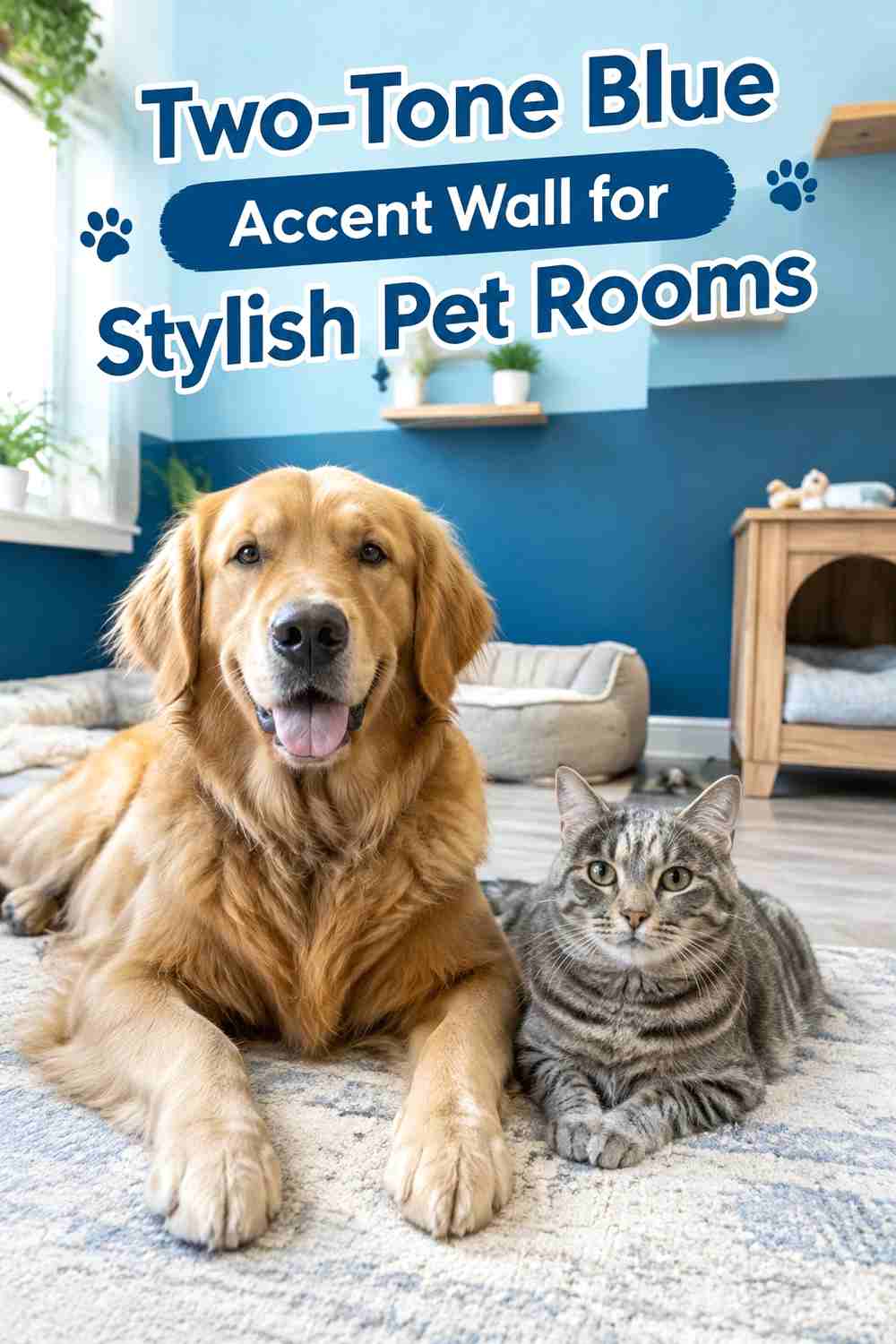
Use two blue tones on one feature wall to give the pet room visual depth without filling the space with decorative objects. A darker navy or slate blue on the lower section can visually ground storage units and beds, while a pale blue upper section keeps the room brighter. Choose washable, durable wall finishes in areas likely to collect paw marks or splashes. Keep shelves and wall decor limited so functional zones remain obvious. This design works best when the color treatment supports the room rather than competing with pet beds, climbing features, or storage. Neutral flooring and natural wood can balance the stronger blue backdrop.
Why It Works
Color creates visual interest without consuming floor space or adding objects that pets can knock over.
Use & Maintenance
Choose wall finishes that can handle routine wiping, especially near feeding, entry, or grooming zones.
14. Blue Entry Station For Leashes And Pet Essentials

Create a blue entry station near the pet room door with secure hooks, closed shoe-level storage, and a drawer for waste bags, grooming wipes, and other walk essentials. Mount leashes and harnesses where owners can reach them easily but pets cannot pull them down for chewing or play. Keep medications, cleaners, and small accessories inside closed storage. A washable mat below the station can catch damp paws before pets enter the rest of the room. Use navy or teal cabinetry to make the zone visually distinct from sleeping and feeding areas, helping everyday items return to the same place after each outing.
Setup Notes
Secure hooks and cabinets firmly and keep hanging gear clear of doors and normal pet movement.
Cleaning Notes
Wash or wipe the floor mat regularly and empty pockets of debris before storing damp walking equipment.
15. Navy And Aqua Play Zone For Energetic Indoor Pets

Combine navy storage with aqua washable flooring to create a clear play zone for energetic pets without turning the entire room into a toy area. Keep the center open for movement and place species-appropriate play items along the edges where they can be rotated easily. Dogs may use sturdy toys and sniffing activities, while cats may benefit from scratchers, tunnels, or low climbing features. Avoid overcrowding the space with equipment simply because the room is dedicated to pets. A few well-chosen activities are easier to inspect, clean, and replace. Closed navy bins can hold the next rotation while the aqua floor keeps the active zone visually distinct.
Best For
This layout suits pets that benefit from a clear indoor activity area during supervised play sessions.
Use & Maintenance
Remove worn toys and reset the floor after play so damaged pieces or food debris do not accumulate.
16. Calm Blue Senior Pet Room With Easy Access Zones
You May Also Like




Design a senior-friendly pet room around easy access rather than elevated features. Use calm blue walls, low-entry beds, nonslip flooring, clearly separated food and rest zones, and predictable furniture placement. Keep walking routes broad and uncluttered, especially between the bed, water, doorway, and any preferred viewing spot. Avoid unnecessary steps, high platforms, or deep baskets that create extra effort. Washable bedding and accessible storage make routine care easier for owners without disrupting the room. Because older pets vary greatly in mobility and preferences, adjust the layout to the individual animal instead of assuming every senior needs the same equipment.
Pet Type & Life Stage
Observe how your pet currently moves, rests, and approaches resources before changing heights or furniture positions.
Comfort & Safety
Prioritize traction, low entry points, and stable pathways over decorative accessories or complicated room features.
How to Choose the Right Idea
Start by deciding what the pet room actually needs to do. A dog-focused room may benefit from a crate nook, leash station, grooming corner, and washable play zone, while a cat-focused space may need vertical climbing, window viewing, scratching, and separate resting areas. Multi-pet rooms should provide duplicate resources and enough separation to avoid forced sharing.
Then consider room size, storage, cleaning, owner involvement, and the pets’ ages and mobility. Use cool blue color through paint, cabinet fronts, mats, and washable textiles rather than adding unnecessary decor. Keep medicines, cleaners, cords, and small objects secured, and leave clear movement paths between important zones. Function should determine the layout; the blue palette should simply tie it together.
Final Thoughts
A cool blue pet room can look polished without sacrificing everyday usefulness. Begin with the zones your pet genuinely uses—rest, food, storage, play, grooming, or climbing—then repeat a few blue tones across practical surfaces. The strongest rooms stay easy to clean, easy to navigate, and flexible enough to change as your pet’s routine changes.
FAQs
1. What shades of blue work best in a pet room?
Powder blue, sky blue, dusty blue, slate, navy, teal, and aqua can all work. Lighter shades make compact rooms feel more open, while darker blues are useful for storage or accent areas.
2. How can I keep a blue pet room from looking too cold?
Balance cool blue surfaces with cream textiles, natural wood, warm neutral flooring, and plenty of natural light. The room can stay visually cool without feeling stark.
3. What should every practical pet room include?
The essentials depend on the pet, but useful rooms usually prioritize comfortable rest, easy access to important resources, safe storage, clear movement paths, and surfaces that are manageable to clean.
4. Can dogs and cats share the same pet room?
Compatible pets can share a room, but they should not be forced to share every resource. Separate beds, appropriately spaced feeding areas, and species-specific enrichment can make the layout more practical.
5. How do I design a blue pet room in a small apartment?
Use one compact pet zone, vertical or closed storage, a washable bed, and only the supplies needed daily. Pale blue surfaces can keep the area visually light without requiring extra decorative furniture.
Save these 16 cool blue pet room ideas for your next pet-space refresh, and share your favorite setup with another pet owner.
