Create a more comfortable porch for your dog with practical bed setups built around shade, airflow, easy cleaning, safe placement, and relaxed outdoor lounging.
Save This Idea on Pinterest

13 Dog Porch Bed Setup Ideas
Save to PinterestDog porch bed setups work best when the resting area feels comfortable without exposing the dog to harsh sun, strong wind, wet flooring, or constant foot traffic. A stable bed, washable cover, and protected location can turn a covered porch into a useful place for supervised outdoor rest.
These 13 ideas include raised beds, small-space corners, senior-friendly access, multi-dog layouts, water stations, and weather-aware placement. Choose according to your dog’s size, sleeping position, mobility, porch layout, and local conditions. Outdoor comfort can change quickly, so bring your dog inside whenever heat, cold, rain, or other conditions make the porch unsuitable.
Quick List
- Covered Porch Dog Bed with Weather-Resistant Washable Cover
- Shaded Summer Porch Bed for Cool Dog Resting
- Cozy Fall Porch Dog Bed with Layered Blanket
- Raised Porch Dog Bed for Better Airflow
- Small-Space Porch Dog Bed with Corner Placement
- Large-Dog Porch Bed with Extra-Wide Resting Mat
- Senior-Friendly Porch Dog Bed with Low Easy Entry
- Multi-Dog Porch Setup with Separate Resting Beds
- Easy-Clean Porch Dog Bed with Removable Cover
- Porch Dog Bed with Wind-Blocked Wall Placement
- Quiet Front Porch Dog Bed Away from Foot Traffic
- Porch Dog Bed with Nearby Water Station
- Minimalist Porch Dog Bed with Clear Entryway Route
1. Covered Porch Dog Bed With Weather Resistant Washable Cover
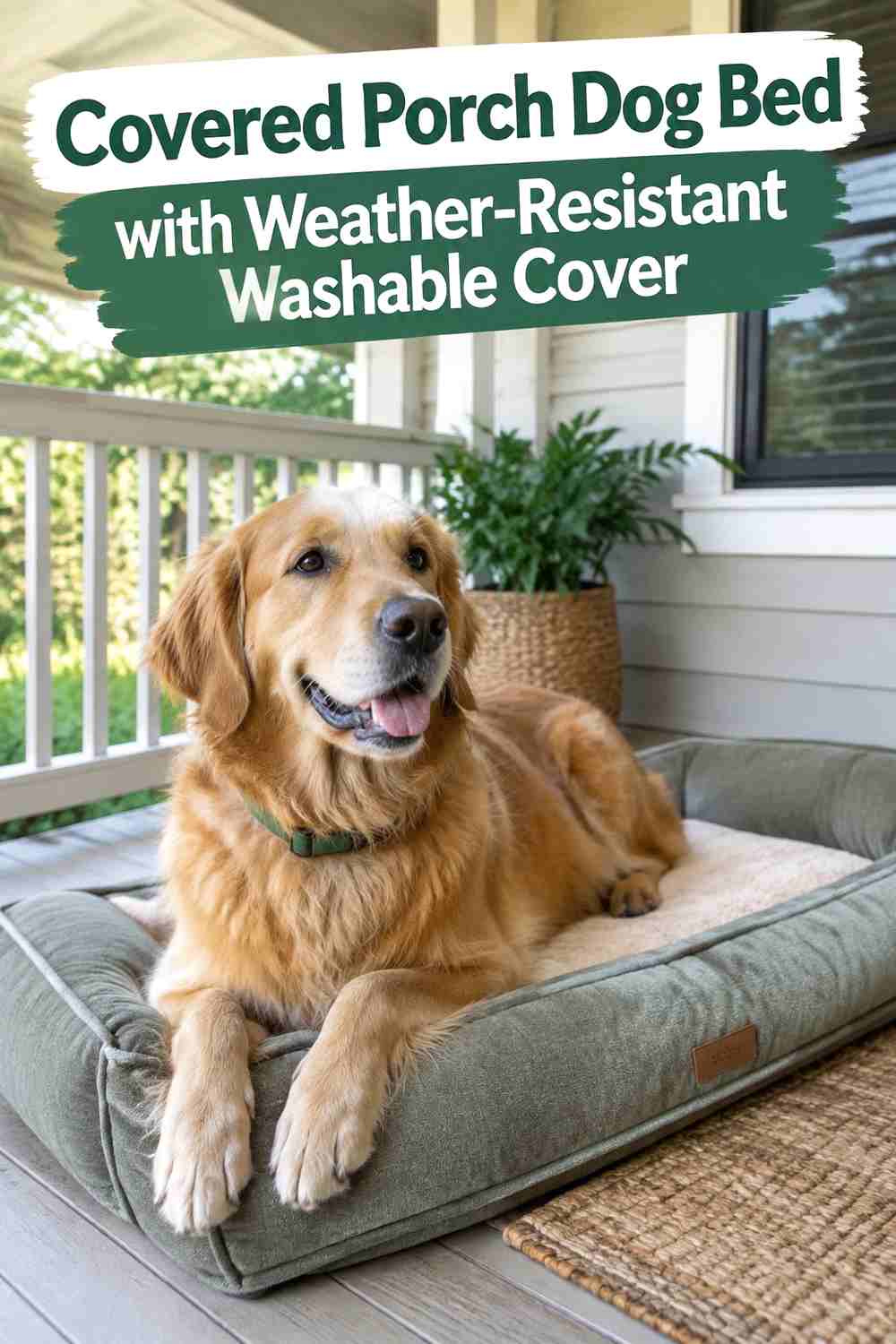
A covered porch dog bed with a weather-resistant washable cover gives your dog a defined resting place while protecting bedding from ordinary outdoor dust and light moisture. Position the bed well under the roof rather than near the exposed porch edge, and choose a cover that can be removed easily for cleaning. Keep the bed off areas where rain regularly blows in or water pools after storms. A supportive cushion works best when it fits your dog’s normal sleeping position without forcing paws or the head over the edges. This setup is useful for dogs that enjoy sitting outside with the family but still need a comfortable surface. Bring bedding indoors if severe weather or prolonged damp conditions are expected.
Use & Maintenance
Shake off outdoor debris regularly and wash the cover before dirt becomes embedded. Let both the cushion and cover dry fully after cleaning.
2. Shaded Summer Porch Bed For Cool Dog Resting

You May Also Like



A shaded summer porch bed should stay out of direct sun and sit where air can move around the dog comfortably. Place the bed beneath the deepest covered section of the porch or another consistently shaded spot, then check how sunlight shifts during the day. A thinner supportive mat or breathable raised-style bed may feel more suitable than heavy layered bedding in warm conditions. Keep fresh water nearby and let the dog move indoors whenever desired. This idea works best when porch time is supervised and adjusted according to weather rather than treated as an all-day outdoor setup. If the floor, bedding, or surrounding air feels too warm, move the dog inside instead of relying on shade alone.
Comfort & Safety
Check the porch throughout the day because a shaded morning location may receive direct afternoon sun as conditions change.
3. Cozy Fall Porch Dog Bed With Layered Blanket

A cozy fall porch dog bed can use one removable blanket to add warmth and seasonal color without creating a bulky pile of textiles. Start with a supportive bed in a dry covered spot, then add a washable fleece-style or woven blanket that stays flat rather than bunching around the dog. Rust, plaid, olive, or neutral tones can make the setup feel autumnal without surrounding the bed with decorative pumpkins or loose leaves. This idea works well during mild fall weather when the porch remains comfortable for short periods. Watch for cooler drafts as temperatures drop, especially in the evening. If the dog repeatedly curls tightly, seeks the door, or leaves the porch, move the resting routine indoors.
Cleaning Notes
Shake out leaves and fur often, and wash the top blanket separately when it becomes damp or dirty rather than layering another clean one over it.
4. Raised Porch Dog Bed For Better Airflow

A raised porch dog bed keeps the sleeping surface off the floor and can allow more air movement underneath during mild warm weather. Choose a stable frame with a broad, taut resting surface that does not wobble when the dog steps on or off. Place it on level porch flooring and leave enough clearance around all sides for comfortable movement. This setup may suit dogs that dislike thick cushions or prefer a firmer lounging surface. Keep the bed under cover and out of intense sun, because raising the bed does not make hot weather automatically comfortable. Regularly inspect the frame, fabric, and feet for wear caused by outdoor exposure, and bring the dog inside when conditions become unsuitable.
Setup Notes
Test stability on the actual porch surface before use. If the frame rocks or slides, choose a flatter setup rather than trying to brace it with loose objects.
5. Small Space Porch Dog Bed With Corner Placement

A small-space porch dog bed can fit neatly into a protected corner while leaving the doorway and main walkway open. Choose a compact bed that still gives your dog enough room to curl, turn, and lie naturally, then place it against a wall rather than in the center of the porch. Avoid squeezing the bed between planters, shoes, and furniture where access becomes awkward. A simple washable mat may work better than a large bolster in a narrow area. This setup is especially useful for apartment balconies or small covered porches when the space is secure and appropriate for the dog. Keep railings, gaps, and exits safely managed, and supervise outdoor time.
Space & Placement
Preserve a clear route between the bed and the indoor door. The dog should never need to step around clutter to leave the porch.
6. Large Dog Porch Bed With Extra Wide Resting Mat
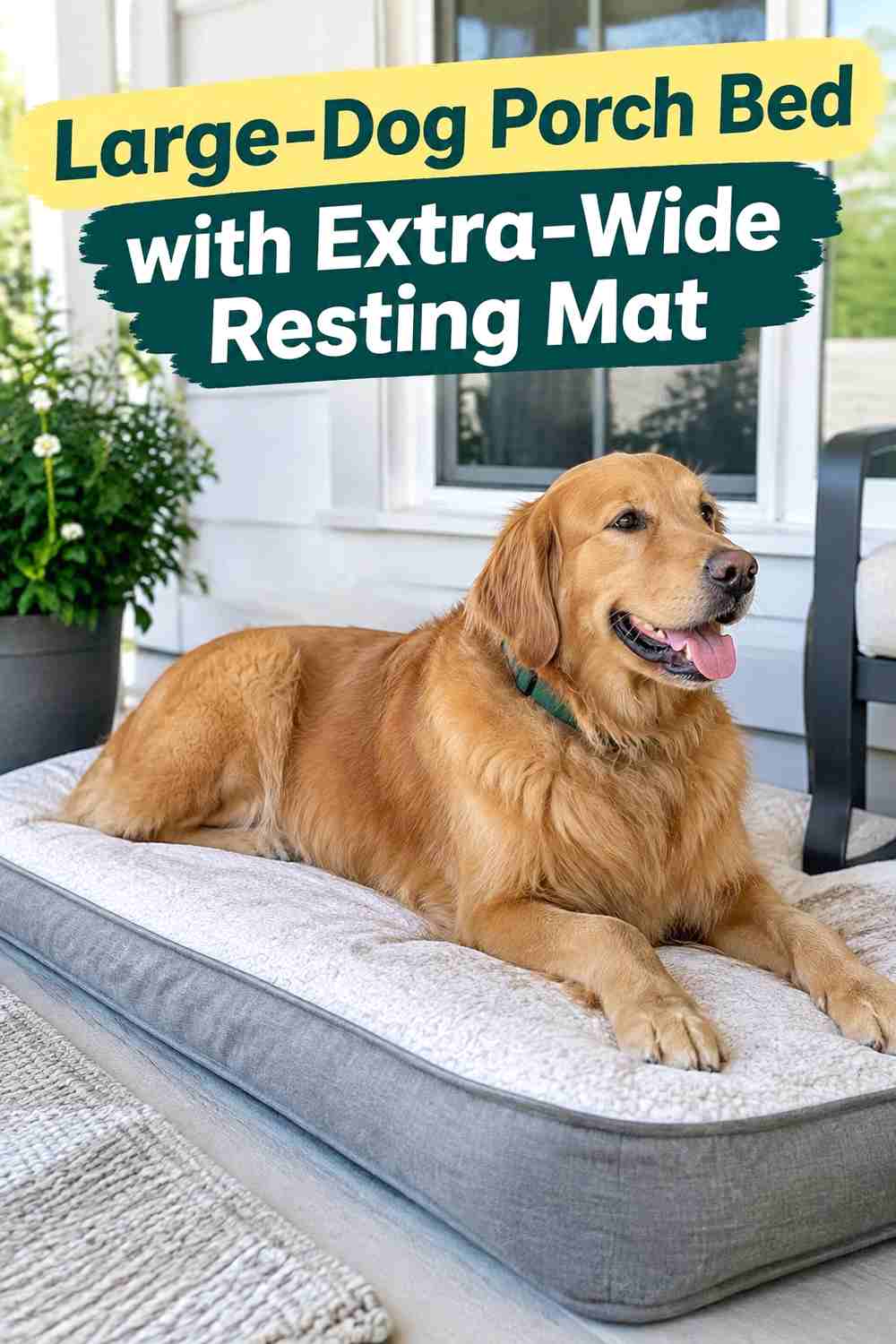
A large-dog porch bed needs enough width and length for the dog to stretch fully without hanging over the edge. Use an extra-wide supportive mat placed along the higher, more sheltered part of the porch rather than choosing a decorative bed that only fits a curled position. Keep the surrounding area free from small tables, planters, and railings that make turning difficult. A flatter mat can also be easier to move and clean than a bulky outdoor bolster. This setup works well for retrievers, shepherds, and other larger dogs that like lying outside near the family. Make sure the porch itself provides enough usable floor space before adding an oversized bed.
Best For
Choose this style for medium-to-large dogs that regularly sleep stretched out and need generous room for shoulders, hips, legs, and tail.
7. Senior Friendly Porch Dog Bed With Low Easy Entry

A senior-friendly porch bed should have a low edge and a straightforward approach so the dog does not need to step over a tall bolster or climb onto a raised platform. Place a supportive floor-level bed near the door and use stable non-slip footing if the porch surface becomes slick. Keep furniture, flowerpots, and other obstacles away from the route between indoors and the bed. This setup can let an older dog enjoy supervised outdoor time without navigating complicated porch furniture. Senior dogs vary widely in comfort and mobility, so watch how your dog lies down, rises, and returns inside. If the porch requires stairs that have become difficult, choose an indoor window-side bed instead.
Comfort & Safety
Prioritize easy access over decorative height. A predictable, flat route is more useful than a raised bed that looks tidy but is harder to use.
8. Multi Dog Porch Setup With Separate Resting Beds

A multi-dog porch setup works better with separate beds than one oversized shared cushion. Arrange each bed with enough distance for dogs to enter, turn, and rest without stepping across one another. Matching covers can make the porch look coordinated while still giving each dog a personal resource. Keep water access easy and avoid placing highly valued toys or chews between beds if they create competition. This layout is most suitable for dogs already comfortable spending relaxed time together. If one dog repeatedly claims both spots, add another resting option or increase the distance rather than forcing shared use. Leave the doorway and main porch path open so every dog can go inside without being blocked.
Setup Notes
Let dogs choose their preferred beds naturally and keep at least one alternate resting place indoors for pets that want more distance.
9. Easy Clean Porch Dog Bed With Removable Cover
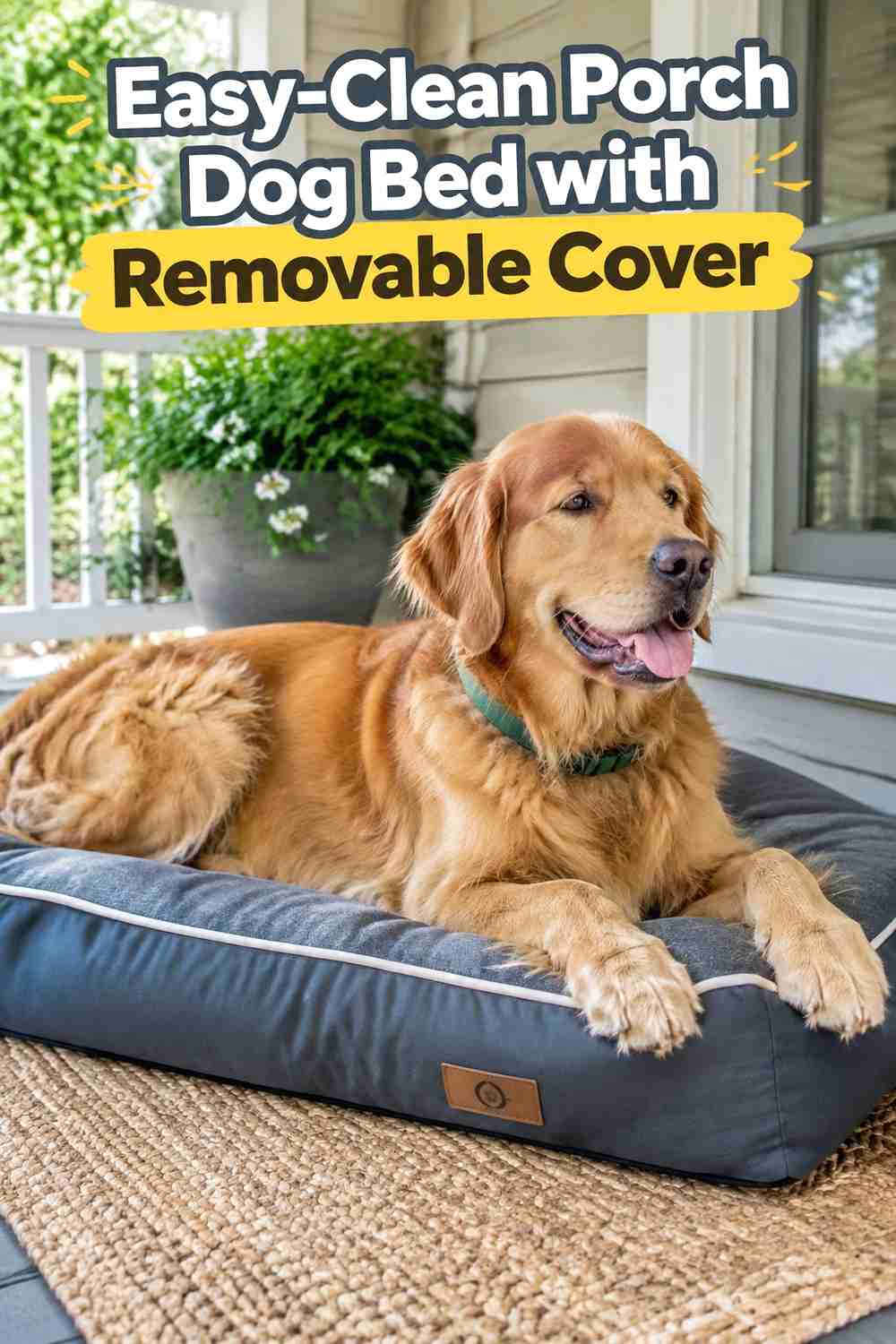
An easy-clean porch dog bed uses a removable washable cover so fur, dust, pollen, and muddy paw marks are easier to manage. Choose a simple supportive cushion with minimal seams and place it where rain is unlikely to reach it. Keep a spare cover available if the porch bed is used frequently, and clean the platform or floor underneath whenever the bedding is removed. Avoid layering several outdoor blankets because loose textiles tend to trap debris and take longer to reset. This setup is especially practical during shedding seasons or in homes where dogs move frequently between the yard and porch. Let the inner cushion dry completely if moisture ever reaches it.
Cleaning Notes
Vacuum or shake off debris between washes and inspect beneath the bed for trapped dirt or dampness before replacing a clean cover.
10. Porch Dog Bed With Wind Blocked Wall Placement
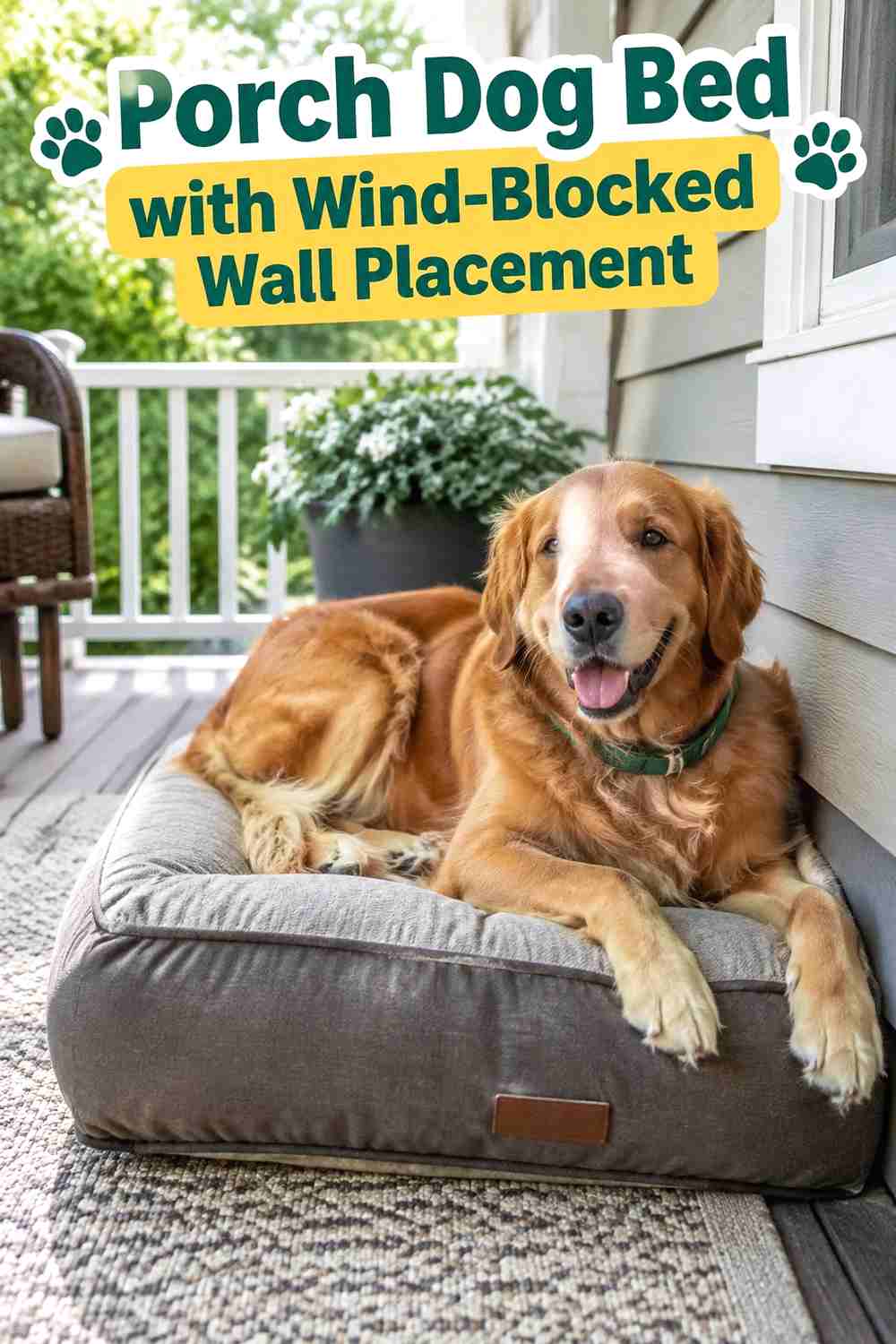
A porch dog bed placed beside a solid wall can reduce direct exposure to ordinary breezes while keeping the front of the bed open. Choose the side of the porch that naturally receives less wind and position the bed far enough from the edge that loose debris is less likely to blow across it. Do not use unstable screens, stacked cushions, or temporary barriers to create a makeshift windbreak around the dog. This idea works best in mild conditions where the wall simply improves comfort rather than compensating for genuinely cold or severe weather. Keep the dog’s exit to the indoor door clear at all times and move the resting routine inside when the porch becomes too windy.
Comfort & Safety
Use the building itself for shelter when possible. If strong wind is still reaching the bed, the conditions are better handled by moving indoors.
11. Quiet Front Porch Dog Bed Away From Foot Traffic

A quiet front porch dog bed gives the dog a place to settle without sitting directly beside the doorway, steps, or visitor path. Place the bed along a calmer wall where the dog can still see the porch but does not need to move every time someone enters. This can work well for dogs that enjoy being outside yet prefer some distance from deliveries, guests, and household traffic. Keep decorative pots and furniture from narrowing the dog’s exit route. If passersby or street activity cause repeated barking or agitation, shift the bed toward a more sheltered side porch or indoor location. The setup should support relaxed lounging rather than constant alert behavior.
Best For
Choose this placement for dogs that enjoy porch time but settle more easily when they are outside the main flow of people.
12. Porch Dog Bed With Nearby Water Station

A porch dog bed with a nearby water station gives your dog easy access to fresh water without placing the bowl directly beside the bedding. Position a stable bowl on an easy-clean mat a short distance from the bed and outside the main walking path. This keeps splashes from soaking the resting surface while still allowing the dog to drink comfortably during supervised porch time. Refresh the water regularly and move the whole setup indoors when weather conditions become unsuitable. Avoid placing the bowl where direct sun can heat the area quickly or where leaves and debris collect. The bed itself should remain in a protected shaded location with enough room for the dog to leave whenever desired.
Space & Placement
Leave a little separation between water and bedding so drinking spills do not repeatedly dampen the dog’s resting area.
13. Minimalist Porch Dog Bed With Clear Entryway Route
You May Also Like




A minimalist porch dog bed setup uses one supportive bed and plenty of open space rather than filling the porch with pet accessories. Position the bed along a protected wall, keep the route to the indoor door completely clear, and use one washable cover instead of layered blankets and pillows. This is especially useful for chew-happy dogs or small porches where decorative baskets and extra furniture reduce usable room. If storage is needed, keep it in a closed cabinet away from the dog’s resting area. The simple layout is also easier to sweep and inspect for wet spots or debris. Outdoor décor can stay on higher or separate surfaces without crowding the bed.
Why It Works
Fewer objects make the porch easier to navigate, clean, and adjust when weather changes or the dog wants to move indoors.
How to Choose the Right Idea
Start with how your dog normally rests. Large dogs and stretched-out sleepers need more surface area, while smaller dogs may be comfortable in a compact protected corner. Senior dogs usually benefit from low-entry beds and clear, non-slip approaches.
Then consider the porch itself. Covered spaces can support washable cushions, while warmer porches may benefit from shaded or raised beds with more airflow. If the porch gets strong wind, blowing rain, or intense sun, adjust the location or bring the setup indoors rather than trying to solve uncomfortable weather with extra bedding.
Finally, think about cleaning and household traffic. Removable covers, uncluttered floors, and separate water areas make maintenance easier. Keep doorways, steps, and exit routes clear, and use outdoor porch beds for supervised rest when conditions are comfortable.
Final Thoughts
A good porch bed setup gives your dog a comfortable place to enjoy outdoor time without turning the porch into a crowded pet station. Start with shade, shelter, a stable bed, and easy indoor access. Then add washable covers, water, or storage only when those features improve the routine.
FAQs
1. Where should I place a dog bed on a porch?
Choose a covered, shaded section away from the porch edge, busy walkway, and areas where rain or strong wind regularly reaches the floor.
2. What type of dog bed works well on a porch?
A stable supportive bed with a removable washable cover is practical. Raised beds may suit some dogs in mild warm weather, while others prefer padded floor-level beds.
3. Can a dog porch bed stay outside all the time?
Outdoor exposure can leave bedding damp or dirty, so bring it in or protect it when weather is severe or prolonged moisture is expected. Clean and dry it regularly.
4. What is a good porch bed setup for a senior dog?
Use a low-entry supportive bed close to the indoor door with a clear, stable approach. Avoid unnecessary steps, tall bolsters, and slippery routes.
5. Should I put water beside my dog’s porch bed?
Fresh water can be useful during porch time. Place the bowl nearby but slightly separate from the bed so splashes do not repeatedly soak the bedding.
CTA
Save your favorite dog porch bed setup ideas and create a comfortable outdoor resting spot that stays practical, clean, and easy for your dog to use.
