Turn a cluttered pet closet into an easy-to-use dog station with labeled storage, walk gear zones, toy rotation, grooming supplies, and simple cleanup systems.
Save This Idea on Pinterest
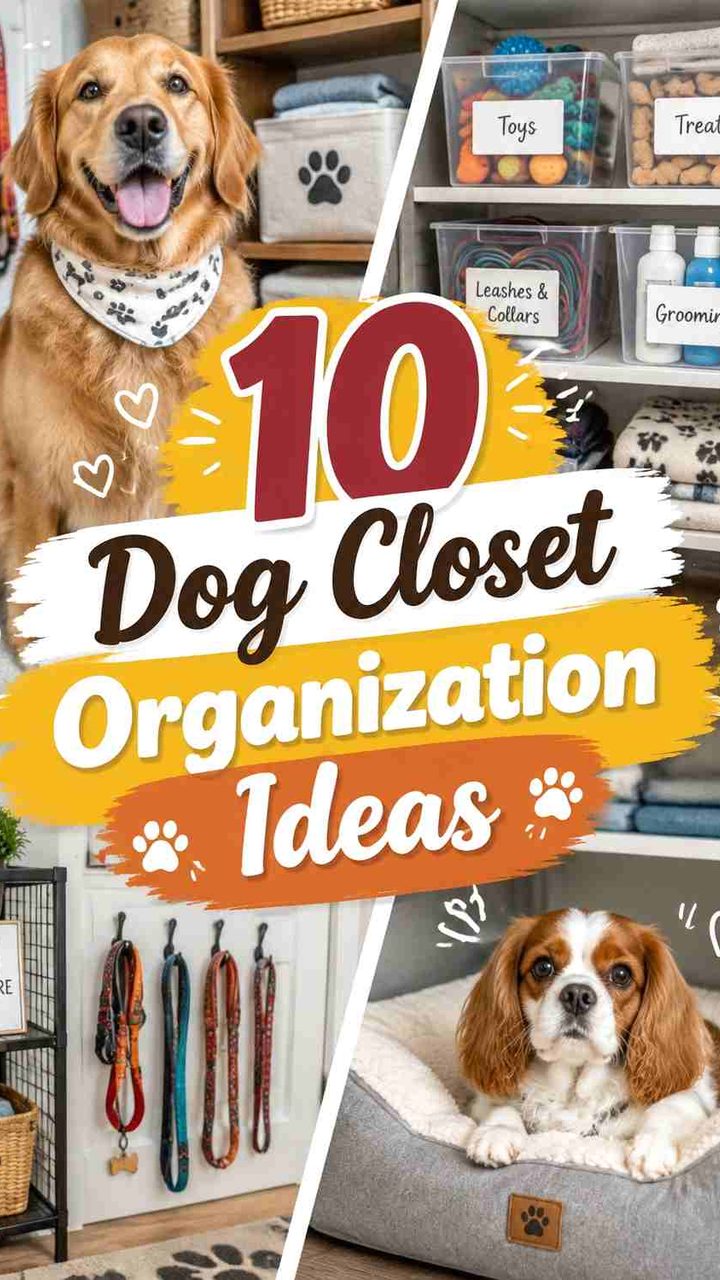
10 Dog Closet Organization Ideas
Save to PinterestA dog closet works best when everyday supplies are easy to reach and occasional items stay neatly out of the way. Instead of filling every shelf with mixed pet gear, give leashes, toys, grooming tools, treats, clothing, and washable textiles their own predictable locations.
These 10 dog closet organization ideas range from quick back-of-door storage to seasonal bins and weekly reset zones. The goal is to make daily routines faster while keeping medicines, cleaners, sharp grooming tools, and small chewable objects securely inaccessible to your dog.
Quick List
- Labeled Shelf Bins for an Organized Dog Closet
- Back-of-Door Pocket Organizer for Small Dog Supplies
- Wall Hook Zone for Dog Leashes and Harnesses
- Portable Grooming Caddy for a Neater Dog Closet
- Seasonal Dog Gear Section for Coats and Bandanas
- Toy Rotation Bins for a Clutter-Free Dog Closet
- Grab-and-Go Walk Basket for Everyday Dog Essentials
- Clear Treat Containers for Easy Dog Closet Storage
- Dog Towel and Blanket Shelf for Easy Cleanup
- Weekly Reset Zone for a Low-Clutter Dog Closet
1. Labeled Shelf Bins For An Organized Dog Closet
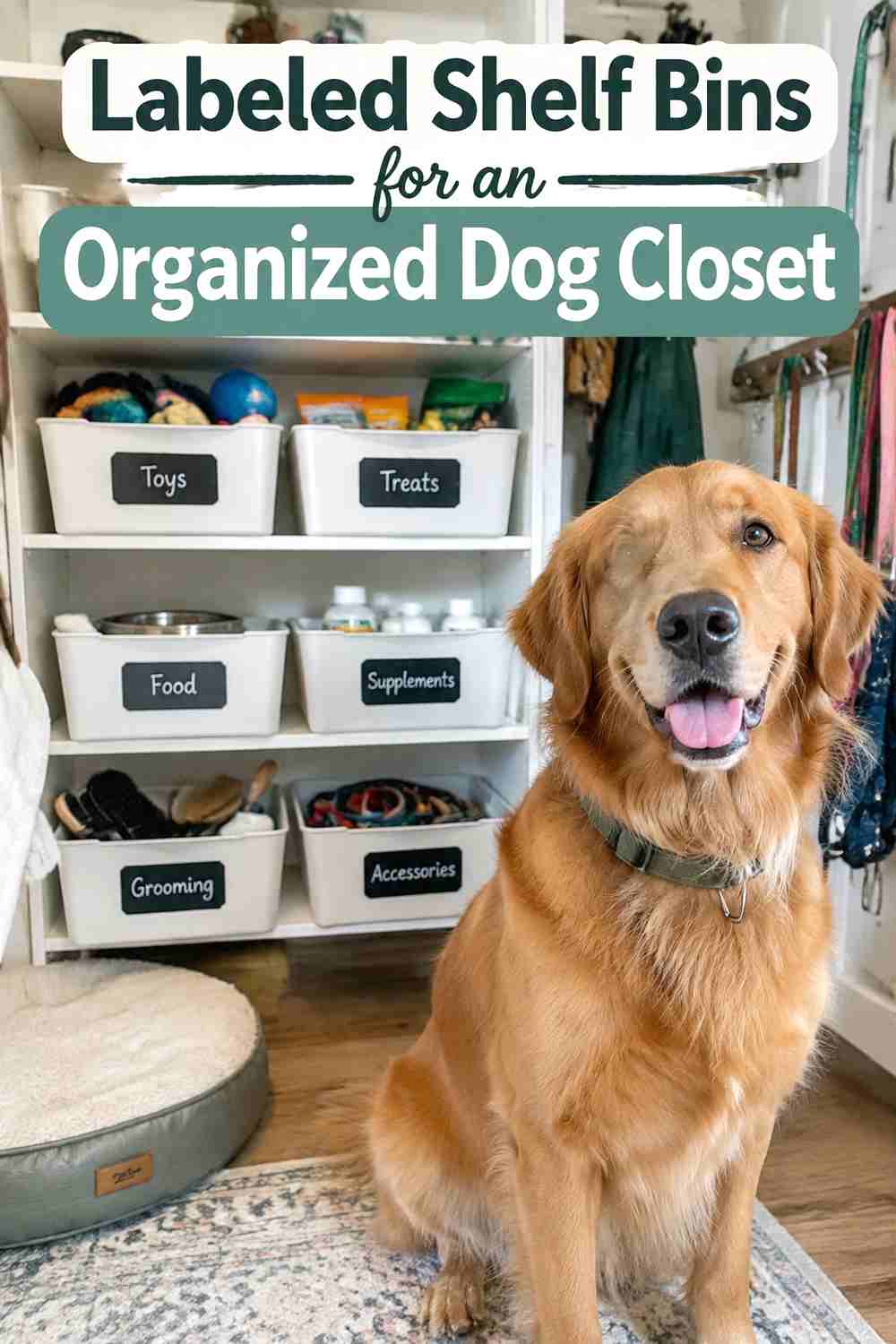
Labeled shelf bins give mixed dog supplies clear categories so you can find what you need without digging through one overflowing basket. Assign separate bins to items such as spare leashes, toys, grooming accessories, seasonal gear, and unopened supplies. Use containers sized to the shelf depth so they slide out easily without wasting space behind them. Open bins work well for harmless frequently used items, while anything sharp, medicinal, or potentially unsafe belongs in secure closed storage beyond your dog’s reach. Keep labels broad enough that the system remains useful when products change. Once a bin becomes difficult to close or lift, edit its contents instead of adding another miscellaneous pile beside it.
Setup Notes
Place everyday categories between waist and eye level, with less frequently used gear on higher or lower shelves.
2. Back Of Door Pocket Organizer For Small Dog Supplies
You May Also Like


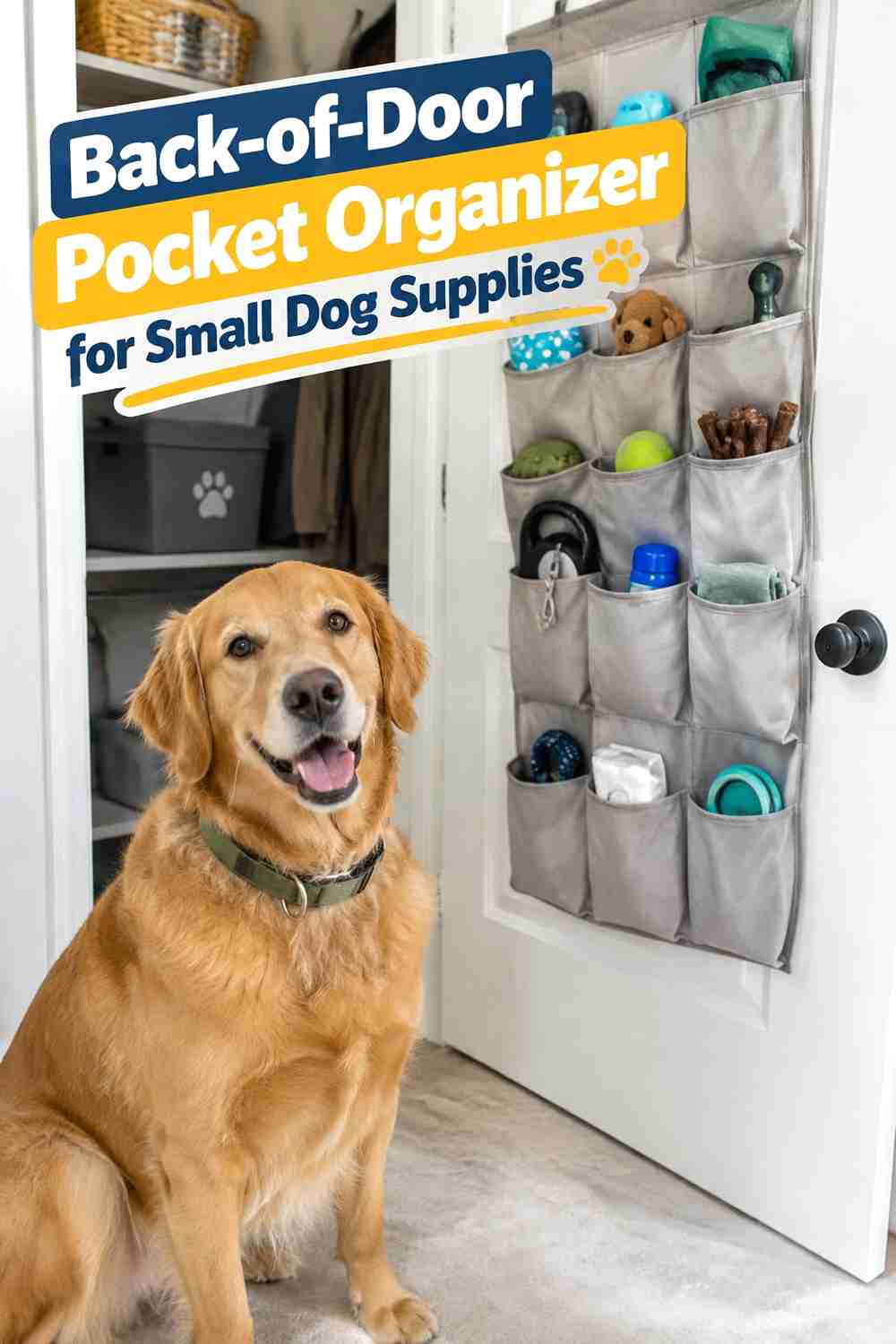
A back-of-door pocket organizer uses vertical space for small dog supplies that otherwise disappear into drawers and baskets. Clear or labeled pockets can hold waste-bag rolls, spare bandanas, brushes, collapsible bowls, paw towels, or other lightweight everyday items. Keep heavier gear on shelves so the organizer does not pull awkwardly on the closet door. Choose a secure hanging system that does not interfere with the door closing normally. Reserve the upper pockets for items your dog should never reach, and keep medicines or hazardous grooming products in properly secured storage instead of relying on an open pocket. This setup is especially useful in narrow closets where adding another shelving unit would reduce access.
Best For
This idea works well for small homes and shallow closets where unused door space can replace another floor-level storage container.
3. Wall Hook Zone For Dog Leashes And Harnesses
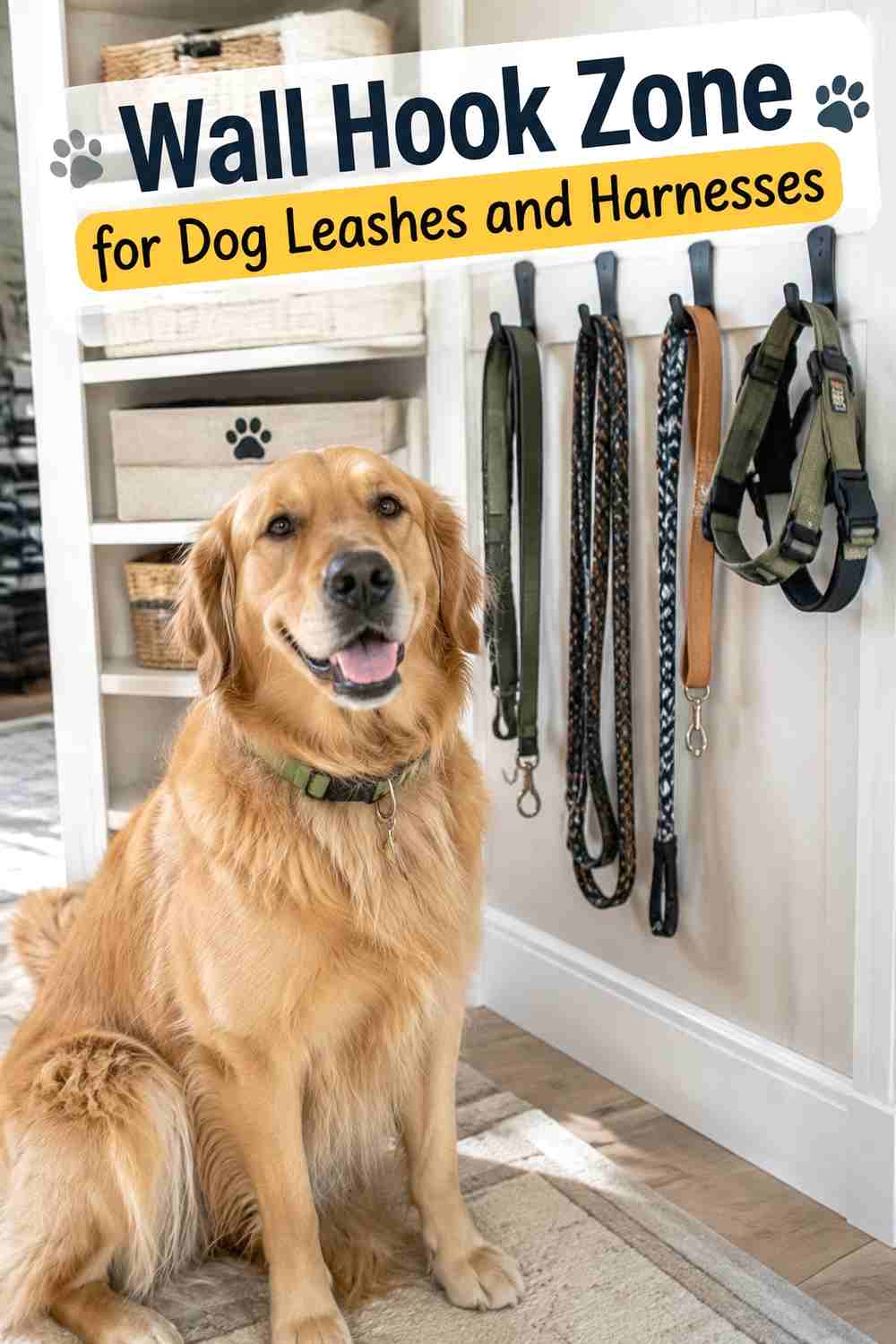
A dedicated hook zone keeps leashes and harnesses untangled and ready for daily walks. Install sturdy hooks inside the closet or use an appropriate removable system if permanent hardware is not suitable for your space. Give frequently used walking gear its own hook and hang backup equipment separately so you do not have to sort through several straps at the door. Let wet harnesses dry before returning them to an enclosed closet, since storing damp fabric can create odor and extra cleanup. Keep hooks high enough that your dog cannot pull gear down or chew hanging straps. If several dogs use the closet, assigning each pet a separate section can make busy departure routines much easier.
Use & Maintenance
Check leashes, clips, and harness straps while rehanging them so worn equipment does not disappear unnoticed into storage.
4. Portable Grooming Caddy For A Neater Dog Closet
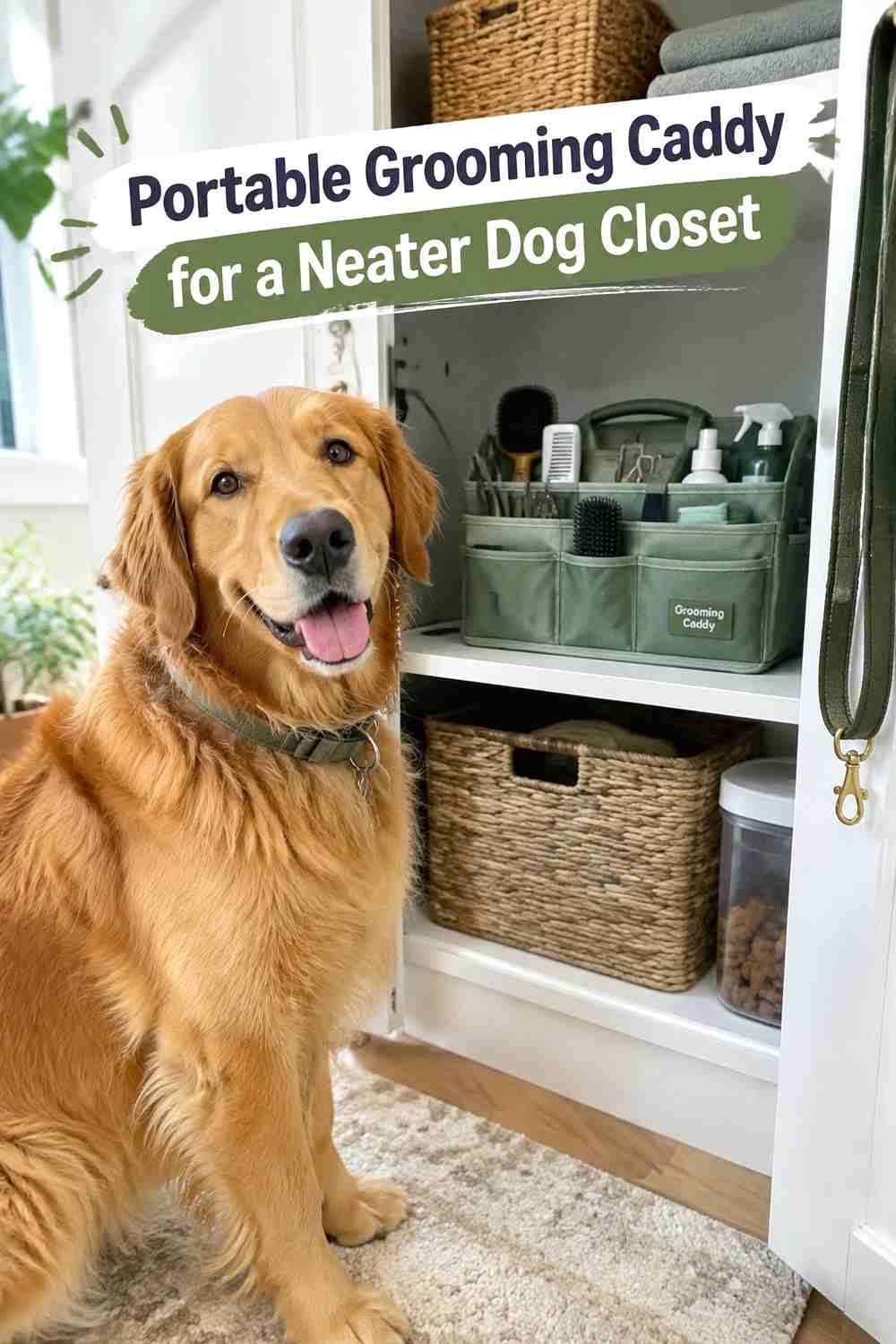
A portable grooming caddy keeps brushes, combs, wipes, and other routine grooming supplies together while allowing you to carry them to the room where grooming actually happens. Choose a washable container with divided sections so small tools do not collect in one messy pile. Store the caddy on a stable shelf rather than the floor, particularly if it contains scissors, nail tools, or products your dog should not access. Return everything after use so the grooming category stays contained instead of spreading across bathroom drawers and entryway surfaces. Periodically remove shed fur and wipe the caddy clean. Keeping one portable kit is often simpler than storing duplicate grooming supplies throughout the home.
Best For
This system suits owners who groom in different rooms but want all routine supplies to return to one predictable storage location.
5. Seasonal Dog Gear Section For Coats And Bandanas
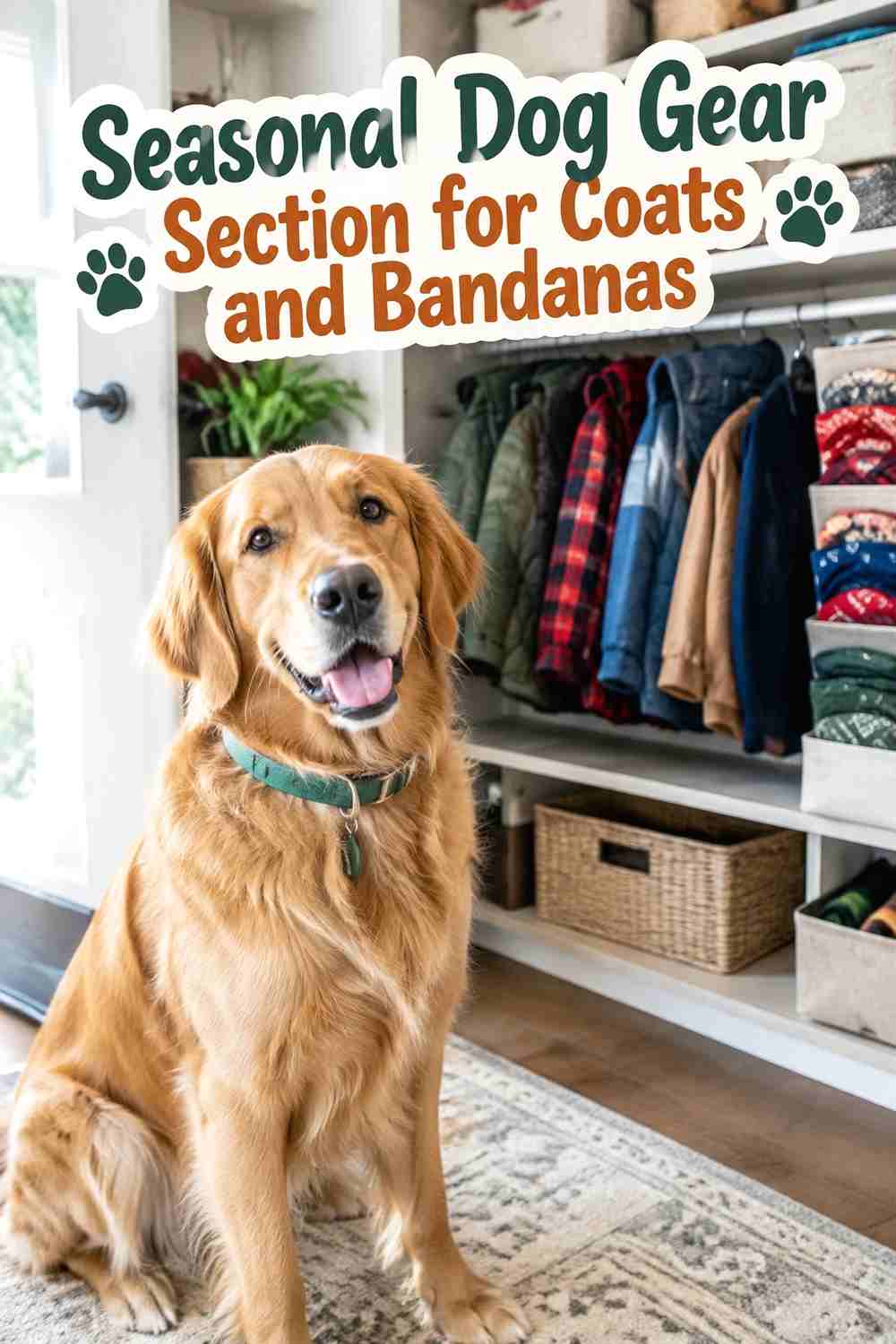
A seasonal gear section prevents coats, sweaters, cooling accessories, and bandanas from taking over the main dog closet all year. Keep current-season pieces on a short hanging rail or in one accessible bin, then store off-season items in a labeled container farther back or higher up. Before storing clothing long term, wash and dry it completely and remove anything that no longer fits or is badly worn. Fold soft accessories instead of piling them loosely around leashes and grooming tools. If your dog rarely wears clothing, keep this section small rather than dedicating prime closet space to decorative items. A seasonal switch twice a year is usually enough to keep the category manageable.
Use & Maintenance
Check fit before returning stored clothing to regular use, especially for puppies, growing dogs, or pets whose body shape has changed.
6. Toy Rotation Bins For A Clutter Free Dog Closet
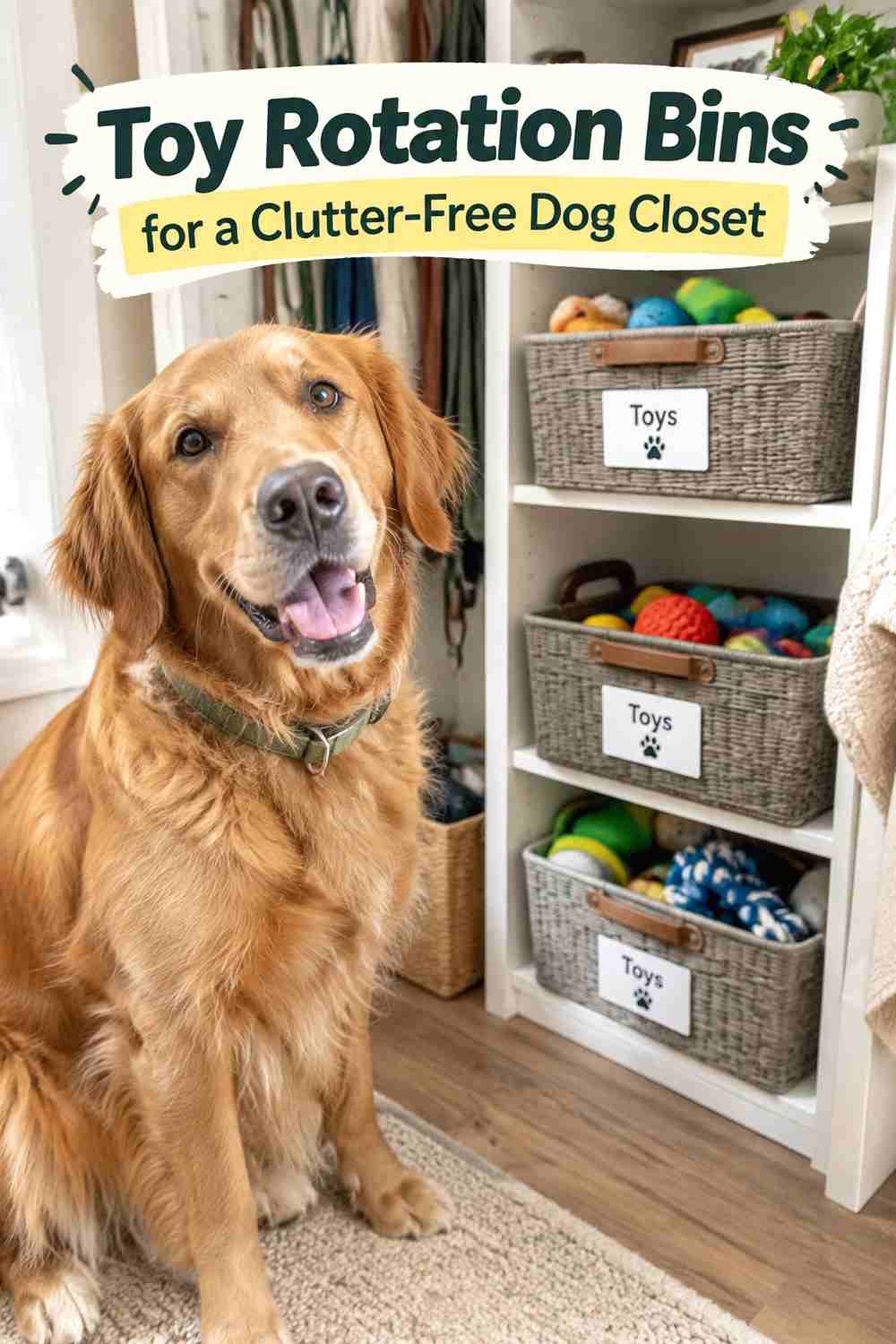
Toy rotation bins keep the closet organized while limiting how many toys stay on the floor at one time. Divide clean toys between two or three bins and keep only one selection available, then swap pieces periodically to provide variety without buying more. Separate soft toys from heavier rubber or puzzle items if mixed storage makes the bins difficult to manage. Each time you rotate, inspect toys for torn seams, loose parts, or other damage and remove anything no longer suitable. Wash or wipe toys before putting dirty items back into closed storage. Keep favorite everyday toys accessible while using the closet primarily for the extras that are currently out of rotation.
Why It Works
A smaller active toy selection simplifies cleanup and makes it easier to notice which toys your dog actually uses.
7. Grab And Go Walk Basket For Everyday Dog Essentials
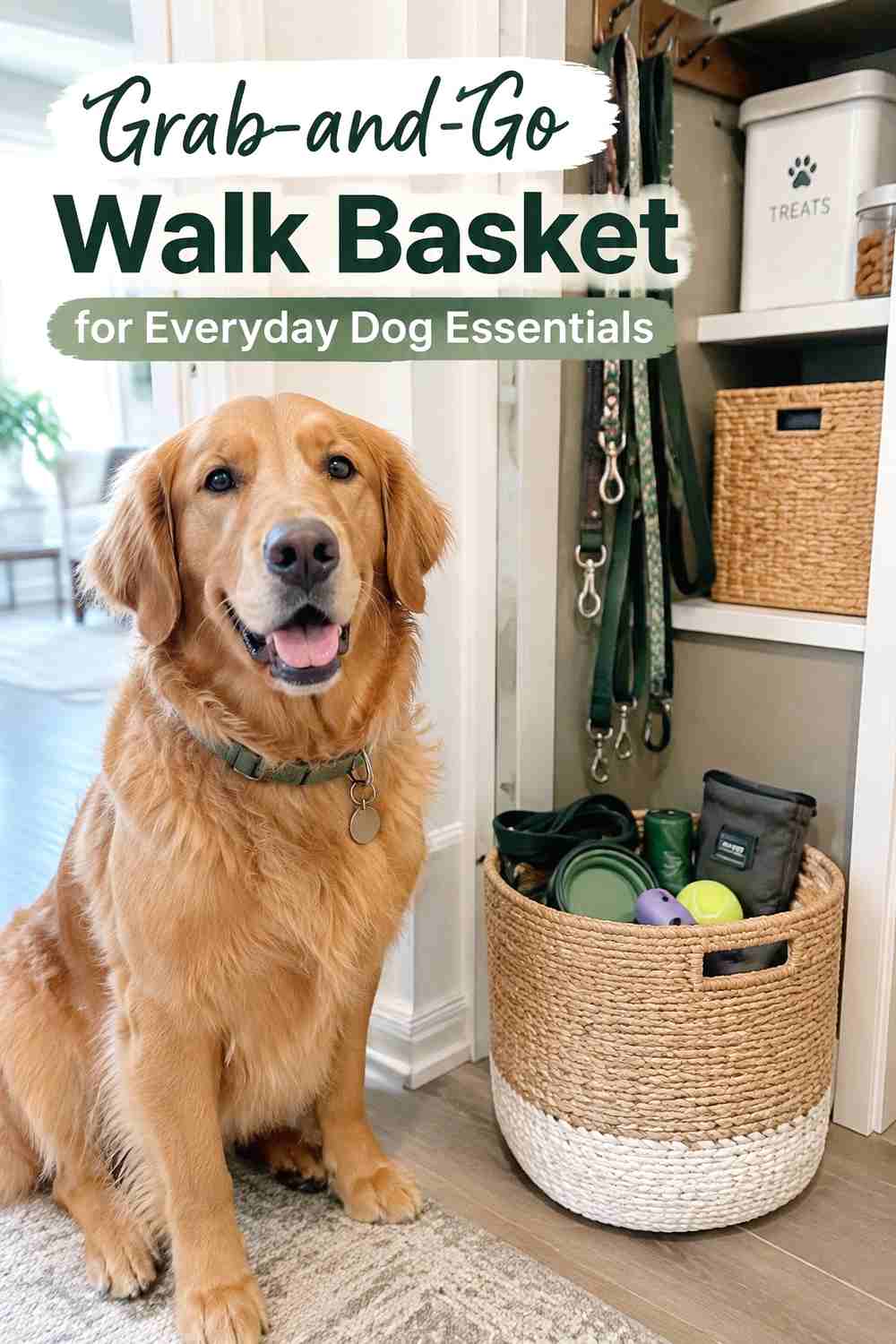
A grab-and-go walk basket keeps the small supplies needed before heading outside in one easy-to-reach place. Use it for waste bags, a collapsible water bowl, reflective accessories, clean paw cloths, or other routine walking items that tend to migrate around the house. Place the basket near the closet entrance so you can reach it without moving storage bins first. Keep the main leash and harness on hooks rather than buried underneath smaller supplies. Empty wrappers, used bags, and damp items should be removed immediately instead of returning to the basket. If you prepare different gear for hot, wet, or dark conditions, use small internal pouches to separate those categories.
Pro Tip
Restock the basket after walks instead of waiting until the next departure, when missing supplies are more inconvenient.
8. Clear Treat Containers For Easy Dog Closet Storage
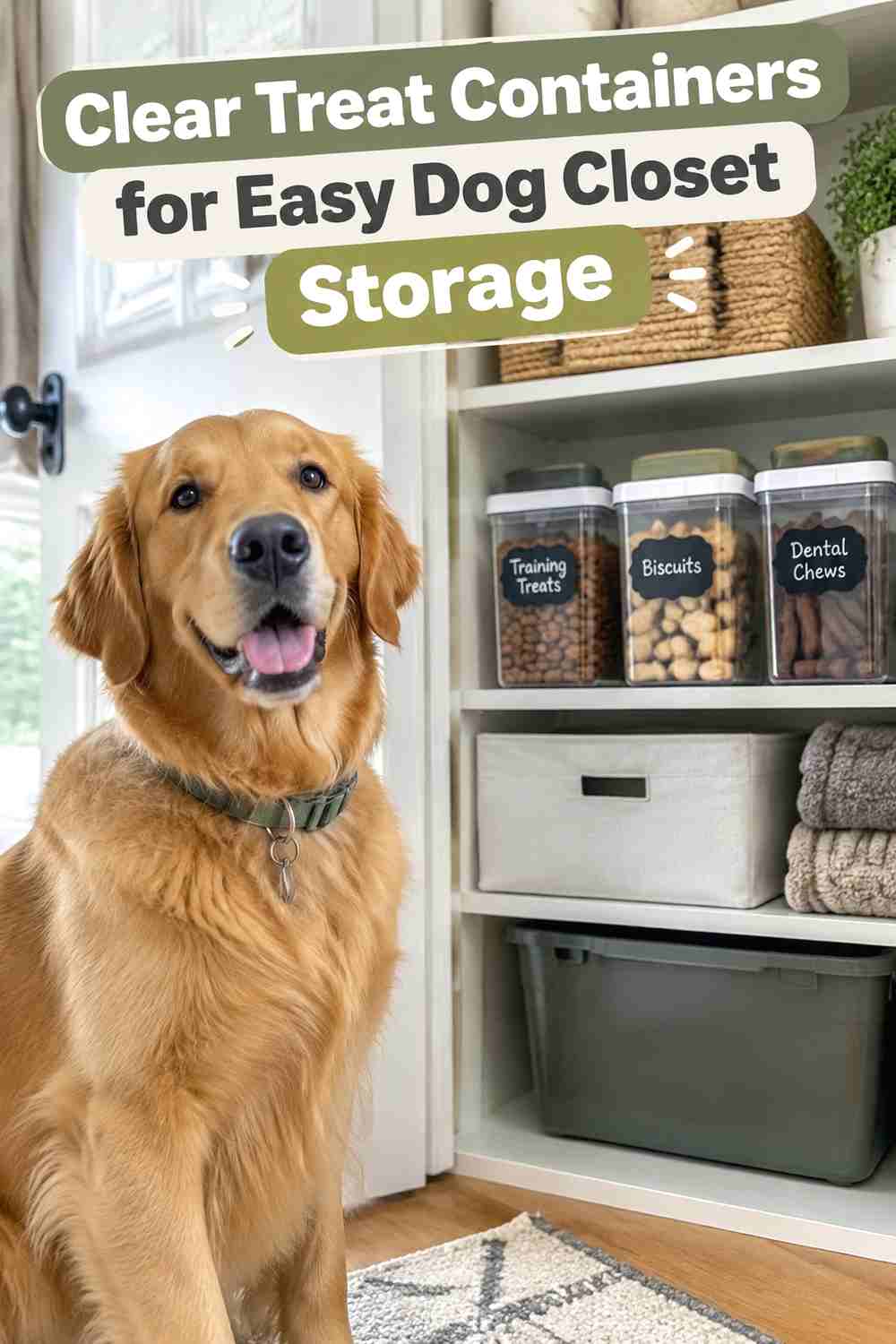
Clear treat containers make it easy to see what needs restocking while keeping opened dog treats organized inside the closet. Choose food-safe containers with secure lids and label them so different products do not become mixed together. Store treats according to their package instructions and keep original information such as ingredients, dates, or feeding guidance available when needed. Position containers on a stable shelf that your dog cannot reach or knock down. Avoid turning the closet into long-term storage for excessive quantities that may go stale before use. Wipe containers between refills instead of continually topping off crumbs at the bottom, and discard treats that have passed their appropriate storage period.
Space & Placement
Keep food storage separate from cleaners, grooming chemicals, and dirty walking gear so the closet remains easier to manage hygienically.
9. Dog Towel And Blanket Shelf For Easy Cleanup
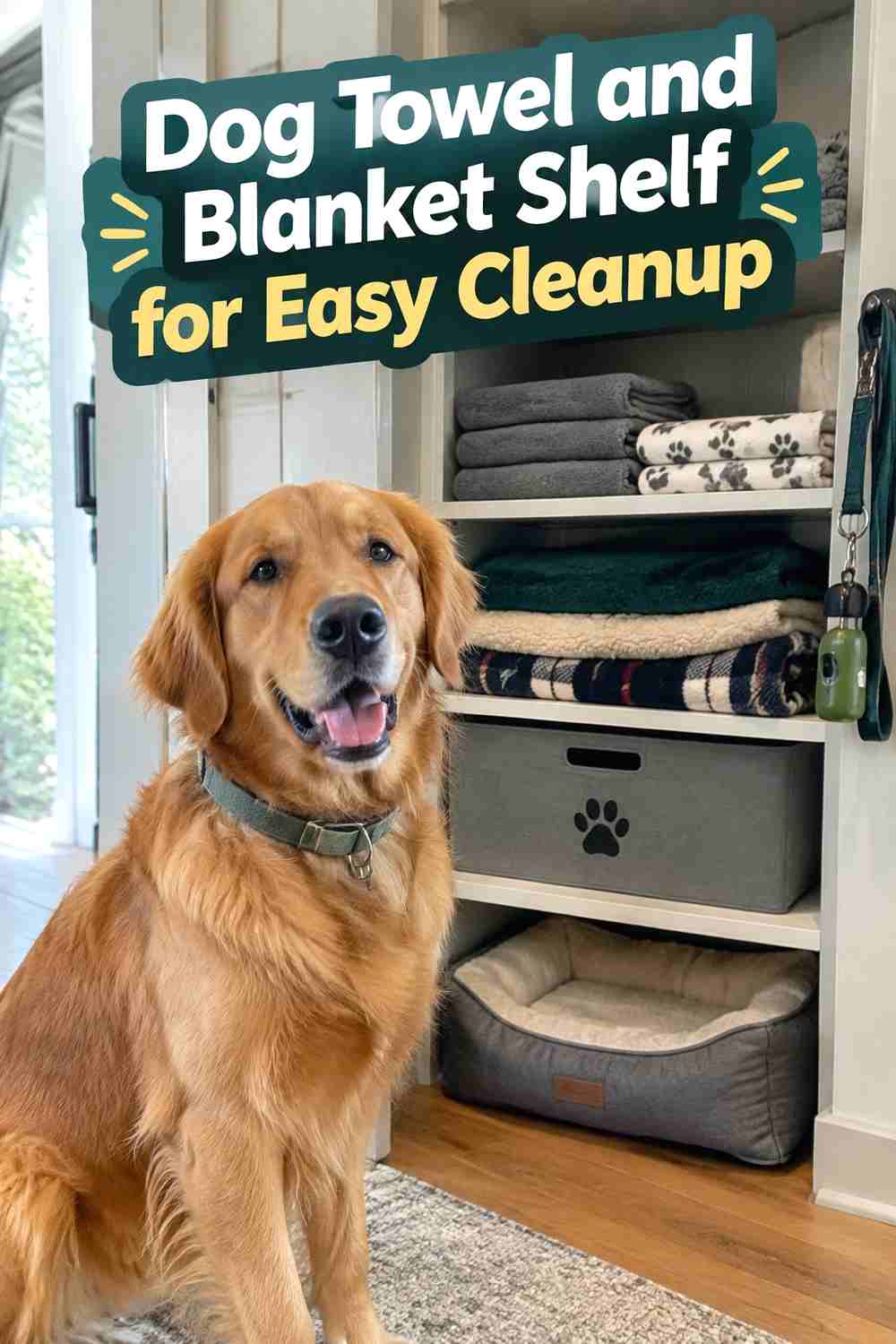
A dedicated towel and blanket shelf keeps washable dog textiles from mixing with toys, food, and walking equipment. Fold clean paw towels, bath towels, crate covers, and spare bed blankets by type so the piece you need is easy to grab. Put the most frequently used towels near the front during rainy or muddy seasons. Never return damp fabric directly to the shelf; wash or dry it first so moisture and odor do not spread through the closet. A ventilated laundry basket outside or at the bottom of the closet can collect dirty pet textiles until wash day, provided your dog cannot pull items out and chew them.
Cleaning Notes
Keep one clean spare towel and one bedding layer available so you are not caught without replacements on laundry day.
10. Weekly Reset Zone For A Low Clutter Dog Closet
You May Also Like



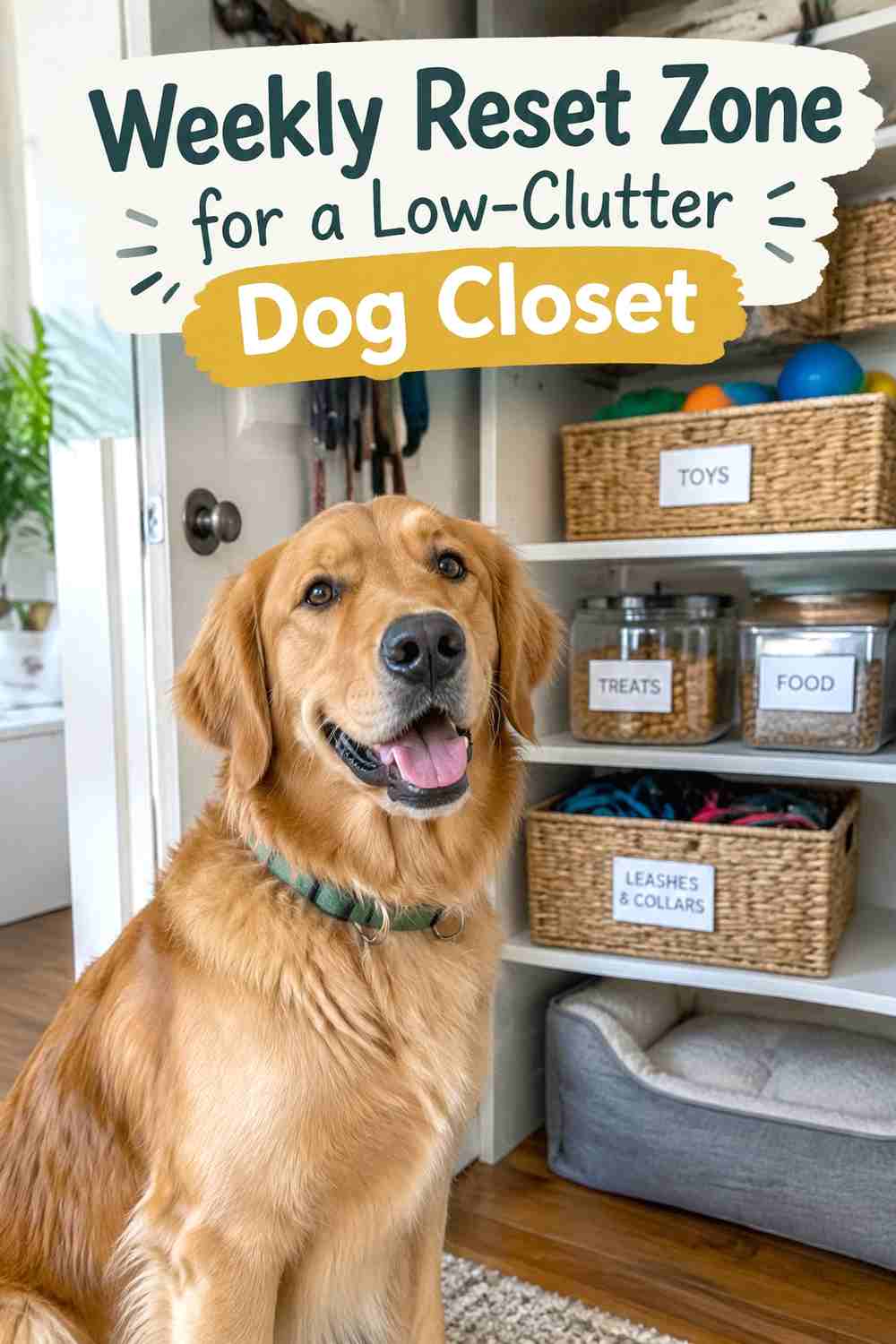
A weekly reset zone gives incoming dog supplies a temporary place to land before they are put away properly. Use one small basket for clean items that need sorting, such as a washed harness, newly purchased waste bags, returned toys, or a fresh pack of grooming wipes. The basket prevents these items from forming random piles across shelves, but it should remain intentionally small so it cannot become permanent miscellaneous storage. Once a week, return every item to its assigned bin, hook, caddy, or shelf and remove empty packaging. This quick reset also gives you a chance to notice low supplies, dirty containers, or equipment that needs replacing before the closet becomes disorganized again.
Pro Tip
If the reset basket is still full after sorting, the main storage categories may need simplifying rather than more containers.
How to Choose the Right Idea
Start by identifying what you reach for most often. Daily leashes, harnesses, waste bags, towels, and walking accessories deserve the easiest locations, while seasonal clothing and backup supplies can sit higher or farther back.
Match containers to the closet rather than buying organizers first. Shallow shelves benefit from compact bins and door pockets, while deeper closets can handle larger toy rotation containers and closed storage.
Think about cleanliness as well as appearance. Keep dog food and treats away from damp towels, muddy equipment, and grooming products. Let wet gear dry before storing it, and choose containers that can be wiped or washed easily.
Safety matters most for items your dog should not access. Medicines, cleaners, sharp tools, and small swallowable objects need secure storage rather than an open basket. Once your categories are established, a short weekly reset will usually keep the entire system easier to maintain.
Final Thoughts
An organized dog closet should make everyday pet routines faster, not create a complicated storage project. Hooks for walking gear, a few labeled bins, washable textile storage, and one place for toys or grooming supplies can solve most clutter problems.
Begin with the items you use every day, then organize seasonal and backup gear around them. Leave some empty space rather than packing every shelf so tightly that the system becomes difficult to maintain.
FAQs
1. What should I store in a dog closet?
Common categories include leashes, harnesses, toys, grooming supplies, towels, blankets, seasonal clothing, walking accessories, and safely stored treats.
2. How can I organize a very small dog closet?
Use vertical space with door organizers and hooks, choose shallow labeled bins, and rotate toys or seasonal gear instead of keeping everything accessible at once.
3. How should I store wet dog leashes and harnesses?
Allow wet gear to dry fully in a suitable ventilated area before returning it to closed closet storage. This makes the closet easier to keep clean and fresh.
4. Where should dog medicines and grooming tools go?
Keep medicines, sharp grooming tools, cleaners, and other potentially unsafe supplies in secure closed storage that your dog cannot access.
5. How often should I reorganize a dog closet?
A brief weekly reset can handle everyday clutter, while a deeper seasonal review is useful for checking clothing fit, worn equipment, old toys, and excess supplies.
Save your favorite dog closet organization ideas and build a simple storage system that makes walks, grooming, cleanup, and everyday pet care easier to manage.
