Create a comfortable dog resting spot with soft layers, quiet corners, washable materials, and bed styles designed around the way your dog naturally sleeps.
Save This Idea on Pinterest

9 Cozy Dog Bed Ideas
Save to PinterestCozy dog bed ideas work best when they match your dog’s favorite sleeping position and the room where the bed will actually stay. Dogs that curl tightly may enjoy supportive sides, while dogs that stretch out need more open surface area. Placement can make just as much difference as the bed itself.
Think about size, entry height, floor traction, warmth, drafts, noise, cleaning, and chewing habits before choosing a setup. Senior dogs may benefit from easier access, while small homes need beds that fit unused corners without blocking walkways. A cozy setup should remain practical enough to wash and maintain regularly.
Quick List
- Cozy Bolster Bed Corner for Dogs Who Curl Up
- Washable Layered Blanket Bed for Easy Dog Cleanup
- Low-Entry Cozy Bed Setup for Senior Dogs
- Window-Side Dog Bed Nook for Sunny Afternoon Naps
- Under-Console Cozy Dog Bed for Small Living Rooms
- Covered Cave-Style Bed for Dogs Who Like Hideaways
- Cozy Crate Bed Setup for Quiet Indoor Rest
- Dual-Layer Floor Bed for Large Stretching Dogs
- Seasonal Cozy Dog Bed Corner with Removable Blankets
1. Cozy Bolster Bed Corner For Dogs Who Curl Up

A bolster bed tucked into a quiet corner gives dogs that naturally curl up a defined sleeping space with soft raised edges around part of the body. Choose a bed large enough for your dog to turn around and change positions without being squeezed against the sides. Place it against a wall in a calm part of the living room or bedroom rather than directly beside a doorway or busy walkway. A removable cover makes fur and everyday dirt easier to manage, while a non-slip base helps the bed stay put when your dog steps inside. If your dog likes resting the chin on an edge, choose bolsters that feel supportive without creating a difficult entrance.
Best For
This style suits dogs that sleep curled, lean against furniture, or frequently rest their head along the edge of a bed.
2. Washable Layered Blanket Bed For Easy Dog Cleanup

You May Also Like



A layered blanket bed creates a soft resting spot that can be refreshed quickly without washing an entire bulky bed every time it gets dirty. Start with a stable, supportive base and add one or two washable blankets that can be removed individually when they collect fur, mud, or moisture. Fold the top layer neatly rather than building a thick pile that shifts when your dog steps onto it. This setup works particularly well near entryways, family rooms, or other areas where a dog may settle after walks. Keep the blankets dry and replace any layer that becomes heavily worn or chewed. Dogs that dig enthusiastically before lying down may need sturdier fabrics that stay flatter.
Cleaning Notes
Rotate clean blankets while used ones are being washed. Vacuum the base and floor underneath so fur does not collect around the edges.
3. Low Entry Cozy Bed Setup For Senior Dogs

A low-entry bed makes it easier for a senior dog to reach a comfortable resting place without stepping over a tall padded wall. Choose a stable bed with an open front or shallow edge and enough room for the dog to lie in a preferred position. Place it on flooring with good traction and keep the path clear of rugs that bunch, cords, baskets, or other obstacles. A washable top layer can simplify cleanup while keeping the main bed protected. Avoid constantly moving the setup once your dog becomes familiar with its location. Senior dogs vary greatly in mobility, so watch how your dog enters, turns, settles, and stands up rather than assuming one bed shape works for every older pet.
Comfort & Safety
Keep the surrounding floor dry and uncluttered. New difficulty getting up, lying down, or walking should be discussed with a veterinarian rather than addressed only by changing beds.
4. Window Side Dog Bed Nook For Sunny Afternoon Naps

A window-side dog bed nook creates a bright resting area for dogs that enjoy watching outside or sleeping in natural daylight. Position a comfortable bed beside a secure window where your dog can see the room and outdoor activity without blocking a walkway. Leave enough distance from the glass for easy movement and secure curtains, cords, or blinds out of reach. A washable cover is useful because sunny beds often become favorite daily resting spots. Pay attention to changing room temperature throughout the day and make sure your dog can freely leave for a cooler or quieter location. The bed should remain optional rather than being the only comfortable resting place available.
Space & Placement
Choose a window away from frequently opened doors and heavy household traffic. Keep fragile decorations off the nearby sill or furniture.
5. Under Console Cozy Dog Bed For Small Living Rooms
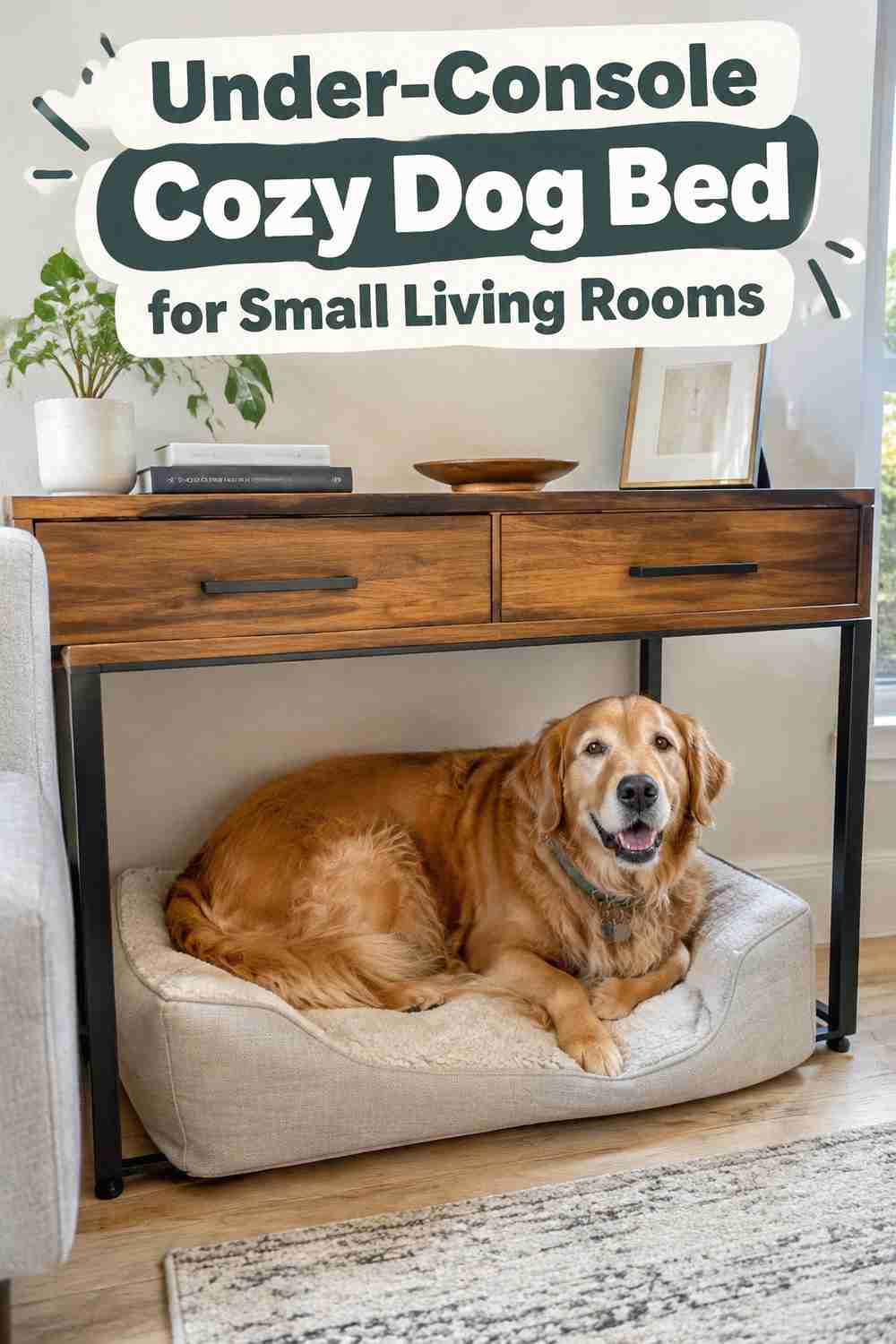
The open space beneath a console table can become a compact dog bed nook without requiring another large piece of furniture. Choose a low-profile bed that fits fully underneath while leaving enough height for your dog to stand, turn, and settle comfortably. Position the console against a wall so the bed has a sheltered feel but still offers an open entrance. Remove baskets, cords, decorative objects, and other storage from the sleeping area rather than asking the dog to share a cramped space. This setup works best for small or medium dogs whose bodies fit comfortably within the available footprint. Dogs that prefer sprawling in open areas may need a larger floor bed elsewhere.
Best For
This idea suits small homes where unused furniture space can become a dedicated rest zone without narrowing the main walking path.
6. Covered Cave Style Bed For Dogs Who Like Hideaways

A covered cave-style bed creates a more enclosed resting option for dogs that naturally seek blankets, tables, or tucked-away corners. Choose a design with a wide, stable opening so your dog can enter and leave easily without pushing through heavy fabric. The interior should provide enough room to turn and settle rather than functioning like a tight sleeve. Place the bed in a calm area with good airflow and away from heaters, fireplaces, or direct drafts. Because enclosed beds can collect fur and warmth quickly, removable and washable interior layers are especially useful. Some dogs may prefer lying partly outside the opening, so let your dog use the bed naturally instead of trying to keep the whole body covered.
Use & Maintenance
Shake out loose fur regularly and wash interior fabrics as needed. Check that the cover keeps its shape and does not collapse across the entrance.
7. Cozy Crate Bed Setup For Quiet Indoor Rest
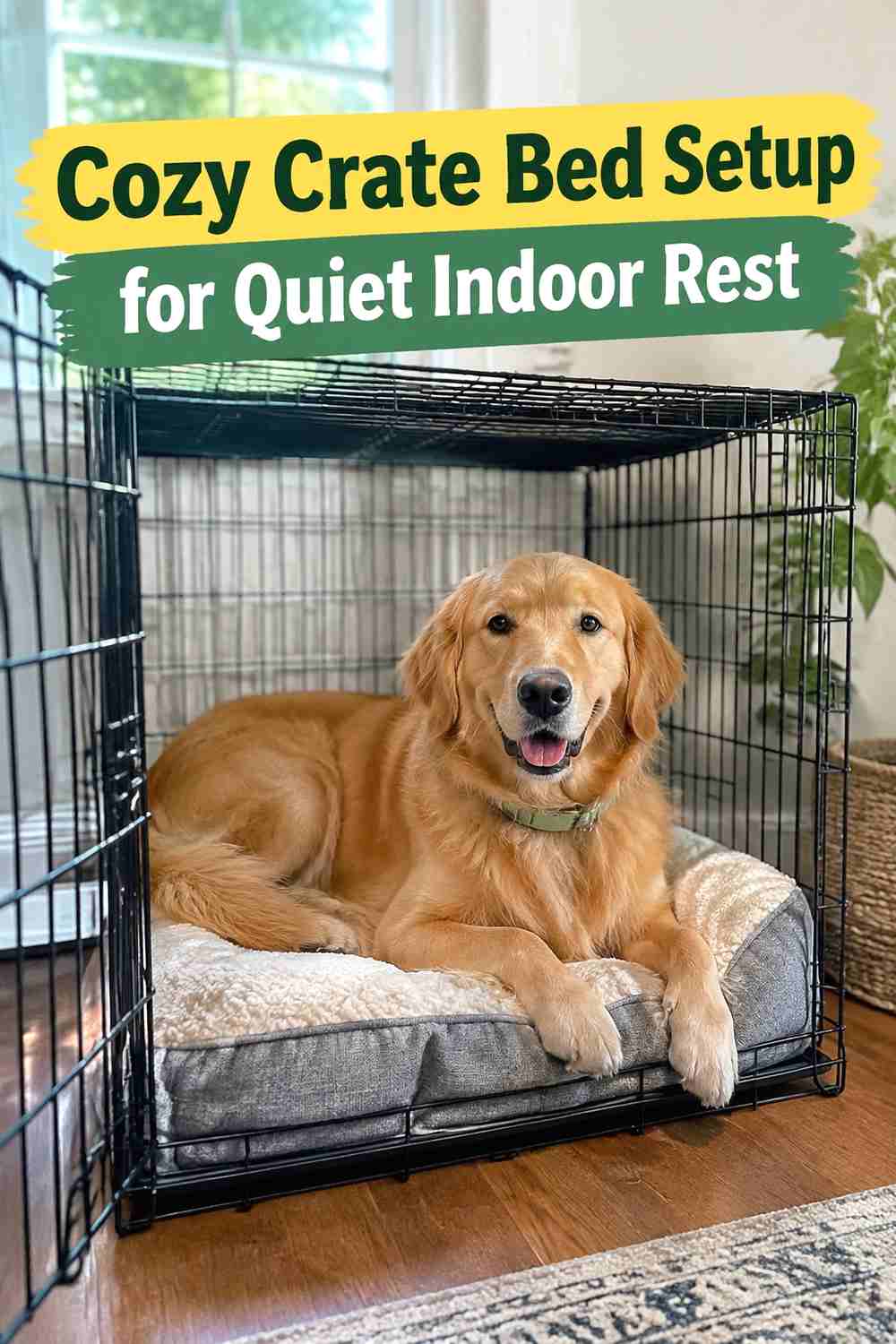
A cozy crate bed can make an existing crate more comfortable for a dog that already chooses it as a quiet resting space. Use a flat, well-fitting bed or mat that covers the usable floor without bunching around the edges or interfering with the door. Add a washable top layer if your dog enjoys softer bedding, but avoid filling the crate with bulky blankets that reduce comfortable movement. Keep the crate in a calm, ventilated part of the room and make sure the entrance stays clear. This idea is most appropriate for dogs already comfortable resting in the crate; the bed itself should not be used to force a dog into an unfamiliar enclosed space.
Cleaning Notes
Choose bedding that can be removed easily for washing. Vacuum or wipe the crate floor before returning clean bedding so trapped fur and crumbs do not build up underneath.
8. Dual Layer Floor Bed For Large Stretching Dogs

A dual-layer floor bed gives large dogs room to stretch while adding a softer washable surface over a supportive base. Start with a broad, stable bed that accommodates the dog’s full resting length, then place a fitted blanket or removable pad across the top for easier cleaning. Keep the upper layer flat so it does not slide or fold under the dog’s legs. This setup works well along a bedroom wall, beside a sofa, or in a quiet family-room corner where there is enough open floor space for getting on and off comfortably. Avoid squeezing a large bed between furniture simply to save room. Dogs that sleep sprawled need clear surrounding space as much as they need a sufficiently large bed.
Space & Placement
Measure the actual resting area before choosing the bed. Leave the entrance side open so your dog does not have to step around furniture to settle.
9. Seasonal Cozy Dog Bed Corner With Removable Blankets
You May Also Like




A seasonal dog bed corner lets you adjust warmth and texture without replacing the entire bed throughout the year. Use one dependable base bed and add removable blankets when the room feels cooler, then reduce extra layers when warmer weather arrives. Choose washable fabrics that can be folded flat rather than creating a loose pile around the dog. Position the bed away from strong drafts, heating vents, and busy doors so the corner remains comfortable as household routines change. Seasonal colors or patterns can make the setup feel decorative, but they should never add tassels, buttons, or loose trim that attracts chewing. Keep at least one familiar layer during changes so the resting spot still feels recognizable.
Pro Tip
Store clean spare blankets close by and rotate them according to temperature and cleaning needs instead of stacking every layer on the bed at once.
How to Choose the Right Idea
Start with your dog’s normal sleeping position. Dogs that curl up may prefer bolster or covered beds, while dogs that stretch across the floor need a broader open surface. Dogs that seek quiet spaces may enjoy crate, corner, or under-furniture setups.
Size and access matter just as much as softness. Your dog should be able to enter, turn, lie down, and stand up comfortably. Senior dogs may benefit from lower edges and better floor traction, while large dogs need enough open space around the bed for easy movement.
Also consider cleaning and room placement. Washable covers and removable blankets simplify regular upkeep, especially after muddy walks. Avoid drafts, heavy foot traffic, loose cords, unstable furniture, and hot areas when deciding where the bed should stay.
Final Thoughts
A cozy dog bed should fit the way your dog actually sleeps rather than simply looking soft in the room. Bed shape, entry height, location, washability, and available space all affect how practical the setup becomes.
Choose one style that matches your dog’s resting habits, place it somewhere calm and accessible, and use washable layers to make everyday maintenance easier.
FAQs
1. What type of dog bed is best for a dog that curls up?
A bolster-style or partially enclosed bed can suit dogs that naturally curl into a compact sleeping position and enjoy leaning against a soft edge.
2. What bed setup works well for senior dogs?
Look for easy access, a low entry, stable footing, and a predictable location. The dog should not need to jump, climb, or cross slippery flooring to reach the bed.
3. How can I make a dog bed easier to clean?
Use removable washable covers or blankets over the main bed, vacuum underneath regularly, and avoid layers that trap moisture or are difficult to remove.
4. Where should I put a dog bed in a small living room?
Unused corners, space beneath suitable furniture, or a quiet area beside a wall can work well as long as the bed does not block walkways or leave the dog cramped.
5. Should a dog bed be near a heater in winter?
Avoid placing beds directly beside heaters or other strong heat sources. Choose a comfortable, draft-free location where your dog can freely move away if the area becomes too warm.
Save these cozy dog bed ideas for your next pet-space refresh, and choose the setup that best matches how your dog naturally sleeps and relaxes.
