Give your small dog a room that feels cozy, organized, and genuinely useful with smart zones for resting, playing, feeding, grooming, and everyday storage.
Save This Idea on Pinterest
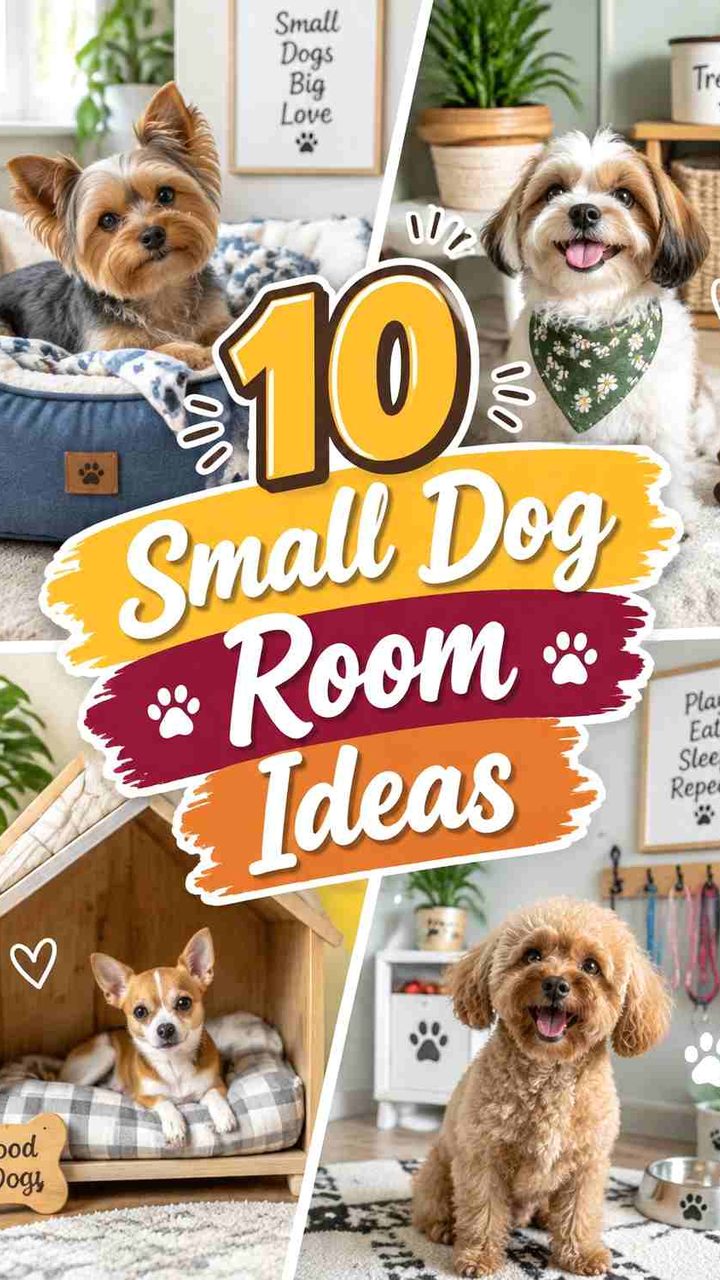
10 Small Dog Room Ideas
Save to PinterestSmall dog rooms can fit plenty of function into a modest footprint when each area has a clear purpose. Smaller beds, compact storage, low-access furniture, and defined activity zones can keep the room comfortable without filling every available inch.
These 10 small dog room ideas cover sleep, feeding, toys, grooming, play, window lounging, storage, and senior-friendly access. Choose features based on your dog’s size, age, temperament, chew habits, and normal routine rather than trying to include everything. Easy-clean floors, secure storage, uncluttered pathways, and appropriately sized furniture usually make the space more practical over time.
Quick List
- Cozy Small Dog Bed Nook with Washable Bedding
- Compact Small Dog Crate Retreat with Soft Cover
- Wall-Mounted Toy Storage for a Clutter-Free Small Dog Room
- Small Dog Feeding Station with Easy-Clean Floor Mat
- Sunny Window Lounge Corner for Small Indoor Dogs
- Easy-Clean Grooming Corner for a Small Dog Room
- Low Storage Bench with Hidden Supplies for Small Dogs
- Compact Indoor Play Zone for Energetic Small Dogs
- Senior-Friendly Small Dog Room with Low Bed and Traction
- Calm Multi-Use Dog Room with Rest and Activity Zones
1. Cozy Small Dog Bed Nook With Washable Bedding
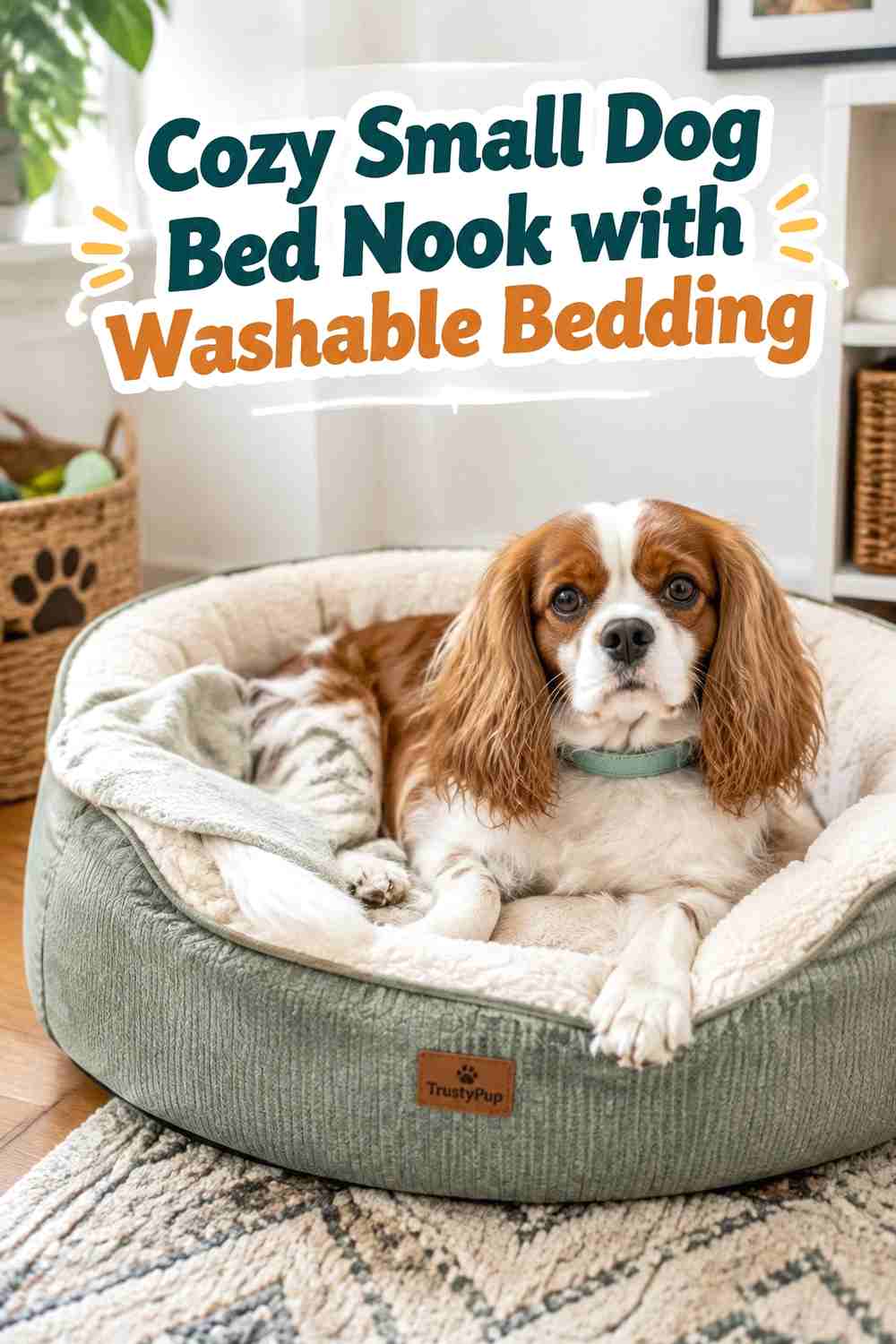
A cozy bed nook gives a small dog one clearly defined place for naps without letting bedding spread across the entire room. Position an appropriately sized bed against a quiet wall, then add one lightweight washable blanket if your dog enjoys nesting. The bed should be large enough for natural stretching and turning but compact enough to leave an open walking path around it. A low-sided design can make entry easy for short-legged dogs, while a modest bolster may suit dogs that like curling against an edge. Keep the nook away from heaters, strong drafts, dangling cords, and busy doorways. Removable covers make it much easier to manage fur, crumbs, and muddy paw marks.
Space & Placement
Use a quiet corner where your dog already chooses to settle rather than forcing the bed into a decorative but rarely used location.
Cleaning Notes
Vacuum behind the bed and wash removable covers regularly so dust and fur do not build up along the wall.
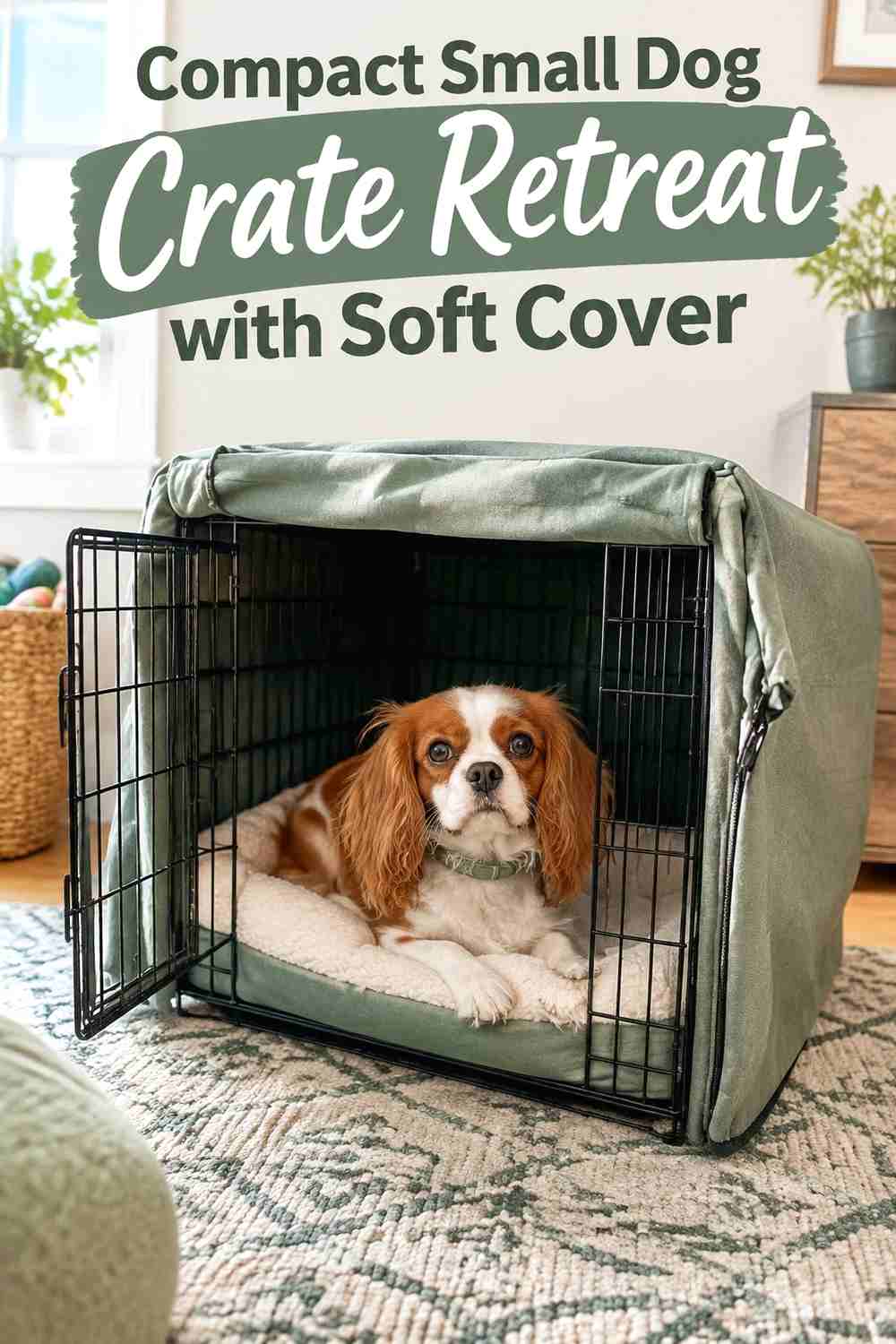
2. Compact Small Dog Crate Retreat With Soft Cover
You May Also Like



A compact crate retreat can create a sheltered resting zone for a small dog that already feels comfortable using a crate. Choose a crate with enough room for your dog to stand, turn, and rest naturally, then place a suitable mat or simple washable pad inside. A breathable cover over part of the exterior can make the space feel more enclosed while leaving ventilation and the entrance clear. Keep the door open when the crate is being used as an optional room retreat, and avoid stacking supplies on top unless the crate is specifically designed for added weight. Position it away from direct heat, loud speakers, and busy room traffic so it functions as a calmer zone.
Best For
This setup suits dogs already familiar with crates and comfortable choosing them voluntarily as resting spaces.
Comfort & Safety
Remove damaged bedding, keep fabric away from dogs that chew and swallow it, and never block ventilation with a heavy cover.
3. Wall Mounted Toy Storage For A Clutter Free Small Dog Room
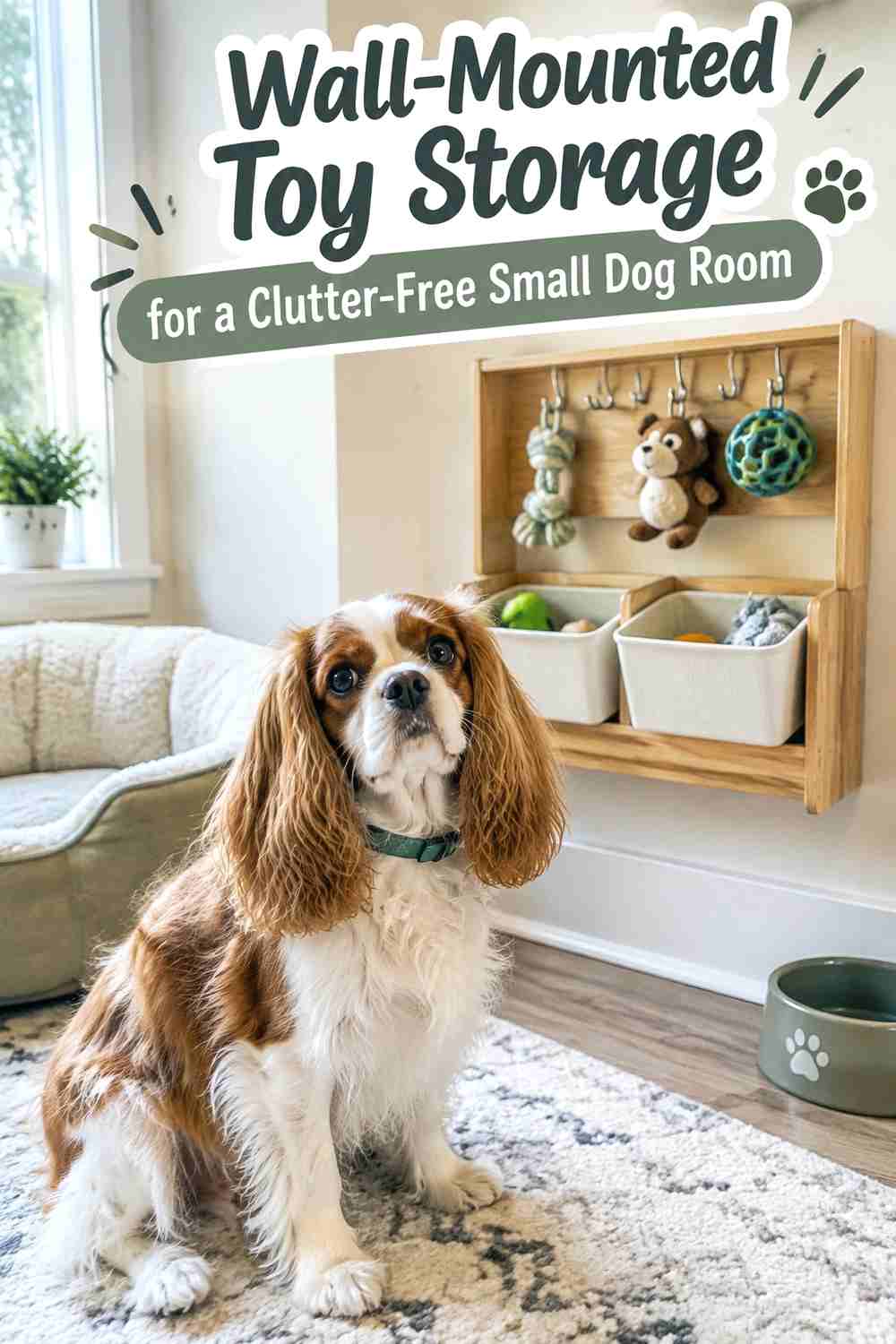
Wall-mounted storage preserves valuable floor space while keeping spare toys and supplies organized in a small dog room. Use secure shelves or closed cabinets for backup toys, grooming items, clean towels, and other supplies that do not need to stay on the floor. Keep a separate low basket for a few toys your dog may access independently. Shelves should be firmly installed and positioned so nothing can fall into the bed or play area if bumped. Medicines, cleaners, small objects, and chewable packaging belong in closed storage completely out of reach. This layout works especially well when the room is narrow because the dog keeps more open floor space for walking, stretching, and play.
Space & Placement
Keep storage above or beside activity zones rather than directly over the dog’s main bed whenever possible.
Pro Tip
Rotate a small selection of accessible toys instead of filling the floor basket with every toy your dog owns.
4. Small Dog Feeding Station With Easy Clean Floor Mat

A dedicated feeding station keeps food and water in one predictable section of the dog room while making spills easier to manage. Place sturdy bowls on a washable, non-slip mat that extends beyond the edges enough to catch drips and scattered crumbs. Leave comfortable space around the station so your dog can approach and step away without squeezing between furniture. Store food securely in an appropriate closed container elsewhere rather than leaving bags within reach. The feeding zone should also sit away from the bed so damp floors and food debris do not spread into sleeping surfaces. For multi-purpose rooms, a quiet wall can help keep the station separate from active toy and play areas.
Setup Notes
Use bowls that stay stable during normal eating and drinking rather than lightweight dishes that slide easily across the floor.
Cleaning Notes
Wipe the mat and surrounding floor frequently and wash bowls routinely according to the material’s care instructions.
5. Sunny Window Lounge Corner For Small Indoor Dogs

A window lounge gives a small dog a comfortable place to watch outdoor activity without requiring a large piece of furniture. Position a low bed or padded mat beside a securely closed window where the dog can see outside while remaining safely on the floor. If your dog needs a slightly higher viewpoint, use only a stable, purpose-appropriate platform with easy access rather than balancing a bed on narrow furniture. Monitor direct sunlight because a bright window corner can become warmer than the rest of the room. If passing people or animals cause constant barking or agitation, moving the bed farther from the glass or using a partial window covering may create a calmer setup.
Best For
This idea suits small dogs that naturally enjoy observing outside activity and can relax rather than becoming continuously excited by it.
Comfort & Safety
Secure blind cords and keep the area free from unstable decor, open windows, and surfaces that encourage risky jumps.
6. Easy Clean Grooming Corner For A Small Dog Room
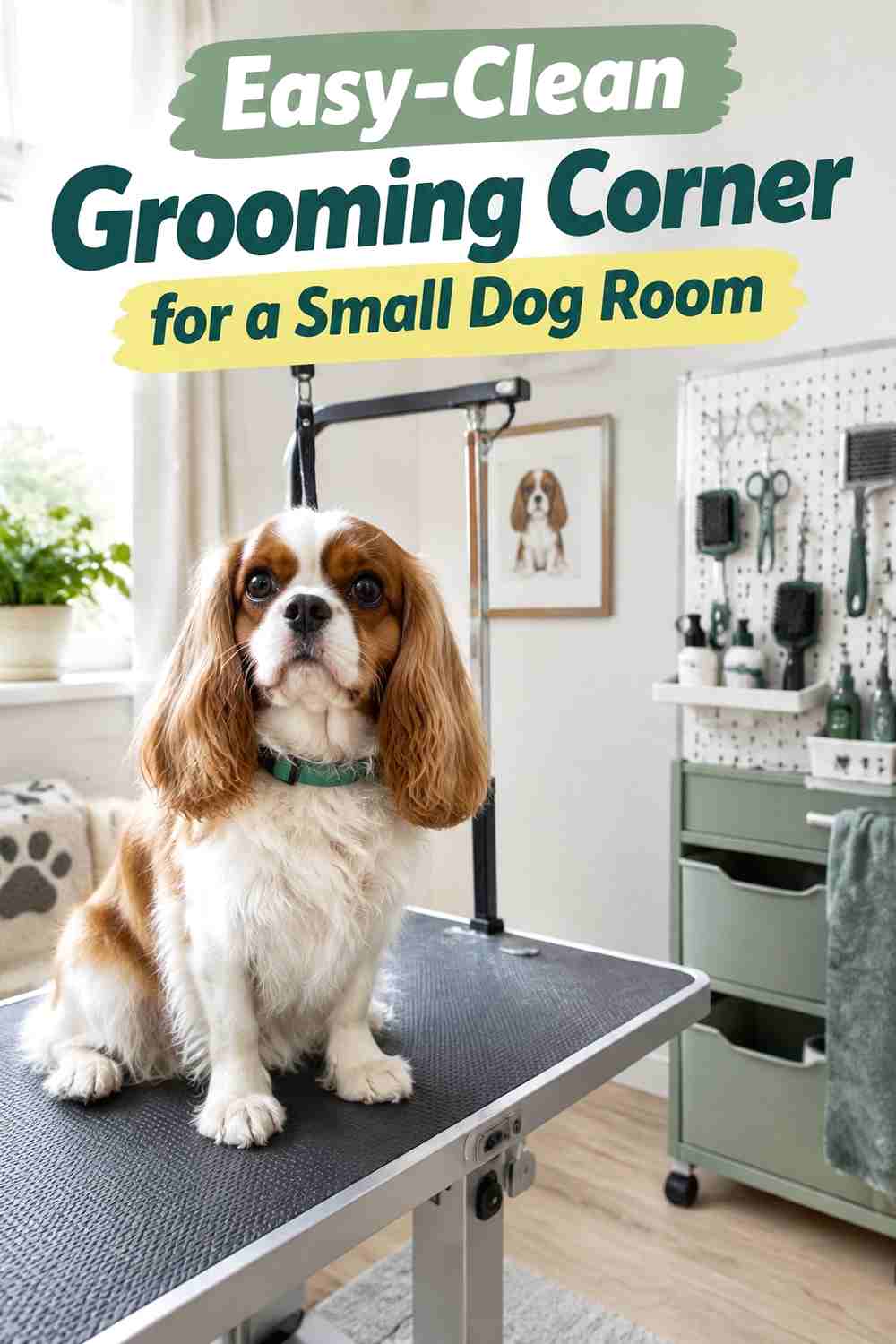
A grooming corner keeps brushes, towels, and routine coat-care supplies organized in one easy-to-clean part of the room. Use a non-slip floor mat where your dog can stand comfortably, with supplies stored in a closed drawer, cabinet, or high secure container nearby. Keep only the item you are actively using within reach, especially if your dog likes grabbing brushes or chewing handles. The area should have enough light for you to see the coat clearly without requiring your dog to balance on unstable furniture. A towel basket nearby can simplify quick paw or coat cleanup after walks. Sharp tools, medicines, cleaners, and small accessories should remain securely stored when grooming is finished.
Setup Notes
A floor-level grooming area can be more practical for a small home than adding a permanent table that consumes valuable room space.
Use & Maintenance
Remove loose fur after each session and return every tool to closed storage so the corner stays safe and uncluttered.
7. Low Storage Bench With Hidden Supplies For Small Dogs
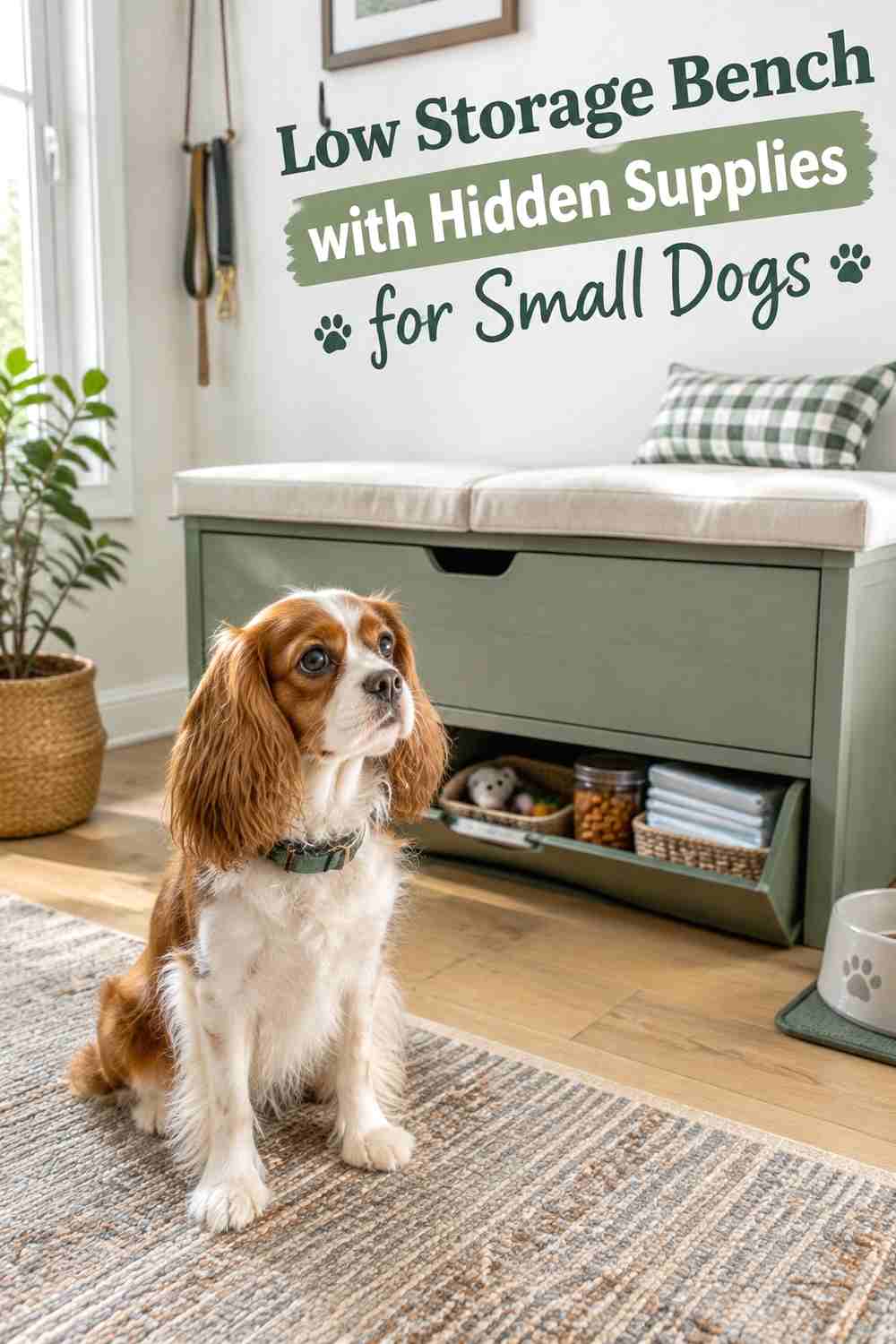
A low storage bench can combine practical organization with a tidy furniture-style feature in a small dog room. Choose a sturdy bench with closed compartments for spare blankets, unopened supplies, walking gear, or seasonal accessories. The top can remain clear or hold a fixed washable cushion only if the structure is broad, stable, and easy for your dog to access safely. Dogs that should not jump are better served by using the bench purely for storage. Soft-close or secure doors help keep the contents contained, and frequently used items can be grouped into small bins inside. Avoid storing medicines, cleaners, or hazardous items where a curious dog could reach them if the compartment opens.
Space & Placement
Place the bench against a wall where it does not narrow the main walking path between the door, bed, and activity zones.
Pro Tip
Group supplies by use—walks, grooming, bedding, and toys—so the storage stays functional instead of becoming a general clutter box.
8. Compact Indoor Play Zone For Energetic Small Dogs
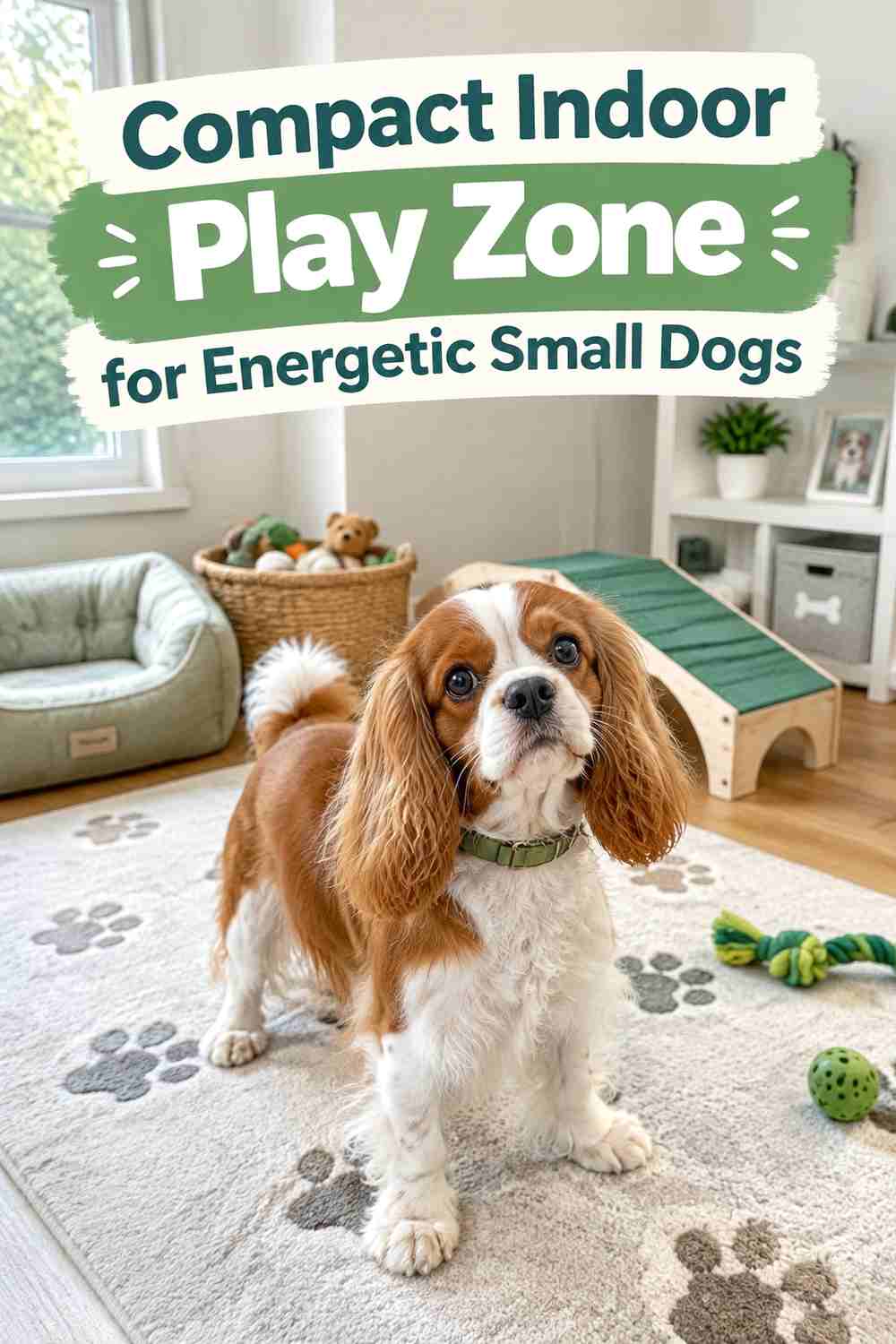
A compact play zone gives an energetic small dog open floor space for short indoor games without turning the entire room into a toy pile. Clear one section of furniture and use a non-slip surface for simple activities such as toy retrieval, supervised tug, scent searches, or an easy food puzzle. Keep the setup flexible rather than installing bulky permanent equipment; small baskets and fold-away enrichment items make it easier to reset the room after play. Rotate activities to maintain interest and simplify any puzzle that causes frustration. Remove fragile decorations, loose cords, and sharp-edged objects from the play path. The goal is a usable open zone where movement feels controlled and comfortable.
Best For
This arrangement works well for playful small dogs that enjoy several short activities and benefit from having an uncluttered indoor area.
Use & Maintenance
Return toys to storage after play and inspect frequently used items for torn fabric, loose parts, or excessive wear.
9. Senior Friendly Small Dog Room With Low Bed And Traction

A senior-friendly small dog room prioritizes easy access with a low-entry bed, stable walking surfaces, and a simple predictable layout. Position the bed on a non-slip mat and keep the route between resting, water, and the doorway clear of baskets, cords, or decorative furniture. Avoid requiring your dog to jump onto benches or climb unnecessary steps to reach favorite areas. A quiet bed location and accessible storage can keep the room useful without creating obstacles. Older dogs vary widely in mobility, so observe how your dog stands, turns, and moves around the room before choosing furniture height. Sudden or concerning mobility changes are better discussed with a veterinarian rather than addressed only through room modifications.
Pet Type & Life Stage
This setup suits senior small dogs and may also help dogs that simply prefer low, easy-access resting spaces.
Comfort & Safety
Secure loose rugs, keep walking routes well lit, and avoid frequently rearranging furniture once the layout works comfortably.
10. Calm Multi Use Dog Room With Rest And Activity Zones
You May Also Like




A multi-use dog room divides a small space into simple zones instead of trying to give every function its own piece of furniture. Keep a quiet bed or crate retreat along one wall, a feeding station on an easy-clean surface, and an open section of floor for toys or enrichment. Storage can sit vertically or inside a closed bench so the center of the room remains clear. Separating active and quiet areas helps the room feel organized without requiring physical barriers. Use consistent locations for everyday items so resetting the space takes only a few minutes. The finished room should still provide a clear walking route and enough open space for your dog to turn, stretch, and move comfortably.
Space & Placement
Place the rest zone farthest from the doorway or busiest part of the room, with play and storage closer to the open floor area.
Pro Tip
Start with only three core zones—rest, daily care, and activity—then add features only if the room still feels spacious and easy to maintain.
How to Choose the Right Idea
Choose a small dog room layout based on your dog’s daily routine before thinking about decoration. A dog that sleeps frequently may benefit most from a quiet bed nook or crate retreat, while an active dog may need more open floor area for toys and short enrichment sessions.
Size and life stage matter as well. Short-legged dogs and seniors may prefer low beds and minimal jumping, while young active dogs may need durable storage and a clearer play area. Consider chewing habits before leaving baskets, blankets, or accessible shelving within reach.
For the room itself, prioritize washable surfaces, good traction, easy storage, ventilation, and uncluttered walking paths. Avoid filling every wall and corner. A small dog room usually works better when a few well-planned zones have enough breathing room around them.
Final Thoughts
A useful small dog room does not need lots of furniture or expensive accessories. A comfortable bed, organized storage, a practical care zone, and some open floor space can cover most everyday needs.
Start with the feature your dog uses most, then build the room around that routine while keeping access, cleaning, comfort, and safety simple.
FAQs
1. What should be included in a small dog room?
Start with a comfortable resting area, water access, safe storage, and enough open floor space for movement. Feeding, grooming, or play zones can be added if the room has space.
2. How can I make a small dog room look less cluttered?
Use closed storage, wall-mounted shelving, and one small accessible toy basket. Keeping supplies grouped by purpose also makes the room easier to reset.
3. Is a crate necessary in a dog room?
No. A crate can be one optional resting setup for dogs already comfortable using one, but a regular bed or open nook may suit another dog better.
4. What flooring works well in a small dog room?
Choose a surface that is easy to clean and gives your dog secure footing. If the existing floor is slippery, stable non-slip mats can be added in key areas.
5. Can a small dog room also serve another purpose?
Yes. A home office, laundry area, or spare room can include a dog zone if the layout remains safe, uncluttered, and comfortable for both uses.
CTA
Save your favorite small dog room ideas and build a cozy, organized space around the routines your dog actually uses every day.
