Keep dog treats tidy, easy to find, and simpler to rotate with practical pantry setups built around clear labels, sensible storage, and quick cleanup.
Save This Idea on Pinterest
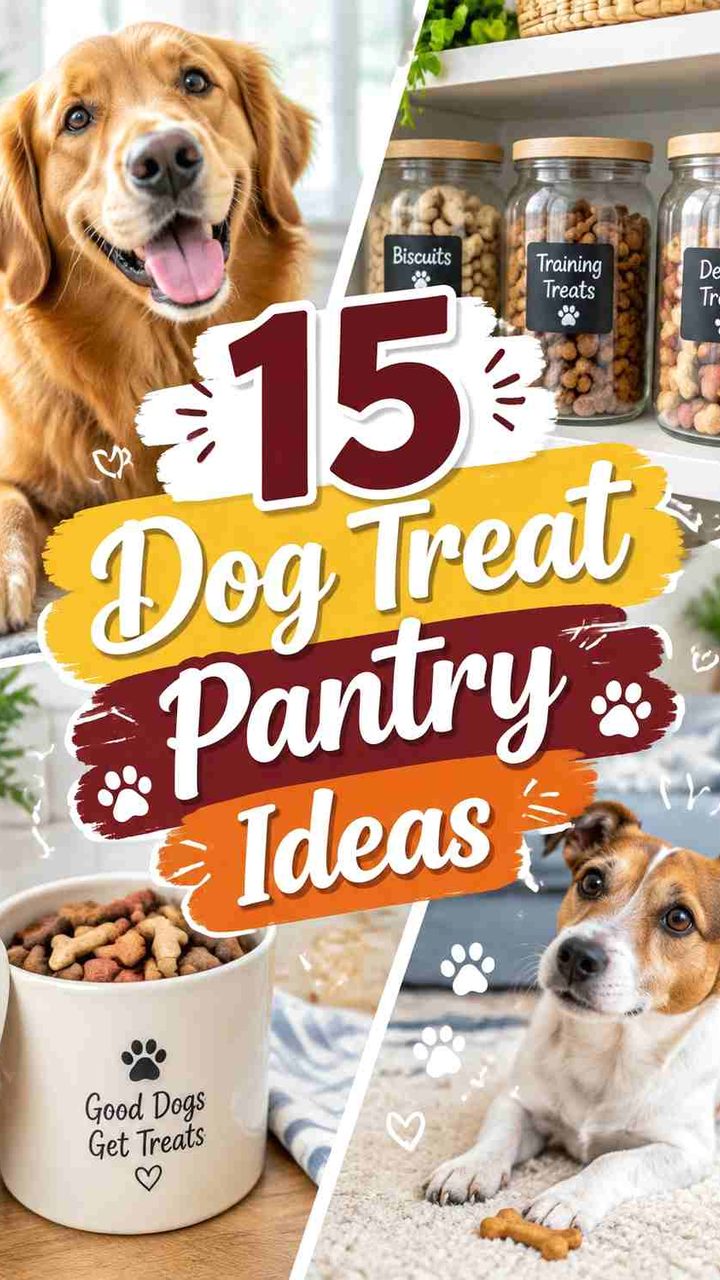
15 Dog Treat Pantry Ideas
Save to PinterestDog treat pantry ideas should make storage easier without turning feeding supplies into decorative clutter. The most useful setups keep packages dry, organized, clearly labeled, and separated from household items that could be confused with dog treats or stored unsafely.
These 15 ideas include jars, pull-out bins, compact wall storage, multi-dog zones, travel refills, date-based rotation, and easy-clean containers. Choose according to your pantry size, how many treat types you keep, whether your dog can access the storage area, and how often you need to restock, rotate, or clean the setup.
Quick List
- Labeled Dog Treat Jar Shelf for Everyday Rewards
- Pull-Out Dog Treat Bin for Small Pantry Spaces
- Clear Container Dog Treat Pantry with Easy Labels
- Rotating Dog Treat Basket for Opened and Backup Packs
- Wall-Mounted Dog Treat Pantry for Tiny Kitchens
- Multi-Dog Treat Pantry with Separate Labeled Bins
- Door-Side Dog Treat Station for Quick Training Rewards
- Countertop Dog Treat Canister Zone with Hidden Backups
- Travel Refill Dog Treat Pantry with Grab-and-Go Pouches
- Minimal Neutral Dog Treat Pantry for Modern Homes
- Drawer Organizer Dog Treat Station for Clutter-Free Kitchens
- Dog Treat Pantry with Expiration-Date Rotation Zone
- High-Shelf Dog Treat Storage for Curious Pets
- Cleaning-Friendly Dog Treat Pantry with Wipeable Bins
- Dedicated Dog Treat Shelf with Original Package Storage
1. Labeled Dog Treat Jar Shelf For Everyday Rewards

Create one pantry shelf for frequently used dog treats and place each type in a clearly labeled, food-safe container when appropriate for that product. Labels can include the treat name and any useful package information you want to keep visible, while original packaging details should be retained rather than discarded blindly. Arrange the containers in one row so you can see what needs restocking without moving everything around. Keep the shelf dry, away from direct heat, and inaccessible to your dog. This setup works best when you use only a few treat varieties regularly and want a cleaner alternative to half-open bags leaning against one another.
Setup Notes
Use containers that close securely and are easy for adults to open without requiring awkward stacking.
Pro Tip
Keep the original label or package information nearby so storage instructions and dates remain easy to check.
2. Pull Out Dog Treat Bin For Small Pantry Spaces
You May Also Like

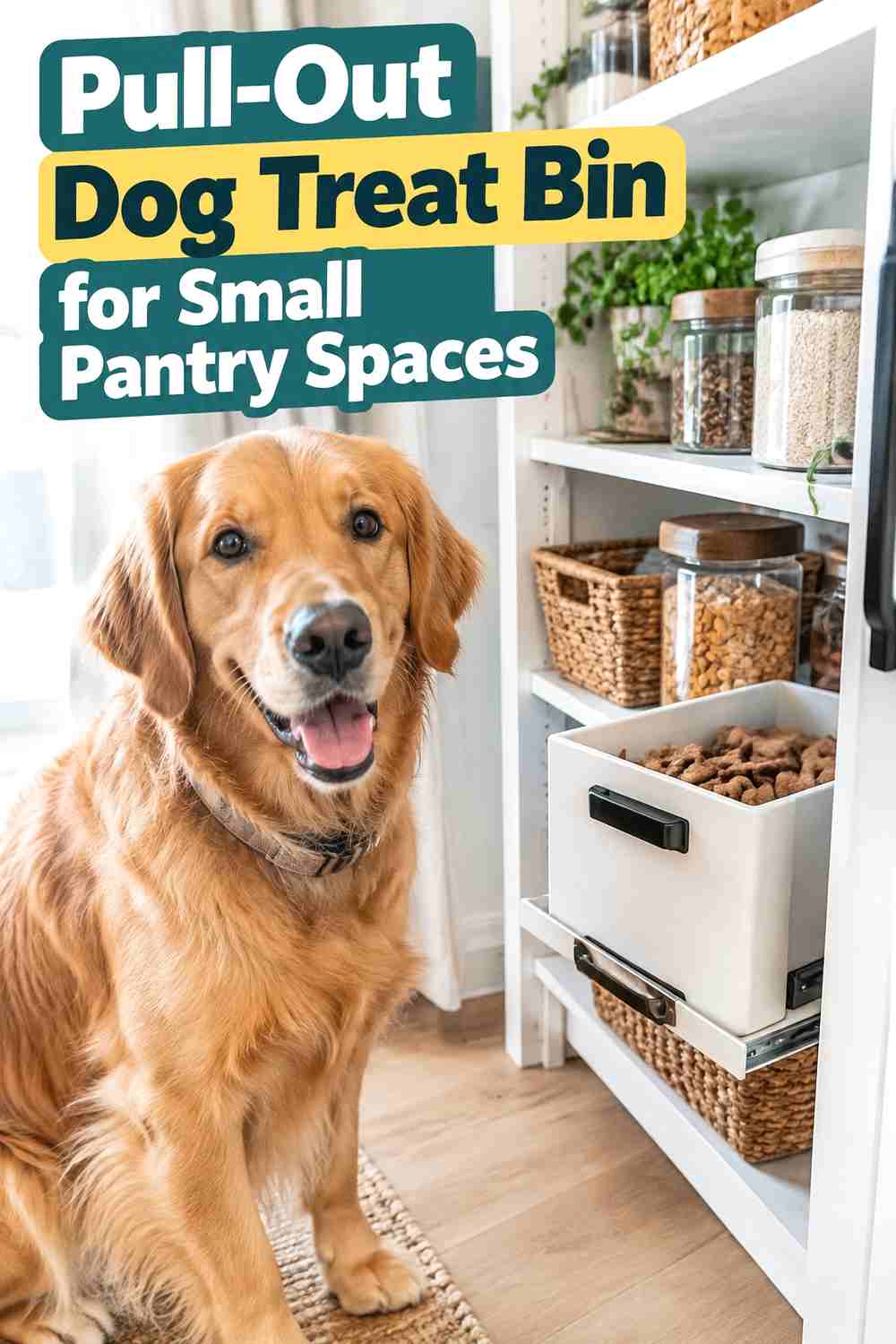
A pull-out bin can turn a narrow or deep pantry shelf into practical dog treat storage without wasting space at the back. Keep opened packages upright near the front and backups behind them so the current supply stays easy to reach. A bin with straight sides and a wipeable interior is easier to clean when crumbs escape from packages. Avoid overfilling it, since tightly packed bags make date checks and rotation harder. This setup works particularly well in apartments, small kitchens, or shared pantries where dog supplies only get part of one shelf. Label the outside clearly so household members know the bin is reserved for pet treats.
Best For
Small pantries, deep shelves, and households that need pet supplies contained in one compact zone.
Use & Maintenance
Pull the entire bin out periodically to remove crumbs, inspect packages, and move older items toward the front.
3. Clear Container Dog Treat Pantry With Easy Labels

Clear food-safe containers make it easy to see when dog treats are running low while labels prevent similar-looking items from being confused. Group containers together on one dedicated shelf and keep the arrangement simple enough that every lid can be opened without moving several others first. When transferring a product from its package, retain important package details such as the product name, storage directions, and date information. Avoid combining different treats in one container just to save space, since that makes identification and rotation less clear. This setup is especially useful in visually busy pantries because the matching containers create order while still showing the actual supply level.
Why It Works
Visibility makes restocking easier, while clear labeling keeps the organization practical rather than purely decorative.
Cleaning Notes
Empty and clean containers between refills instead of continually topping new treats onto old crumbs.
4. Rotating Dog Treat Basket For Opened And Backup Packs

Use two sections within one basket—or two small baskets side by side—to separate opened dog treat packages from unopened backups. Keep the current packages at the front and move replacement packs into that position only after the first supply is finished. This simple rotation system can prevent half-used bags from disappearing behind newer purchases. Choose a basket with enough height to hold packages upright without folding important labels out of view. Keep the basket on a dry pantry shelf beyond your dog’s reach and away from household cleaners. This setup works well for owners who prefer keeping treats in their original packages rather than transferring everything into jars.
Use & Maintenance
Check the basket before shopping so you know what is already open and what is waiting as backup.
Why It Works
Separating current and future supplies makes pantry rotation visible without adding complicated labels or extra containers.
5. Wall Mounted Dog Treat Pantry For Tiny Kitchens
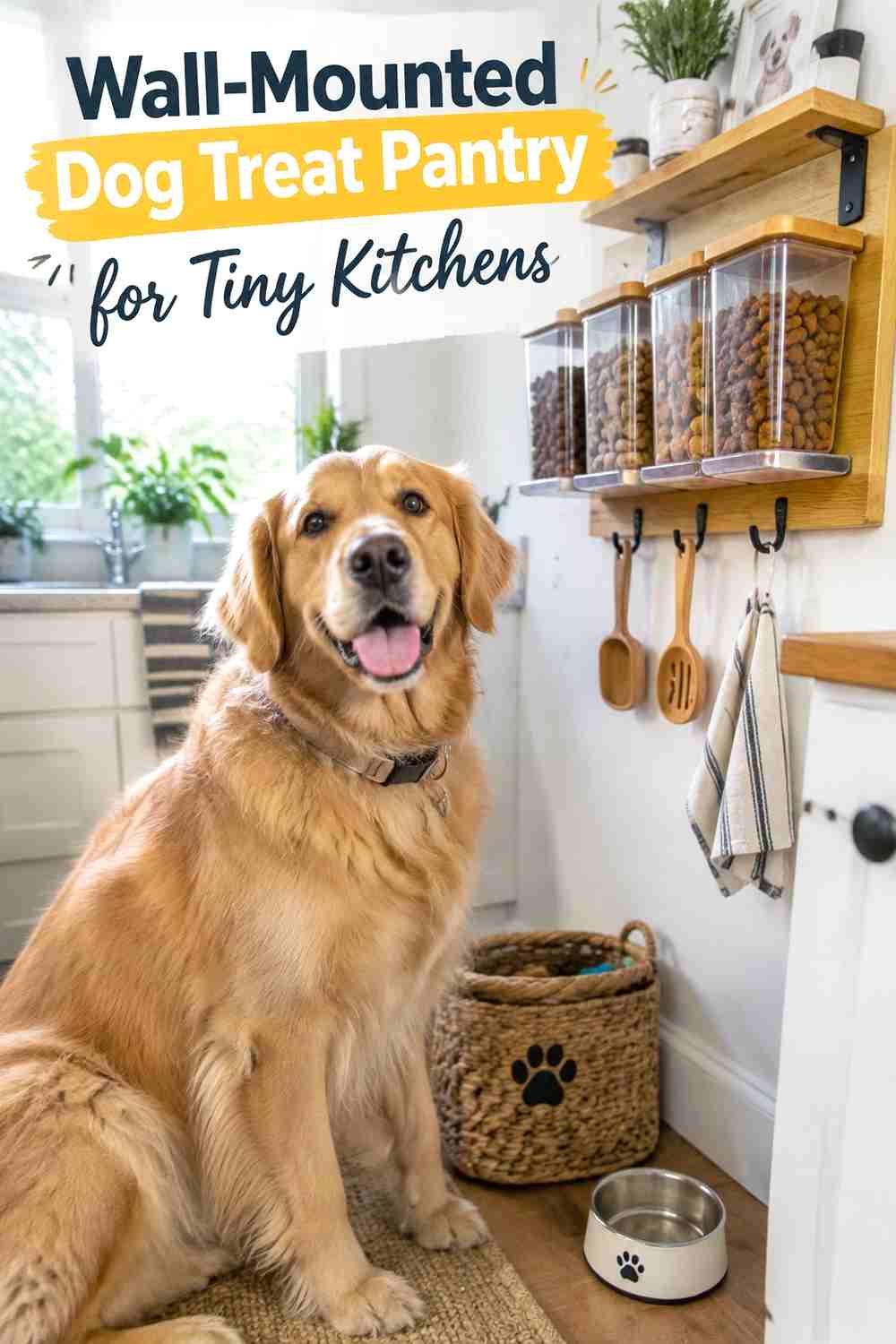
A secure wall-mounted cabinet or shallow organizer can create a dedicated dog treat pantry when floor and shelf space are limited. Use enclosed compartments for packaged treats and keep frequently used items at adult reach rather than low enough for a curious dog to investigate. The storage should be firmly installed and deep enough that packages do not project into the walkway. Avoid open pockets that allow crumbs to collect or treat bags to fall out when the door moves. This setup can work well beside a mudroom or kitchen entry, especially when the main pantry is already crowded. Keep cleaning products and unrelated household supplies in a separate area.
Space & Placement
Choose a wall outside the dog’s jumping range and away from moisture, stovetop heat, and busy door swings.
Best For
Apartments, galley kitchens, and homes where a full pantry shelf cannot be dedicated to pet supplies.
6. Multi Dog Treat Pantry With Separate Labeled Bins
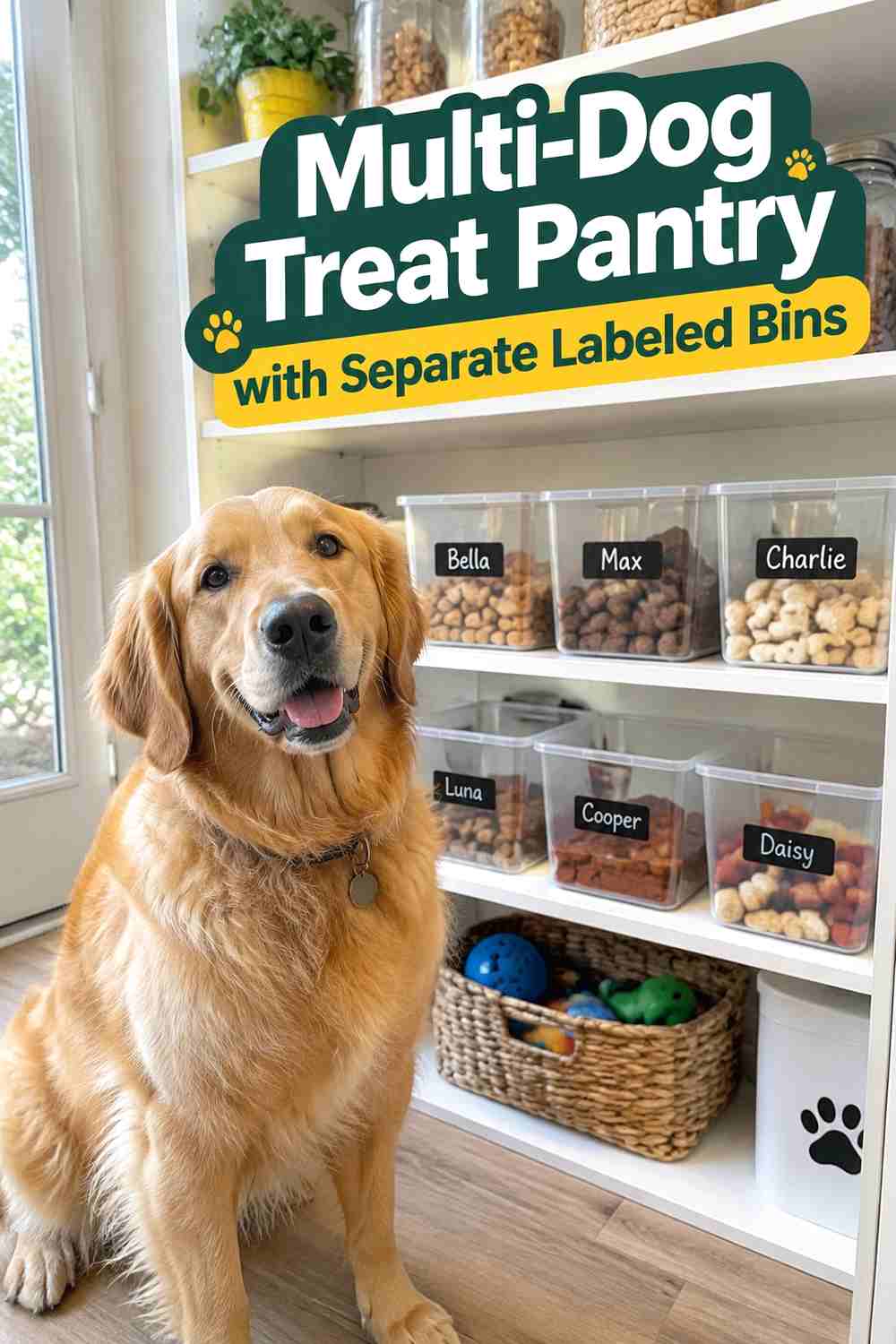
Give each dog a separate labeled treat bin when household routines or products differ enough that mixing supplies would create confusion. Store each bin on the same pantry shelf so everything remains easy for the owner to find, but keep individual packages clearly separated. This layout is especially practical when different dogs use different treat types or when several people share pet-care responsibilities. Do not assume separate bins mean treats should be given differently in quantity; the purpose here is organization, not feeding guidance. Keep backup packages behind or beneath the correct dog’s active supply and avoid open containers that could spill into neighboring bins.
Setup Notes
Use large readable labels, especially when bags or containers look similar from the outside.
Why It Works
Separate storage reduces mix-ups while keeping the overall pantry system simple and centralized.
7. Door Side Dog Treat Station For Quick Training Rewards
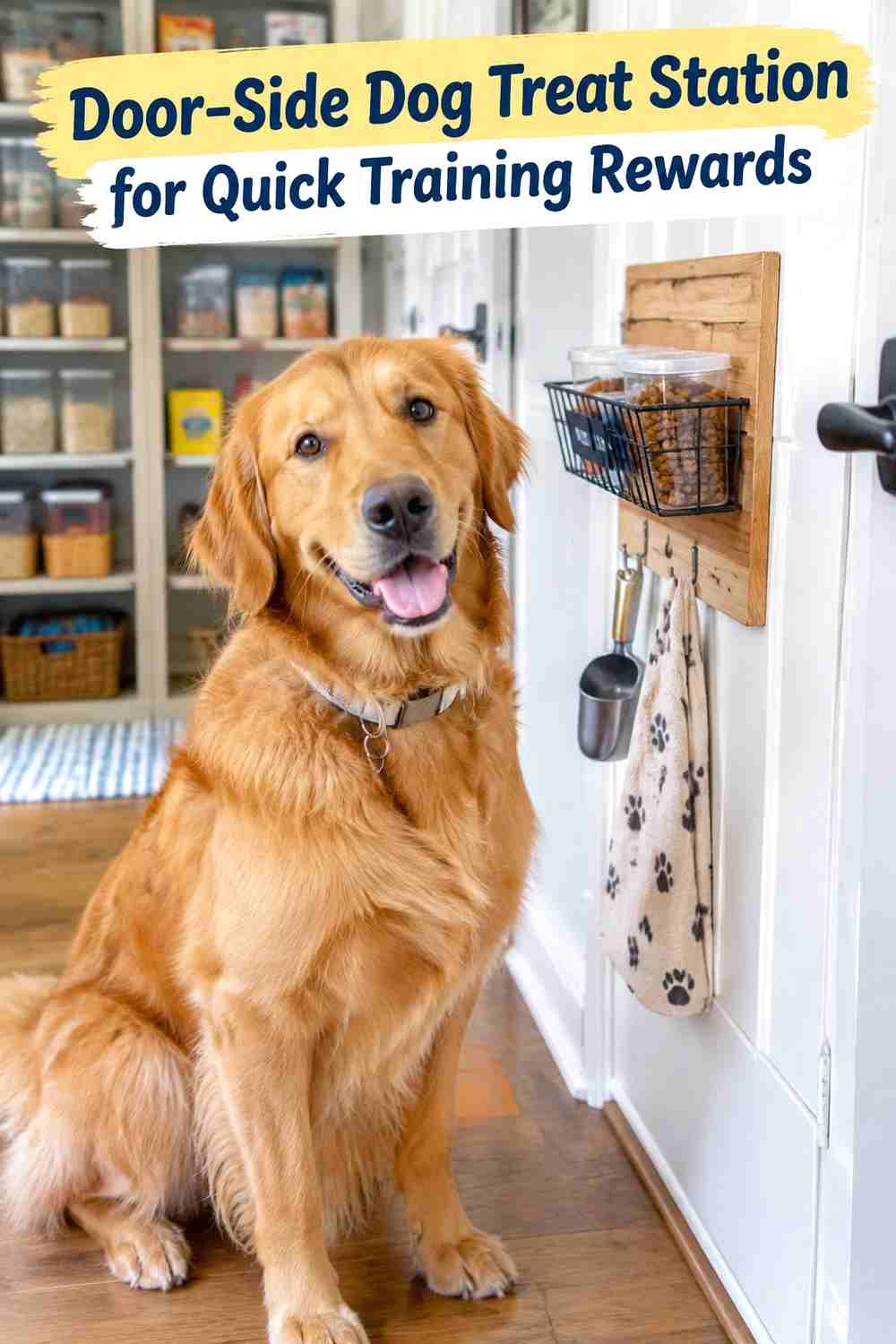
Place a small owner-accessible treat container near the door you use for short training sessions, yard practice, or walk departures. Keep only a modest refill amount there and store the main supply securely in the pantry so the door-side station does not become an overflowing second pantry. Choose a container with a secure lid and position it where your dog cannot nose, paw, or knock it down. This setup is practical when you regularly want a few treats before heading outside but do not want to cross the kitchen each time. Check the container frequently so crumbs and stale leftovers do not accumulate beneath fresh refills.
Best For
Homes where brief training moments often happen near an entryway, yard door, or walking station.
Use & Maintenance
Refill from the main package and clean the small container before adding a new batch when residue builds up.
8. Countertop Dog Treat Canister Zone With Hidden Backups

Keep one secure treat canister on the countertop for frequent use while storing unopened backups inside a pantry or cabinet. This arrangement gives you quick access without turning the entire counter into pet-supply storage. Choose a food-safe container with a lid your dog cannot easily open or knock loose, and keep it well back from the counter edge. The backup area should contain the original packages so dates and storage directions remain available. Avoid placing the canister beside human snacks if the containers look similar. This setup works best when your dog cannot reach the countertop and when you prefer having only one visible pet-storage item in the kitchen.
Space & Placement
Use a dry section of counter away from direct heat, water splash, and the edge.
Pro Tip
Choose a clearly labeled canister so everyone in the household knows exactly what it contains.
9. Travel Refill Dog Treat Pantry With Grab And Go Pouches

Create a small pantry section for clean reusable treat pouches or travel containers that can be filled shortly before walks, training outings, or trips. Keep the empty pouches together with your main dog treat storage instead of leaving partly filled containers scattered in bags or cars. This makes it easier to check what is fresh and what needs washing. Use each pouch only as intended and empty leftover crumbs after outings rather than continually topping them up. The main package can stay in the pantry with its product and date information intact. This setup suits owners who frequently take treats away from home and want a repeatable refill routine.
Use & Maintenance
Wash or wipe reusable pouches according to their material and let them dry fully before returning them to storage.
Why It Works
Separating travel containers from the main supply reduces forgotten leftovers and keeps grab-and-go gear easier to reset.
10. Minimal Neutral Dog Treat Pantry For Modern Homes
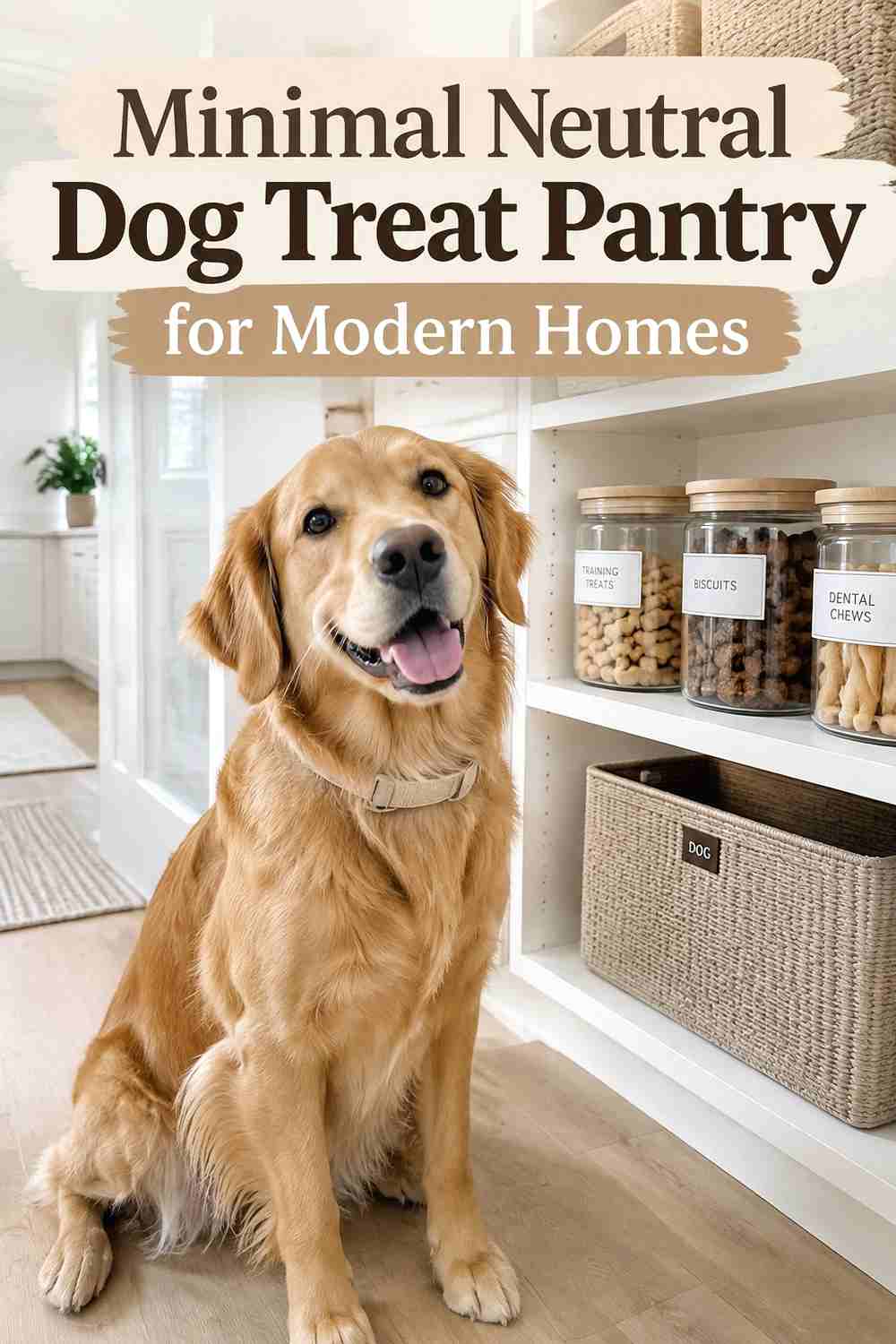
A minimal dog treat pantry can use two or three matching neutral bins while keeping the actual storage system straightforward. One bin can hold opened packages, another backups, and a third travel or training containers if needed. Choose cream, gray, black, or natural finishes that blend with the pantry, but prioritize secure lids and easy cleaning over appearance. Large labels keep the bins useful even when the exterior hides their contents. Resist filling every available shelf simply because matching containers look tidy; leave space so packages can be checked and removed easily. This approach works particularly well in modern kitchens where visual calm matters as much as practical organization.
Why It Works
A limited number of containers reduces visual clutter while still giving each type of supply a clear place.
Pro Tip
Use the same label format across all bins so the pantry remains easy for every household member to understand.
11. Drawer Organizer Dog Treat Station For Clutter Free Kitchens

A deep kitchen drawer can store packaged dog treats out of sight when countertop and pantry shelves are limited. Use washable dividers or small bins to keep opened bags upright, backup packages separate, and travel pouches from becoming mixed together. The drawer should close fully without crushing packages or forcing lids open. Keep dog treats away from household chemicals, medications, and objects that could contaminate food storage. This setup is most practical when the drawer is secure from your dog and located away from oven heat or damp sink areas. Because hidden storage is easy to forget, review the contents regularly rather than letting old packages settle at the back.
Best For
Clutter-free kitchens where owners prefer pet supplies hidden but still close to the food-preparation area.
Cleaning Notes
Vacuum or wipe crumbs from the drawer regularly and remove empty packaging immediately.
12. Dog Treat Pantry With Expiration Date Rotation Zone
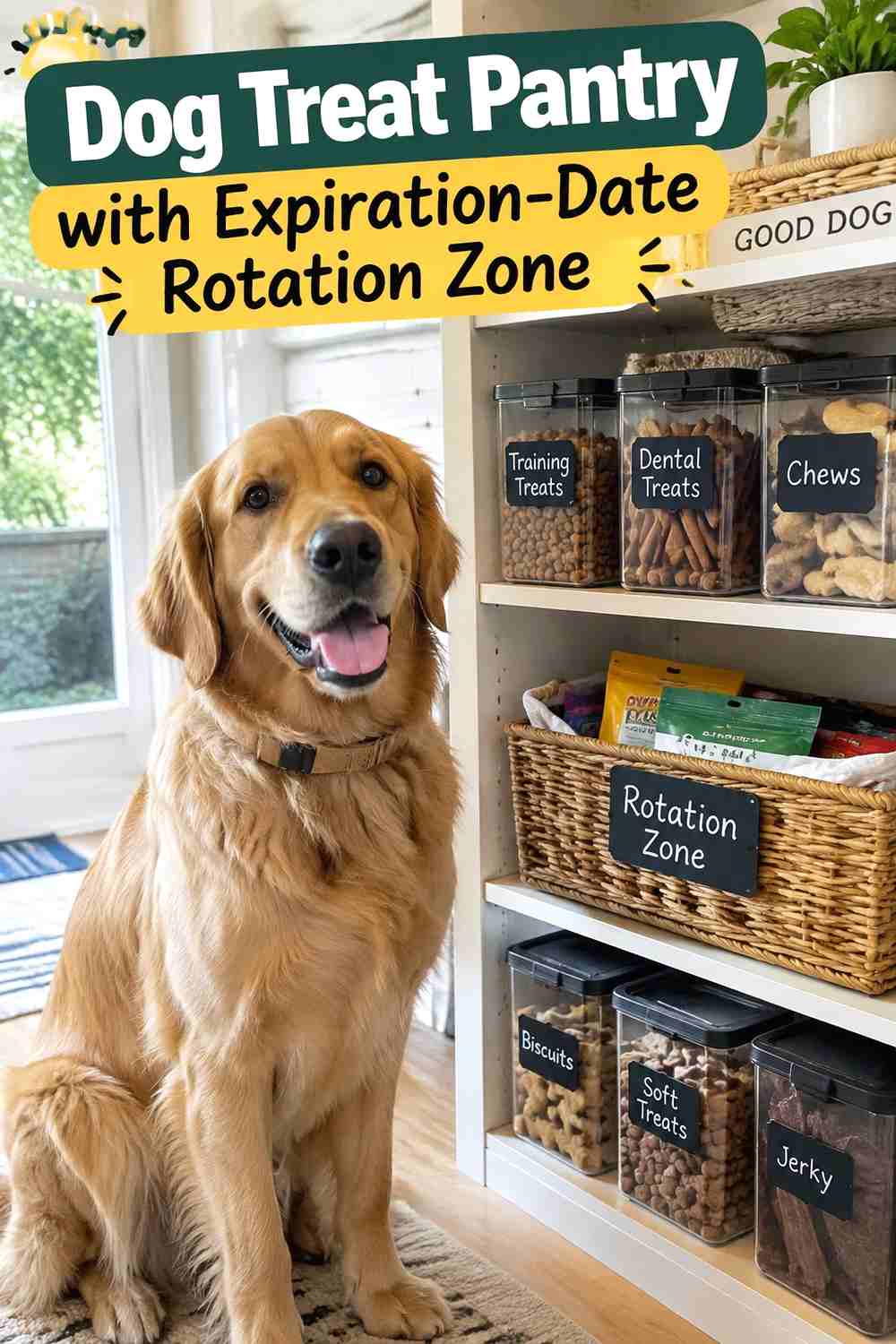
Dedicate one pantry section to simple date-based rotation so older dog treats are used before newer backup packages. Keep products with earlier dates at the front and newly purchased items behind them, while still following each package’s own storage directions. A small label reading “use first” can help other household members maintain the system without needing a complicated inventory sheet. Avoid combining several packages into one container if doing so would make dates difficult to track. This setup is especially useful for households that buy treats in advance or keep several varieties. Review the shelf before shopping so you do not add unnecessary backups that make rotation harder.
Setup Notes
Keep the original package date visible or record it clearly when transferring treats into another appropriate container.
Use & Maintenance
Check the rotation zone during routine pantry cleaning and remove products that are no longer suitable to keep.
13. High Shelf Dog Treat Storage For Curious Pets

Store dog treats on a high, secure pantry shelf when your dog is skilled at opening low cabinets, nosing baskets, or investigating food storage. Keep packages inside stable bins so nothing can tip or fall while you reach for it. Frequently used treats should still be accessible to adults without needing unsafe climbing or awkward stretching, so choose a practical shelf height rather than simply the highest available spot. Avoid placing heavy containers above fragile kitchen items. This approach is useful for food-motivated dogs because physical separation adds another layer of household organization while keeping the pantry floor and lower shelves available for non-food pet gear.
Comfort & Safety
Treats should remain inaccessible to the dog between uses rather than relying on training alone to protect the supply.
Space & Placement
Use stable shelving and avoid locations directly above areas where containers could fall onto pets or people.
14. Cleaning Friendly Dog Treat Pantry With Wipeable Bins

Choose smooth, wipeable bins for dog treat storage when crumbs, powder, or small package spills make pantry cleanup frustrating. Keep each treat package upright inside its own section so loose material is contained instead of spreading across the shelf. Removable bins are useful because you can carry the entire section to the counter for cleaning rather than reaching into deep pantry corners. Avoid fabric liners that trap crumbs unless they are easy to wash and dry. This setup is especially practical for busy homes where pet supplies are handled frequently. Keep the system simple enough that bins can be emptied, cleaned, dried, and reset without turning pantry maintenance into a large project.
Cleaning Notes
Empty bins fully before wiping them and let surfaces dry before returning treat packages.
Why It Works
Contained storage keeps crumbs from spreading and makes routine pantry resets faster.
15. Dedicated Dog Treat Shelf With Original Package Storage
You May Also Like




Give dog treats one dedicated pantry shelf and keep products in their original packages when that is the simplest way to preserve labels, dates, ingredients, and storage directions. Stand bags upright in shallow bins or dividers so they remain visible and do not collapse into a pile. Keep opened packages properly closed according to their design and avoid stuffing several partly used bags behind newer purchases. This straightforward system works well for owners who do not want to transfer treats into decorative containers. The main priority is visibility and rotation: you should be able to see what is open, what is nearly finished, and which backups are waiting.
Best For
Owners who prefer simple organization and want product information to remain attached to the treats.
Pro Tip
Use one bin for opened packages and another for unopened backups while keeping everything on the same dedicated shelf.
How to Choose the Right Idea
Start with the size of your pantry and how many dog treat products you normally keep. Small kitchens may benefit from one pull-out bin, a drawer, or wall-mounted storage, while larger pantries can support separate zones for current packages, backups, and travel containers.
Think about access as well. Curious or food-motivated dogs need storage they cannot reach or open, while multi-dog homes may benefit from clearly separated labeled bins. If you transfer treats into containers, retain the product information you need for identification, dates, and storage directions.
Finally, choose a system you can clean and rotate easily. A beautiful pantry is not useful if crumbs accumulate, older packages disappear behind new ones, or no one else in the household understands the labels.
Final Thoughts
A good dog treat pantry makes everyday storage clearer, cleaner, and easier to maintain. Start with one dedicated shelf or bin, separate opened packages from backups, and add labels only where they genuinely help.
The simplest system is often the easiest to keep organized over time, especially when it preserves package information and keeps treats securely out of your dog’s reach.
FAQs
1. Should I store dog treats in their original packaging?
Original packaging can be convenient because it keeps the product name, date, ingredients, and storage directions together. If you transfer treats, retain the information you may need.
2. Can I store different dog treats together in one container?
Keeping different products separate generally makes identification, rotation, and package information easier to manage than mixing several types together.
3. Where should dog treats be stored in the pantry?
Choose a dry, secure area away from direct heat, moisture, cleaners, and anything your dog can easily access.
4. How can I organize treats for multiple dogs?
Use separate labeled bins or sections for each dog when their treat supplies differ. This makes it easier for household members to avoid mixing similar packages.
5. What is the easiest dog treat pantry to maintain?
One dedicated shelf with shallow bins for opened packages and backups is a simple option because everything stays visible and easy to clean.
Save your favorite dog treat pantry idea and create a simple storage system that makes everyday pet routines easier to manage.
