Keep everyday walking gear easier to grab and put away with dog harness storage that handles daily use, wet weather, backups, and multi-dog routines.
Save This Idea on Pinterest

12 Dog Harness Storage Ideas
Save to PinterestDog harness storage works best when the gear can hang or rest in its natural shape without becoming buried under coats, bags, and spare supplies. Dedicated hooks, cabinets, baskets, and drying zones can keep straps from tangling while making the correct harness easier to find before a walk.
These 12 ideas cover compact entryways, multi-dog homes, wet-weather drying, hidden storage, walk-ready baskets, benches, and seasonal rotation. Choose according to the number of harnesses you use, available wall space, your dog’s chewing habits, and whether walking gear frequently comes home wet or muddy.
Quick List
- Entryway Dog Harness Wall with Individual Daily-Use Hooks
- Small-Space Dog Harness Storage with Vertical Peg Rail
- Multi-Dog Harness Organizer with Separate Name-Labeled Zones
- Dog Harness and Leash Cabinet with Closed Storage
- Mudroom Dog Harness Station with Towel and Gear Hooks
- Wet-Weather Dog Harness Drying Rack with Drip Mat
- Minimalist Dog Harness Storage with Hidden Wall Cabinet
- Walk-Ready Dog Harness Basket with Grab-and-Go Setup
- Dog Harness Storage Bench with Hidden Accessory Bins
- Easy-Clean Dog Harness Organizer with Removable Storage Bins
- Seasonal Dog Harness Rotation Station for Changing Weather
- Family Dog Harness Command Center with Labeled Gear Zones
1. Entryway Dog Harness Wall With Individual Daily Use Hooks

An entryway dog harness wall gives each daily-use harness its own hook so straps stay visible instead of becoming tangled in a basket. Mount sturdy hooks near the door used for walks and leave enough space between them for each harness to hang naturally. Keep the matching leash on a separate nearby hook if that makes your routine faster. This setup works especially well when one dog has a regular walking harness plus another option for specific outings. Avoid hanging gear so low that the dog can chew straps or put a leg through a dangling loop while waiting. Keep backup equipment somewhere else so the wall remains focused on the pieces you actually reach for most days.
Setup Notes
Hang frequently used gear at comfortable adult reach and leave the floor beneath the hooks open so the dog has a clear waiting area.
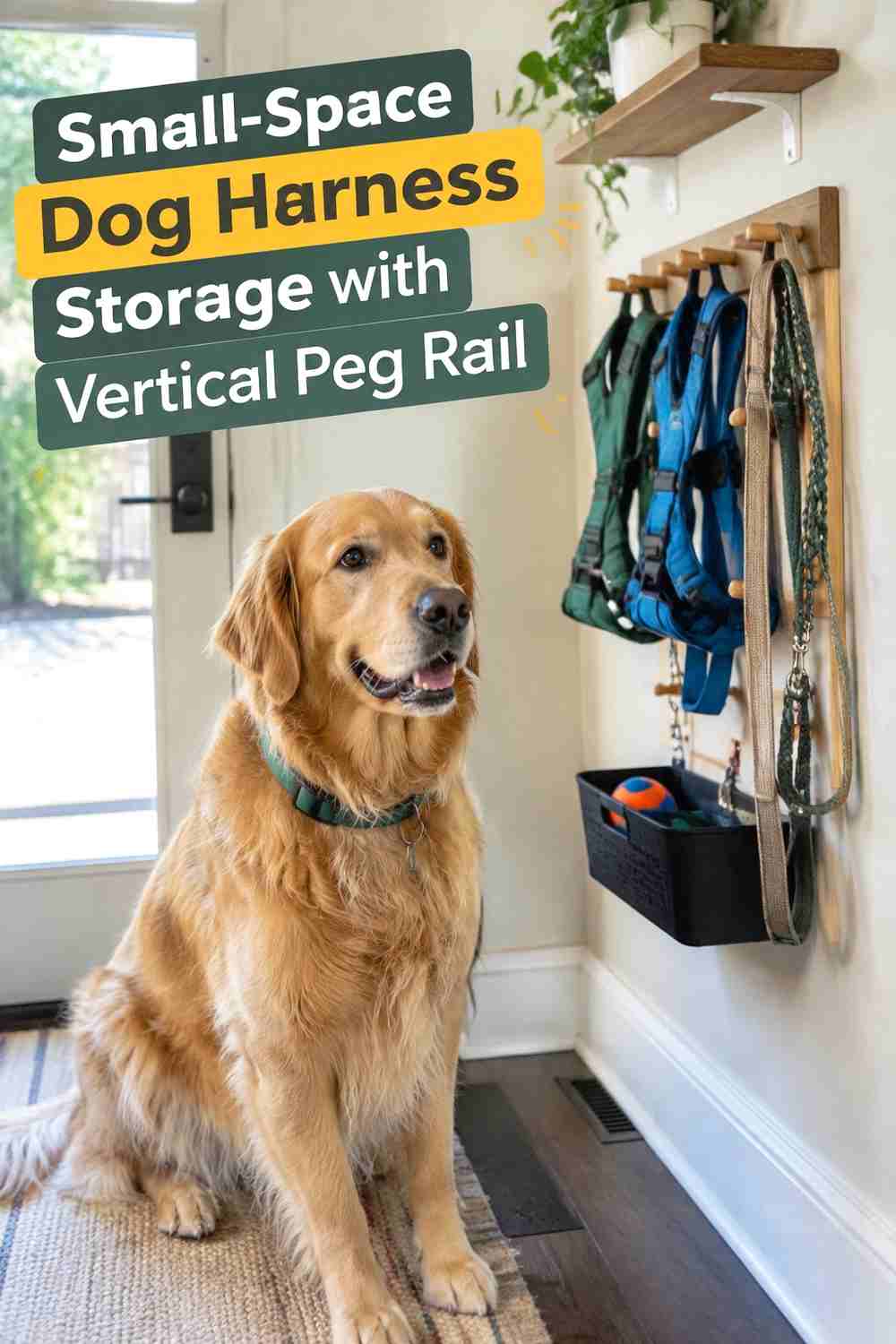
2. Small Space Dog Harness Storage With Vertical Peg Rail
You May Also Like



A small-space harness station uses a vertical peg rail to organize several pieces of walking gear without taking up much wall width. Install the rail securely in a narrow entryway or hallway, then assign individual pegs to the harness, leash, and lightweight accessories. Place the most-used harness on the easiest peg to reach and keep bulky backups elsewhere. This setup is especially useful in apartments where deep baskets and benches would narrow an already tight passage. Make sure straps hang close to the wall rather than projecting into the walking path. If coats or bags share the same area, reserve a clearly separate section for dog gear so the harness does not disappear beneath household items.
Space & Placement
Check the doorway and hallway with all gear hanging. Nothing should catch clothing, interfere with doors, or hang within easy chewing reach.
3. Multi Dog Harness Organizer With Separate Name Labeled Zones
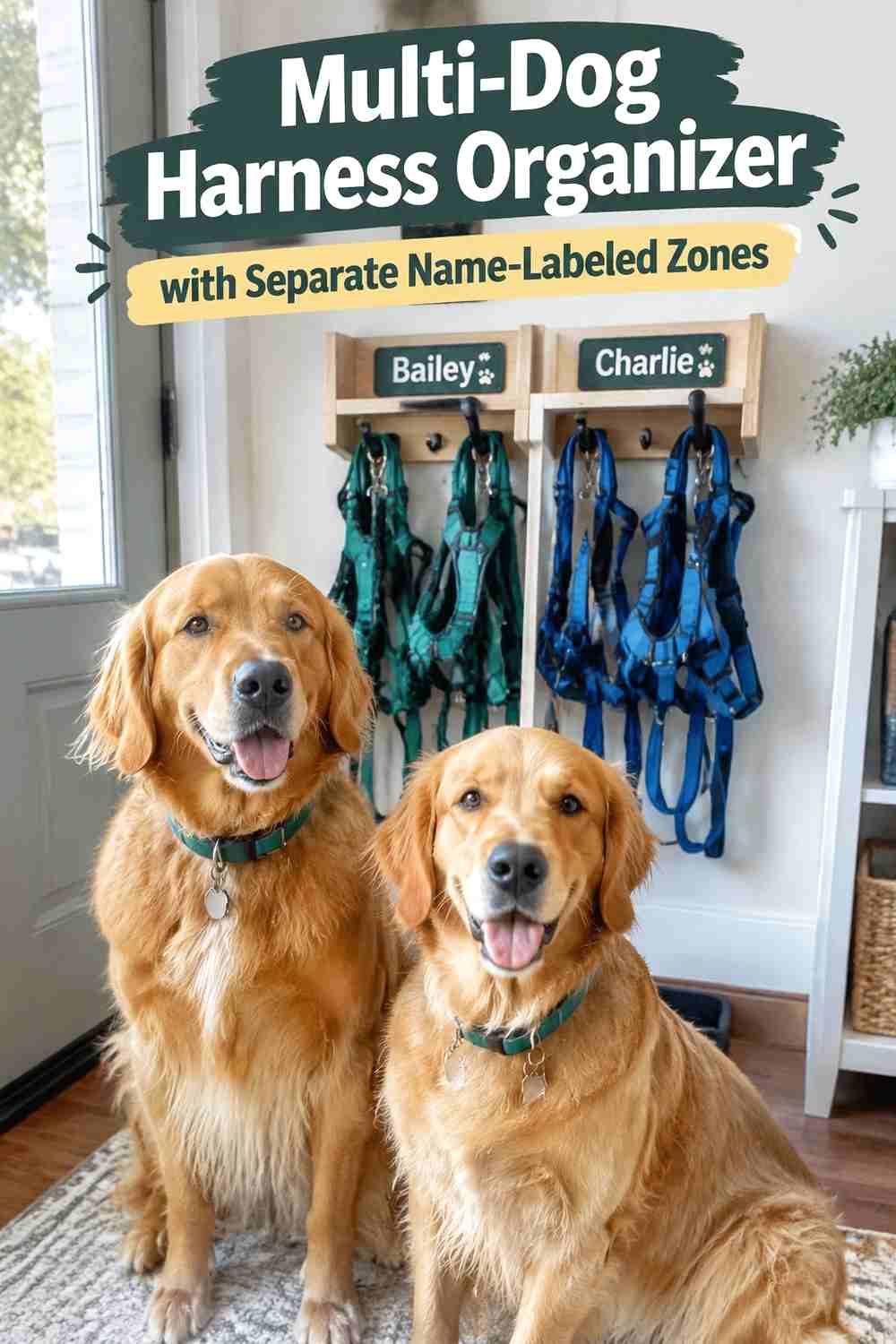
A multi-dog harness organizer gives each dog a separate labeled section so different sizes and fits are easy to identify. Use individual hooks or small wall zones with each dog’s name, then keep that dog’s regular harness and matching leash together. Store backups in separate bins instead of stacking several harnesses on one crowded hook. This arrangement can make busy departures easier when dogs wear similar-looking equipment or different family members handle walks. Keep the dogs’ waiting space below the organizer free from hanging loops. If several dogs become excited near the door, gather the correct equipment before bringing everyone into the entryway rather than sorting straps while the dogs are crowded together.
Best For
This system is particularly useful for multi-dog homes where each pet has different harness sizes, styles, or everyday walking equipment.
4. Dog Harness And Leash Cabinet With Closed Storage
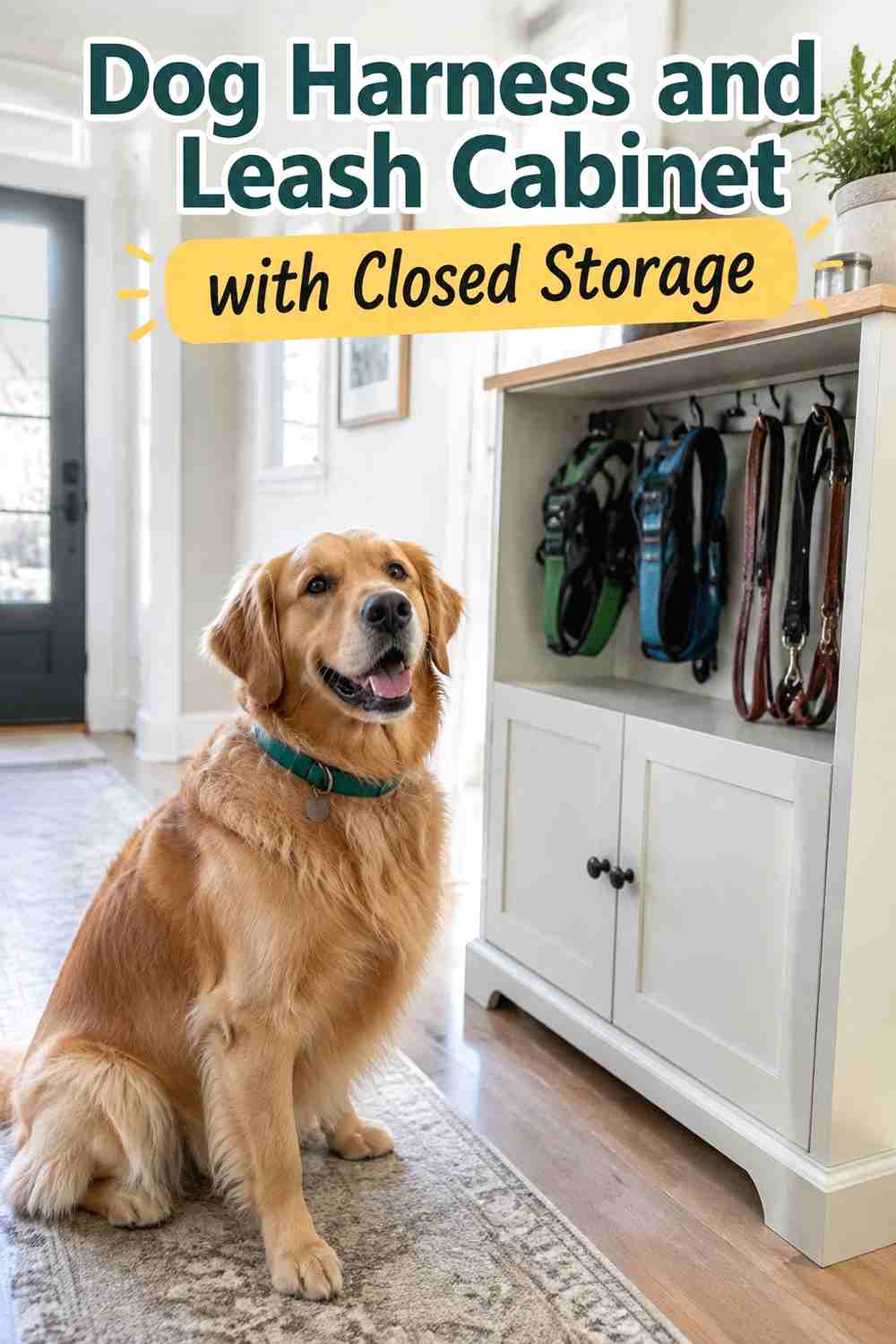
A closed harness and leash cabinet keeps walking equipment organized while reducing visible entryway clutter. Use interior hooks for daily harnesses and leashes, then reserve a small shelf or bin for spare accessories and clean waste-bag refills. Space hooks so straps are not compressed into one bundle every time the door closes. This setup suits open-plan homes where the entryway is visible from the living area and owners prefer a cleaner appearance. Damp harnesses should dry before going into enclosed storage, since a cabinet is better for clean, dry equipment than post-rain gear. Keep the cabinet secure if your dog is likely to nose doors open and investigate straps.
Use & Maintenance
Review the cabinet occasionally and remove gear that no longer fits or is no longer part of the normal walking routine.
5. Mudroom Dog Harness Station With Towel And Gear Hooks

A mudroom harness station combines walk preparation and post-walk cleanup in one convenient area. Hang the harness and leash on separate hooks, then dedicate another section to clean paw towels or outerwear used during messy weather. Leave enough floor space for the dog to stand comfortably while gear is clipped on or removed. Damp towels and wet harnesses should move to a drying zone rather than being placed back beside clean supplies. This setup works especially well when the mudroom is already the main route to the yard or outdoor walking area. Keep cleaners and household chemicals in closed inaccessible storage instead of mixing them with pet textiles and walking equipment.
Setup Notes
Separate clean, dry gear from items waiting to be washed or dried so the station remains useful during rainy and muddy periods.
6. Wet Weather Dog Harness Drying Rack With Drip Mat

A wet-weather harness drying rack gives damp walking gear space to air out before it returns to regular storage. Hang the harness from sturdy hooks or a rail where straps can spread naturally instead of being folded tightly together. Place an easy-clean mat or tray underneath to catch drips from wet fabric and muddy buckles. Keep clean leashes, towels, and dog beds away from this drying zone so moisture stays contained. Once the harness is dry, return it to its normal storage hook rather than leaving the drying rack permanently crowded. This idea is particularly useful during rainy seasons or snowy weather when harnesses come home damp several times a week.
Use & Maintenance
Wipe the mat or tray after messy walks and inspect straps, buckles, and stitching while the harness is hanging where everything is easy to see.
7. Minimalist Dog Harness Storage With Hidden Wall Cabinet

Minimalist harness storage keeps only the current walking setup visible while backup gear stays inside a shallow wall cabinet. Hang the everyday harness and leash on two clean hooks, then store spare harnesses, reflective accessories, and seasonal equipment behind the cabinet door. This prevents the entryway from turning into a display of every piece of dog gear you own. The cabinet should be easy for adults to reach but secure enough that a curious dog cannot investigate stored straps. If an item comes home wet, let it dry elsewhere before returning it to enclosed storage. This idea works well in modern or open-plan homes where visual simplicity matters but practical walk gear still needs to stay close to the door.
Why It Works
Separating daily gear from backups makes the main walking setup faster to use while keeping less-used equipment nearby but out of sight.
8. Walk Ready Dog Harness Basket With Grab And Go Setup
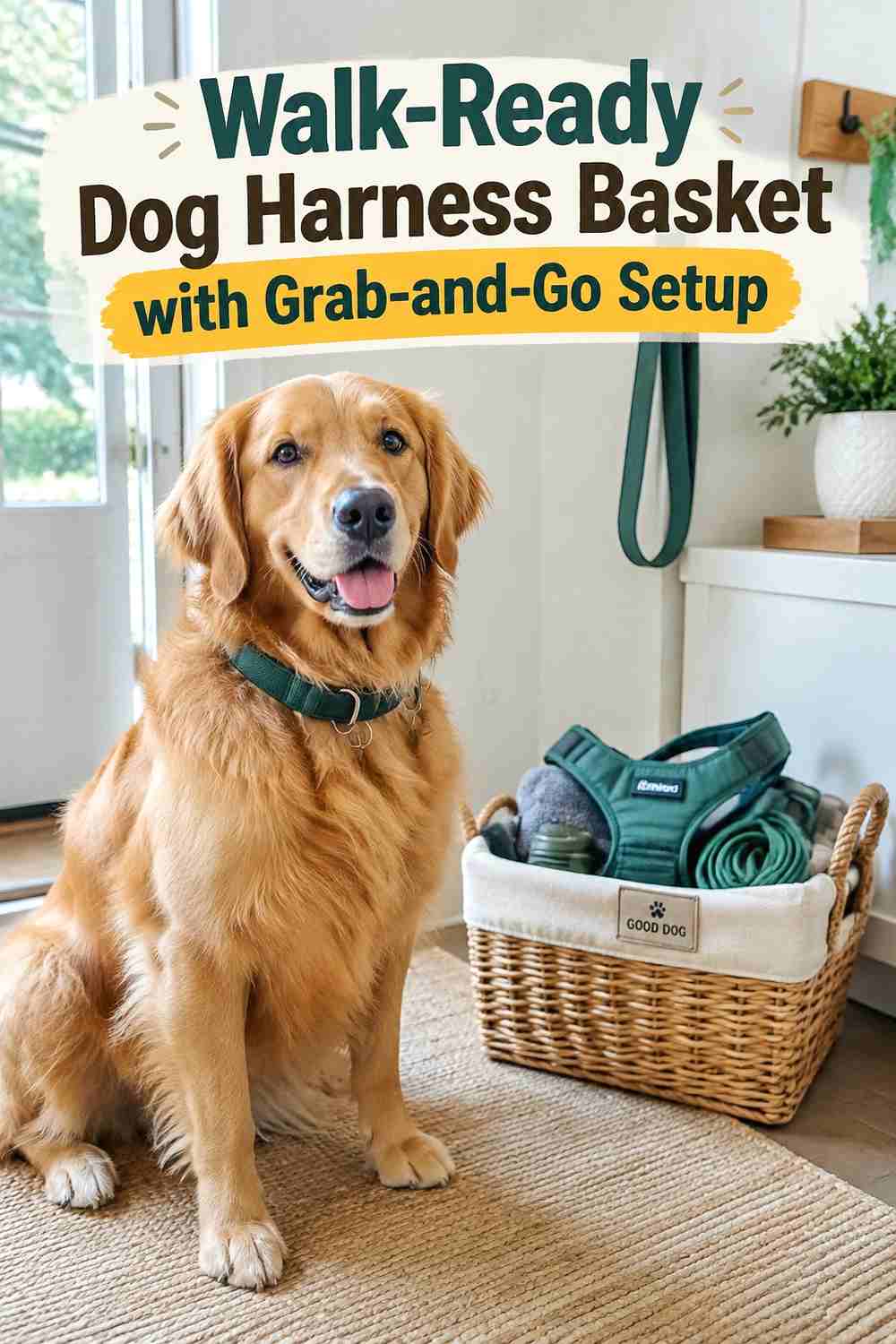
A walk-ready harness basket keeps one complete walking setup together for quick departures. Use a sturdy basket or open bin on a shelf and place the dog’s dry harness, leash, and lightweight walking accessories inside in a consistent order. This works best when the basket sits above dog level and is large enough that straps do not need to be tightly folded. Keep food and treats in separate appropriate storage rather than leaving them loose with the harness. After each walk, return clean dry gear to the basket so it is ready for the next outing. If the harness comes home wet or muddy, move it to a drying area first instead of trapping moisture inside the basket.
Best For
This setup suits households that prefer one portable grab-and-go kit rather than several separate wall hooks.
9. Dog Harness Storage Bench With Hidden Accessory Bins

A storage bench can hide backup harnesses and walking accessories while keeping the entryway functional for people. Use internal bins to separate spare harnesses, seasonal gear, and other appropriate walk supplies, then keep the daily harness on an exterior hook where it is faster to grab. The bench can also provide seating while shoes are put on, reducing the need for extra furniture in a compact entry. Avoid storing damp equipment inside the enclosed compartment, and keep cleaners, medicines, and small hazardous objects somewhere else. If the bench has a heavy lid, use it only in a way that is comfortable and practical for the household. Organization should make gear easier to find, not bury it.
Use & Maintenance
Label the internal bins broadly and review them seasonally so worn or unused equipment does not accumulate beneath newer gear.
10. Easy Clean Dog Harness Organizer With Removable Storage Bins

An easy-clean harness organizer uses removable bins for backup straps, walking accessories, and other small supplies while daily harnesses stay on visible hooks. The bins can be lifted out when fur, mud, or outdoor dust collects around the storage area, making the wall and shelf easier to wipe. Choose smooth containers that do not trap debris and avoid filling each one so tightly that gear must be pulled out in a tangled bundle. Keep only clean, dry equipment in enclosed bins and use a separate drying hook for wet harnesses. This setup is practical in mudrooms and busy entries where outdoor mess builds up quickly but owners still want supplies grouped in one location.
Cleaning Notes
Remove the bins periodically, clean the shelf underneath, and return only dry gear that still belongs in the current walking routine.
11. Seasonal Dog Harness Rotation Station For Changing Weather
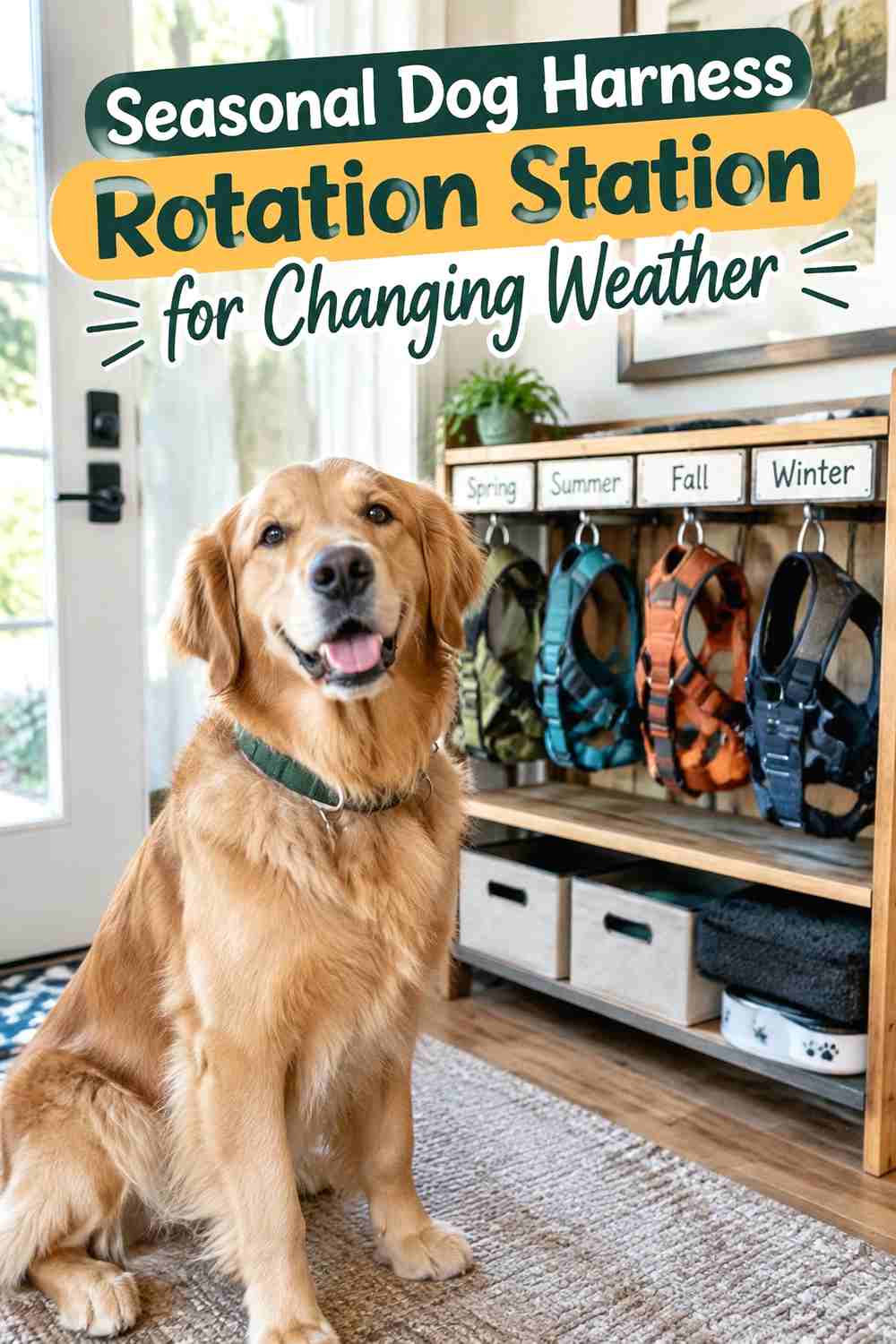
A seasonal harness rotation station keeps only the gear needed for current weather in the main entryway. During cold or wet months, bring forward the harnesses and accessories used with winter walks, then move rarely used warm-weather equipment into labeled backup storage. When the season changes, clean and inspect everything before rotating the setup again. Keep the everyday harness in one consistent location so the core routine does not change every few months. This approach prevents multiple old harnesses and seasonal accessories from piling onto the same hooks year-round. It also creates a useful reminder to check fit and condition before equipment returns to regular use.
Use & Maintenance
Rotate based on actual use rather than decoration, and inspect straps, buckles, and fit whenever seasonal equipment returns to the active storage area.
12. Family Dog Harness Command Center With Labeled Gear Zones
You May Also Like



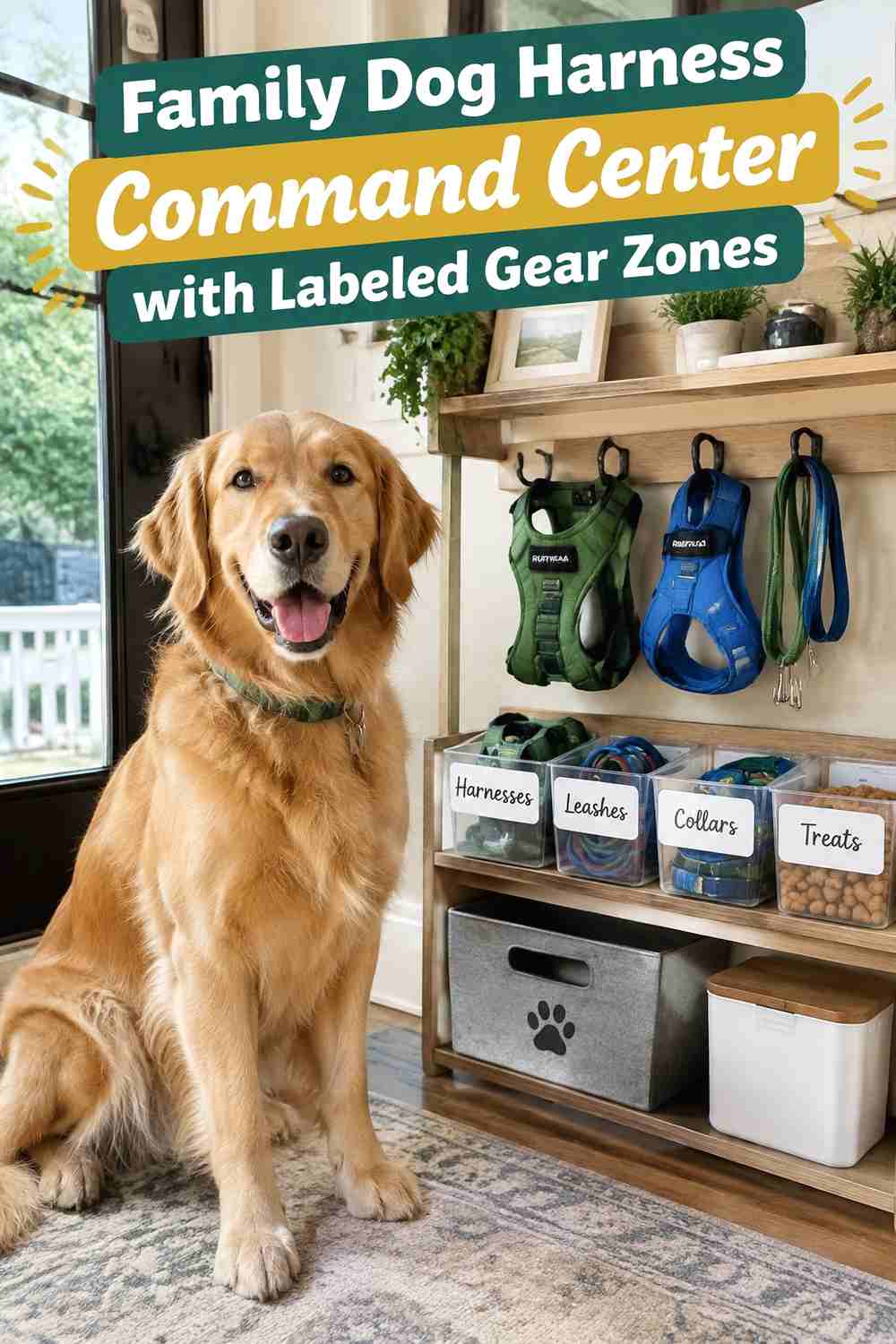
A family dog harness command center divides walking equipment into simple labeled zones so everyone knows where items belong. Use one section for the harness and leash, another for clean waste-bag refills, and a third for seasonal or backup accessories. Broad labels make it easier for different family members to reset the station after walks instead of leaving gear on chairs or door handles. Keep small objects and markers outside the dog’s reach, and avoid creating so many categories that the system becomes difficult to maintain. This setup is especially useful when several people share walking responsibilities. Leave the floor below clear so the dog can wait comfortably without standing under dangling straps.
Why It Works
A predictable storage system helps different caregivers use the correct equipment and return it to the same place after each outing.
How to Choose the Right Idea
Start with the harnesses you actually use. One dog with one everyday harness may need only a sturdy hook, while multi-dog households often benefit from separate labeled zones. If your dog has backup or seasonal harnesses, keep them out of the main daily-use area unless they are currently needed.
Next, consider your available space. Narrow halls work well with vertical peg rails, while larger mudrooms can support cabinets, benches, bins, and dedicated drying stations. Wet climates make ventilation especially important because damp harnesses should dry before going into enclosed storage.
Finally, keep safety and maintenance in mind. Store dangling straps outside unattended chewing or tangling reach, keep the dog’s waiting area clear, and regularly inspect equipment for wear. The best storage system makes both finding and putting away the correct harness straightforward.
Final Thoughts
Dog harness storage does not need to be complicated. Give the daily harness an easy-to-reach home, keep backups organized separately, and create a drying spot if gear often comes home wet. A simple system that matches your real walking routine will usually stay tidier than a large organizer filled with equipment you rarely use.
FAQs
1. What is the best way to store a dog harness?
Hang a clean, dry harness on a sturdy hook or keep it in an open basket where straps are not tightly compressed. Choose a location that is easy for adults to reach but not accessible for unattended chewing.
2. Can I store dog harnesses in a closed cabinet?
Yes, if the harnesses are clean and fully dry. Wet equipment should air out before going into enclosed storage.
3. How should I organize harnesses for multiple dogs?
Give each dog a separate labeled section or hook and keep backups in individual bins. This reduces mix-ups between different sizes and fits.
4. Where should a wet dog harness dry?
Use a ventilated hook or drying rack over an easy-clean mat or tray. Keep wet gear separate from clean towels, beds, and closed storage.
5. How can I store dog harnesses in a small entryway?
Use a vertical peg rail, narrow wall hooks, or a shallow cabinet. Keep bulky backup gear somewhere else so the main walkway remains clear.
CTA
Save your favorite dog harness storage ideas and create a walking-gear setup that stays organized, easy to clean, and ready for everyday outings.
