Give unused hallway space a practical purpose with cozy dog beds, slim storage, washable materials, and simple layouts that keep everyday walkways clear.
Save This Idea on Pinterest

14 Dog Hallway Nook Ideas
Save to PinterestDog hallway nook ideas work best when the resting area fits naturally beside household traffic instead of narrowing an important passage. A low-profile bed, fitted cushion, small toy basket, or carefully placed storage bench can create a useful dog zone without turning the hallway into an obstacle course.
These 14 ideas cover narrow spaces, senior-friendly access, multi-dog resting zones, built-in storage, washable setups, window nooks, and quiet end-of-hall retreats. Choose according to hallway width, your dog’s size and sleeping style, foot traffic, nearby doors, available light, and whether the nook needs to support storage as well as rest.
Quick List
- Slim Wall-Side Dog Bed Nook for Narrow Hallways
- Under-Bench Dog Nook with Hidden Hallway Storage
- Cozy Runner-Side Resting Nook for Hallway Dogs
- Senior-Friendly Low Dog Nook with Non-Slip Flooring
- Hallway Window Dog Nook with a Bright Resting Spot
- Built-In Cabinet Dog Nook for Organized Hallway Homes
- Quiet Corner Dog Nook Away from Busy Doorways
- Hallway Toy Basket Nook for Active Indoor Dogs
- Multi-Dog Hallway Nook with Separate Resting Mats
- Minimal Neutral Dog Nook for Modern Hallway Spaces
- Washable Dog Nook for Muddy Paws and Easy Cleanup
- Wall-Hook Dog Nook with Leash Storage Above
- Small Alcove Dog Nook with Fitted Cushion Bed
- End-of-Hall Dog Retreat with Bed and Blanket
1. Slim Wall Side Dog Bed Nook For Narrow Hallways
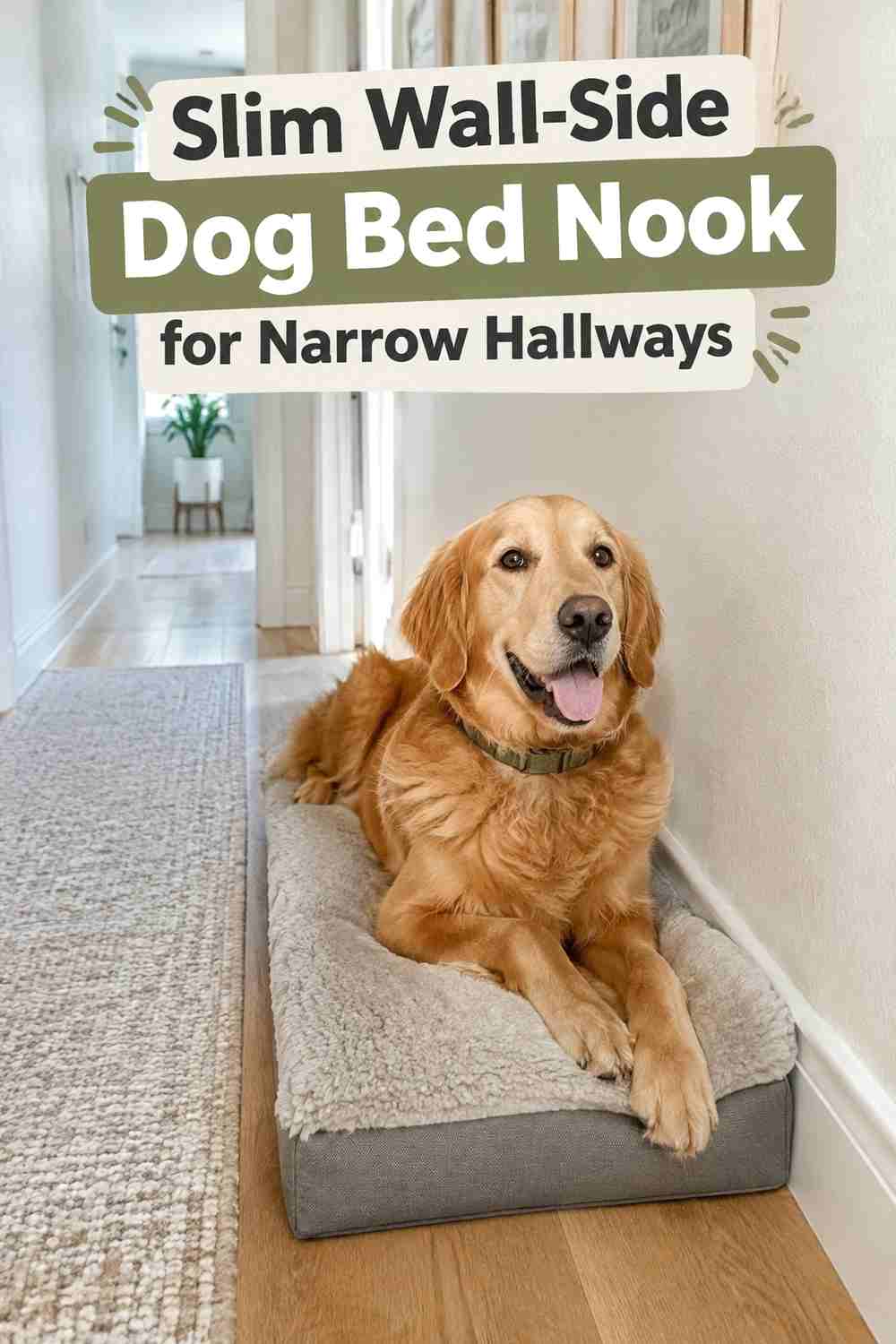
Use a slim rectangular dog bed along one hallway wall to create a resting place without taking over the main walking path. Choose a bed that matches your dog’s body length but stays shallow enough that people can still pass comfortably. A low-profile design is easier to step around than a thick bolster bed in a narrow corridor. Position it away from door swings, stair openings, and spots where people regularly carry laundry or bags. This setup works best for dogs that naturally like resting near family movement but do not need an enclosed retreat. Keep the area visually simple so the bed remains the only floor-level feature.
Space & Placement
Measure the remaining walkway after placing the bed rather than judging the fit by appearance alone.
Best For
Calm dogs that enjoy observing household activity from a predictable resting spot.
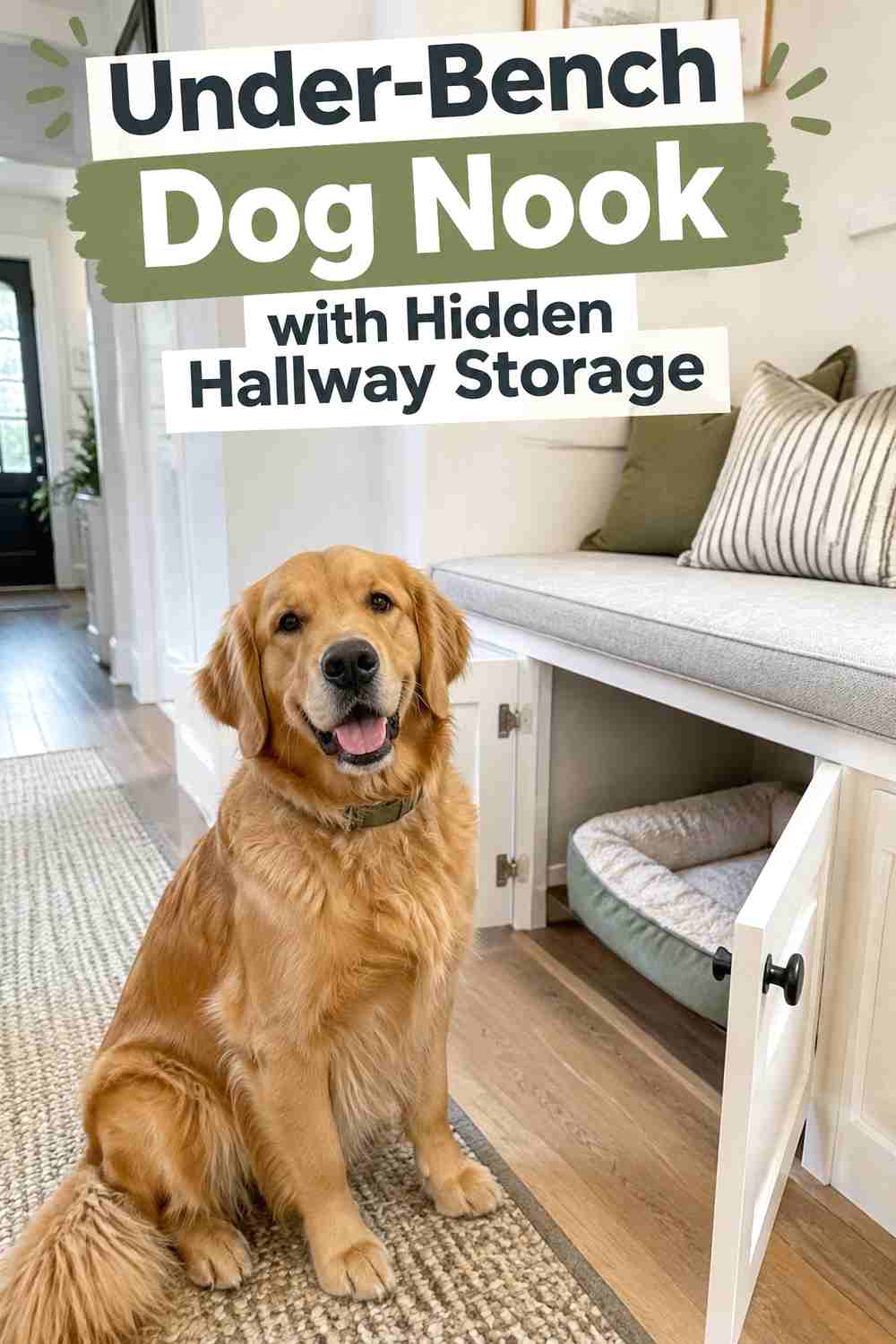
2. Under Bench Dog Nook With Hidden Hallway Storage
You May Also Like



Turn the open space beneath a sturdy hallway bench into a compact dog nook while using enclosed storage above or beside it for household or pet items. Fit a low cushion underneath, leaving enough height for your dog to enter, turn, lie down, and exit without crouching awkwardly. Keep baskets, shoes, and stored objects from projecting into the resting area. This setup works especially well when the bench already belongs in the hallway and can serve two purposes without adding another piece of furniture. Avoid loose fabric hanging beneath the seat, and make sure the bench is stable enough that normal household use does not shift or wobble it.
Setup Notes
Use a fitted cushion that stays flat instead of several loose blankets that can bunch beneath the bench.
Why It Works
One piece of furniture provides storage and a resting space without consuming additional hallway floor area.
3. Cozy Runner Side Resting Nook For Hallway Dogs
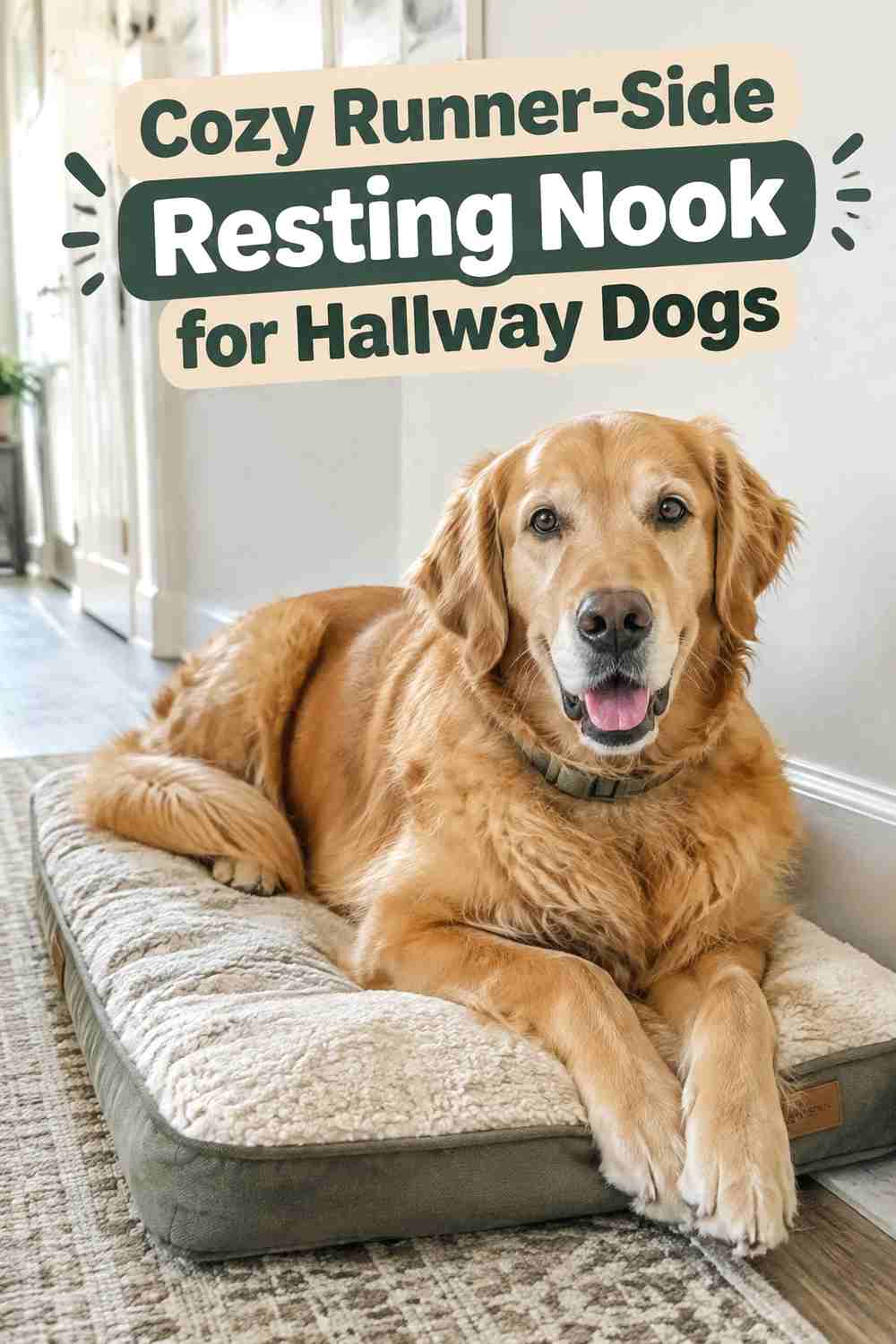
Place a compact dog mat beside, rather than on, a hallway runner to create a cozy resting spot with a clear boundary from the main walking lane. The dog gets a soft place to settle while the runner continues guiding household traffic through the corridor. Choose a mat with good traction so it does not slide when your dog stands up. Keep the runner itself flat and secure as well, especially if people or pets move quickly through the space. This arrangement works best in medium-width hallways where there is enough room for both surfaces without overlap. Use coordinated neutral or warm colors to make the nook feel intentional without adding decorative clutter.
Comfort & Safety
Avoid rugs with curled edges, loose fringe, or slippery backing around the resting area.
Pro Tip
Keep the dog mat slightly offset from the busiest walking line so paws and feet are less likely to meet unexpectedly.
4. Senior Friendly Low Dog Nook With Non Slip Flooring
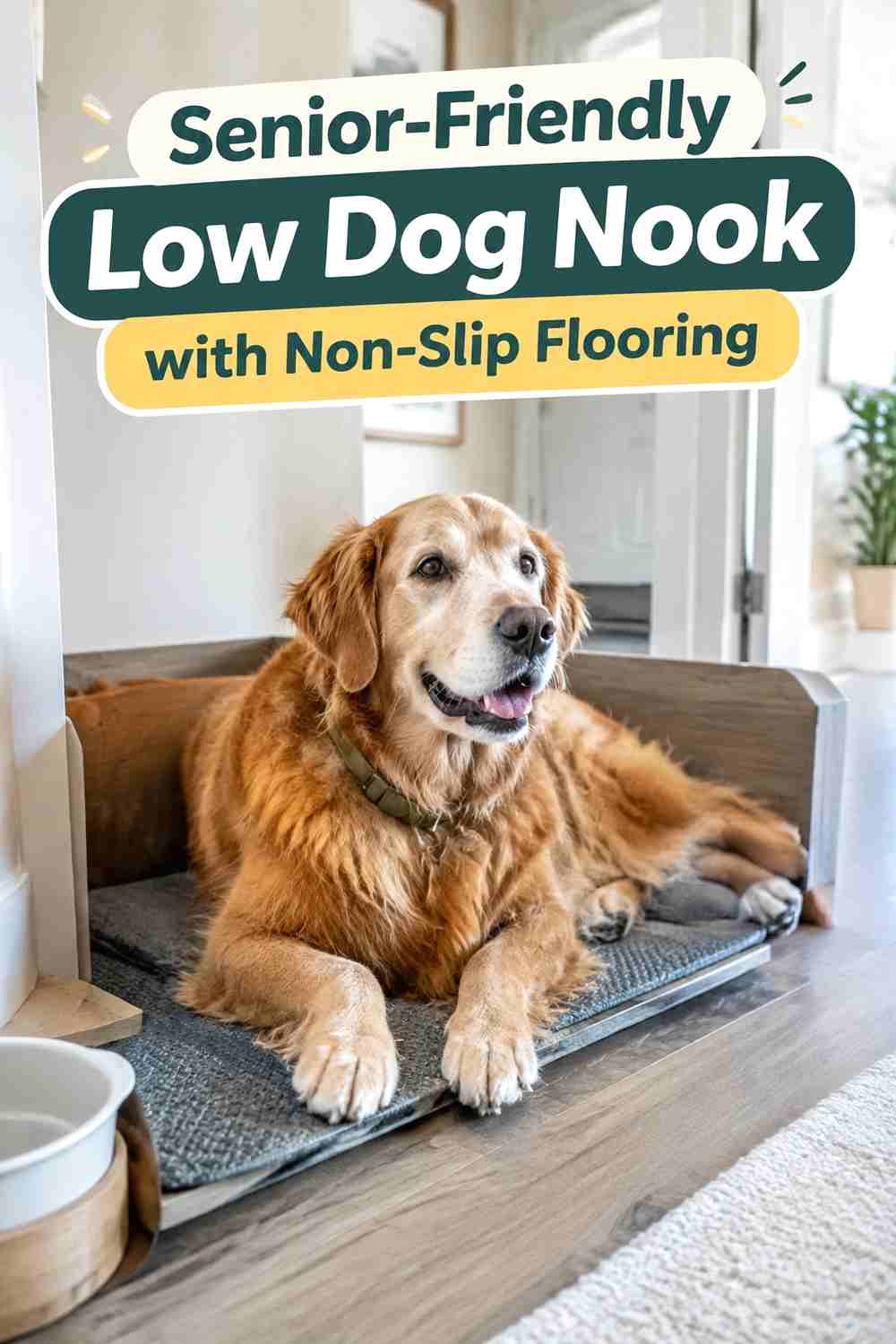
Create a senior-friendly hallway nook with a low bed placed on stable, non-slip flooring and no raised obstacles around the entrance. The bed should be easy to step into and large enough for comfortable position changes without requiring climbing or squeezing between furniture. Keep the route from nearby rooms simple and predictable, especially if the hallway is used at night. Avoid placing baskets, shoes, or decorative objects beside the bed where they could narrow access. This setup can provide a convenient rest point between frequently used rooms, but it should never replace other comfortable resting areas. Watch whether your dog chooses the nook willingly and can get up comfortably.
Comfort & Safety
Sudden changes in mobility, balance, or willingness to lie down should be discussed with a veterinarian rather than addressed only through furniture changes.
Space & Placement
Choose a section of hallway with minimal door traffic and the fewest obstacles.
5. Hallway Window Dog Nook With A Bright Resting Spot
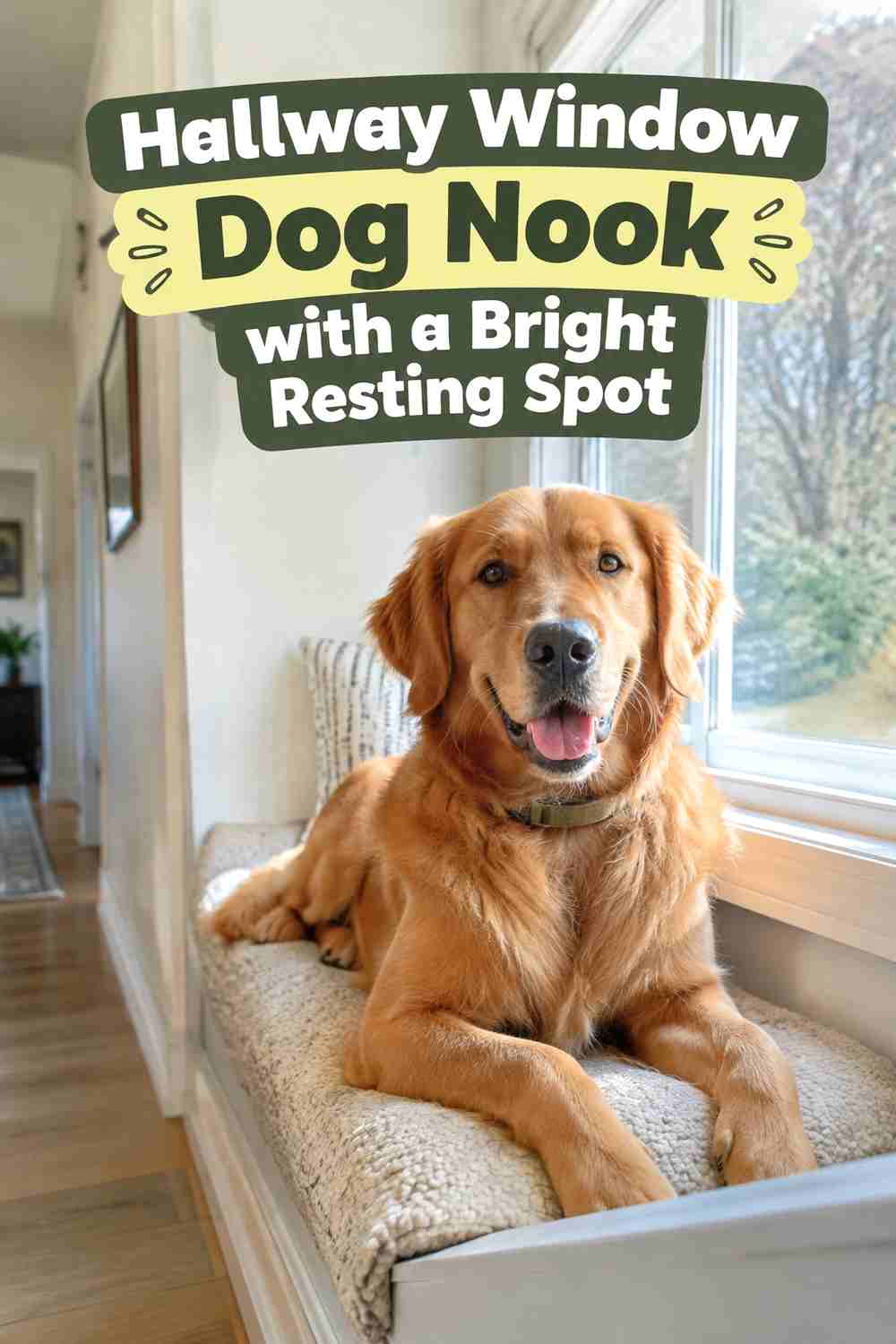
If your hallway has a secure window, place a low bed or mat nearby so your dog can enjoy daylight and an outdoor view without blocking the corridor. Position the bed slightly away from cold glass, strong drafts, or intense direct sun. Keep cords, curtains, and decorative objects out of the dog’s resting area, and make sure the window is securely closed. This nook works well for dogs that enjoy watching outdoor activity while still staying near the center of the home. If passing people constantly interrupt the spot, move the bed farther toward the wall or use another window with less traffic.
Why It Works
Natural light and outdoor movement can make a simple resting nook more interesting without adding extra toys or decor.
Use & Maintenance
Wash the bed cover regularly because window areas can collect dust and shed fur quickly.
6. Built In Cabinet Dog Nook For Organized Hallway Homes
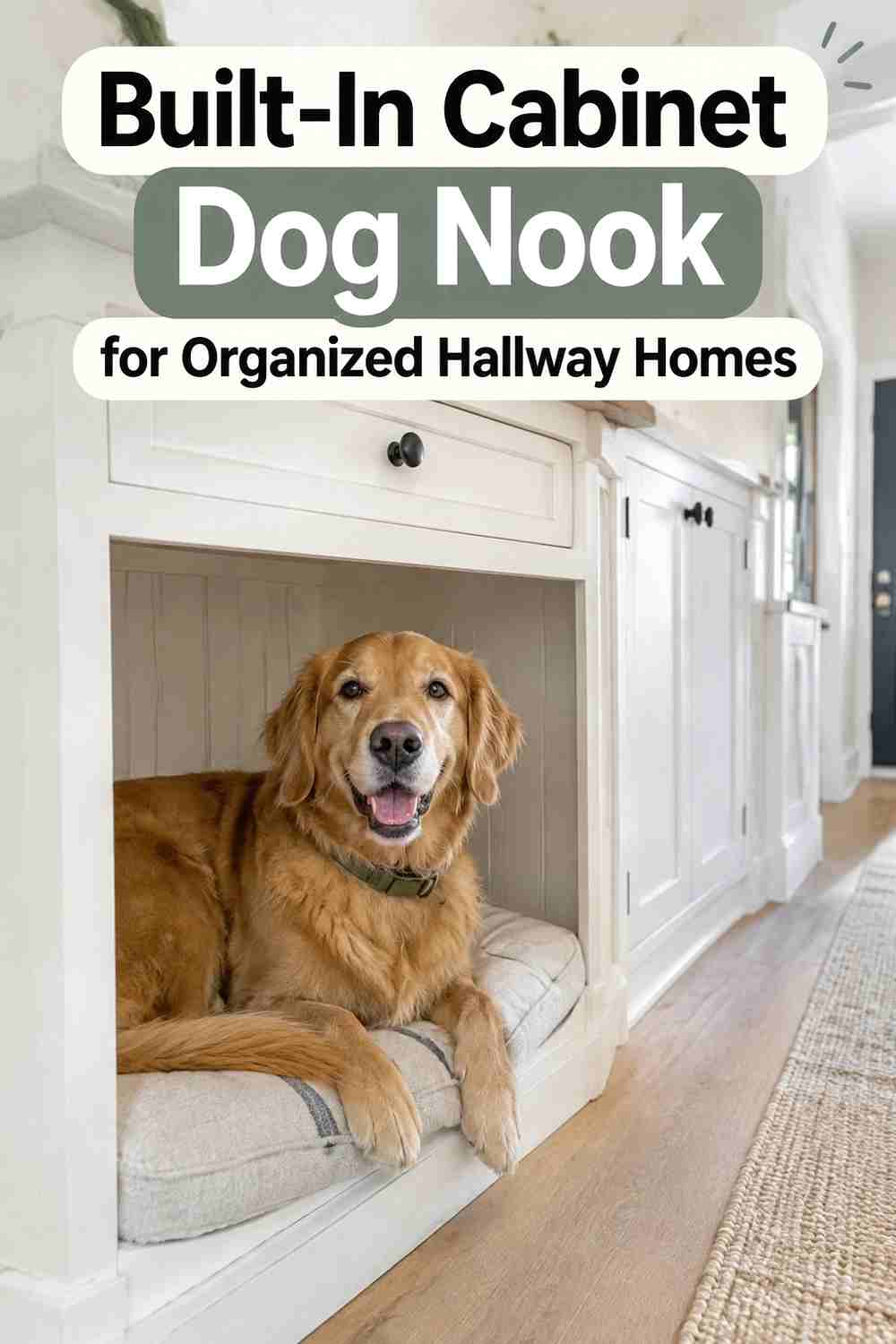
Use the lower open section of a built-in hallway cabinet as a fitted dog nook while keeping supplies stored securely above. The resting space should be completely clear of hinges, exposed hardware, cords, sharp edges, and objects that could fall from shelving. Add one washable cushion sized to the opening rather than filling the space with loose bedding. This arrangement works well in organized homes because pet storage and the dog’s resting area can share one built-in structure without spreading across the hallway. Do not convert a cramped cabinet opening simply because it is available; your dog should be able to enter, turn around, stretch, and leave easily.
Setup Notes
Keep cabinet doors and drawers from opening directly into the dog’s resting space.
Best For
Wide hallways with existing built-ins and enough depth to create a genuinely comfortable nook.
7. Quiet Corner Dog Nook Away From Busy Doorways
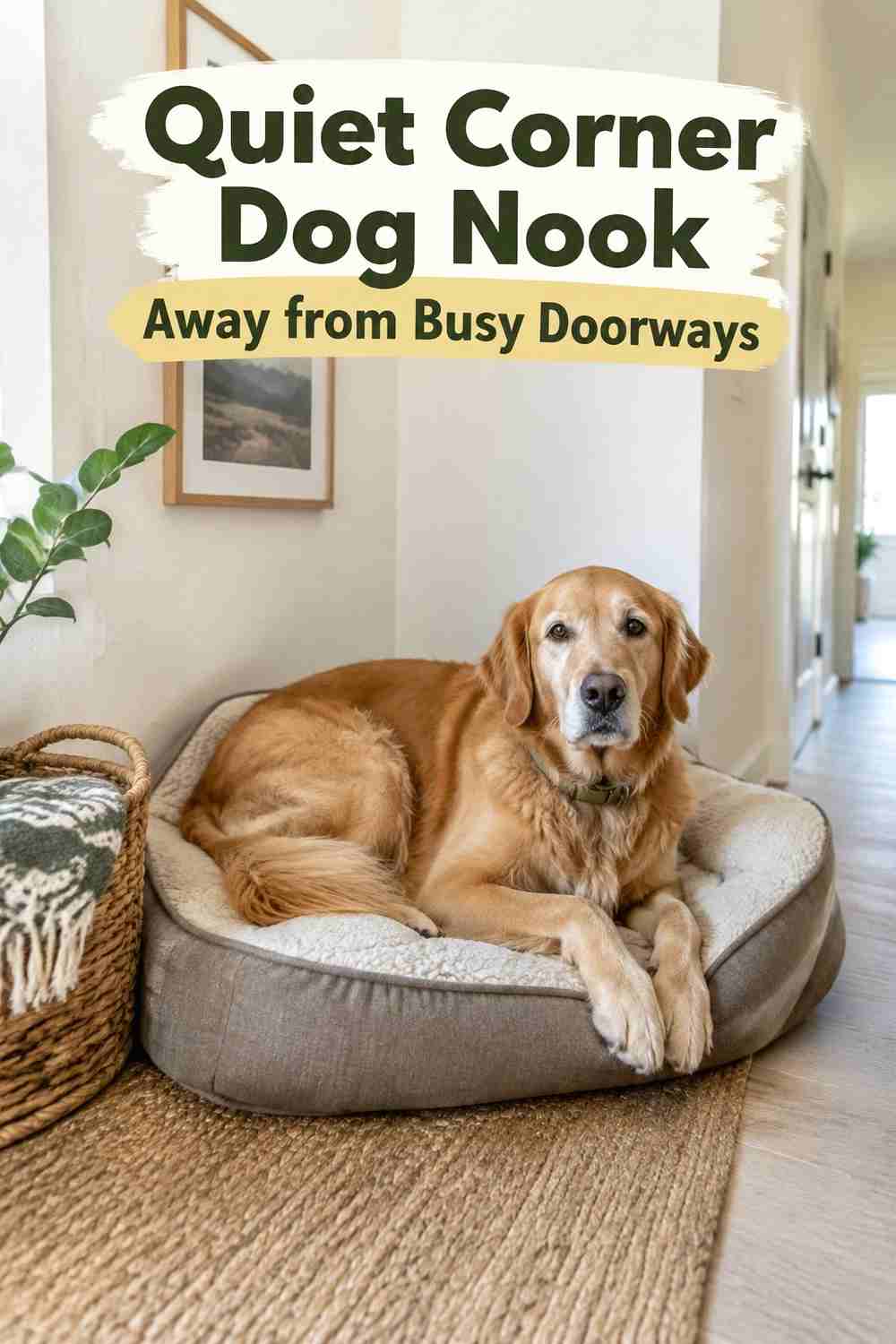
Choose a recessed hallway corner away from the main entrance, bathroom doors, or other high-traffic openings for a quieter dog nook. A simple bed with one washable cover is usually enough; the benefit comes from placement rather than extra accessories. Keep the dog’s line of exit open so the nook does not feel boxed in by furniture. This setup can work well for dogs that like staying near family activity but prefer not to rest in the center of it. Avoid placing speakers, vacuum storage, or noisy household equipment beside the bed. If the hallway becomes busy during certain times of day, make sure your dog also has access to a calmer room elsewhere.
Best For
Dogs that prefer a low-traffic resting position while still remaining connected to household movement.
Space & Placement
Prioritize a corner with predictable traffic and no door opening directly toward the bed.
8. Hallway Toy Basket Nook For Active Indoor Dogs

Pair a low dog bed with a small, stable toy basket placed beside the nook rather than inside the walking path. Keep only a few sturdy toys available so the hallway does not become scattered with balls or play items. String, ribbon, and wand-style toys should be stored separately between supervised sessions. This setup works well when the hallway connects living areas and your dog frequently carries toys from room to room. Choose a basket with a broad base that does not tip easily when your dog noses inside. The resting space should remain distinct from the play zone so your dog can lie down comfortably without toys filling the bed.
Use & Maintenance
Rotate toys and remove damaged items before returning them to the hallway basket.
Pro Tip
Avoid storing rolling toys here if they frequently travel into stairs, doorways, or other busy areas.
9. Multi Dog Hallway Nook With Separate Resting Mats
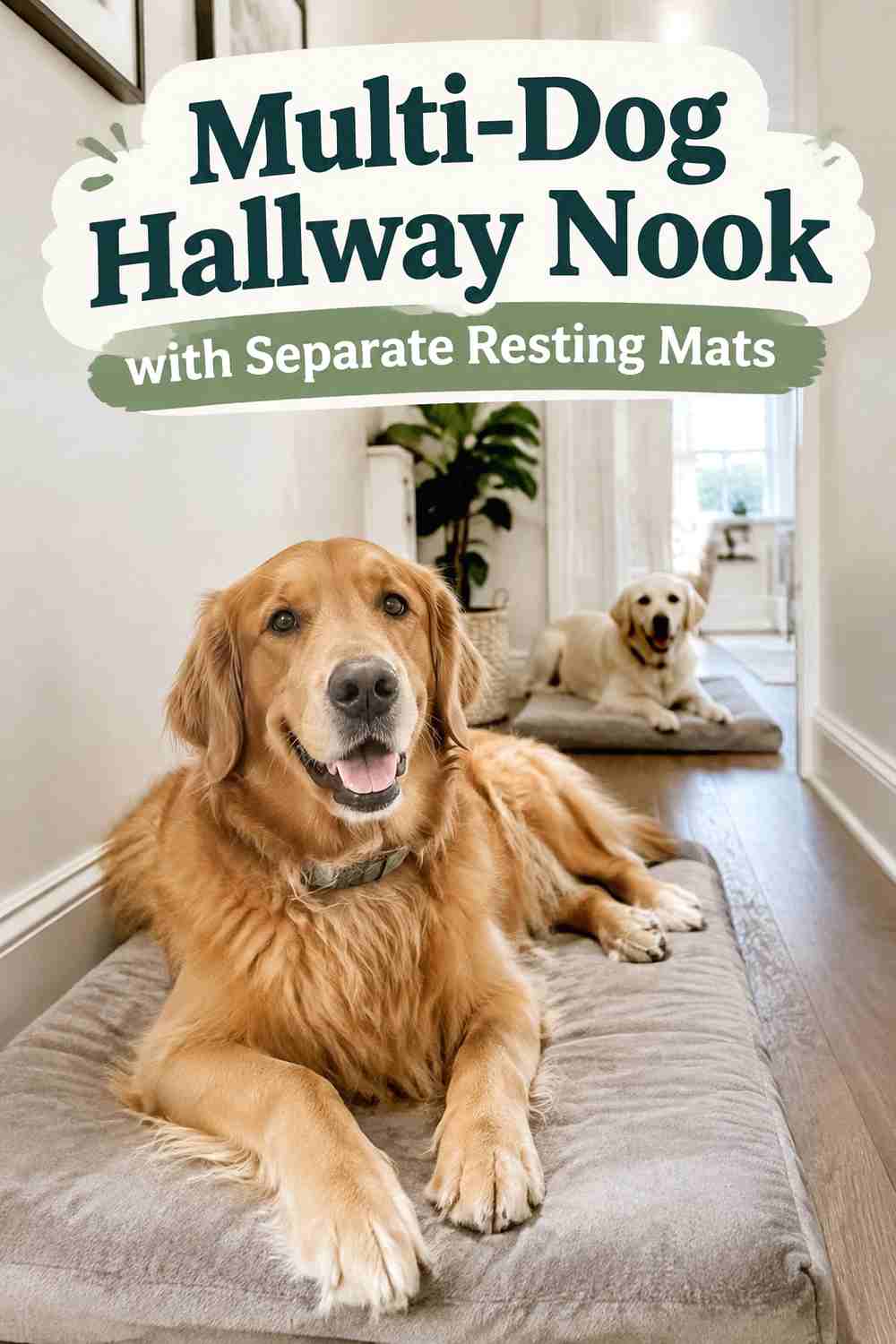
Create separate resting mats for two dogs rather than expecting them to share one hallway bed. Place the mats side by side only if the hallway is wide enough to preserve a clear passage and both dogs already rest comfortably near each other. Leave a small gap between the mats and keep toys or food out of the area if those resources create competition. Matching washable covers can make the setup look coordinated without removing each dog’s individual space. If one dog repeatedly blocks the other’s route or takes both mats, separate the nooks into different parts of the home instead of forcing a shared hallway arrangement.
Pet Type & Life Stage
This setup suits dogs that already share resting space calmly and do not guard beds or narrow passages.
Space & Placement
Both dogs should have an easy exit route without stepping over the other.
10. Minimal Neutral Dog Nook For Modern Hallway Spaces
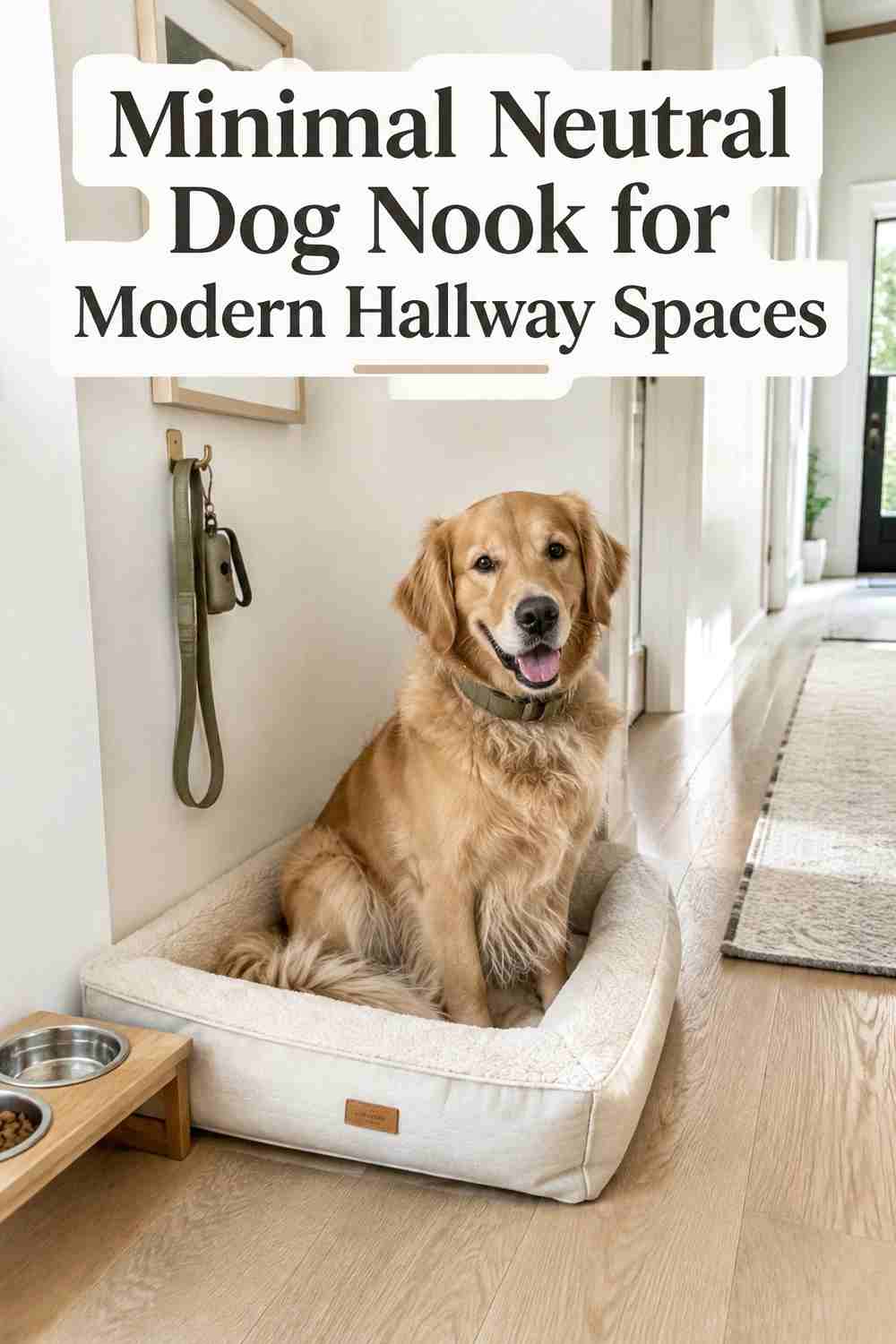
Create a modern hallway nook with one well-fitted bed in cream, taupe, gray, or another neutral tone and keep the surrounding wall and floor mostly clear. The simplicity makes the dog bed look intentional while preserving useful hallway space. Choose a washable cover and a low profile that suits the proportions of the corridor. Wall art can provide visual interest above the nook if it is mounted securely, but avoid floor-level baskets or decorative objects that reduce the dog’s usable area. This approach is especially practical for homes where the hallway already feels narrow. If your dog prefers a bare mat over a thick bed, choose comfort based on actual use rather than appearance.
Why It Works
A restrained setup creates a defined pet area without adding visual or physical clutter.
Cleaning Notes
Vacuum around and beneath the bed frequently because hallways collect dust, fur, and tracked debris.
11. Washable Dog Nook For Muddy Paws And Easy Cleanup
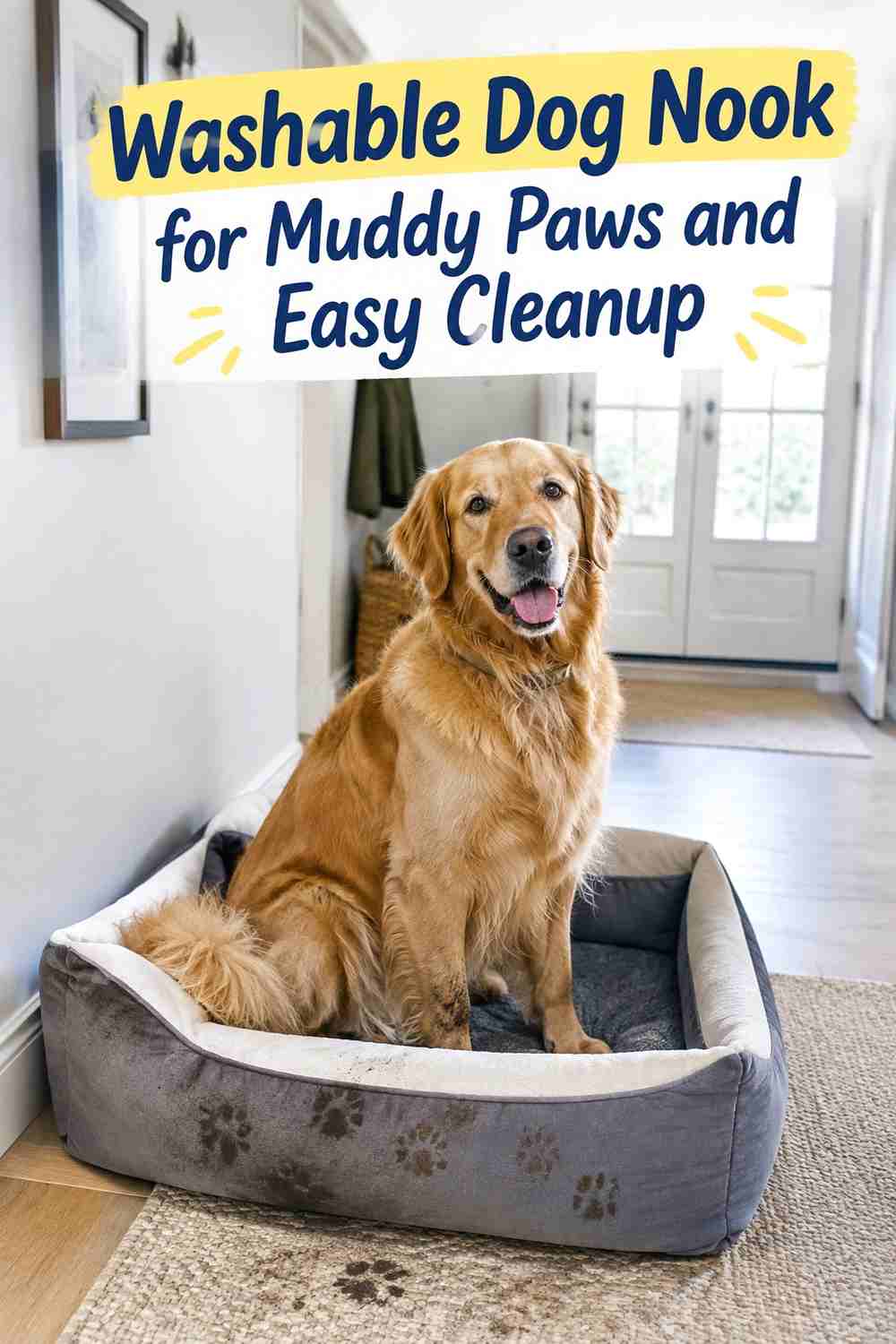
Set up a hallway nook with a washable mat or removable bed cover when the corridor sits near an entryway or mudroom. Choose materials that can be cleaned easily after wet walks and let all fabric dry fully before returning it to the space. A low-profile mat can also protect the floor from paw prints without adding a bulky bed to a busy passage. Keep towels and cleanup supplies in nearby owner-managed storage rather than piling them beside the dog. This setup is especially useful during rainy seasons when the hallway naturally becomes part of the route from the door to the rest of the house.
Cleaning Notes
Lift the mat or bed regularly and check underneath for trapped moisture, dirt, or fur.
Best For
Homes where dogs pass through the hallway immediately after outdoor walks.
12. Wall Hook Dog Nook With Leash Storage Above
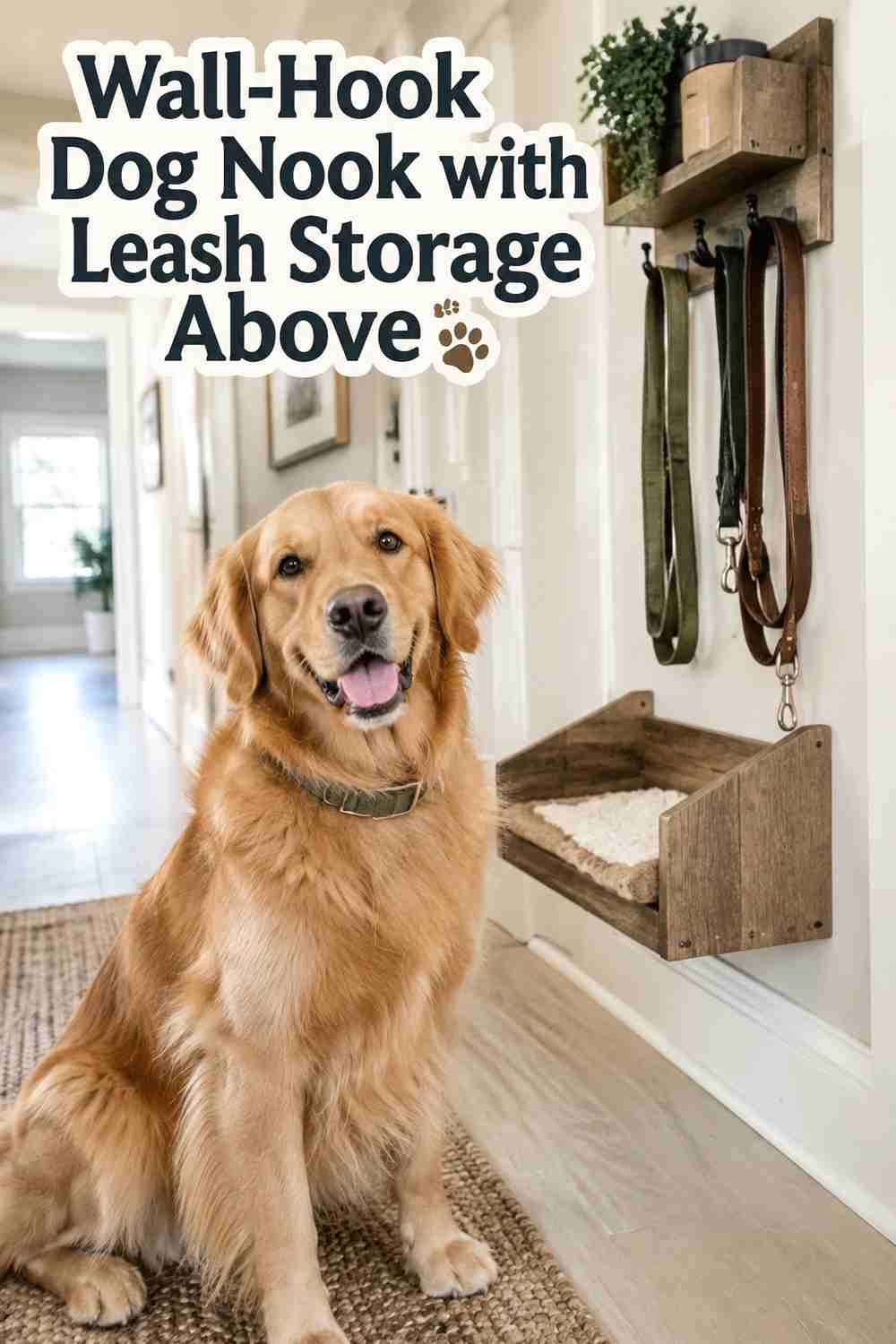
Combine a low hallway dog bed with wall-mounted leash and harness hooks positioned well above the resting area. The setup creates one compact zone for resting and walk preparation without spreading gear across the floor. Keep straps short enough or high enough that they cannot hang into the dog’s bed or become tangled around paws. Use sturdy hooks and avoid storing heavy bags directly over the resting spot. This idea works especially well near an entryway when the hallway is wide enough for the bed to remain outside the main walking lane. Keep the leash zone simple so retrieving gear does not disturb the dog every time someone passes.
Setup Notes
Mount walking gear to the side of the bed rather than directly above the dog whenever possible.
Comfort & Safety
Keep small hardware, detachable accessories, and dangling straps outside your dog’s reach.
13. Small Alcove Dog Nook With Fitted Cushion Bed

A shallow hallway alcove can become a natural dog nook when it is large enough for comfortable movement and stays outside the main traffic path. Measure the space and use a fitted rectangular cushion that fills the floor without curling up the sides. Keep the walls simple and leave the opening completely unobstructed so your dog can enter and exit easily. This setup works particularly well in older homes with recessed wall sections or unused architectural niches. Avoid placing shelves with heavy objects directly above the bed unless they are securely installed and the arrangement is appropriate for the space. The alcove should feel open, not like a tight enclosure.
Best For
Dogs that naturally prefer tucked-away resting areas without needing a fully enclosed crate-style space.
Pro Tip
Choose a removable cover tailored to the cushion size so the nook remains easy to wash and reset.
14. End Of Hall Dog Retreat With Bed And Blanket
You May Also Like



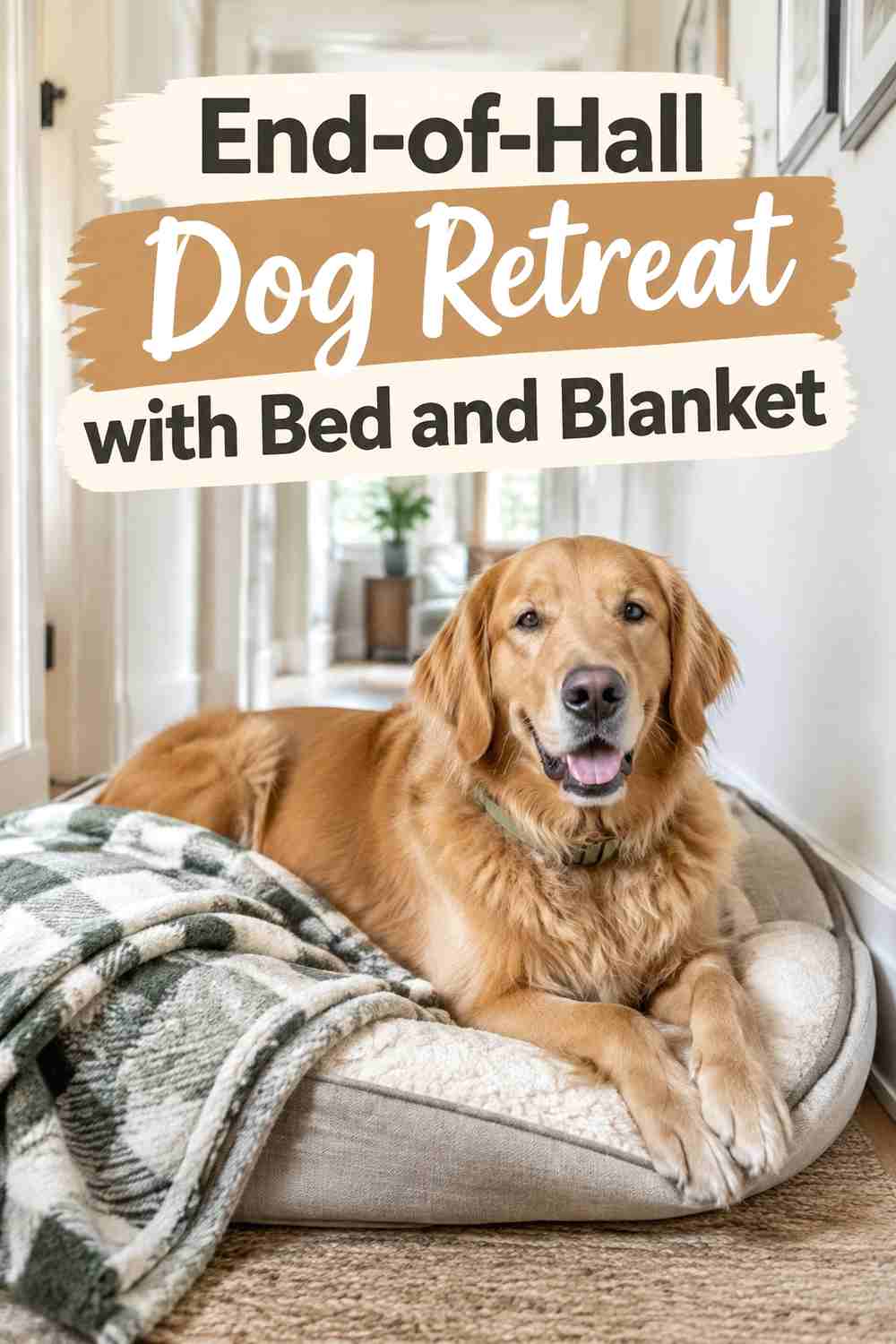
Use the end of a hallway for a more spacious dog retreat when that area is not needed for access, emergency egress, doors, or storage. Place a supportive bed against the wall and add one washable blanket if your dog enjoys nesting. Because this section is outside the main pass-through lane, it can feel calmer than a bed positioned midway along the corridor. Keep decorations minimal and avoid shelving or unstable furniture directly above the resting area. This setup works especially well when the hallway ends near bedrooms or a quiet home office, allowing the dog to rest near family without lying in the busiest room.
Why It Works
A dead-end hallway section can provide a defined resting zone without narrowing the main circulation path.
Comfort & Safety
Make sure the nook does not interfere with doors, exits, electrical panels, or any area that needs regular access.
How to Choose the Right Idea
Start with hallway width and traffic. Narrow corridors usually work best with slim beds, wall-mounted storage, or recessed alcoves, while wider hallways can support benches, separate multi-dog mats, or a larger end-of-hall retreat.
Match the nook to your dog’s size, age, and resting style. Senior dogs may benefit from low beds and non-slip surfaces, while dogs that like observing household activity may prefer a bright window nook. Dogs seeking quieter spaces may do better in a corner away from busy doors.
Most importantly, preserve normal household circulation. Avoid blocking exits, stairs, door swings, utility access, or major walkways. Keep cords, sharp hardware, hanging straps, unstable furniture, and small chewable objects out of the resting area.
Final Thoughts
A good hallway dog nook uses overlooked space without making the hallway harder to use. One well-placed bed, mat, or fitted cushion is often enough to create a comfortable resting zone.
Choose the quietest practical location, keep the route clear, and add storage or toys only when they support a real everyday routine. Simple hallway nooks are usually the easiest to clean and maintain.
FAQs
1. Can I put a dog bed in a narrow hallway?
Yes, if the bed leaves enough room for people and pets to pass safely. A slim, low-profile mat or bed is usually better than a bulky bolster in a narrow corridor.
2. Where is the best place for a hallway dog nook?
A recessed alcove, quiet corner, window area, or unused end of the hallway can work well as long as doors, exits, stairs, and household traffic remain clear.
3. How can I make a hallway nook easier for a senior dog?
Use a low bed, non-slip surface, clear approach, and predictable furniture placement so the dog does not need to step over objects or squeeze through narrow gaps.
4. Can two dogs share one hallway nook?
Some dogs can rest near each other comfortably, but separate mats or beds usually provide more personal space and clearer exit routes.
5. How do I keep a hallway dog nook easy to clean?
Choose removable washable covers, lift the bed regularly, vacuum beneath it, and avoid unnecessary floor-level decor that traps fur and dust.
Save your favorite hallway nook idea and create a comfortable dog space that works with your home’s layout instead of getting in the way.
