Keep dog coats easy to grab, dry, sort, and store with practical setups that work for entryways, mudrooms, apartments, and busy walking routines. Dog coat storage works best when outerwear is close to the door but organized enough that damp jackets, seasonal coats, and everyday walking gear do not become one messy pile. These ideas include hanging systems, baskets, drawers, cubbies, compact organizers, seasonal storage, and dedicated drying space. The right setup depends on how many coats your dog owns, where you usually get ready for walks, and whether the clothing needs to hang or can be folded. Homes with multiple dogs may need separate sections, while small spaces benefit from doors, drawers, and vertical walls. Always clean and fully dry coats before long-term storage, and keep straps or closures away from dogs that may chew hanging gear.
Save This Idea on Pinterest

11 Dog Coat Storage Ideas
Save to PinterestQuick List
- Entryway Hook Row for Everyday Dog Coat Storage
- Labeled Basket System for Organized Dog Coat Storage
- Over-Door Organizer for Small-Space Dog Coat Storage
- Drawer Divider Station for Folded Dog Coat Storage
- Mudroom Bench Cubby for Dog Coats and Accessories
- Seasonal Storage Bin for Off-Season Dog Coats
- Mini Garment Rail for Hanging Dog Coat Storage
- Labeled Multi-Dog Coat Hooks for Separate Outfit Storage
- Rolling Cart Station for Flexible Dog Coat Storage
- Pegboard Wall Station for Dog Coats and Walking Gear
- Drying Rack Station for Wet Dog Coats After Walks
1. Entryway Hook Row For Everyday Dog Coat Storage
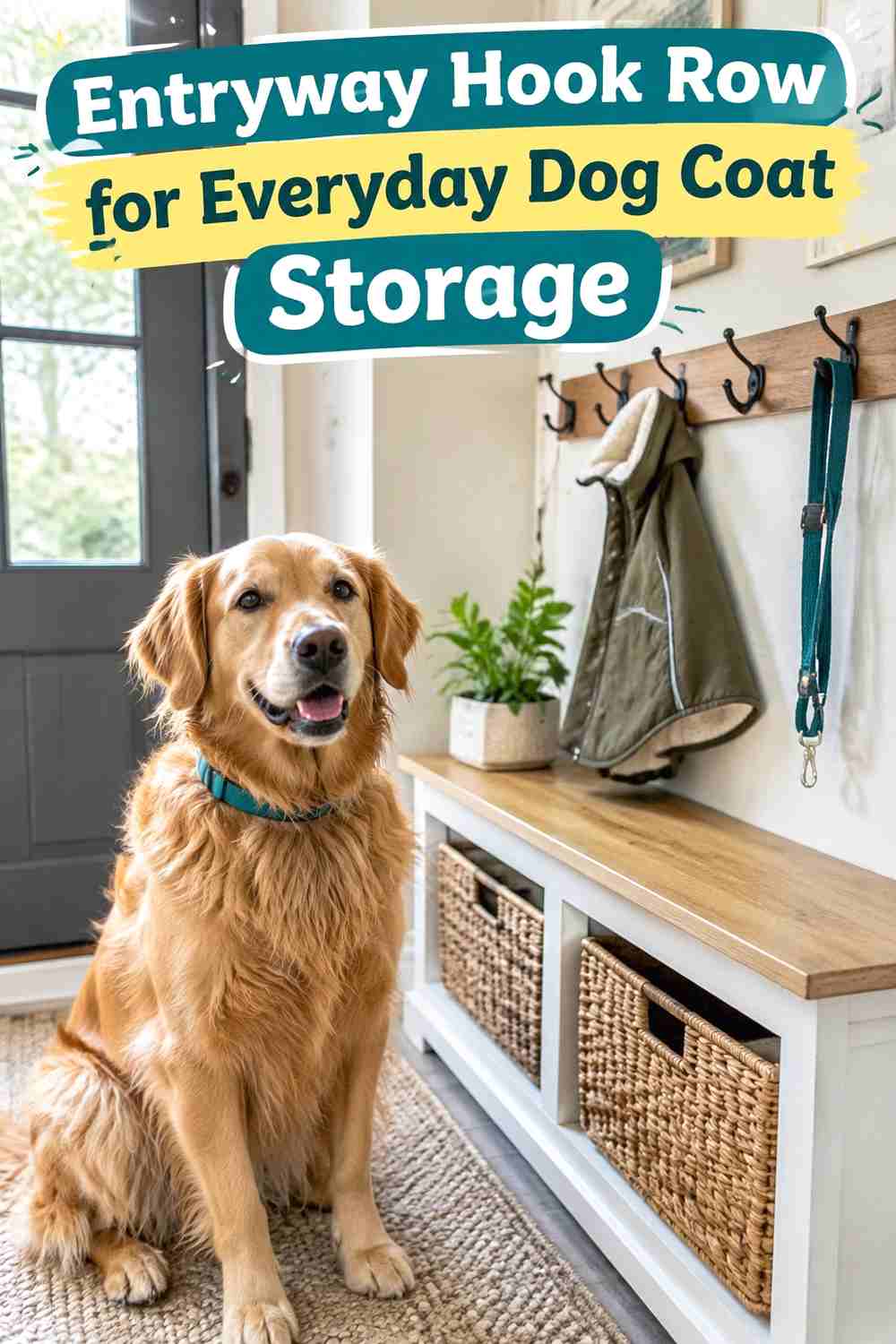
An entryway hook row keeps frequently used dog coats ready beside the door instead of buried in a closet. Install several sturdy, smooth hooks and assign them to everyday rain jackets, lightweight layers, or other regularly worn outerwear. Hang each coat loosely so straps and fasteners do not tangle with neighboring pieces. This works best when the collection is small enough to stay visually clear rather than packing every seasonal item onto the wall. Coats that come home damp or muddy should move to a drying or cleaning area before returning to the hooks. If your dog likes pulling fabric or straps, place the row above easy reach while keeping it convenient for adults.
Best For
This arrangement suits owners who use the same few dog coats regularly and want fast access before walks.
Space & Placement
Position the hooks near the exit without blocking doors, light switches, or the main walking path.
2. Labeled Basket System For Organized Dog Coat Storage

You May Also Like



A labeled basket system gives folded dog coats clear categories without requiring much wall space. Use separate bins for lightweight coats, rainwear, cold-weather layers, or another grouping that matches your actual routine. Keep labels simple so anyone in the household can return clean coats to the correct place. This approach works particularly well for soft coats that fold easily without losing their shape. Avoid stuffing baskets tightly, since crowded storage makes it harder to see what you have and can leave straps tangled. Only store clean, dry coats, and check pockets, hook-and-loop closures, or loose fasteners before folding. Place baskets inside a cabinet, cubby, or owner-accessible shelf if your dog might chew the containers.
Setup Notes
Use containers that are easy to lift out so the entire category can be reviewed during seasonal changes or laundry days.
Pro Tip
Leave a little empty space in each basket rather than treating every container as something that must be filled completely.
3. Over Door Organizer For Small Space Dog Coat Storage

An over-door organizer turns unused vertical space into compact dog coat storage, making it useful for apartments and narrow entryways. Choose a sturdy organizer with hooks, pockets, or both, then use the larger sections for folded coats and smaller areas for lightweight walking accessories. Keep bulky pieces from interfering with the door so it still opens and closes normally. This solution works best for lightweight garments rather than heavy overloaded storage. Make sure any hanging straps remain out of your dog’s reach, especially if the door is in a frequently used pet area. Damp coats should dry elsewhere before being tucked into pockets where moisture and odor could become trapped.
Best For
Small homes can use this system when floor baskets, benches, and additional cabinets would create unnecessary clutter.
Space & Placement
Check that the organizer does not scrape walls, obstruct hinges, or interfere with door latches when fully loaded.
4. Drawer Divider Station For Folded Dog Coat Storage

A dedicated drawer with dividers keeps folded dog coats hidden, protected, and easy to sort. Use adjustable sections for different coat types, sizes, or seasons so small garments do not become one tangled stack. Fold each piece with straps and closures tucked neatly inside, and avoid placing damp clothing in the drawer after a rainy walk. A drawer system is especially convenient when dog clothing is stored near a bench or entry console where owners already keep walking supplies. Secure the drawer if your dog knows how to nose cabinetry open, and keep medications, cleaners, batteries, or other unsafe household items in a separate storage area rather than beside pet clothing.
Best For
This method works well for owners who prefer concealed storage and have coats that fold easily instead of needing to hang.
Use & Maintenance
Empty the drawer occasionally to remove loose fur and check whether outgrown, worn, or rarely used coats still need space.
5. Mudroom Bench Cubby For Dog Coats And Accessories

A mudroom bench cubby creates a complete getting-ready zone by keeping dog coats beneath or beside the place where owners already prepare for outdoor walks. Assign one cubby to folded coats and another to safe walking accessories, or use individual baskets that slide neatly into the openings. The bench top can remain clear for sitting while attaching footwear or organizing gear. Keep wet coats out of enclosed cubbies until they have dried fully, since damp fabric packed into a closed space can make the whole station unpleasant. If the cubbies are at dog level, use closed bins for items you do not want pulled out or chewed.
Space & Placement
Keep the bench close enough to the exit to be useful without narrowing the walkway around doors or stairs.
Pro Tip
Designate one empty cubby or basket for items that need washing instead of mixing dirty gear with clean coats.
6. Seasonal Storage Bin For Off Season Dog Coats

A seasonal storage bin keeps rarely used dog coats out of the everyday entryway while preserving space for current-weather gear. At the end of a season, wash or clean coats according to their care instructions, let them dry completely, and inspect closures, seams, and fabric before packing them away. Fold items loosely inside a labeled container rather than compressing them into an overfilled box. Store the bin in a dry, secure location where temperature and moisture will not damage the contents. When the season changes again, review fit and condition before putting every coat back into use, since a dog’s size or needs may have changed.
Best For
This method suits households that use different coats for rainy, cold, or transitional weather and do not need every piece accessible year-round.
Use & Maintenance
Label bins clearly by season or dog so you do not need to open several containers to find the right collection.
7. Mini Garment Rail For Hanging Dog Coat Storage
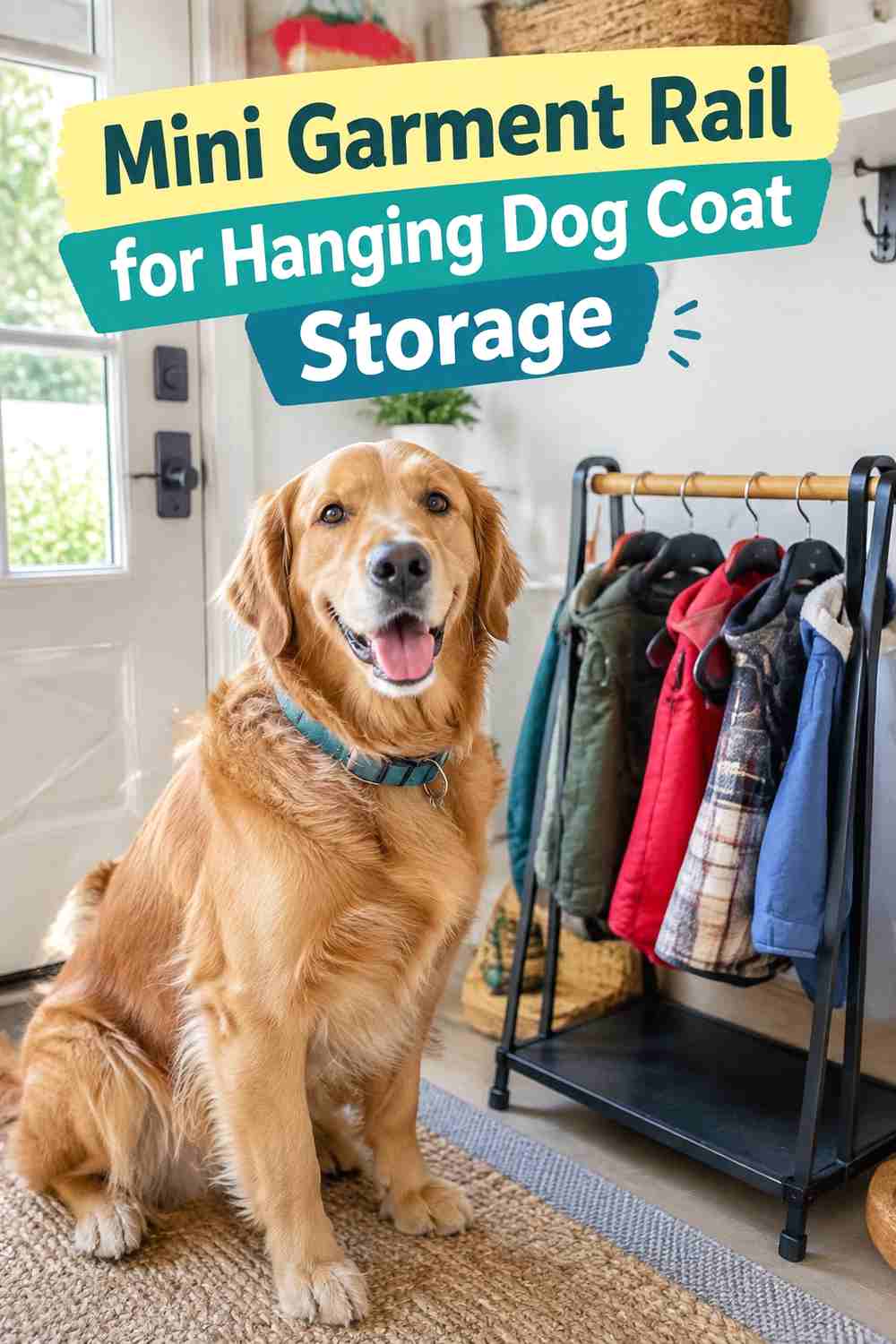
A mini garment rail keeps dog coats hanging neatly where their shape, straps, and closures remain easy to see. Use small hangers or clips suited to the garment and space coats far enough apart that they do not become tangled. A short rail can fit inside a mudroom cabinet, open wardrobe, or dedicated pet corner without requiring a full-size closet. Hanging storage is particularly useful for structured raincoats or heavier outerwear that becomes bulky when folded. Make sure the rail is stable and mounted or positioned so it cannot tip if bumped. Keep low-hanging straps out of reach if your dog tends to chew or tug fabric.
Best For
This setup works well for owners with several coats who want to see the entire collection at once before choosing one.
Pro Tip
Arrange coats from lightweight to heavier options so weather-appropriate choices are faster to find during busy departures.
8. Labeled Multi Dog Coat Hooks For Separate Outfit Storage

Labeled hooks give each dog a separate section for coats, which helps prevent size mix-ups in multi-dog households. Install a sturdy row and assign one or more hooks to each dog, using simple name labels or another clear identifier. Keep each section limited to current-season coats and move off-season pieces into reserve storage. This makes it easier to grab the correct size without sorting through several similar jackets before every walk. If dogs have different coat needs, one dog’s section may hold several layers while another has only a raincoat. Position the hooks above chewing height and keep any detachable accessories or small fasteners stored separately.
Best For
This organization method is useful when dogs differ in body size, coat fit, weather tolerance, or the number of garments they regularly use.
Setup Notes
Leave visible space between each dog’s section so straps and sleeves do not cross into neighboring hooks.
9. Rolling Cart Station For Flexible Dog Coat Storage
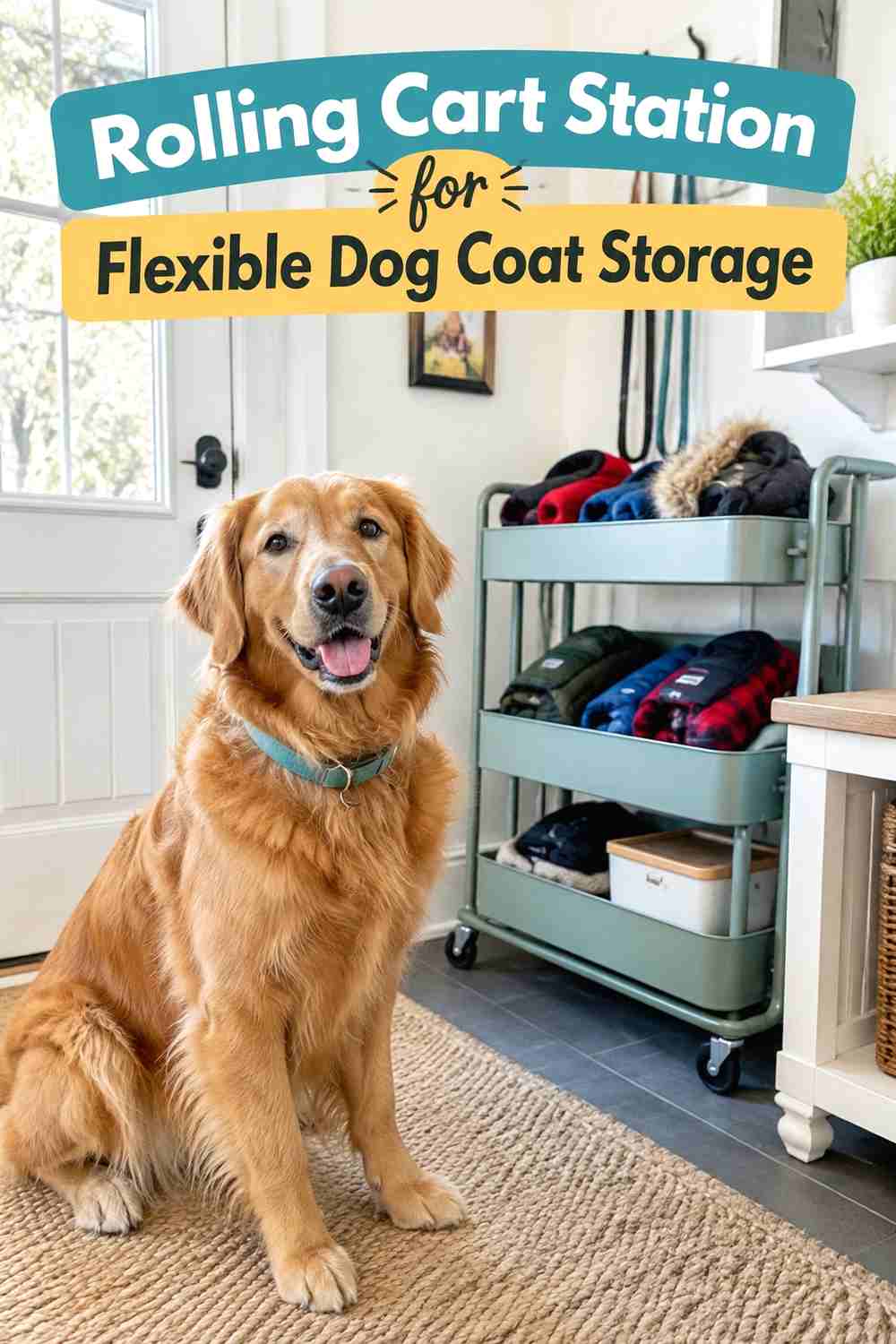
A rolling cart lets dog coat storage move wherever getting-ready and cleanup routines happen. Use one shelf for folded clean coats, another for walking accessories, and a removable bin for clothing waiting to be washed or inspected. The cart can stay near an entryway during wet weather and move into a closet or utility area when the season changes. Choose a stable cart with locking wheels so it does not roll when items are being removed. Do not place damp coats into closed containers on the cart; hang them to dry first. Lower shelves should hold only items that are appropriate if your dog can reach them.
Best For
This station is useful in homes without a dedicated mudroom or where dog gear needs to move between different doors.
Space & Placement
Park the cart outside narrow paths, stairs, and door swings, and lock the wheels whenever it is stationary.
10. Pegboard Wall Station For Dog Coats And Walking Gear
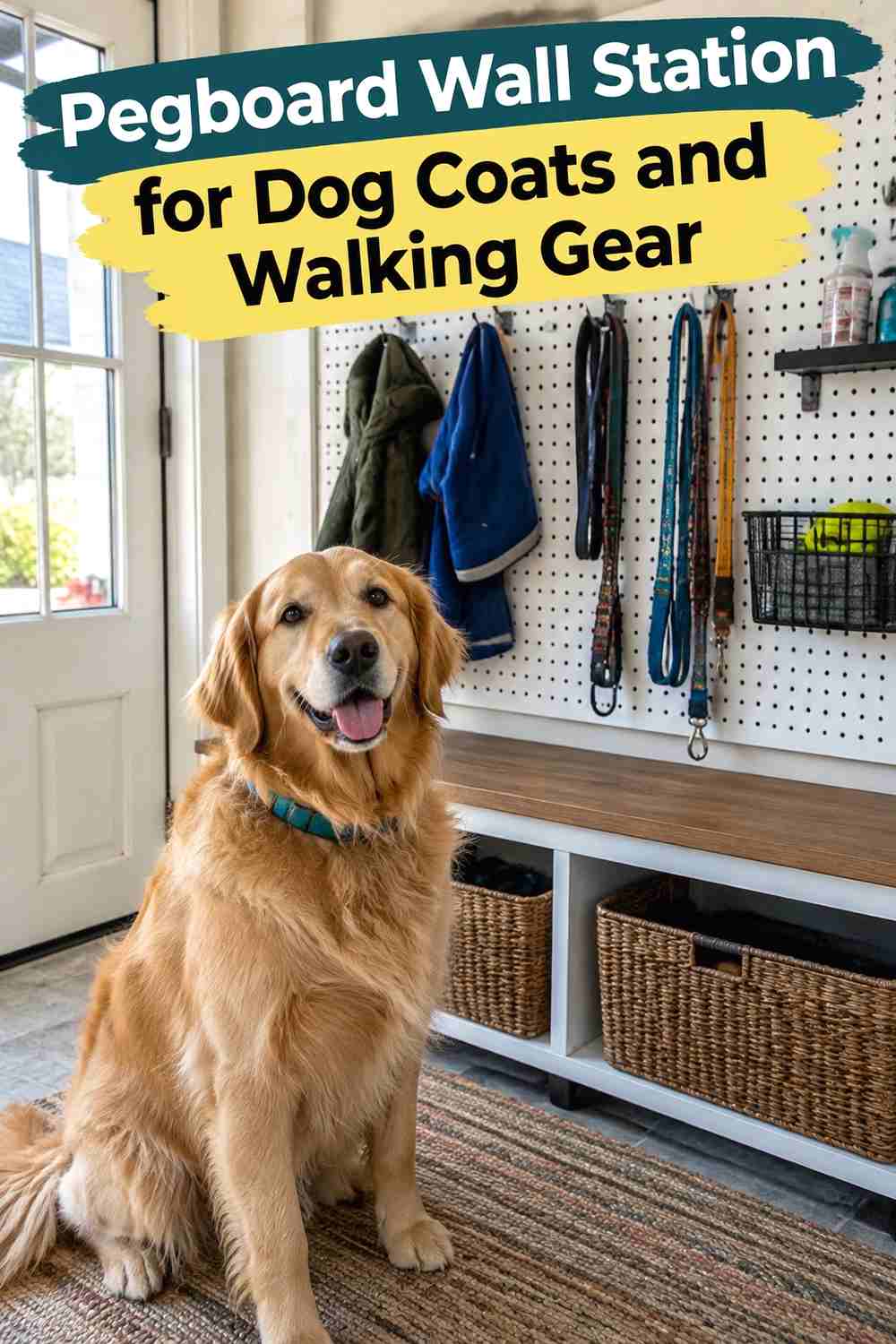
A pegboard wall creates flexible vertical storage for dog coats and selected walking gear. Arrange sturdy hooks for hanging coats and add small baskets or shelves for lightweight accessories, keeping the layout open enough that each garment remains easy to reach. Because pegboard hardware can be moved, the station can change between seasons as heavier jackets replace lightweight rainwear. Make sure the board is securely anchored and that hooks are appropriate for the weight they hold. Avoid hanging anything with long dangling cords where your dog can reach it. Dirty or wet garments should move to cleaning and drying areas rather than returning immediately to the display.
Setup Notes
Keep frequently used coats at easy adult reach and place reserve items higher so the main section does not become overcrowded.
Pro Tip
Leave a few empty pegboard spaces so you can adjust the station without rebuilding the whole arrangement later.
11. Drying Rack Station For Wet Dog Coats After Walks
You May Also Like




A drying rack station gives wet dog coats a dedicated place to air out after rain, snow, or muddy outdoor walks. Use a sturdy wall-mounted or freestanding rack and hang garments separately so air can circulate around each piece. Before hanging, shake off loose dirt outdoors or follow the coat’s care instructions if it needs cleaning. Place the rack over an easy-clean surface where dripping water will not damage flooring or nearby furniture. Do not return damp coats to drawers, bins, or closets just because the outside feels mostly dry; check thicker linings and folded areas first. Once dry, inspect closures and fabric before moving the coat back into regular storage.
Best For
This station is especially practical in rainy climates or homes where dog coats are used frequently in wet outdoor conditions.
Cleaning Notes
Wipe the rack and surrounding floor as needed so mud, moisture, and loose fur do not build up around the drying zone.
How to Choose the Right Idea
Start by looking at how many dog coats you actually use and where you prepare for walks. A few everyday jackets may need nothing more than entryway hooks, while larger collections are easier to manage with drawers, cubbies, garment rails, or seasonal bins. Think about the garments themselves. Lightweight fleece-style layers may fold easily, while structured rainwear can be more convenient on hangers. Wet-weather households also benefit from a separate drying station rather than relying on the same storage area for clean and damp coats. Small homes can use over-door organizers, drawers, and pegboards to save floor space. Multi-dog households may prefer clearly labeled sections so similar garments do not get mixed up. Whatever system you choose, keep frequently used coats accessible, reserve storage uncluttered, and wet or dirty items separate until they are ready to return.
Final Thoughts
Good dog coat storage should make getting ready for a walk faster while keeping clean, wet, and off-season clothing from becoming one mixed pile. Choose the simplest system that matches your available space and number of coats, then add seasonal storage or a drying zone only where it makes your routine easier.
FAQs
1. Where should I store everyday dog coats?
Keep regularly used coats near the door you normally use for walks. Hooks, cubbies, drawers, or a small garment rail can all provide convenient access.
2. Should dog coats be folded or hung?
Either can work depending on the garment. Soft lightweight coats often fold easily, while structured or bulky outerwear may be more convenient to hang.
3. How should I store wet dog coats after a rainy walk?
Hang wet coats separately in a ventilated drying area. Wait until they are fully dry before returning them to drawers, bins, cabinets, or seasonal storage.
4. How can I organize coats for several dogs?
Give each dog clearly labeled hooks, baskets, cubbies, or garment-rail sections. Separate organization helps prevent accidentally grabbing the wrong size.
5. What should I do with dog coats during the off-season?
Clean and dry them completely, inspect their condition, and store them loosely in a labeled container in a dry location. Recheck fit before using them again.
CTA
Save these dog coat storage ideas and choose a setup that keeps everyday walking gear organized, accessible, and easier to manage.
