Turn your backyard into a calm sensory playground with sniffing paths, textures, shade, digging zones, and safe places for your dog to explore.
Save This Idea on Pinterest
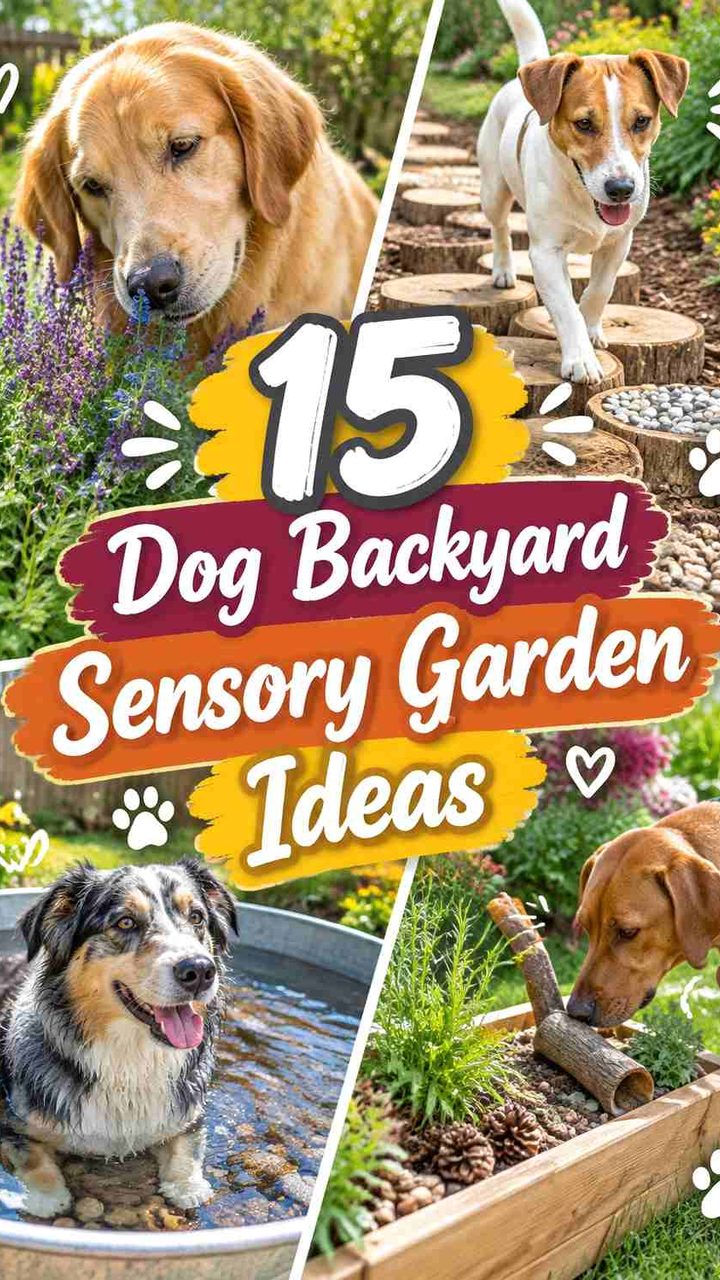
15 Dog Backyard Sensory Garden Ideas
Save to PinterestDog backyard sensory garden ideas can add variety to ordinary outdoor time by giving dogs different places to sniff, walk, rest, observe, and investigate at their own pace. The most useful gardens combine simple features rather than filling the yard with obstacles or decorative objects.
These 15 ideas include scent planters, textured paths, a digging area, shaded rest spots, observation zones, water access, and senior-friendly routes. Choose according to your dog’s size, age, mobility, curiosity, digging habits, available yard space, climate, and how much maintenance the garden requires.
Quick List
- Curving Sniffing Path Through a Dog Sensory Garden
- Raised Nontoxic Herb Planters for Dog Scent Exploration
- Textured Paver Trail for Safe Dog Paw Exploration
- Shaded Grass Patch for Calm Backyard Dog Rest
- Digging Box Zone for Dogs Who Love to Dig
- Low Log Balance Path for Confident Backyard Dogs
- Scent Rotation Pots for Fresh Dog Garden Enrichment
- Quiet Observation Corner for Backyard Bird-Watching Dogs
- Walk-Through Garden Tunnel for Curious Exploring Dogs
- Water Bowl Rest Stop Along a Dog Garden Path
- Raised Viewing Mound for Dogs Who Watch the Yard
- Multi-Dog Sensory Garden with Separate Exploration Zones
- Senior-Friendly Sensory Garden with Low-Impact Walking Path
- Small Backyard Sensory Strip for Compact Dog Spaces
- Seasonal Rotation Zone for Changing Dog Garden Scents
1. Curving Sniffing Path Through A Dog Sensory Garden
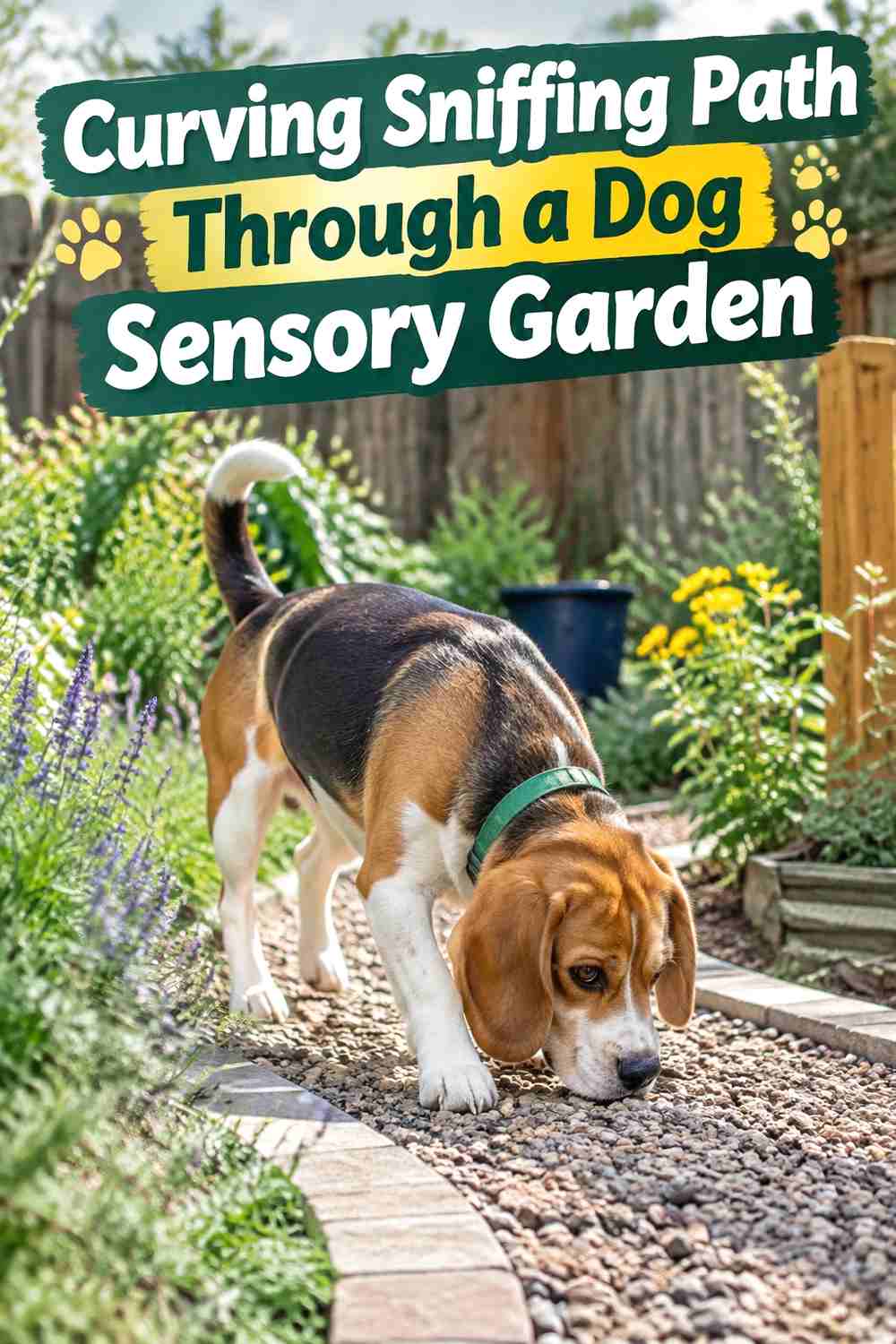
Create a gently curving path through the backyard that encourages your dog to move slowly and investigate different areas instead of racing in a straight line. Use stable, paw-friendly ground surfaces and position safe planting zones or natural scent points along the edges without narrowing the route. Keep the path wide enough for comfortable turning and avoid sharp borders, loose wires, or small decorative pieces that can be chewed or swallowed. This idea works well for dogs that naturally enjoy sniffing walks because the garden becomes a place to explore rather than simply cross. Leave several clear exits so your dog never feels funneled into a tight corridor.
Space & Placement
Design the path around existing shade and open areas rather than forcing it between dense plants.
Why It Works
Gentle changes in direction encourage slower observation and make a small yard feel more varied.
2. Raised Nontoxic Herb Planters For Dog Scent Exploration
You May Also Like



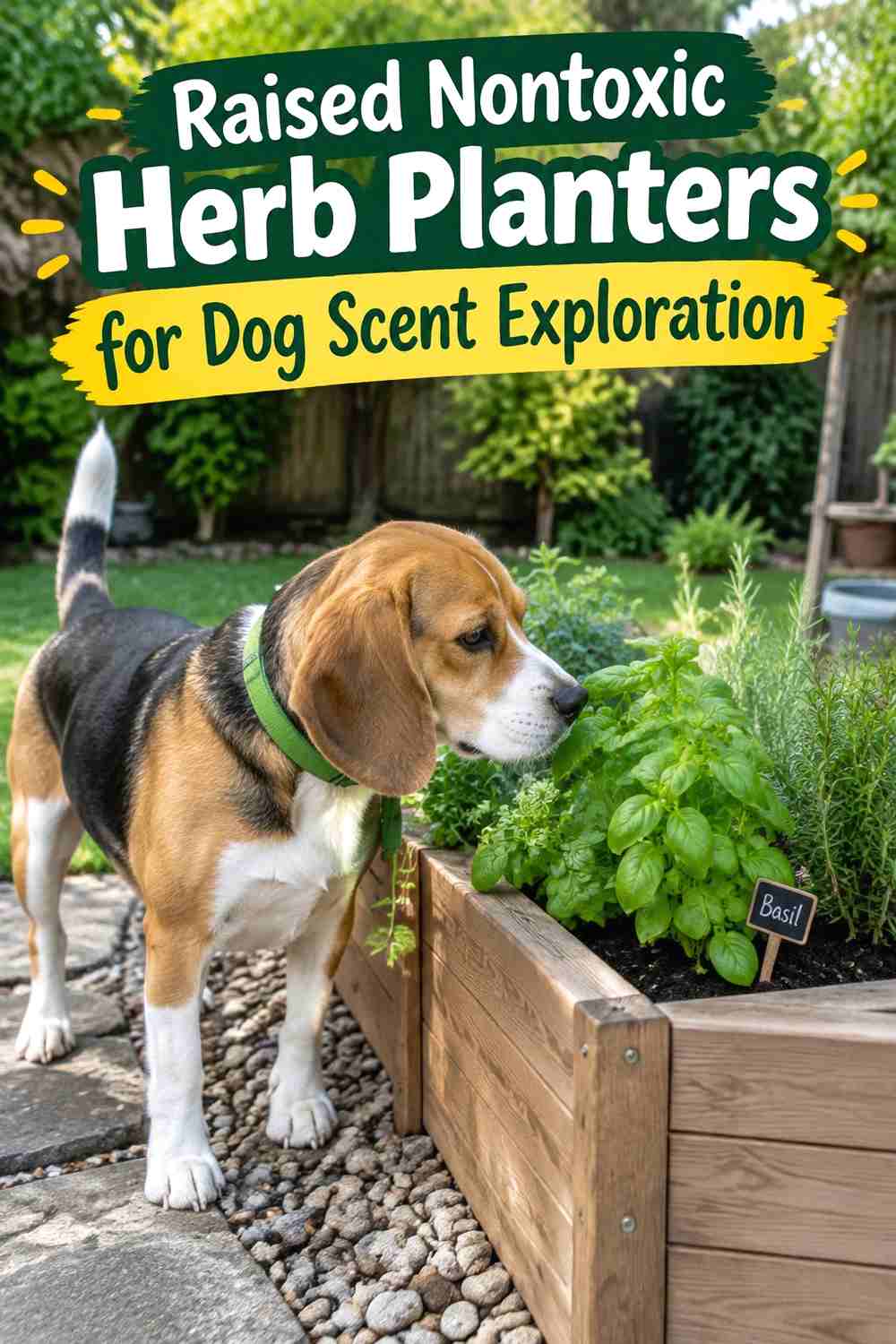
Use raised planters containing only plants confirmed as nontoxic for dogs to create a controlled scent zone your dog can investigate from the pathway. Raised beds help separate the planting soil from the main play area and make it easier for owners to monitor what is growing. Leave enough distance that your dog can sniff without needing to climb into the planter or trample stems. Avoid pesticides, fertilizers, unidentified plants, and loose decorative materials in any pet-accessible garden zone. Because plant safety varies by species and local conditions, verify every plant before adding it rather than relying on appearance or a generic “pet-friendly” label.
Setup Notes
Use sturdy planters with stable bases and smooth edges that cannot easily tip during investigation.
Comfort & Safety
Remove any plant immediately if you are uncertain about its identity or suitability around dogs.
3. Textured Paver Trail For Safe Dog Paw Exploration
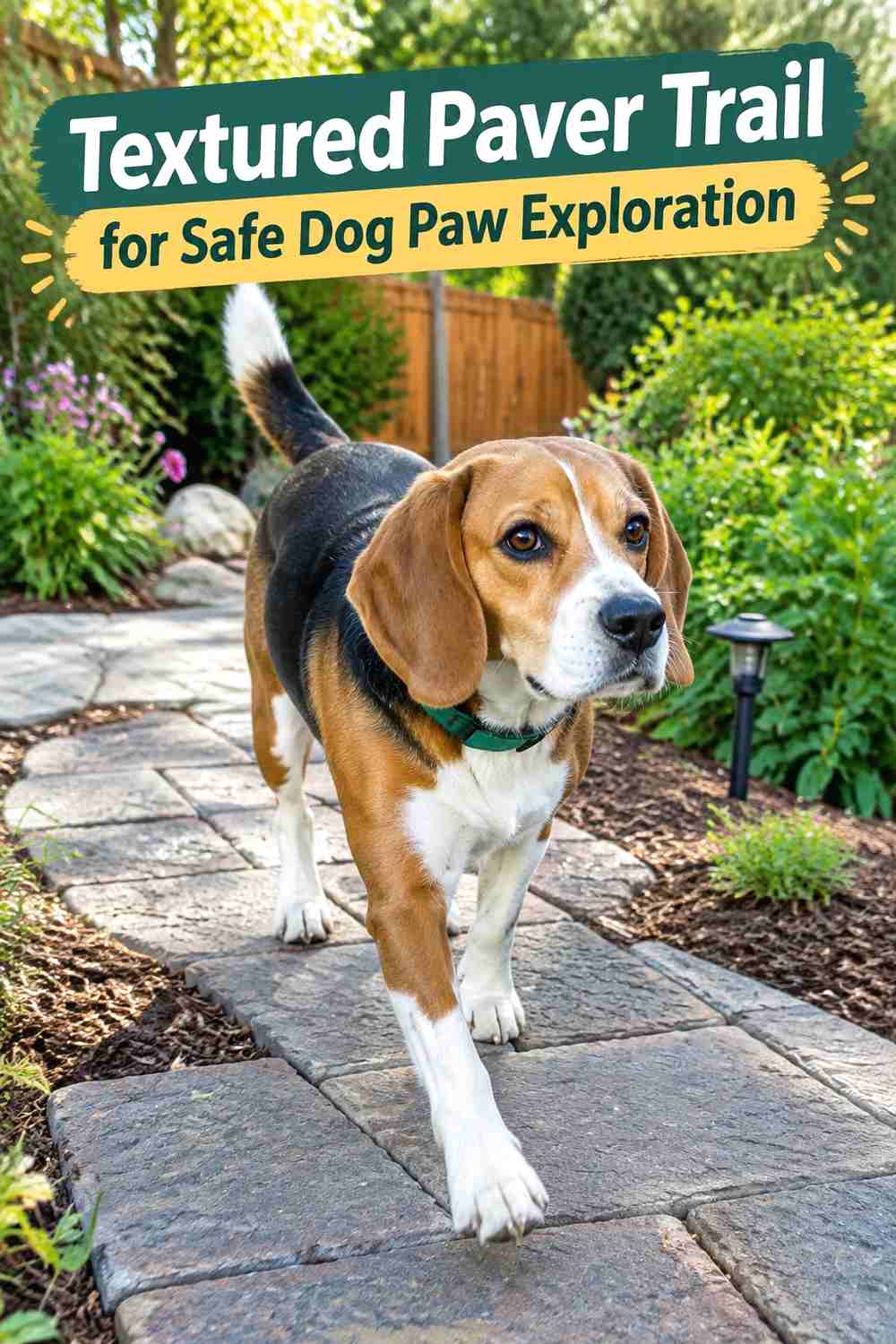
Create a short walking trail using large, securely installed pavers with slightly varied but comfortable surface textures. The goal is to offer gentle paw-level variety without using loose gravel, sharp stone, unstable stepping pieces, or surfaces that become excessively hot. Keep pavers level with minimal gaps so your dog can walk naturally instead of hopping from one to another. This trail can connect a sniffing zone to a shaded bed, water station, or observation corner. Check the surface temperature before use during warm weather, especially in direct sun. Dogs that seem hesitant on a new texture should be allowed to approach gradually rather than being guided across it.
Setup Notes
Choose broad, stable surfaces with good traction and install them flush enough to reduce tripping edges.
Use & Maintenance
Sweep debris away and inspect for cracks, movement, or sharp damage during routine yard maintenance.
4. Shaded Grass Patch For Calm Backyard Dog Rest

Reserve a naturally shaded patch of grass as the quiet resting zone within the sensory garden. Keep the area open and uncluttered so your dog can stretch out, roll, or simply watch the rest of the yard without lying among planters or garden equipment. A nearby outdoor mat can be added if your dog prefers a defined surface, but the grass itself may be enough. Check that the shade remains useful as the sun moves and keep the zone away from grills, tools, fertilizers, and busy gates. This simple area gives energetic sensory features a calmer counterpart and allows the dog to choose rest whenever exploration becomes less interesting.
Best For
Dogs that alternate between active sniffing and longer periods of relaxed outdoor observation.
Comfort & Safety
Maintain an easy route indoors and avoid expecting a dog to remain outside when weather conditions are uncomfortable.
5. Digging Box Zone For Dogs Who Love To Dig

Create a designated digging box in one section of the sensory garden using a broad, stable container or bordered ground area filled with clean, appropriate digging material. Keep it separate from planted beds so the difference between the digging zone and garden beds is visually clear. The box should be deep enough for pawing but not built with sharp boards, exposed screws, or loose edging. You can occasionally place a familiar sturdy toy partly beneath the surface to encourage investigation under supervision. Check the area regularly for debris, animal waste, sharp objects, or moisture problems before your dog uses it.
Best For
Dogs that already enjoy digging and benefit from having a predictable place where the behavior is allowed.
Cleaning Notes
Rake the surface and inspect the contents regularly rather than treating the box as permanent maintenance-free yard equipment.
6. Low Log Balance Path For Confident Backyard Dogs
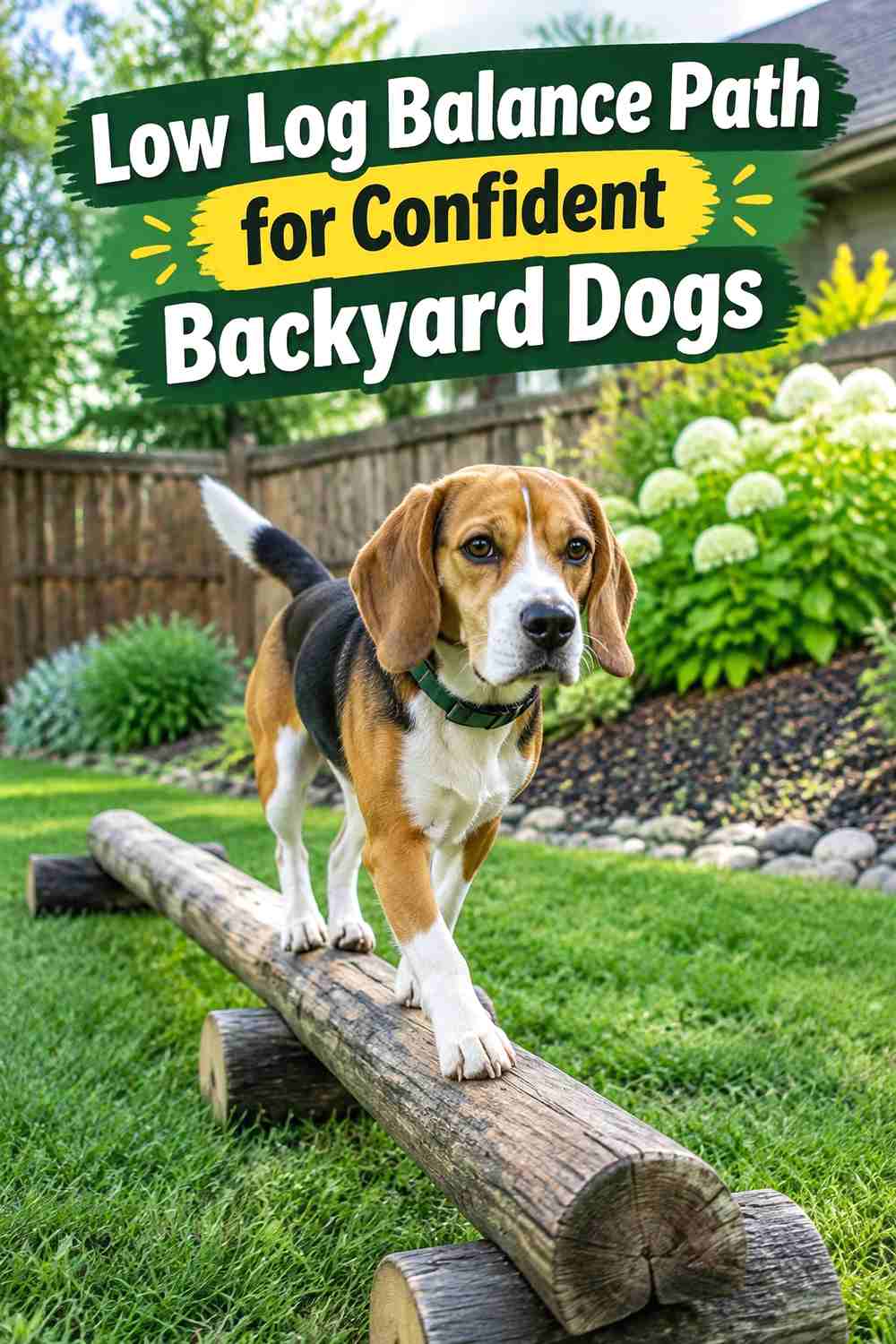
Use a few broad, stable, low-set logs or solid timber sections as an optional balance feature for confident dogs that enjoy stepping over varied terrain. Keep every piece close to ground level, firmly secured, and free from splinters, sharp bark, protruding hardware, or unstable rolling movement. The path should sit on level ground with open space on both sides so your dog can simply walk around it. This is not meant to be a high agility obstacle; the sensory value comes from changing footing and body position slightly. Dogs with mobility concerns or hesitation should use an ordinary flat path instead.
Comfort & Safety
Keep the feature low enough that stepping off does not involve a significant drop.
Pro Tip
Start with one stable log section before building a longer path and see whether your dog chooses to use it.
7. Scent Rotation Pots For Fresh Dog Garden Enrichment

Use several sturdy pots as controlled scent stations and rotate safe natural materials or confirmed nontoxic plants rather than changing the entire garden. Place the pots along a path where your dog can approach, sniff, and move on without pushing into dense foliage. Rotation can keep the area interesting while making maintenance manageable for owners. Every plant or scent material should be appropriate around dogs, and nothing should rely on concentrated oils, harsh chemicals, or substances intended to provoke intense reactions. Secure the pots so they cannot tip when nudged, and remove anything your dog begins chewing instead of simply sniffing.
Why It Works
Changing one small sensory zone can add novelty without rebuilding the backyard or adding large amounts of equipment.
Use & Maintenance
Inspect soil, plants, and containers regularly and replace damaged or questionable materials before the next session.
8. Quiet Observation Corner For Backyard Bird Watching Dogs
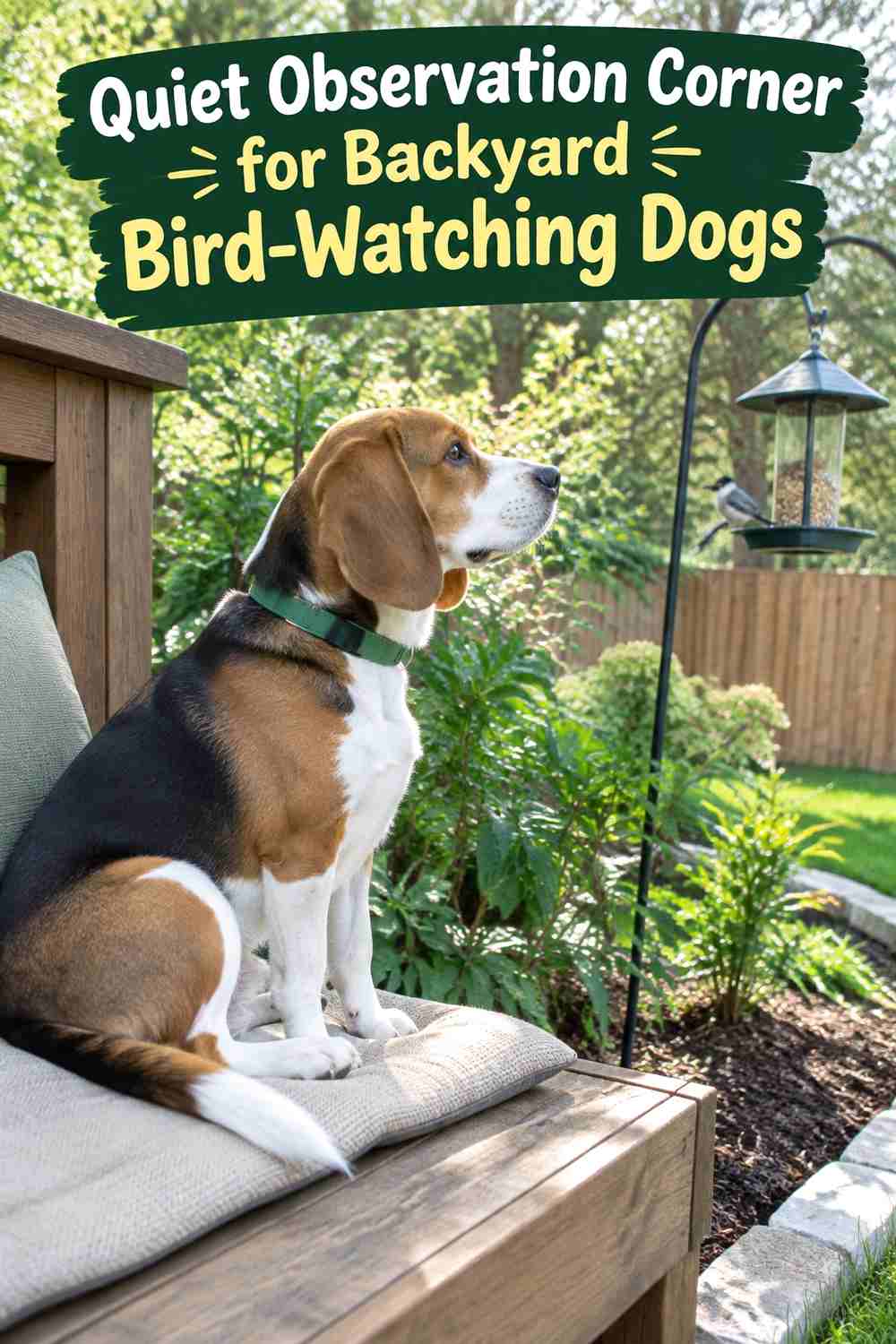
Set up a shaded bed or mat in a calm corner where your dog can watch birds and normal backyard activity from a distance. Keep the resting spot set back from fences, gates, feeders, and dense shrubs so observation does not require pushing into boundaries or vegetation. This idea works best for dogs that naturally settle while watching movement rather than becoming highly frustrated or repeatedly charging toward it. Keep the area free from loose garden decor and provide an easy path back indoors. If watching wildlife consistently triggers frantic behavior, use a quieter resting location instead of increasing the amount of visual stimulation.
Best For
Dogs that enjoy calm outdoor observation and can disengage from birds, squirrels, or other movement without escalating.
Space & Placement
Choose a spot with a useful view but enough distance from property boundaries to preserve a relaxed resting zone.
9. Walk Through Garden Tunnel For Curious Exploring Dogs

Add a broad, short walk-through tunnel or open archway along the sensory path to create a simple change in space and perspective. The structure should be wide enough for your dog to pass comfortably without crouching, squeezing, or brushing against sharp edges. Keep both ends fully visible and open so the dog can choose whether to enter. Use sturdy weather-resistant construction and avoid hanging vines, cords, fabric strips, or decorations inside the passage. This feature can make a small yard feel more interesting without functioning as a difficult obstacle. Introduce it casually and allow your dog to walk around it whenever they prefer.
Setup Notes
Anchor the tunnel securely and keep the floor level, dry, and clear of debris.
Why It Works
A short covered passage adds environmental variety while preserving an obvious route through and around the feature.
10. Water Bowl Rest Stop Along A Dog Garden Path

Place a stable water bowl in a shaded rest point beside the garden path so your dog can pause for a drink during outdoor exploration. Position it off the main walking line to reduce spills and keep bedding or digging areas from becoming wet. A broad bowl with a stable base is easier to maintain than a lightweight container that moves when nudged. Refresh the water regularly and keep leaves, soil, insects, and other outdoor debris from building up. This station is especially useful when the sensory garden covers a larger yard or when family members spend extended supervised time outside with the dog.
Space & Placement
Keep the bowl near shade and away from fertilizers, tools, plant treatments, or runoff from garden work.
Cleaning Notes
Wash the bowl regularly and replace water whenever it becomes dirty, warm, or contaminated.
11. Raised Viewing Mound For Dogs Who Watch The Yard
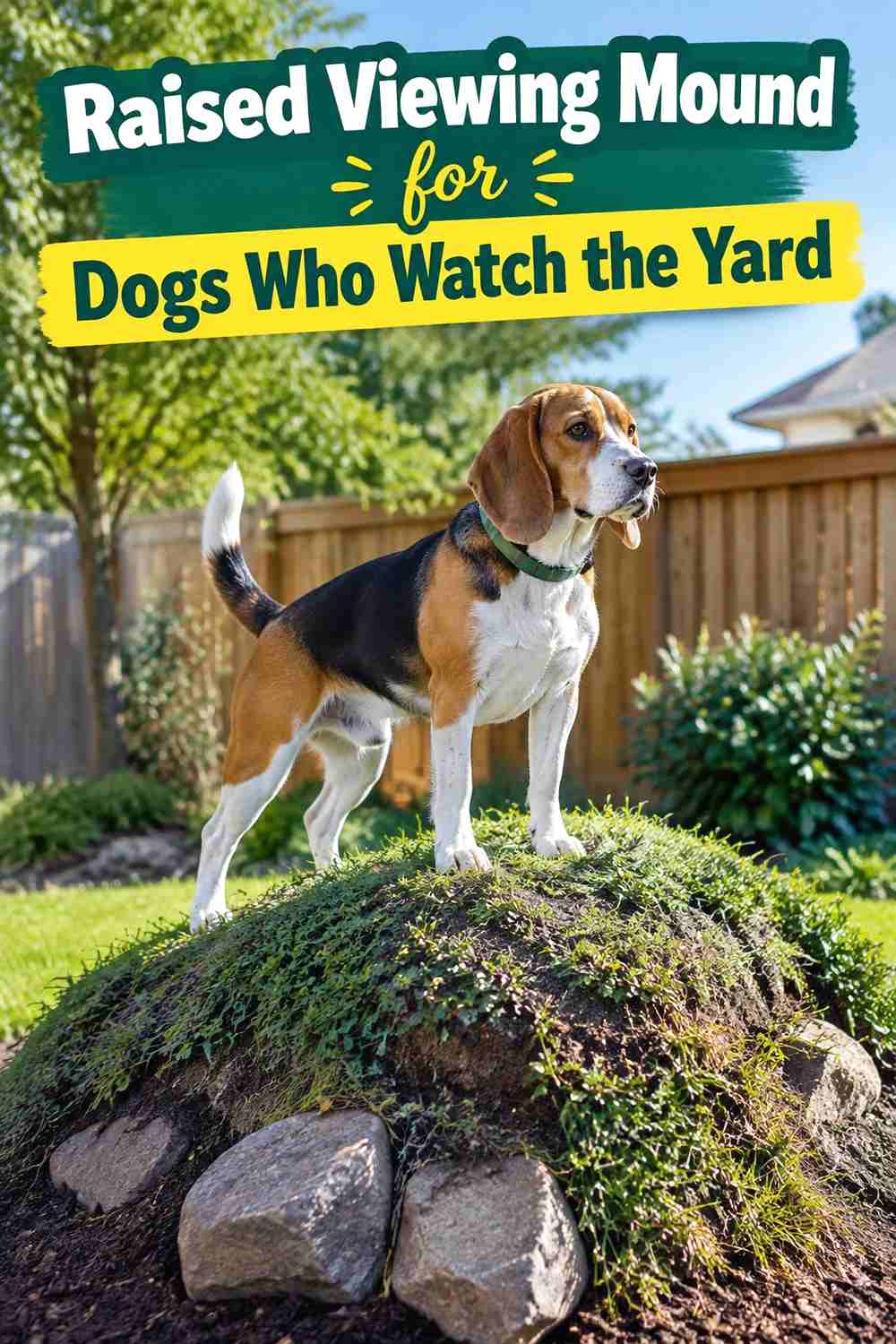
Create a gently raised grass or turf mound that gives your dog a slightly higher viewing position without requiring climbing onto furniture, walls, or unstable landscaping. The slopes should be broad and gradual, with stable footing and no sharp edging. Position the mound away from fences if extra height would make boundaries easier to reach or jump. This idea can suit dogs that naturally choose elevated spots to survey the yard, but the mound should remain optional rather than becoming part of a forced exercise route. Keep the surface well maintained and remove holes or erosion that could make footing uneven.
Why It Works
A small change in elevation can provide a new viewpoint while keeping the dog on a ground-level landscape feature.
Comfort & Safety
Avoid raised features that increase access to fences, gates, neighboring property, or other unsafe boundaries.
12. Multi Dog Sensory Garden With Separate Exploration Zones

Design a multi-dog sensory garden with more than one sniffing, resting, and movement area so several dogs do not have to crowd the same feature. Separate beds, scent zones, and paths can give each dog room to explore at their own pace. Avoid placing food, high-value toys, or other resources in narrow shared areas if those items create competition. Keep routes wide enough for dogs to pass without trapping one another between planters or fences. This setup works best for dogs that already share backyard space comfortably; a garden layout cannot solve serious guarding or conflict by itself.
Space & Placement
Use open connecting paths and avoid narrow dead ends between popular sensory zones.
Why It Works
Duplicate options reduce pressure to share one preferred spot and let different dogs engage with the yard in different ways.
13. Senior Friendly Sensory Garden With Low Impact Walking Path

Create a senior-friendly sensory garden around a broad, level walking loop with stable footing, shade, and several easy rest points. Keep slopes gentle and avoid raised borders, loose stones, high steps, and narrow routes that require difficult turning. Scent stations can sit along the edge so the dog can investigate without leaving the main path. Place water and a low resting mat where they are easy to reach, and preserve the shortest possible route back indoors. Individual mobility varies, so let the dog choose the distance and pace rather than encouraging repeated laps.
Comfort & Safety
New difficulty walking, standing, turning, or navigating familiar areas should be discussed with a veterinarian.
Best For
Older dogs that still enjoy backyard exploration but benefit from simpler footing and frequent opportunities to rest.
14. Small Backyard Sensory Strip For Compact Dog Spaces

Turn one narrow edge of a compact yard into a sensory strip instead of trying to build a full garden across the whole space. A short sniffing path can run beside two or three secure planters, a small textured paver section, and one shaded resting mat. Keep the center of the yard open for normal movement and avoid using so many features that the space becomes difficult to clean. Vertical planting can save room when plants are confirmed safe and kept in sturdy containers. This approach works well in townhomes and small fenced yards because the sensory features remain concentrated along one boundary.
Best For
Small yards where owners want enrichment without sacrificing the main open area.
Pro Tip
Start with two features and add another only if your dog regularly uses the existing sensory strip.
15. Seasonal Rotation Zone For Changing Dog Garden Scents
You May Also Like




Dedicate one small section of the sensory garden to seasonal changes so the backyard offers occasional novelty without constant redesign. Rotate confirmed nontoxic potted plants, different safe natural textures, or a fresh arrangement of sturdy garden elements according to weather and maintenance needs. Keep the permanent paths, water station, and resting areas unchanged so the garden still feels predictable. Introduce only one or two changes at a time and watch how your dog responds before adding more. Avoid using unknown plants, concentrated fragrances, treated decorative materials, or loose seasonal objects simply because they look attractive.
Use & Maintenance
Inspect every new seasonal item before adding it and remove anything damaged, moldy, unstable, or repeatedly chewed.
Why It Works
A small rotation zone provides novelty while the rest of the garden stays familiar and easy to navigate.
How to Choose the Right Idea
Start with your dog’s natural outdoor behavior. Frequent sniffers may enjoy winding paths and scent stations, diggers may benefit from a designated digging box, and calm observers may prefer a shaded viewing corner. Senior dogs usually need level paths, predictable footing, and easy rest stops.
Next, consider the yard itself. Secure fencing, shade, drainage, comfortable ground surfaces, and a clear route indoors should come before sensory features. Use only plants confirmed as nontoxic for dogs, keep fertilizers and garden chemicals inaccessible, and avoid sharp edging, unstable structures, loose cords, small swallowable objects, or materials your dog repeatedly tries to eat.
A good sensory garden should invite choice. Your dog should be able to sniff, walk, rest, or leave rather than being pushed through every feature.
Final Thoughts
A dog sensory garden does not need to be large or complicated. A curved path, shaded resting spot, digging area, and a few carefully chosen scent zones can add useful variety to ordinary backyard time.
Build slowly, watch which features your dog actually chooses, and remove anything that creates frustration, chewing, crowding, or extra maintenance without adding real value.
FAQs
1. What is a dog sensory garden?
It is a backyard area designed to offer safe opportunities for sniffing, exploring different surfaces, resting, observing, digging, or moving through varied spaces at the dog’s own pace.
2. What plants should I use in a dog sensory garden?
Use only plants you have confirmed are nontoxic for dogs. Plant suitability should be checked individually rather than assumed from a general garden label.
3. Does a dog sensory garden need to be large?
No. A narrow sensory strip with a short path, one or two scent planters, and a resting area can work well in a compact yard.
4. Is a digging area useful in a sensory garden?
It can be useful for dogs that already enjoy digging. Keep it clearly defined, use appropriate clean material, and inspect it regularly for debris or hazards.
5. How can I make a sensory garden easier for a senior dog?
Use level non-slip paths, gentle turns, low rest areas, shade, nearby water, and a short unobstructed route back indoors.
Save your favorite sensory garden idea and build a backyard setup that gives your dog safe choices for sniffing, exploring, resting, and enjoying outdoor time.
