An organized dog travel bag keeps feeding, walking, cleanup, comfort, and overnight supplies easy to find without unpacking everything at every stop.
Save This Idea on Pinterest
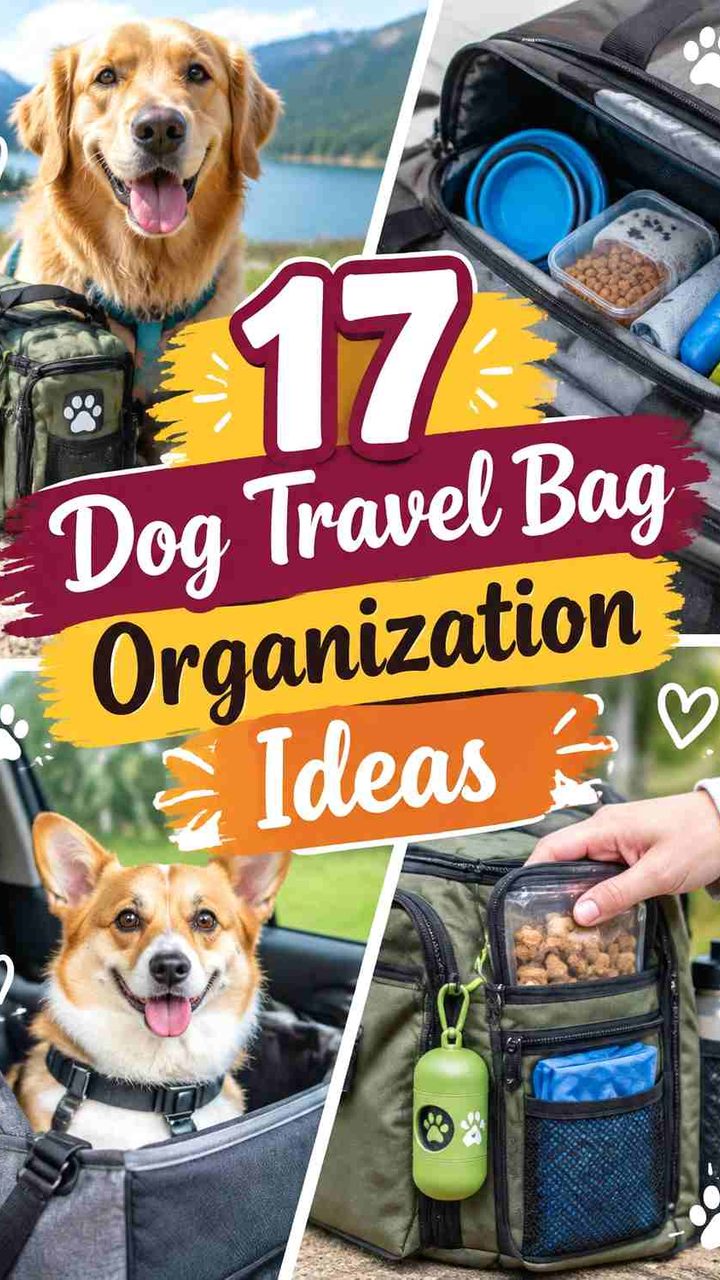
17 Dog Travel Bag Organization Ideas
Save to PinterestDog travel bag organization works best when supplies are grouped by when and how you use them. Items needed during quick roadside stops should stay near the top or outside pockets, while overnight gear, grooming supplies, and backup items can sit deeper in the bag.
These 17 ideas show different ways to organize dog travel essentials for short drives, road trips, hotels, beaches, winter travel, and multi-dog outings. Use washable containers where practical, keep food separate from dirty gear, secure medications and important documents, and avoid packing so tightly that frequently used supplies become difficult to reach.
Quick List
- Everyday Essentials Dog Travel Bag with Quick-Access Pockets
- Color-Coded Packing Cube System for Dog Travel Supplies
- Separate Feeding Kit Section for Dog Road Trip Bags
- Leak-Proof Water Gear Pocket for Dog Travel Days
- Easy-Cleanup Towel Compartment for Muddy Dog Adventures
- Grab-and-Go Leash Pocket for Dog Travel Stops
- Waste Bag and Cleanup Zone for Dog Travel Bags
- Medication and Document Pouch for Organized Dog Travel
- Toy Rotation Section for Long Dog Road Trips
- Portable Bed and Blanket Strap for Dog Travel Bags
- Grooming Supply Pocket for Longer Dog Travel Days
- Hotel Overnight Kit Section for Traveling Dogs
- Beach and Wet Gear Section for Dog Travel Bags
- Cold-Weather Layer Pocket for Winter Dog Travel
- Multi-Dog Divider System for Shared Travel Bags
- Emergency Contact and ID Pocket for Dog Travel Bags
- Reset-and-Restock Checklist for Organized Dog Travel Bags
1. Everyday Essentials Dog Travel Bag With Quick Access Pockets
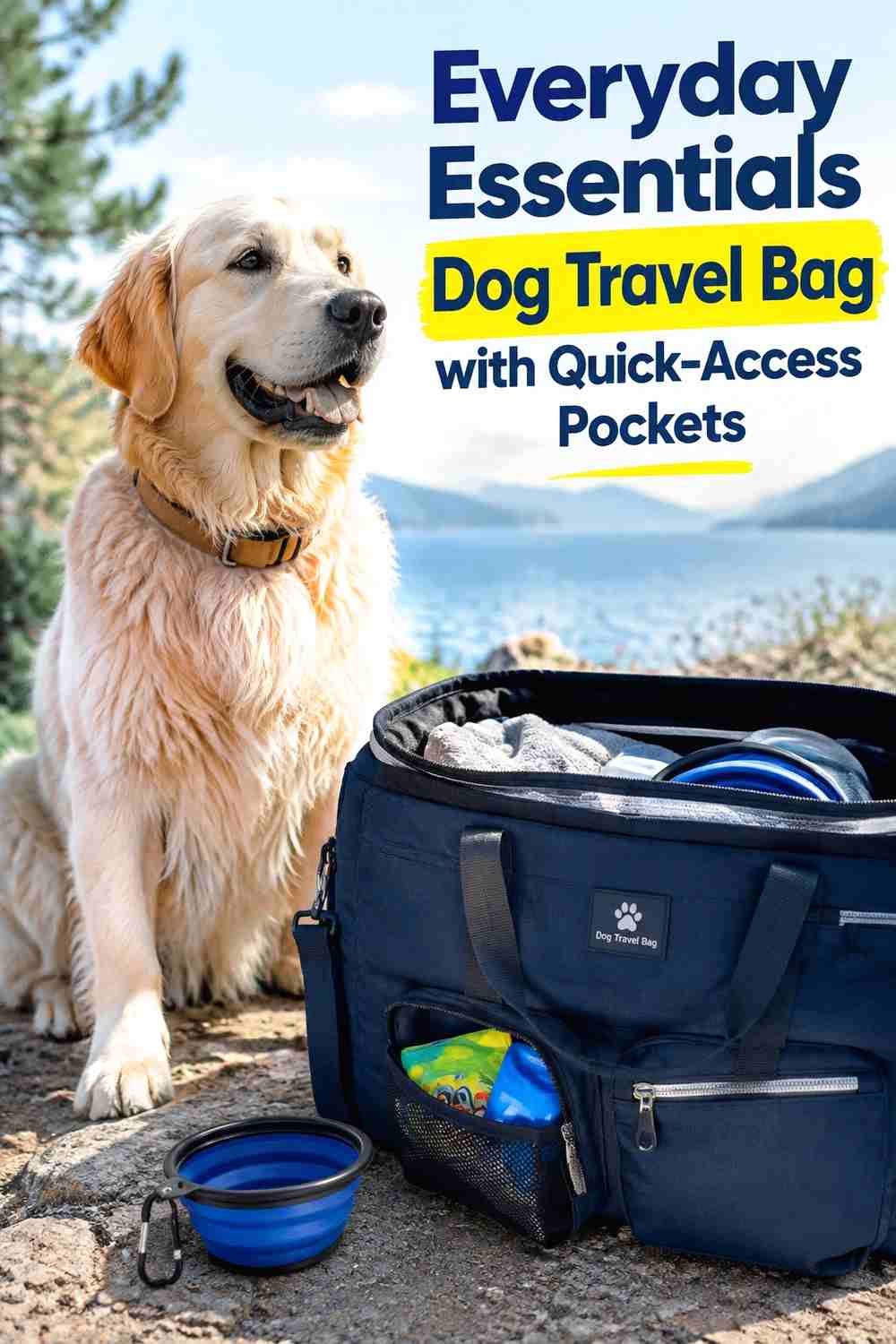
Build the main section of your dog travel bag around the items you reach for at almost every stop. Keep a leash, waste bags, travel bowl, towel, and a small supply of appropriate food or treats in easy-access pockets instead of burying them beneath overnight gear. Use the same pocket for each item every trip so you can find essentials quickly without emptying the bag beside the car. Heavier objects should sit toward the bottom, while frequently used lightweight supplies stay near the opening. Avoid stuffing every compartment simply because space is available. Leaving a little room makes repacking easier and gives you somewhere to place a temporary extra item during the trip.
Setup Notes
Choose exterior or top pockets for stop-related supplies and reserve the main compartment for items you need less often.
Pro Tip
Pack in the order you expect to use things, with the next likely item easiest to reach.
2. Color Coded Packing Cube System For Dog Travel Supplies

You May Also Like


Use several small packing cubes or zip pouches to divide your dog’s supplies by purpose. One color can hold feeding gear, another cleanup items, and another overnight accessories, making it possible to grab an entire category without searching through loose objects. Clear labels are helpful when more than one person may use the bag. Keep the system simple enough to remember; too many tiny categories can make packing slower rather than easier. Choose washable or wipeable pouches for items likely to collect crumbs, fur, or dirt. Avoid putting wet towels into fabric cubes intended for clean supplies. The main benefit is modular packing, because you can remove unnecessary categories for short outings and add them back for longer travel.
Best For
This system suits longer trips, families sharing dog-care duties, and owners who use one large bag for several different travel routines.
Use & Maintenance
Empty and wipe the cubes after trips, then return each category to its normal pouch before storing the bag.
3. Separate Feeding Kit Section For Dog Road Trip Bags
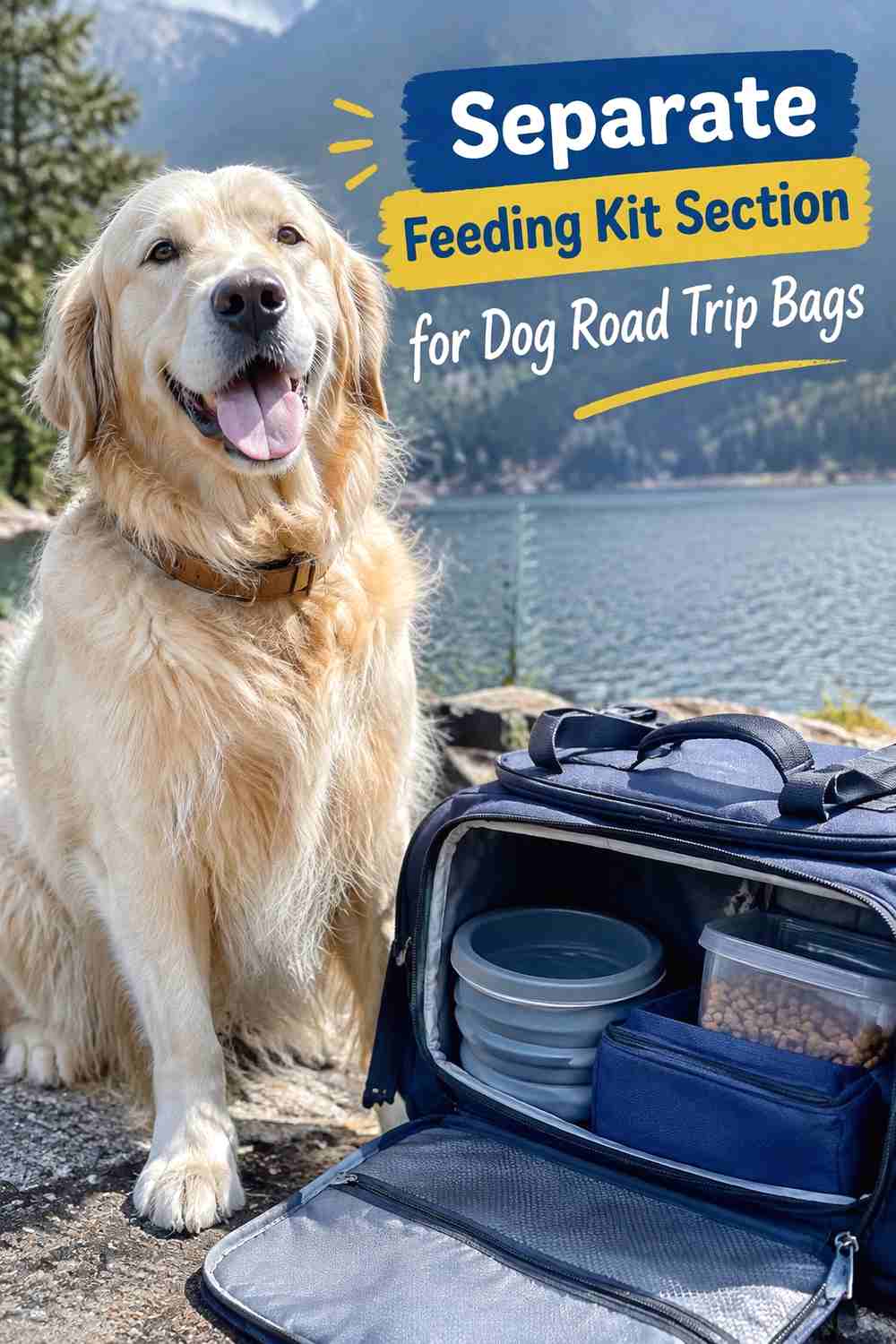
Create one feeding section so your dog’s food-related items never mix with dirty towels, waste supplies, or grooming gear. Pack a travel bowl, food scoop, sealed food container, feeding mat, and any routine serving accessories together. Keep the food itself securely closed and portion or organize it according to the feeding plan you already use rather than improvising new amounts for travel. A washable pouch or rigid container can help contain crumbs and small spills. Store the feeding kit where you can remove it as one unit at a hotel or overnight stop. If you travel with multiple dogs, label individual food containers rather than relying on memory when their diets differ.
Setup Notes
Position food away from cleaning products and anything wet. A dedicated top-opening pouch makes meal setup and repacking easier.
Cleaning Notes
Wash bowls and feeding mats before returning them to the bag, and remove food residue that could create odors during storage.
4. Leak Proof Water Gear Pocket For Dog Travel Days
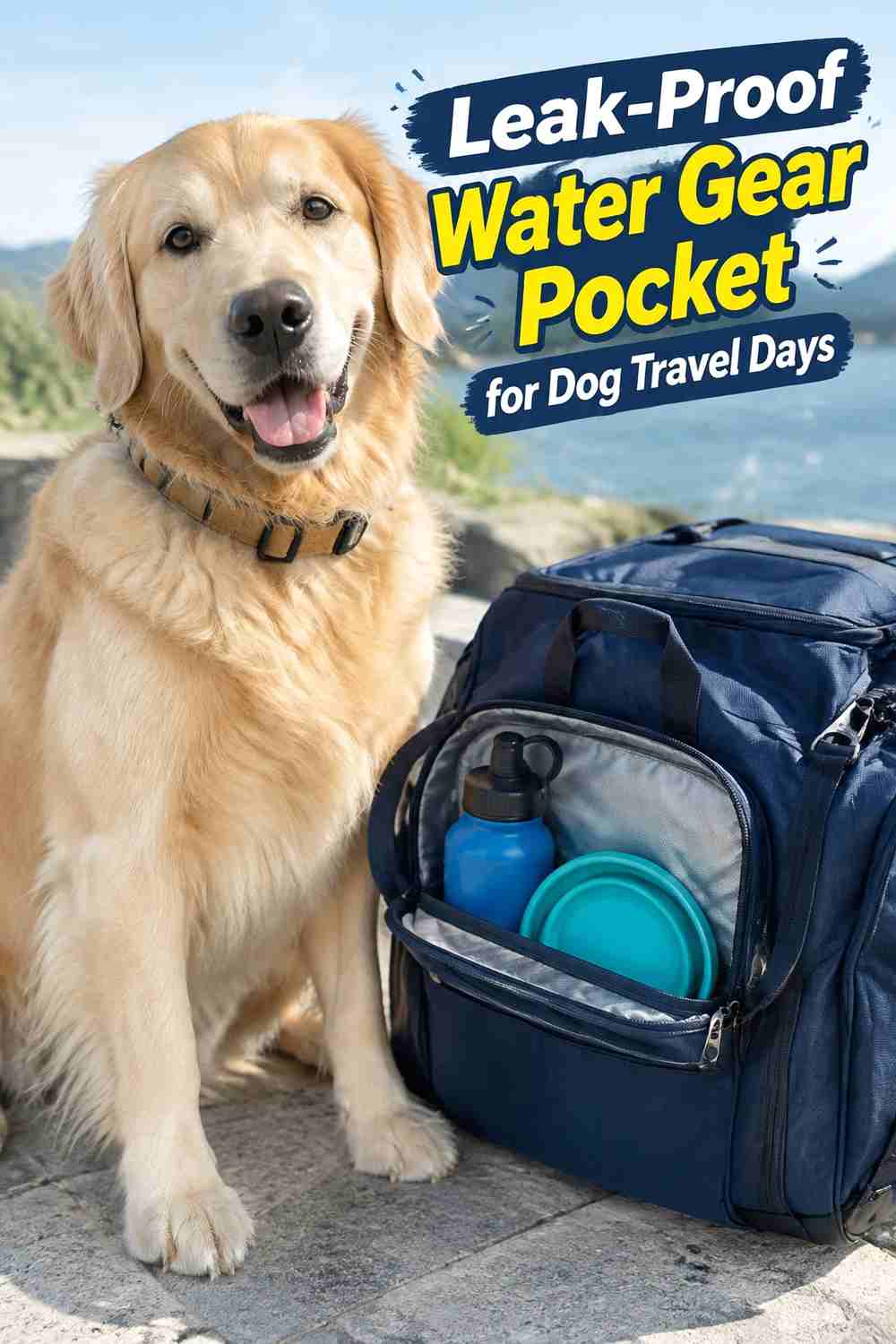
Give water supplies their own waterproof or easy-wipe compartment so a damp travel bowl does not soak the rest of the bag. Store a collapsible or compact bowl, absorbent cloth, and securely closed water container together when your bag design allows. Keep the main water supply upright in the vehicle rather than forcing a large bottle into an overloaded soft pocket. After each stop, empty leftover bowl water and wipe the bowl before packing it again. This section should be quick to access because water stops are common on longer outings. Avoid storing electronics, documents, food packets, or medications in the same pocket where condensation or small leaks could damage them.
Best For
This idea is useful for road trips, hiking days, warm-weather travel, and any outing where you expect to offer water away from home.
Pro Tip
Keep one small absorbent cloth in the water pocket so minor spills can be handled without using your clean dog towels.
5. Easy Cleanup Towel Compartment For Muddy Dog Adventures
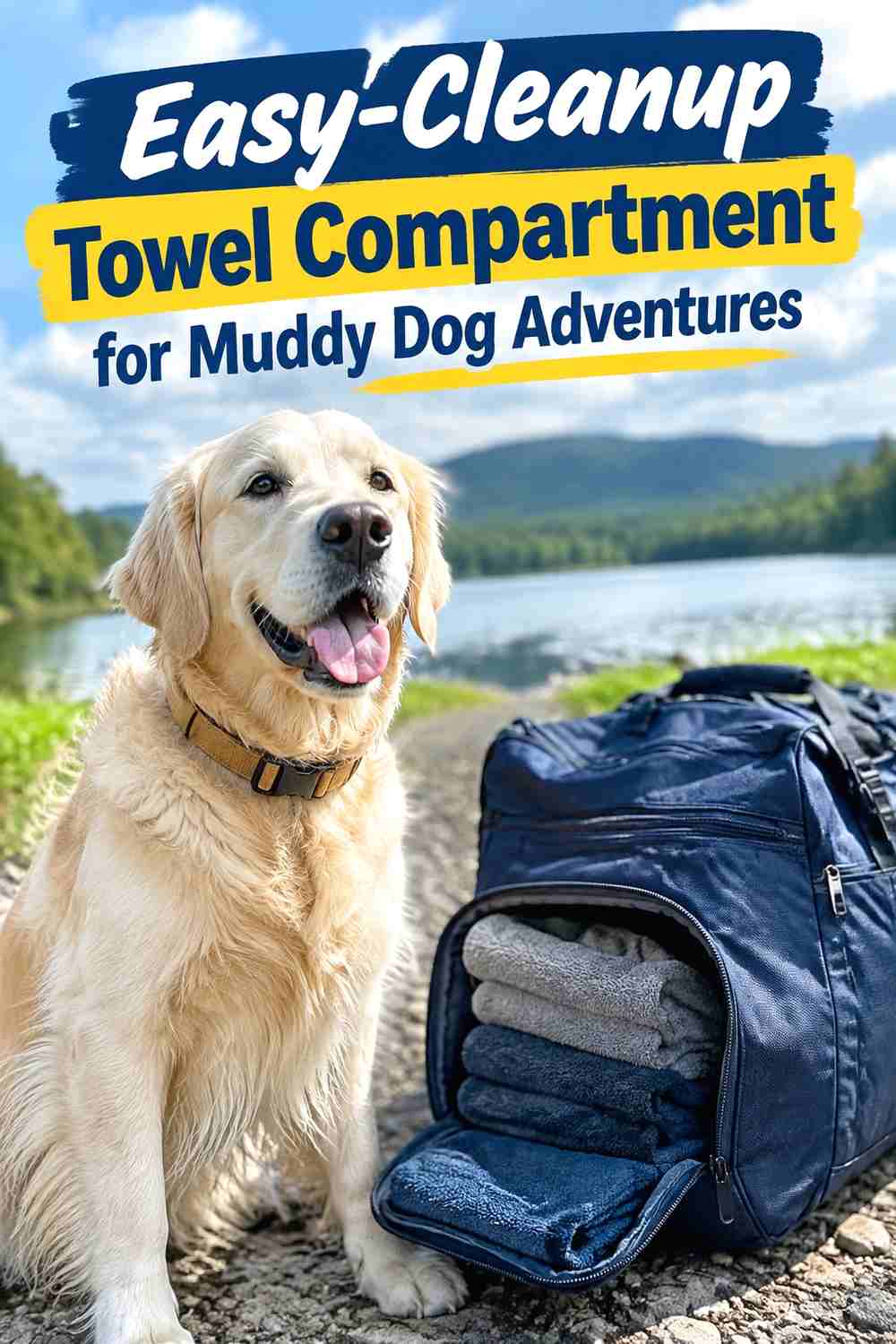
Dedicate one expandable section to clean towels and a separate waterproof bag for used ones. This setup prevents muddy paw cloths from touching food, bedding, toys, or clean hotel supplies after wet outdoor stops. Fold clean towels vertically or roll them loosely so you can pull out one without disturbing the entire stack. Pack only the number your trip realistically requires and add a lightweight microfiber option when space is limited. Once a towel becomes wet or dirty, move it immediately to the used-towel bag instead of stuffing it back into the clean compartment. Air or wash damp fabrics when practical during multi-day travel rather than leaving them sealed for long periods.
Cleaning Notes
Wash dirty towels after the trip and dry them fully before returning them to the travel bag.
Use & Maintenance
Check the waterproof storage bag for trapped moisture before long-term storage and leave it open to dry when needed.
6. Grab And Go Leash Pocket For Dog Travel Stops
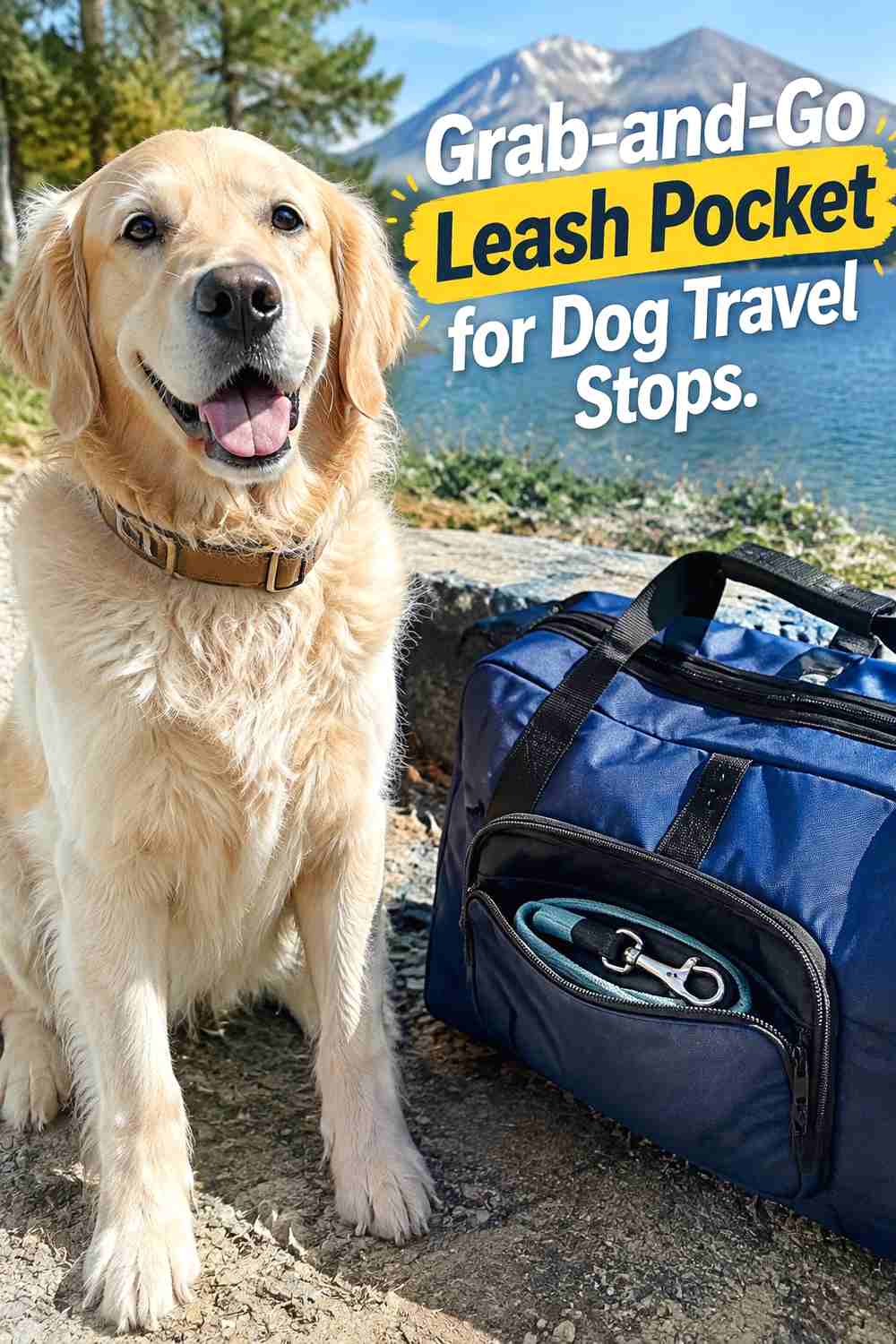
Keep your primary leash in a dedicated exterior pocket where it can be reached before the vehicle door opens. Add a backup leash if your trip is long or remote, but avoid filling the pocket with toys, cords, and other items that can tangle around the clips. Fold or loosely coil the leash so the attachment end remains easy to locate. If your dog uses a separate walking harness, store it in the same section only if the pocket is roomy enough to avoid crushing or twisting it. Check both leash and hardware while repacking instead of assuming yesterday’s muddy outing left everything ready for the next stop.
Setup Notes
The leash pocket should be accessible while the dog is still safely inside the vehicle, not after the dog has already been allowed out.
Pro Tip
Always return the leash to the same pocket immediately after a stop so it never disappears beneath luggage.
7. Waste Bag And Cleanup Zone For Dog Travel Bags

Create a small cleanup zone with waste-bag rolls, hand-cleaning supplies for the owner, spare disposable bags, and a compact brush or cloth for minor messes. Keep these items in a wipeable pouch that can be removed from the main bag when needed. Avoid storing strong cleaners where they could leak onto food, toys, or the dog’s belongings, and keep any household cleaning products securely out of the pet’s reach. Check waste-bag rolls before every trip so you do not discover an empty dispenser during a stop. This section works especially well in an outside pocket because cleanup supplies are frequently needed before you reach a hotel room, campsite, or final destination.
Best For
This setup is useful for virtually every trip, especially long drives with multiple rest stops or outdoor destinations.
Use & Maintenance
Restock disposable supplies as soon as you return home instead of waiting until the next departure day.
8. Medication And Document Pouch For Organized Dog Travel

Use one clearly marked, secure pouch for travel documents and any medications your dog already uses under veterinary guidance. Keep identification information, vaccination or health records needed for the trip, booking details, and veterinary contact information protected from water and food spills. Medications should remain in properly labeled packaging and be stored according to their instructions rather than mixed loosely into organizers. Place the pouch somewhere adults can access but the dog cannot chew or investigate. Do not use this travel kit as a reason to change doses, add medications, or adjust treatment without veterinary guidance. For international or regulated travel, verify the destination’s current documentation requirements before departure.
Space & Placement
Keep this pouch away from wet gear and dirty-towel sections, ideally in an interior zip compartment.
Pro Tip
Review expiration dates and document requirements before packing so the pouch contains current information rather than old copies.
9. Toy Rotation Section For Long Dog Road Trips
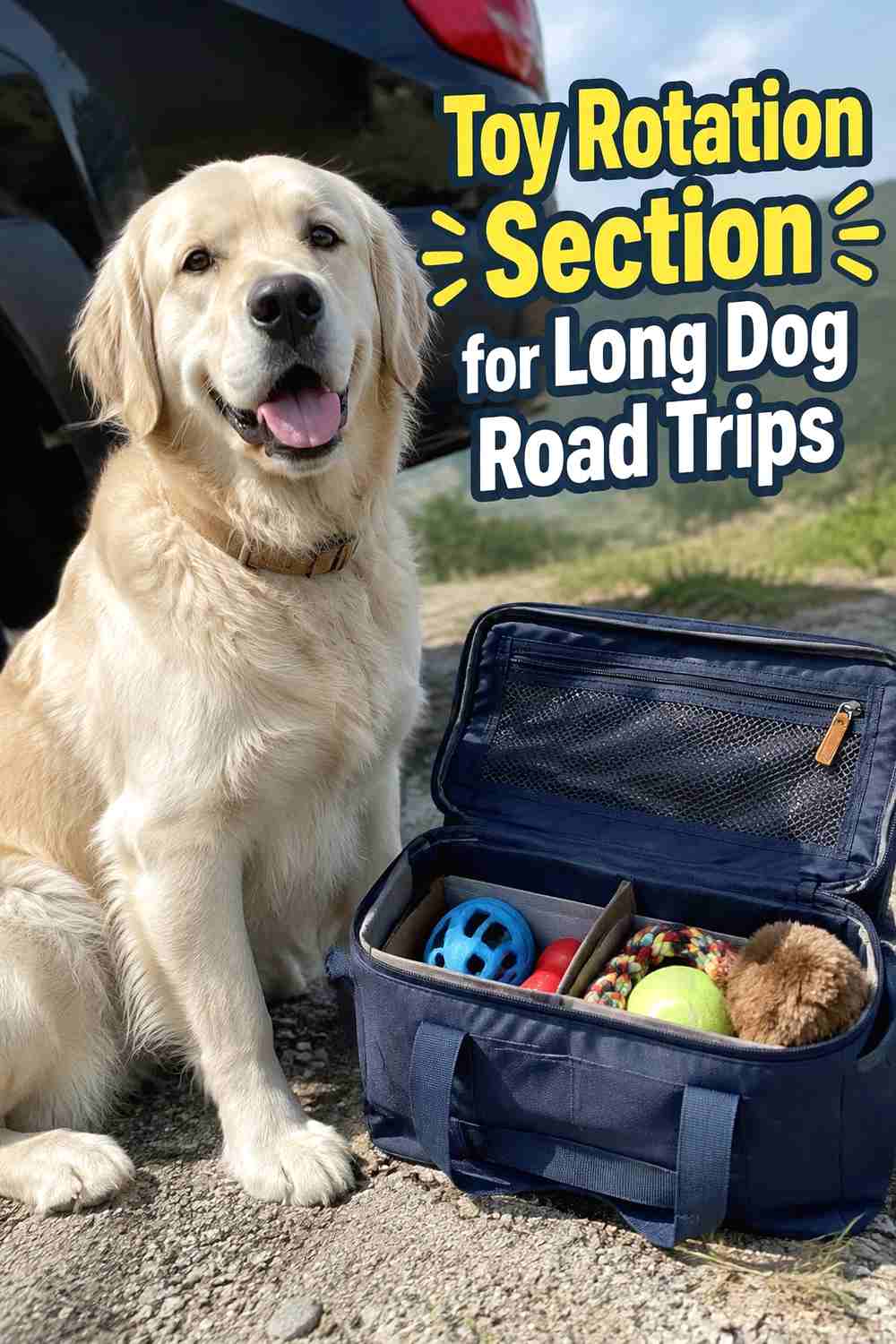
Pack a small toy section with a few familiar, durable options instead of carrying an overflowing collection. Choose toys that suit your dog’s play style and use them mainly during appropriate breaks, hotel downtime, or destination rest periods. Keep interactive string-style or easily damaged toys separate for supervised use. A simple rotation makes each toy feel more interesting because only one or two are available at a time. Use a washable mesh pouch or zip compartment so fur and dirt stay contained. If a toy becomes damaged during the trip, remove it rather than returning it to the bag for later. The goal is organized variety, not constant entertainment while the vehicle is moving.
Best For
This setup is especially useful on multi-day road trips, cabin stays, and vacations with significant indoor downtime.
Use & Maintenance
Inspect toys before repacking and wash or wipe them when appropriate so dirty items do not contaminate clean travel supplies.
10. Portable Bed And Blanket Strap For Dog Travel Bags

Attach bulky comfort items outside the main bag rather than allowing a portable bed or blanket to consume every interior compartment. A secure external strap, sleeve, or dedicated bottom section can keep rolled bedding together while leaving smaller supplies accessible. Choose washable bedding that folds or rolls easily and does not drag on the ground when the bag is carried. At hotels, campsites, or family visits, the familiar mat can create a recognizable resting area without unpacking the entire dog bag. Make sure straps are secure before placing the bag in the vehicle so bedding cannot come loose during transport. Keep wet bedding separate until it has been cleaned and dried.
Setup Notes
Place heavier bedding low on the bag so it does not make the bag unstable when set on the ground.
Cleaning Notes
Shake out debris and wash covers as needed before rolling the bedding back into its travel position.
11. Grooming Supply Pocket For Longer Dog Travel Days
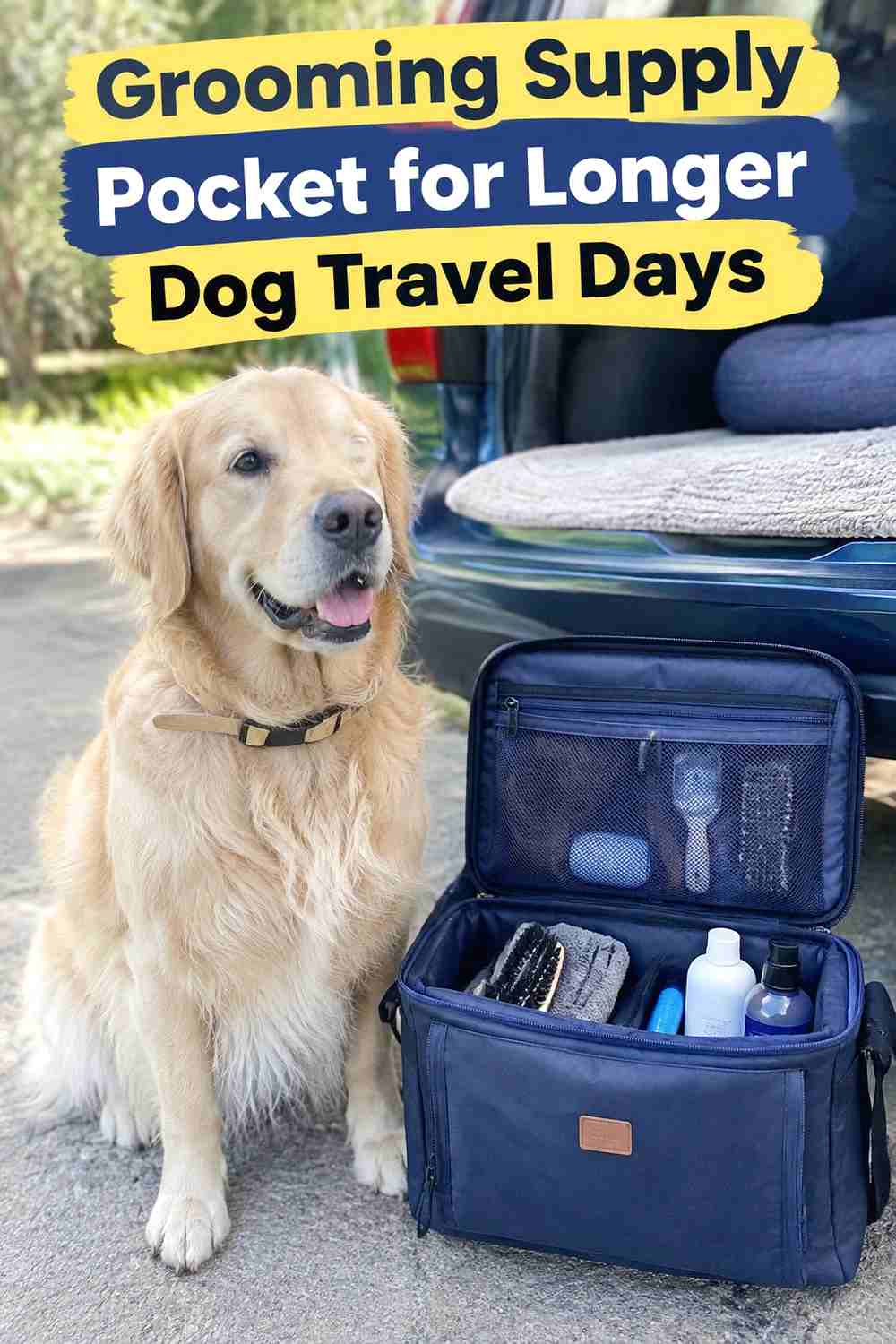
Set aside one compact pocket for grooming supplies you are likely to use away from home. Depending on your dog’s coat, that may include a brush, comb, small towel, and other routine non-medical grooming items. Avoid carrying the entire home grooming kit when only a few basics are necessary. Sharp tools should be securely covered and stored where the dog cannot access them, and anything you do not expect to use should stay home. A dedicated pouch keeps loose fur and outdoor debris away from feeding equipment. This section becomes particularly useful after beach visits, hikes, rainy walks, or longer stays when normal brushing is easier than dealing with a heavily tangled coat later.
Best For
Long-haired dogs, heavy shedders, and dogs joining outdoor-focused trips may benefit most from a small dedicated grooming section.
Use & Maintenance
Remove collected fur from brushes before repacking and dry damp grooming cloths separately.
12. Hotel Overnight Kit Section For Traveling Dogs
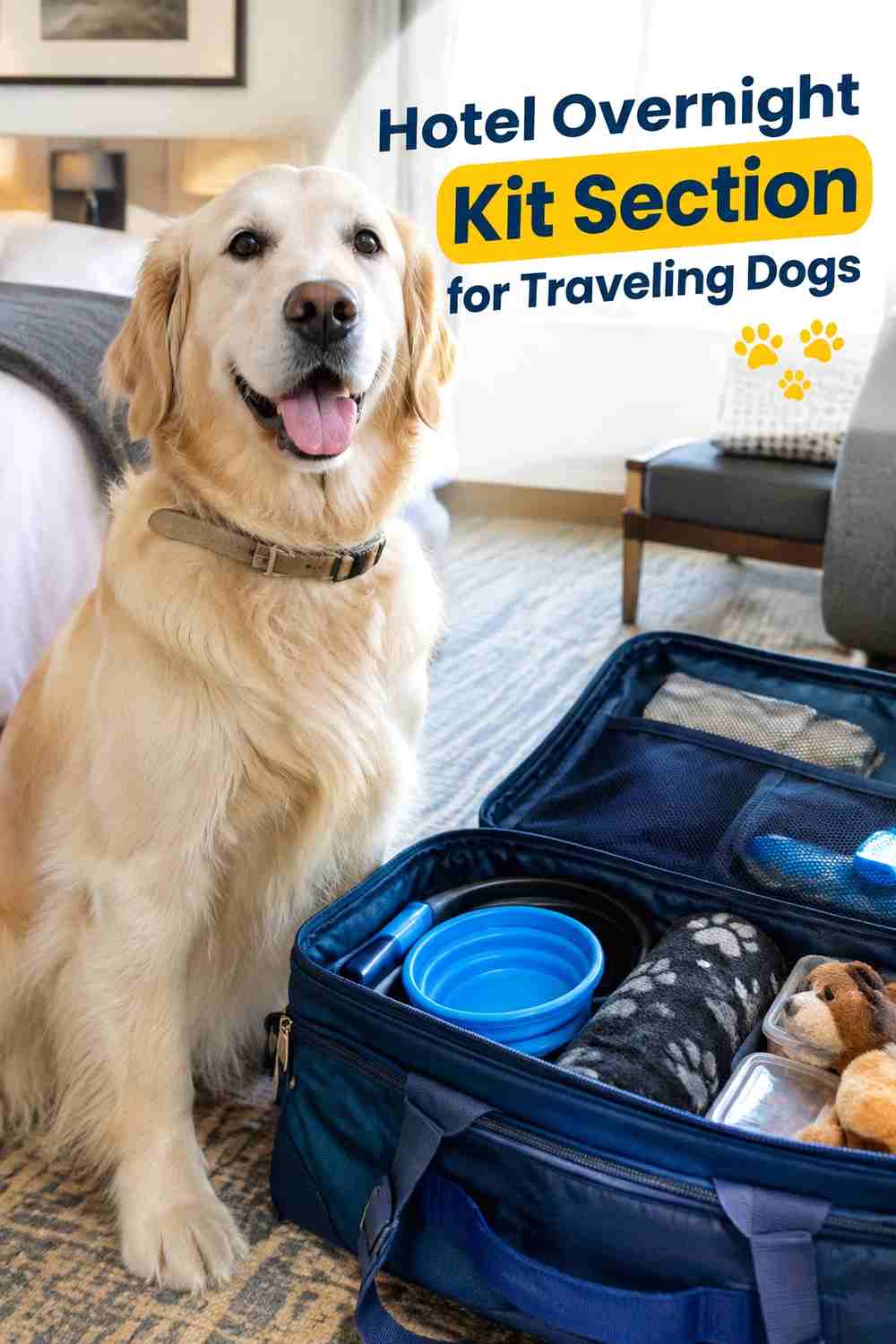
Create an overnight module that can leave the vehicle as one compact unit when you check into a hotel. Include the dog’s feeding bowl, a small amount of appropriate food, a familiar blanket, waste bags, a towel, and any other routine nighttime item you know you will use. Keeping these supplies together prevents you from carrying the full travel bag into the room for a single night. Use a pouch or small cube that fits inside the larger bag during driving. Once inside the hotel, inspect the room before unpacking dog gear and keep food securely stored. In the morning, return each overnight item to the same pouch so departure does not turn into a room-wide search.
Setup Notes
Pack the overnight module near the top of the main bag if it will be the first thing you need at your destination.
Pro Tip
Use the same overnight pouch on every trip so your hotel routine stays predictable and easy to remember.
13. Beach And Wet Gear Section For Dog Travel Bags

A wet-gear section keeps sandy, damp supplies from spreading through the entire travel bag. Use a waterproof pouch for a used towel, wet leash, washable mat, or other moisture-exposed gear after beach or lake outings. Pack clean beach supplies separately before the outing so the waterproof section begins empty and can receive dirty items afterward. Shake off as much sand and debris as possible before sealing anything inside. Do not leave damp fabric stored for long periods; unpack and air or wash it once you reach your accommodation. Keep food, documents, and dry bedding in completely different compartments. This system also works for rainy walks or muddy trail days when several items come back wet.
Cleaning Notes
Rinse sand and dirt from reusable items and allow the waterproof pouch to dry open after each trip.
Best For
This setup suits beach days, lakeside vacations, rainy destinations, and dogs that regularly return from outings wet or muddy.
14. Cold Weather Layer Pocket For Winter Dog Travel
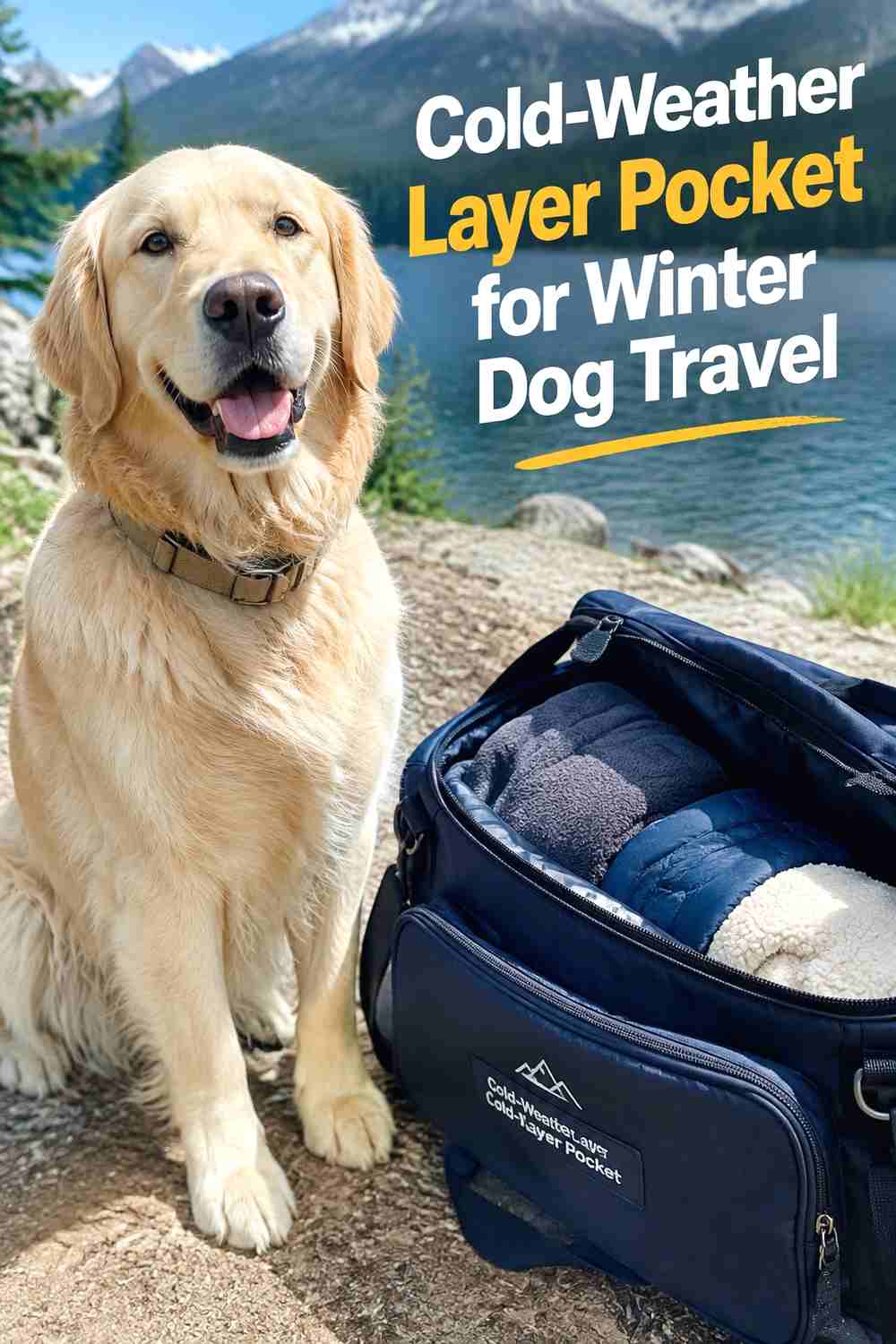
Reserve a roomy pocket for seasonal cold-weather gear so it does not mix with everyday walking supplies. Depending on what your dog comfortably uses, this may hold a dry towel, familiar coat, paw-wiping cloth, and a spare lightweight blanket. Keep wet winter gear in a separate waterproof bag rather than returning snow-covered or damp items to the clean section. Seasonal supplies can be bulky, so prioritize the pieces you genuinely expect to use rather than packing several duplicate outfits. Check fit and condition before travel, especially if the dog has grown or the gear has been stored since last winter. Remove seasonal items from the travel bag once warm-weather trips resume.
Space & Placement
Use a larger side or bottom pocket so bulky fabric does not block smaller essentials you need at frequent stops.
Use & Maintenance
Dry coats and blankets fully before storing them, and clean salt, mud, or road debris from reusable gear when necessary.
15. Multi Dog Divider System For Shared Travel Bags

When one bag serves two dogs, divide supplies by dog as well as by category. Use labeled pouches, different-colored cubes, or separate sides of the bag for individual food, medications, collars, or other items that should not be confused. Shared supplies such as towels and waste bags can stay in a central section. This organization is especially important when dogs eat different foods or require different routine care. Avoid relying solely on memory during a busy travel day. If the shared bag becomes too crowded, split it into two smaller bags rather than compressing everything into one container. Easy access matters more than keeping the luggage count artificially low.
Best For
This setup is useful for households traveling with two or more dogs whose supplies overlap but are not completely interchangeable.
Pro Tip
Label individual pouches with the dog’s name and category so another caregiver can use the system without needing an explanation.
16. Emergency Contact And Id Pocket For Dog Travel Bags

Keep identification and emergency contact information in one protected pocket that is easy for an adult traveler to find. Include current owner contact details, your regular veterinarian’s information, relevant destination contacts, and copies of any travel documents you expect to need. A recent photo of your dog can also be useful to have readily available. Protect paper copies from moisture in a sealed sleeve, and keep digital copies accessible on your phone when practical. This pocket should not contain cash, loose treats, or unrelated items that require frequent opening. Check the information before each major trip so outdated phone numbers and old addresses do not remain in the bag unnoticed.
Setup Notes
Choose an interior zip pocket that stays dry but can still be reached quickly without unpacking the entire bag.
Use & Maintenance
Review contact information whenever your address, veterinarian, accommodation, or travel plans change.
17. Reset And Restock Checklist For Organized Dog Travel Bags
You May Also Like



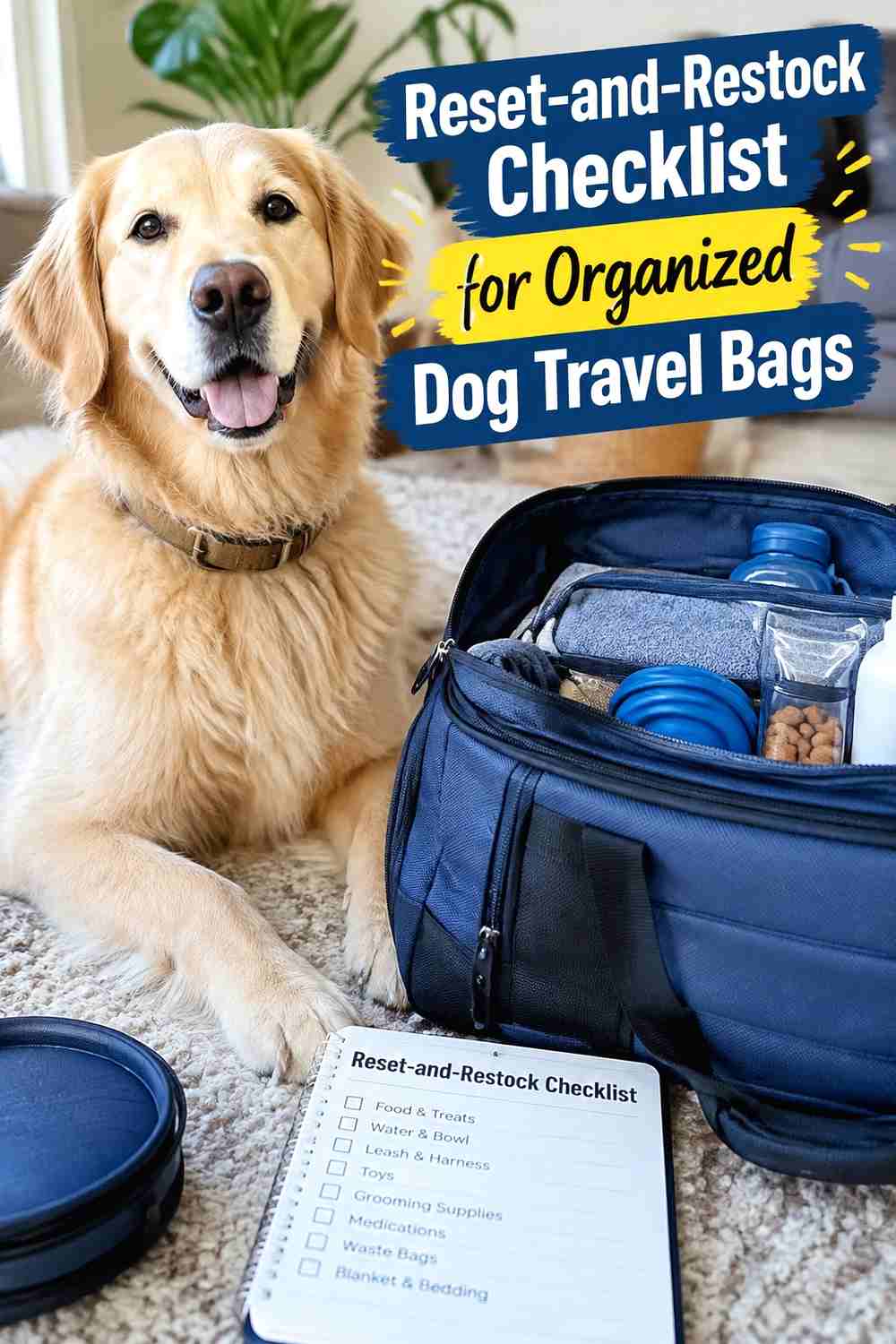
Finish your travel system with a simple reset checklist stored inside the bag. After every trip, remove dirty towels, wash bowls, discard waste, inspect toys, refill waste bags, replace used food supplies, and return clean gear to its assigned compartments. The checklist prevents the bag from becoming a collection of half-empty containers and damp items between trips. Divide it into “clean,” “restock,” and “check” tasks if that makes the routine easier to scan. You can also note seasonal items that need to be added before winter or summer travel. A consistently reset bag is easier to trust because you know the contents are clean, current, and ready instead of guessing on departure day.
Why It Works
The organization system stays useful only when items return to their designated places after every trip.
Pro Tip
Do the reset while unpacking the rest of your luggage so travel supplies do not sit forgotten until the next outing.
How to Choose the Right Idea
Choose a dog travel bag organization system based on the type of trips you take most often. Frequent road-trippers may need strong quick-access zones for leashes, water, waste bags, and towels, while hotel stays benefit from a removable overnight kit. Outdoor travelers may prioritize wet-gear and grooming sections, while multi-dog households need clear labels and individual compartments.
Bag size matters too. A larger bag can support cubes and category-based sections, but overpacking can make supplies harder to reach. For short trips, a smaller bag with only essentials may be more practical.
Keep food, clean bedding, dirty gear, documents, and medications separated. Put the things you reach for most often near the top, and build a simple restocking routine so the bag stays useful from one trip to the next.
Final Thoughts
A well-organized dog travel bag should save time at stops, prevent clean and dirty gear from mixing, and make it obvious when supplies need restocking. Start with a few clear zones, keep frequently used essentials accessible, and add specialized sections only when they match the way you actually travel.
FAQs
1. What should stay in a dog travel bag all the time?
Reusable basics such as a travel bowl, spare waste bags, towel, backup leash, and organized document copies can stay packed if they remain clean and current. Food and other perishable or trip-specific items should be checked before departure.
2. How do I keep a dog travel bag from becoming cluttered?
Assign each category a specific compartment or pouch, pack only items you expect to use, and reset the bag after every trip instead of adding new supplies on top of old ones.
3. Where should dog food go in a travel bag?
Keep food securely sealed in a dedicated feeding section away from wet towels, cleanup supplies, and grooming items. Store individual foods separately when traveling with dogs that have different routines.
4. How should I organize wet dog gear while traveling?
Use a separate waterproof pouch for damp towels, leashes, or mats. Remove and dry wet items as soon as practical rather than leaving them sealed inside the bag for extended periods.
5. What is the easiest way to organize one bag for two dogs?
Use separate labeled pouches or packing cubes for each dog’s individual items and a shared central section for common supplies such as towels and waste bags.
CTA
Save these dog travel bag organization ideas and build a packing system that makes every drive, stop, hotel stay, and outdoor adventure easier to manage.
