Turn scattered dog gear into a practical accessory closet with clear zones for walking supplies, clothing, collars, travel items, weather gear, and everyday essentials.
Save This Idea on Pinterest

12 Dog Accessory Closet Ideas
Save to PinterestDog accessory closets work best when the items you use most often are easy to reach while backup gear, small hardware, and seasonal pieces stay neatly contained. Hooks, drawers, shelves, and labeled bins can prevent leashes, collars, clothing, and travel accessories from becoming one tangled collection.
These 12 ideas cover everyday walking gear, multi-dog organization, rainy-day supplies, apartment storage, seasonal clothing, travel kits, and backup zones. Choose according to how much gear your dog owns, where daily routines happen, how much closet space is available, and which items need to stay securely outside your dog’s reach.
Quick List
- Wall-Mounted Leash and Harness Zone for Dog Accessories
- Clear-Bin Dog Accessory Closet for Small Everyday Gear
- Seasonal Dog Clothing Closet with Labeled Storage Bins
- Multi-Dog Accessory Closet with Separate Labeled Sections
- Shelf-and-Hook Dog Walking Gear Closet for Daily Routines
- Drawer Organizer for Dog Collars, Bandanas, and Accessories
- Travel-Ready Dog Accessory Closet with Grab-and-Go Bags
- Rainy-Day Dog Accessory Closet with Towels and Coats
- Small-Space Vertical Dog Accessory Closet for Apartments
- Minimal Neutral Dog Accessory Closet for Modern Homes
- Split-Zone Dog Closet for Walking and Grooming Accessories
- Backup Dog Accessory Closet with Refill and Rotation Bins
1. Wall Mounted Leash And Harness Zone For Dog Accessories
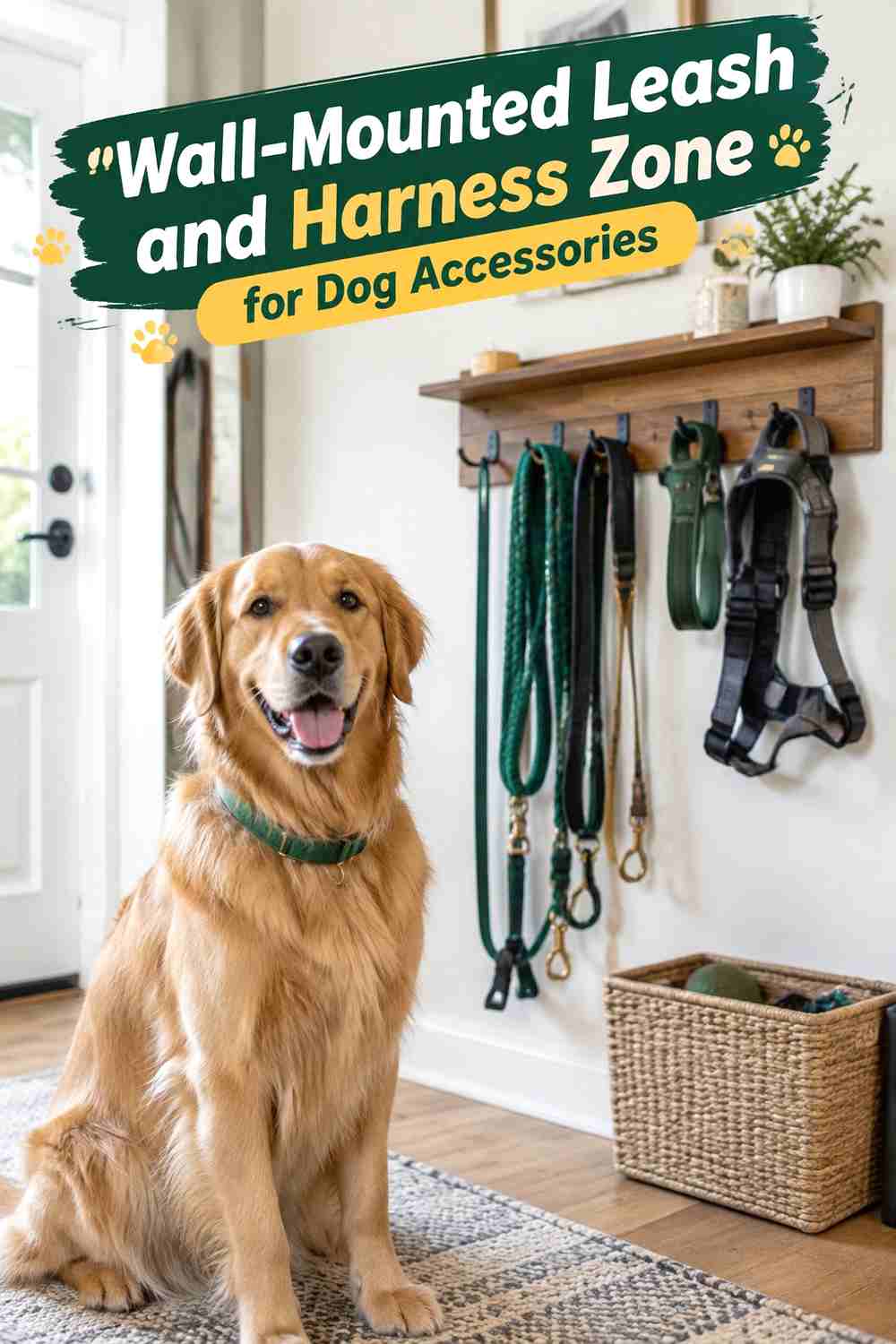
Create a dedicated wall section inside the closet for the leash, harness, and other walking gear you reach for every day. Use sturdy hooks spaced far enough apart that straps and buckles do not overlap or become tangled. Keep the most frequently used setup at comfortable adult height, with occasional items farther to the side. Hanging gear should remain above your dog’s normal reach so dangling straps do not become chew toys or entanglement hazards. A narrow shelf above the hooks can hold owner-managed accessories if it is securely installed. This setup is especially useful when the accessory closet sits near the entryway and needs to support quick departures.
Setup Notes
Give each major item its own hook rather than stacking several straps on one peg.
Why It Works
Visible daily gear is faster to grab, easier to return, and less likely to disappear beneath other accessories.
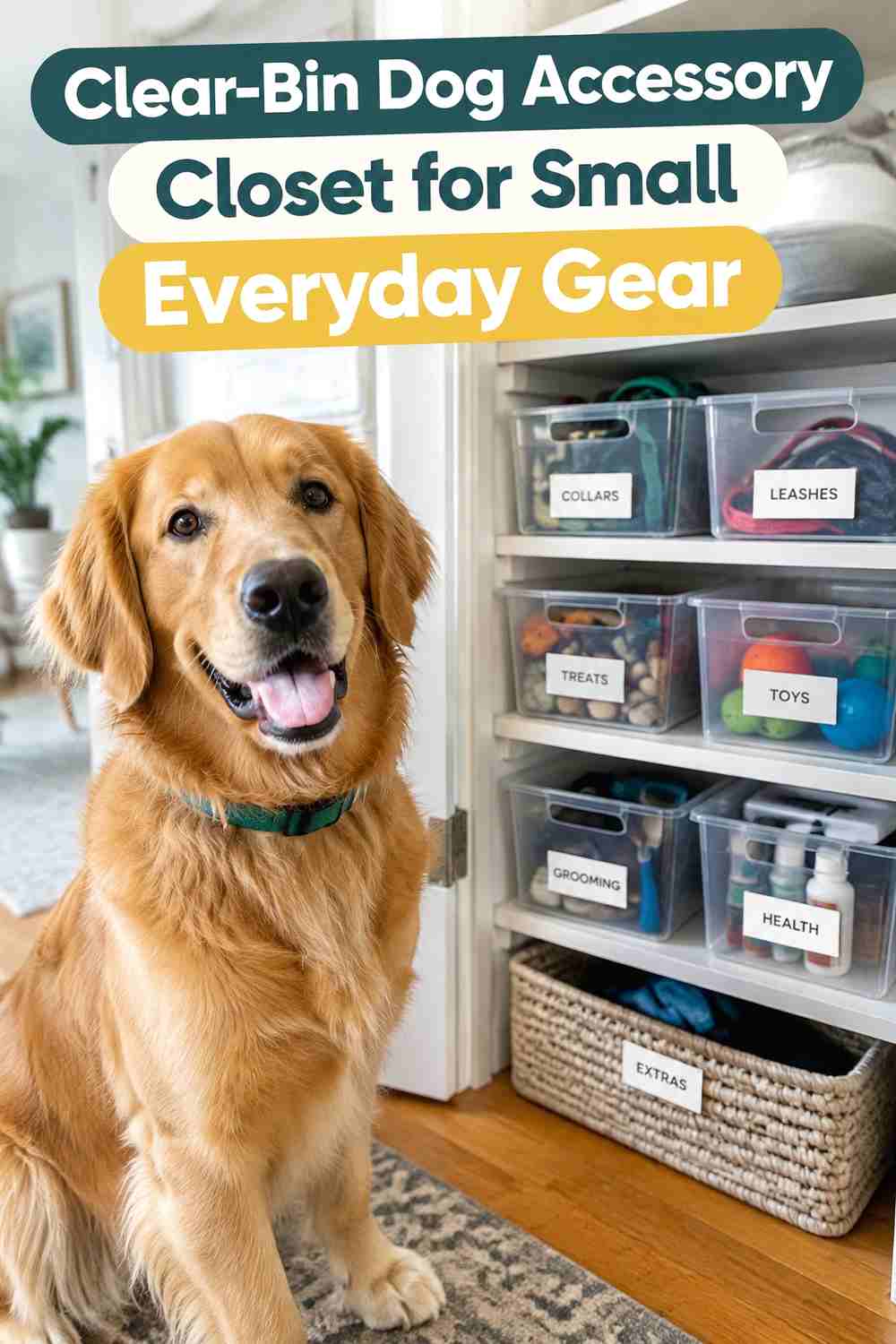
2. Clear Bin Dog Accessory Closet For Small Everyday Gear
You May Also Like



Use clear, labeled bins to organize small dog accessories that are easy to lose inside a larger closet. Separate items such as spare tags, bandanas, travel pouches, and other everyday gear by category rather than dropping everything into one deep basket. Choose containers with secure lids when the closet is accessible to a curious dog, and keep small hardware on higher shelves. Clear sides make it easier to see what is inside without opening every bin, while simple labels help other household members return items correctly. Avoid overfilling each container; a little empty space makes accessories easier to remove without emptying the whole box onto the floor.
Best For
Closets with many small accessories that tend to disappear inside drawers or mixed storage baskets.
Use & Maintenance
Review bins periodically and remove broken, outgrown, or unused pieces before clutter builds up.
3. Seasonal Dog Clothing Closet With Labeled Storage Bins
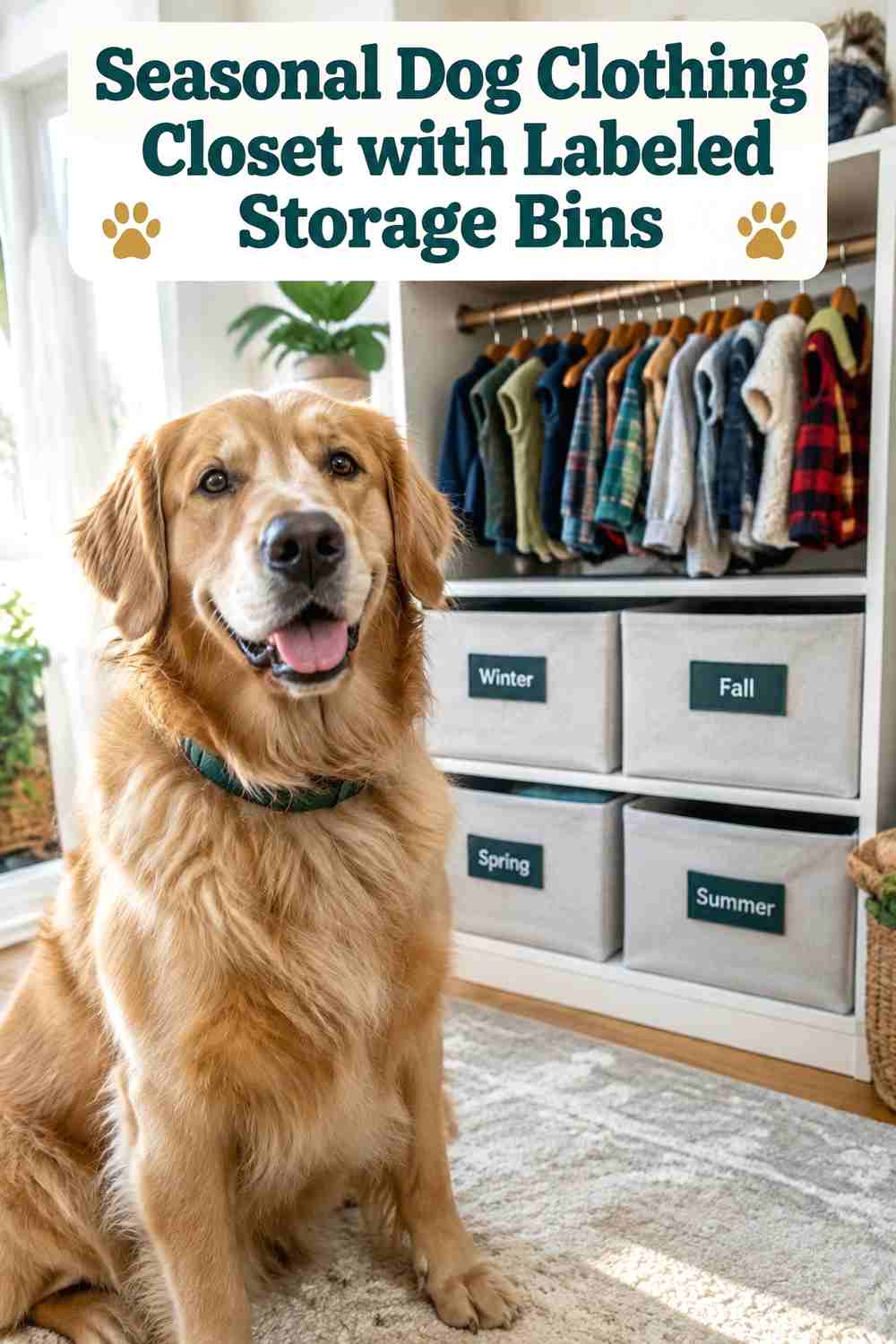
Organize dog coats, sweaters, cooling garments, or other seasonal clothing in separate labeled bins rather than hanging every item year-round. Keep the current season’s clean, dry clothing on an easy-access shelf and move off-season pieces higher or farther back. Fold garments loosely so straps and fasteners do not become tangled or bent. Before returning clothing to storage, check that it is completely dry and free from outdoor debris. This setup works especially well for dogs with several weather-related accessories because it prevents a small closet from becoming overloaded. Keep clothing that no longer fits out of the active rotation instead of leaving it mixed with usable items.
Use & Maintenance
Wash or clean garments as appropriate before long-term storage and inspect fasteners during seasonal changes.
Pro Tip
Label bins by season or purpose so you do not need to unfold clothing to identify every piece.
4. Multi Dog Accessory Closet With Separate Labeled Sections
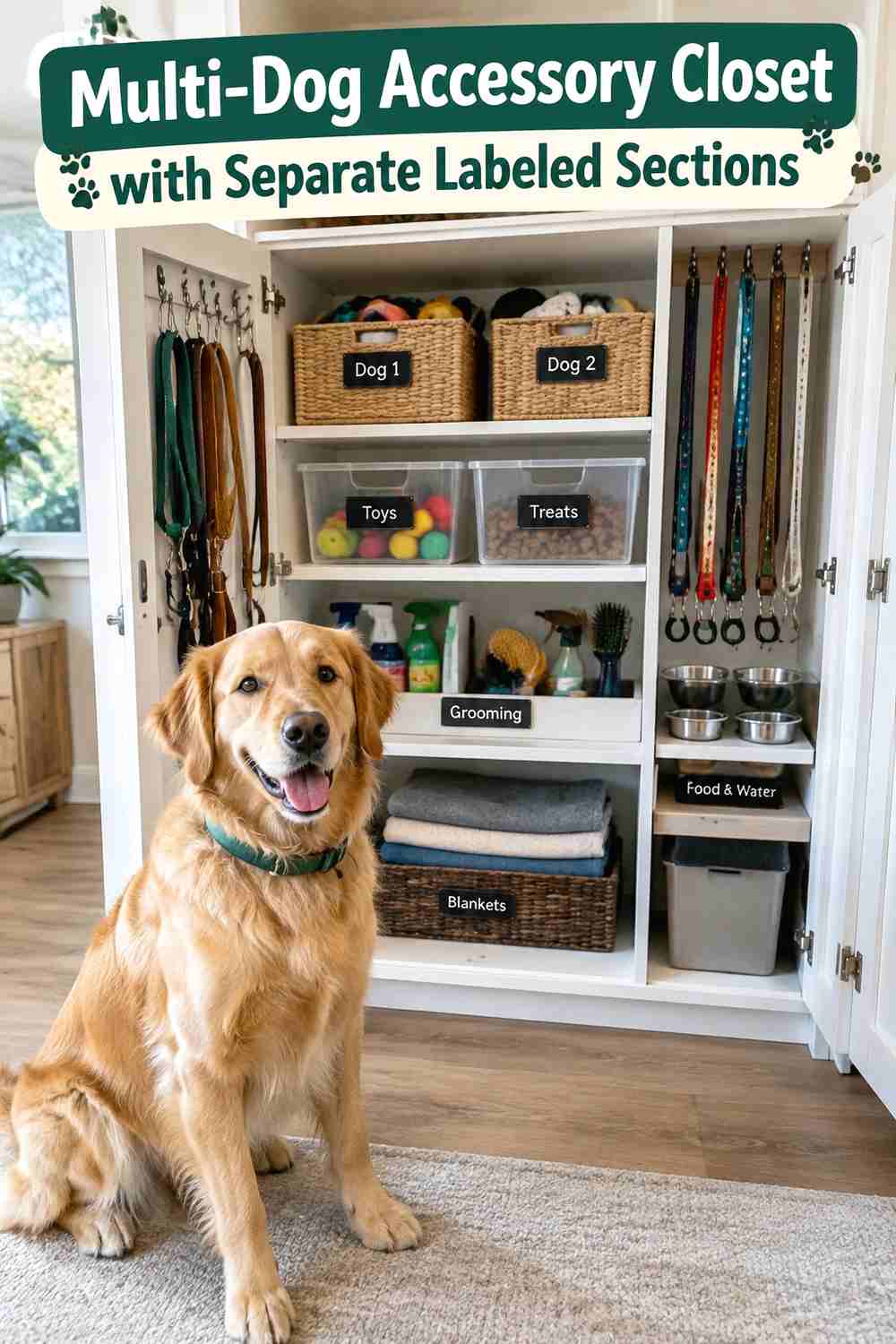
Give each dog a separate closet section when several pets have different collars, harnesses, clothing, or travel supplies. Use individual hooks, shelves, or labeled bins so similarly sized accessories do not become mixed together. Shared items can occupy a central section, but anything specific to one dog should return to that dog’s zone after use. This is particularly helpful when household members share dog-care responsibilities and need to identify gear quickly. Keep the floor area clear so dogs are not crowded around storage while people prepare for walks or outings. You do not need identical amounts of space for every dog; organize based on the gear each one actually uses.
Setup Notes
Use large readable labels or simple color-coded tags to make sections easy to identify.
Why It Works
Separate zones reduce mix-ups and make multi-dog routines easier to manage consistently.
5. Shelf And Hook Dog Walking Gear Closet For Daily Routines
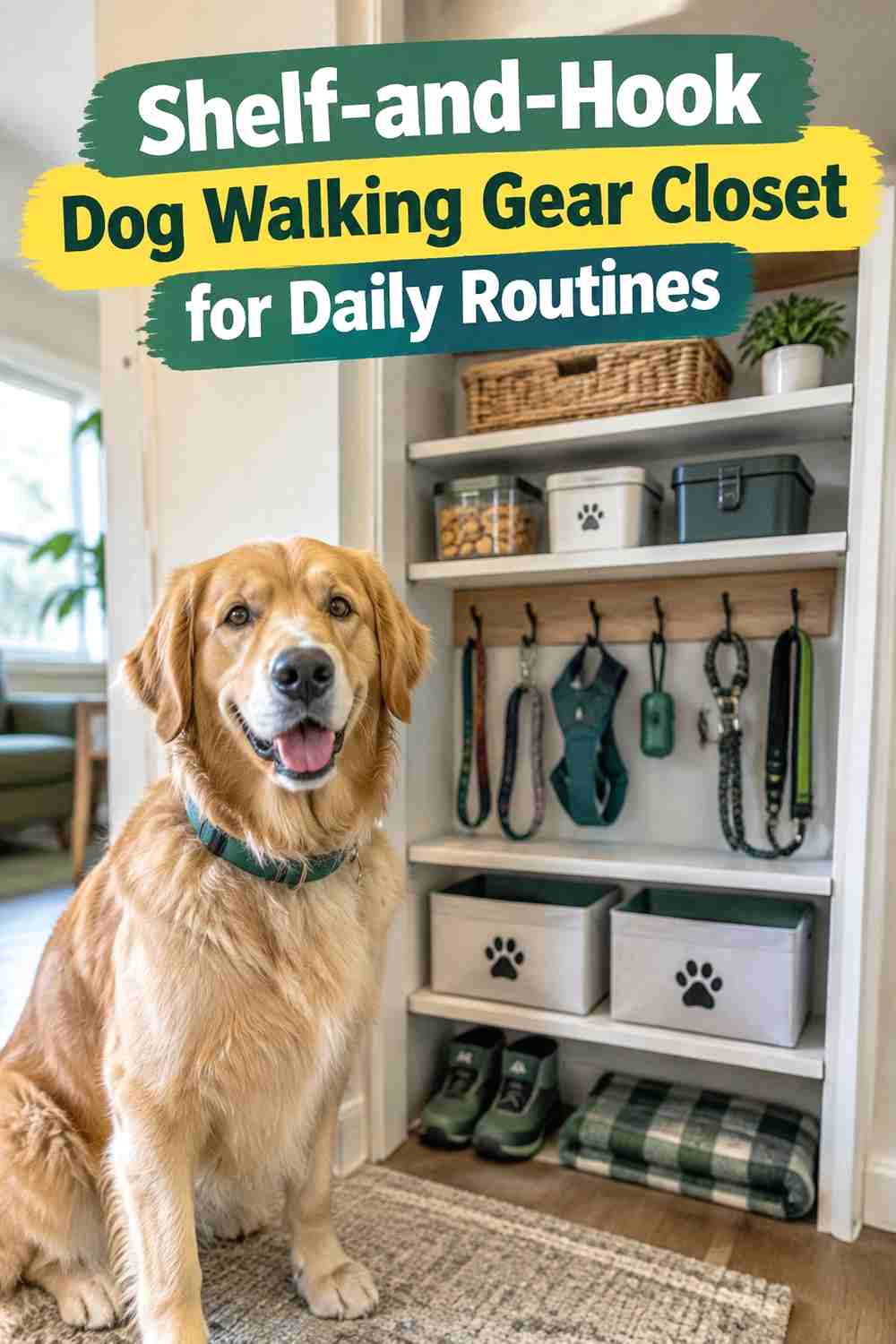
Combine open hooks with one shelf to create a compact closet area devoted to everyday walks. Hang the regular leash and harness below, then use the shelf for clean towels, owner-managed visibility gear, or another frequently used accessory. Keep wet equipment out of enclosed storage until it has dried, and avoid stacking bags or coats over the walking gear. The goal is to create one predictable place where the complete daily setup can be found without searching through seasonal clothing or travel supplies. This arrangement works well in hall closets, mudrooms, or laundry rooms where dog gear shares space with household items.
Space & Placement
Position the walking zone near the closet opening so everyday gear is not hidden behind rarely used supplies.
Use & Maintenance
Return items after each outing and move damp gear to a drying area before storing it again.
6. Drawer Organizer For Dog Collars Bandanas And Accessories
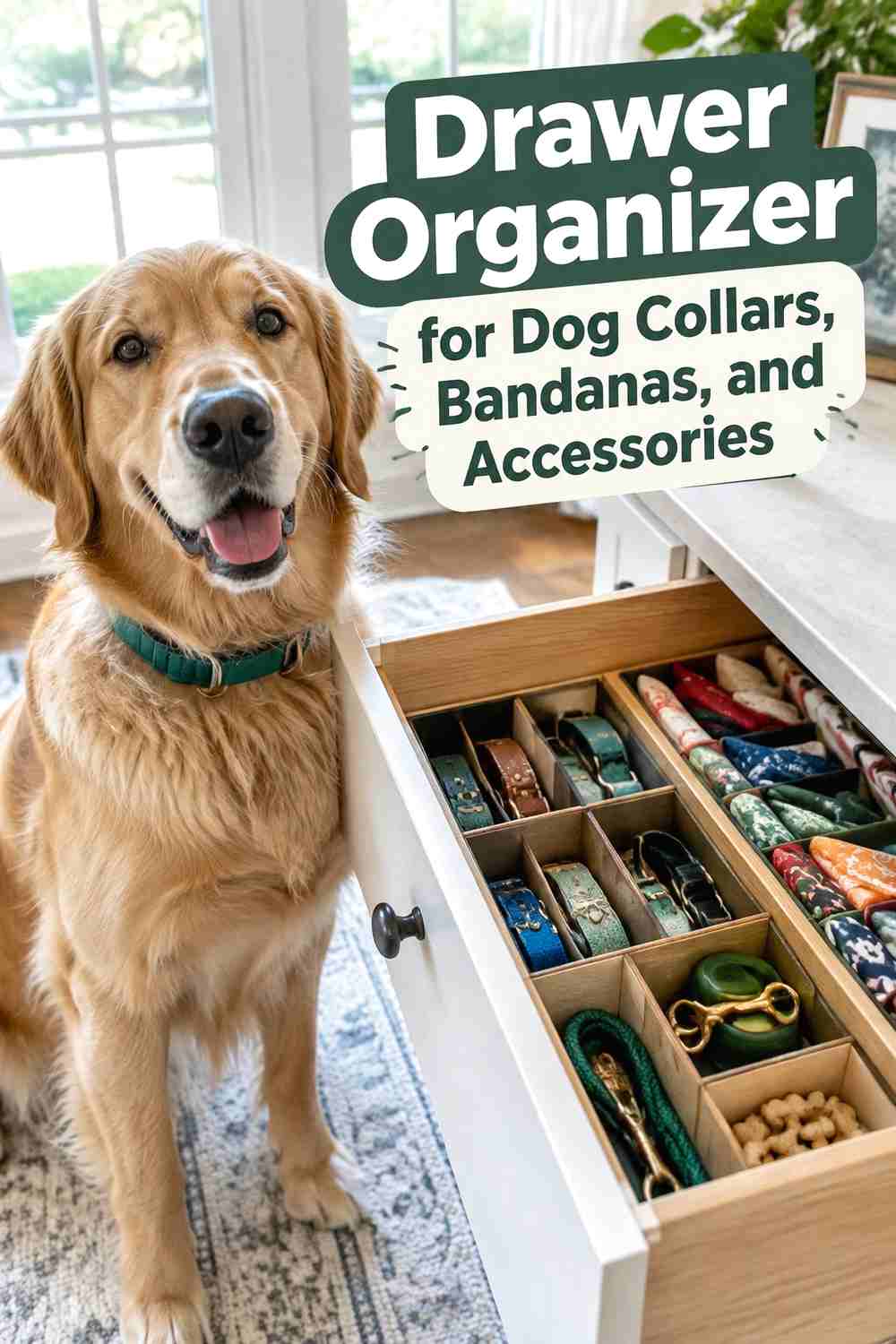
A shallow divided drawer can keep collars, bandanas, bow ties, and other compact dog accessories visible without hanging everything on the wall. Give each category its own compartment and loosely curve collars so buckles and tags do not catch on neighboring items. Fold fabric accessories flat and keep small detachable hardware in a separate secured container. This setup suits owners who enjoy rotating accessories but prefer a clutter-free closet appearance. Because drawers can hide forgotten items, review the contents every few months and remove damaged, outgrown, or rarely used pieces. A wipeable drawer liner can also make loose fur and outdoor dust easier to clean.
Best For
Homes with several small dog accessories but limited wall space for hooks.
Cleaning Notes
Vacuum or wipe the drawer regularly, especially around buckles and tags where debris can collect.
7. Travel Ready Dog Accessory Closet With Grab And Go Bags
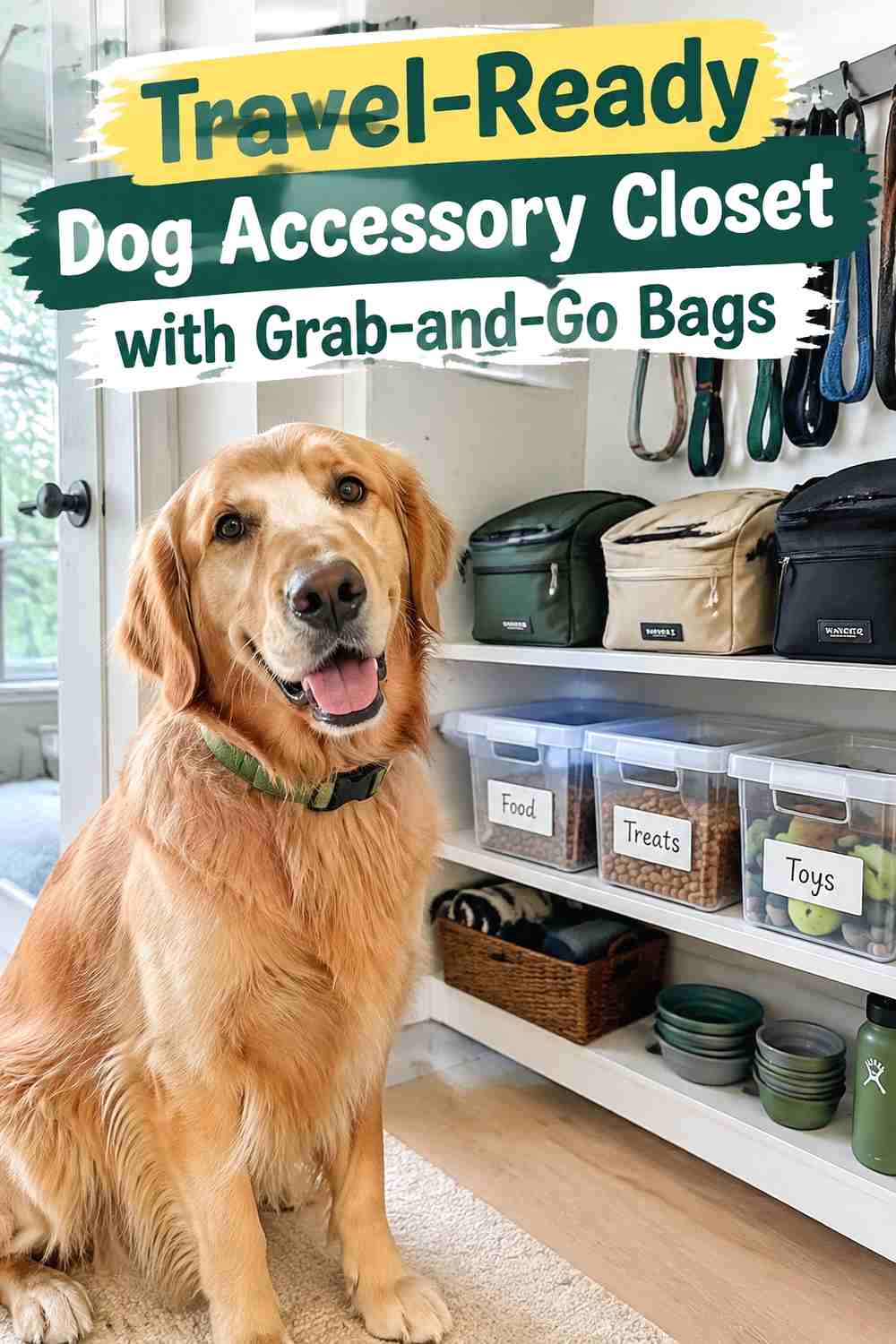
Keep one or two travel bags inside the accessory closet so supplies for car trips, park outings, or overnight stays are easier to organize. Store the empty or reset bags beside the everyday gear and use internal pouches for clean towels, travel bowls, familiar accessories, or other routine items appropriate for your dog. Avoid leaving damp fabric, food, or liquids sealed in the bag between trips. After returning home, empty used items, clean what needs cleaning, and restock the bag before putting it away. This setup makes departure preparation more predictable while keeping travel accessories from spreading through suitcases, cars, and random household drawers.
Best For
Dogs that regularly travel, visit family, or join longer outings away from home.
Use & Maintenance
Reset the bag after every trip so missing or dirty items do not become a last-minute problem.
8. Rainy Day Dog Accessory Closet With Towels And Coats
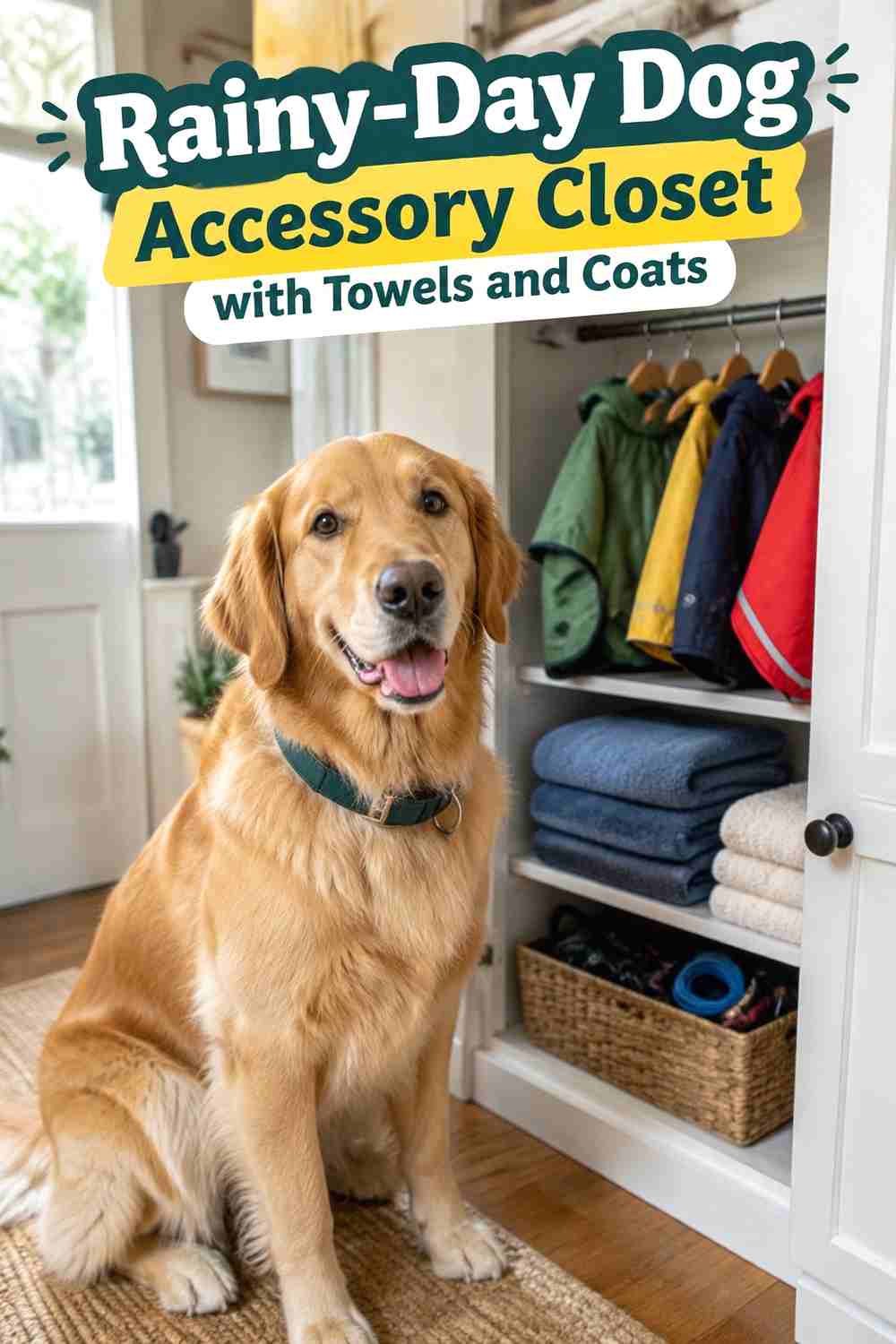
Create a weather-specific closet zone for raincoats, clean towels, and other accessories used during wet walks. Hang dry coats on hooks with enough spacing for airflow, and store folded clean towels on a nearby shelf or in a washable bin. Damp items should stay out of the closed closet until they are fully dry so moisture does not spread to collars, clothing, or fabric storage. A small removable tray can hold wet-weather accessories temporarily if needed, but it should be cleaned and dried regularly. This setup is especially useful in climates with frequent rain because it keeps messy outdoor gear separate from cleaner everyday accessories.
Setup Notes
Keep the rainy-day section close to the closet opening so wet gear does not need to pass over clean storage.
Cleaning Notes
Wash used towels promptly and wipe shelves or trays whenever mud or moisture appears.
9. Small Space Vertical Dog Accessory Closet For Apartments
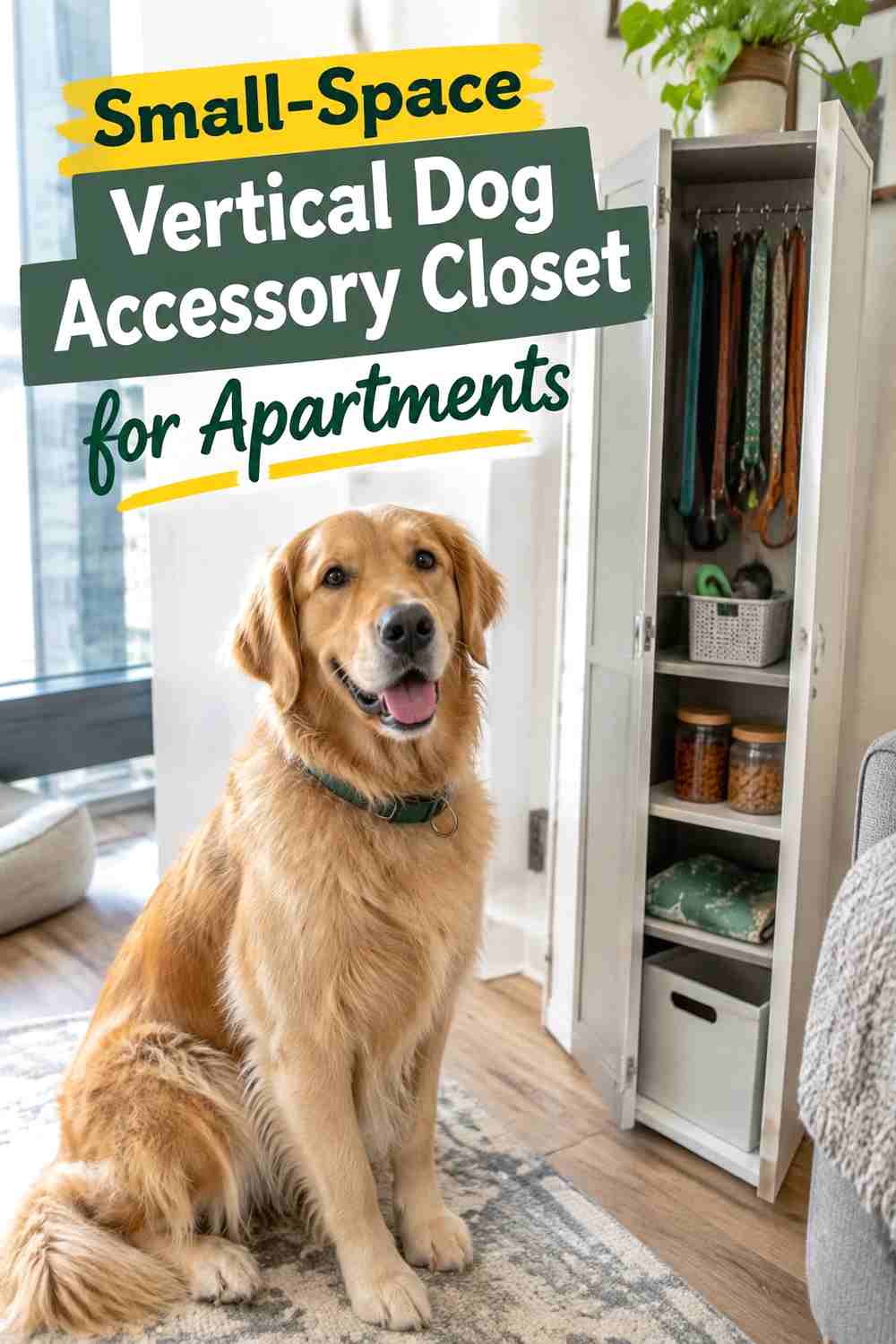
Use vertical wall space inside a narrow closet when an apartment does not have room for wide shelving or extra storage furniture. Install several hooks in a column for leashes, harnesses, and lightweight accessories, then add one slim upper shelf for labeled bins. Keep daily gear at comfortable reach and move seasonal or backup items higher. Avoid hanging long straps low enough to trail near the floor or interfere with the closet door. This setup can fit inside a coat closet, utility cupboard, or small entryway recess without taking valuable living space. Limit the number of visible items so the vertical system stays practical rather than becoming a crowded wall of gear.
Space & Placement
Keep hooks clear of hinges, sliding doors, and areas where straps could be pinched.
Why It Works
Vertical storage uses otherwise wasted wall height while preserving valuable floor and shelf space.
10. Minimal Neutral Dog Accessory Closet For Modern Homes
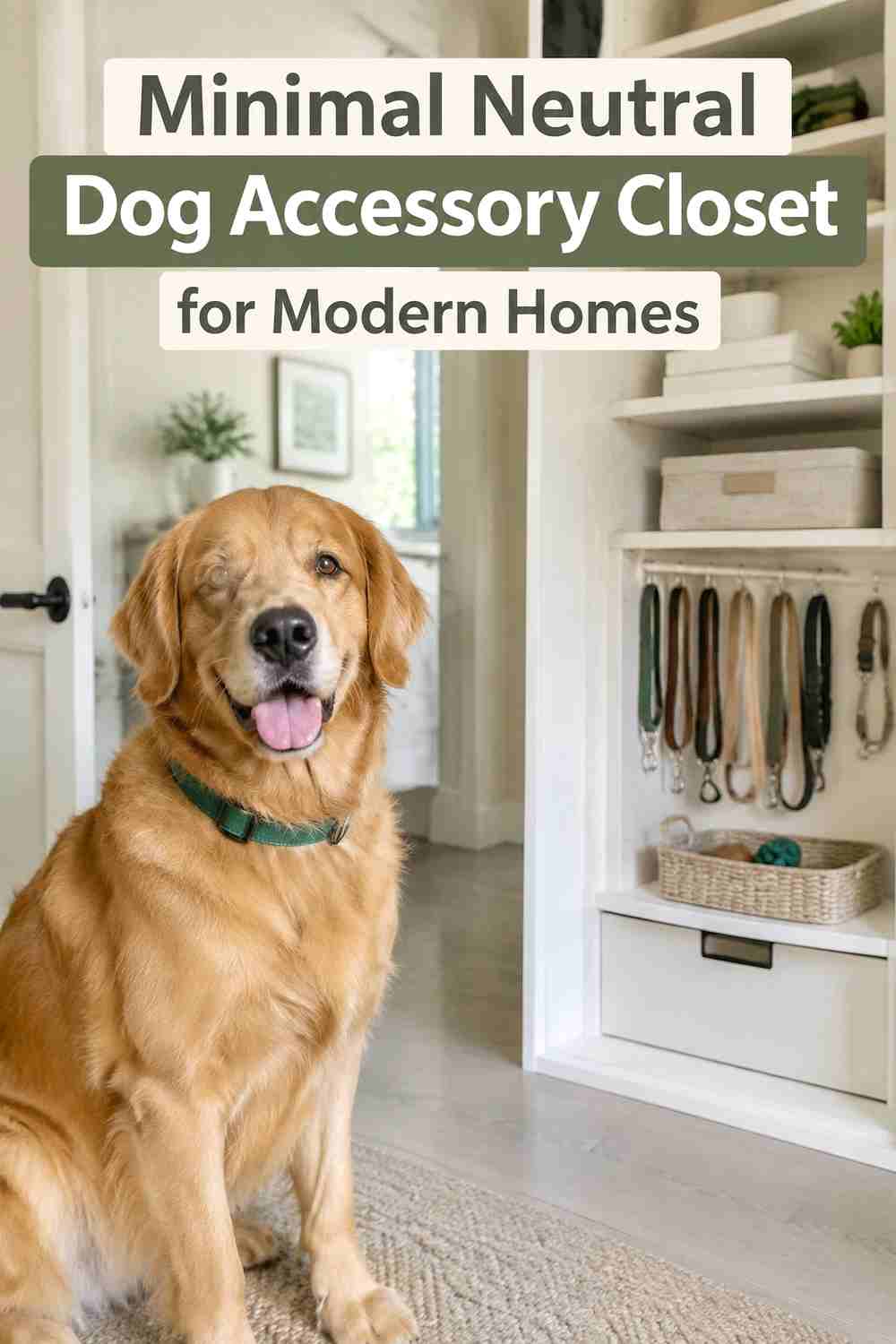
A minimal dog accessory closet can use a few matching neutral bins, simple hooks, and generous empty space rather than dozens of small organizers. Assign one bin to seasonal items, one to travel gear, and one to backups, while keeping the leash and harness visible on hooks. Choose wipeable containers in white, black, gray, or natural finishes that blend with the home, but prioritize function over decorative symmetry. If a bin becomes overfilled, move rarely used items elsewhere rather than adding another container automatically. This setup works best for owners who prefer a calm, streamlined storage area and only keep accessories that serve a clear purpose.
Why It Works
Fewer categories make the closet faster to scan, clean, and reset after everyday use.
Pro Tip
Leave at least one shelf section partly empty so new gear does not immediately create overflow.
11. Split Zone Dog Closet For Walking And Grooming Accessories
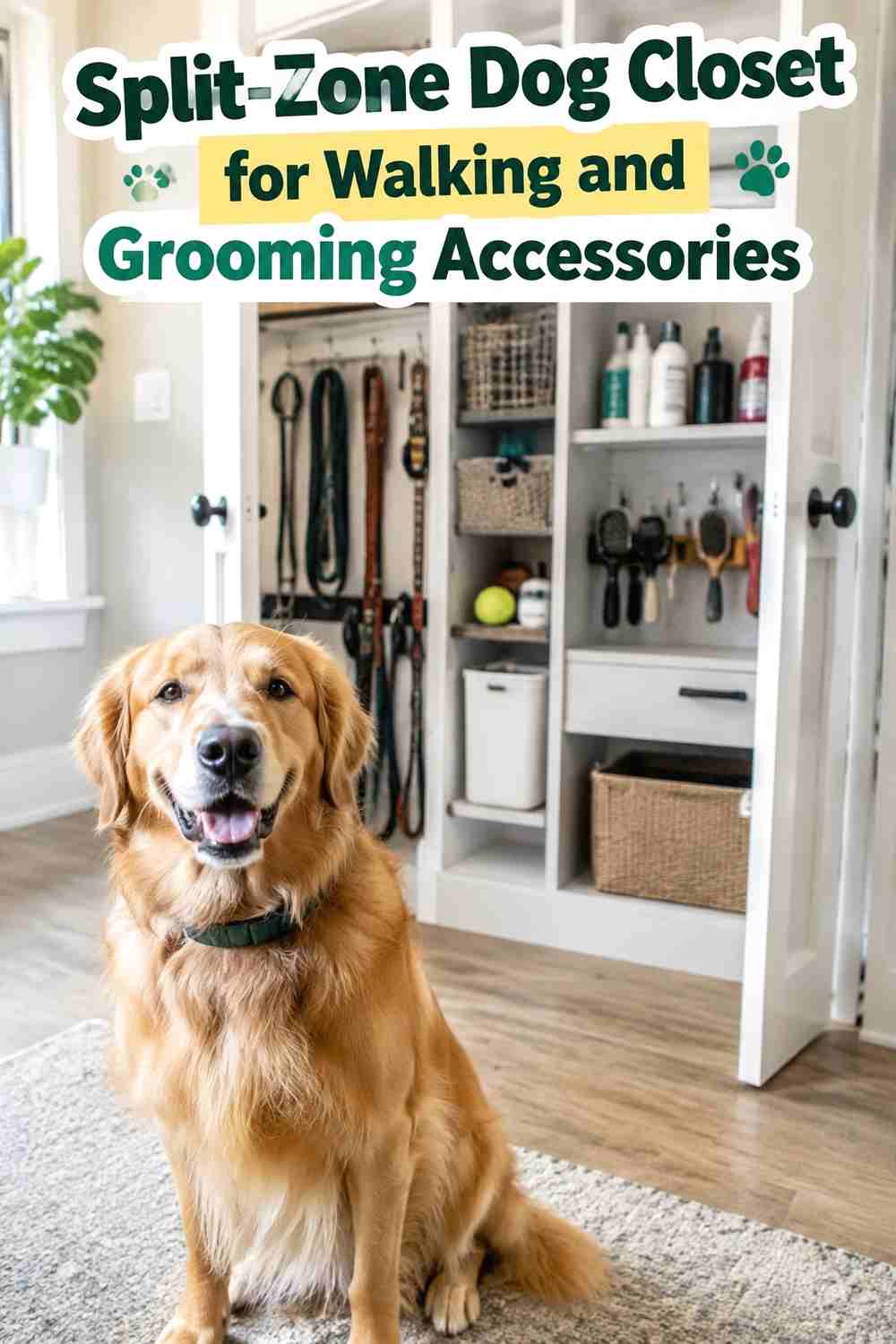
Divide one closet into two clearly separated areas: walking accessories on one side and grooming accessories on the other. Hang leashes, harnesses, and weather gear near the front while brushes, clean towels, and routine grooming supplies stay in labeled bins on a different shelf. Sharp grooming tools, liquids, medicines, and small items should remain securely stored rather than mixed with open walking gear. This arrangement works well when space is limited but you still want different dog-care routines to remain organized. Avoid letting damp outdoor equipment touch clean grooming towels or brushes. The visual separation makes it easier to carry only the supplies needed for the current task.
Setup Notes
Use shelf labels or contrasting bins so the two zones remain easy to distinguish.
Comfort & Safety
Keep sharp tools, small hardware, medicines, and liquids secured and inaccessible to pets.
12. Backup Dog Accessory Closet With Refill And Rotation Bins
You May Also Like



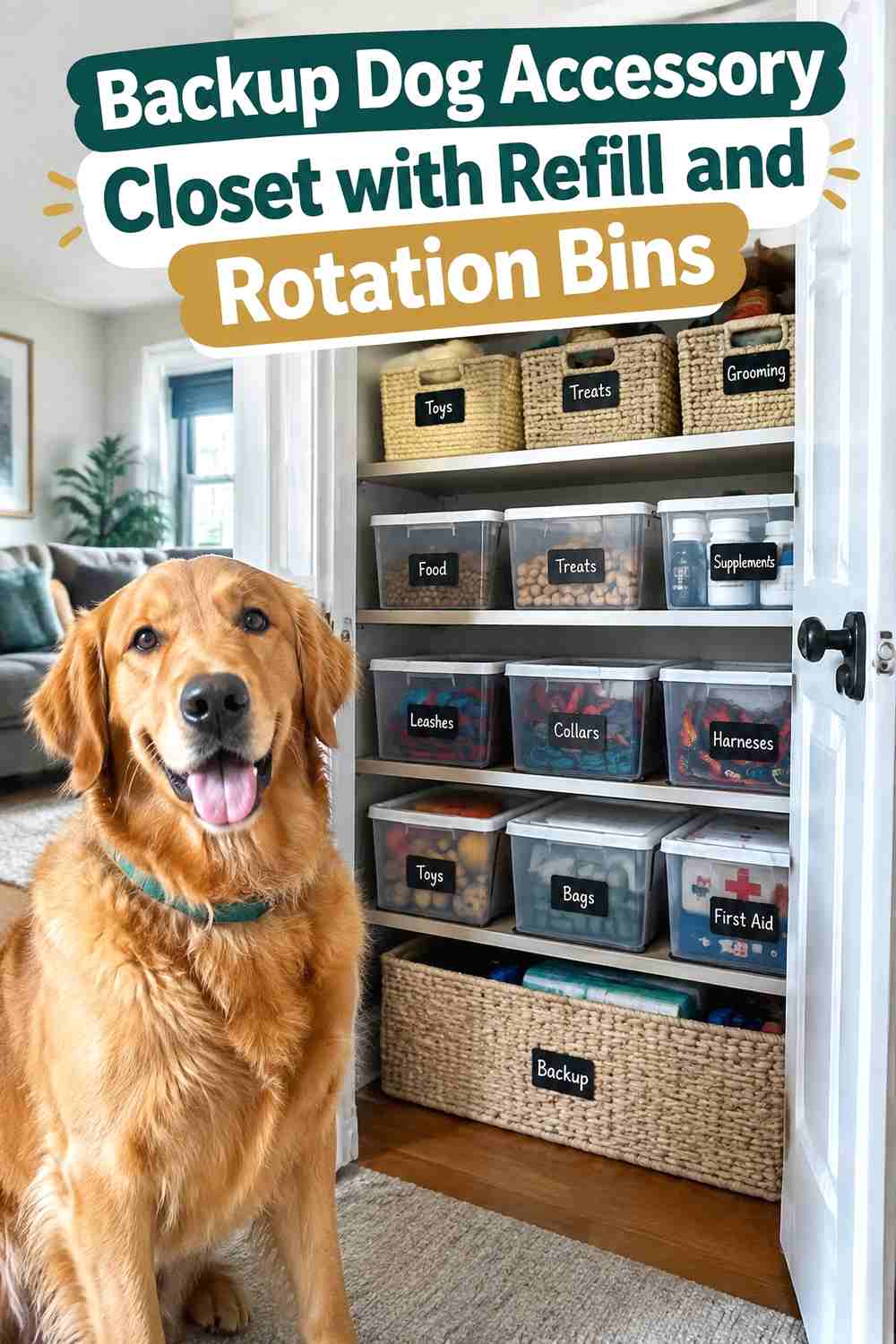
Create a dedicated backup zone for spare leashes, replacement accessories, off-season pieces, and other items that are not part of the daily routine. Use labeled bins such as “backup,” “seasonal,” and “travel” rather than mixing extras into active storage. Keep the currently used collar, leash, and harness elsewhere in the easy-access section. Review backup gear periodically for fit, wear, damage, or duplication before buying more. This setup is especially helpful for owners who tend to keep several versions of similar accessories because it separates what is currently useful from what is simply being stored. Avoid filling the closet with items your dog has permanently outgrown.
Use & Maintenance
Check the backup zone during seasonal resets and remove gear that is damaged or no longer needed.
Why It Works
Separating extras prevents everyday storage from becoming crowded while keeping useful replacements easy to find.
How to Choose the Right Idea
Start with the accessories your dog uses most often. Daily leashes, harnesses, and walking gear should be easiest to reach, while seasonal clothing, travel supplies, and backups can live on higher or less accessible shelves.
Next, consider your space. Apartments often benefit from vertical hooks and slim bins, while larger closets can support separate walking, grooming, and weather zones. Multi-dog households usually work better with clearly labeled sections for each pet.
Keep wet gear separate from clean storage, allow coats and towels to dry before closing them away, and secure small hardware, sharp grooming tools, liquids, and medicines. A useful accessory closet should simplify routines rather than simply hold more things.
Final Thoughts
A good dog accessory closet gives every frequently used item a predictable home. Clear hooks, a few labeled bins, and separate zones for seasonal or backup gear are often enough.
Start with the accessories you use every week, then add storage only when a specific need appears. A simpler closet is easier to clean, easier to maintain, and faster to use.
FAQs
1. What should go in a dog accessory closet?
Common items include leashes, harnesses, collars, dog clothing, clean towels, travel bags, bandanas, walking accessories, and organized backup gear.
2. How should dog leashes and harnesses be stored?
Sturdy wall hooks work well because they keep straps visible and separated. Hang them high enough that your dog cannot chew or become tangled in them.
3. How can I organize accessories for multiple dogs?
Give each dog a separate labeled section with individual hooks, shelves, or bins so different sizes and accessories do not become mixed together.
4. Should wet dog coats and gear go directly into the closet?
Let damp gear dry fully first. Storing wet fabric in an enclosed closet can make surrounding items harder to keep clean and dry.
5. What is the best dog accessory closet idea for a small apartment?
A vertical setup with wall hooks, one narrow shelf, and a few labeled bins uses very little floor space while keeping daily gear organized.
Save your favorite dog accessory closet idea and create a simple storage system that keeps everyday pet gear organized, accessible, and easier to maintain.
