When walks are shorter, the weather is unpleasant, or your dog simply needs more to do between outings, indoor enrichment can make home life much more interesting. The best activities do more than keep a dog occupied for a few minutes. They give your dog opportunities to sniff, search, solve problems, interact with you, move their body, or settle into a focused activity.
Save This Idea on Pinterest
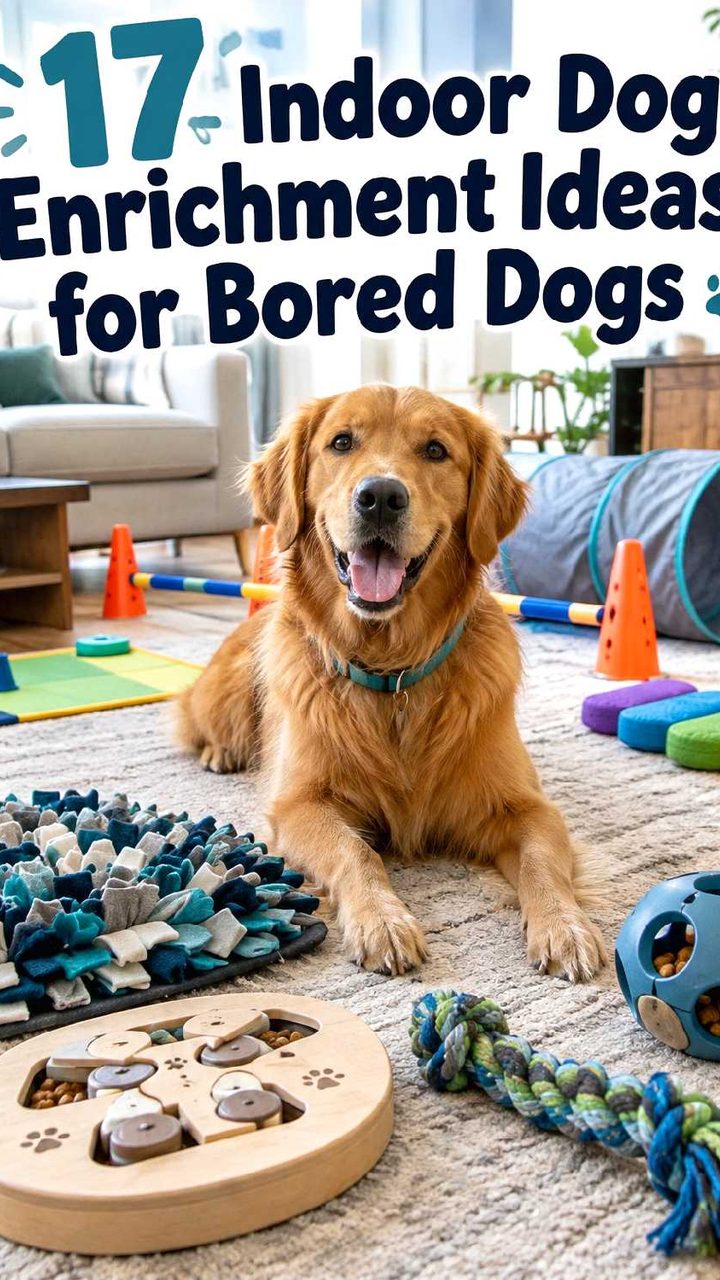
17 Indoor Dog Enrichment Ideas for Bored Dogs
Save to PinterestThe 17 ideas below include food-based games, nose work, training, social play, controlled movement, and quieter options. You do not need to set up all of them at once. Choose activities that match your dog’s energy level, food needs, play style, available space, and tendency to chew or destroy objects.
Quick List
- Indoor Snuffle Mat Hunt For Bored Dogs
- Easy Towel Treat Puzzle For Indoor Dogs
- Diy Muffin Tin Food Puzzle For Dogs
- Cardboard Treasure Hunt For Bored Indoor Dogs
- Simple Indoor Scent Trail Game For Dogs
- Cup Search Nose Game For Indoor Dogs
- Teach Your Dog Toy Names Indoors
- Five Minute Trick Training For Bored Dogs
- Indoor Hide And Seek Game With Your Dog
- Living Room Obstacle Course For Indoor Dogs
- Hallway Soft Toy Fetch For Indoor Dogs
- Indoor Tug Game For Bored Dogs
- Calming Lick Mat Activity For Indoor Dogs
- Stuffed Food Toy Idea For Bored Dogs
- Indoor Blanket Digging Zone For Dogs
- Cozy Window Watching Station For Indoor Dogs
- Dog Toy Rotation Idea To Prevent Boredom
1. Indoor Snuffle Mat Hunt For Bored Dogs
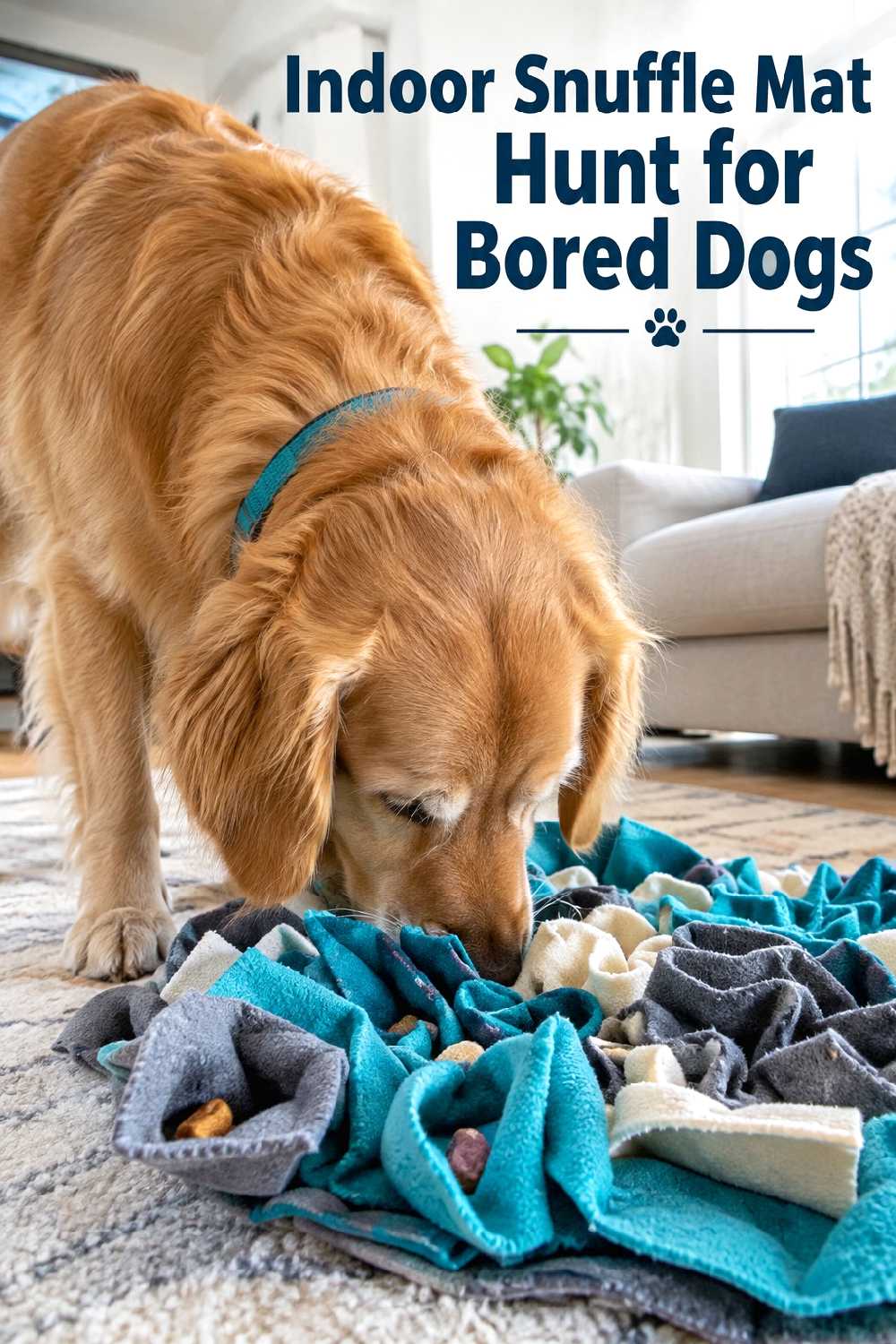
A snuffle mat turns part of your dog’s regular meal into a searching activity instead of food disappearing from a bowl in seconds. Scatter kibble through the fabric folds and let your dog locate each piece using their nose.
Start with food close to the surface so the game is easy to understand. Once your dog searches confidently, tuck some pieces deeper into the mat. Using part of a normal meal instead of adding many extra treats also makes this easier to fit into a daily routine.
Place the mat on a nonslip floor where your dog has room to circle around it. Pick it up when the session ends, especially if your dog likes pulling or chewing fabric rather than searching through it.
2. Easy Towel Treat Puzzle For Indoor Dogs
You May Also Like


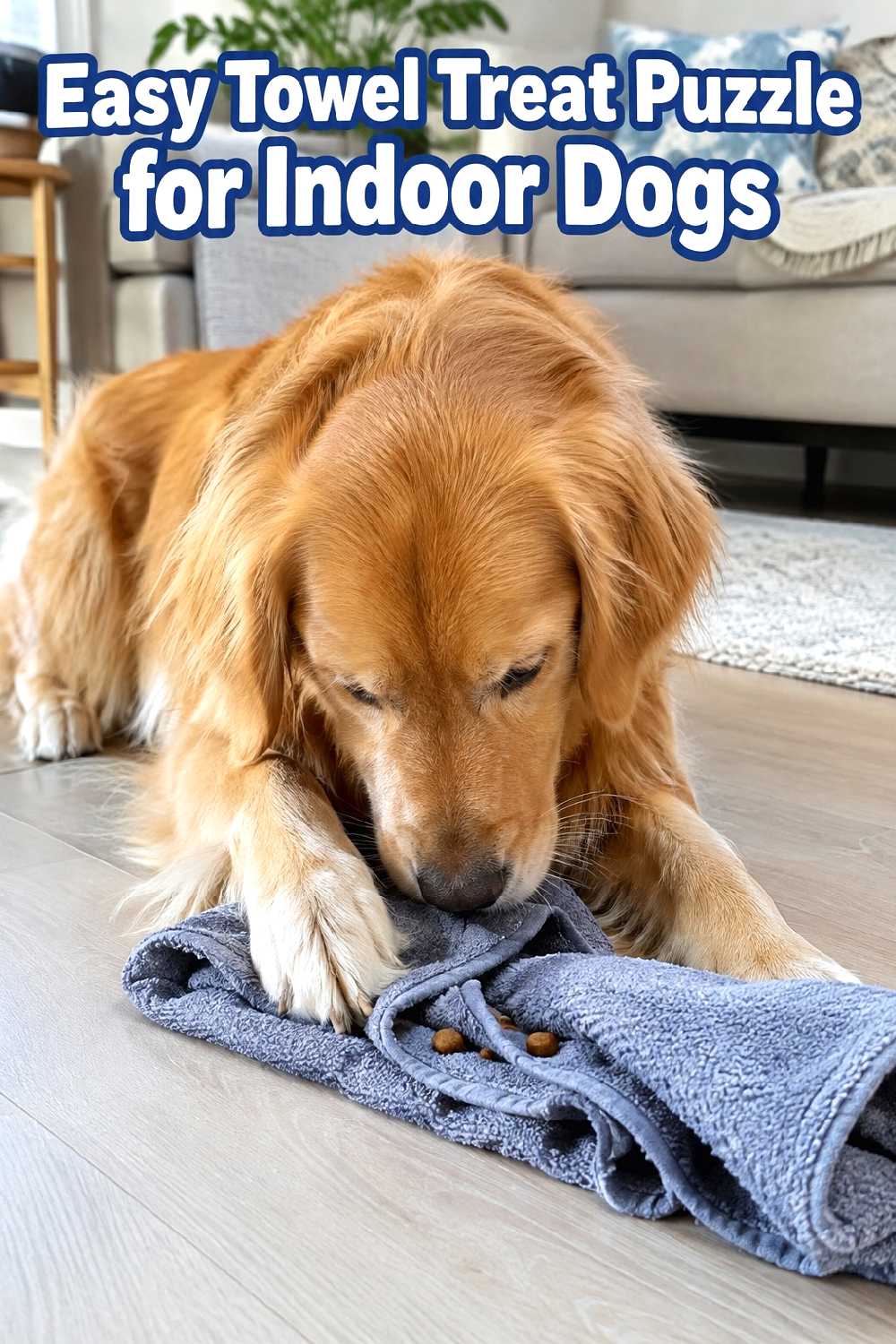
A bath towel can become a simple homemade puzzle with almost no setup. Lay it flat, sprinkle a small amount of kibble across it, and loosely roll or fold the towel so your dog has to nudge it open.
Keep the first version loose. Tight knots can turn a food-search game into an unnecessarily frustrating task, and they encourage some dogs to bite and yank the fabric. As your dog improves, change the folds rather than simply making them harder.
This is especially useful when you want an enrichment activity that can be assembled and stored quickly. Supervise the game and remove the towel if your dog starts tearing or swallowing fabric.
3. Diy Muffin Tin Food Puzzle For Dogs
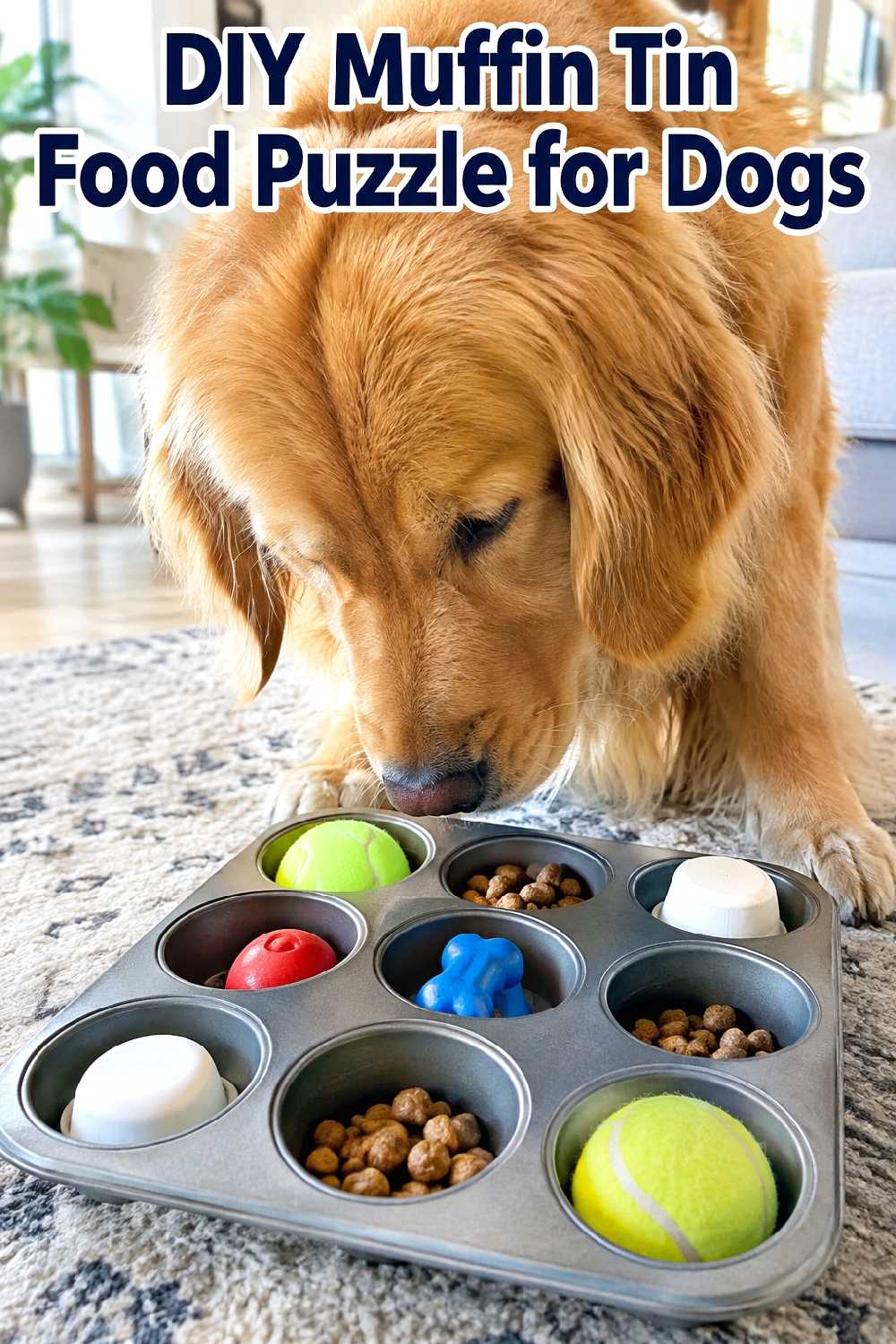
A clean muffin tin creates several small compartments your dog can investigate. Put pieces of your dog’s regular food in several wells and leave others empty. For an extra challenge, loosely cover selected wells with sturdy dog-safe objects that are too large for your dog to swallow.
At first, leave most compartments uncovered so your dog quickly discovers how the game works. Later, increase the number of covered wells.
Set the tin on a nonslip surface so it does not slide loudly across the floor. Dogs that become frustrated by moving metal may do better with a stable silicone version or another purpose-made food puzzle.
4. Cardboard Treasure Hunt For Bored Indoor Dogs
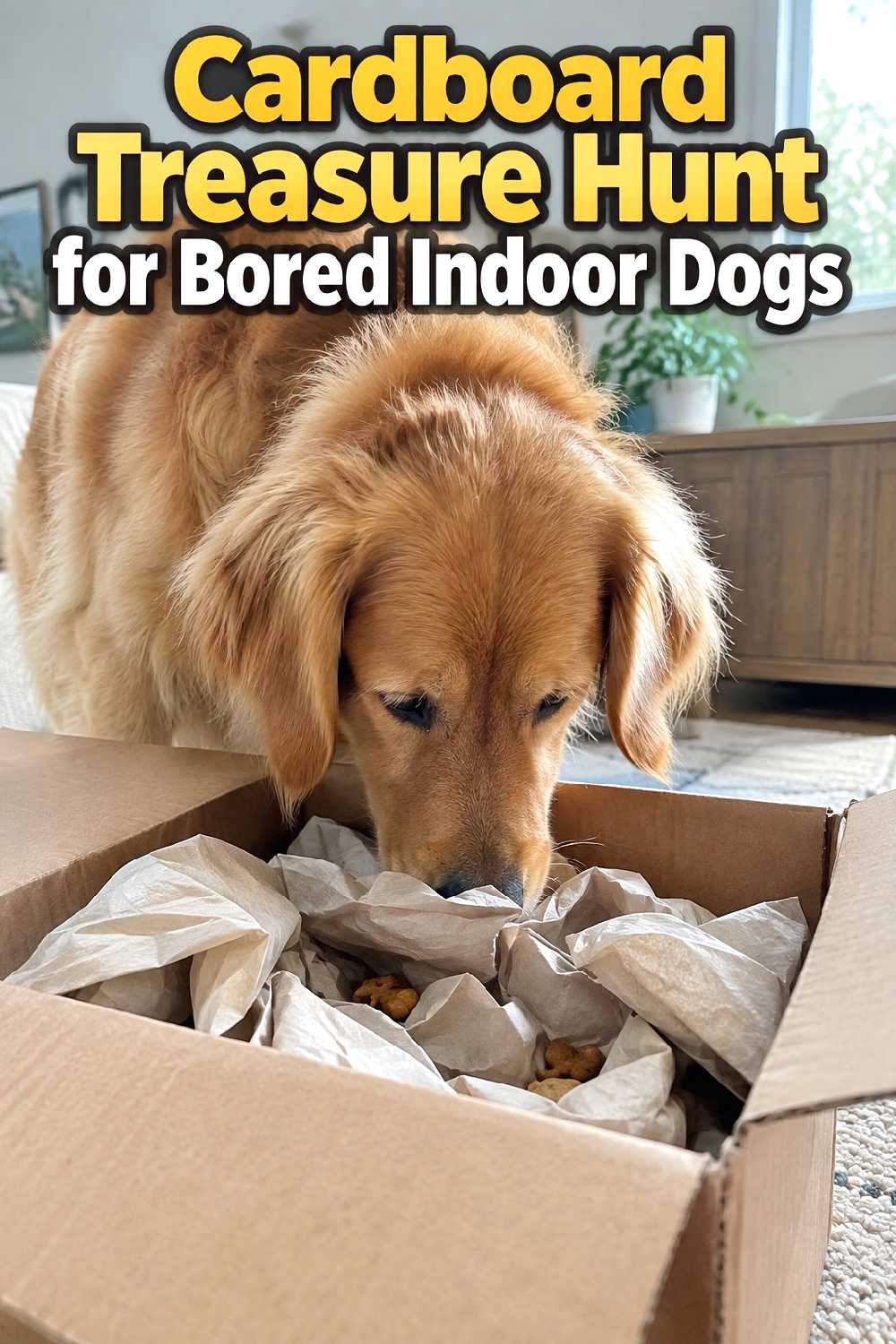
An empty shipping box can become a supervised search zone. Remove tape, staples, labels, plastic packaging, and anything sharp, then loosely fill the box with plain packing paper. Hide a few pieces of kibble between the layers.
This idea suits dogs that enjoy sniffing, nosing, and safely pushing lightweight material around. It also gives some dogs an appropriate place to explore cardboard instead of investigating packages you actually want to keep.
Stay nearby throughout the activity. If your dog immediately eats cardboard or paper rather than searching through it, skip this setup and choose a reusable food puzzle instead.
5. Simple Indoor Scent Trail Game For Dogs
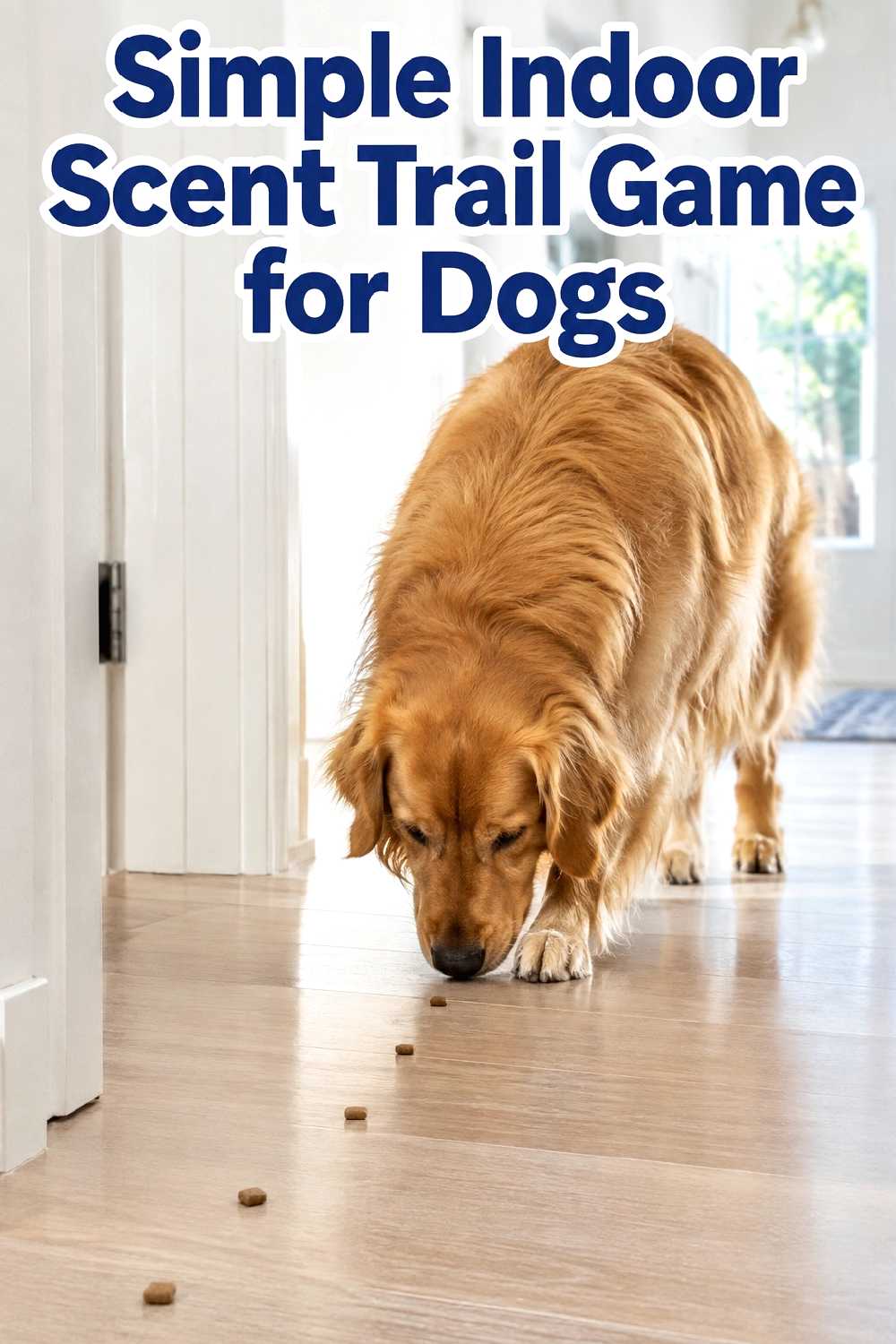
Use your dog’s nose to turn an ordinary hallway or room into a short search course. Place small pieces of food several steps apart, beginning somewhere easy to find and ending at a favorite toy, food puzzle, or slightly larger reward.
Once your dog understands the trail, make the route less obvious by taking it around a chair, through a doorway, or from one room to another. Avoid placing food near stairs, slippery flooring, cords, or places where your dog has to squeeze behind furniture.
This game works particularly well when vigorous indoor exercise is not practical because the main challenge comes from tracking the route rather than running.
6. Cup Search Nose Game For Indoor Dogs
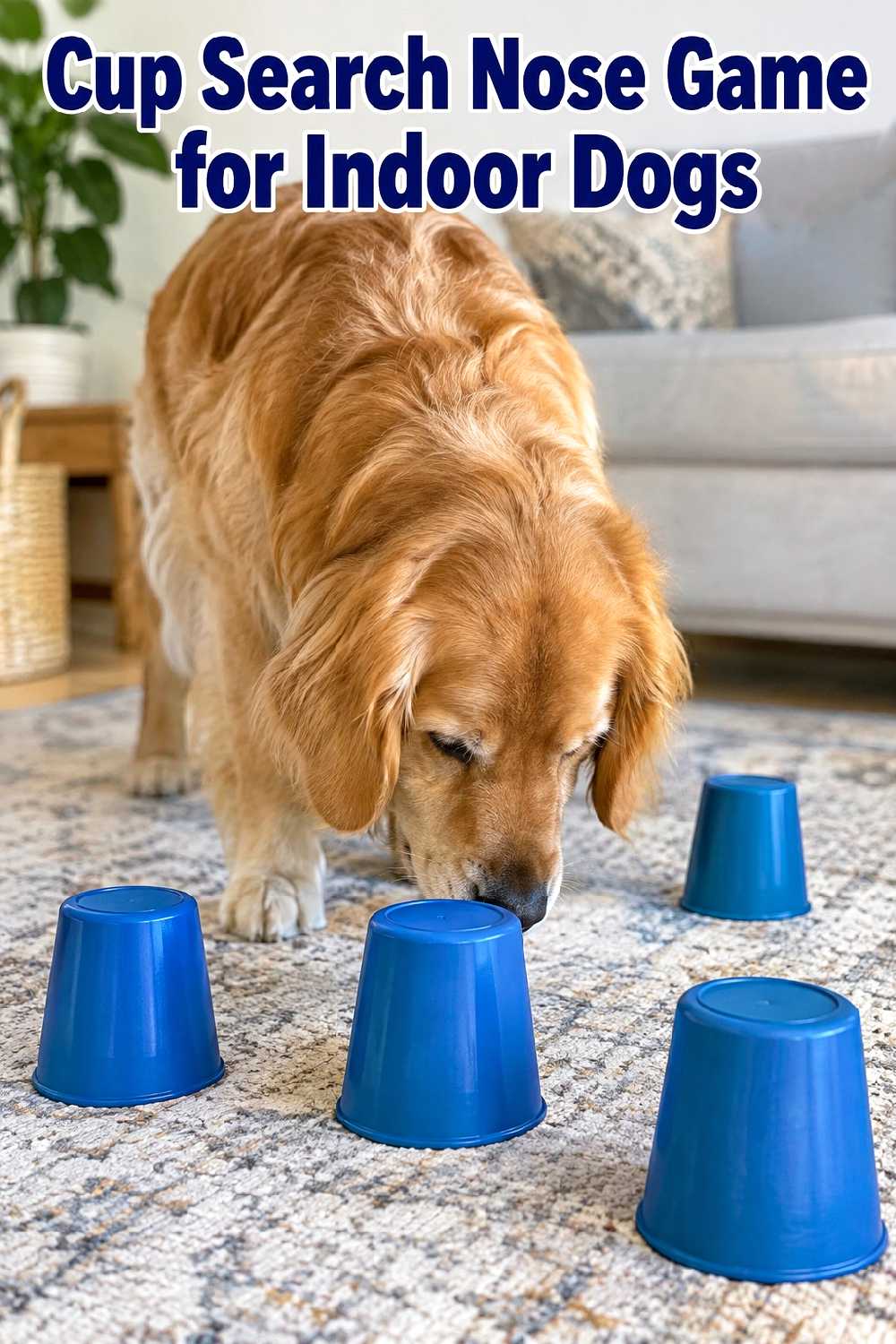
Arrange two or three sturdy cups upside down and hide a treat beneath one of them. Let your dog sniff the cups and indicate which one contains the food. Lift the correct cup and let your dog collect the reward.
Begin with only two cups and make the hiding process obvious. After your dog understands the idea, hide the food out of sight and move the cups before inviting your dog to search.
Use containers that are large enough not to become chewable or swallowable objects. The goal is scent discrimination, not knocking a room full of cups across the floor, so keep the setup small and controlled.
7. Teach Your Dog Toy Names Indoors
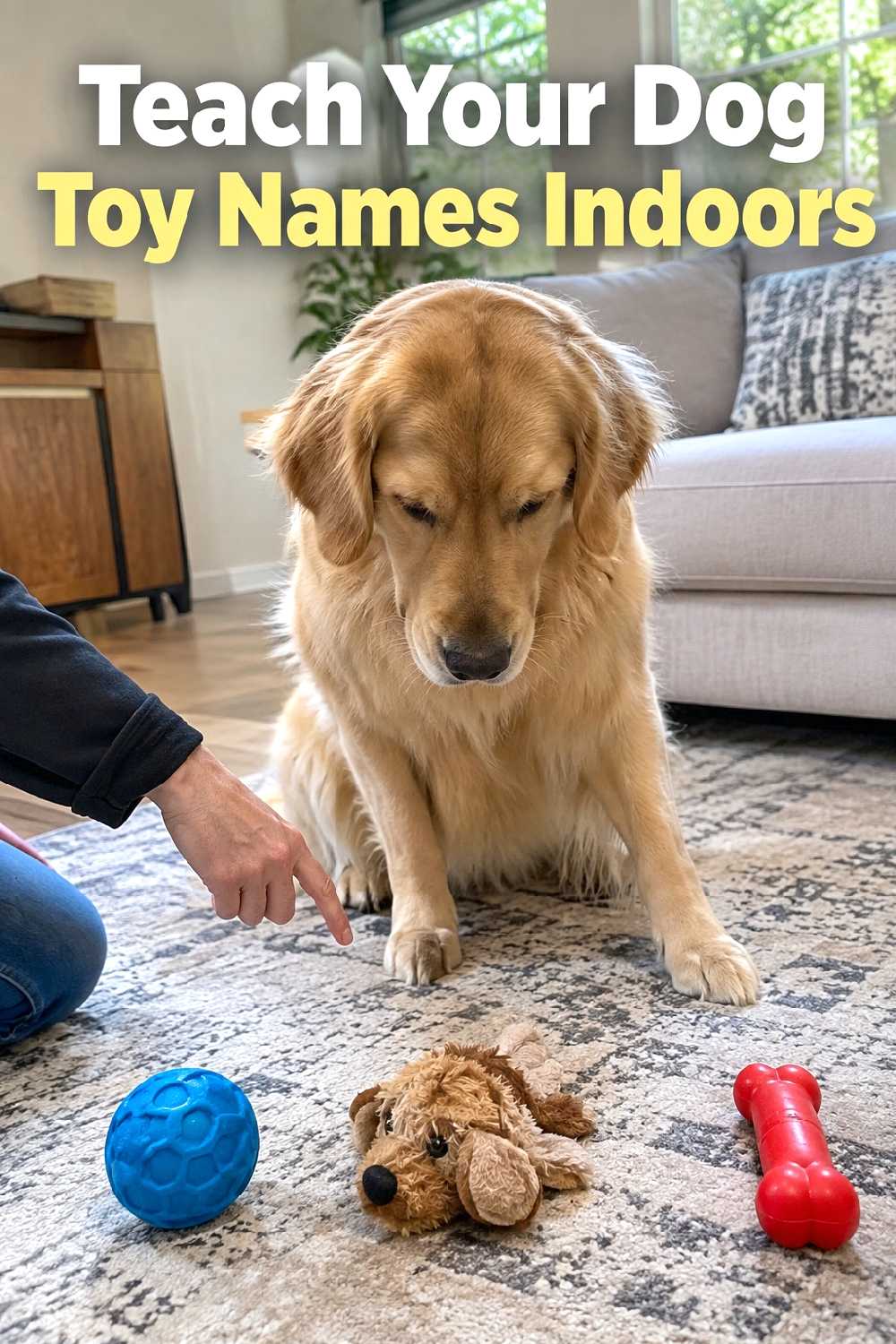
Toy naming adds a thinking challenge to objects your dog already enjoys. Start with one familiar toy. Say its chosen name immediately before encouraging your dog to touch, pick up, or bring it, then reward the correct interaction.
After several short sessions, introduce a second toy with a very different shape and name. Put both on the floor and ask for one. If your dog chooses incorrectly, simply reset rather than repeatedly saying the cue.
You can gradually build toward asking your dog to retrieve a particular toy from a small group. This activity needs very little floor space, making it useful for apartments and rainy days.
8. Five Minute Trick Training For Bored Dogs
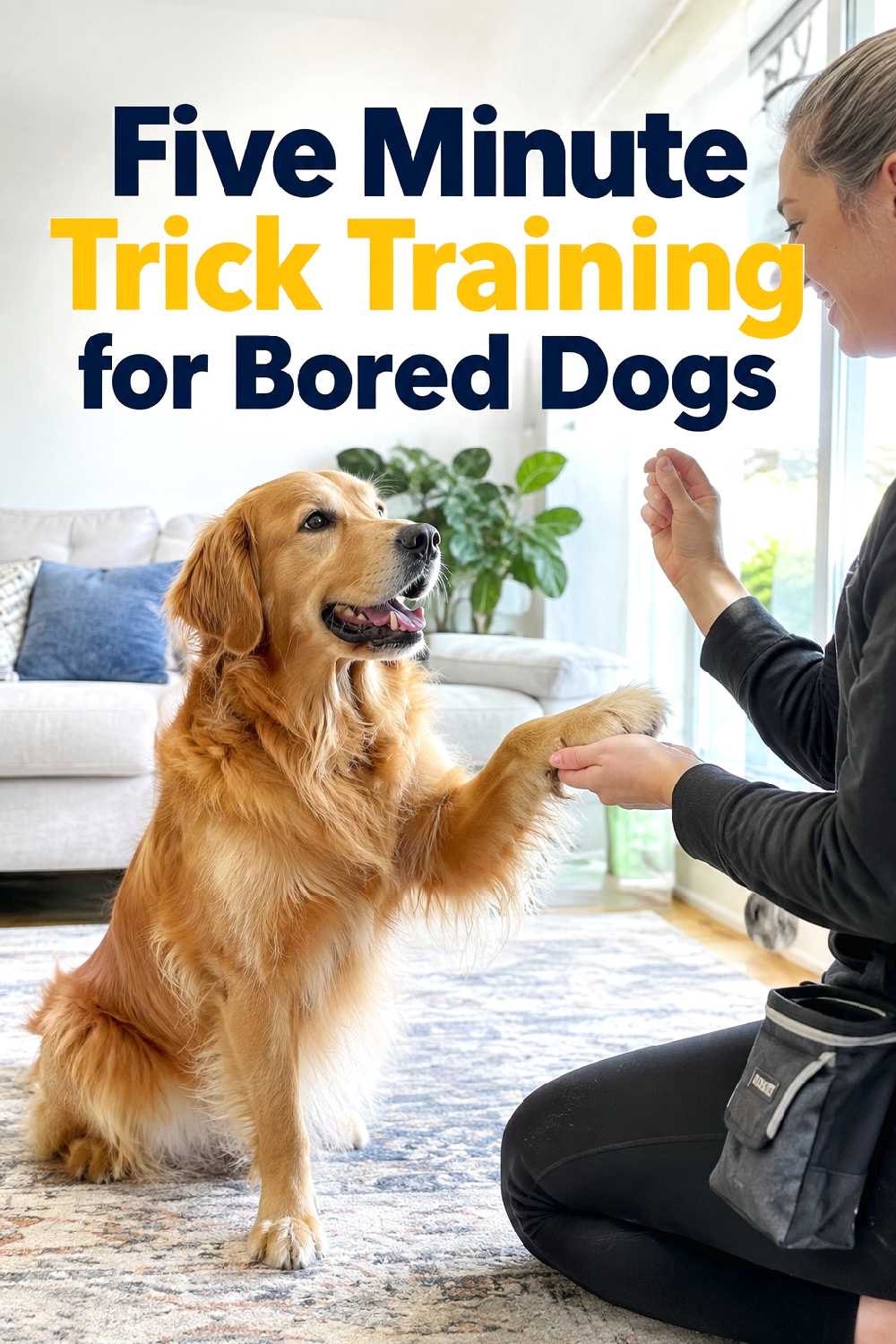
A brief training session can provide more useful engagement than repeatedly asking for commands your dog already performs automatically. Choose one simple skill, such as touching your palm with their nose, placing a paw on a low target, backing up a step, or circling around you.
Keep each session short enough that your dog remains interested. Break the behavior into easy pieces and reward progress instead of waiting for a perfect finished trick.
Training also gives you an activity that can be adapted to your dog’s mobility. A high-energy dog may enjoy more movement, while a senior dog may do better with stationary nose-target or object-choice games.
9. Indoor Hide And Seek Game With Your Dog
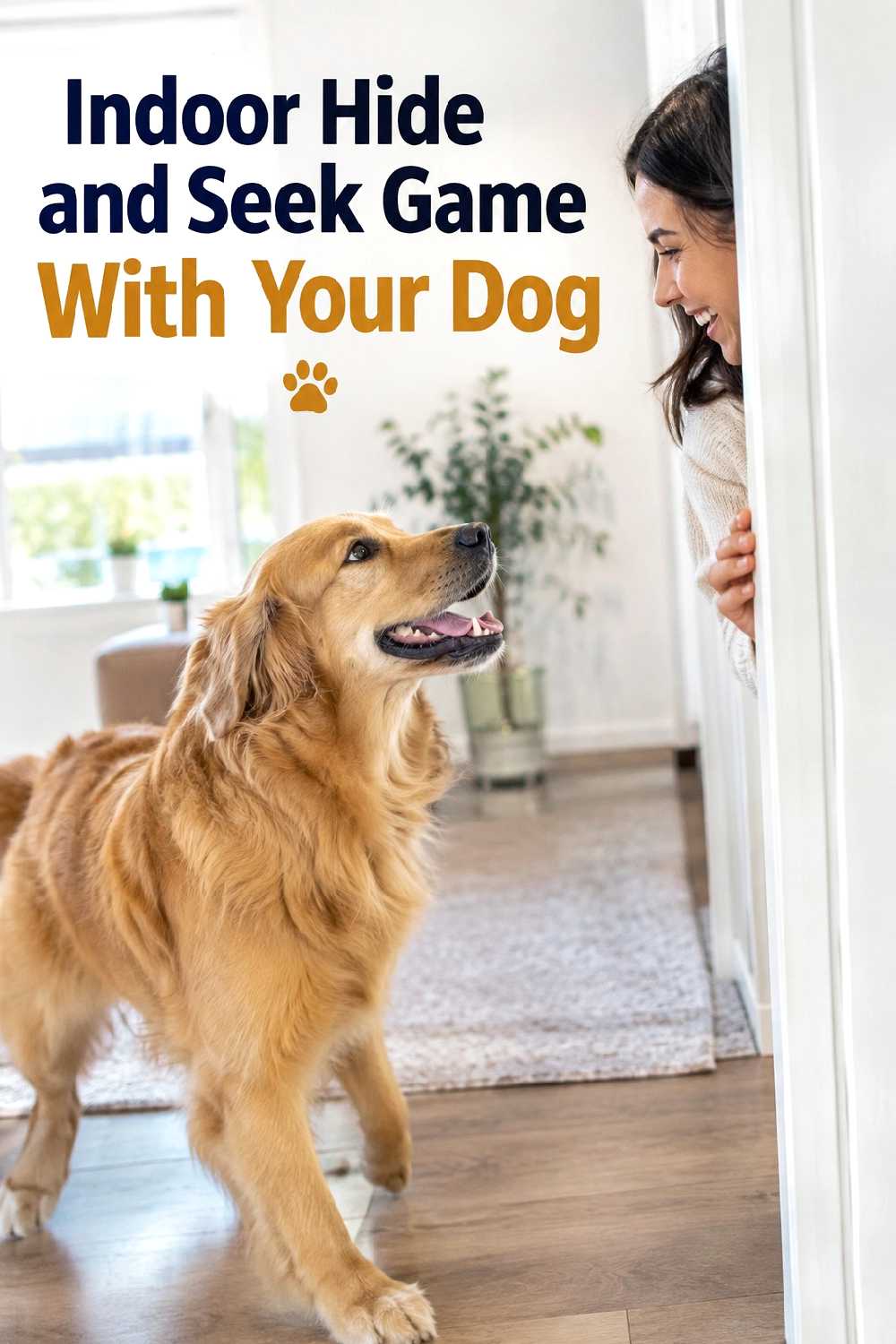
Ask your dog to remain with another household member, or wait briefly in a familiar area, while you hide somewhere easy. Call your dog once and let the search begin.
For the first rounds, hide partly behind a door or around a nearby corner. As your dog learns the game, choose less obvious but still safe locations. Celebrate when your dog finds you with praise, a toy, or part of their normal food allowance.
This activity combines scenting, listening, movement, and social interaction. Keep hiding places at floor level and avoid encouraging your dog to climb furniture or race on stairs.
10. Living Room Obstacle Course For Indoor Dogs
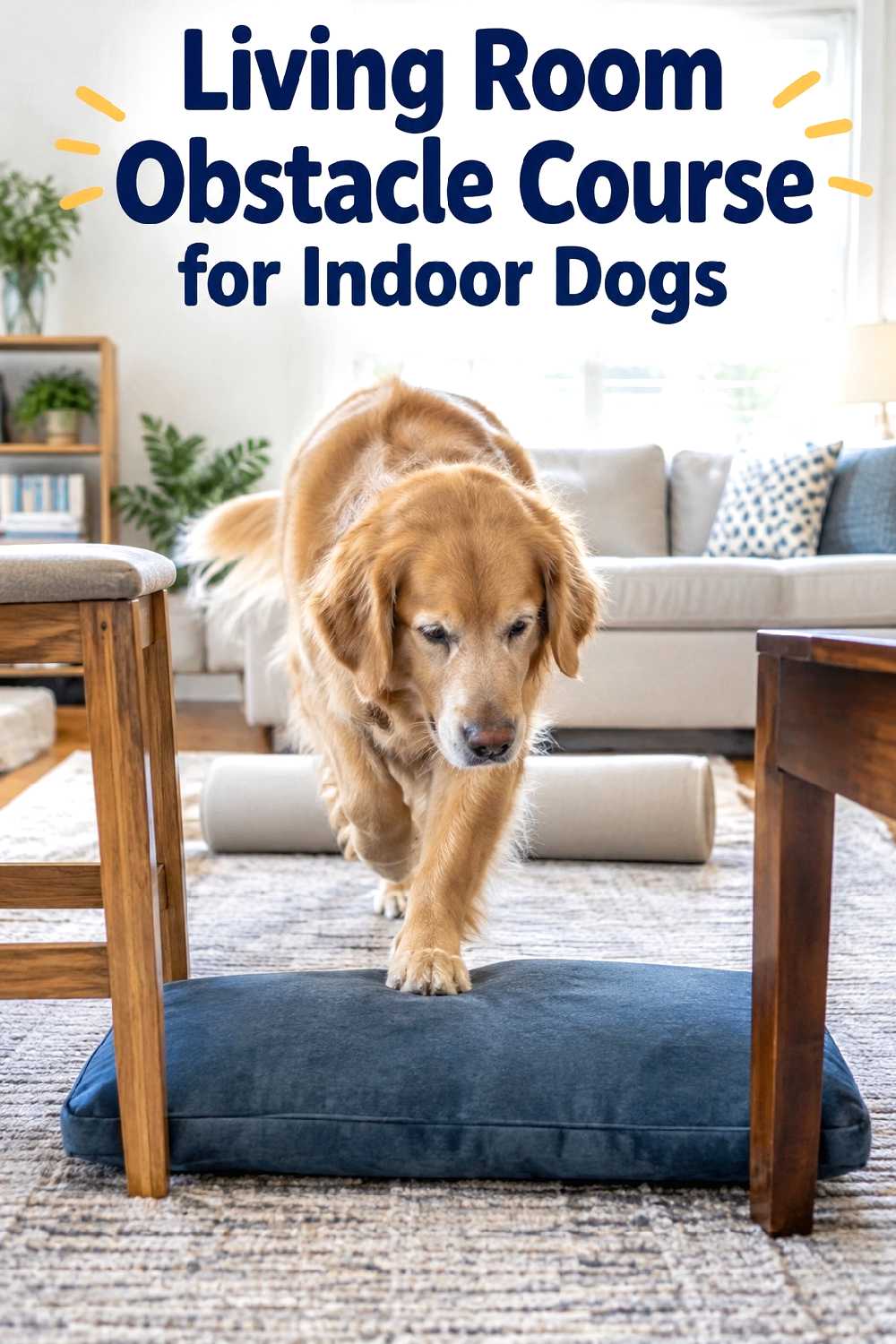
Create a temporary course using safe household objects rather than elaborate equipment. Your dog might walk around a chair, step over a low cushion, move between two boxes, pause on a mat, and finish by touching your hand.
Keep obstacles low and stable. The purpose is controlled body awareness, not high jumping. A nonslip rug or carpet is much better than a polished floor for turns and stepping exercises.
Walk your dog through the course slowly the first time. You can change the order on another day to make the same objects feel different without filling your home with more equipment.
11. Hallway Soft Toy Fetch For Indoor Dogs
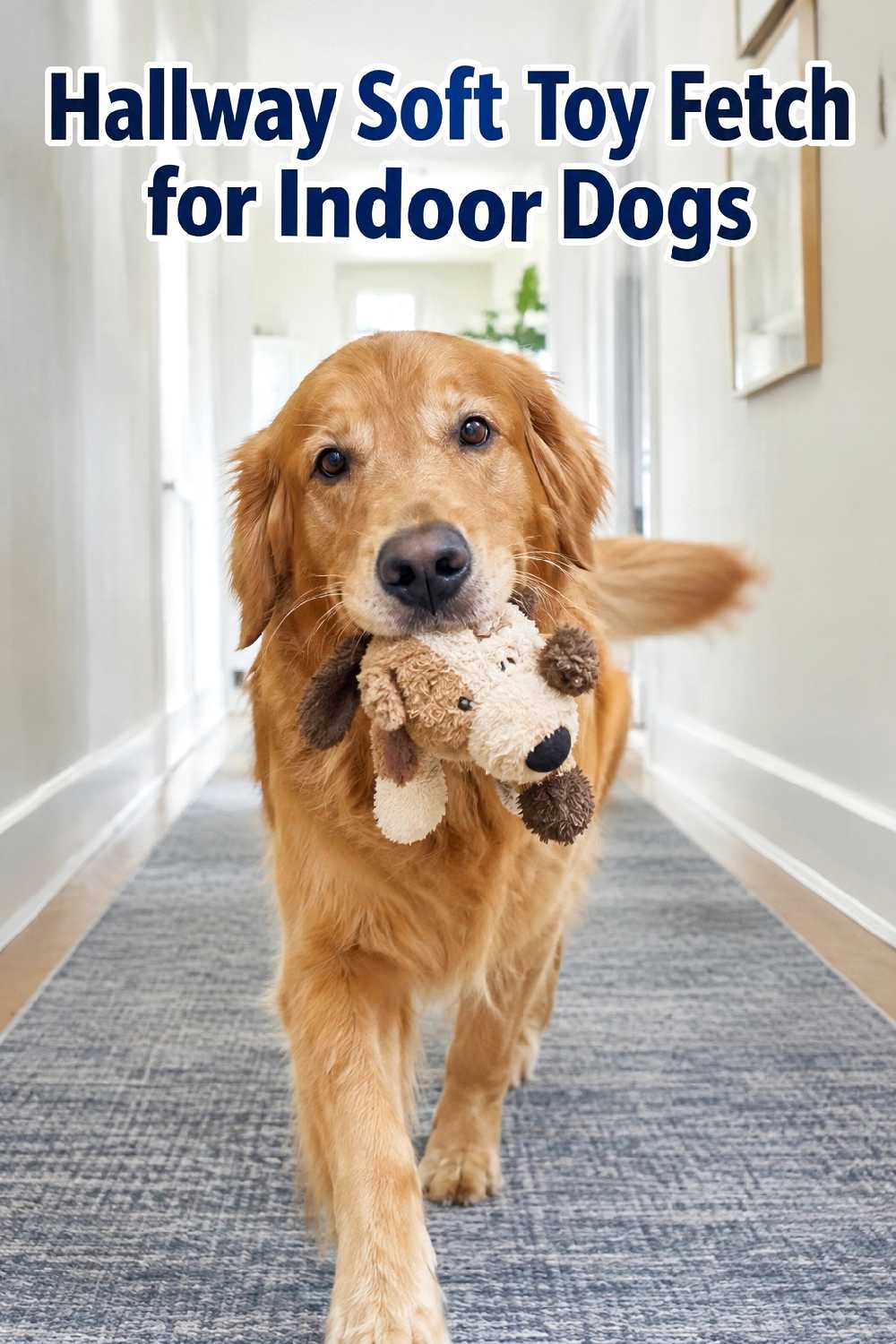
A long hallway can provide a contained place for gentle indoor fetching when outdoor play is limited. Use a lightweight soft dog toy rather than a hard ball that can bounce unpredictably into furniture or walls.
Roll or toss the toy a short distance instead of launching it at full speed. A runner or other nonslip surface can help prevent frantic sliding during turns.
This activity is better for dogs that can retrieve without becoming excessively excited indoors. If your dog starts crashing into furniture, skidding, or ignoring cues, switch to a slower search or training activity.
12. Indoor Tug Game For Bored Dogs
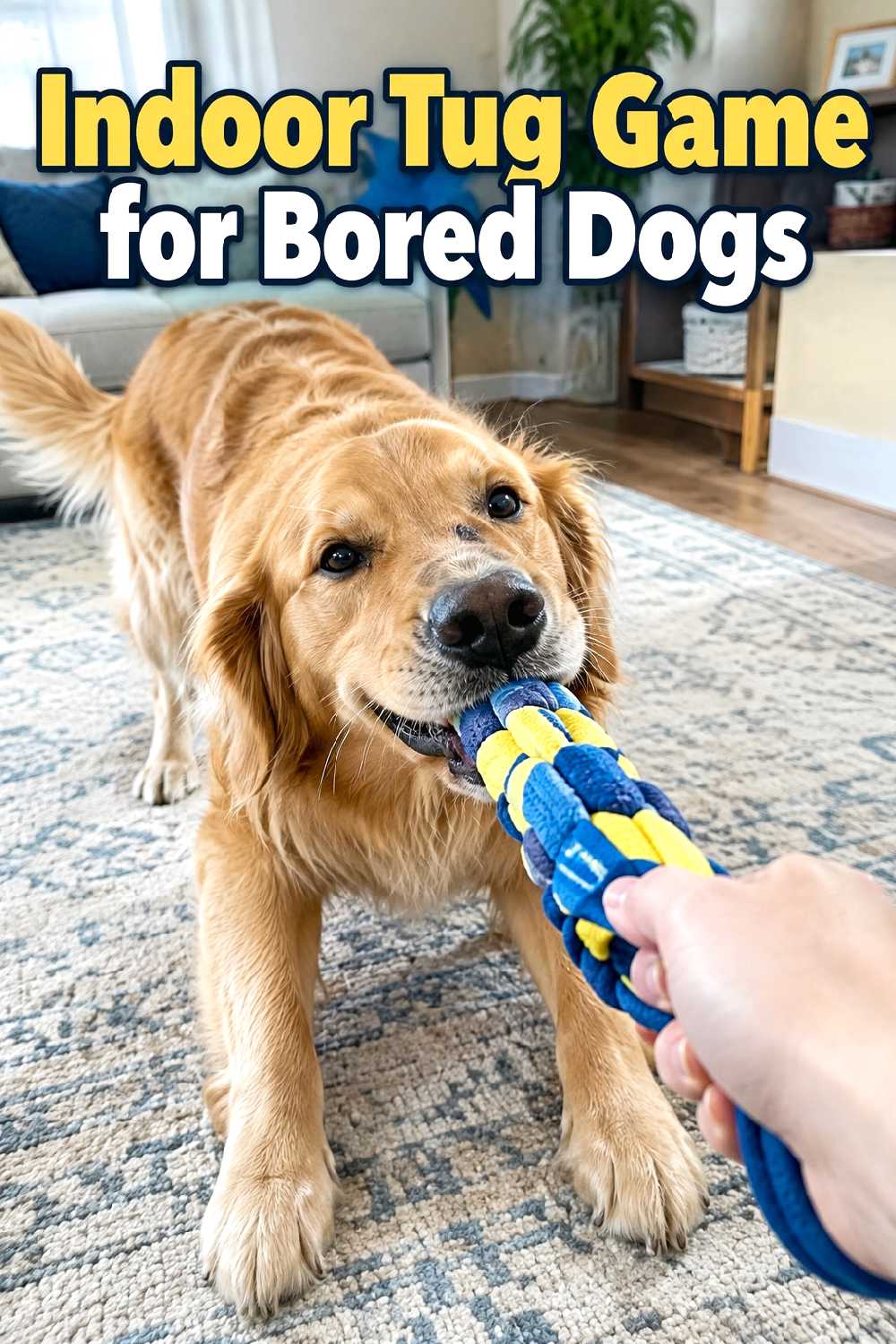
Tug gives you a highly interactive activity without requiring much room. Use a sturdy toy intended for tugging and let your dog pull against steady resistance while all four paws remain safely on the floor.
Build short pauses into the game. Ask for a release using a cue your dog understands, briefly reset, and then restart the game. This makes the session more structured than continuous pulling.
Avoid jerking the toy sharply upward or swinging your dog by the toy. Inspect tug toys regularly and replace them when fabric, stitching, or rubber begins breaking apart.
13. Calming Lick Mat Activity For Indoor Dogs
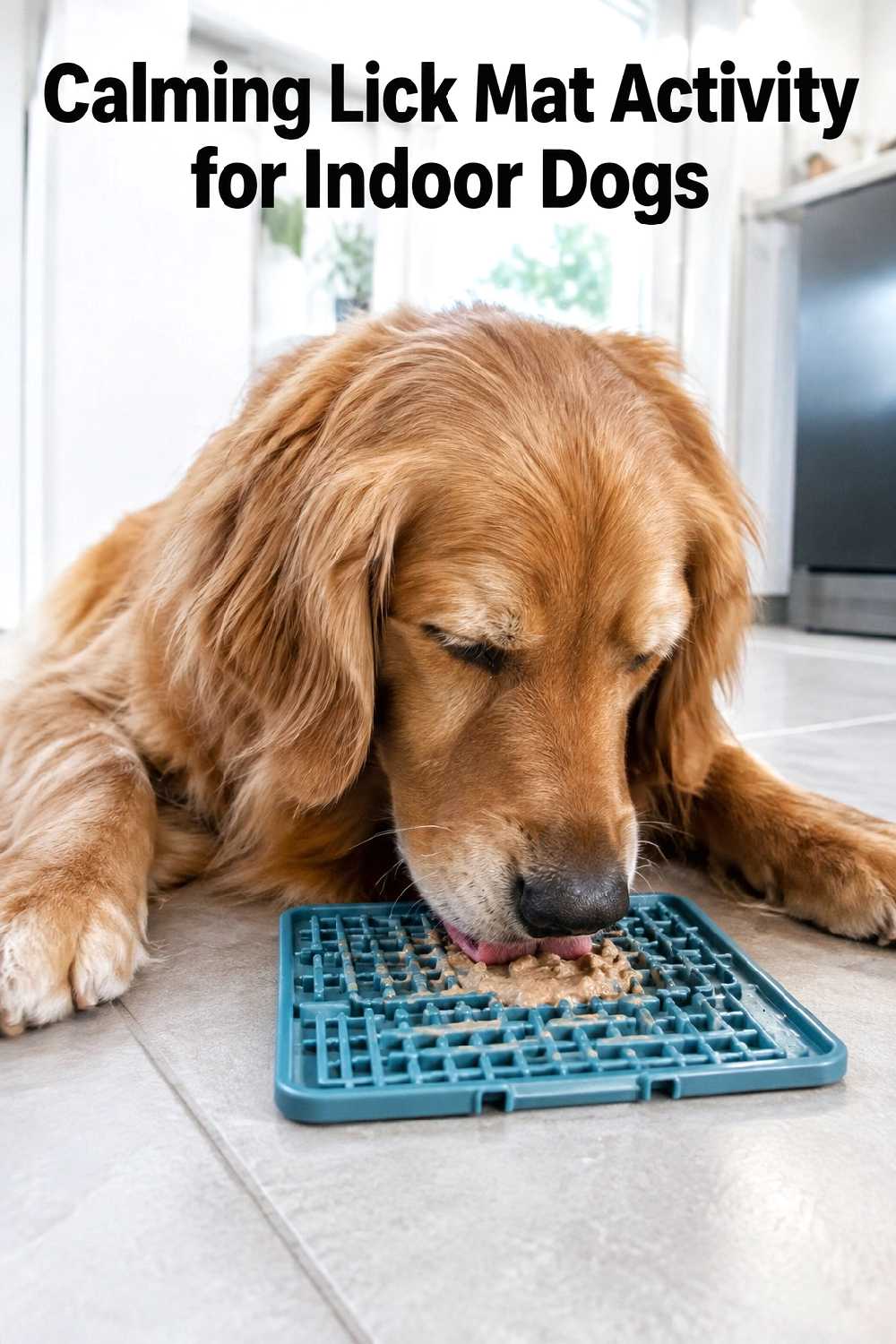
A lick mat can provide a quieter enrichment option after a more active game or during a calm part of the day. Spread a thin layer of your dog’s usual wet food, softened kibble, or another food you already know your dog tolerates across the textured surface.
Start with a small amount rather than covering the mat heavily. That keeps the activity useful without accidentally adding a large amount of food to the day.
Use the mat on an easy-to-clean surface and wash it after use. Dogs that chew the mat instead of licking it should only use it with close supervision, or switch to a sturdier feeding toy.
14. Stuffed Food Toy Idea For Bored Dogs
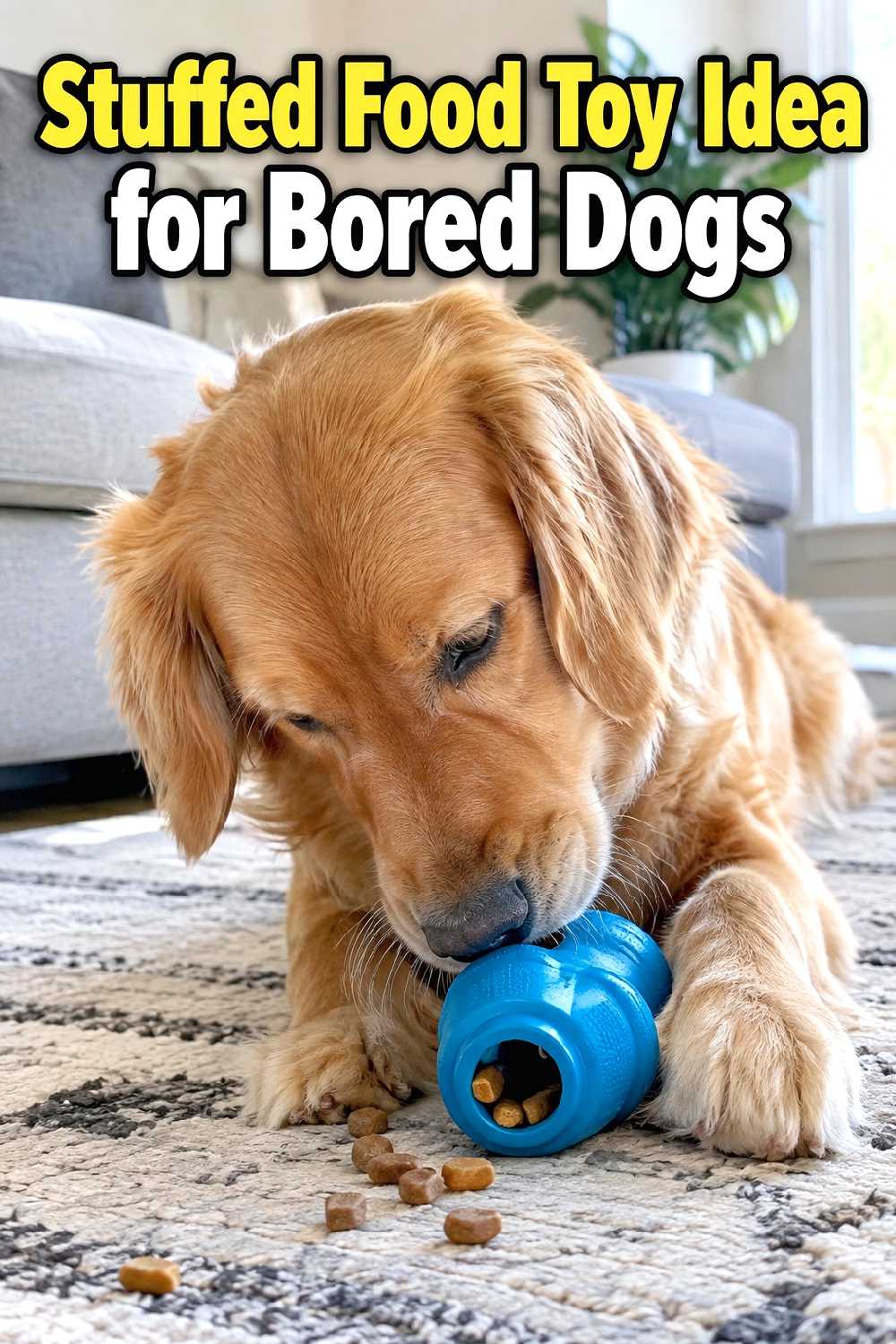
A durable hollow food toy can turn a portion of a meal into a longer problem-solving session. Fill it loosely with kibble at first so food comes out easily when the dog rolls or nudges it.
Once your dog understands the toy, combine dry food with some of their usual wet food or softened kibble to make the contents slightly more challenging. The activity can then be prepared in advance for times when you need your dog independently occupied.
Choose a size and durability level appropriate for your dog and inspect it frequently. Replace any toy that develops torn edges or missing pieces.
15. Indoor Blanket Digging Zone For Dogs
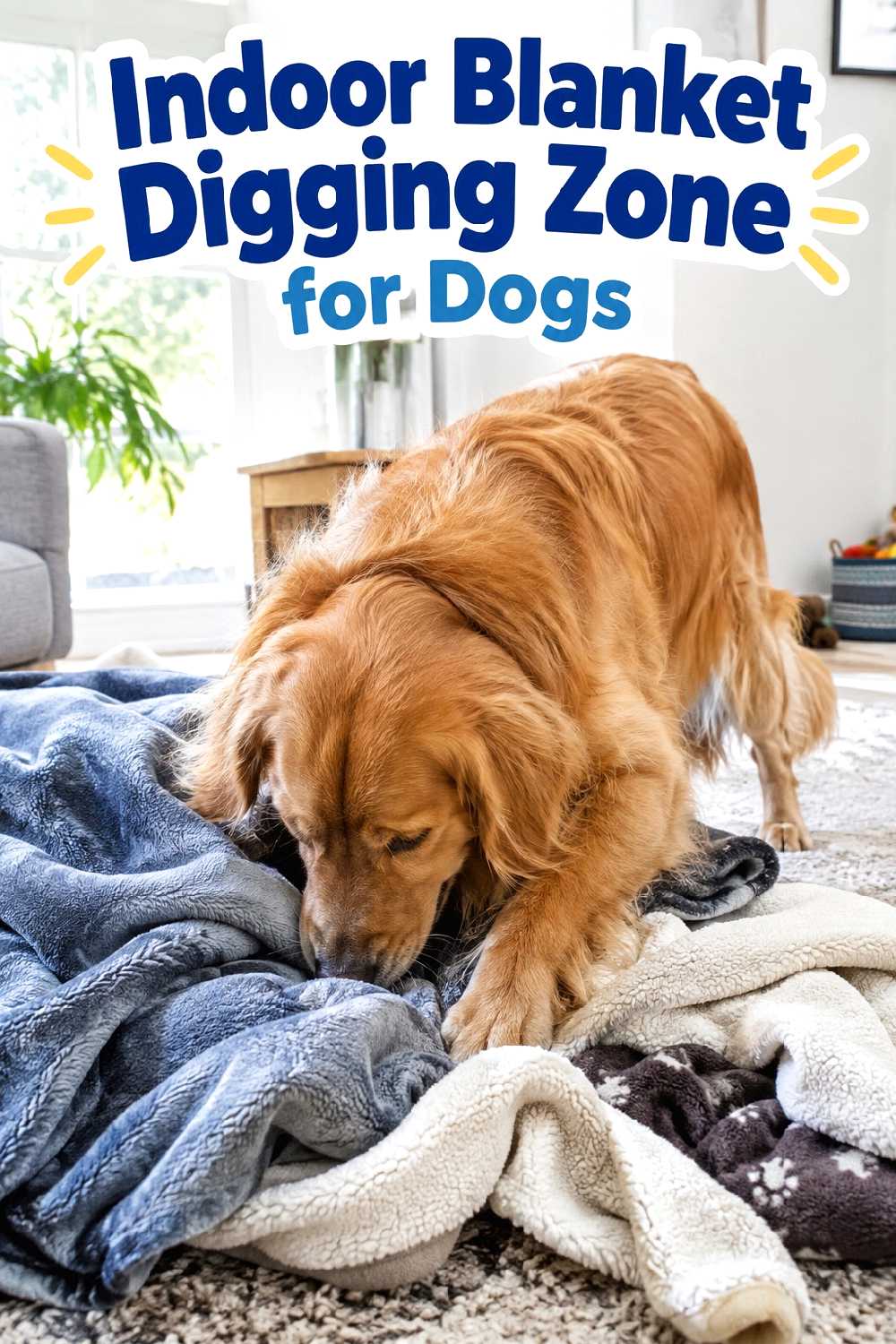
Some dogs enjoy pawing, nosing, and rearranging soft material. Instead of letting that activity happen on the couch or your freshly made bed, create a designated floor-level digging area using a few durable blankets.
Loosely layer the blankets and tuck a favorite toy or a few pieces of kibble between folds. Let your dog nose and paw through the pile to uncover them.
Keep the blankets spread loosely rather than forming tight loops, and supervise dogs that chew fabric. When the activity is finished, the entire setup can be folded into a basket, making it practical even in a small home.
16. Cozy Window Watching Station For Indoor Dogs
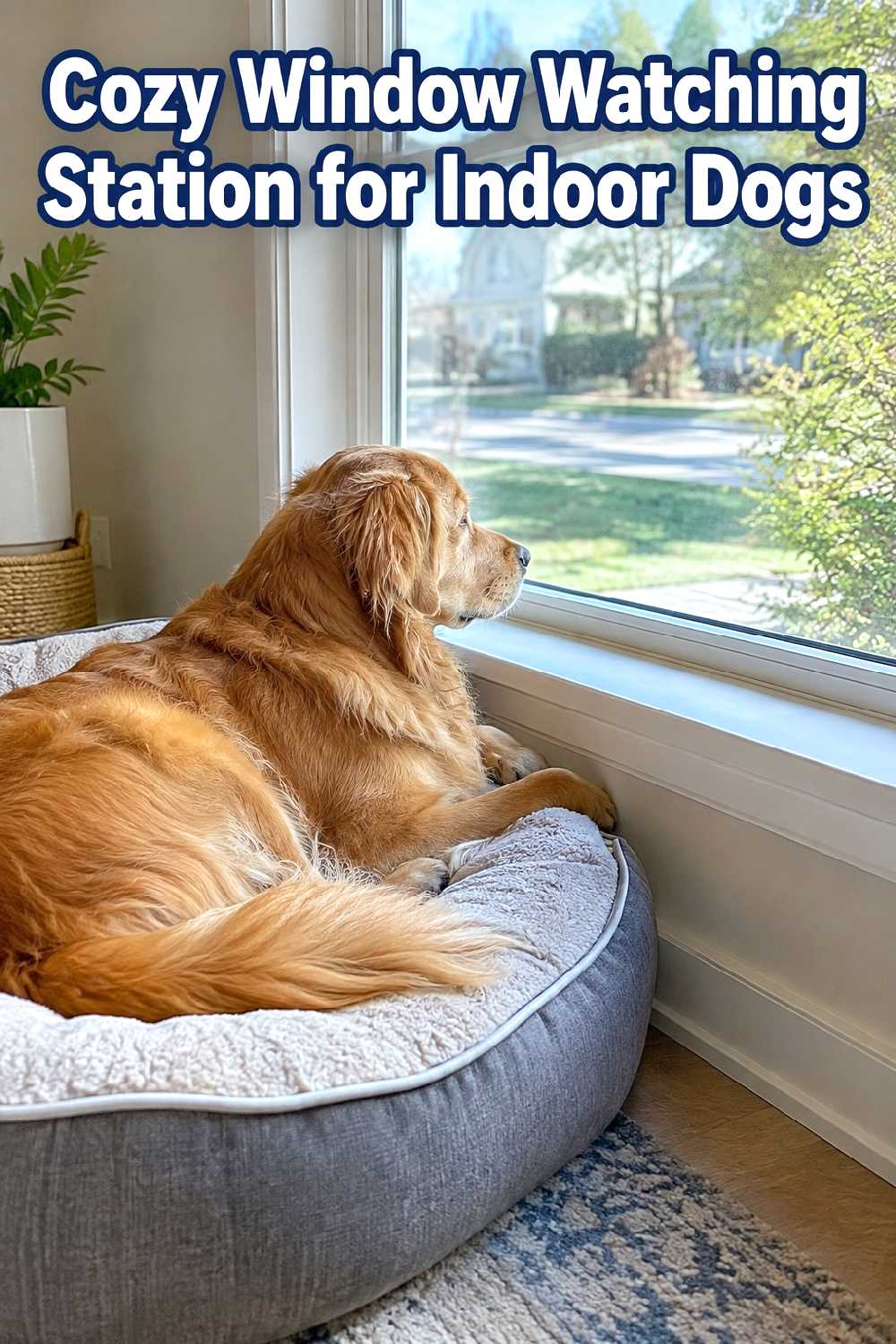
Not all enrichment needs to involve food or vigorous activity. A comfortable resting spot beside a secure closed window can give a relaxed dog access to changing sights and sounds outside.
Place a bed or mat where your dog can see outdoors without needing to climb onto unstable furniture. This can be especially useful during a quiet afternoon when birds, pedestrians, or neighborhood activity provide something different to observe.
Window watching is not relaxing for every dog. If outside movement leads to repeated barking, pacing, or intense guarding behavior, move the resting area away from the window and choose a calmer activity.
17. Dog Toy Rotation Idea To Prevent Boredom
You May Also Like


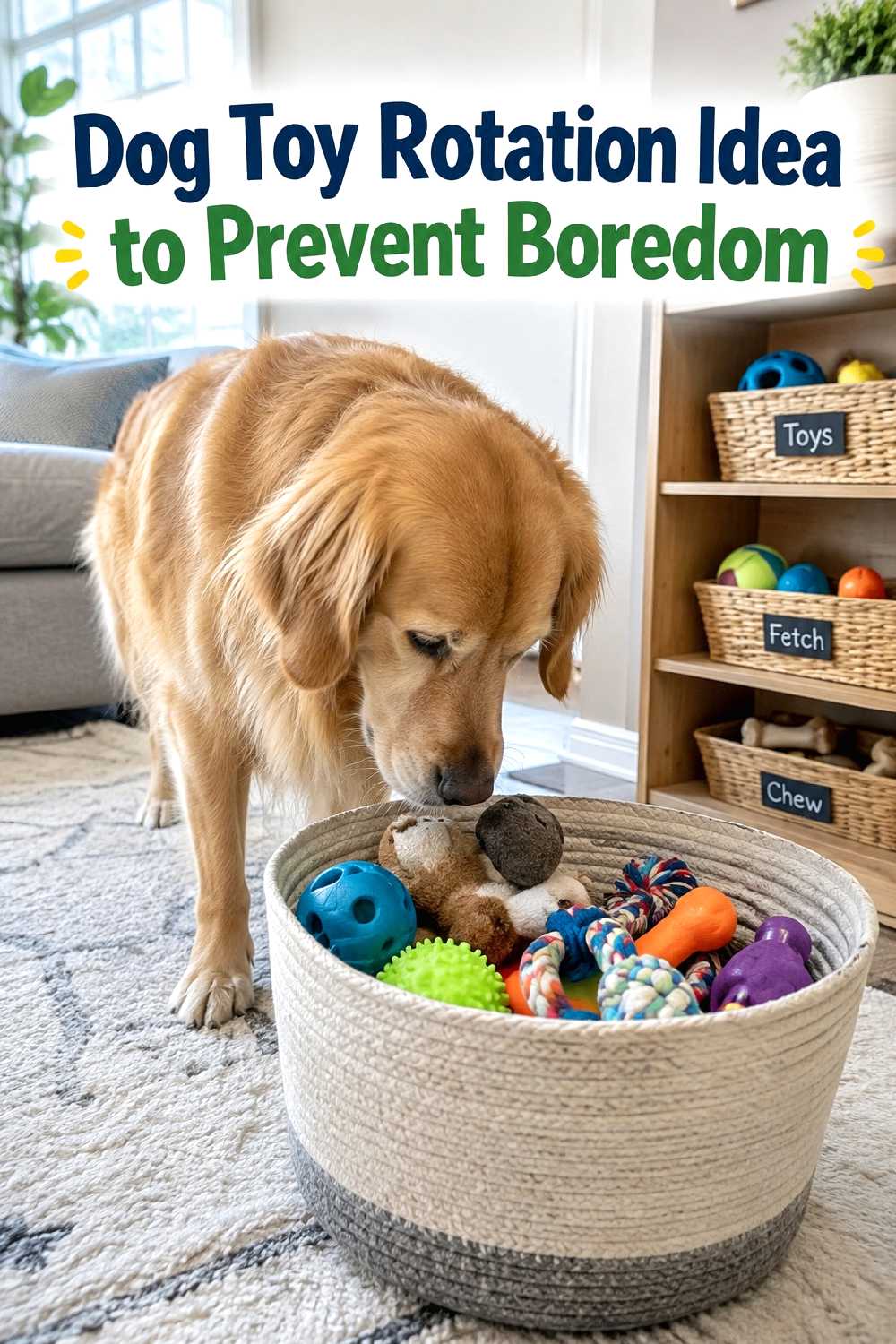
Instead of keeping every toy available all the time, divide suitable toys into small groups and rotate them. A toy that has been stored away for several days can become more interesting when it returns.
Keep only a manageable selection accessible, mixing different activity types such as a tug toy, fetch toy, food toy, and durable chew item. When interest drops, exchange a few rather than buying something new immediately.
Rotation also makes inspection easier. Before returning a stored toy to the basket, check for damaged seams, loose parts, cracked rubber, or anything else that should be discarded.
How to Choose the Right Indoor Enrichment Activity
Match the activity to what your dog needs at that moment rather than automatically choosing the most energetic game. A dog that has already exercised may enjoy scent work, licking, or a food puzzle. A dog that has been resting for hours may be more interested in hide-and-seek, tug, or a controlled obstacle course.
You can also alternate enrichment types. For example, use a five-minute training session followed by a scent game instead of repeating fetch until your dog becomes overexcited. Variety comes from changing the job your dog is doing—not simply buying more toys.
Food-based enrichment should generally come from food you have already planned to feed whenever practical. Adjust portions appropriately so several enrichment sessions do not quietly turn into a large amount of extra food.
Indoor Enrichment Safety Check
Supervision matters most when an activity includes fabric, cardboard, paper, homemade puzzles, removable pieces, or objects your dog may decide to chew instead of use as intended. Remove damaged materials promptly, keep small swallowable objects out of the setup, and avoid exposed cords, unstable furniture, sharp items, or slippery routes. These precautions are also consistent with the supplied Daily Pet Routine guidance on practical depth, pet-safe setups, and proportional supervision.
Watch your individual dog’s behavior as well. An activity that is pleasantly challenging for one dog may frustrate or overstimulate another. Make the game easier when your dog repeatedly gives up, starts destroying the equipment, or becomes too excited to engage safely.
A Simple Way to Start Today
You do not need a full indoor enrichment schedule. Pick three activities with different purposes: one that involves sniffing, one that involves interacting with you, and one quiet independent activity.
For example, you might use a snuffle mat at breakfast, practice one trick for five minutes in the afternoon, and offer a stuffed food toy later in the day. Rotate the choices through the week and notice which activities keep your dog engaged without creating frustration or excessive excitement.
The most useful enrichment setup is usually the one that fits naturally into your home and is easy enough to repeat.
FAQs
1. How often should I give my dog indoor enrichment?
There is no single schedule that suits every dog. Short enrichment opportunities can be spread through the day and adjusted around walks, meals, rest, training, and your dog’s energy level. Several brief activities are often easier to manage than one long session.
2. Can I use my dog’s regular food for enrichment?
Yes. Kibble or another normal part of your dog’s meals can often be used in snuffle mats, scent trails, food puzzles, and training. This makes it easier to add enrichment without relying entirely on extra treats.
3. What if my dog solves food puzzles too quickly?
Change the type of challenge before simply making the same puzzle extremely difficult. Try scent work, toy identification, training, or a different food-dispensing setup. A successful enrichment activity should remain engaging without becoming frustrating.
4. What are good indoor enrichment ideas without food?
Hide-and-seek, toy naming, trick training, gentle fetch, controlled tug, obstacle courses, toy rotation, and relaxed window watching can all provide enrichment without requiring food.
5. What if my dog destroys homemade enrichment activities?
Choose more durable options and supervise closely. Dogs that tear towels, cardboard, paper, or plastic containers may be better suited to sturdy purpose-made food toys, training games, scent searches without loose materials, or interactive play with you.
